


Category: Corporate Event
Event Planning and Management: The Complete Guide to Delivering Successful Corporate Events
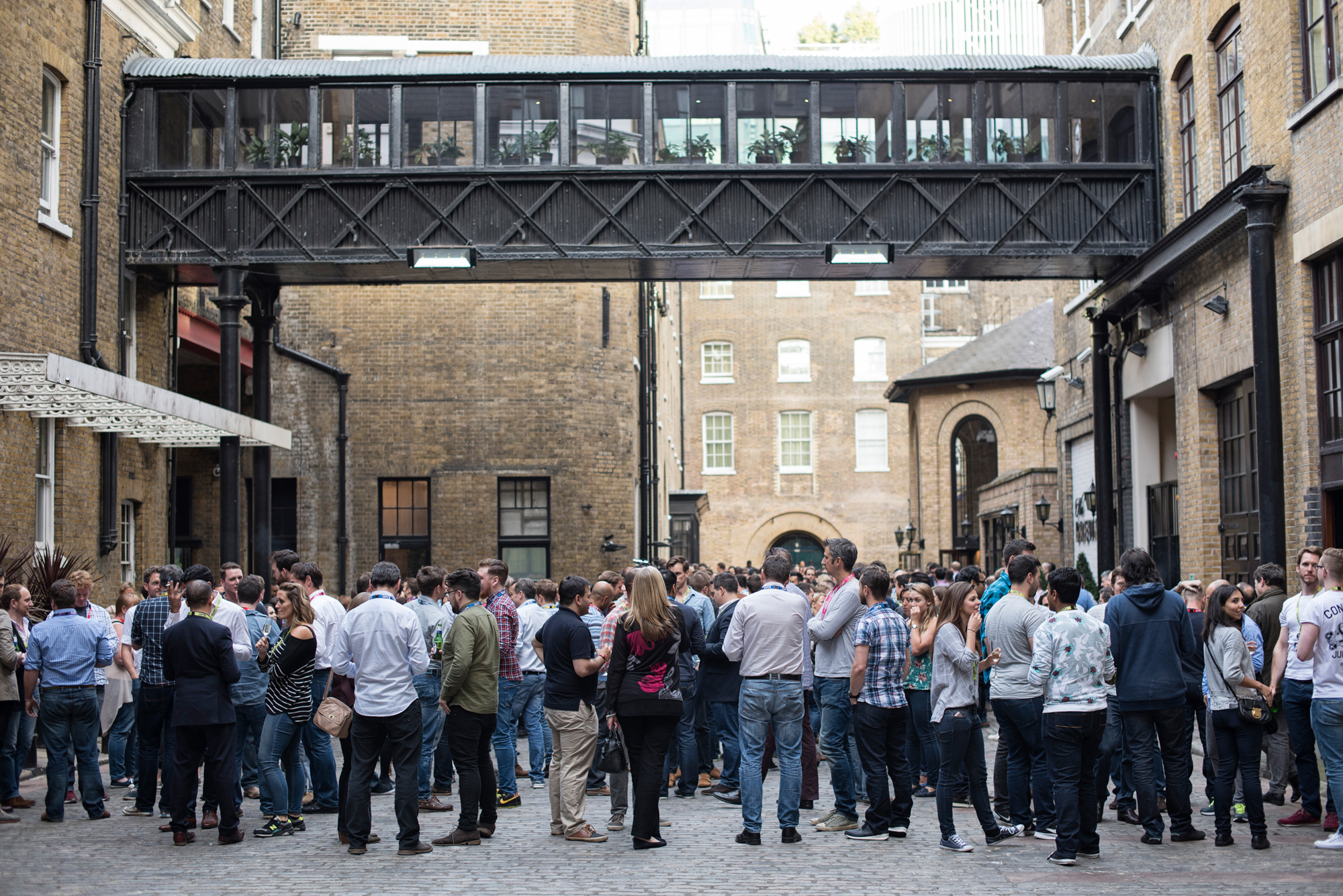
A well-run corporate event can strengthen client relationships, align teams around a common goal, and produce measurable commercial outcomes. A poorly planned one wastes budget, damages credibility, and leaves no trace of value once the room empties.
The difference is rarely production quality. It is planning, structured, strategic, end-to-end event planning and management that treats every decision as a deliberate step toward a defined outcome.
Let’s understand the full corporate event lifecycle, why strategic thinking matters at every stage, and what to look for when deciding how to resource it.
What Is Event Planning and Management?
Event planning and management is the process of designing, organising, delivering, and evaluating a live experience, conferences, incentive programmes, product launches, brand activations in a way that achieves defined business objectives.
The distinction from pure logistics matters. Event logistics is booking venues, managing suppliers, and coordinating schedules. Event planning and management adds the strategic layer: interpreting the brief, shaping the delegate experience, building risk into the process, and measuring outcomes against goals that were set before a single supplier was engaged.
The Complete Event Planning Process
1. Defining Goals and Objectives
Every successful event begins with a clear answer to one question,
What does this event need to achieve?
Brand awareness, lead generation, employee motivation, delegate education, client retention- the objective shapes every decision that follows, from format and venue to content and communication.
Without measurable goals, there is no basis for evaluation. And without evaluation, there is no way to defend the investment to leadership or improve the next event.
2. Budget Planning and Resource Allocation
A realistic budget established early prevents scope creep and last-minute compromise. Key allocations typically span venue, AV and production, delegate communications, travel, content creation, and contingency. Industry practice recommends reserving 10–15% of the total budget as contingency, not as padding, but as a professional standard.
3. Venue Selection and Supplier Management
Venue choice does more than provide a room. The environment shapes how delegates feel before a word is spoken from the stage.
An intimate space creates connection, a grand one creates presence, a poorly chosen one undermines the entire event.
Supplier relationships matter equally as clear deliverables, cancellation terms, and backup options with every key supplier are the foundations of delivery confidence.
4. Event Marketing and Guest Registration
The delegate registration experience is the first impression of your event, and it signals your organisation’s competence before the day arrives.
A smooth, well-designed registration process builds trust and captures valuable data on audience composition and session preferences.
Registration flow directly influences attendee confidence. Pre-event communications, invitations, reminders, and joining instructions should be sequenced, consistent, and tailored to the audience rather than broadcast once and forgotten.
5. Risk Management and Contingency Planning
No event plan is complete without a risk register. The most common risks for corporate events include AV and technology failure, key speaker cancellation, venue disruption, and severe weather.
Effective contingency planning means ranking risks by likelihood and impact, assigning clear ownership to each, and having pre-written communications ready to deploy if something shifts. The teams that handle disruption professionally are always those who planned for it.
6. On-the-Day Event Execution
On-day delivery is where every upstream decision becomes visible. Run-of-show management, supplier coordination, delegate flow, AV quality, speaker briefing, and real-time problem-solving all converge here. The mark of an experienced event team is that when something goes wrong, it is resolved before delegates notice.
7. Post-Event Evaluation and Reporting
An event without evaluation is a budget spent with no learning. Post-event reporting should measure directly against the objectives set at the outset, such as delegate satisfaction, engagement data, pipeline influenced, and business outcomes achieved.
This data justifies investment to stakeholders and shapes the next event brief, it is where the budget for future events is won or lost.
What are the Benefits of Working with an Events Management Agency?
Knowing the process is one thing. Resourcing it effectively is another. The decision to manage corporate event planning internally or partner with an events management agency depends on scale, complexity, and what is realistically available in-house.
| Factor | In-House Team | Events Management Agency |
| Creative resource | Limited to internal capability | Dedicated studio and specialist expertise |
| Supplier network | Built over time, may be limited | Established relationships, better rates |
| Scalability | Constrained by headcount | Scales to event size and geography |
| Risk management | Falls internally | Contingency expertise built in |
| Post-event reporting | Often manual and inconsistent | Structured analytics and ROI frameworks |
For complex, international, or high-stakes events, the expertise an agency brings typically outweighs the cost, particularly when the event is expected to deliver outcomes the business can actually point to.
At SEVEN Events, we have delivered corporate events across 85+ countries since 2009 for clients including Telefónica Tech, Just Eat, Sophos, and PepsiCo/Lipton.
Our in-house creative studio, senior project team, and global supplier network mean your event is managed end-to-end by people who treat your objectives as seriously as you do. Explore our approach or speak to our team about your next event.
What are the Common Event Planning Mistakes to Avoid?
Even experienced teams fall into the same preventable traps:
- Starting too late: complex corporate events need 12–16 weeks minimum. Compressed timelines inflate costs and compromise quality as last-minute bookings command premium rates.
- Setting vague objectives: “make it a great day” is not a brief. Without measurable goals, there is no basis for evaluation, and no way to justify the spend at board level.
- Skipping the risk register: treating contingency planning as optional until something goes wrong is one of the costliest mistakes in the industry.
- Neglecting the attendee experience: a logistically sound event can still fail if it does not engage delegates or feel relevant to them. People remember how an event made them feel long after they have forgotten the agenda.
- Missing the post-event phase: Post-event evaluation is where business cases for future events are built or buried.
SEVEN’s Insight
Successful corporate events do not happen by chance. They are built on clear objectives, careful planning across every stage, and the discipline to measure outcomes against goals that were set before anything else was decided.
Event planning and management done well is one of the most powerful tools a business has for aligning teams, building relationships, generating pipeline, and creating the kind of experiences people carry with them long after the day is done. Done poorly, it is an expensive lesson in what structured planning is actually worth.
Whether you resource this in-house or partner with an events management agency, the standard is the same: every decision should be traceable to an outcome, and every outcome should be measurable.
FAQs
What is event planning and management?
Event planning and management is the end-to-end process of designing, organising, delivering, and evaluating corporate live experiences, with defined business objectives and measurable outcomes built in from the start, not added afterwards.
What does an events management agency do?
An events management agency handles the full scope of a corporate event: brief interpretation, creative concept, venue and supplier management, delegate communications, risk planning, on-day execution, and post-event reporting, acting as a strategic partner, not just a logistics provider.
What are the stages of event planning?
The six core stages are: defining goals and objectives, budget planning, venue selection and supplier management, event marketing and guest registration, risk management and contingency planning, on-day execution, and post-event evaluation.
Why is strategic event planning important?
Without strategy, events risk being well-executed but commercially purposeless. Strategic event planning ensures every decision- venue, content, format, experience- is traceable to a business objective, measurable against it, and defensible to the leadership team who approved the budget.
Employee Appreciation Activities That Strengthen Company Culture and Engagement
Recognition rarely appears on a balance sheet, yet it influences some of the metrics businesses value most: retention, engagement, and productivity. Employees who feel genuinely valued are more likely to stay, collaborate effectively, and contribute to a positive workplace culture.
Most employees who quit their jobs cite a lack of appreciation as a key reason for leaving, a figure that should sit at the top of every HR Director’s agenda. And yet, for many organisations, recognition remains an annual gesture rather than a sustained strategy.
The most successful companies treat employee appreciation activities as a genuine business investment, not an occasional reward. When designed and delivered well, they strengthen relationships, reinforce company values, and create a culture where people feel valued throughout the year, not just during performance reviews.
Why Employee Appreciation Activities Matter Beyond the Moment
Employee appreciation helps people feel recognised for the value they bring. Consistent recognition strengthens culture, reinforces positive behaviours, and keeps employees engaged..
Well-planned employee appreciation activities can:
- Strengthen workplace culture and team connections.
- Reinforce company values through meaningful recognition.
- Increase motivation by celebrating individual and team achievements.
- Create memorable experiences that leave a lasting impression.
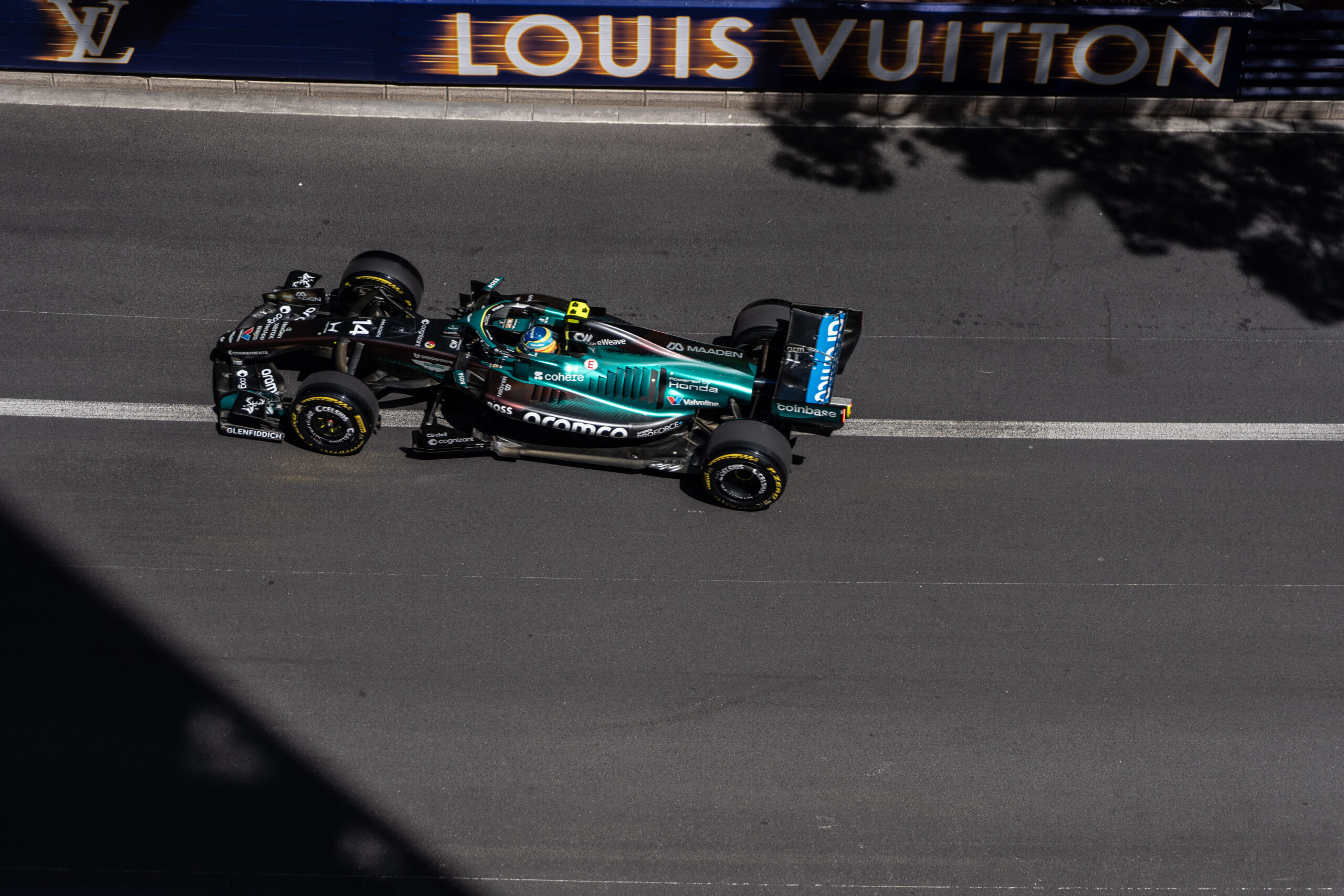
This Monaco Grand Prix incentive programme rewarded high-performing employees with an experience built around one of the world’s most iconic sporting events. Rather than a traditional awards ceremony, the programme used shared experiences to celebrate success, strengthen relationships, and make employees feel genuinely valued.
The most effective employee appreciation activities are about creating moments that employees remember long after the event has ended.
Employee Appreciation Activity Ideas That Actually Work
The most memorable appreciation events are not necessarily the most expensive. They are the ones that reflect the organisation’s culture, encourage genuine interaction, and create shared experiences employees carry with them long after the event ends.
Before choosing an activity, the most effective organisations ask four questions: What behaviour or achievement are we recognising? Who are we recognising, and what matters to them? How do we make this inclusive for in-person, remote, and hybrid team members? And how will we know it worked?
With that foundation in place, the following employee appreciation activities consistently deliver lasting impact.
1. Recognition and Awards Ceremonies
Formal recognition remains one of the most effective appreciation formats when it is delivered thoughtfully. Awards ceremonies, milestone celebrations, and peer recognition events allow organisations to acknowledge individual and team achievements publicly, and that social dimension is what makes them land differently from a bonus payment or an email.
The key is specificity. Awards tied to named achievements, written nominations, and personal stories carry far more weight than generic trophies.
When the room hears why someone is being recognised, the project they saved, the client relationship they built, the team they carried through a difficult period, the moment resonates beyond the individual and reinforces the values the whole organisation aspires to.
2. Incentive Travel and Group Experiences
Incentive travel remains one of the most powerful employee appreciation activities because an extraordinary shared experience creates memories that last far beyond the event itself.
The destination matters less than the experience. The most successful incentive programmes are designed around the people being recognised, their achievements, and the moments that matter most to them.
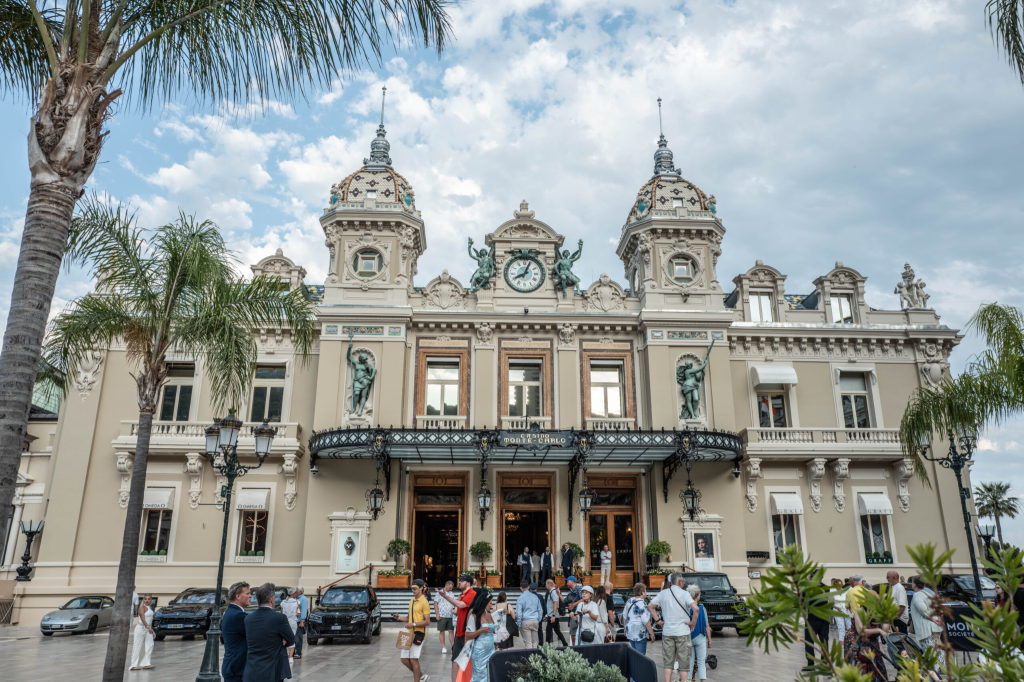
A great example is the Unforgettable Monaco Grand Prix Incentive. High-performing employees were rewarded with an experience built around one of the world’s most iconic sporting events, complemented by curated hospitality, local experiences, and opportunities to connect outside the workplace.
Rather than simply celebrating success, the programme created a memorable experience that recognised achievement in a meaningful and lasting way.
3. Team Building and Shared Experiences
Team experiences build the kind of informal relationships that formal structures rarely create. Activities such as creative workshops, escape room challenges, cookery experiences, and innovation sessions give colleagues a different context in which to connect, helping break down departmental barriers and building trust outside of daily pressures.
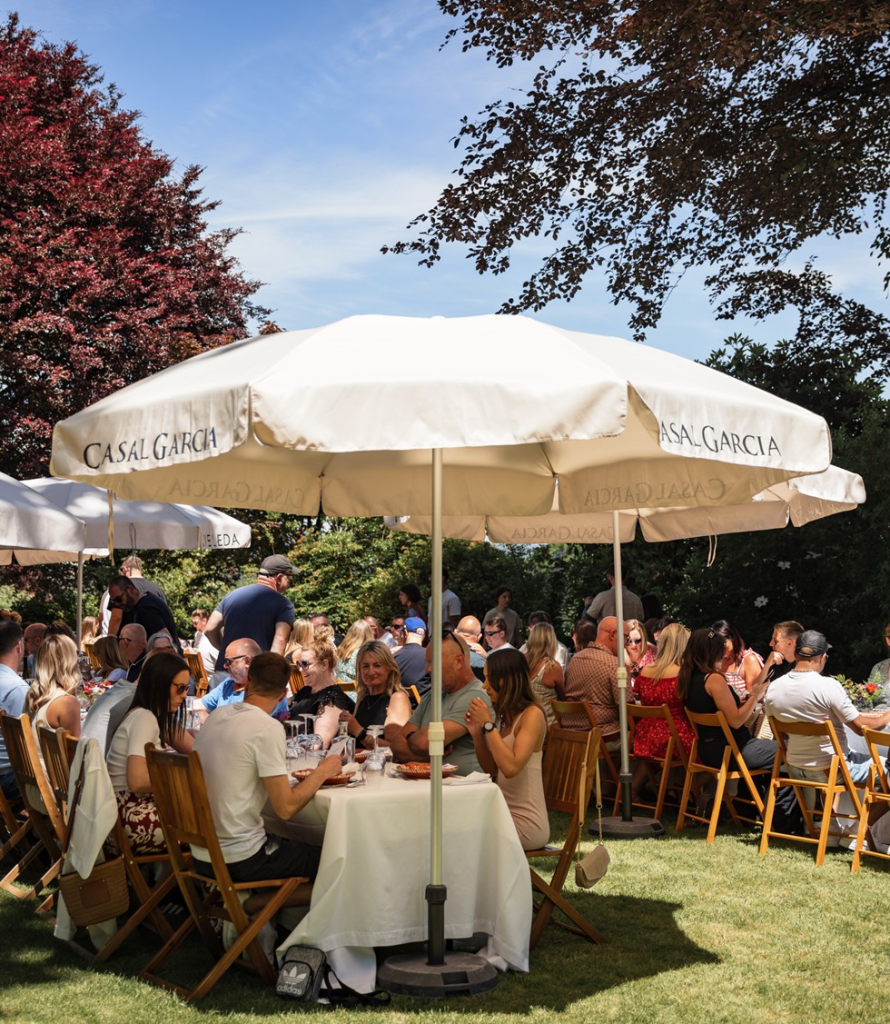
This approach can be seen in the Power up Porto! programme, where colleagues came together through a series of shared experiences designed to celebrate success and strengthen relationships.
By creating opportunities to connect outside the workplace, the programme encouraged collaboration in a way that extended well beyond the event itself.
The most effective employee engagement events encourage participation rather than observation, helping employees build stronger connections regardless of seniority, location, or role.
4. Structured Appreciation Programmes
Individual events are valuable. Structured programmes are transformative.
A year-round appreciation strategy, combining regular peer recognition, quarterly events, milestone celebrations, and an annual culminating experience, creates a genuine culture of recognition rather than a series of isolated gestures.
Employees who receive frequent recognition are 5x more likely to feel valued and motivated. Frequency and consistency compound the impact of individual moments into something that genuinely shifts how people experience their working lives.
5. Wellbeing and Learning Experiences
Supporting employee wellbeing and development is one of the strongest demonstrations of appreciation an organisation can offer, because it invests in people as individuals, not just as contributors to business performance.
Wellbeing experiences, outdoor retreats, mindfulness sessions, fitness activities, and resilience workshops provide valuable time away from daily pressures while reinforcing a culture of care.
Learning experiences, leadership masterclasses, innovation sessions, and guest speakers combine recognition with development, leaving employees feeling inspired and invested. Both formats strengthen the organisational culture and employee experience that sustain long-term engagement.
What Makes Incentive Event Management Deliver Real Results?
The gap between an employee appreciation activity that people remember and one they forget within a fortnight almost always comes down to how it was designed and managed.
Incentive event management is the professional discipline of creating structured recognition and reward experiences aligned to business objectives, not simply organised occasions. Done properly, it means:
- Defining what behaviour or achievement is being recognised and why
- Designing an experience proportionate to and personal to that recognition
- Managing every logistical detail so the experience itself is seamless
- Measuring participation, engagement, and impact afterwards
The most successful appreciation programmes are built around the people they are designed to recognise. That means starting with culture, objectives, and employees before designing an experience, which is precisely where professional incentive event management adds its greatest value.
At SEVEN Events, our recognition and incentives service is built around this approach. Our team works as an extension of yours, combining creative thinking with meticulous delivery to create experiences that make people feel genuinely valued. Speak to our team about your next employee appreciation programme.
Closing Thoughts
Creating a culture of appreciation is not about organising more events. It is about creating the right experiences, ones that feel personal, timely, and proportionate to the people being recognised.
When employee appreciation activities are delivered well, they do more than mark an occasion. They strengthen workplace relationships, reinforce the values that define an organisation’s culture, and build a sense of belonging that keeps talented people engaged and committed.
Supported by thoughtful incentive event management, they become some of the highest-return investments a business can make, in its people and in the culture it is working to build.
FAQs
Why are employee appreciation activities important?
Employees who feel genuinely appreciated are more likely to stay engaged, contribute their best work, and build stronger relationships with their teams. Consistent appreciation fosters trust, boosts morale, and creates a workplace culture where people feel valued, not just for what they achieve, but for the impact they make every day
What are the best employee appreciation event ideas?
The most impactful activities are tied to specific achievements and designed around the people being recognised: recognition and awards ceremonies, incentive travel programmes, team building experiences, structured year-round appreciation programmes, and wellbeing and learning events tailored to the organisation’s culture.
What is incentive event management?
Incentive event management is the professional design and delivery of structured recognition and reward experiences, aligned to business objectives, managed end-to-end, and evaluated for impact. It transforms a one-off gesture into a sustained programme that consistently drives engagement, performance, and retention.
How often should companies organise appreciation events?
Employee appreciation is most effective when it’s part of an ongoing recognition strategy, not a one-off event. Regular recognition throughout the year, from milestone celebrations to team experiences, helps reinforce company values and create a culture where employees feel consistently valued.
Why roadshows are becoming one of the most effective event strategies in 2026
Bringing brands closer to people
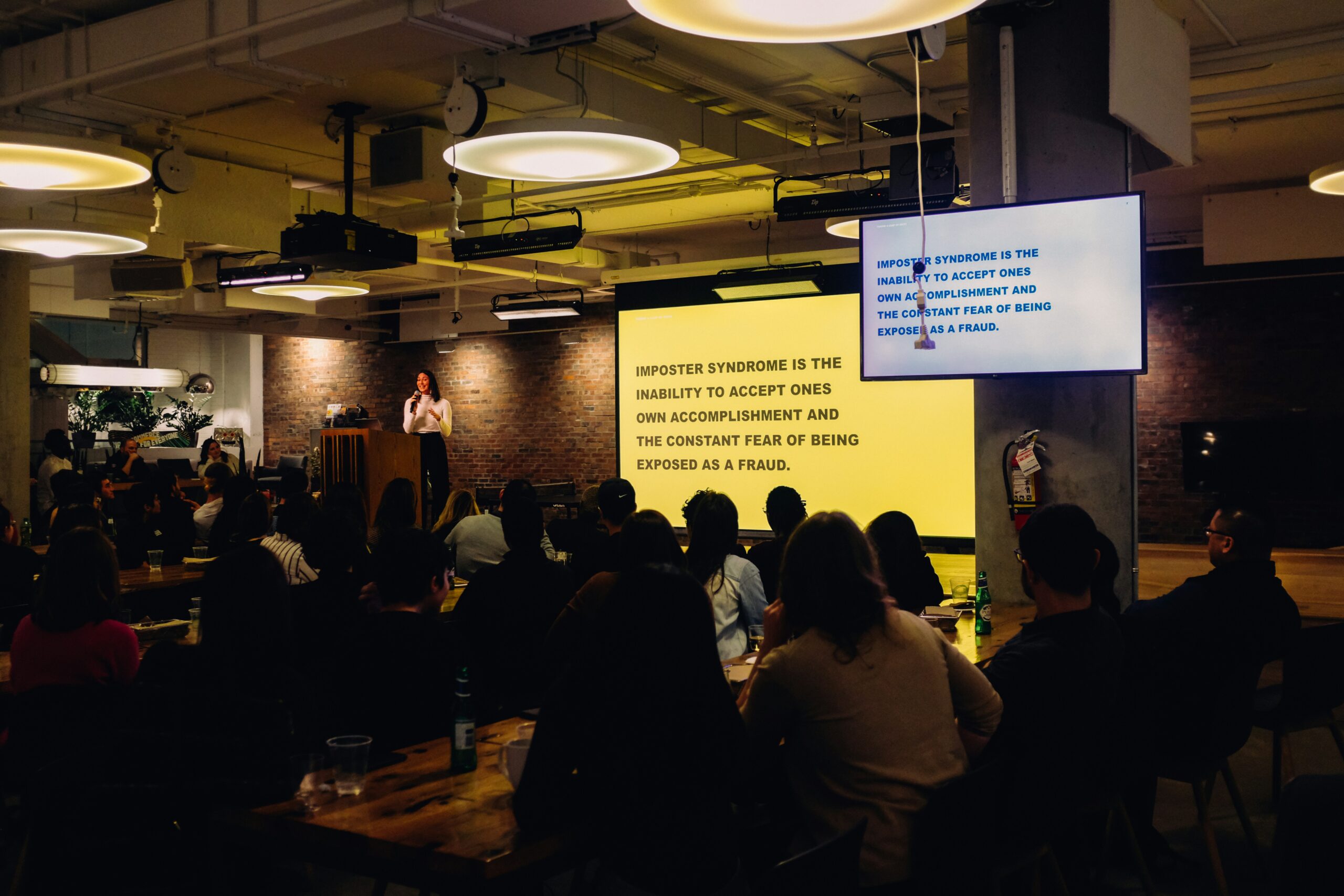
A virtual events agency plans, produces, and delivers events that take place online or across both physical and digital spaces. The One of the biggest reasons roadshows are growing in popularity is accessibility. Instead of expecting audiences to travel to one central location, brands are bringing experiences directly to them.
This approach helps businesses reach wider audiences across different regions while creating a stronger local connection. Whether it’s an internal engagement tour, a product launch or a customer activation campaign, roadshows allow brands to meet people where they are, both physically and emotionally.
In 2026, audiences are placing greater value on experiences that feel personal and relevant. Roadshows naturally support this by allowing businesses to tailor messaging, activities and experiences to different locations and audiences.
Creating more meaningful engagement
Large conferences and exhibitions still have their place, but roadshows often create a more intimate and interactive environment. Smaller audiences can lead to better conversations, stronger networking opportunities and higher engagement levels overall.
People are more likely to ask questions, participate in activities and genuinely connect with a brand when the experience feels approachable rather than overwhelming. This is particularly valuable for internal communications, employee engagement initiatives and relationship-building events.
At SEVEN, we believe the most memorable events are built around human connection and storytelling and roadshows are perfectly suited to this style of engagement.
Flexibility is driving smarter event strategies
Businesses are becoming more strategic with their event investments, and flexibility is a major advantage of roadshows. Rather than putting all resources into one large event, brands can spread activity across multiple locations and touchpoints throughout the year.
This creates opportunities to:
- Reach different audiences
- Test and adapt messaging
- Increase brand visibility
- Extend campaign lifespan
- Build momentum over time
Roadshows also allow for scalable experiences. A programme can be adapted depending on audience size, location or business goals while still maintaining a consistent brand experience across every stop.
Supporting hybrid and regional working
With hybrid working continuing to shape the workplace in 2026, many organisations are looking for better ways to reconnect teams and maintain company culture across regions.
Roadshows provide a practical and engaging solution. Leadership teams can connect directly with employees, deliver consistent messaging and create moments of shared experience without requiring everyone to travel to a central office or venue.
This is especially valuable for:
- Company updates
- Employee engagement initiatives
- Training programmes
- Leadership communications
- Team celebrations
Face-to-face interaction remains incredibly powerful, and roadshows help businesses recreate that sense of connection in a more flexible and inclusive way.
Immersive experiences are elevating roadshows
Today’s roadshows are far more than branded stands and presentations. In 2026, experiential elements are transforming roadshows into dynamic, memorable journeys.
Interactive technology, personalised content, wellness experiences, gamification and immersive storytelling are helping brands capture attention in more creative ways. Audiences want experiences they can participate in, not simply observe.
At SEVEN, we’re seeing brands invest more in creating roadshows that feel exciting, shareable and emotionally engaging. These moments don’t just leave lasting impressions; they help strengthen relationships and encourage ongoing conversation long after the event ends.
Roadshows offer valuable data and insight
Online events produce more data than any physical format. That data makes the return easier to prove. Track the following Another reason roadshows are proving so effective is the ability to gather meaningful audience insights across different locations.
Through registration data, live feedback, interactive technology and audience participation, businesses can better understand:
- What resonates with audiences
- Which regions show the highest engagement
- Common questions or challenges
- Future opportunities for communication and growth
These insights help businesses continuously improve not only their events strategy, but also wider marketing and engagement activity.
Planning impactful roadshows with SEVEN
At SEVEN, we understand that successful roadshows require far more than logistics. They require creativity, consistency and experiences that genuinely connect with people. Through our event planning services, we help brands design and deliver roadshows that engage audiences, strengthen relationships and bring campaigns to life across multiple locations. Discover more about our services here: https://sevenevents.co.uk/our-services/
From venue sourcing and production to creative concepts and on-site management, we work closely with our clients to ensure every stop on the journey delivers impact.
FAQs
What is a roadshow event?
A roadshow is a series of events or activations that take place across multiple locations, allowing businesses to engage directly with audiences in different regions.
Why are roadshows becoming more popular in 2026?
Roadshows offer more personalised engagement, greater flexibility and stronger regional reach compared to traditional single-location events.
What types of businesses benefit from roadshows?
Roadshows work well for a wide range of businesses, including corporate organisations, retail brands, technology companies and businesses focused on employee engagement or customer experience.
How can SEVEN help with roadshow planning?
At SEVEN, we provide end-to-end support including creative development, logistics management, venue sourcing, production and on-site event delivery to ensure a seamless experience across every location.

Event Logistics Checklist for Large Corporate Events

A large corporate event has hundreds of moving parts. Any one of them can derail the whole day if it is missed. Strong logistics are what hold it all together. When the planning is right, the event feels effortless to everyone attending.
This checklist covers every stage of event management logistics, from the first supplier booking to the final report. Use it to keep your next large event on track.
What Is Event Management Logistics?
Event management logistics is the coordination of every practical element that makes an event happen. It covers the people, suppliers, equipment, timings, and movement that turn a plan into a live event.
Good logistics are invisible to guests and obvious only when something goes wrong. The discipline breaks down into three phases:
- Pre-event planning and booking.
- Event-day coordination and delivery.
- Post-event wrap-up and reporting.
Each phase carries its own risks and its own checklist. The sections below work through all three.
Pre-Event Logistics Checklist
The work done before the event decides how the day runs. Most problems trace back to something missed at this stage.
1. Venue Selection
The venue shapes every other decision. Confirm these details early:
- Capacity for your full guest list.
- Access and loading for production teams.
- Power supply and technical infrastructure.
- Accessibility for all attendees.
- Catering facilities and restrictions.
2. Supplier Management
A large event relies on many suppliers working together. Keep control with:
- Signed contracts with clear terms.
- Confirmed delivery and setup times.
- A single point of contact for each supplier.
- Backup options for critical services.
- A shared schedule everyone can see.
3. Accommodation Planning
Out-of-town guests and speakers need somewhere to stay. Sort this well ahead:
- Room blocks are booked near the venue.
- Clear rates and booking deadlines.
- Special requirements captured in advance.
- Check-in and check-out times confirmed.
- Transport links to the venue are checked.
4. Transport Planning
Getting people to the venue smoothly sets the tone for the day. Plan for:
- Delegate travel from main locations.
- Speaker and VIP transfers.
- Parking arrangements on-site.
- Equipment and production deliveries.
- Contingency for delays or cancellations.
5. Registration Systems
Registration is the first thing guests experience. Get it right with:
- An online system tested before launch.
- Clear joining instructions sent in advance.
- On-site check-in equipment confirmed.
- Name badges prepared and sorted.
- A staffed help point for arrivals.
Event Day Logistics Checklist
On the day, coordination is everything. These checks keep the event running from the doors open to close.
1. AV Testing
Technical failure is the most visible risk among events. Test everything before guests arrive:
- Sound levels across the full room.
- Screen and projection visibility from every seat.
- Microphones, including spares and backups.
- Streaming feeds for remote attendees.
- Presentation files loaded and checked.
2. Delegate Management
Guests need to feel looked after from the moment they arrive. Cover the basics:
- Clear arrival and check-in flow.
- Staff briefed and visible throughout.
- Session timings communicated clearly.
- Catering served on schedule.
- Help is available at every stage.
3. Signage
Good signage stops confusion before it starts. Place clear signs for:
- Entrances, exits, and registration.
- Session rooms and breakout spaces.
- Toilets, cloakrooms, and catering.
- Accessibility routes and facilities.
- Emergency exits and assembly points.
4. Emergency Planning
Safety planning protects guests and the business. Confirm these are in place:
- Trained first-aiders on-site.
- Clear evacuation routes and procedures.
- Fire safety checks completed.
- Crowd management for busy periods.
- A named person responsible for incidents.
Post-Event Logistics Checklist
The event does not end when guests leave. Strong event management logistics carry through to a proper close.
1. Supplier Wrap-Up
Closing out suppliers properly protects relationships and budgets. Cover:
- Equipment collected and returned.
- Final invoices checked against contracts.
- Damage or issues documented.
- Feedback shared with each supplier.
- Bookings confirmed for any future dates.
2. Reporting
A clear report turns a finished event into useful learning. Capture:
- Attendance against registration numbers.
- Budget actuals against the original plan.
- Supplier performance notes.
- Issues encountered and how they were solved.
- Recommendations for next time.
3. ROI Analysis
Every large event should prove its value. Measure:
- Leads generated and conversations started.
- Engagement and session attendance.
- Delegate satisfaction scores.
- Social reach and content generated.
- Commercial outcomes against objectives.
Top 10 Event Logistics Mistakes
Even experienced teams make the same logistical errors. Watch for these ten.
| Mistake | Why It Hurts |
|---|---|
| No master schedule | Teams work at different times and clash |
| Weak supplier contracts | Disputes and gaps appear on the day |
| Skipping AV rehearsals | Technical faults surface in front of guests |
| Poor signage | Guests get lost, and sessions start late |
| No contingency plan | One failure cascades into many |
| Underestimating transport | Late arrivals disrupt the schedule |
| Ignoring accessibility | Some guests are excluded |
| Rushed registration | Long queues create a poor first impression |
| No single point of contact | Decisions stall, and confusion spreads |
| Forgetting the wrap-up | Costs and issues go unmanaged afterwards |
How Do Event Agencies Manage Complex Logistics?
A professional agency carries the full weight of event management logistics, so your team does not have to.
The value comes from four things:
- Process: A proven method that covers every stage.
- People: Experienced coordinators who have seen most problems before.
- Networks: Trusted suppliers who perform under pressure.
- Presence: A team on-site managing the day in real time.
SEVEN has delivered large-scale events for global brands across technology, finance, healthcare, and automotive. We have managed multi-location conferences, hybrid broadcasts, and flagship events with hundreds of attendees.
Our role is to handle the logistics completely. That means your team shows up to lead the event, not to run it.
Free Download: Corporate Event Logistics Checklist
We have turned this guide into a downloadable checklist you can use for your next event. It covers every pre-event, event-day, and post-event task in one printable document.
If you would like help planning the event itself, we would love to talk through your brief.
Connect with the team at SEVEN
FAQs
1. What is event logistics management?
It is the coordination of every practical element of an event, from suppliers and transport to registration and on-site delivery. The goal is a smooth event where nothing is missed.
2. Why is event logistics important?
Logistics decide whether an event runs smoothly or falls apart. Strong event management logistics prevent the failures that damage brand reputation and waste budget.
3. What should be included in an event checklist?
A complete checklist covers three phases: pre-event planning, event-day coordination, and post-event wrap-up. Each phase includes venue, supplier, technical, and safety tasks.
4. How do event planners coordinate logistics?
They work from a master schedule, manage suppliers against contracts, run full rehearsals, and keep a team on-site to solve problems in real time.
Outgrowing your event format? Here’s what to do next

The signs your event has outgrown its current format
One of the clearest signs is attendee growth. What may have started as a small internal event or client gathering can quickly evolve into something much larger, with increased expectations around production, guest experience and overall delivery.
Growth often changes the role an event plays within a business too. Internal conferences become major brand moments, networking events become lead-generation opportunities, and team celebrations become important culture-building experiences. As the stakes get higher, so does the pressure behind the scenes.
There are also practical signs. Your team may be spending more time managing suppliers, handling registrations, coordinating logistics or troubleshooting last-minute issues alongside their day jobs. You may have outgrown your usual venue, or perhaps the event now requires more technical production, creative content or delegate management than ever before.
Recognising these challenges early is often the first sign that additional support could make a real difference.
Why businesses hesitate to use an agency
For companies that have always managed events internally, bringing in an agency can feel like a big step. There is often concern around budget, control, and whether the investment can really be justified internally.
Many businesses worry that using an agency means losing ownership of their event or handing over control completely. In reality, the best agency partnerships are collaborative. Your internal team still knows your audience, brand and objectives better than anyone else, an agency simply brings the additional expertise and support needed to deliver the event at a larger scale.
But event agencies are not there to replace your team. They are there to strengthen it.
At SEVEN, we become an extension of your business, bringing specialist expertise, creative thinking, and operational support that allows your team to focus on their priorities while feeling confident the event is in safe hands.
The return on investment of using an agency
The value of an agency partnership goes far beyond logistics.
An experienced agency can help avoid costly mistakes, negotiate supplier rates, improve efficiencies, and create more impactful experiences. Whether your objective is employee engagement, client retention, brand awareness, or lead generation, a professionally delivered event drives stronger results.
There is also the value of time. Large-scale events demand significant planning hours, often underestimated by internal teams. Working with an agency gives your team back valuable capacity while ensuring every detail is professionally managed.
As audience expectations grow, creativity also becomes increasingly important. Guests now expect immersive experiences, seamless production, and memorable moments. Through our event services, SEVEN works collaboratively with clients to create tailored event solutions that support long-term growth.
Another major benefit is access to industry knowledge and supplier networks. Agencies work across multiple venues, production teams, caterers and entertainment providers every day, meaning they understand what works, what does not, and where budgets can be maximised most effectively.

You do not need to wait for things to go wrong
One of the biggest misconceptions is that businesses only bring in an agency when something has failed. In reality, the best partnerships often begin before problems arise.
Sometimes it is simply recognising that an event has become too important to risk internally. Other times it is about improving the attendee experience or creating a more strategic event programme.
Asking for support is not admitting defeat, it is protecting the investment you are already making in your events.
Choosing the right partner
For businesses new to agency partnerships, trust is everything.
You want a partner who listens, communicates openly, and genuinely understands your brand. At SEVEN, collaboration and transparency sit at the centre of everything we do, helping clients feel supported throughout every stage of the process.
We also understand that every business is different. Some clients need full-service event management, while others simply need additional support in key areas such as venue sourcing, production, creative strategy or delegate management.
Our role is not simply to deliver an event. It’s about being the missing piece of the puzzle to help businesses grow confidently into the next stage of their event journey.

Let’s talk
If your event programme is growing and you are starting to feel the pressure internally, now could be the perfect time to explore what support might look like. Whether you need full event management or strategic guidance, SEVEN is here to help you scale confidently.
Get in touch with us to start the conversation.
FAQs
How do I know when my event is too big for an internal team?
If your team is struggling with workload, attendee numbers are increasing, or the event is becoming strategically important to the business, it may be time to explore agency support.
Is working with an event agency expensive?
An agency should be viewed as an investment rather than a cost. At SEVEN, we help clients maximise budgets, improve efficiencies, and create events that deliver measurable business value.
Can an agency work alongside our internal team?
Absolutely. At SEVEN, we work as an extension of your team, providing support where it is needed while keeping collaboration at the forefront.
What are the benefits of using an event agency for larger events?
An agency brings specialist expertise, creative ideas, supplier relationships, operational support, and strategic event planning experience that helps deliver smoother and more impactful events.
We have never used an agency before — where do we start?
The first step is simply having a conversation. At SEVEN, we take the time to understand your business, challenges, and objectives before recommending the best level of support.
Exhibitions Taking Place this Summer
In Other Worlds
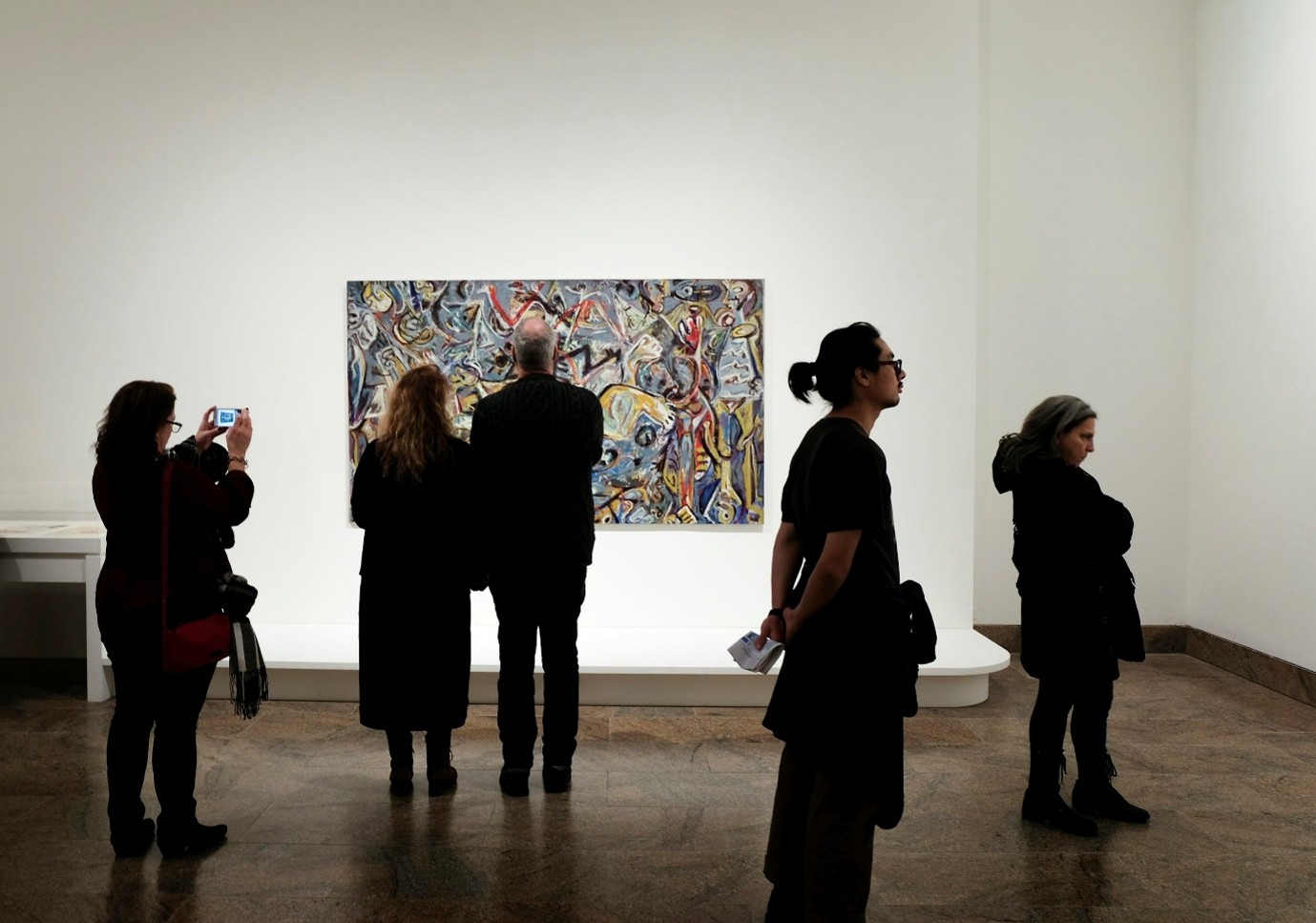
At the heart of the season is In Other Worlds, an immersive exhibition by filmmaker and speculative architect Liam Young, taking place in The Barbican. This is his first major solo exhibition and one to definitely go and visit. Through cinematic installations, soundscapes, costumes, and imagined climate futures, the exhibition explores what humanity’s next chapter could look like. Rather than dystopian collapse, Young presents radically optimistic visions rooted in real technological possibilities.
Dates: 21st May to 2026 to Sunday 6th September 2026
Tate Modern Continues Its International Focus
Across the Thames, Tate Modern is continuing its run of internationally focused exhibitions with a major retrospective dedicated to kinetic and Op artist Julio Le Parc. Renowned for his immersive investigations of movement, light, mirrors, and audience participation, Le Parc’s work invites visitors to become part of the experience rather than simply observe it. Featuring suspended installations and dynamic optical environments, the exhibition promises to be one of the summer’s most visually captivating shows.
Dates: 11th June 2026 – 3 May 2027
James McNeill Whistler at The Tate
While Tate Modern looks outward and experimental, Tate Britain is turning its attention to one of the artists who helped define London visually: James McNeill Whistler. The exhibition explores Whistler’s enduring fascination with the River Thames and the industrial landscape of nineteenth-century London, bringing together his atmospheric “Nocturnes” with etchings, portraits, and seldom-displayed works. Critics have commended the show for evoking both the dynamism and underlying melancholy of a city undergoing rapid modern transformation.
Dates: Till 27th September 2026
Rising Voices: Contemporary Art from Asia, Australia and the Pacific
A landmark collaboration between the V&A and the Queensland Art Gallery | Gallery of Modern Art (QAGOMA), Brisbane.
At the V&A this summer the standout exhibition is Rising Voices. Created in partnership with Queensland Art Gallery’s Asia Pacific Triennial, the exhibition brings together more than 70 works by artists from 25 countries, forming one of the UK’s most significant recent presentations of contemporary Asia-Pacific art. The exhibition navigates themes of politics, spirituality, colonial legacies, and material innovation with remarkable fluidity. It also signals a wider shift across London’s cultural institutions toward more global perspectives that question and expand beyond traditional Eurocentric art histories.
Dates: till 10th January 2027
Have you thought about hosting an event in an exhibition space?

Exhibitions offer far more than just a cultural experience, they create a dynamic and visually engaging setting for events that naturally attracts people in. Hosting an event within an exhibition space allows guests to immerse themselves in art, design, or storytelling while networking, socialising, or celebrating, making the occasion feel far more memorable than a traditional venue. Whether it’s a product launch, corporate gathering, private reception, or brand activation, exhibitions provide built-in atmosphere, conversation starters, and a sense of exclusivity that encourages attendance and engagement. By combining entertainment with experience, exhibition events draw audiences who are looking for something interactive, inspiring, and shareable, helping organisers create buzz both in person and across social media.
At SEVEN, we provide end-to-end support including creative development, logistics management, venue sourcing, production and on-site event delivery to ensure a seamless experience across every location. Get in touch with us to start the conversation.
How to Choose the Right Event Management Agency in London?
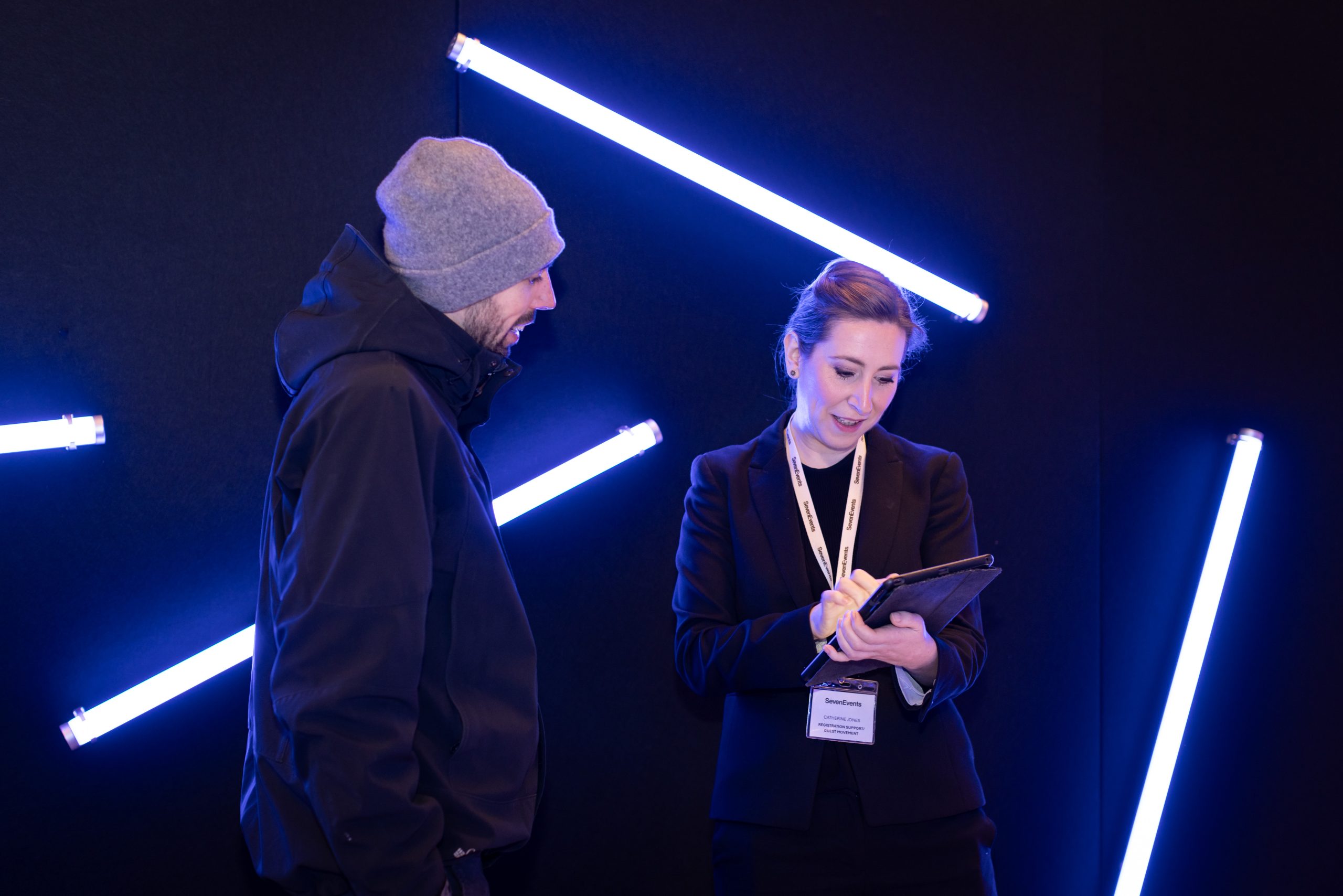
The London events market is busy. There are hundreds of agencies, ranging from small boutique operations to large full-service firms, all offering some version of the same service.
Choosing between them is harder than it should be, and the consequences of choosing badly are significant. A poorly matched agency doesn’t just produce a disappointing event; it costs your team time, creates unnecessary stress, and can damage your brand in front of the audience that mattered most.
Let’s walk through what to look for, what questions to ask, and how to find an events management agency that actually fits your brief.
What Does an Events Management Agency Do?
Before you start evaluating agencies, it’s worth being clear about what you’re actually buying.
An events management agency manages the planning, design, and delivery of corporate events from initial brief to post-event analysis.
That scope covers venue sourcing and negotiation, creative concept development, delegate management, supplier coordination, technical production, on-site management, and whatever reporting and follow-up your brief requires.
What separates a strong agency from an average one isn’t the list of services they offer. Most agencies will claim to offer all of the above. It’s the quality of the thinking they bring before the planning starts, the strength of the relationships they bring to the supplier process, and the rigour they apply to the execution.
A creative events agency adds another dimension: the ability to take a commercial brief and translate it into an event concept that’s original, purposeful, and brand-consistent throughout.
What to Look for in an Events Management Agency?
1. Proven Experience in Your Event Type
Not all agencies are equally good at all event types. An agency that excels at large-scale annual conferences may not be the right fit for an intimate leadership retreat. An agency that does beautiful brand activations may lack the logistics experience for a complex hybrid conference.
Look for an events management agency whose portfolio includes events of a similar type, scale, and complexity to yours. Ask to see case studies.
Ask what challenges came up during those events and how the agency handled them. The quality of those answers tells you more than the quality of the photography.
2. Creative Strength That Goes Beyond Aesthetics
A strong creative events agency doesn’t just produce events that look good. It produces events that work, where the creative concept, the venue choice, the programme structure, and the production design all connect back to a clear brief and a clear objective.
When evaluating creative capability, look at whether the agency asks smart questions before it starts presenting ideas.
An agency that presents a concept before it fully understands your audience and objectives is selling you a generic answer dressed up as a bespoke one.
3. Transparent Processes and Communication
The planning process for a large corporate event is long, involves many people, and generates a significant number of decisions.
You need an agency that communicates clearly, updates proactively, and flags problems early rather than hoping they resolve themselves.
Ask how a prospective agency manages project communication.
- Do they use a clear project timeline?
- Who is your primary point of contact?
- How do they handle scope changes?
These questions are more revealing than you might expect.
4. A Supplier Network That Adds Real Value
An established events management agency will have built supplier relationships over years of event delivery. Those relationships translate into better venue access, competitive pricing, and faster resolution when something needs to change.
They also translate into candid advice, an agency with a genuine relationship with a venue will tell you honestly if a particular space isn’t right for your brief, rather than placing you wherever has availability.
Key Questions to Ask Before Hiring
1. Do they specialise in your event type?
This is the first filter. An agency that primarily delivers product launches will approach a leadership summit very differently from one that has delivered hundreds of them.
Sector experience also matters, as an agency familiar with financial services compliance requirements or healthcare conference protocols will save you significant time and potential embarrassment.
2. Can they manage end-to-end execution?
Some agencies are strong on creative concepting but hand off production to third parties they don’t fully control.
Others are strong operationally but bring limited creative thinking. An agency that genuinely handles both, as an event planner in the UK with in-house creative and production capability, reduces the coordination risk that tends to produce mid-event surprises.
3. What does their creative process look like?
Ask a prospective creative events agency to walk you through how they developed the concept for a past event.
A strong agency will take you through the brief, the thinking behind the concept, the compromises made during planning, and what the final event achieved. An agency without a clear answer to this question hasn’t developed a creative process.
4. How do they measure success?
Any agency that can’t tell you how they plan to measure the success of your event isn’t approaching it strategically. Metrics, attendance, engagement, lead generation, delegate satisfaction, and sponsor ROI should be defined before the planning begins, not assigned after the event to make the report look good.
5. Who will actually be working on your event?
This is a question that catches agencies out. Some present senior staff at the pitch and then hand the project to junior account managers. Ask specifically who will be your day-to-day contact, who will be on-site on the day, and what their experience level is.
Benefits of Hiring a Professional Events Management Agency
- Time and Resource Efficiency
Planning a large corporate event properly takes hundreds of hours. When an event planner in the UK takes that work on, your team gets to focus on its primary responsibilities rather than managing venue contracts and AV specifications.
- Access to Trusted Vendor Networks
The supplier access that an established agency brings to your event is genuinely difficult to replicate without years of relationship building. This matters most under pressure, when something needs to change quickly, or when you’re trying to access a venue or supplier that doesn’t respond to cold enquiries.
- Creative Quality That Matches Your Brief
A professional creative events agency brings design thinking, production capability, and creative direction to your event. That combination produces events that feel considered and coherent rather than assembled from standard components.
- Accountability and Professional Standards
A professional events management agency has commercial accountability for the events it delivers. That accountability shapes how problems are handled, how communication is managed, and how the agency behaves when things don’t go to plan.
Event Agency vs In-House Planning: Where the Difference Shows
The case for in-house planning is strongest when the event is small, simple, and internal. The case for a professional event planner in the UK strengthens as events grow in scale, complexity, and commercial importance.
The clearest indicator is usually the audience. If your event is in front of clients, partners, investors, or media, the production quality and organisational professionalism of the event reflect directly on your brand. That’s the kind of event that deserves professional support.
In-house teams also tend to underestimate the hidden costs of planning events internally:
- The hours diverted from primary responsibilities,
- The cost of mistakes made without the benefit of experience, and
- The supplier premiums paid by organisations without established buying relationships.
Red Flags When Evaluating Agencies
- Generic proposals that could apply to any client suggest the agency hasn’t engaged with your brief. A good agency presents ideas that could only have come from your brief.
- Vague supplier answers when you ask about who they work with and why. An agency that can’t name its preferred AV company or explain why it uses a particular venue partner doesn’t have a real supplier network, it has a Google search.
- No clear point of accountability. If you can’t get a straight answer about who is responsible for the event on the day, that’s a structural problem that will show up in the execution.
- Pressure to decide quickly. A good agency is confident that the quality of its work will land. Urgency tactics suggest it isn’t.
How to Choose a Creative Events Agency?
Start with your brief, not with a shortlist. Know what you’re trying to achieve, who the audience is, what the event needs to feel like, and what success looks like. Then look for a creative events agency whose past work shows they can answer that brief, not one whose pitch deck is impressive.
Ask the questions that reveal how they work, not just what they’ve done. Evaluate the people, not just the portfolio. And treat the early conversations as an early indication of how they’ll communicate with you throughout the project.
Why Work With SEVEN?
SEVEN is a full-service events management agency based in Mayfair, with offices in Birmingham. We work with global brands across technology, healthcare, finance, and automotive to plan conferences, incentive programmes, experiential activations, and hybrid events across more than 85 countries.
As a creative events agency, we bring in-house design, production, and strategic planning capability to every brief. As a professional event planner in the UK, we handle every operational detail from venue sourcing through to post-event reporting.
If you’re starting the process of finding the right agency for your next event, we’d welcome the conversation.
Connect with the team at SEVEN
FAQs
1. How do I choose an event management agency?
Start by defining your event type, scale, and objectives. Then look for an agency whose portfolio shows relevant experience, evaluate their creative process, and ask specific questions about who will run your event and how they’ll measure its success.
2. What services do events management agencies offer?
Planning, creative concept development, venue sourcing, delegate management, technical production, on-site coordination, and post-event reporting. The best agencies handle all of these in-house rather than outsourcing critical functions.
3. Is hiring an agency worth it?
For events where quality, scale, or commercial stakes matter, yes. The combination of specialist experience, supplier networks, and dedicated resource produces outcomes that in-house teams at comparable cost rarely match.
Event Agency London: How to Plan High-Impact Corporate Events?
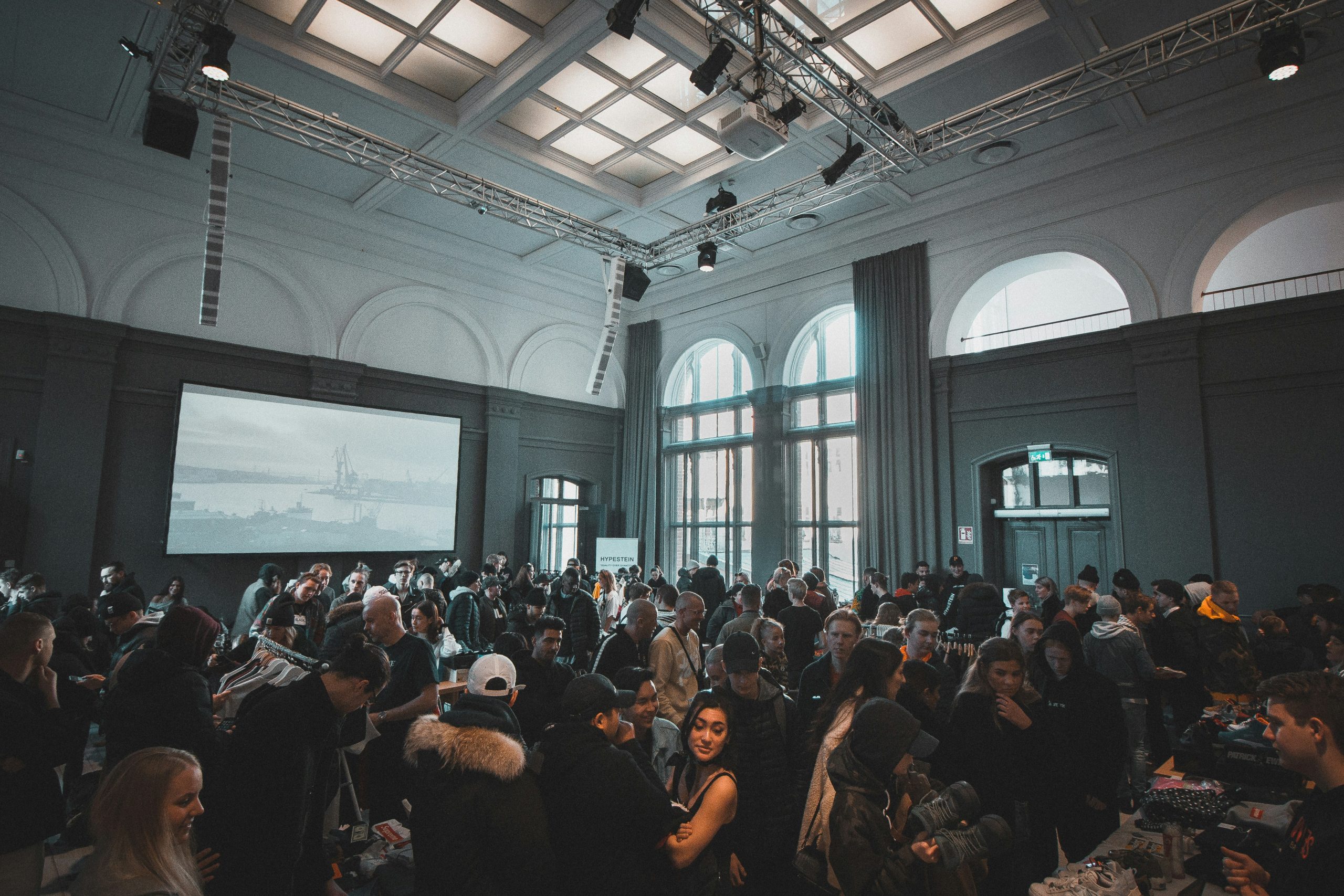
Corporate events have never mattered more. Businesses across the UK are waking up to the fact that a well-executed event builds credibility, moves relationships forward, and generates leads that sales teams actually want to follow up on. If you’re serious about results, working with the right event agency in London is one of the best decisions you can make.
At SEVEN, we’ve spent two decades helping global brands in automotive, technology, finance, and healthcare plan events that people talk about long after the last delegate leaves the building. Here’s what you need to know to do the same.
What Does an Events Management Agency Do?
An events management agency takes the full weight of event planning off your shoulders. That means handling everything from the initial creative brief to on-site delivery and post-event reporting.
The best agencies think strategically about what your event needs to achieve and build every decision around that goal. At a practical level, that includes venue sourcing, delegate management, audio-visual production, speaker coordination, content design, and sustainability planning.
A strong agency also brings the supplier relationships and buying power that most in-house teams simply don’t have access to. Working with a professional agency means your team keeps its focus on the business outcomes, not the operational details. That’s a significant advantage when you’re running an event alongside your day job.
Why Businesses Choose a London Event Company?
London remains one of the world’s great destinations for corporate events. The city offers an unmatched concentration of premium venues, from historic city institutions to purpose-built conference centres, combined with exceptional transport links and an international audience already primed to attend.
Partnering with a London event company gives you more than geography. You get local knowledge, the kind that tells you which venue has the best loading bay for production, which caterers can handle last-minute dietary changes at scale, and which times of year to avoid because of conflicting industry calendars.
You also get a network. An established event agency in London will have spent years building relationships with the right suppliers, venues, and creative talent. That network translates directly into better pricing, faster problem-solving on the day, and access to spaces that never get advertised publicly.
Clients come to SEVEN because they want events that are both creatively strong and commercially grounded. That combination is harder to find than it sounds.
What Are The Different Types of Corporate Events Managed by Agencies?
A professional events management agency works across a wide range of formats. Knowing which one is right for your objective is part of what a good agency brings to the table.
- Conferences and summits are the workhorses of the corporate event calendar. Done well, they build authority, gather your most important relationships in one room, and give your leadership team a platform that no email campaign can replicate.
- Product launches demand a different approach, tighter creative control, more theatrical staging, and a clear moment of reveal built into the run of show. The production quality has to match the product’s ambition.
- Exhibitions and trade shows are about visibility and volume. Your stand has seconds to make an impression. A creative events agency will make sure the design, messaging, and staffing all work together to convert footfall into conversations.
- Incentive travel programmes recognise performance in a way that cash bonuses can’t. An agency that specialises in this area will source experiences that feel genuinely exclusive and personal, not just another trip to a nice hotel.
- Hybrid and virtual events now sit comfortably alongside in-person formats. The right production setup can give remote audiences an experience that’s genuinely engaging rather than an afterthought.
How to Plan a Successful Corporate Event?
1. Start With Clear Objectives
Before you think about venues or catering, you need to know what success looks like.
- Are you generating leads?
- Building brand awareness?
- Recognising your top performers?
- Educating a specific audience?
Each objective calls for a different event format, a different programme structure, and a different way of measuring what happened. Get this wrong, and the rest of the planning process drifts. Get it right, and every decision that follows has a clear frame of reference.
2. Choose the Right Venue
Venue choice shapes the entire experience. A space that’s too large makes a well-attended event feel poorly attended.
A space that’s too formal kills the energy you need for a product launch. A space with poor acoustics undermines your keynote speaker before they’ve said a word.
A good London event company will shortlist venues based on your brief, not based on commission arrangements or whoever happens to have availability. That distinction matters.
3. Work With People Who Know What They’re Doing
The planning process for a corporate event involves dozens of moving parts, compressed timelines, and stakeholders with competing priorities.
Experience makes it manageable. An agency that has delivered hundreds of events will have seen most problems before and will know how to solve them without drama.
SEVEN works as a genuine extension of your team. That means open communication, clear project timelines, and no surprises on the day.
4. Design the Experience, Not Just the Logistics
The best events are designed from the attendee’s point of view.
- What do they see when they walk in?
- What’s the first interaction they have?
- Where does the energy build?
- Where do they get time to connect informally?
A creative events agency thinks about all of this, not just whether the AV is set up correctly.
Immersive design elements, interactive technology, thoughtful catering, and strong content all contribute to how attendees feel about your brand when they leave. That feeling is the real deliverable.
What Are The Common Challenges in Event Planning and How to Avoid Them?
- Budget pressure is a constant in corporate events. Costs can rise quickly when scope creeps or last-minute changes hit the production schedule. An experienced agency will build contingency into your plan from the start and flag risks early rather than absorbing them quietly and presenting a surprise invoice.
- Vendor coordination across multiple suppliers is one of the most time-consuming parts of event management. A single point of contact, your agency removes that burden entirely.
- Timeline delays tend to compound. A venue confirmation that slips by a week affects the AV brief, which delays the production schedule, which compresses the rehearsal time. Agencies with strong project management disciplines catch these dependencies early.
- Audience engagement is the challenge that in-house teams most often underestimate. Getting people into a room is the easy part. Keeping them engaged, making sure the content lands, and giving them something worth taking away requires deliberate design rather than good intentions.
Working with an events management agency that has experience across all four of these areas makes a measurable difference to how your event performs.
Why Work With a Creative Events Agency?
The word ‘creative’ gets used loosely in this industry. What it should mean is this: the agency can take your brief, your brand, and your budget and build an event concept that’s original, purposeful, and consistent with what your business stands for. A creative events agency doesn’t produce generic formats. It asks what story you’re trying to tell, who you’re telling it to, and what you want those people to do differently after they’ve experienced it. That thinking sits behind every decision, from the staging design to the session structure to the delegate welcome pack.
At SEVEN, our in-house creative studio handles concept development, design, and production as a joined-up process rather than a series of handoffs. That means fewer things fall through the gaps, and the final event feels coherent rather than assembled from parts.
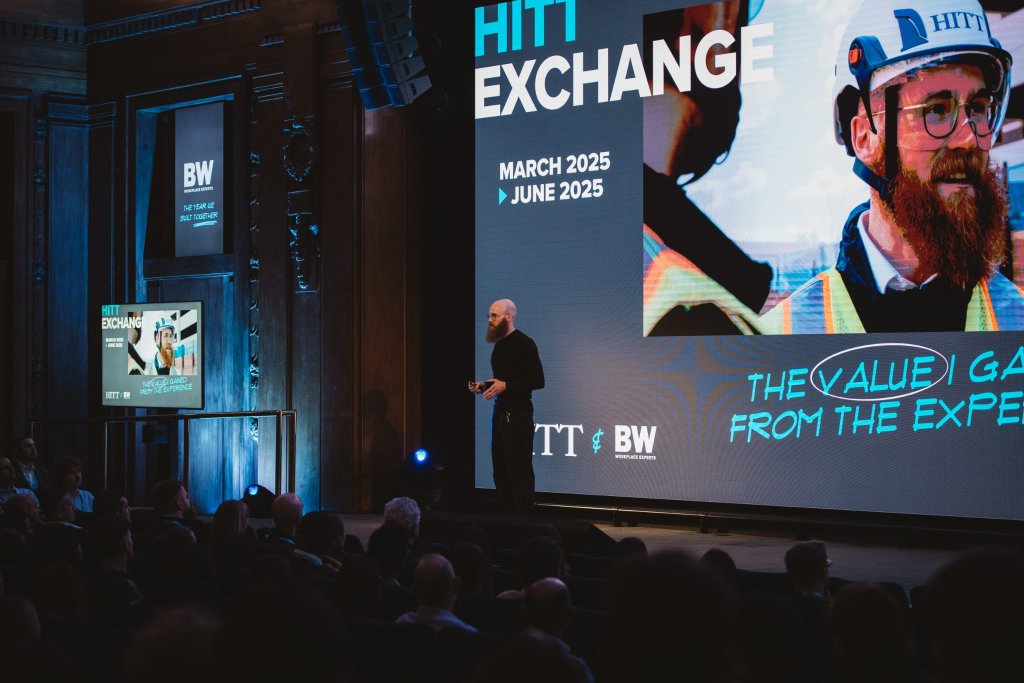
A good example of this is the annual conference and afterparty SEVEN delivered for BW. The brief was to create a high-impact experience that felt professional, people-first, and genuinely engaging, without defaulting to a traditional half-day conference format.

BW wanted to bring teams together, share updates, celebrate success, and set the tone for the year ahead, all within a tightly controlled run of show. SEVEN delivered at IET Savoy Place, combining a high-spec conference setting with an afterparty space overlooking the Thames.
The 90-minute conference programme was packed with 7 speakers, 18 awards, 300 attendees, and, for good measure, a robot dog.
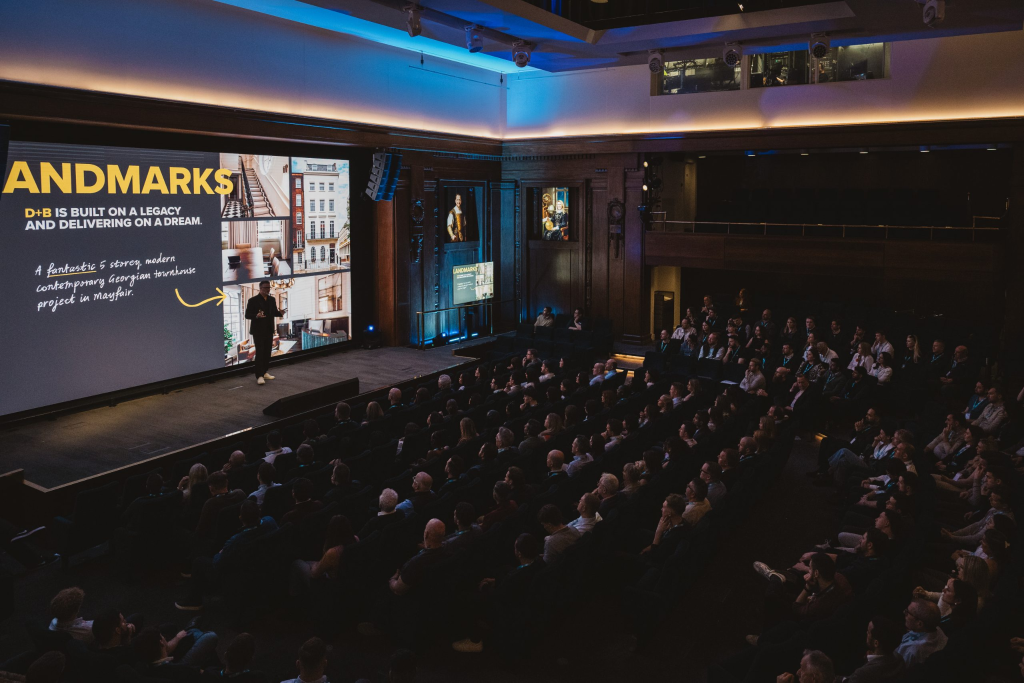
A large LED screen anchored the stage design, and bespoke animated artwork featuring BW speakers created a fully branded, immersive environment. Dynamic transitions and high-production AV kept the momentum running throughout.
After the conference, guests moved into the Riverside Room for the afterparty, where premium drinks, curated canapés, bowl food, and a live roaming band created a relaxed social atmosphere.
A Hot Chip Challenge gave attendees a memorable moment to take away. The result was a conference that proved you don’t need to fill an entire day to make a real impact. You just need the right energy, pacing, and production behind you.
Planning Your Next Event With SEVEN
Corporate events are one of the highest-impact marketing activities available to UK businesses when they’re planned properly.
The difference between an event that delivers and one that disappoints almost always comes down to who’s running it and how early they were brought in.
SEVEN is a leading event agency in London, working with global brands to plan conferences, incentive programmes, experiential launches, and hybrid events across 85+ countries. If you’re starting to think about your next event, the best time to get in touch is now.
Connect with the team at SEVEN.
FAQs
1. What does an event agency do?
An event agency manages the full planning and delivery of corporate events, from initial creative concept through to on-site execution and post-event analysis.
2. Why hire an event agency in London?
You get access to an established supplier network, premium venue relationships, local expertise, and a team that handles every operational detail so your internal team can focus on business outcomes.
3. How much does event management cost?
Costs vary based on event scale, complexity, format, and the level of creative production required. A good agency will work transparently within your budget from the outset.
How to Plan a Corporate Event in the UK: A Complete Guide

Planning a corporate event in the UK can seem fairly straightforward at first. There are plenty of venues, experienced suppliers, and well-established formats to choose from. But once planning begins, the process tends to become more layered than expected.
Decisions around objectives, audience, logistics, and delivery all start to connect. A change in one area often affects another. Without a clear structure, it’s easy for things to feel slightly disjointed or rushed as the event approaches.
Whether you’re organising a conference, product launch, or team experience, working with a trusted london event company can help bring clarity early on. This guide outlines a practical approach to corporate event planning in the UK, making it easier to manage each stage with confidence.
1. Define your event objectives
Before getting into venues or formats, it helps to pause and define the event’s purpose.
In simple terms, what should this event achieve?
For some businesses, the focus is on generating leads or building visibility. For others, it may be about strengthening relationships or engaging internal teams. These goals might sound similar, but they lead to very different decisions when planning.
For example, an event designed around lead generation will prioritise reach and networking. An internal event, on the other hand, may lean more towards structured sessions and engagement.
Working with a strategic communications consultancy can help connect these objectives with a broader brand communications strategy, ensuring the event supports long-term business goals rather than just short-term outcomes.
2. Choose the right type of event
Once the objective is clear, the next step is deciding what type of event makes the most sense.
Corporate events can take different forms, including:
- Conferences and seminars
- Product launches
- Incentive programmes
- Hybrid or virtual events
The format should reflect both your goals and your audience. A larger audience may benefit from a more flexible format, while a smaller group may engage better in a focused setting.
An experienced event planner in UK can help shape the format so it feels appropriate, rather than forcing a standard approach onto every event.
3. Set a realistic budget
Budget decisions tend to influence everything else, so it’s worth setting this early.
A clear budget helps define what is possible and where priorities should sit. Without it, planning can become inconsistent, with decisions being revisited later on.
Typical cost areas include:
- Venue and location
- Production and logistics
- Marketing and promotion
- Content and experience
In the context of corporate event planning in the UK, costs can vary quite a bit depending on location and scale. Having a structured budget makes it easier to stay on track.
Working with an event logistics UK partner can also help ensure resources are used efficiently, without unnecessary overspending.
4. Select the perfect venue
The venue is one of the more visible elements of any event, but it’s not just about appearance.
In UK, you have a wide range of options, from central city venues to more distinctive locations. The key is finding a space that supports both the purpose of the event and the expectations of your audience.
Things to consider include:
- Accessibility for attendees
- Capacity and layout
- Technical capabilities
- Overall feel and positioning

A good example is SEVEN’s Levelling up team spirit! event, hosted at The Cube Canary Wharf. The venue’s interactive format made it ideal for team bonding, while its central London location ensured accessibility. The result was a high-energy,
Working with conference event planners can make this process more straightforward, particularly when balancing logistics with overall event design.
5. Plan logistics and execution
Logistics cover everything that ensures the event runs smoothly on the day. This includes technical setup, supplier coordination, and managing how attendees move through the space.
Some of the key areas include:
- Audio-visual production
- Catering and suppliers
- Registration and guest management
- On-site coordination
An experienced event logistics company can handle event production and logistics, helping ensure that everything works together without disruption.
6. Build engaging content and event experience
A well-balanced event combines structured sessions with opportunities for interaction. This might include keynote speakers, panel discussions, or smaller breakout sessions.
Beyond content, the overall experience also matters. Pacing, transitions, and informal moments all shape how attendees engage throughout the event.

A strong example is SEVEN’s Making a splash while cruising the Thames event for WeWork. Hosted on the Silver Sturgeon, the experience was designed to feel immersive from arrival to finish. Guests were welcomed with theatrical elements, themed performances, and interactive moments that continued throughout the evening.
Each part of the event was carefully planned to build energy, from the initial welcome through to live entertainment and the closing set. This ensured guests stayed engaged and the experience felt consistent rather than fragmented.
Working with a brand content creation team helps ensure your messaging is clear and consistent. At the same time, an experiential event company can introduce ideas that make the event feel more engaging and memorable.
7. Incorporate virtual and hybrid elements
Events are no longer limited to a single format. Adding virtual or hybrid elements helps reach a wider audience and adds flexibility, especially when attendees are in different locations. Live streaming and virtual participation can extend engagement beyond the physical event.

A strong example is SEVEN’s Together We Shine Online conference for Pepsi Lipton. Delivered on a customised virtual platform, the event brought together a large European audience despite a tight timeline and a complex agenda.
With a mix of presentations, interactive sessions, and a virtual awards ceremony, the experience stayed engaging across two full days.
This shows how well-planned virtual events can deliver both scale and engagement.
Working with reliable virtual event organiser can support virtual events management, ensuring that both in-person and digital elements work together smoothly.
8. Plan your event promotion strategy
Even a well-planned event needs the right visibility. Promotion helps ensure the right people are aware of the event and have time to engage with it. This usually involves a mix of channels, such as email campaigns, social media, and partnerships.
Timing also plays a role. Starting communication early and maintaining consistency helps build momentum.
A creative event agency London can support this process, helping you reach your audience effectively and maximise attendance.
What are the Questions to Ask Before Hiring an Event Management Agency?
Choosing an event management agency goes beyond comparing services. It’s about finding a team that understands your objectives and can support your event from planning through to delivery.
It’s worth looking at how they approach both strategy and execution, as well as how flexible they are when plans evolve.
For a more detailed breakdown, read this guide on 10 questions to ask before hiring an event management agency to help you evaluate your options more effectively.
Why Work with an Events Management Agency?
There’s also a time advantage. Managing suppliers, timelines, and execution requires ongoing coordination. An agency takes on that responsibility, allowing your team to focus on broader business priorities.
Ultimately, working with the right agency is less about outsourcing tasks and more about ensuring the event is delivered in a way that feels structured, considered, and aligned with your objectives.
The impact of hiring an event agency UK goes beyond delivery.
The right partner brings clarity when decisions feel uncertain, structure when things become complex, and confidence that everything is moving in the right direction.
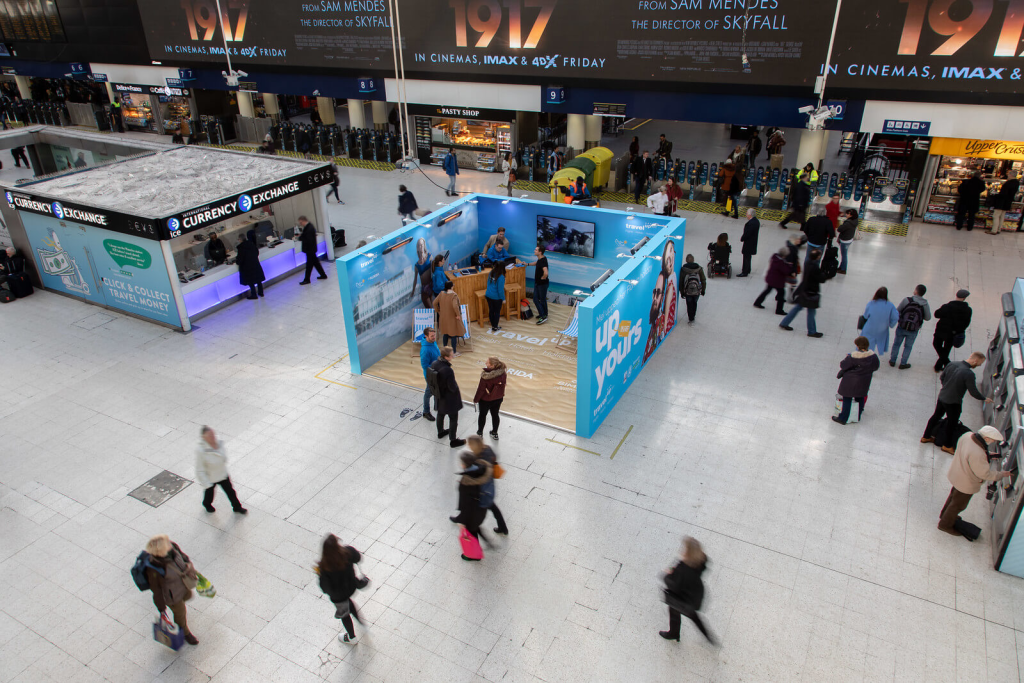
A good example is SEVEN’s Bringing Florida sunshine to London activation for TravelUp. The brief was to create a moment of escape for commuters by recreating the feeling of Florida in the middle of a busy London station.
Rather than treating it as a simple installation, SEVEN designed an immersive experience. The space was transformed into a beach setting using visual elements, heat, and a VR journey that allowed people to explore Florida in a few minutes. Every detail worked together to make the experience feel real and engaging, despite the constraints of a public space.
This level of coordination and creativity is difficult to achieve without the right expertise. It shows how the right agency can take a simple idea and turn it into something people genuinely connect with.
Partnering with a trusted events management agency ensures your event is in expert hands.
You can check out more about our work here!
Bottom Line
Planning a corporate event in the UK involves more than just organising individual elements. It requires a structured approach that connects objectives, audience, logistics, and experience.
When each stage is handled with clarity, the process becomes easier to manage and the outcome more effective. Instead of feeling reactive, planning becomes more intentional.
With the right approach, a corporate event can do more than bring people together. It can support meaningful engagement and deliver lasting value. Ready to plan your next event? Get in touch with our experts today. Ready to plan your next event?
To see how these experiences come to life, you can click here and follow SEVEN on LinkedIn for real event examples, ideas, and behind-the-scenes moments from our latest projects.
FAQs
1. How to plan a corporate event in the UK?
Start by defining clear objectives and understanding your audience. From there, set a budget, choose the right venue, and plan logistics carefully. A structured approach ensures that each stage of the event is aligned and well executed.
2. Why hire an event management agency?
An agency brings experience, structure, and coordination to the planning process. They manage logistics, suppliers, and execution, helping reduce risk and ensuring a smoother overall experience.
3. What is the most important part of event planning?
Clear objectives are essential, as they guide every decision that follows. Without them, even well-organised events may not deliver meaningful results.