


Category: Project Management & Logistics
How is every seamless event a thousand decisions nobody sees?

The best event logistics are invisible. Guests never see the timing sheet, the loading bay schedule, or the three separate suppliers who all needed to arrive within the same fifteen-minute window.
That invisibility is the whole point. When an event feels effortless, it’s because dozens of moving parts were coordinated to work together long before the doors opened.
Logistics is registration, room turnaround, catering timing, signage, technical setup, and staffing, all pulling in the same direction. Done well, logistics becomes part of the attendee experience itself. Done badly, it becomes the only thing anyone remembers about the day.
This is the behind-the-scenes work that separates a good event from a great one. It’s also exactly where SEVEN, a trusted event logistics company, spends most of its time.
Businesses across the country rely on experienced event logistics in the UK to turn an ambitious brief into a day that runs exactly as planned.
What goes into successful event logistics?
1. Coordinating suppliers and deliveries
Most events depend on a long list of external suppliers. Caterers, AV crews, furniture hire, florists, printers and staging contractors all need to arrive at the right place, at the right time, in the right order.
Get the sequencing wrong and the whole day slips. A stage that arrives after the AV team is ready to rig it wastes hours nobody has to spare. Strong event management logistics means building a delivery schedule that accounts for loading bay access, lift capacity and venue restrictions from the outset. It also means having a single point of contact who can adjust that schedule in real time when a supplier runs late.
2. Managing equipment, materials and event assets
Every event generates a surprising volume of physical stuff. Screens, lecterns, branded signage, delegate packs, cabling and staging all need tracking from the warehouse to the venue and back again. Losing track of even one asset can derail a room reset between sessions. That’s why experienced teams inventory everything before it leaves storage, and again before it goes back.
Good event production and logistics planning treats equipment management as a discipline in its own right, not an afterthought bolted onto the main plan. The same thinking applies to venue logistics and on-site staging, where a missing asset can be just as disruptive as a missing supplier.
3. Planning venue logistics
Every venue has its own quirks. Some have narrow service corridors, others have strict noise curfews, and many have loading windows that only open for an hour or two. A logistics plan that ignores these constraints looks fine on paper and falls apart on the day. That’s why site visits, floor plans, and venue-specific risk assessments matter as much as the creative brief itself.
SEVEN’s team builds this groundwork into every project, treating venue logistics as a foundation rather than a checklist item. Understanding a building’s limitations early means fewer surprises when the trucks actually arrive.
4. Preparing for the unexpected
Strong contingency planning means having a backup for every critical element, from a second supplier on standby to an alternative running order that can flex without anyone noticing. The goal isn’t to avoid problems entirely, because that’s rarely possible. The goal is to make sure problems stay invisible to guests, with a specialist event production and logistics team absorbing the disruption before it reaches them.
Why event logistics matter to the guest experience
Attendees rarely think about logistics directly, but they feel its absence immediately. A queue that moves smoothly, a room that’s ready on time, and a stage that works the first time all shape how an event is remembered. The reverse is also true. A late lunch, a confusing registration desk, or a broken microphone pulls attention away from the content and onto the mistakes. That’s why the strongest event logistics in the UK are designed around the guest journey, not just the operational checklist. Every logistical decision, from door timings to signage placement, either supports that journey or gets in its way.
SEVEN’s client feedback consistently points to this same theme. One client described feeling reassured throughout a late-changing agenda because the team’s approach was flexible but ultra-organised, which is really just logistics doing its quiet work in the background.
How an event logistics company reduces operational pressure
Bringing in a specialist logistics partner changes the pressure on an internal team almost immediately. Instead of one person juggling suppliers, timings, and last-minute changes alone, there’s a dedicated structure built to absorb that load.
1. Centralised coordination
Rather than each supplier reporting separately to the client, a single coordination point tracks every moving part. That means one schedule, one point of accountability, and far fewer things falling through the cracks.
This is where event management logistics earns its value. Centralising communication reduces the risk of two suppliers working from different versions of the same plan.
2. On-site management
Plans change the moment an event actually starts. Having an experienced team physically present, managing suppliers, timings and guest flow in real time, is what turns a good plan into a smooth delivery.
SEVEN’s approach treats on-site management as a safe pair of hands for the client, freeing them to focus on hosting rather than firefighting. That’s the difference between attending your own event and running it from the sidelines.
3. Contingency planning
A specialist logistics team builds backup options into the plan from day one. That includes alternative suppliers, flexible timing,s and clear decision points for when something needs to change quickly.
This kind of planning is what allows a team to say, with confidence, that an event can handle any hurdle that comes its way. It’s proactive rather than reactive, and it shows.
The bottom line
Smooth delivery isn’t luck. It’s the result of careful planning, experienced coordination, and a team that’s thought through every stage before the first guest arrives.
Businesses looking for dependable event logistics in the UK can explore SEVEN’s approach to project management and logistics to see how that thinking comes together in practice. The details nobody sees are usually the ones that matter most.
FAQs
Where can I find trusted venue solutions for event logistics?
A specialist event logistics company like SEVEN sources and assesses venues as part of the wider planning process, checking loading access, room capacity and technical suitability before anything is booked. This ensures the venue itself supports the logistics plan rather than working against it.
What are the best group business solutions for event logistics?
The strongest solutions combine centralised coordination, experienced on-site management and clear contingency planning under one team. Working with a specialist events partner that handles all three together, rather than managing suppliers separately, reduces risk and keeps communication simple.
How do professional event management companies handle event logistics and coordination?
Professional teams build a detailed delivery schedule covering suppliers, equipment, venue access and staffing, then manage that schedule on-site as the event unfolds. Strong event management logistics also includes backup plans for common risks, so changes can be absorbed without disrupting the guest experience.
What is event logistics?
Event logistics covers the operational planning behind an event, including supplier coordination, equipment and asset management, venue logistics, and contingency planning. In practice, this is what event production and logistics teams do every day, even though guests rarely see any of it directly.
How an Event Logistics Company Delivers Seamless Events Across the UK
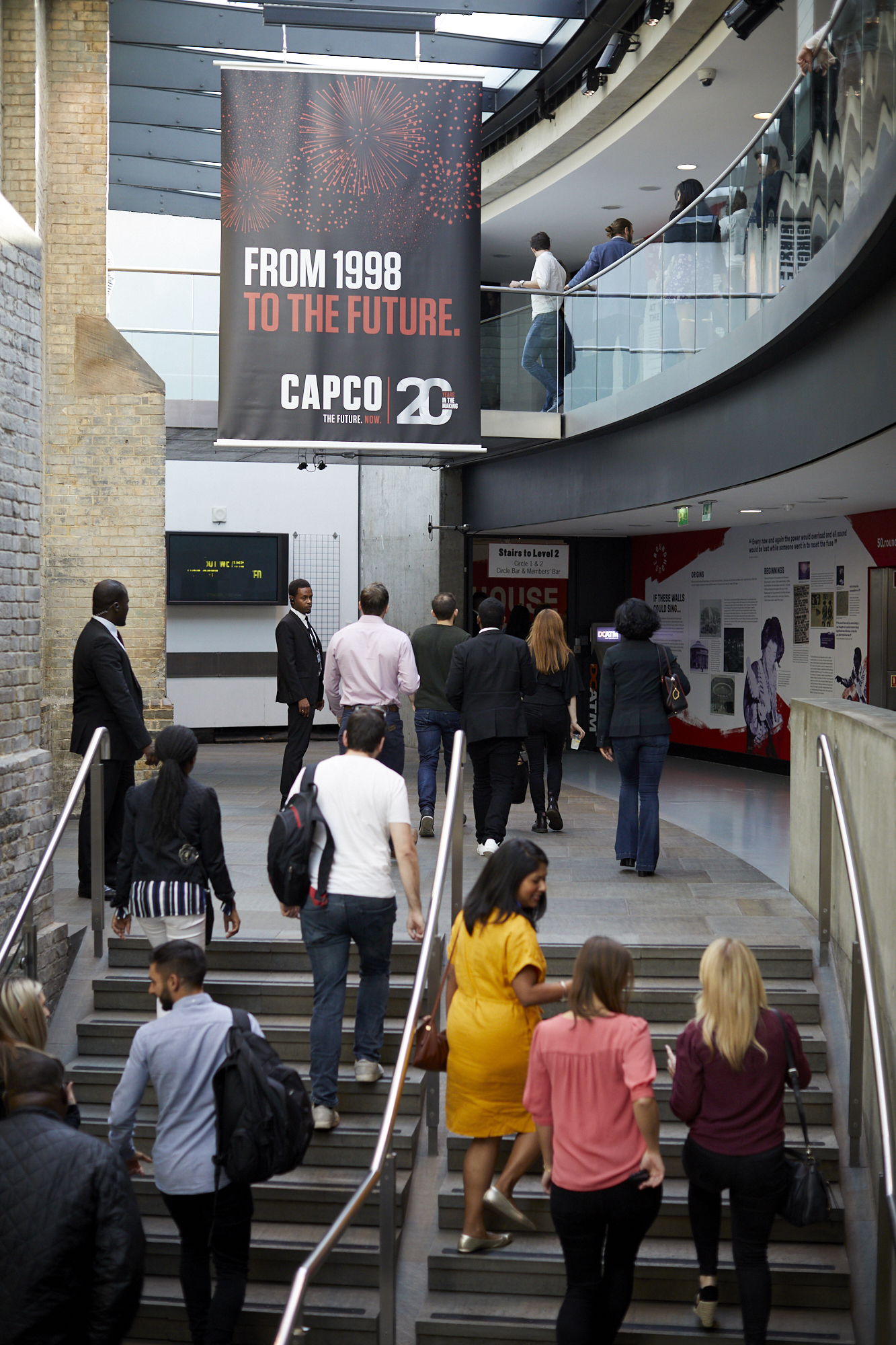
A supplier who missed their venue access window. A registration queue stretches into the car park before the doors open.
These are not worst-case scenarios. They are the predictable consequences of under-resourced logistics, and they shape how attendees feel about the organisation that invited them, long before a speaker has taken the stage.
Event planners say a poor attendee experience would deter them from returning to a venue. That perception does not fall on the building. It falls on the brand behind the event.
This is what a professional event logistics company exists to prevent and why event logistics in the UK has become a specialist discipline rather than a task that sits at the bottom of an event manager’s checklist.
What Does an Event Logistics Company Do?
An event logistics company plans, coordinates, and manages every operational element required to deliver a successful event, from the first supplier booking through to the final post-event debrief.
While event planning focuses on objectives, agenda, and overall strategy, logistics ensures every resource, supplier, and schedule comes together in the right place at the right time. The distinction matters because the two disciplines require different skills, different infrastructure, and different kinds of attention.
Logistics teams oversee venue access, loading schedules, supplier coordination, installation, on-site operations, and breakdown. Their role is to keep every aspect of an event running smoothly while reducing risk, so that organisers can focus on their delegates rather than operational challenges.
What Event Logistics Actually Covers?
1. Delegate Travel, Accommodation and Registration
The delegate experience begins long before the event itself. How people get there, where they stay, and how they are welcomed on arrival shape their entire perception of the day, and the organisation behind it.
Professional corporate event logistics covers:
- Group travel coordination in coaches, rail, VIP transfers, and airport pickups aligned to multiple arrival schedules
- Hotel room blocks negotiated in advance, with check-in timings confirmed and special requirements captured
- Joining instructions, pre-event communications, and registration processes designed to eliminate queues and confusion
- On-site welcome and check-in to ensure there is badging, delegate flow, and wayfinding across the venue
Getting this right sets the tone before a word is spoken from the stage. Getting it wrong creates a first impression that no keynote can fully recover from.
2. Venue Access, Supplier Coordination and Build Schedules
Corporate events involve multiple suppliers arriving at the same venue within tight windows, AV teams, staging, catering, furniture, and production equipment. Without a coordinated access plan, suppliers compete for the same loading bay, installation crews work across each other, and build timelines collapse.
A professional event logistics company manages this through a master logistics timeline, giving every supplier a clear slot, sequence, and single point of contact:
- Venue access negotiation, load-in windows, freight lift bookings, and car park allocation
- Supplier briefing packs with arrival times, access routes, and on-site contact details
- Equipment tracking from dispatch through to installation sign-off
- Contingency is built into every critical timeline so that a single delay does not cascade
3. On-Site Operations and Real-Time Problem Solving
On the day, the logistics role shifts from coordination to command. A dedicated on-site team monitors the run-of-show, communicates with suppliers, manages delegate flow, and resolves problems before they become visible to the audience.
This requires:
- A central coordination point with real-time visibility across all workstreams
- Dedicated contacts for AV, catering, venue operations, and security
- Pre-agreed escalation protocols so decisions are made quickly without disrupting the programme
- Post-event supplier sign-off, equipment recovery, and venue handback
The difference between a competent logistics team and a genuinely good one is not what happens when everything goes to plan. It is how calmly they handle the things that do not- we call this contingency planning,
Why Event Logistics UK Demands a Specialist?
Managing event logistics in the UK is operationally complex in ways that accumulate quickly. For example, there are multi-city programmes, historic venues with restricted access, varied supplier ecosystems, and audiences travelling from across the country and internationally.
The decision most organisations face is whether to manage logistics in-house or partner with a specialist. The table below sets out what that difference looks like in practice.
| Factor | In-House Team | Event Logistics Company |
| Supplier relationships | Built over time, gaps are likely | Established network, faster sourcing |
| Contingency planning | Reactive – issues addressed as they arise | Proactive – built into every plan from the outset |
| Venue access experience | Varies by team seniority | Handled regularly across multiple venues |
| On-site resource | Internal team pulled in multiple directions | Dedicated crew focused solely on operations |
| Delegate management | Often manual and time-consuming | Structured system with clear communications |
| Post-event wrap | Frequently deprioritised under pressure | Documented sign-off and reporting built in |
| Internal team focus | Split between content and operations | Free to focus entirely on the programme |
For complex, multi-supplier, or high-profile events, the case for partnering with a specialist is straightforward. The question is whether the internal team has the infrastructure to deliver it reliably under pressure. When logistics are managed professionally, something important happens: your team stops thinking about operations and starts focusing on your delegates. That shift, from firefighting to hosting, is where the real value of a specialist event logistics company lies.
At SEVEN Events, our project management and logistics service operates as a complete operational partner, handling delegate management, supplier coordination, and on-site delivery across events of every scale.
With 85+ countries delivered since 2009 and clients including Telefónica Tech, Just Eat, and Sophos, we bring the processes, relationships, and on-site expertise that turn complex logistics into invisible infrastructure. Speak to our team about your next event.
Why SEVEN
Outstanding corporate events do not happen through creative ideas alone. They rely on careful coordination, experienced professionals, and event logistics that keep every moving part aligned, long before guests arrive and long after they leave.
Partnering with an experienced event logistics company reduces complexity, improves efficiency, and creates a better experience for everyone involved. Get it right, and your delegates stop thinking about logistics entirely, which is precisely the point.
FAQs
What does an event logistics company do?
An event logistics company manages every operational element of a corporate event, delegate travel and accommodation, venue access and supplier coordination, build schedules, on-site operations, and post-event wrap. Its role is to ensure all moving parts come together at the right time and in the right order.
Why is event logistics important?
Poor logistics directly damages the delegate experience and the brand behind the event. Planners say a poor attendee experience would deter them from returning to a venue. Only professional event logistics in the UK is what prevents that outcome.
What services are included in event logistics?
Corporate event logistics covers delegate travel and registration, hotel accommodation, supplier coordination, venue access scheduling, on-site operations management, contingency planning, and post-event debrief and reporting.
How do logistics impact event success?
Logistics determine whether a well-planned event is experienced as intended. Failures in transport, supplier timing, or on-site coordination create visible disruption that undermines audience engagement and brand credibility, regardless of how strong the content on stage is.
Why Attending The Meeting Show Matters – And How It Helps Us Create Better Events for Our Clients
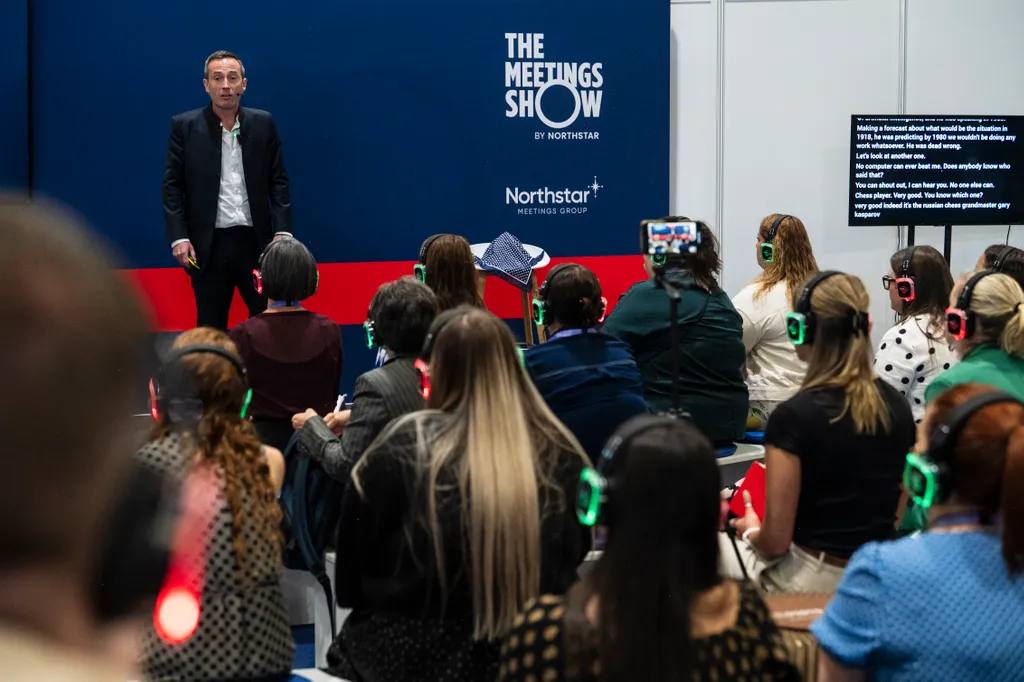
A day dedicated to discovering what’s next
The events industry never stands still, and neither do we.
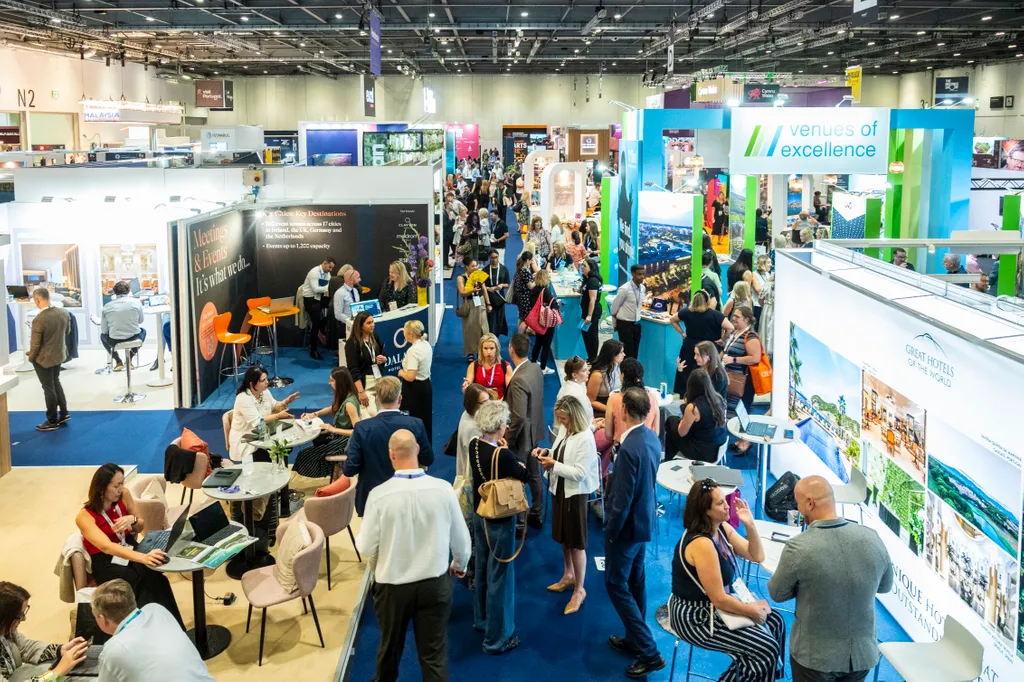
The Meeting Show gives us the opportunity to meet hundreds of venues, hotels, destinations and suppliers from across the UK and around the world, all under one roof. Whether we’re sourcing a hidden-gem venue for an executive retreat, finding a unique activity for an incentive trip, or exploring the latest event technology, every stand offers the chance to discover something new.
For our clients, this means we’re constantly expanding the options available to them. Instead of relying on the same recommendations time after time, we’re able to introduce fresh ideas that fit different budgets, objectives and audiences. Every new supplier we meet becomes another opportunity to create an event that’s memorable for all the right reasons.
Strengthening the relationships that matter
While discovering new suppliers is exciting, catching up with our existing partners is just as valuable.
Events are built on great relationships, and The Meeting Show gives us the chance to spend quality time with the people we work alongside throughout the year. Face-to-face conversations allow us to discuss upcoming developments, learn about new openings, hear what’s changing in the market, and strengthen the partnerships we’ve built over time.
These relationships often lead to benefits that directly support our clients, whether that’s greater flexibility, faster responses, exclusive opportunities or creative ideas that might not be available elsewhere. Having trusted supplier relationships means we can work collaboratively to find the best solutions, even when timelines are tight or briefs are particularly challenging.
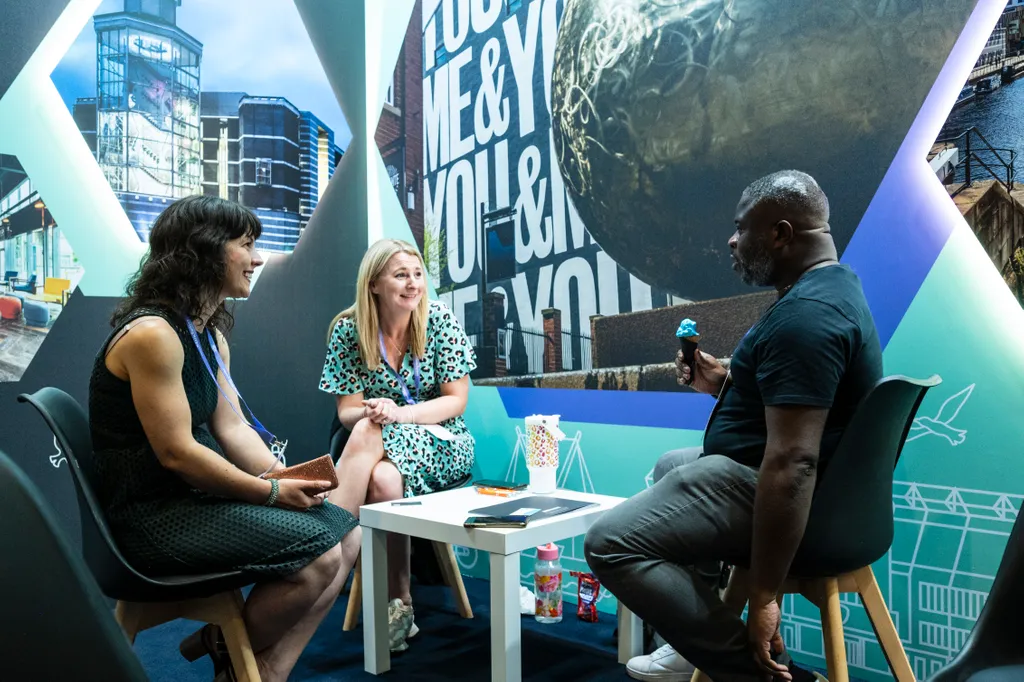
Learning from the wider industry
One of the biggest benefits of attending The Meeting Show is the opportunity to learn.
Alongside the exhibition are educational sessions covering everything from sustainability and event technology to attendee engagement and industry trends. It’s a chance to hear from experts, share experiences with fellow event professionals and bring new ideas back to the office.
Continuous learning helps us challenge ourselves and evolve the way we deliver events. By understanding what’s changing across the industry, we’re able to advise our clients with confidence and recommend solutions that genuinely add value to their events.
Turning inspiration into unforgettable experiences
Some of the best event ideas don’t come from a brief or a brainstorming session, they come from unexpected conversations.
A chance meeting with a venue, an innovative activation spotted on a stand or a discussion with an international destination can spark ideas that eventually become part of a client’s event. That’s one of the reasons we love attending industry events like The Meeting Show. Inspiration is everywhere.
As an agency, our role is to take those ideas and shape them into experiences that feel authentic to each client, ensuring every recommendation has purpose and supports the overall event objectives.
Why this matters for our clients
Attending industry events is an investment in the service we provide.
Every supplier we meet, every venue we visit and every trend we explore helps us build an even stronger network and deeper knowledge of the events industry. It allows us to source with confidence, negotiate effectively and bring creative thinking to every project we deliver.
Whether we’re organising conferences, incentive trips, experience days, awards dinners or corporate celebrations, our goal is always the same: to create events that exceed expectations while making the planning process as seamless as possible.
Our extensive range of event management services means we can support clients from the earliest stages of planning through to on-site delivery, bringing together the right people, places and ideas to create unforgettable experiences.
If you’re planning an event and would like to explore fresh ideas, exciting venues or unique experiences, we’d love to help. Get in touch with our team to start planning your next event.
Frequently Asked Questions
What is The Meeting Show?
The Meeting Show is the UK’s leading exhibition for the meetings, events and incentive travel industry, bringing together venues, destinations, hotels and event suppliers from around the world.
Why do event agencies attend The Meeting Show?
It gives agencies the opportunity to meet new suppliers, strengthen existing partnerships, discover new venues, learn about industry trends and find fresh inspiration that benefits their clients.
How does attending industry events benefit clients?
By attending industry events, agencies gain access to new ideas, trusted supplier relationships, exclusive opportunities and up-to-date industry knowledge, allowing them to create more innovative and effective events.
How do supplier relationships improve event planning?
Strong supplier relationships help agencies secure the best options for clients, negotiate competitive rates, solve challenges quickly and deliver a smoother event experience from planning through to delivery.
What types of events can SEVEN deliver?
We deliver a wide range of events, including conferences, incentive travel, experience days, awards dinners, corporate celebrations, product launches and team events, providing end-to-end event management tailored to every client’s objectives.
Mykonos – The Ultimate Luxury Incentive Destination
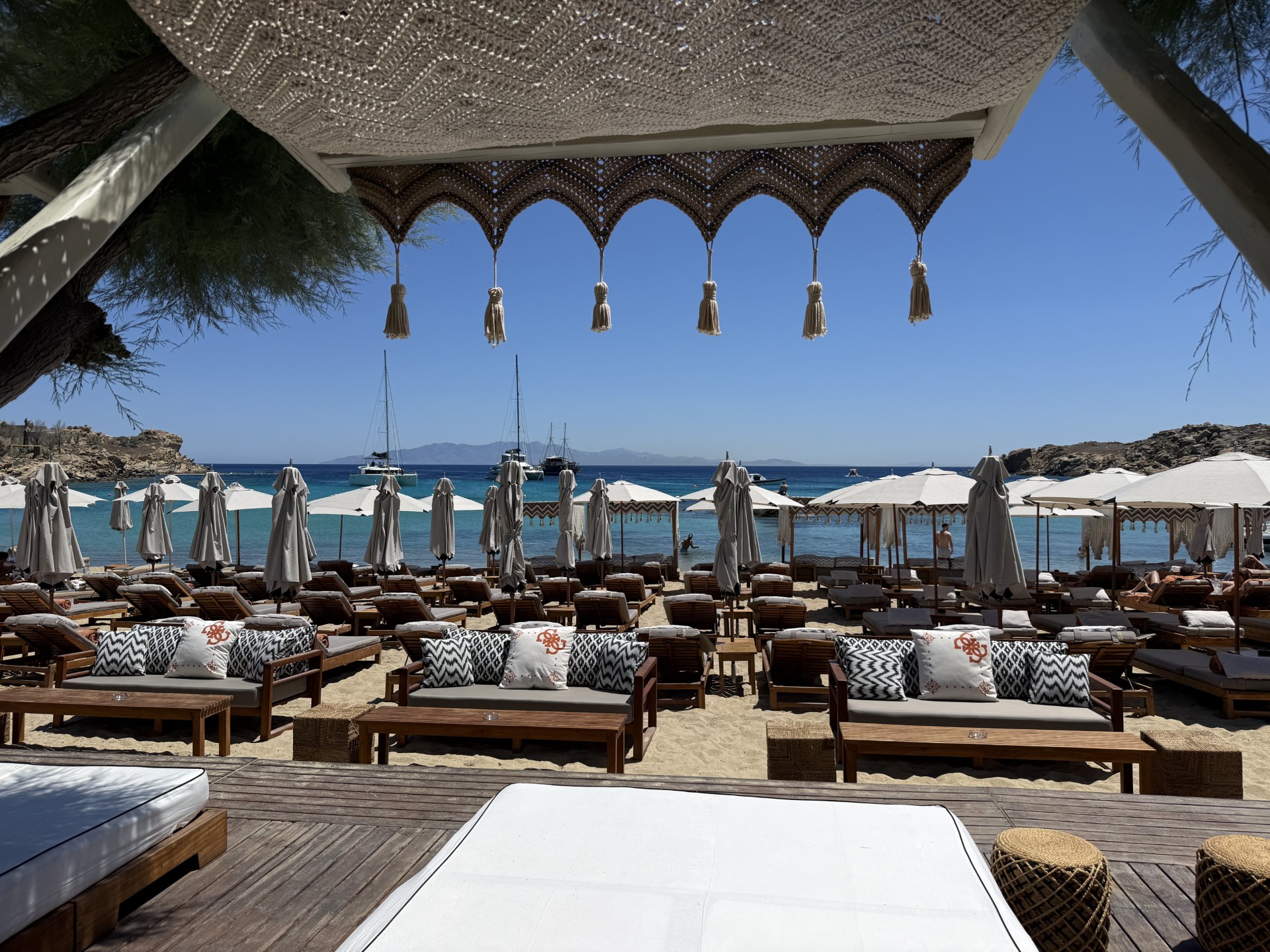
Incentive travel has evolved far beyond traditional reward trips. Today’s organisations seek experiences that inspire, motivate, and strengthen relationships while leaving a lasting impression on their teams and stakeholders. Mykonos delivers precisely that.
Known for its cosmopolitan atmosphere, stylish beach clubs, and exceptional service standards, the island offers an exclusive setting where delegates can disconnect from routine and reconnect with purpose. From private yacht excursions to sunset celebrations overlooking the sea, every moment in Mykonos feels extraordinary.
Luxury Hotels
Mykonos boasts an impressive portfolio of high-end hotels, boutique retreats, and private villas designed to cater to discerning incentive groups. Guests can wake to panoramic sea views, enjoy bespoke In-Room amenities, and indulge in hospitality that seamlessly blends contemporary luxury with traditional Greek warmth.
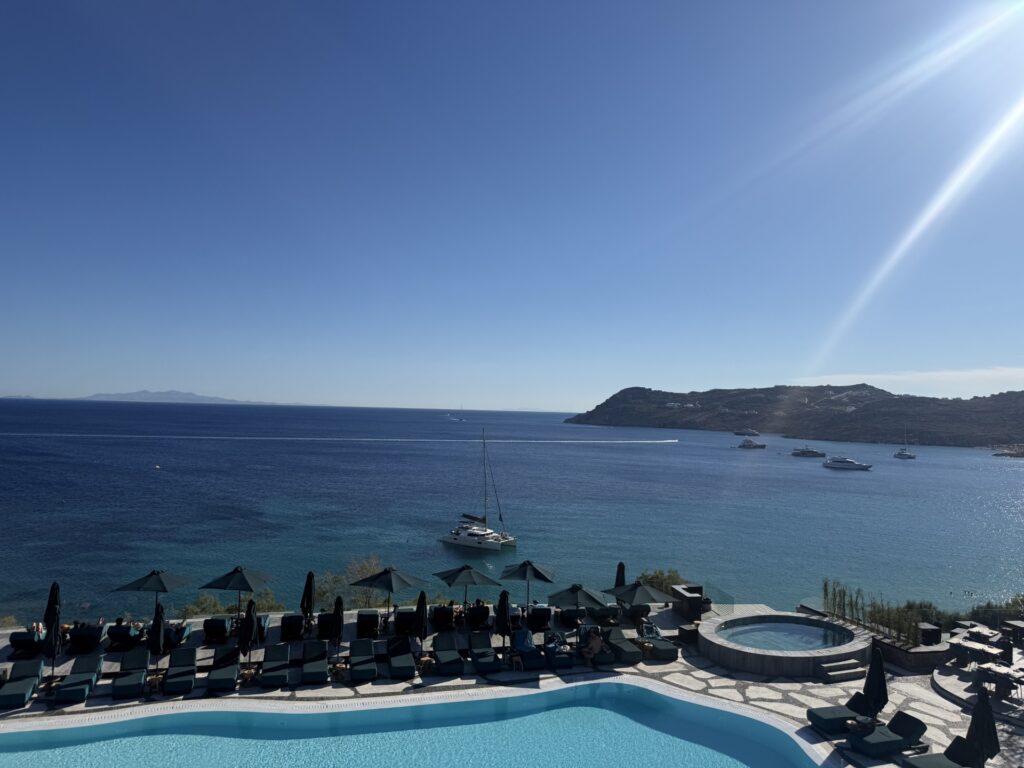
Among the island’s standout properties is the renowned Myconian Imperial Hotel, where we recently had the pleasure of delivering a successful incentive programme.
Perched above the golden sands of Elia Beach, the Myconian Imperial combines refined elegance with authentic Greek hospitality. The resort offers beautifully appointed accommodation, exceptional dining venues, wellness facilities, and versatile spaces suitable for everything from executive gatherings to celebratory events.
The Programme
The true magic of Mykonos lies in its ability to transform an incentive programme into a collection of once-in-a-lifetime experiences.
For those looking to embrace Mykonos’ glamorous reputation, an afternoon at one of the island’s iconic beach clubs is a must. Reserved sunbeds, beachfront dining, and vibrant atmospheres offer the perfect setting for informal networking and well-earned celebration.
Away from the coastline, the charming streets of Mykonos Old Town invite guests to slow down and explore. Wandering through its maze of whitewashed alleyways, boutique shops, hidden chapels, and waterfront cafés offers an authentic glimpse into the island’s character
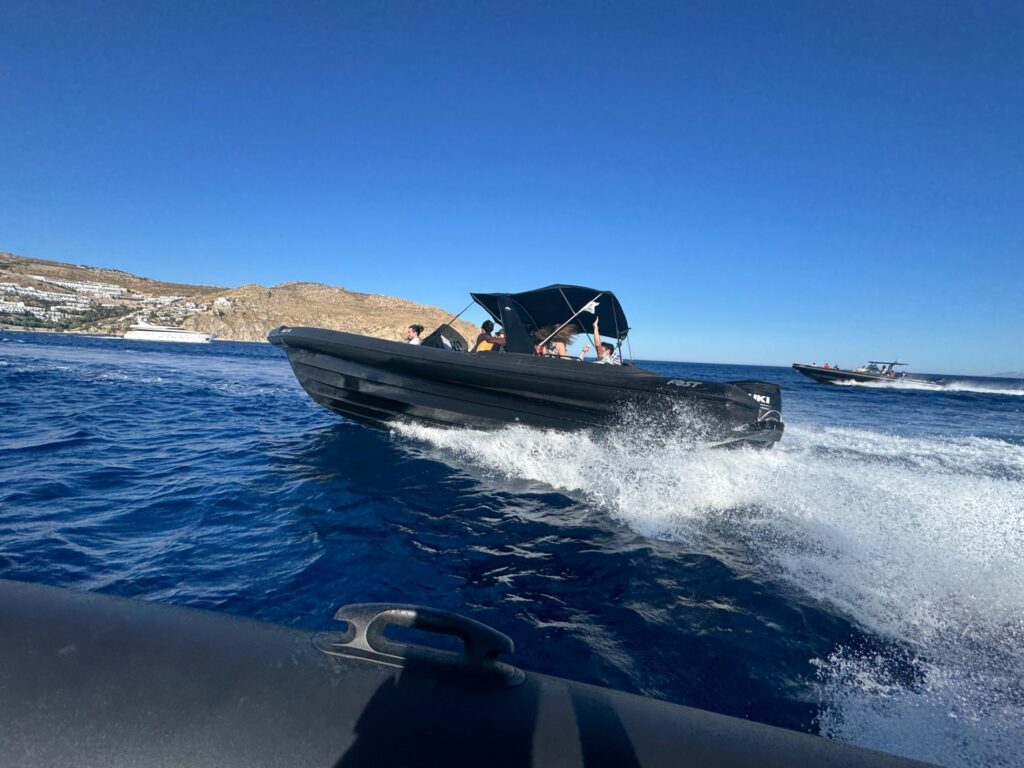
For a truly elevated experience, private speedboat transfers provide an exciting way to discover the island from the water. Whether transporting guests between venues, arriving in style for an exclusive dinner, or exploring secluded bays and hidden beaches, these bespoke journeys add a sense of adventure and exclusivity to any programme.
To balance Mykonos’ cosmopolitan energy with a deeper sense of place, traditional farm experiences offer a refreshing perspective on island life. Guests can discover local agricultural traditions, meet the people preserving them, and enjoy hands-on activities that celebrate authentic Greek culture. From learning about regional produce to sampling homemade delicacies, these experiences provide meaningful insight into the heritage that underpins the island’s contemporary appeal.
Together, these carefully curated activities transform an incentive programme into far more than a reward trip. They create opportunities to connect, celebrate success, and experience the many sides of Mykonos in a way that feels both luxurious and genuinely authentic.
Get in touch
If you’re planning an event we’d love to help. Contact us at hello@sevenevents.co.uk to discuss how SEVEN can support your event.
Why roadshows are becoming one of the most effective event strategies in 2026
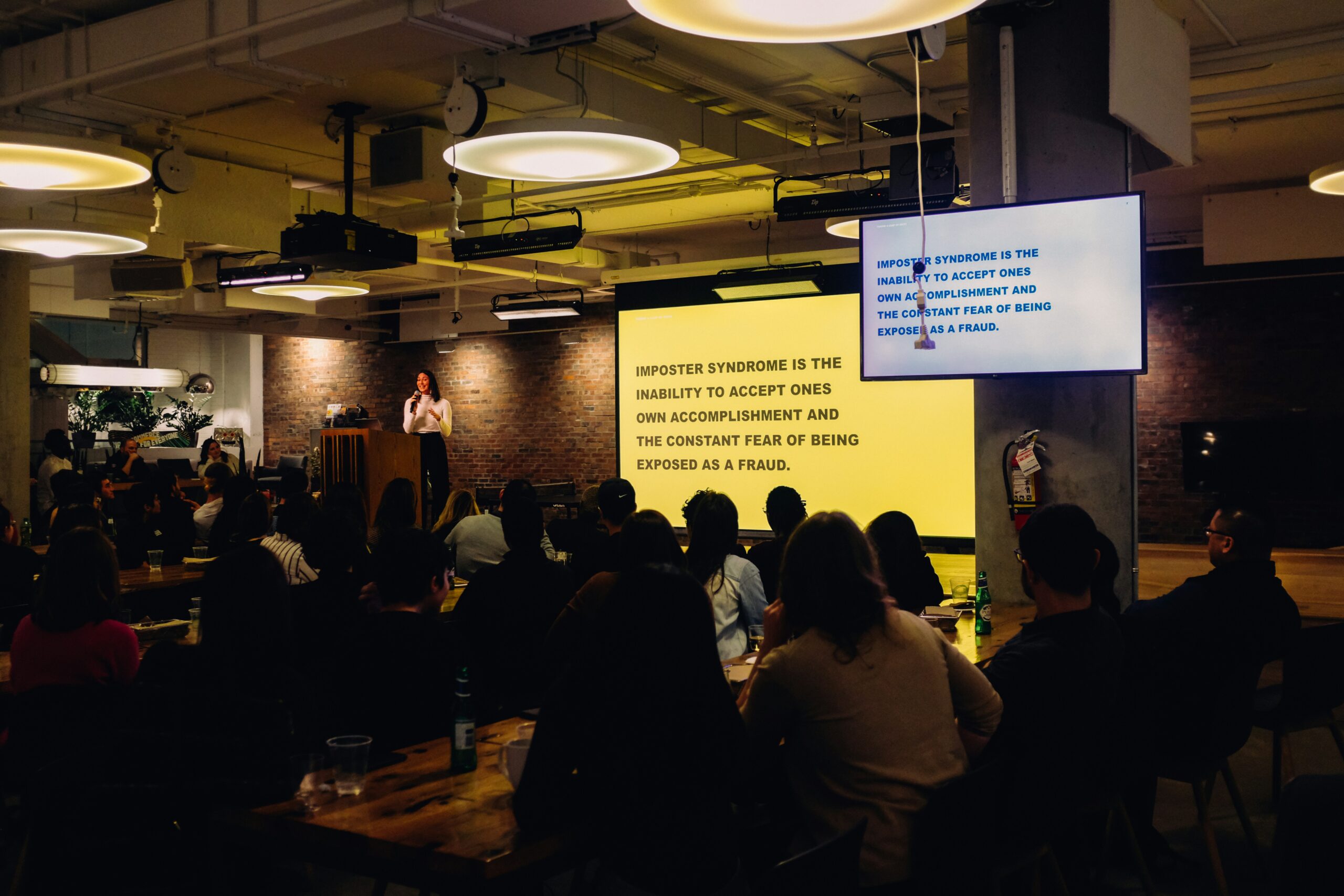
Bringing brands closer to people
A virtual events agency plans, produces, and delivers events that take place online or across both physical and digital spaces. The One of the biggest reasons roadshows are growing in popularity is accessibility. Instead of expecting audiences to travel to one central location, brands are bringing experiences directly to them.
This approach helps businesses reach wider audiences across different regions while creating a stronger local connection. Whether it’s an internal engagement tour, a product launch or a customer activation campaign, roadshows allow brands to meet people where they are, both physically and emotionally.
In 2026, audiences are placing greater value on experiences that feel personal and relevant. Roadshows naturally support this by allowing businesses to tailor messaging, activities and experiences to different locations and audiences.
Creating more meaningful engagement
Large conferences and exhibitions still have their place, but roadshows often create a more intimate and interactive environment. Smaller audiences can lead to better conversations, stronger networking opportunities and higher engagement levels overall.
People are more likely to ask questions, participate in activities and genuinely connect with a brand when the experience feels approachable rather than overwhelming. This is particularly valuable for internal communications, employee engagement initiatives and relationship-building events.
At SEVEN, we believe the most memorable events are built around human connection and storytelling and roadshows are perfectly suited to this style of engagement.
Flexibility is driving smarter event strategies
Businesses are becoming more strategic with their event investments, and flexibility is a major advantage of roadshows. Rather than putting all resources into one large event, brands can spread activity across multiple locations and touchpoints throughout the year.
This creates opportunities to:
- Reach different audiences
- Test and adapt messaging
- Increase brand visibility
- Extend campaign lifespan
- Build momentum over time
Roadshows also allow for scalable experiences. A programme can be adapted depending on audience size, location or business goals while still maintaining a consistent brand experience across every stop.
Supporting hybrid and regional working
With hybrid working continuing to shape the workplace in 2026, many organisations are looking for better ways to reconnect teams and maintain company culture across regions.
Roadshows provide a practical and engaging solution. Leadership teams can connect directly with employees, deliver consistent messaging and create moments of shared experience without requiring everyone to travel to a central office or venue.
This is especially valuable for:
- Company updates
- Employee engagement initiatives
- Training programmes
- Leadership communications
- Team celebrations
Face-to-face interaction remains incredibly powerful, and roadshows help businesses recreate that sense of connection in a more flexible and inclusive way.
Immersive experiences are elevating roadshows
Today’s roadshows are far more than branded stands and presentations. In 2026, experiential elements are transforming roadshows into dynamic, memorable journeys.
Interactive technology, personalised content, wellness experiences, gamification and immersive storytelling are helping brands capture attention in more creative ways. Audiences want experiences they can participate in, not simply observe.
At SEVEN, we’re seeing brands invest more in creating roadshows that feel exciting, shareable and emotionally engaging. These moments don’t just leave lasting impressions; they help strengthen relationships and encourage ongoing conversation long after the event ends.
Roadshows offer valuable data and insight
Online events produce more data than any physical format. That data makes the return easier to prove. Track the following Another reason roadshows are proving so effective is the ability to gather meaningful audience insights across different locations.
Through registration data, live feedback, interactive technology and audience participation, businesses can better understand:
- What resonates with audiences
- Which regions show the highest engagement
- Common questions or challenges
- Future opportunities for communication and growth
These insights help businesses continuously improve not only their events strategy, but also wider marketing and engagement activity.
Planning impactful roadshows with SEVEN
At SEVEN, we understand that successful roadshows require far more than logistics. They require creativity, consistency and experiences that genuinely connect with people. Through our event planning services, we help brands design and deliver roadshows that engage audiences, strengthen relationships and bring campaigns to life across multiple locations. Discover more about our services here: https://sevenevents.co.uk/our-services/
From venue sourcing and production to creative concepts and on-site management, we work closely with our clients to ensure every stop on the journey delivers impact.
FAQs
What is a roadshow event?
A roadshow is a series of events or activations that take place across multiple locations, allowing businesses to engage directly with audiences in different regions.
Why are roadshows becoming more popular in 2026?
Roadshows offer more personalised engagement, greater flexibility and stronger regional reach compared to traditional single-location events.
What types of businesses benefit from roadshows?
Roadshows work well for a wide range of businesses, including corporate organisations, retail brands, technology companies and businesses focused on employee engagement or customer experience.
How can SEVEN help with roadshow planning?
At SEVEN, we provide end-to-end support including creative development, logistics management, venue sourcing, production and on-site event delivery to ensure a seamless experience across every location.

Event Logistics Checklist for Large Corporate Events

A large corporate event has hundreds of moving parts. Any one of them can derail the whole day if it is missed. Strong logistics are what hold it all together. When the planning is right, the event feels effortless to everyone attending.
This checklist covers every stage of event management logistics, from the first supplier booking to the final report. Use it to keep your next large event on track.
What Is Event Management Logistics?
Event management logistics is the coordination of every practical element that makes an event happen. It covers the people, suppliers, equipment, timings, and movement that turn a plan into a live event.
Good logistics are invisible to guests and obvious only when something goes wrong. The discipline breaks down into three phases:
- Pre-event planning and booking.
- Event-day coordination and delivery.
- Post-event wrap-up and reporting.
Each phase carries its own risks and its own checklist. The sections below work through all three.
Pre-Event Logistics Checklist
The work done before the event decides how the day runs. Most problems trace back to something missed at this stage.
1. Venue Selection
The venue shapes every other decision. Confirm these details early:
- Capacity for your full guest list.
- Access and loading for production teams.
- Power supply and technical infrastructure.
- Accessibility for all attendees.
- Catering facilities and restrictions.
2. Supplier Management
A large event relies on many suppliers working together. Keep control with:
- Signed contracts with clear terms.
- Confirmed delivery and setup times.
- A single point of contact for each supplier.
- Backup options for critical services.
- A shared schedule everyone can see.
3. Accommodation Planning
Out-of-town guests and speakers need somewhere to stay. Sort this well ahead:
- Room blocks are booked near the venue.
- Clear rates and booking deadlines.
- Special requirements captured in advance.
- Check-in and check-out times confirmed.
- Transport links to the venue are checked.
4. Transport Planning
Getting people to the venue smoothly sets the tone for the day. Plan for:
- Delegate travel from main locations.
- Speaker and VIP transfers.
- Parking arrangements on-site.
- Equipment and production deliveries.
- Contingency for delays or cancellations.
5. Registration Systems
Registration is the first thing guests experience. Get it right with:
- An online system tested before launch.
- Clear joining instructions sent in advance.
- On-site check-in equipment confirmed.
- Name badges prepared and sorted.
- A staffed help point for arrivals.
Event Day Logistics Checklist
On the day, coordination is everything. These checks keep the event running from the doors open to close.
1. AV Testing
Technical failure is the most visible risk among events. Test everything before guests arrive:
- Sound levels across the full room.
- Screen and projection visibility from every seat.
- Microphones, including spares and backups.
- Streaming feeds for remote attendees.
- Presentation files loaded and checked.
2. Delegate Management
Guests need to feel looked after from the moment they arrive. Cover the basics:
- Clear arrival and check-in flow.
- Staff briefed and visible throughout.
- Session timings communicated clearly.
- Catering served on schedule.
- Help is available at every stage.
3. Signage
Good signage stops confusion before it starts. Place clear signs for:
- Entrances, exits, and registration.
- Session rooms and breakout spaces.
- Toilets, cloakrooms, and catering.
- Accessibility routes and facilities.
- Emergency exits and assembly points.
4. Emergency Planning
Safety planning protects guests and the business. Confirm these are in place:
- Trained first-aiders on-site.
- Clear evacuation routes and procedures.
- Fire safety checks completed.
- Crowd management for busy periods.
- A named person responsible for incidents.
Post-Event Logistics Checklist
The event does not end when guests leave. Strong event management logistics carry through to a proper close.
1. Supplier Wrap-Up
Closing out suppliers properly protects relationships and budgets. Cover:
- Equipment collected and returned.
- Final invoices checked against contracts.
- Damage or issues documented.
- Feedback shared with each supplier.
- Bookings confirmed for any future dates.
2. Reporting
A clear report turns a finished event into useful learning. Capture:
- Attendance against registration numbers.
- Budget actuals against the original plan.
- Supplier performance notes.
- Issues encountered and how they were solved.
- Recommendations for next time.
3. ROI Analysis
Every large event should prove its value. Measure:
- Leads generated and conversations started.
- Engagement and session attendance.
- Delegate satisfaction scores.
- Social reach and content generated.
- Commercial outcomes against objectives.
Top 10 Event Logistics Mistakes
Even experienced teams make the same logistical errors. Watch for these ten.
| Mistake | Why It Hurts |
|---|---|
| No master schedule | Teams work at different times and clash |
| Weak supplier contracts | Disputes and gaps appear on the day |
| Skipping AV rehearsals | Technical faults surface in front of guests |
| Poor signage | Guests get lost, and sessions start late |
| No contingency plan | One failure cascades into many |
| Underestimating transport | Late arrivals disrupt the schedule |
| Ignoring accessibility | Some guests are excluded |
| Rushed registration | Long queues create a poor first impression |
| No single point of contact | Decisions stall, and confusion spreads |
| Forgetting the wrap-up | Costs and issues go unmanaged afterwards |
How Do Event Agencies Manage Complex Logistics?
A professional agency carries the full weight of event management logistics, so your team does not have to.
The value comes from four things:
- Process: A proven method that covers every stage.
- People: Experienced coordinators who have seen most problems before.
- Networks: Trusted suppliers who perform under pressure.
- Presence: A team on-site managing the day in real time.
SEVEN has delivered large-scale events for global brands across technology, finance, healthcare, and automotive. We have managed multi-location conferences, hybrid broadcasts, and flagship events with hundreds of attendees.
Our role is to handle the logistics completely. That means your team shows up to lead the event, not to run it.
Free Download: Corporate Event Logistics Checklist
We have turned this guide into a downloadable checklist you can use for your next event. It covers every pre-event, event-day, and post-event task in one printable document.
If you would like help planning the event itself, we would love to talk through your brief.
Connect with the team at SEVEN
FAQs
1. What is event logistics management?
It is the coordination of every practical element of an event, from suppliers and transport to registration and on-site delivery. The goal is a smooth event where nothing is missed.
2. Why is event logistics important?
Logistics decide whether an event runs smoothly or falls apart. Strong event management logistics prevent the failures that damage brand reputation and waste budget.
3. What should be included in an event checklist?
A complete checklist covers three phases: pre-event planning, event-day coordination, and post-event wrap-up. Each phase includes venue, supplier, technical, and safety tasks.
4. How do event planners coordinate logistics?
They work from a master schedule, manage suppliers against contracts, run full rehearsals, and keep a team on-site to solve problems in real time.