


Category: Incentive
Why meaningful employee appreciation goes beyond traditional rewards
Meaningful appreciation is felt, not just given. A voucher or a generic thank-you email might tick a box, but it rarely tells someone what their contribution actually meant, or how it connected to the wider goals of the business.
When employee appreciation activities are built around a company’s real people, culture and achievements, they do more than mark an occasion: they build connection, motivation, morale and a genuine sense of belonging.
Generic gestures tend to miss this entirely, because they’re designed to suit anyone, which means they rarely land with someone in particular.
At SEVEN, we design recognition experiences around exactly that gap, shaping every detail so it reflects the people being celebrated rather than a template pulled off a shelf.
Why meaningful employee appreciation matters
Before choosing a format or a destination, it helps to understand what actually makes recognition land. It usually comes down to three things: how personal it feels, how well it fits the culture it sits inside, and whether it gives people a moment they’ll genuinely remember together.
1. Making recognition feel personal and genuine
Telling someone their work “mattered” is a start, but naming what they did, who it affected and why it counted turns a routine gesture into something that sticks.
The best employee appreciation activities work the same way: they’re chosen with a particular team, milestone, personality or shared history in mind, rather than lifted from a generic list of ideas that could apply to any business.
2. Connecting appreciation with company culture
Appreciation should feel like an extension of how a business already operates, not a one-off event bolted onto the calendar.
A close-knit sales team might respond to something loud and celebratory, while a more considered, research-led culture might prefer something reflective and immersive.
Getting this right takes planning, which is exactly where good incentive event management earns its keep, matching format, tone, setting and pace to the culture being celebrated rather than to a one-size-fits-all template.
3. Creating a shared moment people remember
A trip, an evening or an experience that a team goes through together gives people something to talk about long after the thank-you has faded.
That shared memory does more for morale and retention than a one-off bonus ever could. It also gives people a reference point: a moment they can point back to as proof the business noticed what they did.
Employee appreciation activities that go beyond traditional rewards
Rather than another generic list, it’s more useful to think in terms of a few broad categories, each suited to a different kind of achievement:
- Shared, group-wide experiences that the whole team takes part in together
- Recognition events shaped around a specific audience within the business
- Incentive experiences built around a clear, named achievement
1. Shared experiences and team celebrations
Group experiences consistently build more lasting goodwill than individual perks handed out one by one.
Earlier this year, SEVEN brought Roland Berger’s UK teams together for a summer celebration on Mykonos, combining beachfront time at a private beach club, a poolside welcome dinner with traditional Greek entertainment.
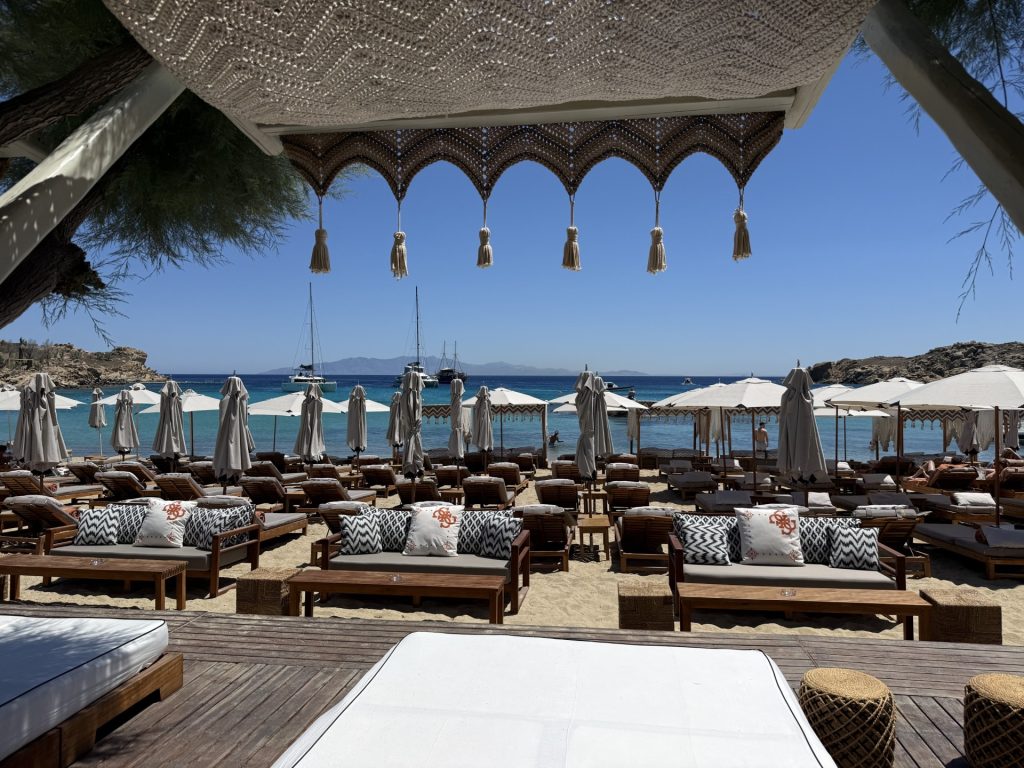
A day that balanced a short conference session with free time and a private catamaran cruise along the island’s coastline to close things out.
None of it centred on one person’s achievement; it was a collective experience designed to reinforce the whole team’s sense of a strong year.
2. Recognition events shaped around the audience
Not every group within a business wants the same thing, even inside a single programme. On a recent incentive trip to Porto, we ran two parallel itineraries for the same client’s installer network:
- One built around high-energy activities such as off-road buggies and strategic paintballing for individual attendees.

- A second, more relaxed itinerary centred on a wine tasting and gourmet lunch at a working winery for those bringing partners.
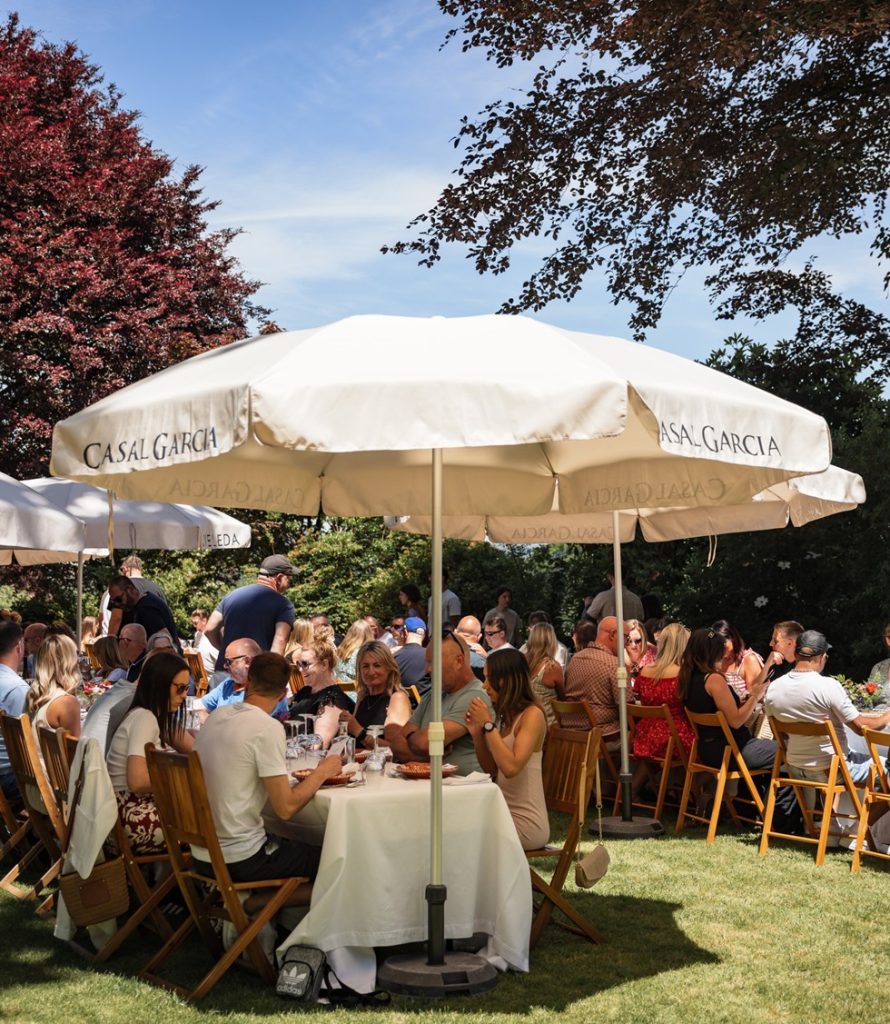
Both groups shared the same welcome, including a Rabelo boat tour along the Douro and a visit to the client’s manufacturing facility, before their paths diverged.
The result was one shared objective delivered through two distinct experiences, both shaped by the same incentive event management team working to a single brief.
3. Incentive experiences with a clear purpose
The strongest employee appreciation activities are tied to something specific: a sales target hit, a project delivered, a year of consistent performance, or a milestone reached ahead of schedule.
When the purpose is clear, the experience itself becomes part of the story people tell about what they achieved, rather than a disconnected treat that could just as easily have been given to anyone else in the business.
How incentive event management brings the experience together
Getting from “we want to recognise the team” to a finished, well-run event involves two distinct stages: shaping the concept, and then delivering it without a hitch.
1. Turning recognition goals into an event concept
Every strong programme starts with a goal, not a destination. Before any venue or itinerary is chosen, it helps to be clear on what the appreciation is actually for, who is being celebrated and what feeling the business wants people to leave with.
From there, incentive event management turns those goals into a concept, complete with a destination and an itinerary designed to deliver on them, rather than a generic package that happens to be available.
2. Managing the detail so the focus stays on the people
Once a concept exists, the practical side takes over: travel, accommodation, timings, suppliers and on-the-ground support. Done well, none of this is visible to guests; they simply experience a programme that runs smoothly from arrival to departure.
That invisible layer of planning is what allows the actual appreciation, the part where people feel genuinely valued, to come through clearly, instead of getting lost in logistics.
Closing Thoughts
Appreciation works best when it feels considered, relevant and true to the people being recognised, rather than generic or box-ticking. The aim is to make people feel seen for what they’ve actually done.
If you’re planning a recognition experience for your business, SEVEN’s recognition and incentives team can help shape it from concept through to delivery. Our incentive event management team would love to talk it through. Email us at hello@sevenevents.co.uk to start the conversation.
FAQs
What employee appreciation activities work for a London-based team?
A team celebration, a recognition event or a short away day can all work. Choose the format around what the team has achieved and how much time people can give.
How can an event recognise employees without feeling generic?
Name the specific contribution being celebrated and make space for that recognition in the programme. SEVEN can shape the experience around the people involved and the company’s culture.
Can a corporate away day be used to reward employees?
Yes. An away day can mark a milestone while giving colleagues time to connect outside their usual work setting.
How do you choose appreciation activities for different preferences?
Ask about the group’s interests and needs before settling on an itinerary. A shared programme can offer both energetic and more relaxed options.
What should an employee appreciation event include?
Start with a clear reason for the recognition, then plan activities and pacing that suit the guests. If travel is involved, include the arrangements and on-site support in the brief.
Why the best incentive trips begin with the people, not the destination.
A beautiful destination can open the door to a great incentive trip, but it cannot decide what your people will value once they arrive. The strongest programmes begin with what they have achieved, what motivates them, how they like to spend their time and what the reward should say about the company. That is the thinking behind corporate incentive travel.
At SEVEN, we treat the journey as a designed experience, not a string of bookings.
Why people should shape the incentive travel experience
The destination should answer the brief, not become the brief. Before we recommend a city, resort or adventure, we want to understand the people travelling and the reason they have earned their place.
1. Understanding what motivates the group
A sales team may enjoy an active experience, while senior performers may value privacy and time to recharge.
As an incentive travel company in the UK, our starting point is insight. We look at the audience profile, the achievement being recognised, the likely preferences across the group and any practical needs that may affect the experience. Useful questions include:
- Who is being rewarded, and what did they achieve?
- Are guests travelling alone, with colleagues or with partners?
- What kind of recognition will feel meaningful to them?
- Where do shared experiences add value, and where should guests have freedom?
2. Reflecting company culture and the reason for the reward
An incentive works harder when it feels connected to the organisation behind it. A business that prizes curiosity may want guests to discover a destination through local experiences. A company that celebrates collaboration may build in more shared activities. A performance-led culture may want the programme to mark achievement with a stronger sense of occasion.
Our role as an incentive travel agency in London is to translate that context into practical choices. The destination, accommodation, activities, dining and communications should feel connected.
This is where incentive event management matters. The reward should be carefully planned from the first conversation through to arrival home, so that recognition feels considered at every stage.
3. Balancing shared moments with individual choice
A group trip should create connection without making every hour compulsory. People remember shared moments, but they also value choice. We often build this balance into corporate incentive travel through:
- Shared dinners and celebrations
- Signature group experiences
- Optional activities
- Planned downtime
- Time to explore independently
What turns an incentive trip into a meaningful reward?
Meaningful programmes connect three things: the people being rewarded, the purpose of the recognition and the experience itself. The destination then becomes a tool for bringing those elements together.
1. Choosing a destination with purpose
A destination should make sense for your audience and the reason behind the reward. That might mean cultural discovery, adventure, rest, premium hospitality or a strong sense of occasion.
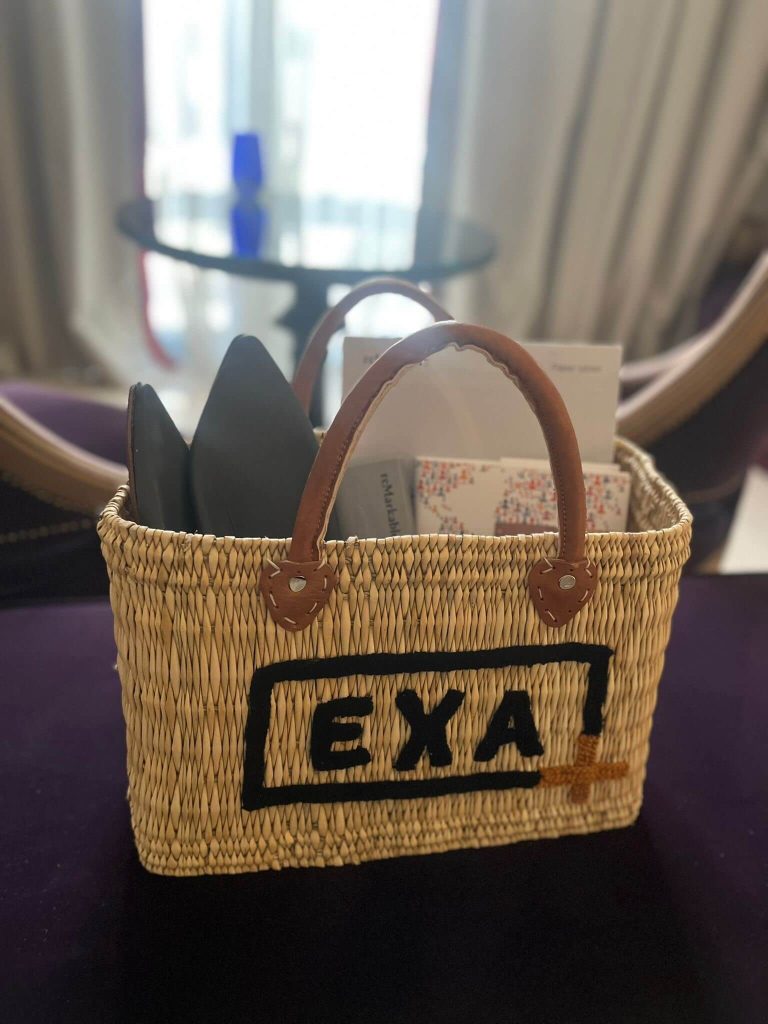
SEVEN’s Marrakech programme for EXA’s Top Achievers Club shows how that thinking can shape a trip. We first worked with the client to understand what mattered to their teams.

We then created a tailored itinerary that combined a high-end stay with local experiences, guest preferences and a taste of Marrakesh.
Before the trip, a bespoke registration page also allowed guests to share personal preferences and built anticipation ahead of departure. For an incentive travel company in the UK, destination knowledge is useful only when it helps solve a people and business brief. A location may be impressive, but the real question is whether it gives your group the right mix of experiences.
2. Designing an itinerary with the right pace
A memorable trip should feel well paced rather than crowded. Too many scheduled activities can make a reward feel like another work commitment. Too little structure can leave a group without the shared moments that make the trip special.
Our incentive travel agency in London approach combines organised experiences with breathing space. In Zell am See, the GP Ice Race sat at the heart of the programme, alongside time to unwind, a visit to the Top of Salzburg viewing platform and group dinners.

The result was a schedule designed around both the shared theme and different ways of enjoying the trip. A well-designed incentive trip leaves room for energy, discovery, conversation and rest.
3. Adding thoughtful details guests will remember
The details often show people that the reward has been designed with them in mind. A preferred activity, a thoughtful arrival touch or a dining experience with a strong local connection can change how a programme feels.
In Porto, SEVEN created two incentive experiences for an installer network. One itinerary was designed for individual installers, while another welcomed installers and their partners.
The programmes shared the client’s business objectives but adapted the experience for each audience. That included different day-three activities and distinct gala experiences. That is a useful lesson for corporate incentive travel: consistency does not have to mean sameness.
What an incentive travel company brings to the journey
Planning flights, hotels, transfers, activities and guest preferences can quickly become a sizeable project. An incentive travel company in the UK brings specialist planning, supplier relationships, destination insight and on-site coordination into one process.
1. Creative planning and trusted destination knowledge
At SEVEN, we start with the brief and use it to shape the destination. Our Recognition & Incentives service covers destination scoping and tailored itinerary planning, with attention to company culture, employee demographics, preferences and desired outcomes. We also draw on local partners and destination knowledge to create experiences that feel authentic to the place.
An incentive travel agency in London is especially useful when the destination is unfamiliar to the internal team. The value is not simply having ideas. An incentive travel agency in London needs to know which ideas are practical, how they fit together and where the risks sit.
2. Travel, accommodation and on-site coordination
Delivery deserves the same attention as creative planning. SEVEN manages flights, accommodation, transfers, visas, documentation, delegate management and on-site support as part of its end-to-end service.
That makes incentive event management valuable when the group is large, the programme spans multiple suppliers or the experience involves complex travel. Good incentive event management also gives guests a clear point of support throughout the journey. For businesses assessing an incentive organiser, look beyond the destination ideas. Ask how the team will understand your audience, manage logistics, communicate with guests and support the programme on site.
Those answers reveal how much of the delivery burden they can genuinely take on, and whether their incentive event management approach matches your needs.
Conclusion
The best incentive trips begin with a simple question: who are we rewarding, and what will make them feel recognised?
The answer should influence the destination, the itinerary, the level of choice and the details guests experience along the way. That is the people-first approach SEVEN brings to every incentive brief. As an incentive travel company in the UK, we combine creative thinking with practical delivery. That is central to how an incentive travel company in the UK should support a live programme.
As an incentive travel agency in London, SEVEN brings destination knowledge and planning support together. Through corporate incentive travel and thoughtful incentive event management, we help businesses turn achievement into a reward people can truly enjoy.
Explore our Recognition & Incentives service, or speak to SEVEN at hello@sevenevents.co.uk about creating a bespoke incentive programme built around your people.
Frequently asked questions
How do I find an event organiser for an incentive trip?
Start by looking for an organiser with experience in incentive programmes, destination planning and guest management. Ask how they approach audience research, itinerary design, supplier coordination and on-site delivery. It is also worth reviewing relevant case studies to see whether their approach matches the type of experience you want to create.
Should we use an event agency to plan an incentive trip?
External support can be valuable when your programme involves multiple suppliers, international travel, a larger guest list or a detailed itinerary. An experienced agency can take care of the planning and coordination while helping you create an experience that feels tailored rather than operational.
How do you choose the right destination for an incentive trip?
Start with your people and the purpose of the reward. Consider what the group enjoys, how much travel they are comfortable with, the level of activity they want and the type of recognition you want to provide. The right destination is one that supports those needs rather than simply looking impressive on paper.
How much free time should an incentive itinerary include?
There is no universal formula. The right balance depends on the group, destination and purpose of the trip. Shared activities help build connection, while unstructured time gives guests the freedom to relax or explore at their own pace. A well-planned itinerary should make both possible.
What does an incentive event organiser manage?
A full-service organiser can support areas such as destination selection, accommodation, flights, transfers, guest communications, activities, dining, documentation and on-site coordination. Bringing these elements together under one team can make the experience easier to manage for both the business and its guests.
Why The South of France Is The Perfect Destination For An Incentive Trip

Make the most of the Mediterranean
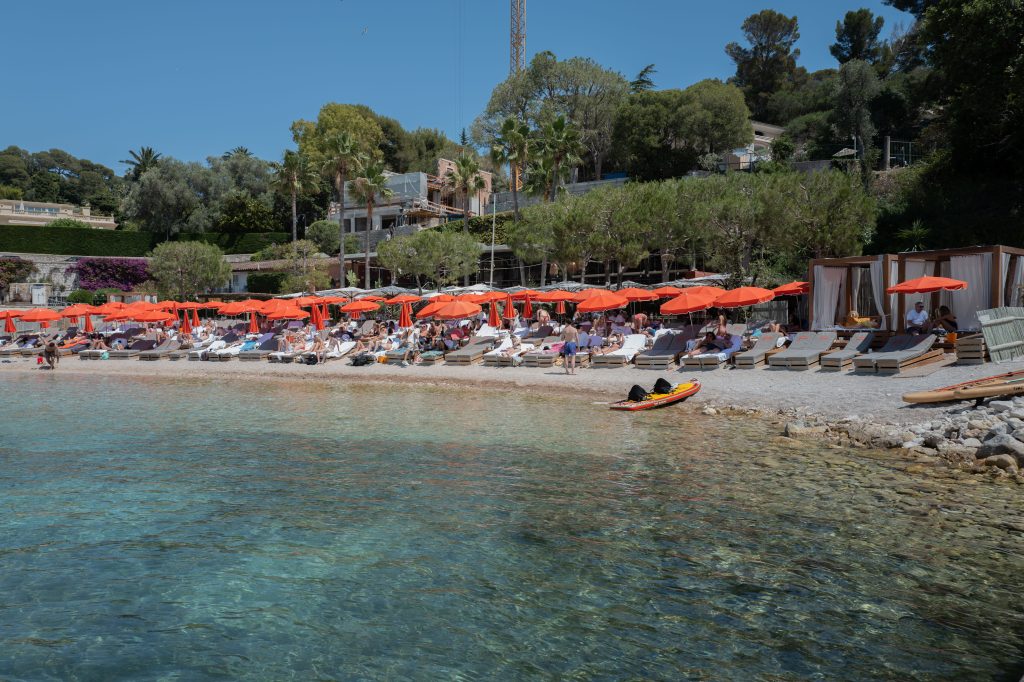
Following our recent visit to the region, we were reminded that its appeal extends far beyond luxury hotels and beautiful beaches. Private sailing, island wine tasting, vintage markets and scenic coastal drives give groups the opportunity to experience a side of the Riviera they may never discover for themselves.
The sea is one of the Riviera’s biggest attractions, so it should become part of the experience rather than simply providing the backdrop. Guests could sail from Cannes to Île Sainte-Marguerite before snorkelling at the underwater eco-museum, where six sculptures sit beneath the surface. Afterwards, they could return to the boat for a private lunch with local dishes, Provençal rosé and views across the Lérins Islands.
Experience the South of France through food
Dining is an essential part of any South of France incentive. From dinners overlooking the Mediterranean to tastings of local produce, each meal offers another opportunity to create a memorable experience. For something more traditional, groups can visit Saint-Honorat, where Cistercian monks have lived for around 1,600 years. Guests can explore the monastery and vineyards before tasting the wine, liqueurs and olive oil produced on the island. Groups looking for a livelier atmosphere can spend an afternoon at Bagatelle or Shellona Saint-Tropez, where beachfront dining, music and dancing come together.
Create moments guests will remember
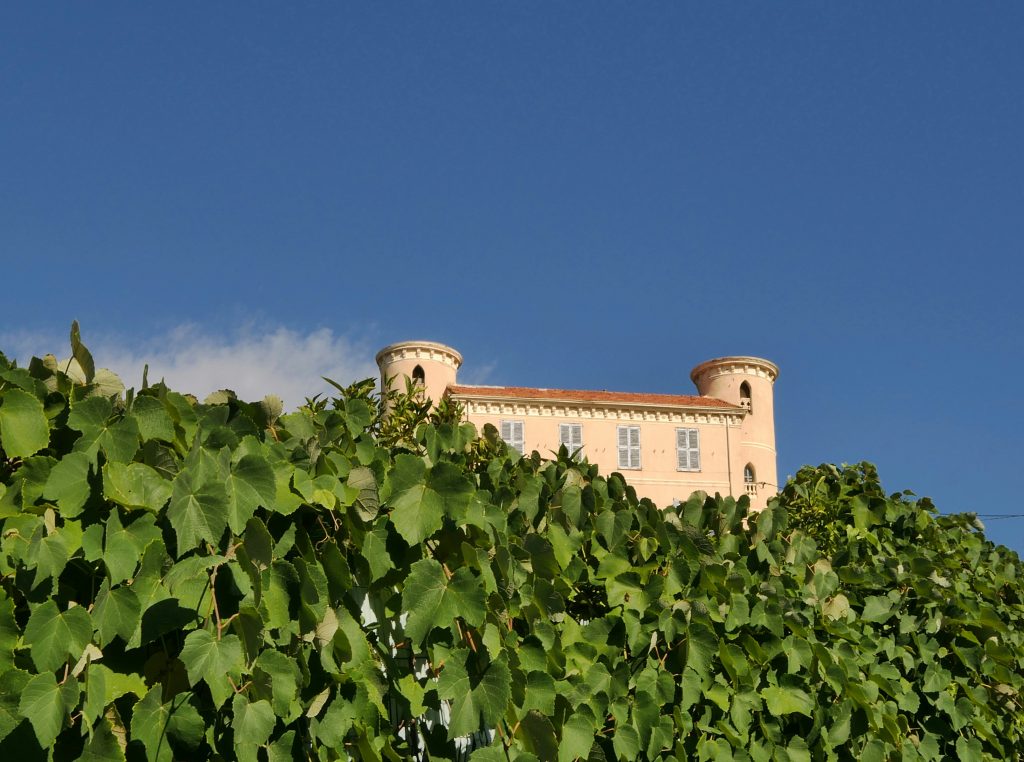
A successful incentive does not need to fill every hour. Choosing a few special experiences and leaving guests time to enjoy them often creates a better trip. During our visit, we loved Cannes’ brocante market, where stalls are filled with vintage jewellery, French posters, artwork and unusual collectables. It offers a more authentic side of the city and gives guests time to explore at their own pace.
For something more exhilarating, groups could drive along the Riviera in a classic car or supercar, stopping in places such as Antibes, Cannes or Monaco. The journey becomes just as memorable as the destination.
Planning an incentive with SEVEN
The best incentive trips are created around the people attending and what the experience needs to achieve, whether that is rewarding performance, bringing colleagues together or thanking a team. Take a look at how we brought this to life with our Monaco Grand Prix incentive, combining luxury experiences across the Côte d’Azur with exclusive Grand Prix hospitality.
Through our incentive travel service we create bespoke programmes to suit each client’s goals, culture and budget. From accommodation and travel to activities and dining, our team manages every detail.
Ready to plan your South of France incentive? Get in touch with our team to start creating your programme.
Frequently asked questions
Why is the South of France a good destination for an incentive trip?
The South of France combines easy access from the UK with luxury hotels, beautiful scenery, amazing food and plenty of group experiences. It gives event planners the flexibility to create an incentive that mixes relaxation, reward and time spent together.
How can you make a South of France incentive trip truly memorable?
Focus on experiences guests wouldn’t normally organise for themselves. At SEVEN, we create bespoke itineraries around each team, bringing together everything from private sailing and vineyard visits to beach club lunches and unique local experiences. It’s those standout moments that guests will still be talking about when they get home.
What activities work well for a South of France incentive?
Private sailing, beach clubs, vineyard visits, perfume-making in Grasse and day trips to Monaco are just a few options. Rather than trying to fit everything in, choose experiences that suit your group and give guests enough time to enjoy them.
How can SEVEN help plan an incentive trip to the South of France?
At SEVEN, we can take care of the whole experience. From finding the right hotel and activities to managing travel, dining and logistics, we bring all the pieces together to create an incentive that feels effortless for guests.
Employee Appreciation Activities That Strengthen Company Culture and Engagement
Recognition rarely appears on a balance sheet, yet it influences some of the metrics businesses value most: retention, engagement, and productivity. Employees who feel genuinely valued are more likely to stay, collaborate effectively, and contribute to a positive workplace culture.
Most employees who quit their jobs cite a lack of appreciation as a key reason for leaving, a figure that should sit at the top of every HR Director’s agenda. And yet, for many organisations, recognition remains an annual gesture rather than a sustained strategy.
The most successful companies treat employee appreciation activities as a genuine business investment, not an occasional reward. When designed and delivered well, they strengthen relationships, reinforce company values, and create a culture where people feel valued throughout the year, not just during performance reviews.
Why Employee Appreciation Activities Matter Beyond the Moment
Employee appreciation helps people feel recognised for the value they bring. Consistent recognition strengthens culture, reinforces positive behaviours, and keeps employees engaged..
Well-planned employee appreciation activities can:
- Strengthen workplace culture and team connections.
- Reinforce company values through meaningful recognition.
- Increase motivation by celebrating individual and team achievements.
- Create memorable experiences that leave a lasting impression.
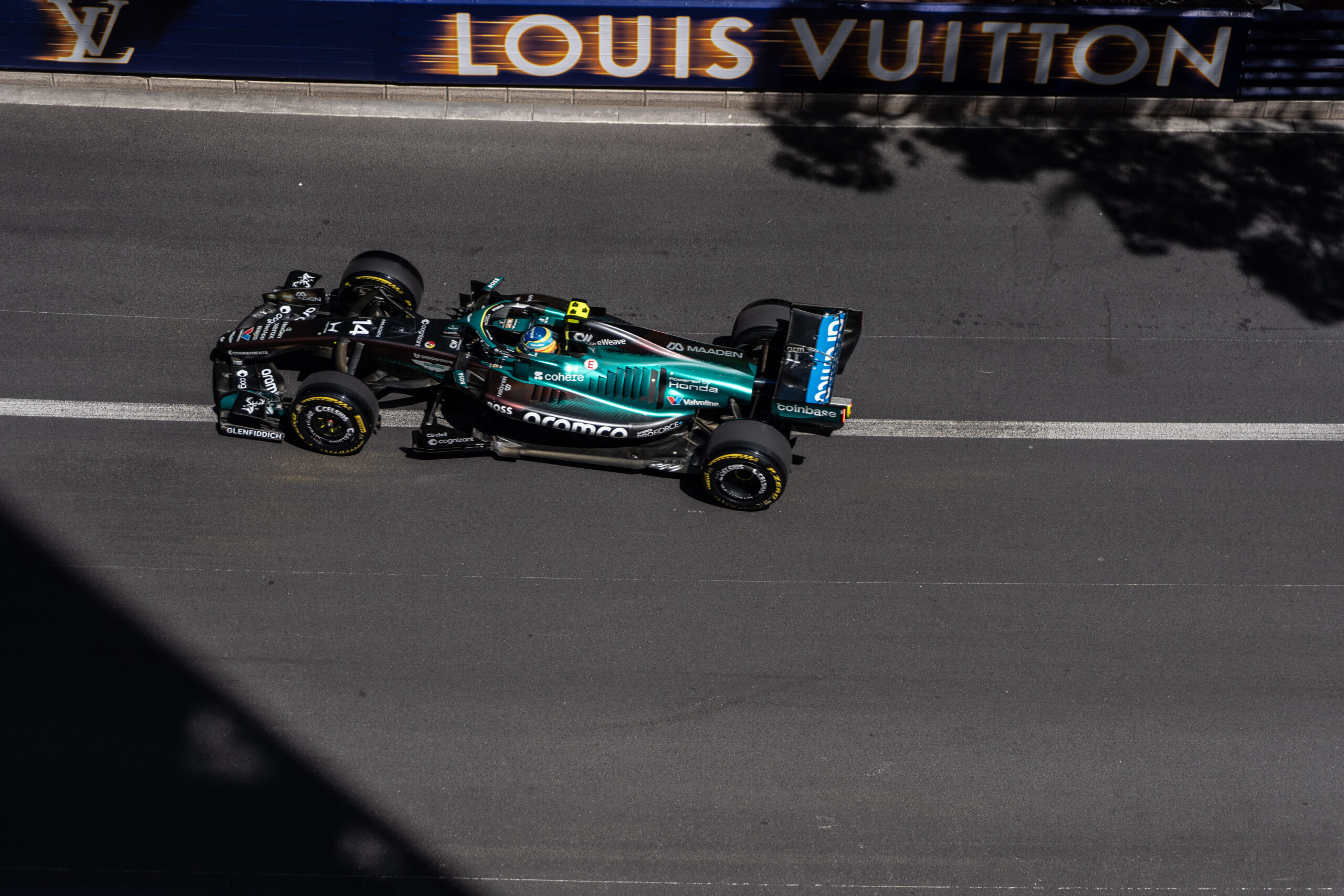
This Monaco Grand Prix incentive programme rewarded high-performing employees with an experience built around one of the world’s most iconic sporting events. Rather than a traditional awards ceremony, the programme used shared experiences to celebrate success, strengthen relationships, and make employees feel genuinely valued.
The most effective employee appreciation activities are about creating moments that employees remember long after the event has ended.
Employee Appreciation Activity Ideas That Actually Work
The most memorable appreciation events are not necessarily the most expensive. They are the ones that reflect the organisation’s culture, encourage genuine interaction, and create shared experiences employees carry with them long after the event ends.
Before choosing an activity, the most effective organisations ask four questions: What behaviour or achievement are we recognising? Who are we recognising, and what matters to them? How do we make this inclusive for in-person, remote, and hybrid team members? And how will we know it worked?
With that foundation in place, the following employee appreciation activities consistently deliver lasting impact.
1. Recognition and Awards Ceremonies
Formal recognition remains one of the most effective appreciation formats when it is delivered thoughtfully. Awards ceremonies, milestone celebrations, and peer recognition events allow organisations to acknowledge individual and team achievements publicly, and that social dimension is what makes them land differently from a bonus payment or an email.
The key is specificity. Awards tied to named achievements, written nominations, and personal stories carry far more weight than generic trophies.
When the room hears why someone is being recognised, the project they saved, the client relationship they built, the team they carried through a difficult period, the moment resonates beyond the individual and reinforces the values the whole organisation aspires to.
2. Incentive Travel and Group Experiences
Incentive travel remains one of the most powerful employee appreciation activities because an extraordinary shared experience creates memories that last far beyond the event itself.
The destination matters less than the experience. The most successful incentive programmes are designed around the people being recognised, their achievements, and the moments that matter most to them.
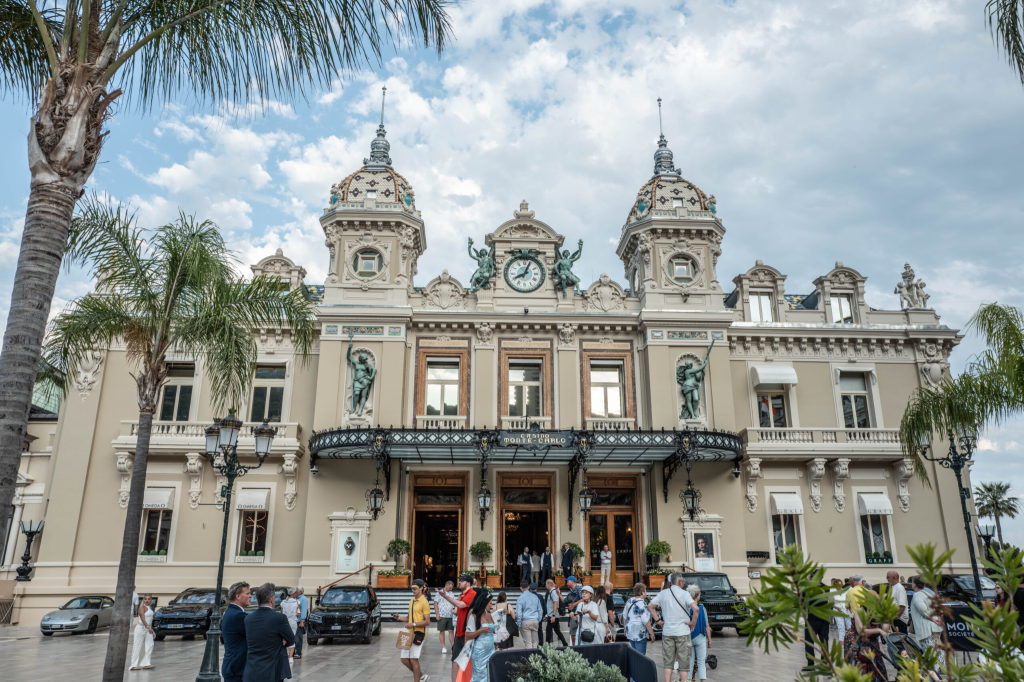
A great example is the Unforgettable Monaco Grand Prix Incentive. High-performing employees were rewarded with an experience built around one of the world’s most iconic sporting events, complemented by curated hospitality, local experiences, and opportunities to connect outside the workplace.
Rather than simply celebrating success, the programme created a memorable experience that recognised achievement in a meaningful and lasting way.
3. Team Building and Shared Experiences
Team experiences build the kind of informal relationships that formal structures rarely create. Activities such as creative workshops, escape room challenges, cookery experiences, and innovation sessions give colleagues a different context in which to connect, helping break down departmental barriers and building trust outside of daily pressures.
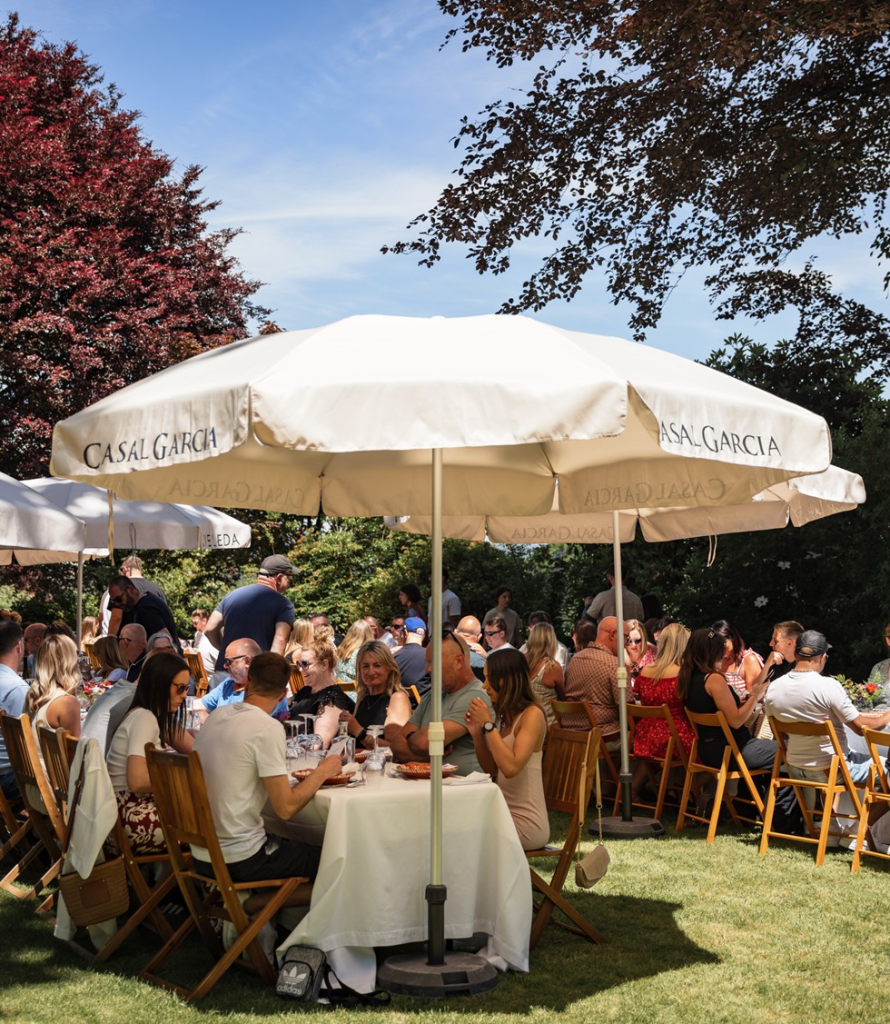
This approach can be seen in the Power up Porto! programme, where colleagues came together through a series of shared experiences designed to celebrate success and strengthen relationships.
By creating opportunities to connect outside the workplace, the programme encouraged collaboration in a way that extended well beyond the event itself.
The most effective employee engagement events encourage participation rather than observation, helping employees build stronger connections regardless of seniority, location, or role.
4. Structured Appreciation Programmes
Individual events are valuable. Structured programmes are transformative.
A year-round appreciation strategy, combining regular peer recognition, quarterly events, milestone celebrations, and an annual culminating experience, creates a genuine culture of recognition rather than a series of isolated gestures.
Employees who receive frequent recognition are 5x more likely to feel valued and motivated. Frequency and consistency compound the impact of individual moments into something that genuinely shifts how people experience their working lives.
5. Wellbeing and Learning Experiences
Supporting employee wellbeing and development is one of the strongest demonstrations of appreciation an organisation can offer, because it invests in people as individuals, not just as contributors to business performance.
Wellbeing experiences, outdoor retreats, mindfulness sessions, fitness activities, and resilience workshops provide valuable time away from daily pressures while reinforcing a culture of care.
Learning experiences, leadership masterclasses, innovation sessions, and guest speakers combine recognition with development, leaving employees feeling inspired and invested. Both formats strengthen the organisational culture and employee experience that sustain long-term engagement.
What Makes Incentive Event Management Deliver Real Results?
The gap between an employee appreciation activity that people remember and one they forget within a fortnight almost always comes down to how it was designed and managed.
Incentive event management is the professional discipline of creating structured recognition and reward experiences aligned to business objectives, not simply organised occasions. Done properly, it means:
- Defining what behaviour or achievement is being recognised and why
- Designing an experience proportionate to and personal to that recognition
- Managing every logistical detail so the experience itself is seamless
- Measuring participation, engagement, and impact afterwards
The most successful appreciation programmes are built around the people they are designed to recognise. That means starting with culture, objectives, and employees before designing an experience, which is precisely where professional incentive event management adds its greatest value.
At SEVEN Events, our recognition and incentives service is built around this approach. Our team works as an extension of yours, combining creative thinking with meticulous delivery to create experiences that make people feel genuinely valued. Speak to our team about your next employee appreciation programme.
Closing Thoughts
Creating a culture of appreciation is not about organising more events. It is about creating the right experiences, ones that feel personal, timely, and proportionate to the people being recognised.
When employee appreciation activities are delivered well, they do more than mark an occasion. They strengthen workplace relationships, reinforce the values that define an organisation’s culture, and build a sense of belonging that keeps talented people engaged and committed.
Supported by thoughtful incentive event management, they become some of the highest-return investments a business can make, in its people and in the culture it is working to build.
FAQs
Why are employee appreciation activities important?
Employees who feel genuinely appreciated are more likely to stay engaged, contribute their best work, and build stronger relationships with their teams. Consistent appreciation fosters trust, boosts morale, and creates a workplace culture where people feel valued, not just for what they achieve, but for the impact they make every day
What are the best employee appreciation event ideas?
The most impactful activities are tied to specific achievements and designed around the people being recognised: recognition and awards ceremonies, incentive travel programmes, team building experiences, structured year-round appreciation programmes, and wellbeing and learning events tailored to the organisation’s culture.
What is incentive event management?
Incentive event management is the professional design and delivery of structured recognition and reward experiences, aligned to business objectives, managed end-to-end, and evaluated for impact. It transforms a one-off gesture into a sustained programme that consistently drives engagement, performance, and retention.
How often should companies organise appreciation events?
Employee appreciation is most effective when it’s part of an ongoing recognition strategy, not a one-off event. Regular recognition throughout the year, from milestone celebrations to team experiences, helps reinforce company values and create a culture where employees feel consistently valued.
Mykonos – The Ultimate Luxury Incentive Destination
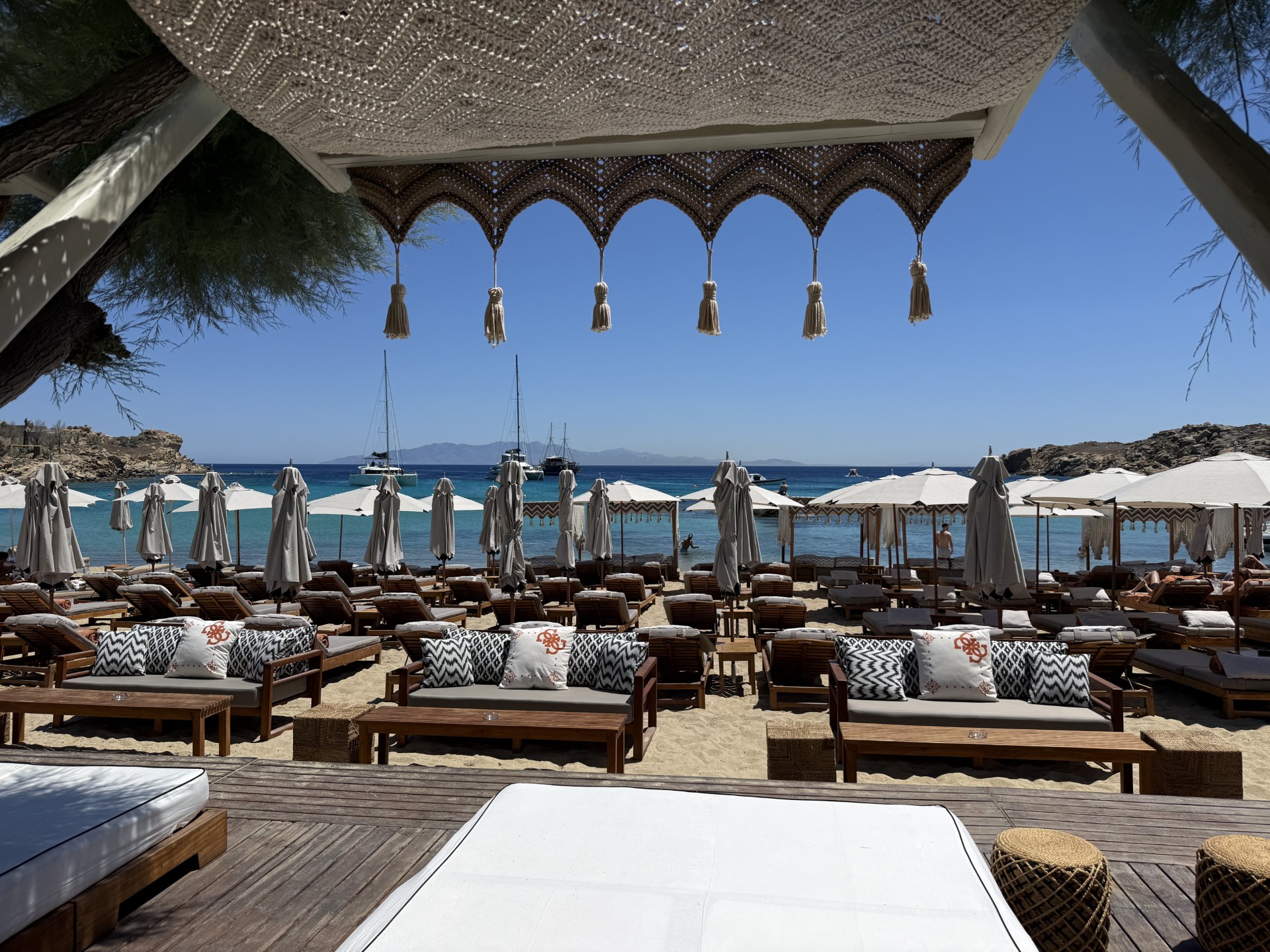
Incentive travel has evolved far beyond traditional reward trips. Today’s organisations seek experiences that inspire, motivate, and strengthen relationships while leaving a lasting impression on their teams and stakeholders. Mykonos delivers precisely that.
Known for its cosmopolitan atmosphere, stylish beach clubs, and exceptional service standards, the island offers an exclusive setting where delegates can disconnect from routine and reconnect with purpose. From private yacht excursions to sunset celebrations overlooking the sea, every moment in Mykonos feels extraordinary.
Luxury Hotels
Mykonos boasts an impressive portfolio of high-end hotels, boutique retreats, and private villas designed to cater to discerning incentive groups. Guests can wake to panoramic sea views, enjoy bespoke In-Room amenities, and indulge in hospitality that seamlessly blends contemporary luxury with traditional Greek warmth.
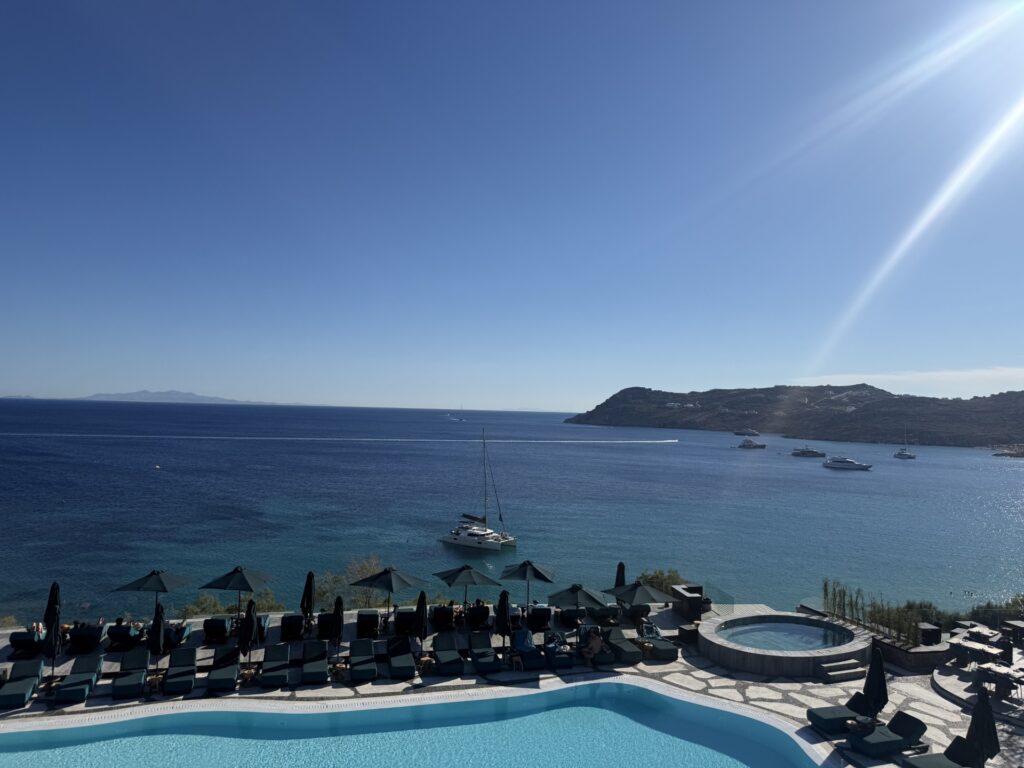
Among the island’s standout properties is the renowned Myconian Imperial Hotel, where we recently had the pleasure of delivering a successful incentive programme.
Perched above the golden sands of Elia Beach, the Myconian Imperial combines refined elegance with authentic Greek hospitality. The resort offers beautifully appointed accommodation, exceptional dining venues, wellness facilities, and versatile spaces suitable for everything from executive gatherings to celebratory events.
The Programme
The true magic of Mykonos lies in its ability to transform an incentive programme into a collection of once-in-a-lifetime experiences.
For those looking to embrace Mykonos’ glamorous reputation, an afternoon at one of the island’s iconic beach clubs is a must. Reserved sunbeds, beachfront dining, and vibrant atmospheres offer the perfect setting for informal networking and well-earned celebration.
Away from the coastline, the charming streets of Mykonos Old Town invite guests to slow down and explore. Wandering through its maze of whitewashed alleyways, boutique shops, hidden chapels, and waterfront cafés offers an authentic glimpse into the island’s character
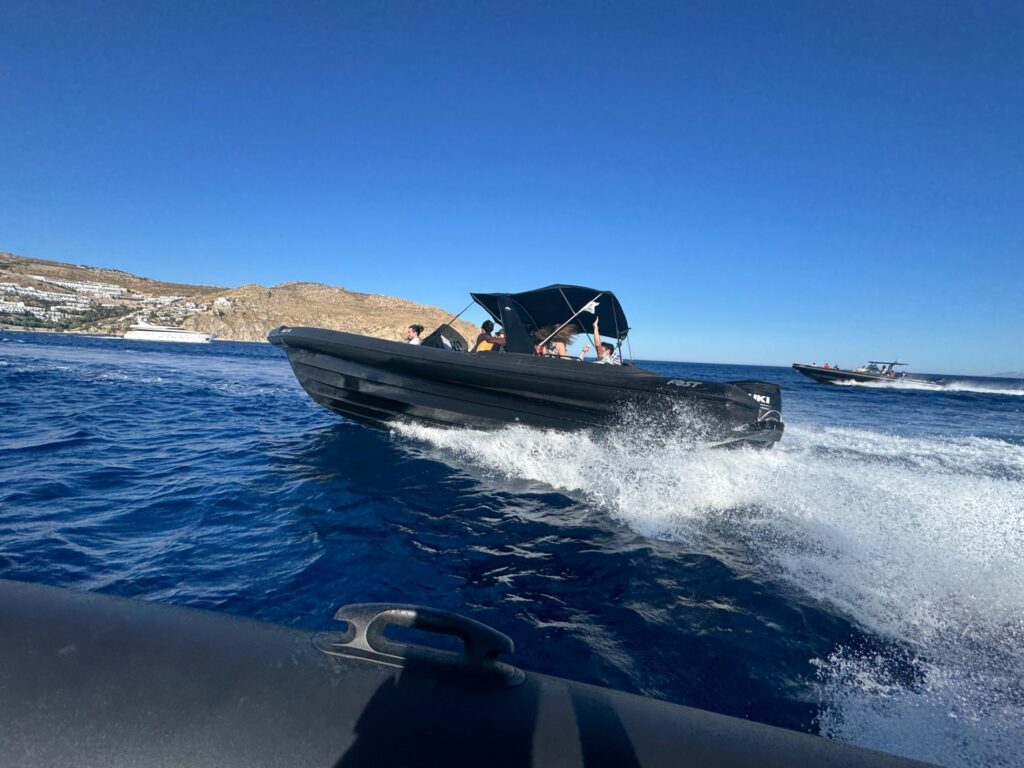
For a truly elevated experience, private speedboat transfers provide an exciting way to discover the island from the water. Whether transporting guests between venues, arriving in style for an exclusive dinner, or exploring secluded bays and hidden beaches, these bespoke journeys add a sense of adventure and exclusivity to any programme.
To balance Mykonos’ cosmopolitan energy with a deeper sense of place, traditional farm experiences offer a refreshing perspective on island life. Guests can discover local agricultural traditions, meet the people preserving them, and enjoy hands-on activities that celebrate authentic Greek culture. From learning about regional produce to sampling homemade delicacies, these experiences provide meaningful insight into the heritage that underpins the island’s contemporary appeal.
Together, these carefully curated activities transform an incentive programme into far more than a reward trip. They create opportunities to connect, celebrate success, and experience the many sides of Mykonos in a way that feels both luxurious and genuinely authentic.
Get in touch
If you’re planning an event we’d love to help. Contact us at hello@sevenevents.co.uk to discuss how SEVEN can support your event.
Incentive Travel Guide: How To Motivate Teams Beyond Bonuses

Think about the last time a bonus truly stayed with someone. It may have been appreciated in the moment, but how long did that feeling last?
Now imagine a different kind of reward. A team working towards a shared goal, building anticipation over months, and finally arriving at an experience they have earned together. Something they remember, talk about, and connect back to their work long after it ends.
This is where incentive travel begins to change how businesses approach motivation. It moves beyond short-term rewards and creates something more meaningful. In this guide, we explore what incentive travel is, why it works, and how businesses can use it to motivate teams in a way that lasts.
What is incentive travel, and why does it work?
Incentive travel is a reward strategy where employees are offered travel experiences in recognition of performance or milestones.
Unlike financial rewards, these experiences stay with people. They create a sense of recognition that feels personal rather than transactional.
When delivered well, incentive travel builds anticipation over time. Teams are not just working towards a number; they are working towards something they can picture. This sense of progress often leads to more consistent engagement and stronger motivation.
This is also where many programmes fall short. Without clear planning, the experience can feel disconnected from the objective. Working with experienced incentive travel companies helps ensure that every part of the programme feels aligned and purposeful.
What are the Key benefits of incentive travel for businesses?
- Improved employee engagement
Imagine a team working towards a shared destination. Conversations begin to shift. Targets feel more tangible, and motivation becomes more consistent.
Travel experiences create that sense of anticipation early, helping teams stay focused over a longer period.
- Stronger retention
Recognition that feels meaningful tends to stay with people. Incentive travel shows employees that their contribution is valued in a way that goes beyond standard rewards.
When programmes include thoughtful employee appreciation activities, they often leave a lasting impression that supports long-term retention.
- Better team connection
Shared experiences bring people together in a natural way. Away from day-to-day routines, conversations become easier and relationships develop more organically.
This often leads to stronger collaboration once teams return to work.
Working with a trusted event agency in London helps ensure these experiences feel smooth and well considered from start to finish.
What are the types of incentive travel programmes?
There is no single structure that works for every business. The right approach depends on what you want the programme to achieve.
Group incentive travel focuses on shared experiences and team bonding, making it ideal for building connections.
Individual rewards recognise personal achievements and are often used to drive performance in specific roles.
Hybrid programmes combine both approaches. They allow businesses to reward individual success while still creating a shared experience for the wider team.
Choosing the right structure early makes planning clearer and helps the programme deliver stronger results.
Group incentive travel vs individual rewards
Deciding between group and individual rewards comes down to what you want the outcome to be.
Group travel brings people together and creates shared moments. Individual rewards focus on recognising personal contribution. Both work, just in different ways.
Group incentive travel
• Builds a sense of shared achievement
• Encourages stronger team connections
• Creates lasting memories linked to the business
• Supports culture and long term engagement
• Feels like something to look forward to together
Individual rewards
• Recognises personal effort and performance
• Straightforward to manage and deliver
• Works well for target driven environments
• Offers flexibility in reward type and timing
• Keeps motivation focused at an individual level
In practice, many businesses use a mix of both. It allows individual performance to be recognised, while still creating moments that bring people together.
If you’re unsure which approach suits your business, explore this detailed comparison of group incentive travel vs individual rewards to make an informed decision.
How to plan a successful incentive travel programme?
- Start with clear objectives
Every successful programme begins with a clear purpose. Whether the goal is to improve performance, increase engagement, or strengthen relationships, this should guide every decision.
- Choose the right destination
The destination should feel relevant to your audience. It should reflect both the experience you want to create and what your team will value.
- Work with the right team
Planning incentive travel involves many moving parts. This is often where businesses begin to feel the complexity.
Working with corporate incentive travel planners helps bring structure to the process and ensures everything stays aligned from start to finish.
- Focus on the experience
The experience itself is what people remember. From arrival through to the final moment, every detail shapes how the programme feels.
Working with an experiential event company ensures the experience feels engaging, thoughtful, and well-paced rather than routine.
What are the Creative incentive travel ideas that go beyond bonuses?
Some of the most effective programmes focus on experiences people would not usually have.
- Luxury retreats that allow teams to step away from daily routines
- Adventure experiences that encourage shared challenges
- Cultural trips that introduce something new and memorable
- Exclusive events that feel personal and well considered
These experiences create stories. They are remembered long after the programme ends, which is what makes them so effective.
What are the common mistakes to avoid?
Even well-planned programmes can lose impact if certain areas are overlooked.
- Starting without clear objectives
- Limited communication during the programme
- Choosing rewards that do not feel relevant to the audience
- Underestimating the complexity of logistics
Addressing these early makes the programme easier to manage and improves the overall experience.
Why work with an incentive travel agency in London?
Incentive travel requires more than just booking a destination. It involves planning, coordination, and attention to detail at every stage.
This is often where businesses need additional support.
Closing Thoughts
A bonus may be appreciated in the moment, but an experience is remembered.
Incentive travel offers a way to recognise teams that feels more meaningful and lasting. It supports performance, strengthens relationships, and creates moments people genuinely value.
If you’re looking to move beyond traditional rewards and create something your team will remember, get in touch with us to explore expert incentive event management solutions.
To see how these experiences come to life, you can click here and follow SEVEN on LinkedIn for real event examples, ideas, and behind-the-scenes moments from our latest projects.
FAQs
1. How long does it take to plan an incentive travel programme?
Planning timelines depend on the scale and complexity of the programme. In most cases, businesses allow between three and twelve months. This gives enough time to coordinate logistics, confirm destinations, and communicate clearly with participants throughout the process.
2. What factors should be considered when selecting a destination?
Several factors come into play, including travel time, accessibility, group preferences, and the type of experience you want to create. Practical elements such as climate, visa requirements, and local infrastructure also need to be considered to avoid unnecessary complications.
3. How can businesses measure the success of incentive travel?
Success is usually assessed through a combination of engagement levels, performance trends, and participant feedback. Looking at both short-term reactions and longer-term outcomes helps provide a more complete picture.
4. Can incentive travel programmes be customised for different teams?
Yes, they can be tailored based on team size, objectives, and preferences. Customisation helps ensure the experience feels relevant and supports the specific goals of the organisation.
Group incentive travel vs individual rewards: which works?
What is group incentive travel?
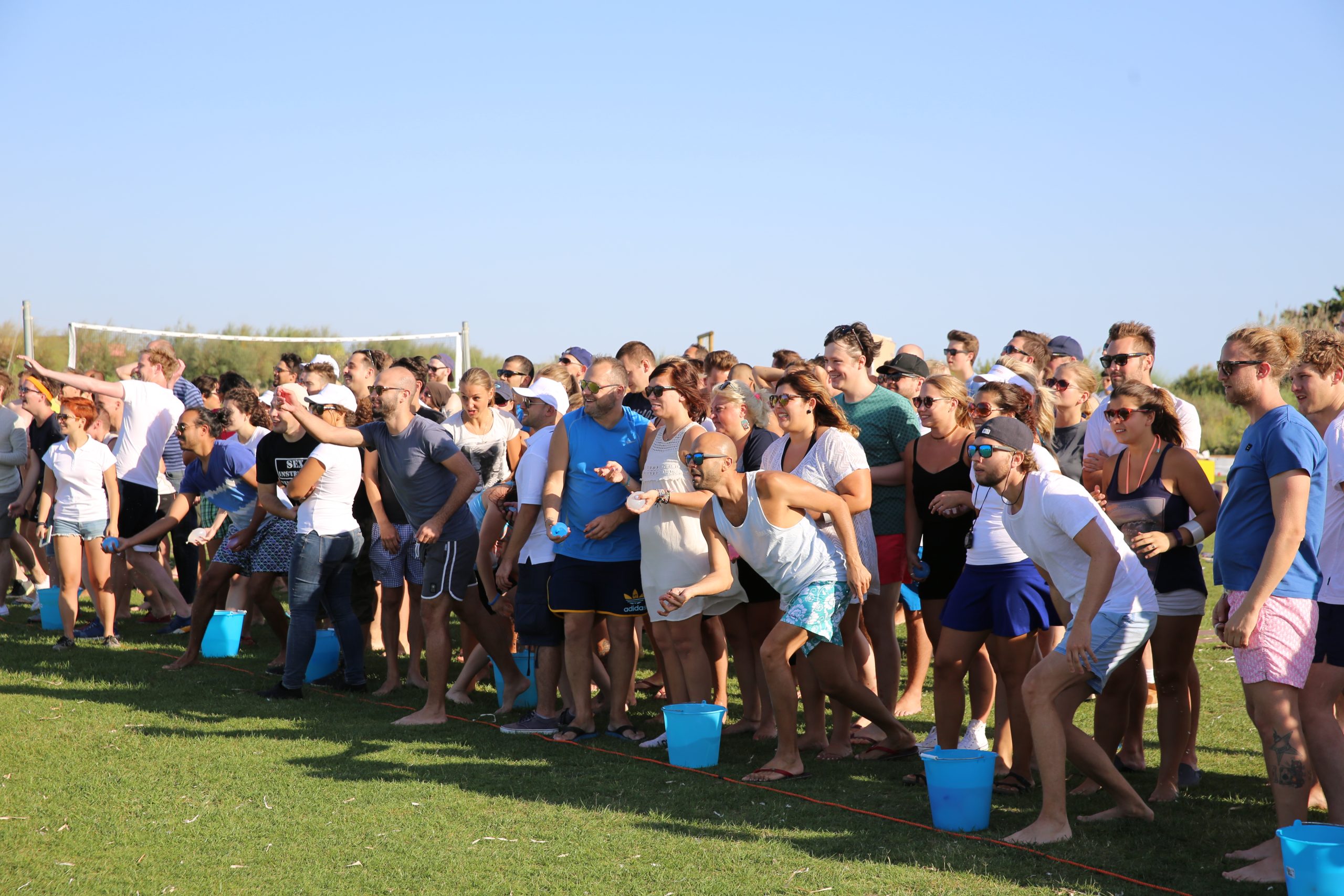
Group incentive travel is a shared reward experience earned through collective performance.
Rather than recognising people individually, it brings teams together in a different setting. That shift matters. People interact differently outside the workplace. Conversations are more relaxed, relationships tend to build naturally, and the experience often carries back into day-to-day work.
At SEVEN, group incentive travel is rarely treated as just a trip. It is designed as part of a wider team reward programme, where the experience reflects both the achievement and the culture of the business.
What are individual rewards?
Individual rewards focus on personal performance. They are typically tied to clear targets and delivered on a one-to-one basis.
These rewards are straightforward. You achieve something, you receive something in return. That clarity is what makes them effective, especially in environments where performance is measurable and time-sensitive.
Common formats include:
- Cash bonuses
- Gift vouchers
- Personal incentives or experiences
- Retail or lifestyle gift cards
- Extra paid leave or flexible working days
- Exclusive dining experiences or short stays
- Technology rewards, such as gadgets or work-from-home upgrades
They work well when speed and simplicity are important. Within a broader team reward programme, they often support short-term performance and individual recognition.
How do group incentive travel and individual rewards compare?
When designing a team reward programme, it helps to understand how each approach performs across key areas.
| Factor | Group incentive travel | Individual rewards |
| Engagement | High, shared experience | Moderate |
| Team dynamics | Strengthens relationships | Limited impact |
| Motivation | Builds over time | Immediate but short-term |
| Experience | Memorable and immersive | Transactional |
| Scalability | More complex to deliver | Easier to scale |
Both approaches serve a purpose. The difference lies in how long their impact tends to last and how they contribute to your overall team reward programme.
Why does group incentive travel often deliver a stronger long-term impact?
It comes down to how people experience it. Group incentive travel creates space for connection. Teams step away from routine, spend time together, and share something they would not normally organise themselves. That combination often leads to stronger alignment once they return.
There’s also a visible element. Recognition is not private. It is shared and acknowledged, which can reinforce motivation across the wider team.
At SEVEN, these experiences are shaped as part of a broader team reward programme, supported by our recognition & incentives approach to ensure they align with business objectives.
When do individual rewards make more sense?
There are situations where individual rewards are the better fit within a team reward programme. They tend to work best when performance is clearly measurable and tied to short-term outcomes. In these cases, speed and clarity matter more than shared experience.
Typical scenarios include:
- Sales-driven targets
- Time-bound campaigns
- Competitive environments
- Large teams where consistency is key
They provide immediate feedback and are easier to manage at scale, making them an essential part of many team reward programme strategies.
Which approach works best for your team reward programme?
In practice, it is rarely a strict choice between the two. Group incentive travel supports long-term engagement and team cohesion. Individual rewards help maintain momentum and recognise personal contribution.
The most effective team reward programme usually combines both. Individual incentives drive day-to-day performance, while group experiences mark bigger achievements and bring people together. The balance depends on your objectives, your team structure, and how you want recognition to be experienced.
How does SEVEN approach incentive travel and reward strategy?
At SEVEN, incentive travel is not treated as a standalone reward. It is part of a wider team reward programme, designed to support clear business outcomes.
In SEVEN’s “Celebrating sales success in Zell am See” incentive trip, the focus was on getting the balance right. The itinerary combined shared experiences with carefully planned free time, recognising that not every participant engages in the same way.

This approach allowed the programme to feel structured without being restrictive. Attendees could connect as a group while still enjoying the experience in their own way, which ultimately made the reward more meaningful.
Every element, from planning through to delivery, was designed to feel considered and well-paced rather than overly managed. This is how we approach every programme. The result is an experience that feels aligned, engaging, and valuable long after the trip itself.
You can check out more about our work here!
Closing thoughts
A strong team reward programme is not just about what you give people. It is about how that recognition is experienced. Individual rewards offer clarity and speed. Group incentive travel offers connection and a longer-lasting impact. When used together, they create a more balanced and effective strategy.
The key is understanding when each approach works best, and building your team reward programme around that. Looking to create a high-impact reward programme? Get in touch with our corporate incentive travel planners today.
FAQs
1. What is group incentive travel?
Group incentive travel is a team reward programme where employees earn a shared travel experience based on collective performance or achievements.
2. Is group incentive travel more effective than individual rewards?
It depends on the goal. Group incentive travel is more effective for long-term engagement and team cohesion, while individual rewards are better for short-term performance within a team reward programme.
3. What is a team reward programme?
A team reward programme is a structured way of recognising employee performance using incentives such as travel, bonuses, or experiences.
4. Can group incentive travel improve team performance?
Yes. It can strengthen relationships, improve collaboration, and increase motivation as part of a well-designed team reward programme.
5. When should businesses use individual rewards?
Individual rewards are most effective when performance is measurable, time-sensitive, and linked to specific targets within a broader team reward programme.
How to Personalise Incentive Travel Programmes

Picture this: two high-performing employees receive the same reward. One sees it as a pleasant break. The other sees it as a recognition of who they are, what they’ve achieved, and how much they’re valued. The difference isn’t the destination, it’s personalisation.
At SEVEN, incentive travel should never feel standard. Well-designed incentive travel programmes create emotional impact, deepen engagement, and reinforce company values. When personalised properly, they become powerful business tools rather than simple perks.

The Importance of Personalisation on Incentive Travel
Employees of today require appreciation that speaks to customisation. A one-size-fits-all reward is no longer as motivating as it used to be.
Personalised incentive travel experiences:
- Enhance the emotional attachment to the firm.
- Reward certain accomplishments.
- Enhance the reward value.
- Enhance retention and long-term involvement.
Personalisation indicates genuine appreciation rather than compulsion.
Step 1: Align the Programme With Business Objectives
Success has a definition before deciding on places to visit.
Ask:
- What behaviours are we rewarding?
- What cultural values are to be reflected in the experience?
- What about the feeling of the attendants after coming back?
An effective employee travel incentive programme links recognition directly to business goals. The destination supports the strategy and not the other way round.
Step 2: Segment your audience
Not all high performers experience motivation the same way.
Segment individuals according to:
- Career stage
- Lifestyle preferences
- Personal interests
- Geographic considerations
Others can appreciate adventure and exploration. Other people might wish to be lavishly relaxed or be immersed in the culture. Personalisation starts with knowing your audience, even beyond performance statistics.
Step 3: Provide Choice in Structure
Choice increases ownership.
Within your employee travel incentive programme, consider offering:
- Choice of activities (adventure wellness)
- Optional excursions
- Personalised meals.
- Flexible working hours and free time.
This strategy ensures programme coherence and offers participants freedom.

Step 4: Create Meaningful Experiences, Not Just Itineraries
Authentic personalisation is found in the details.
Instead of concentrating on logistics, think:
- Individual welcome messages or appreciation moments.
- Experiences linked to employee success.
- Premier treatment that is deserved.
- Minor details that show personal preferences.
Storytelling takes corporate incentive travel from impressive to memorable.
Step 5: Incorporate Company Culture into the Experience
The incentive to travel must show what your organisation is.
- When your business is powered by innovation, add immersive or visionary factors.
- When sustainability comes into play, choose responsible destinations and suppliers.
- If collaboration is a feature of your culture, include a common experience in the agenda.
Such options enhance the advantages of incentive travel through the identity-reward fit.
Step 6: Strike a Balance Between Group Cohesion and Personal Freedom
Team events establish friendship. Satisfaction is created by personal time.
Effective incentive travel programmes are a combination of:
- Shared welcome events
- Team building trips or parties.
- Individual leisure time
- Additional features that can be added.
This equilibrium guarantees shared power and personal pleasure.
Step 7: Apply Data and Feedback to Improve Future Programs
The aspect of personalisation improves over time.
After each programme:
- Gather structured feedback
- Measure the involvement and fulfilment.
- Review business performance indicators.
- Find areas of improvement.
Constant improvement enhances impact and ROI.
Creating an Uplifting Journey Through Storytelling
At SEVEN, we don’t just book flights; we craft narratives. One of the greatest benefits of incentive travel is the ability to immerse your team in a new world that reflects your company’s values. Whether it’s a surprise helicopter transfer over the Norwegian fjords or a Viking-themed feast in a remote location, we use the destination to tell a story of adventure and accomplishment.
This storytelling approach ensures your employee travel incentive program becomes a company-wide talking point for years to come. When employees see their peers experiencing something truly extraordinary, it creates an aspirational culture that drives performance across the entire organisation.
The SEVEN Difference
At SEVEN, we are a premier event agency in London with a passion for transforming corporate objectives into world-class human experiences. We specialise in bespoke incentive travel, strategic conferences, and expert venue finding, helping our clients tell their unique brand stories through unforgettable events.
Our approach is built on transparency, creativity, and a deep commitment to putting our clients first, ensuring that every project we manage delivers tangible results and an uplifting journey for every guest. Whether we are exploring the dramatic landscapes of Norway or the vibrant streets of Porto, our team’s first-hand expertise ensures that your recognition and retention strategies are executed with absolute precision and flair.
Start Your Personalised Journey Today
Ready to move beyond the ordinary and design an employee travel incentive program that your team will never forget? The future of your brand’s connection starts with a single, personalised step.
Get in touch with SEVEN today, and let’s start planning an extraordinary journey that celebrates your team’s success in the most personal way possible.
FAQs
1. What is a personalised incentive travel programme?
A personalised incentive travel programme is a reward-based travel experience tailored to the interests, demographics, and motivations of a specific group. Instead of a generic trip, companies customise destinations, activities, accommodation, and experiences to align with employee preferences and performance goals, increasing engagement and ROI.
2. Why is personalisation important in incentive travel?
Personalisation increases emotional impact and perceived value. When participants feel the experience reflects their interests, whether luxury dining, adventure activities, or cultural immersion, they are more motivated to achieve targets. Personalised travel programmes also improve satisfaction, retention, and brand loyalty.
3. How do you gather data to personalise an incentive travel programme?
Organisers can use surveys, performance data, employee personas, past participation insights, and preference forms to understand attendee interests. Analysing demographics, lifestyle choices, and team culture helps design experiences that resonate with different audience segments while staying within budget.
4. What elements of an incentive trip can be customised?
Key elements include destination selection, accommodation style, dining experiences, team-building activities, leisure options, gifting, branding, and itineraries. Offering optional excursions or “build-your-own” activity choices ensures flexibility while maintaining a cohesive programme structure.
5. How can technology enhance personalised incentive travel experiences?
Technology such as event apps, AI-driven recommendations, real-time feedback tools, and personalised schedules allows organisers to tailor experiences at scale. Mobile platforms can provide customised itineraries, activity reminders, and exclusive content for each participant.
Incentive Destinations for 2026

Italy
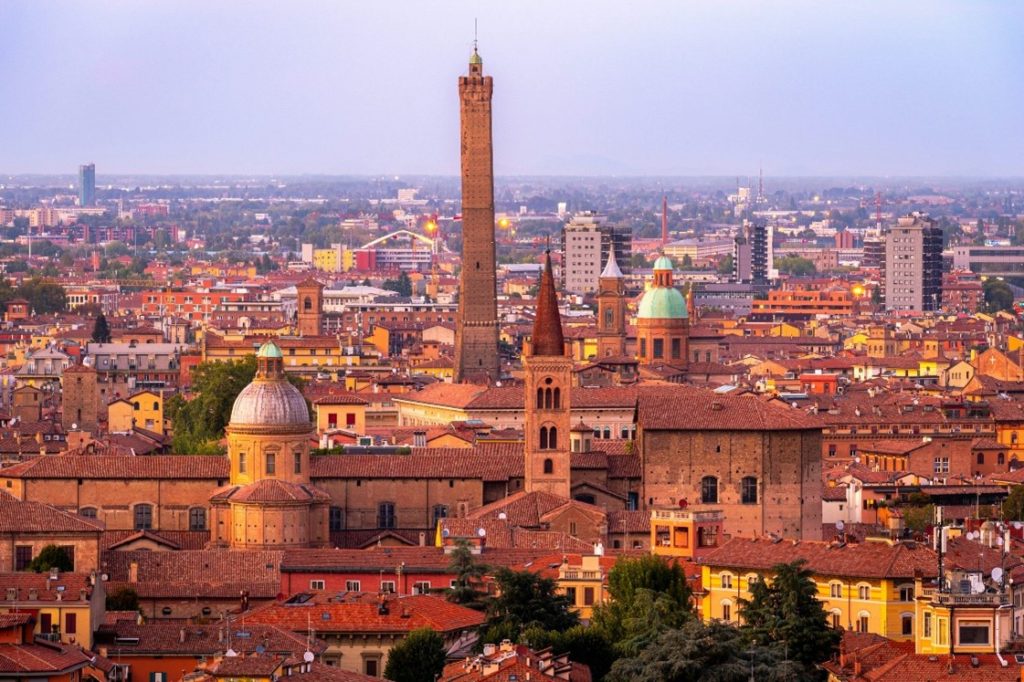
Italy never goes out of style, however rather than looking at the popular destinations of Rome or Venice, we have seen a surge in requests for less well known regions that feel more exclusive. Regions such as Puglia, Matera and Bologna offer all the richness Italy is known for exceptional food, beautiful settings and effortless style, without the intensity of overcrowded hotspots. Bologna, in particular, stands out as a food-led incentive destination, ideal for private culinary experiences, market tours, hands-on cooking and elegant evening events rooted in local culture. These lesser-used locations allow groups to take over boutique hotels, historic venues and private estates, delivering a more intimate and rewarding experience while still capturing the unmistakable magic of Italy.
Japan
Japan continues to lead incentive travel wish-lists, and for 2026 it offers an unrivalled blend of tradition and innovation. From the energy of Tokyo to the calm of Kyoto and Hakone, Japan delivers contrast at every turn, making it ideal for high-performing groups seeking something truly distinctive. Incentive programmes here go beyond sightseeing, focusing on private, highly curated experiences such as exclusive sushi-making with master chefs, after-hours cultural access, bullet-train journeys woven into the story of the itinerary, and immersive moments in temples. With world-class service, seamless logistics and an innate sense of occasion, Japan rewards delegates with experiences that feel considered, meaningful and unforgettable.

America
With the 2026 FIFA World Cup taking place across the United States, the USA becomes one of the most compelling incentive destinations of the year. Host cities such as New York, Los Angeles, Miami, Dallas and Las Vegas offer a ready-made backdrop of world-class stadiums, entertainment and hospitality, combined with the scale and confidence to deliver truly spectacular programmes. For organisations looking to harness global excitement, shared emotion and once-in-a-generation energy, the World Cup transforms the USA into an incentive experience that feels powerful, celebratory and unforgettable.

Australia
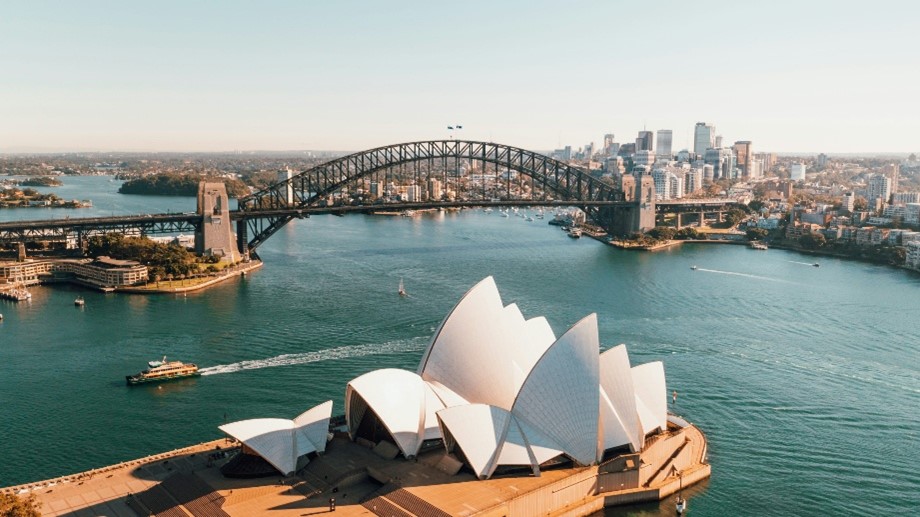
Australia delivers incentive travel on an epic scale, making it a powerful reward destination for 2026. From the energy of Sydney and Melbourne to the natural drama of the Great Barrier Reef programmes here are defined by contrast, space and sense of occasion. Incentive itineraries often blend high-impact city experiences, harbour events, private venues and world-class dining, with immersive nature-led moments that feel once in a lifetime. While long-haul, Australia rewards the journey with depth, quality and unforgettable shared experiences, making it ideal for top tier performers and milestone incentives where impact truly matters.
Greece
Greece continues to be a strong incentive choice for 2026, offering a blend of history, natural beauty and modern luxury that feels both aspirational and effortless. From the elegance of Athens to the iconic island settings of Santorini, Mykonos and Crete, Greece allows programmes to balance culture with celebration. Incentive itineraries often focus on private boat experiences, clifftop dining, exclusive beach venues and heritage sites brought to life through curated storytelling.
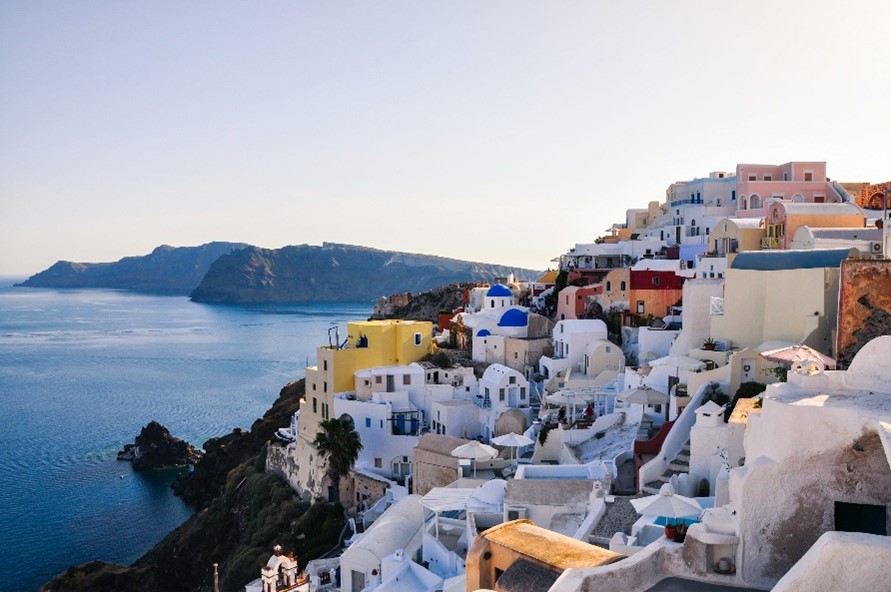
At SEVEN, we understand that every company and team is unique. With our incentive travel service we will work closely with you to design a bespoke incentive travel itinerary that aligns with your company culture, goals, and budget. We don’t just book trips; we craft unforgettable experiences, drawing on our own first-hand knowledge and expertise.
An Incredible Experience at Australia Next 2025
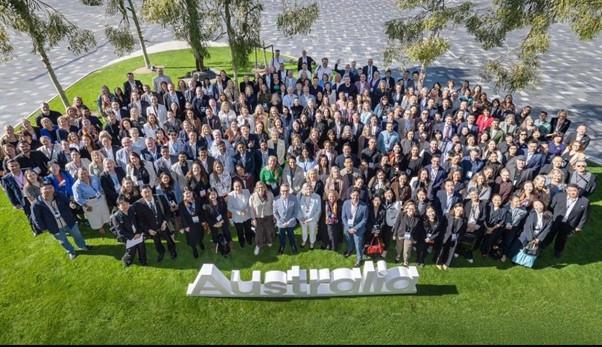
Melbourne: Culture, Creativity & Culinary Excellence
Our experience began in Melbourne, a city renowned for its energy, innovation, and unmistakable sense of style. From the moment we arrived, it was clear why Melbourne continues to be such a compelling destination for business events.
A guided foodie walking tour through the city’s hidden laneways introduced us to Melbourne’s vibrant culinary scene, uncovering tucked-away cafés, bold flavours, and local stories that bring the city to life. Alongside this, we took part in inspiring one-to-one business meetings, offering valuable insight into Australia’s event infrastructure and creative capabilities.
A standout day took us beyond the city to the Mornington Peninsula, where wellness, creativity, and gastronomy came together beautifully. We enjoyed a relaxing visit to the Mornington Peninsula Hot Springs, providing a serene contrast to the buzz of the city and a perfect example of how wellness can be seamlessly incorporated into corporate programmes. The day continued at Pt. Leo Estate Winery, where a sip-and-paint experience encouraged creativity in a relaxed setting, followed by a wine-paired lunch showcasing the region’s exceptional produce and coastal views.
Evenings were equally memorable, with spectacular hosted dinners thanks to Melbourne Convention Bureau and Business Events Australia, showcasing exceptional venues, flawless service, and outstanding cuisine. The final Melbourne gala dinner at the iconic Royal Exhibition Building was a true highlight,an extraordinary setting brought to life with excellent food and stunning musical performances, creating a truly unforgettable atmosphere.
Our stay at the W Melbourne perfectly reflected the city’s contemporary edge, combining luxury, design, and personality in one unforgettable base.

Cairns & Port Douglas: Tropical Luxury and Natural Wonder
From urban sophistication, we transitioned to the tropical beauty of Far North Queensland, where Cairns and Port Douglas delivered awe-inspiring scenery and once-in-a-lifetime experiences.
Highlights included rainforest adventures and crocodile encounters, immersing us in the raw, untamed beauty of the region. A scenic lunch at Thala Beach Nature Reserve offered panoramic ocean views paired with outstanding food, while paired dining experiences in stunning natural settings demonstrated how effortlessly luxury and nature coexist here.
Cultural immersion was a key part of the journey, with deeply meaningful experiences such as a Dreamtime walk, providing insight into Indigenous heritage and storytelling—an incredibly powerful addition to any incentive programme.
The pinnacle of the trip was undoubtedly a day on the Great Barrier Reef, exploring one of the world’s most extraordinary natural wonders, followed by a helicopter flight back to Cairns—an unforgettable perspective that truly took our breath away.
We concluded the experience with a farewell beachside lunch at Nu Nu in Port Douglas, the perfect ending to an exceptional journey. Our stays at Sheraton Grand Mirage Port Douglas and Crystalbrook Riley further reinforced the region’s ability to deliver high-end, distinctive accommodation with a strong sense of place.

Final Reflections
I return from Australia Next 2025 feeling energised, inspired, and full of new ideas, with an even greater appreciation for what Australia can deliver for events and incentives. From vibrant cities to ancient cultures and natural wonders, Australia offers experiences that don’t just meet expectations, they redefine them.
If you’re planning an upcoming corporate event, incentive trip, or group experience, our team would love to help bring your vision to life.
Get in touch: hello@sevenevents.co.uk