


Category: UP & COMING
Exhibitions Taking Place this Summer
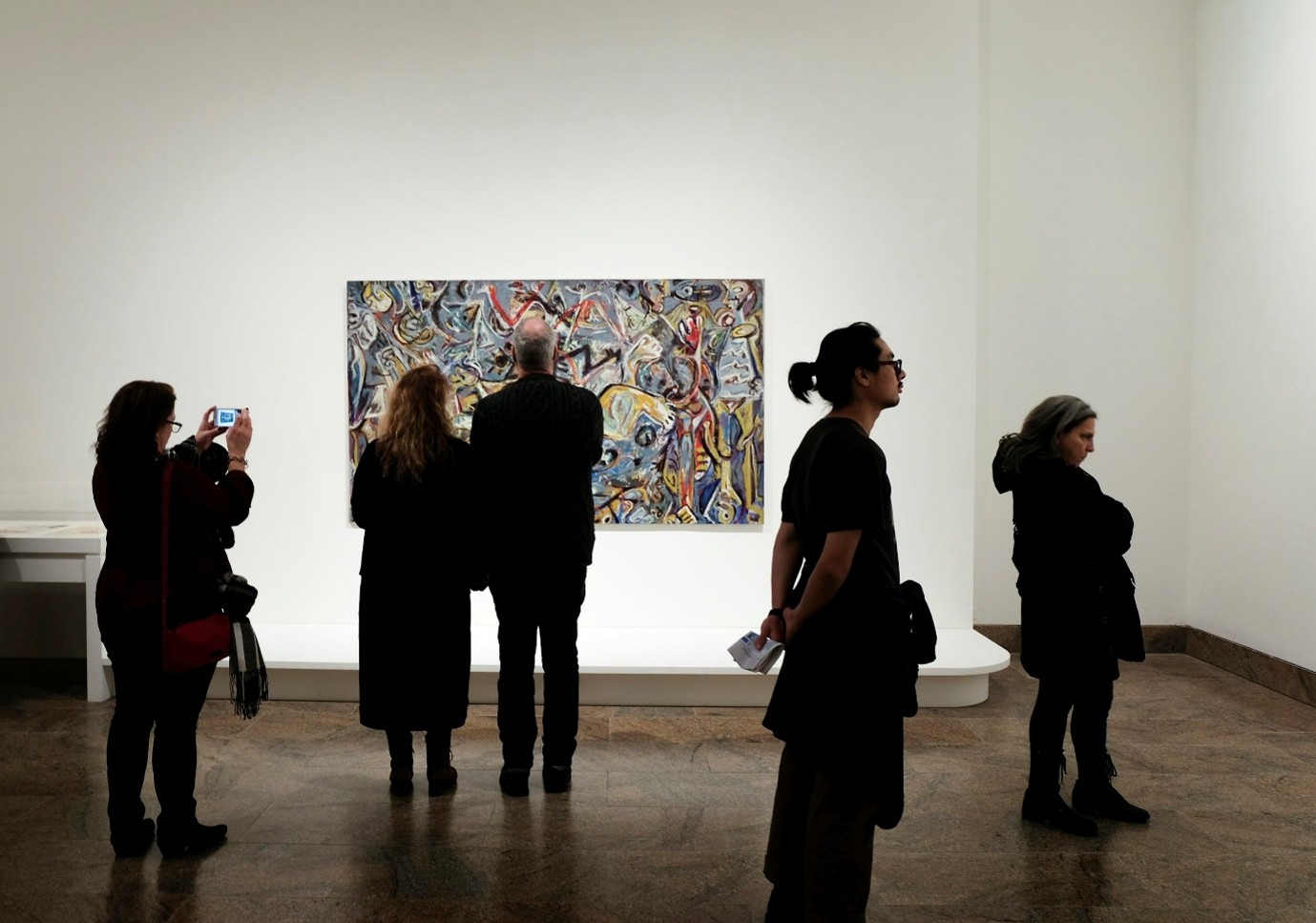
In Other Worlds
At the heart of the season is In Other Worlds, an immersive exhibition by filmmaker and speculative architect Liam Young, taking place in The Barbican. This is his first major solo exhibition and one to definitely go and visit. Through cinematic installations, soundscapes, costumes, and imagined climate futures, the exhibition explores what humanity’s next chapter could look like. Rather than dystopian collapse, Young presents radically optimistic visions rooted in real technological possibilities.
Dates: 21st May to 2026 to Sunday 6th September 2026
Tate Modern Continues Its International Focus
Across the Thames, Tate Modern is continuing its run of internationally focused exhibitions with a major retrospective dedicated to kinetic and Op artist Julio Le Parc. Renowned for his immersive investigations of movement, light, mirrors, and audience participation, Le Parc’s work invites visitors to become part of the experience rather than simply observe it. Featuring suspended installations and dynamic optical environments, the exhibition promises to be one of the summer’s most visually captivating shows.
Dates: 11th June 2026 – 3 May 2027
James McNeill Whistler at The Tate
While Tate Modern looks outward and experimental, Tate Britain is turning its attention to one of the artists who helped define London visually: James McNeill Whistler. The exhibition explores Whistler’s enduring fascination with the River Thames and the industrial landscape of nineteenth-century London, bringing together his atmospheric “Nocturnes” with etchings, portraits, and seldom-displayed works. Critics have commended the show for evoking both the dynamism and underlying melancholy of a city undergoing rapid modern transformation.
Dates: Till 27th September 2026
Rising Voices: Contemporary Art from Asia, Australia and the Pacific
A landmark collaboration between the V&A and the Queensland Art Gallery | Gallery of Modern Art (QAGOMA), Brisbane.
At the V&A this summer the standout exhibition is Rising Voices. Created in partnership with Queensland Art Gallery’s Asia Pacific Triennial, the exhibition brings together more than 70 works by artists from 25 countries, forming one of the UK’s most significant recent presentations of contemporary Asia-Pacific art. The exhibition navigates themes of politics, spirituality, colonial legacies, and material innovation with remarkable fluidity. It also signals a wider shift across London’s cultural institutions toward more global perspectives that question and expand beyond traditional Eurocentric art histories.
Dates: till 10th January 2027
Have you thought about hosting an event in an exhibition space?
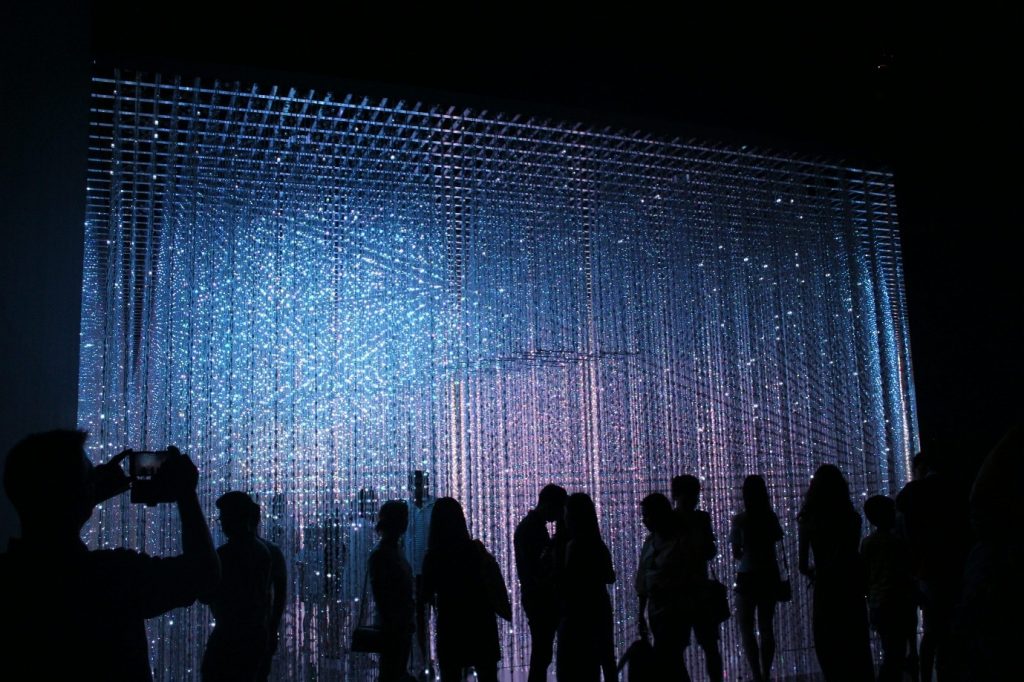
Exhibitions offer far more than just a cultural experience, they create a dynamic and visually engaging setting for events that naturally attracts people in. Hosting an event within an exhibition space allows guests to immerse themselves in art, design, or storytelling while networking, socialising, or celebrating, making the occasion feel far more memorable than a traditional venue. Whether it’s a product launch, corporate gathering, private reception, or brand activation, exhibitions provide built-in atmosphere, conversation starters, and a sense of exclusivity that encourages attendance and engagement. By combining entertainment with experience, exhibition events draw audiences who are looking for something interactive, inspiring, and shareable, helping organisers create buzz both in person and across social media.
At SEVEN, we provide end-to-end support including creative development, logistics management, venue sourcing, production and on-site event delivery to ensure a seamless experience across every location. Get in touch with us to start the conversation.
10 Questions to Ask Before Hiring an Event Management Agency
Why does asking the right questions matter?
When you begin hiring an event agency in the UK, many options can appear similar at first. Services overlap, portfolios look impressive, and every agency promises smooth delivery.
The difference usually becomes clear once planning begins.
Some teams focus purely on execution, while others take time to understand the bigger picture. What the event needs to achieve, how the audience should experience it, and what success actually looks like.
Asking the right questions early helps you recognise that difference before it affects your event.
1. What experience do you have with similar events?
Experience is not just about how many events an agency has delivered. It is about how relevant that experience is to what you are planning.
This often becomes important later in the process when quick decisions need to be made.
When hiring an event agency UK, working with a conference and event organiser who understands your type of event helps avoid unnecessary friction as planning develops.
2. Can you provide end-to-end event management?
One of the most common challenges when hiring an event agency is managing multiple teams across different areas.
What seems manageable early on can quickly become complex as timelines tighten. Having one team oversee the full process creates consistency and reduces the risk of misalignment.
An experienced event management logistics partner helps keep everything connected when multiple elements are moving at once.
3. What services do you offer?
Not all agencies offer the same level of support. When hiring an event agency in the UK, it helps to understand whether services are integrated or handled separately.
The difference often shows in how smoothly everything comes together.
A strong event production and logistics approach ensures that each part of the event supports the overall plan.
4. How do you approach event strategy and communication?
This is where hiring an event agency in the UK becomes more than a logistical decision.
Some events are planned step by step without a clear direction, while others are built around defined goals from the start.
Understanding how an agency approaches strategy gives you a clearer picture of how decisions will be made. A structured event strategy helps bring clarity to the planning process.
5. Do you offer creative and experiential solutions?
Engagement is shaped by how an event is designed and delivered.
This is something teams often notice during the event itself. Two events may have similar agendas, but one feels more engaging than the other. When hiring an event agency in the UK, it helps to understand how much thought is given to the experience.
An experiential event management approach creates events that feel considered rather than routine.
6. Can you manage virtual or hybrid events?
Flexibility has become an important part of event planning.
Even when events are primarily in person, there are often situations where extending access becomes valuable. This capability can add long-term value to your event.
A trusted hybrid event agency can bring both formats together without disrupting the experience.
7. How do you measure event success?
A well-run event is only part of the outcome.
When hiring an event agency in the UK, it’s important to understand how success will be measured beyond the event day.
This is often where gaps appear if expectations are not clearly defined early on.
An event planner UK will focus on engagement, outcomes, and long-term impact.
8. Can you share case studies or past work?
Past work helps you understand how an agency operates in real situations.This becomes especially useful in understanding how challenges are handled.
Events rarely go exactly as planned, and experience plays a key role in how those moments are managed. A reputable creative events agency will provide examples that feel relevant and grounded.
9. How do you handle budget and cost control?
Budgets often shift as planning progresses. Understanding how costs are managed helps avoid unexpected pressure later.
Small decisions can add up quickly if they are not tracked carefully.
An event logistics company helps maintain visibility across costs while protecting the overall quality of the event.
10. How will you customise the event for our brand?
Every event should reflect the organisation behind it. When hiring an event agency in the UK, this is where alignment becomes important.
Without it, events can feel disconnected, even if they run smoothly.
A branding and content creation expert ensures the event feels consistent and relevant to your audience.
How event planning fits into a broader strategy
While hiring an event agency in the UK is a key step, it is only part of the overall process.
Events tend to deliver more value when they are connected to broader business goals rather than treated as standalone activities.
When planning is approached in this way, decisions feel more intentional and outcomes become easier to manage.
Why does choosing the right agency matter?
The impact of hiring an event agency UK goes beyond delivery.
The right partner brings clarity when decisions feel uncertain, structure when things become complex, and confidence that everything is moving in the right direction.
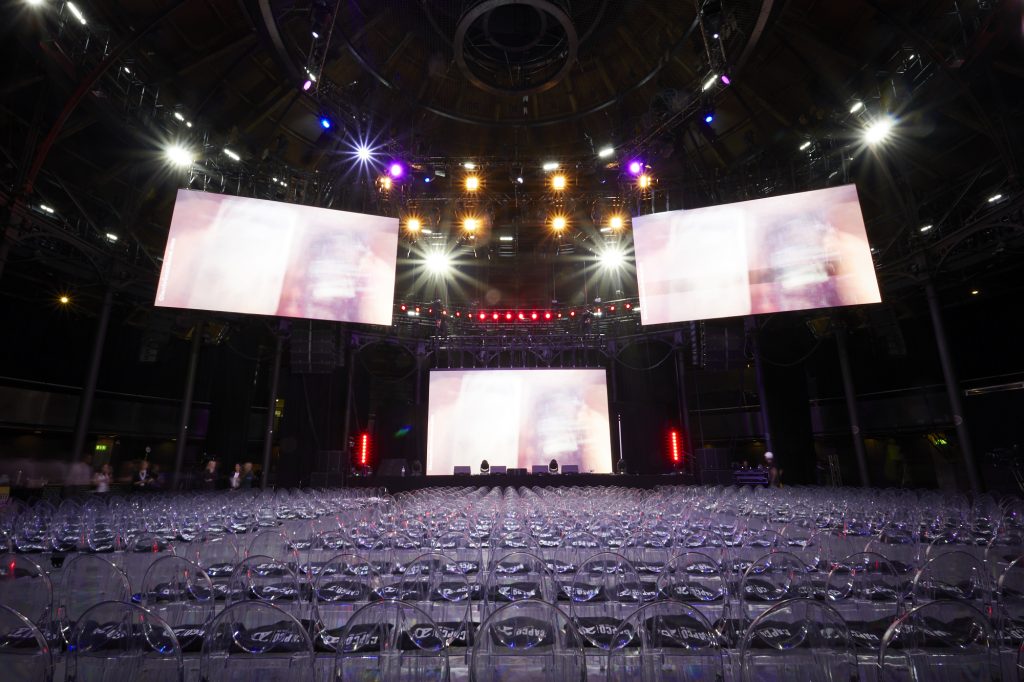
A strong example is SEVEN’s A legendary setting for a 20-year celebration event for Capco. The brief required more than execution. It involved aligning business messaging, employee engagement, and a milestone celebration into one cohesive experience.
SEVEN shaped the event from the ground up. From securing Roundhouse to designing a central stage and structuring content around the company’s journey, every element was aligned with the objective. The experience then transitioned seamlessly into an evening celebration, maintaining energy and consistency throughout.
This level of planning ensured the event felt connected rather than fragmented. It delivered both strategic clarity and a memorable experience at scale.
Partnering with a trusted events management agency ensures your event is in expert hands.
Bottom Line
At its core, hiring an event agency UK is about choosing how your event will be shaped from the very beginning.
The questions you ask early influence how clearly things are planned, how smoothly they are delivered, and how the event is experienced overall.
When those questions are considered carefully, the decision becomes less about comparison and more about confidence. Looking for expert support? Connect with a leading event agency in London today.
FAQs
1. What should I consider when hiring an event agency in the UK?
Look for relevant experience, a clear approach to planning, and an understanding of your event goals rather than just a list of services.
2. Why is hiring an event agency in UK important for corporate events?
It helps ensure that planning, logistics, and delivery are handled professionally while aligning the event with your business objectives.
3. Can one agency manage different types of events?
Most full-service agencies can manage multiple formats, including hybrid events, depending on their expertise and structure.
4. How do I know if hiring an event agency in UK is the right decision?
If your event requires coordination, strategy, and a structured approach, working with an experienced agency often leads to better outcomes and a smoother planning process.
What Makes a Corporate Event Memorable?
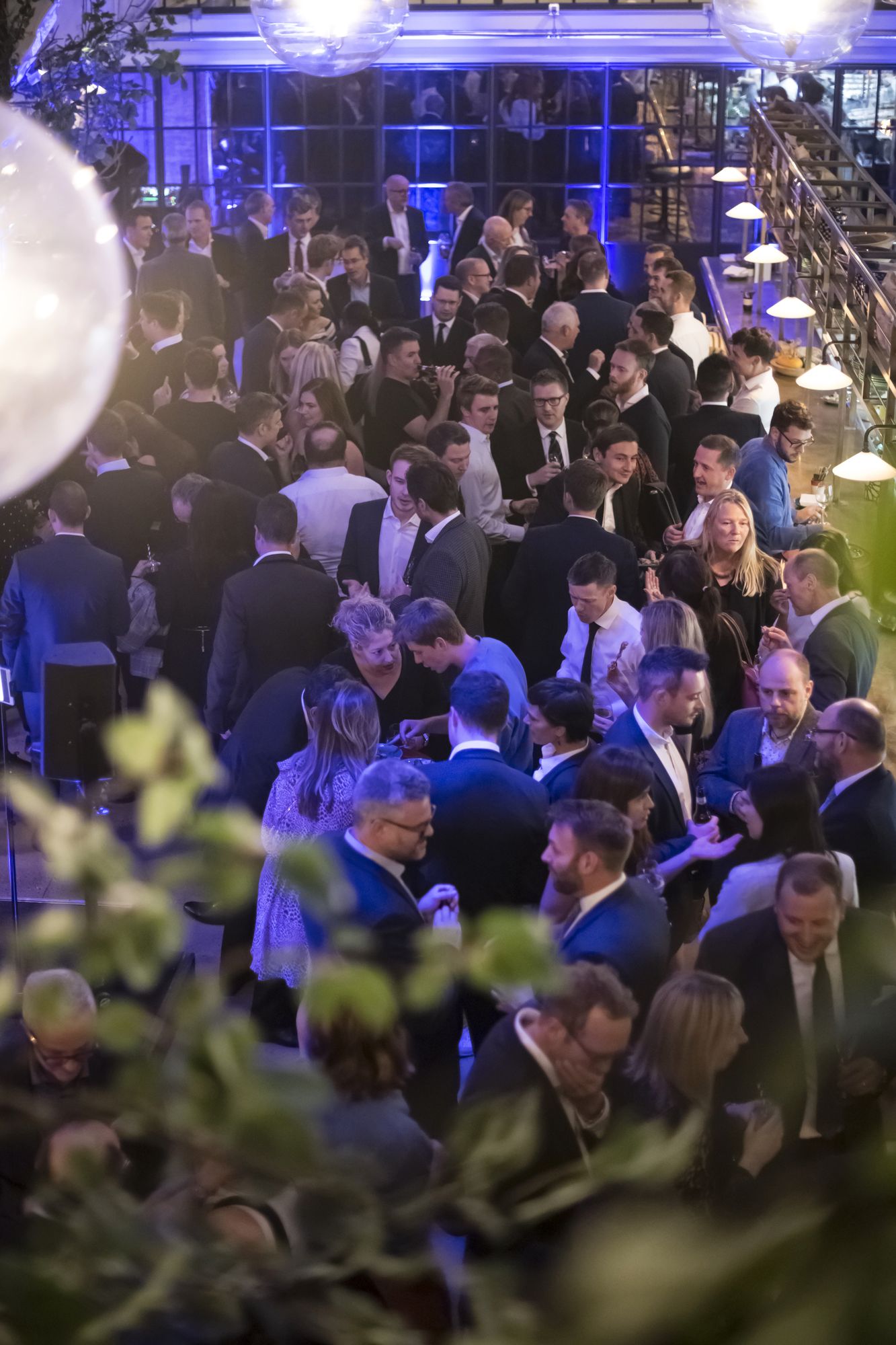
Why a Strong Corporate Event Experience Matters for UK Businesses
A strong event experience builds emotional connection, strengthens relationships, and supports long-term growth. Here is why it matters:
- It shapes brand perception among clients, employees, partners, and stakeholders.
- It increases engagement, participation, recall, and satisfaction.
- It encourages loyalty, advocacy, repeat business, and stronger collaboration.
1. Clear Objectives Shape the Corporate Event Experience
A well-defined purpose gives direction to every event experience. When objectives are clear:
- Messaging stays focused, consistent, and relevant.
- Activities align with audience expectations, business goals, and desired outcomes.
- The event feels cohesive, structured, and meaningful.
A product launch requires anticipation, storytelling, and energy. A team celebration focuses on recognition, morale, and connection. Clear intent shapes every decision that follows.
2. Experiential Design Brings the Corporate Event Experience to Life
A memorable event experience is built through thoughtful experiential design that engages people on multiple levels.
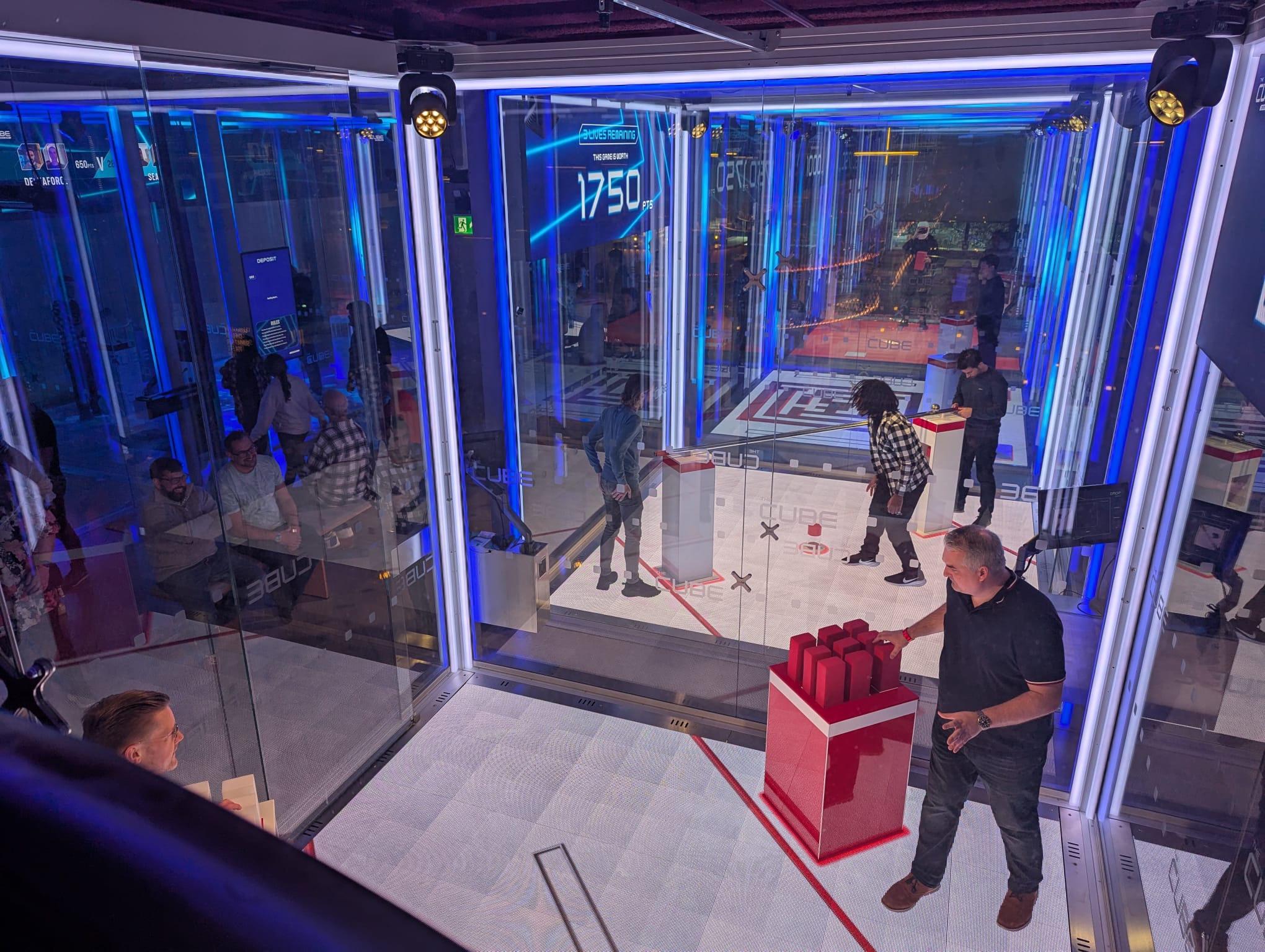
This idea comes to life when events move beyond observation and invite participation. One client approached SEVEN with a simple goal. They wanted to reward their employees with a day that felt energising, inclusive, and genuinely enjoyable. The brief called for a central London location, engaging activities, and high-quality food. The solution turned that vision into something far more engaging. The Cube at Canary Wharf became the setting, offering game-show-style challenges that encouraged teamwork and friendly competition.
The space was tailored to suit group sizes, timings, and flow. A professional host guided the day, bringing humour, structure, and energy into every moment. Guests were not just attending. They were involved, reacting, and contributing.
As the day unfolded, a raffle introduced anticipation and excitement. Prizes such as wireless headphones, experience days, and premium giveaways added a sense of reward. Catering supported the experience throughout, keeping guests satisfied and energised. What made this corporate event experience stand out was not a single feature. It was the way every element worked together to create engagement, connection, and enjoyment.
3. Personalisation Elevates the Corporate Event Experience
A tailored event experience creates relevance and leaves a stronger impression. Personalisation can include:
- Custom themes, curated content, and tailored guest journeys.
- Bespoke entertainment, interactive elements, and thoughtful details.
- Brand-aligned storytelling, atmosphere, and messaging.
This approach becomes especially powerful when aligned closely with brand identity.
After a transformational year, WeWork wanted to host a Christmas celebration for its top brokers. The expectation was clear. The event needed to feel bold, distinctive, and aligned with the brand.
Guests arrived at the Silver Sturgeon, a luxury yacht offering a striking London backdrop. From the moment they stepped onto the pier, the experience began. Flambeaux lanterns lit the entrance, performers created visual impact, and a blue carpet guided guests forward. A snow queen welcomed them into a reception where champagne and canapés were served in creative ways.
Inside, the atmosphere continued to build. A celebrity fortune teller moved through the crowd, an LED violinist captured attention, and glitter artists added unexpected detail. As the evening progressed, circus performances lifted the energy, leading into a headline set from Trevor Nelson that filled the dancefloor.
Each moment felt considered, intentional, and aligned with the brand. This level of personalisation created an event experience that guests remembered and talked about long after the night ended.
4. Immersive Environments Strengthen the Corporate Event Experience
An immersive setting strengthens an event experience by surrounding guests with a consistent and engaging atmosphere. This involves:
- Lighting, sound, décor, layout, and visual storytelling.
- Venue selection, spatial flow, and environmental design.
- Consistency across every stage of the event.
When these elements align, the environment becomes part of the experience rather than a backdrop.
5. High-Quality Content Defines the Event Experience
Content plays a central role in shaping an event experience. Strong content includes:
- Relevant insights, engaging speakers, and compelling narratives.
- Interactive sessions, audience participation, and dynamic formats.
- Clear messaging, practical value, and memorable ideas.
6. Seamless Logistics Support a Positive Event Experience
Smooth execution supports a strong event experience. Key elements include:
- Registration, communication, and scheduling.
- Navigation, signage, and timing.
- Coordination between teams, suppliers, and partners.
When logistics run efficiently, guests focus on the experience rather than the process.
7. Technology Enhances the Event Experience
Technology strengthens an event experience by enabling interaction, accessibility, and engagement. This includes:
- Event platforms, mobile apps, and streaming tools.
- Interactive features, live feedback, and audience participation.
- Hybrid formats, virtual access, and digital networking.
This approach proved valuable when Pepsi Lipton needed to host its European Marketing Conference online. The goal was to maintain engagement while reaching a wider audience. The timeline was tight, which required quick coordination and careful planning.
A bespoke platform supported a two-day agenda filled with presentations and activities. With over 40 presenters involved, scheduling rehearsals and technical checks became a key focus. Content continued to evolve right up to the event, which required flexibility and attention to detail.
The experience did not stop at presentations. A virtual awards ceremony allowed attendees to celebrate achievements together through Zoom. This created a shared moment that mirrored in-person interaction. The event concluded with musical bingo, bringing energy and connection to the final stage.
8. Brand Integration Strengthens the Event Experience
A consistent brand presence strengthens an event experience. This includes:
- Visual identity, tone of voice, and messaging.
- Alignment between design, content, and brand values.
- Cohesive storytelling throughout the event.
Strong brand integration helps guests understand and remember what the organisation represents.
9. Meaningful Networking Opportunities Improve Event Experience
A well-planned event experience creates space for genuine connection. This can include:
- Structured networking sessions, guided conversations, and facilitated activities.
- Informal breakout areas, relaxed environments, and shared experiences.
- Opportunities that encourage discussion, collaboration, and relationship building.
10. Memorable Moments Define the Corporate Event Experience
Standout moments shape an event experience by creating lasting memories. These moments often include:
- Unique experiences, unexpected elements, and emotional highlights
- Destination-based activities, shared achievements, and group milestones
- Carefully planned sequences that build anticipation and excitement
This was evident in a sales incentive programme designed to reward top-performing teams across Europe. The destination chosen was Norway, selected for its dramatic landscapes and distinctive experiences. From the beginning, the journey felt different. Guests travelled between Bergen, Flåm, and Voss, experiencing a carefully planned itinerary that balanced culture, history, and adventure.
A helicopter transfer revealed sweeping views of fjords and snow-capped mountains. A glacier hike on Folgefonna introduced a sense of scale and challenge. A journey on the Flåmsbana railway offered scenic views at every turn.
The experience continued with a RIB boat safari leading to a Viking feast in Aurland village. Each moment added something new, building anticipation and engagement. The final activity, white-water rafting in Voss, brought energy and excitement before the journey concluded.
11. Post-Event Engagement Extends the Event Experience
A strong corporate event experience continues after the event. This includes:
- Follow-up communication, feedback collection, and content sharing
- Ongoing engagement, relationship building, and future planning
- Insights that support continuous improvement
How SEVEN Creates Unforgettable Corporate Event Experiences?
SEVEN creates each event experience with a focus on creativity, precision, and audience engagement. Our approach combines strategic planning, strong experiential design, and careful execution.
Each event is tailored to reflect the client’s goals, audience expectations, and brand identity. From immersive environments to personalised details, every element is designed to create meaningful and lasting impressions.
Closing Thoughts
A memorable corporate event experience is shaped by clear purpose, thoughtful design, engaging content, strong delivery, and meaningful follow-up.
UK businesses that focus on these elements create events that strengthen relationships, improve engagement, and leave lasting impressions. A well-executed event experience becomes a powerful way to connect with people and communicate value.
Get in touch with SEVEN today and start planing your next event experience today.
FAQs
1. What budget is needed for a corporate event experience in the UK?
Budgets vary based on venue, scale, production, catering, entertainment, and duration.
2. How do you select the right venue?
Choose a venue that aligns with your audience, objectives, accessibility needs, and overall concept.
3. Can virtual events still feel engaging?
Yes, with strong content, interactive tools, clear structure, and thoughtful planning.
4. What common mistakes affect event success?
Unclear objectives, inconsistent messaging, poor planning, and low engagement can reduce impact.
5. How can sustainability be included in events?
Use eco-conscious venues, reduce waste, choose responsible suppliers, and include digital solutions.
The Importance of Sustainability in Events


1. Sustainable Event Management Protects Brand Reputation
Reputation builds slowly and can shift quickly. A poorly managed event with excessive waste, unnecessary travel emissions, or unclear sourcing can damage public perception.
Clients, investors,s and employees increasingly look at Environmental, Social, and Governance criteria when judging a company. Corporate events form a visible part of that assessment.
When businesses partner with a sustainable events company, they demonstrate responsibility in action rather than in marketing copy. In a competitive market, that distinction matters.
2. Eco-Friendly Event Management Reduces Environmental Impact
Events consume energy, materials, and transport resources. Lighting rigs, staging, catering, travel and printed materials all contribute to carbon emissions and waste.
The UK Government’s Net Zero Strategy places clear pressure on organisations to reduce emissions across operations and supply chains. Corporate events are part of that picture.
According to the UK Government, the UK aims to reach net-zero greenhouse gas emissions by 2050. Businesses operating in the UK are expected to align with that direction.
Through structured eco-friendly event management, organisations can:
- Reduce single-use plastics.
- Choose venues powered by renewable energy.
- Select seasonal, locally sourced catering.
- Measure and offset carbon impact.
- Minimise printed materials through digital alternatives.
3. Sustainable Event Management Strengthens Client Trust
Trust grows when actions match commitments. Many corporate clients publish sustainability reports. Hosting events that contradict those commitments creates inconsistency.
A credible, sustainable event management strategy aligns event execution with corporate ESG policies. That consistency strengthens stakeholder confidence.
That credibility extends to corporate events. When a company hosts an event reflecting its values, clients and partners notice.
4. Sustainable Events Company Partnerships Support Cost Efficiency
There is a common misconception that sustainability increases costs. In reality, structured planning often reduces waste and inefficiency. For example:
- Accurate guest forecasting reduces food waste.
- Reusable staging lowers repeat production costs.
- Digital ticketing removes print expenditure.
- Local suppliers reduce transport expenses.
A skilled sustainable events company plans with long-term value in mind. Cost savings often emerge through thoughtful procurement and supplier relationships.
Working with an experienced event management company in London that integrates sustainability from the start can prevent expensive last-minute adjustments.
5. Eco-Friendly Event Management Meets Delegate Expectations
Delegates are more aware of environmental issues than ever before. Many expect vegetarian options, refill stations, and transparent waste practices as standard.
Research from Deloitte highlights that younger professionals in particular prioritise employers and brands that act responsibly on climate and sustainability.
When a business delivers eco-friendly event management, it signals alignment with those expectations. Attendees feel comfortable participating in an event that reflects their values.
That alignment strengthens employer branding and audience engagement.
How to Deliver Sustainable Event Management Effectively
Understanding why sustainability matters is only the first step. Execution requires structure, supplier coordination, and measurable outcomes.
Below are practical methods organisations can adopt.
1. Integrate Sustainable Event Management at the Planning Stage
Sustainability must be built into the initial brief. It cannot be added later without compromise. Key planning questions include:
- What are the carbon implications of the chosen location?
- Can hybrid attendance reduce travel emissions?
- Are suppliers aligned with sustainability standards?
- How will waste be measured and reported?
Professional sustainable event management involves data tracking and transparent reporting. That transparency allows businesses to communicate impact clearly in annual ESG disclosures.
2. Choose a Sustainable Events Company with Proven Credentials
Not all suppliers operate to the same standard. Businesses should request evidence rather than promises. Look for:
- Recognised sustainability certifications.
- Transparent carbon measurement processes.
- Established relationships with ethical suppliers.
- Clear waste diversion targets.
SEVEN positions itself as a sustainable events company committed to responsible sourcing and efficient logistics across the UK. Partnering with specialists reduces risk and increases consistency.
Selecting an experienced event management company in London, like SEVEN, with an established supplier network, can also simplify venue sourcing and transport coordination while maintaining sustainability criteria.
3. Apply Eco-Friendly Event Management to Venue Selection
Venue choice significantly affects environmental impact. Questions to ask venues:
- Do they use renewable energy?
- What are their waste management processes?
- Do they hold recognised sustainability accreditations?
- Can catering be sourced locally?
Many venues now publish environmental policies and carbon reduction plans. Integrating these into eco-friendly event management strengthens credibility.
4. Measure and Report Through Sustainable Event Management Metrics
Sustainability claims require evidence. Measurement builds trust. Metrics may include:
- Carbon emissions per delegate
- Waste diversion rate
- Percentage of locally sourced food
- Reduction in printed materials
The Event Industry Council recommends structured reporting frameworks to maintain consistency across events.
Through formal sustainable event management, organisations can present clear data rather than general statements.
5. Embed Eco-Friendly Event Management into Company Culture
Sustainability works best when it becomes standard practice rather than a special initiative. Internal teams should understand:
- Why sustainable procurement matters
- How supplier choices affect emissions
- What targets the organisation has set
Final Thoughts
Sustainability in corporate events reflects how seriously a business takes its wider responsibilities. Every venue choice, supplier contract, and catering decision contributes to a company’s environmental footprint and public reputation.
When sustainability is embedded into planning rather than added later, events become consistent with broader ESG commitments and net zero ambitions across the UK.
Partnering with a credible, sustainable events company allows organisations to apply structured sustainable event management strategies without sacrificing creativity, impact or operational control.
Through practical eco-friendly event management, businesses reduce waste, manage carbon responsibly, and meet rising delegate expectations with confidence.
Corporate events shape perception. Choosing responsible delivery shows leadership, builds trust and supports long-term commercial resilience.
Read SEVEN’s full sustainable business policy here.
FAQs
1. How can small businesses afford sustainable event management?
Small businesses can start with scalable changes such as reducing printed materials, choosing local suppliers, and measuring waste. A phased approach keeps costs manageable.
2. Does eco-friendly event management limit creative event design?
No. Creative design can incorporate reusable materials, digital installation,s and modular staging without reducing visual impact.
3. Are carbon offsets enough to claim an event is sustainable?
Offsets should complement reduction strategies, not replace them. Direct emission reductions carry greater credibility.
4. How far in advance should sustainability planning begin?
Planning should begin at the earliest concept stage. Late adjustments restrict supplier choices and increase costs.
5. Can hybrid events support sustainable event management?
Yes. Hybrid formats reduce travel emissions while expanding audience reach across the UK and internationally.
How Companies Should Plan Corporate Events in 2026

There’s a defining moment in every successful corporate event when attendees stop checking their phones and start leaning forward. That moment signals clarity. It tells you the event has been planned with intention, not habit.
At SEVEN, we see corporate events as strategic tools, not tick-box exercises. As expectations rise and attention becomes harder to earn, knowing how to plan corporate events in 2026 means rethinking why events exist and how they serve the business.
1. Start with Purpose, not Logistics
The most effective events begin with one question: What should change because of this event?
Before venues, speakers, or schedules are defined:
- The business objective (alignment, growth, education, culture)
- The audience and what they need to feel or understand
- How success will be measured after the event
This clarity turns planning into strategy and prevents events from becoming expensive distractions.
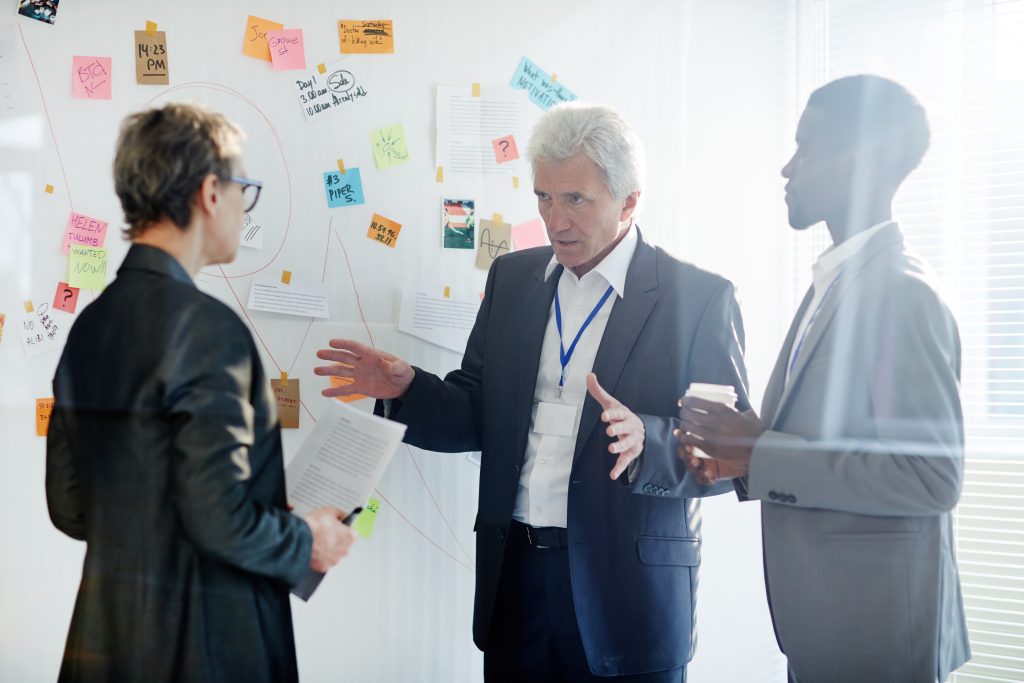
2. Design the Event Around the Audience Journey
Modern attendees expect experiences, not agendas. Planning now focuses on how people move, interact, and engage throughout the event.
Effective audience-led planning considers:
- Arrival experience and first impressions
- Energy flows across sessions
- Opportunities for interaction and reflection
- Clear takeaways and next steps
This approach fundamentally changes how to organise a corporate event, shifting the focus from schedules to experience.
3. Choose the Right Format for 2026
Corporate events are increasingly diverse, and selecting the right one is essential.
Popular formats include:
- Face-to-face summits and conferences
- Live and remote event hybrid entertainment
- Leadership retreats and strategy
- Products, sales kick-offs
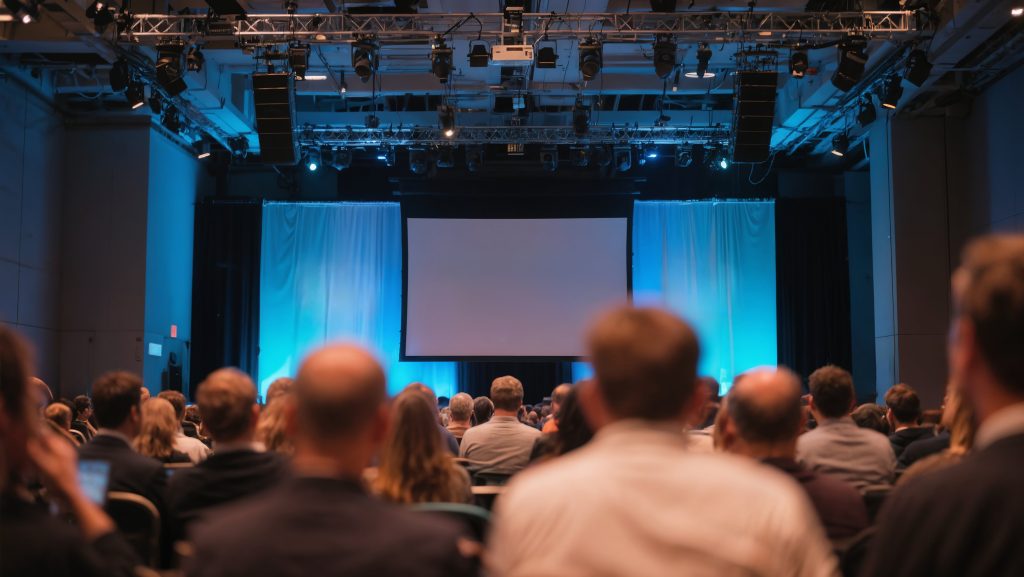
The different formats serve different purposes. Planning to succeed: format is set to the objective, not the default mode.
4. Make Corporate Event Planning Flexible
In 2026, flexibility is not a choice; it is a necessity. Events must adapt to:
- Changing audience needs
- Technology requirements
- Changing content priorities.
The ability to be responsive without being disorganised is achievable through strong corporate event planning. This equilibrium makes events both relevant and enduring.
5. Use Technology With Purpose
Technology must facilitate connectivity rather than distraction. Use technology to:
- Improve involvement and participation
- One day a week supported hybrid attendance
- Get valuable information and knowledge
In SEVEN, we use technology to provide real value, and the events will be human, immersive, and goal-oriented.
6. Focus on Sustainability and Responsibility
Sustainability has become a key factor in decision-making. This includes:
- Mindful venue choice
- Thoughtful material use
- More intelligent travel and logistics planning
In 2026, corporate events are mirrors of organisational values. Sustainable planning enhances credibility and aligns experiences with the brand purpose.
7. Partner With Experienced Professionals
Understanding how to plan corporate events thoroughly is valuable, but executing flawlessly while managing countless moving parts requires dedicated expertise. This is where partnering with an experienced corporate events organiser transforms good intentions into exceptional results.
Professional event partners bring capabilities that internal teams typically lack:
- Vendor relationships: Established connections with venues, caterers, AV providers, and entertainment ensure quality, reliability, and often preferential rates.
- Creative perspective: External partners see possibilities you might miss and challenge assumptions productively, bringing fresh thinking to familiar challenges.
- Risk management: Experience across hundreds of events means anticipating problems before they occur and solving issues quickly when they do.
- Technical expertise: Modern events demand sophisticated AV, streaming, and interactive technology. Specialists ensure seamless integration rather than technical disasters.
- Bandwidth protection: Event planning consumes enormous time and energy. Professional partners handle the complexity, so your team can focus on strategic priorities and attendee engagement.
How SEVEN Approaches Corporate Event Planning
At SEVEN, we plan corporate events with purpose at the centre. We work closely with clients to define objectives, design experiences around people, and deliver events that support real business goals.
From conferences and leadership meetings to sales kick-offs and brand events, we combine strategy, creativity, and operational excellence to ensure every event delivers value.
Ready to Plan Your Next Corporate Event?
If you’re planning a corporate event in 2026 and want it to deliver more than just attendance numbers, we’d love to help. With the right strategy and support, your next event can inspire action, strengthen alignment, and drive lasting impact. Get in touch with SEVEN at hello@sevenevents.co.uk and let’s start planning an event that truly works.
FAQs
1. How do you organise a corporate event step by step?
Organising a corporate event involves setting goals, understanding your audience, selecting the right format, planning logistics around experience, and measuring outcomes post-event. SEVEN works with clients from strategy through delivery to ensure every stage is planned with purpose.
2. Why is purpose important when planning corporate events?
Purpose ensures corporate events drive engagement, alignment, and measurable business outcomes rather than becoming routine or checklist-driven. At SEVEN, every corporate event is designed around a clear objective and outcome.
3. Why is flexibility essential when organising corporate events?
Flexible planning allows events to adapt to changing priorities, audiences, and delivery requirements without compromising quality.
4. How can SEVEN support corporate event planning in 2026?
SEVEN plans and delivers corporate events that align people, purpose, and outcomes, combining strategy, creativity, and operational excellence.
5. How does technology support modern corporate event planning?
Technology supports engagement, hybrid participation, and data-driven insights when used intentionally and seamlessly.
Experiential Marketing Trends for 2026

There’s a moment at every great brand experience when the room changes. People stop observing and start participating. Conversations deepen. The brand stops speaking to the audience and starts connecting with them. That shift defines the most powerful experiential marketing trends shaping 2026.
At SEVEN, we see experiential marketing evolving into something far more intentional. It’s no longer about being loud or elaborate. It’s about designing experiences that feel personal, culturally aware, and strategically aligned with brand goals. The brands leading the way understand that experience is the message.
An Experience-first Strategy Replaces Campaign-first Thinking
Experience-led strategy is emerging as one of the most substantive experiential trends, driven by the elimination of selective campaigns. Experiences are now being designed by brands as part of an extended journey, rather than as isolated moments.
This strategy will ensure that all touchpoints, including pre-event, event, and post-event, support a cohesive story. Experiences are connected, not disjointed. Viewers not only know what the brand has to offer, but why you need it.
By collaborating with an experiential marketing company, brands can frame these journeys with purpose, creativity, and business acumen.

2. Engagement Becomes the Primary Measurement
Attendance no longer defines success. In 2026, engagement is more important than footfall.
Brands now create experiences which:
- Contribute instead of making an observation.
- Promote communication by choice and motion.
- Encourage investigations and discovery.
Since team-building sessions can take the form of collaborative workshops and live problem-solving, the concept of experiential design is that the audience should feel engaged, not controlled. These sensorial trends put the agency back in participants’ hands.
3. Technology Enriches Experience And Not Spectacle
Technology is still a strong enabler; however, its role has changed. It no longer overpowers the experience; rather, it quietly and intelligently assists it.
Key applications include:
- Content and agenda personalisation based on data.
- Uninterrupted hybrid delivery to distributed audiences.
- Intelligent spaces that change lighting, sound, and design.
In SEVEN, we incorporate technology where it adds value and not where it becomes distracting. The best experiences are human-first and digital-second.

4. Micro-moments and Social-first Design
Whilst creating comprehensive event experiences remains important, 2026 sees increasing focus on designing individual micro-moments specifically crafted for social sharing. The sophistication lies in creating moments that people genuinely want to share because they’re remarkable, not because you’ve asked them to.
However, the best social-first design never sacrifices substance for shareability. The moments that generate authentic engagement online are those rooted in genuine experiential value. People share because they’re genuinely excited, not because they’ve been incentivised or prompted.
Events no longer end when attendees leave; they extend into ongoing digital conversations, exclusive online communities, and long-term relationship-building that maintain engagement far beyond the physical gathering.
5. Wellness and Mindful Experiences Gain Prominence
As workplace wellbeing becomes central to corporate culture, experiential marketing increasingly incorporates wellness elements that demonstrate genuine care for attendee wellbeing. This trend extends beyond corporate events into consumer brand experiences.
We’re creating spaces within events designed explicitly for decompression quiet zones with comfortable seating, mindfulness activities, healthy refreshment options, and programmes that respect attendees’ need for balance. Rather than cramming every minute with activity, thoughtful experiences build in the breathing room.
Embracing the Evolution
These experiential marketing trends aren’t isolated developments but interconnected shifts reflecting bigger changes in consumer expectations, technological capabilities, and business priorities. The brands that thrive will be those that embrace evolution whilst staying true to fundamental principles of authentic connection and genuine value creation.
At SEVEN, we’re excited by where experiential marketing is heading. These trends create extraordinary opportunities to create experiences that resonate deeply, drive real business outcomes, and position brands as innovative leaders. Whether you’re planning your next corporate event, product launch, or brand activation, understanding these experiential trends helps ensure your investment delivers maximum impact.
Ready to explore how these emerging trends could transform your brand experiences? Get in touch at hello@sevenevents.co.uk and let’s start creating something extraordinary together.
FAQs
1. What are the top experiential marketing trends for 2026?
The leading experiential marketing trends for 2026 include experience-first strategy, hyper-personalised engagement, sustainable event design, technology-enabled participation, and creative themes that prioritise emotional connection over spectacle.
2. Why is experiential marketing becoming more important for brands?
Experiential marketing allows brands to create meaningful, real-world connections in an increasingly digital environment. It builds emotional engagement, improves brand recall, and encourages active participation rather than passive consumption.
3. How do experiential trends influence event design in 2026?
Experiential trends shape event design by focusing on audience participation, flexible environments, and immersive storytelling. Events are now designed as journeys that adapt to attendee behaviour and encourage interaction at every stage.
4. How do creative event theme ideas enhance experiential marketing?
Creative event theme ideas act as emotional anchors, guiding design, content, and interaction. Strong themes help unify the experience, reinforce brand messaging, and make events more memorable and shareable.
Top Event Trends of 2026

One of the most exciting developments is the growing role of AI in events. From planning to personalised communications, branding, engagement, and onsite guest support, AI is now a key component of the event experience. It helps create meaningful networking opportunities, whether through technology that connects attendees based on shared goals and interests or by facilitating icebreaker activities. AI ensures guests can make stronger connections and enjoy a more seamless event experience.
Closely linked to this is the importance of hyper-personalised guest experiences. Tailoring experiences to individual preferences ensures attendees feel heard and valued. By leveraging guest data, we can offer personalised agendas, recommend relevant sessions, and suggest networking matches. Personalisation has been proven to increase both satisfaction and engagement.
In 2026, events are embracing interactive and fun activities that keep attendees engaged throughout. At SEVEN, we support clients in building immersive, experience-filled programmes, from interactive workshops and wellness activities to sourcing the right suppliers for content and experiences. Guests want their time to be well spent when attending events, which leads onto purpose-driven events. Ensuring strategic collaborations and partnerships adds value and reinforces a co-creative approach, making every event meaningful and impactful.
Purpose-driven events also tie into the rise of events as strategic marketing tools. Companies are increasingly recognising the power of live experiences to communicate news, launch products, build brand awareness, and strengthen company culture. At SEVEN, we help design events that extend far beyond the day itself, whether by sourcing inspirational speakers, creating shareable themes for social media, or gathering actionable feedback to provide clients with valuable insights into their audience.
Sustainability continues to be a critical consideration. Today, often both clients and guests expect eco-conscious events. From reducing waste and sourcing locally to using sustainable venues and tracking carbon emissions, sustainability is central to modern event planning. At SEVEN, we support clients through TRACE, a system that calculates event carbon emissions and helps offset them post-event.
Finally, venue selection is more important than ever. The right venue is not just a space; it’s a partner in shaping the overall event experience. At SEVEN, we guide clients in sourcing venues that align with the event’s narrative, values, and goals, ensuring every element works together to create a cohesive, memorable experience.
These trends touch every stage of the event journey — from initial planning to the live experience, and even post-event follow-up. At SEVEN, we offer services that bring these trends to life, whether it’s crafting a unique strategic communications plan, sourcing the perfect venue and suppliers, or delivering an eco-conscious, sustainable event.
If you’re looking to plan an event that’s on-trend, achieves your goals, and leaves a lasting impression on your guests, get in touch with us today.
FAQs
How far in advance should I start planning my event?
The earlier you start, the better as it gives you more options to choose from and ensures all your event requirements can be met. That said, we know time isn’t always on your side. At SEVEN, our years of experience and extensive network of contacts allow us to recommend unique venues and creative solutions that work perfectly, even on a tighter timeline, for any type of event.
What type of events can SEVEN help plan?
With over two decades of experience as a leading London event company, SEVEN has planned a wide range of events across the globe — from experiential and incentive events to virtual gatherings and large-scale conferences. We thrive on creativity and love bringing events to life, turning ideas into memorable experiences. You can explore some of our past work here.
What should I include in a post-event report?
A post-event feedback survey can be tailored to meet your specific goals. The questions you include will depend on what insights you want from your attendees, for example, whether the venue and location worked well, if pre-event communications were effective, or how valuable they found the content and agenda. At SEVEN, we can support you with all aspects of post-event communications, from designing the survey to collecting and analysing feedback, giving you clear, actionable insights to inform future events.
What does it mean for an event to be purpose-driven?
A purpose-driven event is one where every element, from topics and speakers to themes, suppliers, and the agenda, is intentionally chosen to serve a clear goal. It’s about creating a cohesive and meaningful experience where all components work together seamlessly, ensuring your guests leave with a sense of value, engagement, and impact.
Incentive Destinations for 2026

Italy
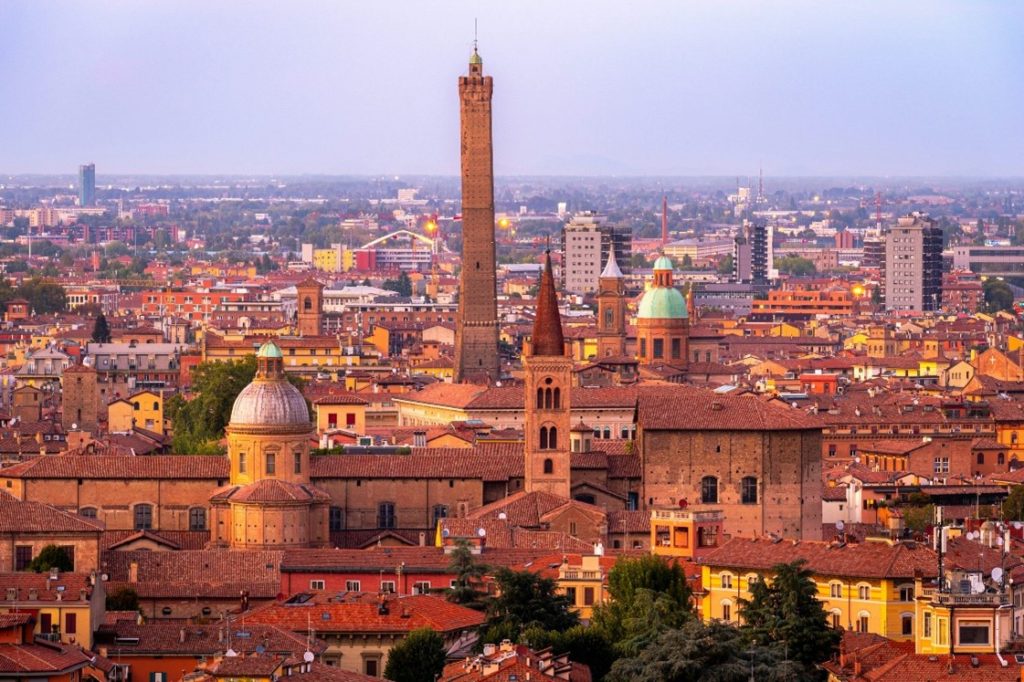
Italy never goes out of style, however rather than looking at the popular destinations of Rome or Venice, we have seen a surge in requests for less well known regions that feel more exclusive. Regions such as Puglia, Matera and Bologna offer all the richness Italy is known for exceptional food, beautiful settings and effortless style, without the intensity of overcrowded hotspots. Bologna, in particular, stands out as a food-led incentive destination, ideal for private culinary experiences, market tours, hands-on cooking and elegant evening events rooted in local culture. These lesser-used locations allow groups to take over boutique hotels, historic venues and private estates, delivering a more intimate and rewarding experience while still capturing the unmistakable magic of Italy.
Japan
Japan continues to lead incentive travel wish-lists, and for 2026 it offers an unrivalled blend of tradition and innovation. From the energy of Tokyo to the calm of Kyoto and Hakone, Japan delivers contrast at every turn, making it ideal for high-performing groups seeking something truly distinctive. Incentive programmes here go beyond sightseeing, focusing on private, highly curated experiences such as exclusive sushi-making with master chefs, after-hours cultural access, bullet-train journeys woven into the story of the itinerary, and immersive moments in temples. With world-class service, seamless logistics and an innate sense of occasion, Japan rewards delegates with experiences that feel considered, meaningful and unforgettable.

America
With the 2026 FIFA World Cup taking place across the United States, the USA becomes one of the most compelling incentive destinations of the year. Host cities such as New York, Los Angeles, Miami, Dallas and Las Vegas offer a ready-made backdrop of world-class stadiums, entertainment and hospitality, combined with the scale and confidence to deliver truly spectacular programmes. For organisations looking to harness global excitement, shared emotion and once-in-a-generation energy, the World Cup transforms the USA into an incentive experience that feels powerful, celebratory and unforgettable.

Australia
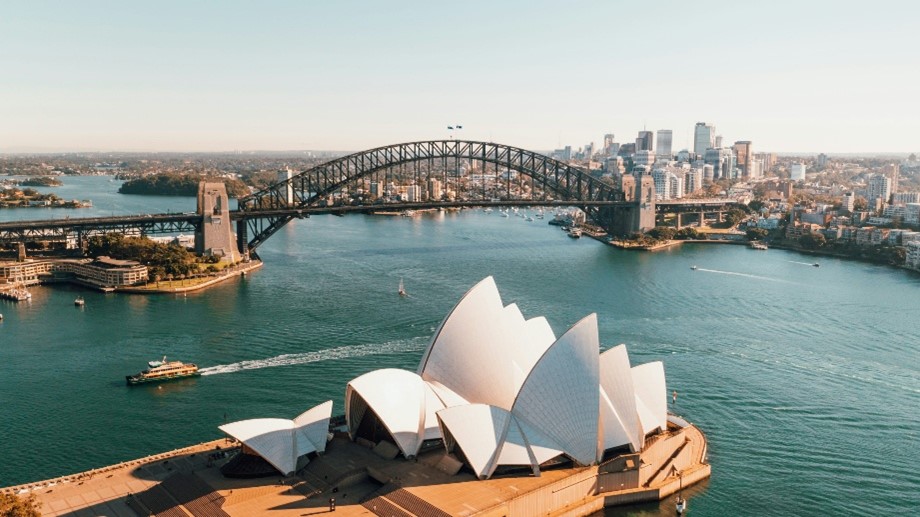
Australia delivers incentive travel on an epic scale, making it a powerful reward destination for 2026. From the energy of Sydney and Melbourne to the natural drama of the Great Barrier Reef programmes here are defined by contrast, space and sense of occasion. Incentive itineraries often blend high-impact city experiences, harbour events, private venues and world-class dining, with immersive nature-led moments that feel once in a lifetime. While long-haul, Australia rewards the journey with depth, quality and unforgettable shared experiences, making it ideal for top tier performers and milestone incentives where impact truly matters.
Greece
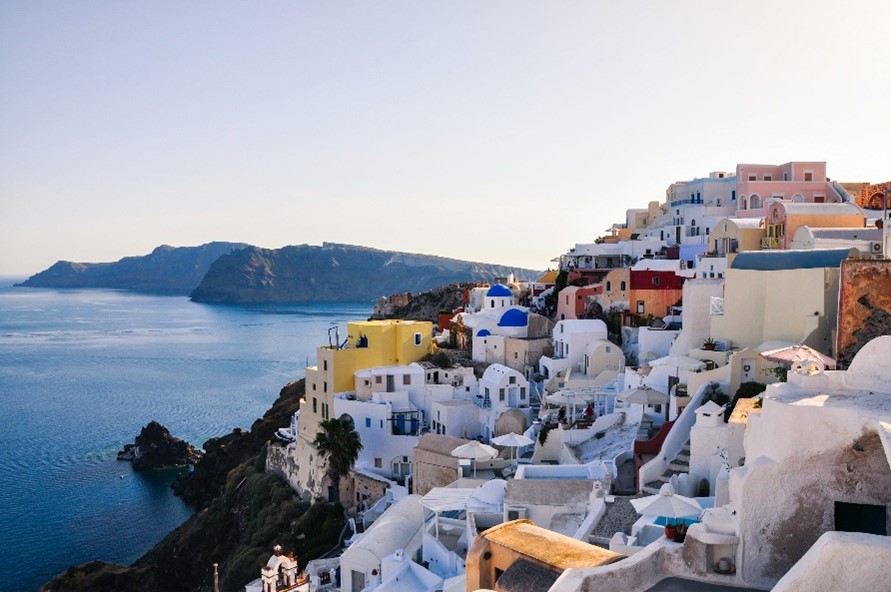
Greece continues to be a strong incentive choice for 2026, offering a blend of history, natural beauty and modern luxury that feels both aspirational and effortless. From the elegance of Athens to the iconic island settings of Santorini, Mykonos and Crete, Greece allows programmes to balance culture with celebration. Incentive itineraries often focus on private boat experiences, clifftop dining, exclusive beach venues and heritage sites brought to life through curated storytelling.
At SEVEN, we understand that every company and team is unique. With our incentive travel service we will work closely with you to design a bespoke incentive travel itinerary that aligns with your company culture, goals, and budget. We don’t just book trips; we craft unforgettable experiences, drawing on our own first-hand knowledge and expertise.
AI: the innovations transforming events in 2026
Smarter planning, better decisions
One of the biggest shifts AI has brought to events is behind the scenes. Planning used to rely heavily on spreadsheets, instinct and historical knowledge. Now, AI-powered tools can analyse past event data, audience behaviour and performance metrics to help inform decisions early on.
From predicting attendance and optimising schedules to identifying the best formats for engagement, AI allows event planners to make more informed choices. This means less guesswork, fewer last-minute changes and a smoother experience for everyone involved.
Hyper-personalised guest experiences
In 2026, personalisation is no longer a “nice to have” – it’s expected. AI allows events to adapt to individual preferences at scale, creating experiences that feel tailored rather than generic.
Think personalised agendas, content recommendations based on attendee interests, or networking suggestions that match guests with like-minded peers. For attendees, this creates a sense of relevance and value. For organisers, it means higher engagement and stronger outcomes.

Seamless registration and arrival
First impressions matter. AI-driven registration systems are transforming the way guests arrive at events, reducing friction and queues while increasing efficiency.
Facial recognition check-in, smart badges and automated access control are becoming more commonplace, particularly at large-scale conferences and exhibitions. These tools help create a calm, welcoming arrival experience, setting the tone for what’s to come.
Real-time engagement and feedback
Understanding how guests feel during an event has always been a challenge. AI is changing that by analysing live data from polls, apps, wearables and social interactions to provide real-time insights.
This allows event teams to adapt on the fly – adjusting content, pacing or environments to better suit the audience. Post-event, AI-powered analytics can highlight what worked well and where improvements can be made, helping shape even stronger events in the future.
Immersive experiences powered by AI
AI is also playing a key role in creating immersive event experiences. From intelligent lighting and sound systems that respond to audience energy, to AI-enhanced virtual and hybrid environments, technology is helping blur the lines between physical and digital.
In 2026, we’re seeing more events use AI to support interactive storytelling, virtual speakers, digital hosts and dynamic content that evolves throughout the experience. When used thoughtfully, these innovations add depth without distracting from human connection.
Balancing technology with human connection
While AI opens up exciting possibilities, the most successful events still centre around people. At SEVEN, we believe technology should support emotion, creativity and storytelling, not overshadow them.
AI helps us streamline processes, personalise journeys and gain insights, but it’s our team’s expertise that brings warmth, energy and meaning to every event. The balance between innovation and authenticity is what truly transforms an experience.

Planning future-forward events with SEVEN
At SEVEN, we stay at the forefront of event innovation to ensure our clients benefit from the latest tools without losing the human touch. Through our event planning services, we design experiences that blend creativity, technology and purpose – always aligned with your goals and audience. Discover how we work here: https://sevenevents.co.uk/our-services/
Whether you’re exploring AI for the first time or looking to elevate your next event with smart innovation, we’re here to guide you every step of the way.
Frequently asked questions
How is AI being used in events today?
AI is used for planning, personalisation, registration, engagement tracking and post-event analysis. It helps events run more smoothly and creates more tailored guest experiences.
Will AI replace event planners?
No. AI supports planners by automating tasks and providing insights, but human creativity, emotional intelligence and strategic thinking remain essential.
Are AI-powered events only suitable for large conferences?
Not at all. AI can be scaled to suit events of all sizes – from intimate leadership sessions to large corporate conferences.
How can SEVEN help us integrate AI into our events?
We work closely with you to understand your goals and recommend the right level of technology to enhance your event, ensuring it adds value without unnecessary complexity.
Ready to future-proof your events?
AI is transforming the events industry – and 2026 is just the beginning. If you’re ready to explore how innovation can elevate your next experience, get in touch with us at hello@sevenevents.co.uk and let’s create something unforgettable together.
Why Industry Expos & FAM Trips Are a Game-Changer for Event Agencies

Discovering the Best to Deliver the Best
Walking into an expo feels like stepping into a giant treasure trove of inspiration. Every stand brings something new: a venue we’ve not yet explored, a production partner with innovative ideas, or a supplier who instantly sparks our imagination.
By meeting suppliers face-to-face, we’re building genuine relationships, not just exchanging emails or browsing online listings. We ask questions, see products up close, and get a true feel for the people behind them. This means our supplier database grows not only in size, but in quality. We return with a refreshed pool of trusted partners, ensuring that when a client comes to us with a vision, we’re matching them with the best possible suppliers for their event, people we know, trust, and believe in.

Exploring Spaces Through FAM Trips
There’s something magical about stepping into a venue or walking round a new city rather than viewing it on a screen. FAM trips let us wander through spaces, imagine how a client’s event can unfold, and see the small details that don’t always show up in brochures.
We meet the on-site teams, understand the flow of the spaces and experience the atmosphere first-hand. That knowledge transforms the way we pitch ideas to clients. We’re not guessing; we’re guiding.
But our FAM trips don’t just stop in the UK, we regularly travel overseas to discover new destinations and keep up with the latest and very best places the world has to offer. Whether it’s exploring a buzzing city, uncovering a hidden coastal gem or stepping into a cutting-edge resort, these trips help us understand the destination from the ground up.
We’re hosted by the most experienced people in that region, local experts who know every secret corner, every standout venue and every unforgettable experience. Their insight means we’re not just visiting; we’re truly learning. We return with a deep understanding of what each destination can offer our clients, confident that we can match them with somewhere fresh, exciting and perfectly suited to their event organised via out recognition and incentive service.
With every FAM trip we complete, we add a new layer of knowledge to our toolkit, more destinations, more venues, more ideas ready to be brought to life.
Growing Together as an Industry
One of the most uplifting parts of attending expos and FAM trips is connecting with other agencies. We share stories, challenges and success moments that help us all grow. Hearing what others are doing inspires new thinking and keeps us collectively raising the bar.
It’s refreshing, motivating and a great reminder that we’re part of a wider community all striving for the same goal: delivering exceptional events. These conversations spark new ideas, new approaches and a renewed sense of excitement for the future of our industry.
Returning Recharged and Ready to Create
Every time we attend an expo or a FAM trip, we return with a spark, new energy, new connections and new possibilities for our clients. It’s more than research; it’s exploration. It’s how we stay fresh, informed and ready to deliver standout experiences.
By immersing ourselves in the latest venues, trends and supplier offerings, we’re making sure that when our clients dream big, we’re already one step ahead, ready to make it happen.

Frequently Asked Questions
Why do event agencies attend industry expos?
We attend expos to discover new suppliers, explore the latest event trends and build trusted relationships face-to-face. It helps us stay inspired and ensures we always bring fresh ideas and reliable partners to our clients’ events.
What is a FAM trip and why do event agencies go on them?
A FAM (familiarisation) trip is an opportunity for us to visit venues and destinations first-hand. Instead of browsing online or relying on brochures, we experience spaces in real life, meet on-site teams and understand exactly how an event would come to life there.
Do you travel overseas for FAM trips?
Yes, we regularly travel abroad to explore new destinations and keep up with the latest hotels, venues and experiences from around the world. These trips help us stay ahead of what’s new, exciting and perfect for our clients.
How does attending FAM trips benefit your clients?
Every trip helps us discover places that perfectly suit different types of events. We learn what works, what feels special and what will surprise and delight guests, so we can recommend destinations with confidence and creativity.
Do you meet other agencies on these trips?
Absolutely! Connecting with other agencies is one of the best parts. We share ideas, learn from each other and explore ways to make the industry even better together.
How often do you attend expos and FAM trips?
We attend them throughout the year, staying active and curious so our clients always benefit from the latest trends, top suppliers and most exciting destinations.
How do you choose which suppliers or destinations to work with after a trip or expo?
We look for partners who are passionate, reliable and aligned with our standards. If we’ve seen their work first-hand and we trust their quality, they often become part of our go-to network for client events.