How Companies Should Plan Corporate Events in 2026
Corporate events in 2026 demand more than polished logistics and full calendars. They require clear purpose, experience-led thinking, and strategic planning that connects people to outcomes. When planned well, corporate events become catalysts for alignment, motivation, and measurable business impact.

Corporate events in 2026 demand more than polished logistics and full calendars. They require clear purpose, experience-led thinking, and strategic planning that connects people to outcomes. When planned well, corporate events become catalysts for alignment, motivation, and measurable business impact.
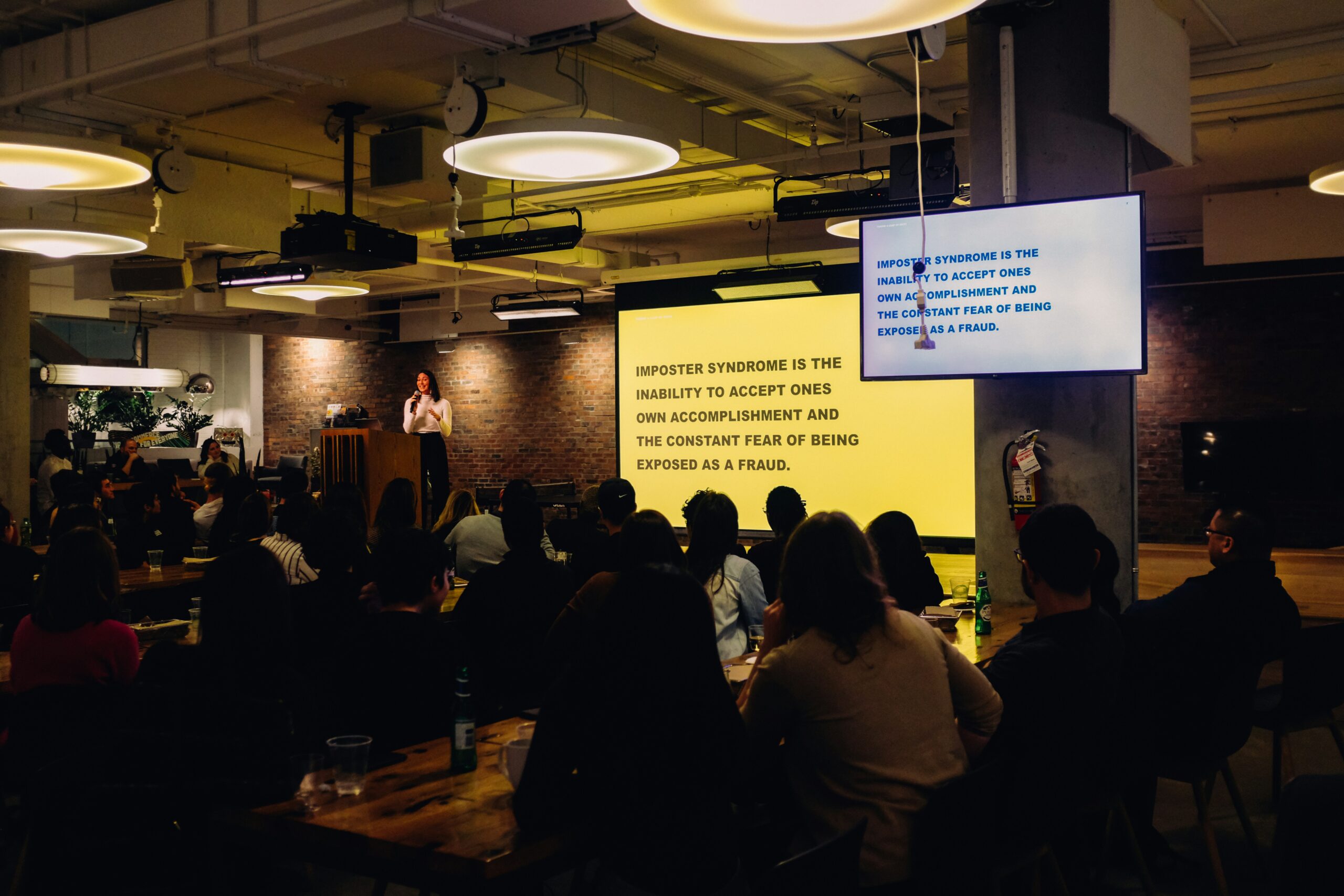
There’s a defining moment in every successful corporate event when attendees stop checking their phones and start leaning forward. That moment signals clarity. It tells you the event has been planned with intention, not habit.
At SEVEN, we see corporate events as strategic tools, not tick-box exercises. As expectations rise and attention becomes harder to earn, knowing how to plan corporate events in 2026 means rethinking why events exist and how they serve the business.
1. Start with Purpose, not Logistics
The most effective events begin with one question: What should change because of this event?
Before venues, speakers, or schedules are defined:
- The business objective (alignment, growth, education, culture)
- The audience and what they need to feel or understand
- How success will be measured after the event
This clarity turns planning into strategy and prevents events from becoming expensive distractions.

2. Design the Event Around the Audience Journey
Modern attendees expect experiences, not agendas. Planning now focuses on how people move, interact, and engage throughout the event.
Effective audience-led planning considers:
- Arrival experience and first impressions
- Energy flows across sessions
- Opportunities for interaction and reflection
- Clear takeaways and next steps
This approach fundamentally changes how to organise a corporate event, shifting the focus from schedules to experience.
3. Choose the Right Format for 2026
Corporate events are increasingly diverse, and selecting the right one is essential.
Popular formats include:
- Face-to-face summits and conferences
- Live and remote event hybrid entertainment
- Leadership retreats and strategy
- Products, sales kick-offs
The different formats serve different purposes. Planning to succeed: format is set to the objective, not the default mode.
4. Make Corporate Event Planning Flexible
In 2026, flexibility is not a choice; it is a necessity. Events must adapt to:
- Changing audience needs
- Technology requirements
- Changing content priorities.
The ability to be responsive without being disorganised is achievable through strong corporate event planning. This equilibrium makes events both relevant and enduring.
5. Use Technology With Purpose
Technology must facilitate connectivity rather than distraction. Use technology to:
- Improve involvement and participation
- One day a week supported hybrid attendance
- Get valuable information and knowledge
In SEVEN, we use technology to provide real value, and the events will be human, immersive, and goal-oriented.
6. Focus on Sustainability and Responsibility
Sustainability has become a key factor in decision-making. This includes:
- Mindful venue choice
- Thoughtful material use
- More intelligent travel and logistics planning
In 2026, corporate events are mirrors of organisational values. Sustainable planning enhances credibility and aligns experiences with the brand purpose.
7. Partner With Experienced Professionals
Understanding how to plan corporate events thoroughly is valuable, but executing flawlessly while managing countless moving parts requires dedicated expertise. This is where partnering with an experienced corporate events organiser transforms good intentions into exceptional results.
Professional event partners bring capabilities that internal teams typically lack:
- Vendor relationships: Established connections with venues, caterers, AV providers, and entertainment ensure quality, reliability, and often preferential rates.
- Creative perspective: External partners see possibilities you might miss and challenge assumptions productively, bringing fresh thinking to familiar challenges.
- Risk management: Experience across hundreds of events means anticipating problems before they occur and solving issues quickly when they do.
- Technical expertise: Modern events demand sophisticated AV, streaming, and interactive technology. Specialists ensure seamless integration rather than technical disasters.
- Bandwidth protection: Event planning consumes enormous time and energy. Professional partners handle the complexity, so your team can focus on strategic priorities and attendee engagement.
How SEVEN Approaches Corporate Event Planning
At SEVEN, we plan corporate events with purpose at the centre. We work closely with clients to define objectives, design experiences around people, and deliver events that support real business goals.
From conferences and leadership meetings to sales kick-offs and brand events, we combine strategy, creativity, and operational excellence to ensure every event delivers value.
Ready to Plan Your Next Corporate Event?
If you’re planning a corporate event in 2026 and want it to deliver more than just attendance numbers, we’d love to help. With the right strategy and support, your next event can inspire action, strengthen alignment, and drive lasting impact. Get in touch with SEVEN at hello@sevenevents.co.uk and let’s start planning an event that truly works.
FAQs
1. How do you organise a corporate event step by step?
Organising a corporate event involves setting goals, understanding your audience, selecting the right format, planning logistics around experience, and measuring outcomes post-event. SEVEN works with clients from strategy through delivery to ensure every stage is planned with purpose.
2. Why is purpose important when planning corporate events?
Purpose ensures corporate events drive engagement, alignment, and measurable business outcomes rather than becoming routine or checklist-driven. At SEVEN, every corporate event is designed around a clear objective and outcome.
3. Why is flexibility essential when organising corporate events?
Flexible planning allows events to adapt to changing priorities, audiences, and delivery requirements without compromising quality.
4. How can SEVEN support corporate event planning in 2026?
SEVEN plans and delivers corporate events that align people, purpose, and outcomes, combining strategy, creativity, and operational excellence.
5. How does technology support modern corporate event planning?
Technology supports engagement, hybrid participation, and data-driven insights when used intentionally and seamlessly.