


Category: Events
How to choose the right event agency in London for your business?

Choosing an event agency in London should never come down to comparing quotes on a spreadsheet. Price matters, but it tells you almost nothing about how a team thinks or delivers. The businesses that get the best results look beyond cost. They weigh up strategic understanding, creative thinking, relevant experience, clear communication, and genuine delivery capability.
A strong agency partnership should feel collaborative from the very first conversation. You should come away from a briefing meeting feeling understood, not just quoted. This isn’t a sales pitch for any one agency. It’s a practical guide for anyone actively evaluating a London event company and trying to work out what actually matters.
What should you look for in an event agency?
1. Understanding your business and objectives
A good agency asks questions before it offers solutions. It wants to understand your brand, your audience, and what success actually looks like for this specific event. Watch for agencies that jump straight to ideas without asking about your objectives first. That’s often a sign they’re pitching a template, not building something tailored to you.
SEVEN’s process starts exactly here, taking the brief and asking the right questions before anything else happens. Understanding comes first, because everything downstream depends on getting it right.
2. Relevant experience and proven capability
Ask to see examples of events similar in scale, audience, or complexity to yours. A creative events agency with a strong portfolio in product launches, awards dinners, conferences, or incentive travel will bring pattern recognition you simply can’t get from a generalist supplier. Experience also shows up in how an agency talks about past challenges. Teams that can walk you through a problem they solved, rather than just a highlight reel, tend to be the ones worth trusting with your budget.
A well-established London event company will usually have worked across multiple industries, from finance and technology to automotive and healthcare. That breadth matters, because it means the team has seen how different audiences respond and can apply those lessons to your brief.
3. Creative thinking and fresh ideas
Creativity isn’t just about a striking stage design or a clever theme. It’s about original thinking that connects your brand story to your audience in a way that actually lands.A genuinely creative events agency pushes beyond the obvious brief and asks what the event should make people feel. That’s a very different question to what the event should look like, and it usually produces a better answer.
The strongest creative work also connects back to strategy, rather than existing purely for visual impact. A theme, a stage design, or a piece of branded content should always serve the wider business objective, not compete with it for attention.
4. Clear communication and collaboration
Strong communication shows up long before the event itself. It’s in how quickly an agency responds, how clearly they explain their thinking, and how comfortable they are pushing back when something in your brief doesn’t quite add up.
Collaboration matters just as much. The best events management agency relationships feel like an extension of your own team, not a vendor waiting for sign-off on every decision. A truly collaborative events management agency will also flag risks early rather than waiting until they become problems. That kind of honesty, even when it means delivering unwelcome news, is a far better sign of trustworthiness than an agency that only ever tells you what you want to hear.
What are the Questions to ask before choosing an event agency
Can they demonstrate relevant experience?
Ask for specific examples, not general claims. A London event company worth hiring should be able to point to events of a similar scale and explain what made each one succeed. Look for evidence across different formats too, including conferences, product launches, incentive trips, brand activations and awards evenings. Range shows adaptability, not just a single trick they repeat for every client. A creative events agency that has handled varied briefs will also be quicker to adapt when your requirements shift midway through planning, since flexibility comes naturally once a team has seen enough different scenarios.
How do they approach your brief?
Pay attention to the questions they ask in the first meeting. A strong agency will want to understand your goals, your audience, and your constraints before pitching a single idea. If an agency skips straight to concepts without asking about objectives, treat that as a warning sign. Insight should always come before ideas, not the other way round.
How will they manage delivery?
Creative thinking only matters if it can actually be delivered. Ask how the agency handles logistics, supplier coordination, on-site management, and contingency planning. A team that can talk through their delivery process with confidence, covering everything from venue sourcing to on-the-day troubleshooting, is one that’s done this many times before. That confidence is hard to fake.
Finding the right long-term event partner
The strongest agency relationships rarely start and end with a single brief. Businesses that return to the same events management agency year after year usually do so because the team understands their brand, their culture, and their history of past events. That continuity saves time on every future brief, since less needs explaining from scratch. It also means the agency can spot patterns across your events, from what worked well last year to what your audience responds to now.
Consider whether an agency feels like a partner you’d want managing next year’s event too, not just this one. That question matters more than almost anything else on your shortlist. A genuinely capable London event company will often bring ideas to you before you’ve asked for them, based on what they’ve learned from working alongside your team. That kind of proactive thinking is difficult to replicate with a supplier you only speak to once a year.
The bottom line
The right agency should feel less like an external supplier and more like an extension of your own team. It should understand your business, bring genuine creative thinking, communicate clearly and deliver with confidence under pressure.
SEVEN has spent years building this kind of partnership with clients across automotive, technology, finance and healthcare. If you’re currently evaluating options, explore SEVEN’s full range of event services to see how that partnership works in practice.
FAQs
How do I choose an event agency in London?
Look beyond price and compare strategic understanding, relevant experience, creative thinking and communication style. The right agency should ask thoughtful questions about your objectives before offering solutions, not the other way round.
How do I choose the right corporate event agency in London for a business event?
Prioritise agencies that can demonstrate experience with events similar in scale and complexity to yours, alongside a clear, confident approach to delivery. A corporate-focused creative events agency should be able to walk you through past challenges, not just show you a highlight reel.
What should I look for when choosing a corporate event management agency for my business?
Look for an events management agency that treats your brief as a starting point for questions, not just a checklist to work through. Strong communication, proven delivery capability, and a genuine interest in your long-term objectives usually matter more than any single creative idea.
The Power of Live Events in a Digital World

The Rise of Digital Fatigue
As digital platforms become an essential part of everyday life, many people are experiencing what is known as digital fatigue.
Technology has revolutionised the way we work and communicate, making information more accessible than ever. However, the constant stream of emails, video calls, notifications, and online content can lead to information overload and mental exhaustion.
Many professionals now spend much of their working day moving from one screen to the next. While these tools have improved efficiency and connectivity, they have also reduced opportunities for genuine human interaction.
As a result, people are increasingly seeking in-person experiences that offer a stronger sense of connection, engagement, and belonging. This shift is one of the key reasons demands for live events continues to grow across the event industry.
Why Face-to-Face Interaction Still Matters
Despite advances in technology, relationships are still built most effectively through personal interaction. Body language, eye contact, spontaneous conversations, and shared experiences all play a crucial role in building trust and meaningful connections. While virtual meetings can facilitate communication, they cannot fully replicate the authenticity of face-to-face engagement.
Whether it’s strengthening client relationships, networking with industry peers, or bringing teams together through corporate events, in-person interactions often lead to deeper connections and better outcomes. Networking events and business gatherings also create opportunities for unexpected conversations and valuable introductions that simply don’t happen in the same way online.
The Power of Shared Experiences
One of the greatest strengths of live events is their ability to create memorable and immersive event experiences. The atmosphere, venue, speakers, entertainment, and personal interactions all contribute to an experience that attendees can truly feel, rather than simply observe. Shared experiences create emotional connections, making events more engaging and memorable.
People are far more likely to remember an inspiring keynote speech, a meaningful conversation, or an exciting product launch when they experience it in person. By comparison, virtual attendees often find themselves competing with emails, notifications, and other distractions.
For businesses, these powerful event experiences can strengthen relationships, increase brand awareness, reinforce company culture, and create lasting impressions long after the event has ended.
The Future Is Not Digital or Live – It’s Both
The growing importance of live events does not mean digital technology is becoming less relevant. In fact, the most successful events combine the strengths of both.
Hybrid events have become an increasingly popular way to connect audiences across multiple locations. By combining face-to-face experiences with livestreaming and digital platforms, hybrid events offer greater accessibility, increased audience reach, and more flexibility for attendees.
Digital technology also enhances every stage of the attendee journey, from pre-event promotion and networking to event apps, personalised agendas, and post-event content. Rather than replacing live experiences, technology amplifies their impact.
The future of the event industry lies in creating integrated experiences that combine the reach of digital tools with the authenticity of face-to-face interaction.
SEVEN Insight
The digital age has transformed how we communicate, collaborate, and consume information. However, it has also highlighted the limitations of virtual interaction and contributed to rising levels of digital fatigue.
As people seek more meaningful ways to connect, live events are becoming increasingly valuable. They offer something technology alone cannot provide authentic human connection, memorable shared experiences, and opportunities to build lasting relationships.
Whether through corporate events, networking events, conferences, exhibitions, or celebrations, live experiences continue to play a vital role in bringing people together. In a world dominated by screens, the power of being present has never been more important.
Looking to Create an Impactful Live or Hybrid Event?
At SEVEN, we specialise in creating engaging live, virtual, and hybrid events that connect people, inspire audiences, and deliver measurable results. Whether you’re planning a conference, networking event, exhibition, incentive trip, or company celebration, our team can help you create an experience that leaves a lasting impression.
Discover how we can support your next event by exploring our Virtual & Hybrid Events services here.
Why roadshows are becoming one of the most effective event strategies in 2026
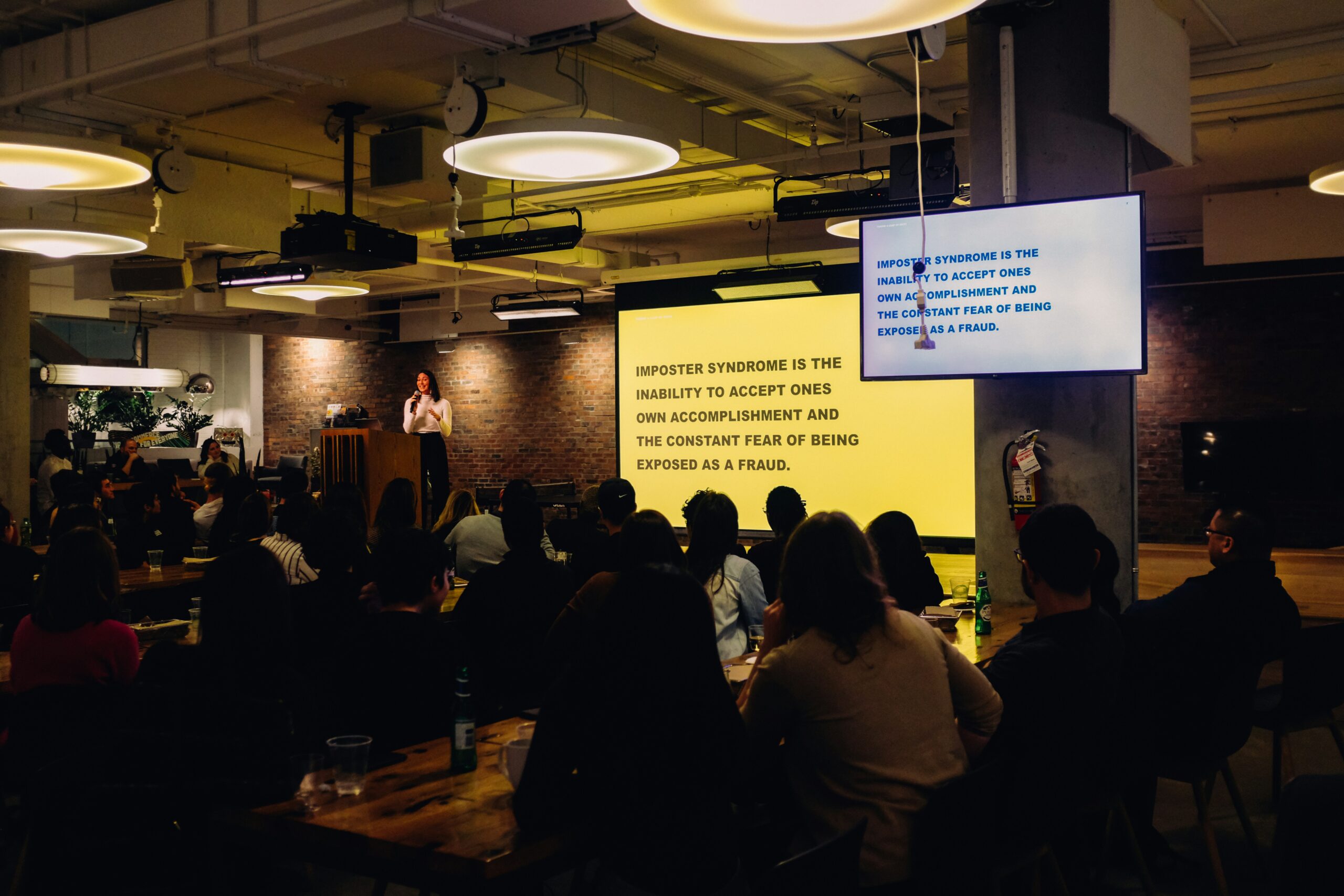
Bringing brands closer to people
An events agency plans, produces, and delivers events that take place online or across both physical and digital spaces. The One of the biggest reasons roadshows are growing in popularity is accessibility. Instead of expecting audiences to travel to one central location, brands are bringing experiences directly to them.
This approach helps businesses reach wider audiences across different regions while creating a stronger local connection. Whether it’s an internal engagement tour, a product launch or a customer activation campaign, roadshows allow brands to meet people where they are, both physically and emotionally.
In 2026, audiences are placing greater value on experiences that feel personal and relevant. Roadshows naturally support this by allowing businesses to tailor messaging, activities and experiences to different locations and audiences.
Creating more meaningful engagement
Large conferences and exhibitions still have their place, but roadshows often create a more intimate and interactive environment. Smaller audiences can lead to better conversations, stronger networking opportunities and higher engagement levels overall.
People are more likely to ask questions, participate in activities and genuinely connect with a brand when the experience feels approachable rather than overwhelming. This is particularly valuable for internal communications, employee engagement initiatives and relationship-building events.
At SEVEN, we believe the most memorable events are built around human connection and storytelling and roadshows are perfectly suited to this style of engagement.
Flexibility is driving smarter event strategies
Businesses are becoming more strategic with their event investments, and flexibility is a major advantage of roadshows. Rather than putting all resources into one large event, brands can spread activity across multiple locations and touchpoints throughout the year.
This creates opportunities to:
- Reach different audiences
- Test and adapt messaging
- Increase brand visibility
- Extend campaign lifespan
- Build momentum over time
Roadshows also allow for scalable experiences. A programme can be adapted depending on audience size, location or business goals while still maintaining a consistent brand experience across every stop.
Supporting hybrid and regional working
With hybrid working continuing to shape the workplace in 2026, many organisations are looking for better ways to reconnect teams and maintain company culture across regions.
Roadshows provide a practical and engaging solution. Leadership teams can connect directly with employees, deliver consistent messaging and create moments of shared experience without requiring everyone to travel to a central office or venue.
This is especially valuable for:
- Company updates
- Employee engagement initiatives
- Training programmes
- Leadership communications
- Team celebrations
Face-to-face interaction remains incredibly powerful, and roadshows help businesses recreate that sense of connection in a more flexible and inclusive way.
Immersive experiences are elevating roadshows
Today’s roadshows are far more than branded stands and presentations. In 2026, experiential elements are transforming roadshows into dynamic, memorable journeys.
Interactive technology, personalised content, wellness experiences, gamification and immersive storytelling are helping brands capture attention in more creative ways. Audiences want experiences they can participate in, not simply observe.
At SEVEN, we’re seeing brands invest more in creating roadshows that feel exciting, shareable and emotionally engaging. These moments don’t just leave lasting impressions; they help strengthen relationships and encourage ongoing conversation long after the event ends.
Roadshows offer valuable data and insight
Online events produce more data than any physical format. That data makes the return easier to prove. Track the following Another reason roadshows are proving so effective is the ability to gather meaningful audience insights across different locations.
Through registration data, live feedback, interactive technology and audience participation, businesses can better understand:
- What resonates with audiences
- Which regions show the highest engagement
- Common questions or challenges
- Future opportunities for communication and growth
These insights help businesses continuously improve not only their events strategy, but also wider marketing and engagement activity.
Planning impactful roadshows with SEVEN
At SEVEN, we understand that successful roadshows require far more than logistics. They require creativity, consistency and experiences that genuinely connect with people. Through our event planning services, we help brands design and deliver roadshows that engage audiences, strengthen relationships and bring campaigns to life across multiple locations. Discover more about our services here: https://sevenevents.co.uk/our-services/
From venue sourcing and production to creative concepts and on-site management, we work closely with our clients to ensure every stop on the journey delivers impact.
FAQs
What is a roadshow event?
A roadshow is a series of events or activations that take place across multiple locations, allowing businesses to engage directly with audiences in different regions.
Why are roadshows becoming more popular in 2026?
Roadshows offer more personalised engagement, greater flexibility and stronger regional reach compared to traditional single-location events.
What types of businesses benefit from roadshows?
Roadshows work well for a wide range of businesses, including corporate organisations, retail brands, technology companies and businesses focused on employee engagement or customer experience.
How can SEVEN help with roadshow planning?
At SEVEN, we provide end-to-end support including creative development, logistics management, venue sourcing, production and on-site event delivery to ensure a seamless experience across every location.

Outgrowing your event format? Here’s what to do next

The signs your event has outgrown its current format
One of the clearest signs is attendee growth. What may have started as a small internal event or client gathering can quickly evolve into something much larger, with increased expectations around production, guest experience and overall delivery.
Growth often changes the role an event plays within a business too. Internal conferences become major brand moments, networking events become lead-generation opportunities, and team celebrations become important culture-building experiences. As the stakes get higher, so does the pressure behind the scenes.
There are also practical signs. Your team may be spending more time managing suppliers, handling registrations, coordinating logistics or troubleshooting last-minute issues alongside their day jobs. You may have outgrown your usual venue, or perhaps the event now requires more technical production, creative content or delegate management than ever before.
Recognising these challenges early is often the first sign that additional support could make a real difference.
Why businesses hesitate to use an agency
For companies that have always managed events internally, bringing in an agency can feel like a big step. There is often concern around budget, control, and whether the investment can really be justified internally.
Many businesses worry that using an agency means losing ownership of their event or handing over control completely. In reality, the best agency partnerships are collaborative. Your internal team still knows your audience, brand and objectives better than anyone else, an agency simply brings the additional expertise and support needed to deliver the event at a larger scale.
But event agencies are not there to replace your team. They are there to strengthen it.
At SEVEN, we become an extension of your business, bringing specialist expertise, creative thinking, and operational support that allows your team to focus on their priorities while feeling confident the event is in safe hands.
The return on investment of using an agency
The value of an agency partnership goes far beyond logistics.
An experienced agency can help avoid costly mistakes, negotiate supplier rates, improve efficiencies, and create more impactful experiences. Whether your objective is employee engagement, client retention, brand awareness, or lead generation, a professionally delivered event drives stronger results.
There is also the value of time. Large-scale events demand significant planning hours, often underestimated by internal teams. Working with an agency gives your team back valuable capacity while ensuring every detail is professionally managed.
As audience expectations grow, creativity also becomes increasingly important. Guests now expect immersive experiences, seamless production, and memorable moments. Through our event services, SEVEN works collaboratively with clients to create tailored event solutions that support long-term growth.
Another major benefit is access to industry knowledge and supplier networks. Agencies work across multiple venues, production teams, caterers and entertainment providers every day, meaning they understand what works, what does not, and where budgets can be maximised most effectively.
You do not need to wait for things to go wrong
One of the biggest misconceptions is that businesses only bring in an agency when something has failed. In reality, the best partnerships often begin before problems arise.
Sometimes it is simply recognising that an event has become too important to risk internally. Other times it is about improving the attendee experience or creating a more strategic event programme.
Asking for support is not admitting defeat, it is protecting the investment you are already making in your events.
Choosing the right partner
For businesses new to agency partnerships, trust is everything.
You want a partner who listens, communicates openly, and genuinely understands your brand. At SEVEN, collaboration and transparency sit at the centre of everything we do, helping clients feel supported throughout every stage of the process.
We also understand that every business is different. Some clients need full-service event management, while others simply need additional support in key areas such as venue sourcing, production, creative strategy or delegate management.
Our role is not simply to deliver an event. It’s about being the missing piece of the puzzle to help businesses grow confidently into the next stage of their event journey.

Let’s talk
If your event programme is growing and you are starting to feel the pressure internally, now could be the perfect time to explore what support might look like. Whether you need full event management or strategic guidance, SEVEN is here to help you scale confidently.
Get in touch with us to start the conversation.
FAQs
How do I know when my event is too big for an internal team?
If your team is struggling with workload, attendee numbers are increasing, or the event is becoming strategically important to the business, it may be time to explore agency support.
Is working with an event agency expensive?
An agency should be viewed as an investment rather than a cost. At SEVEN, we help clients maximise budgets, improve efficiencies, and create events that deliver measurable business value.
Can an agency work alongside our internal team?
Absolutely. At SEVEN, we work as an extension of your team, providing support where it is needed while keeping collaboration at the forefront.
What are the benefits of using an event agency for larger events?
An agency brings specialist expertise, creative ideas, supplier relationships, operational support, and strategic event planning experience that helps deliver smoother and more impactful events.
We have never used an agency before — where do we start?
The first step is simply having a conversation. At SEVEN, we take the time to understand your business, challenges, and objectives before recommending the best level of support.
Exhibitions Taking Place this Summer
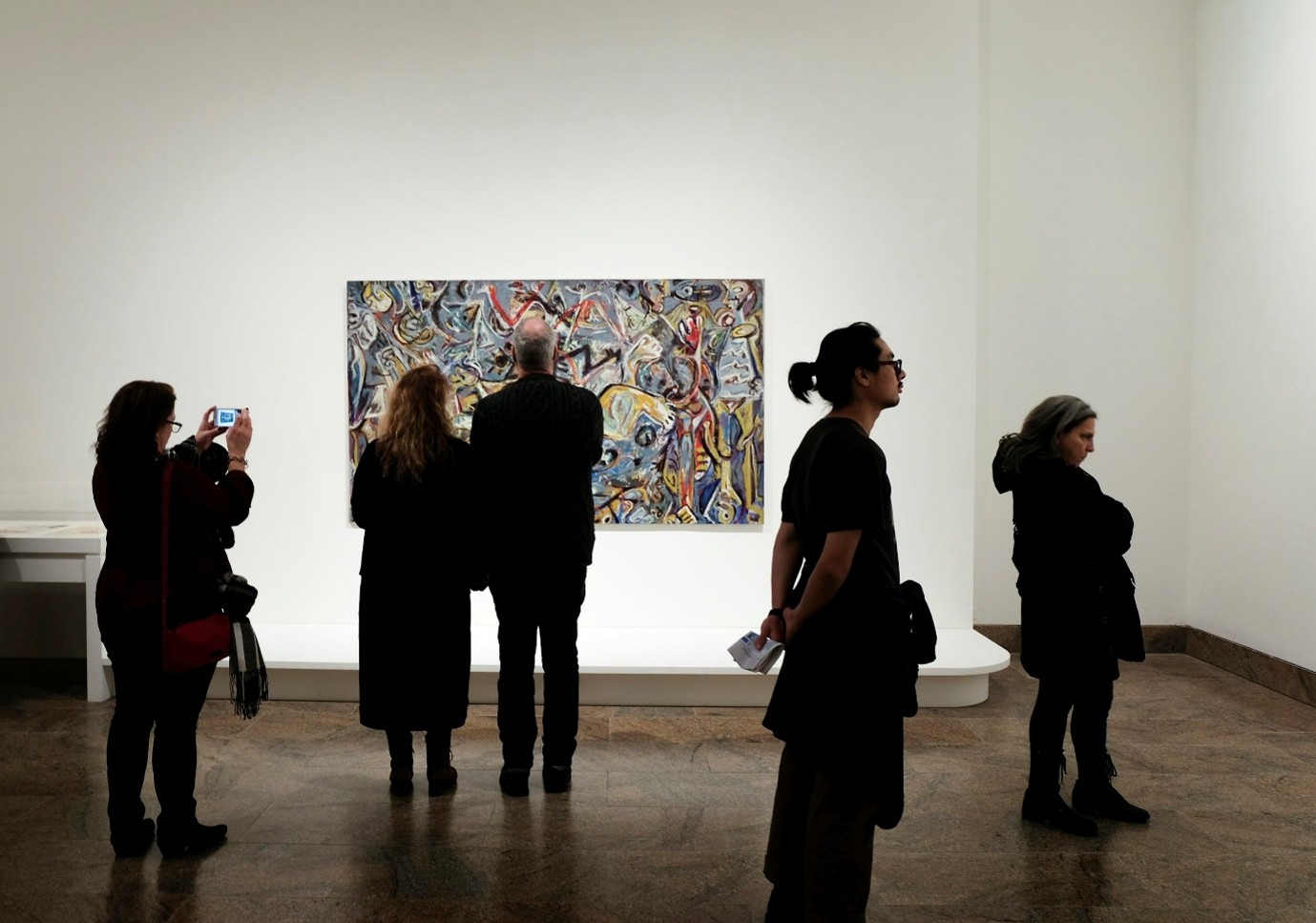
In Other Worlds
At the heart of the season is In Other Worlds, an immersive exhibition by filmmaker and speculative architect Liam Young, taking place in The Barbican. This is his first major solo exhibition and one to definitely go and visit. Through cinematic installations, soundscapes, costumes, and imagined climate futures, the exhibition explores what humanity’s next chapter could look like. Rather than dystopian collapse, Young presents radically optimistic visions rooted in real technological possibilities.
Dates: 21st May to 2026 to Sunday 6th September 2026
Tate Modern Continues Its International Focus
Across the Thames, Tate Modern is continuing its run of internationally focused exhibitions with a major retrospective dedicated to kinetic and Op artist Julio Le Parc. Renowned for his immersive investigations of movement, light, mirrors, and audience participation, Le Parc’s work invites visitors to become part of the experience rather than simply observe it. Featuring suspended installations and dynamic optical environments, the exhibition promises to be one of the summer’s most visually captivating shows.
Dates: 11th June 2026 – 3 May 2027
James McNeill Whistler at The Tate
While Tate Modern looks outward and experimental, Tate Britain is turning its attention to one of the artists who helped define London visually: James McNeill Whistler. The exhibition explores Whistler’s enduring fascination with the River Thames and the industrial landscape of nineteenth-century London, bringing together his atmospheric “Nocturnes” with etchings, portraits, and seldom-displayed works. Critics have commended the show for evoking both the dynamism and underlying melancholy of a city undergoing rapid modern transformation.
Dates: Till 27th September 2026
Rising Voices: Contemporary Art from Asia, Australia and the Pacific
A landmark collaboration between the V&A and the Queensland Art Gallery | Gallery of Modern Art (QAGOMA), Brisbane.
At the V&A this summer the standout exhibition is Rising Voices. Created in partnership with Queensland Art Gallery’s Asia Pacific Triennial, the exhibition brings together more than 70 works by artists from 25 countries, forming one of the UK’s most significant recent presentations of contemporary Asia-Pacific art. The exhibition navigates themes of politics, spirituality, colonial legacies, and material innovation with remarkable fluidity. It also signals a wider shift across London’s cultural institutions toward more global perspectives that question and expand beyond traditional Eurocentric art histories.
Dates: till 10th January 2027
Have you thought about hosting an event in an exhibition space?

Exhibitions offer far more than just a cultural experience, they create a dynamic and visually engaging setting for events that naturally attracts people in. Hosting an event within an exhibition space allows guests to immerse themselves in art, design, or storytelling while networking, socialising, or celebrating, making the occasion feel far more memorable than a traditional venue. Whether it’s a product launch, corporate gathering, private reception, or brand activation, exhibitions provide built-in atmosphere, conversation starters, and a sense of exclusivity that encourages attendance and engagement. By combining entertainment with experience, exhibition events draw audiences who are looking for something interactive, inspiring, and shareable, helping organisers create buzz both in person and across social media.
At SEVEN, we provide end-to-end support including creative development, logistics management, venue sourcing, production and on-site event delivery to ensure a seamless experience across every location. Get in touch with us to start the conversation.
Group incentive travel vs individual rewards: which works?
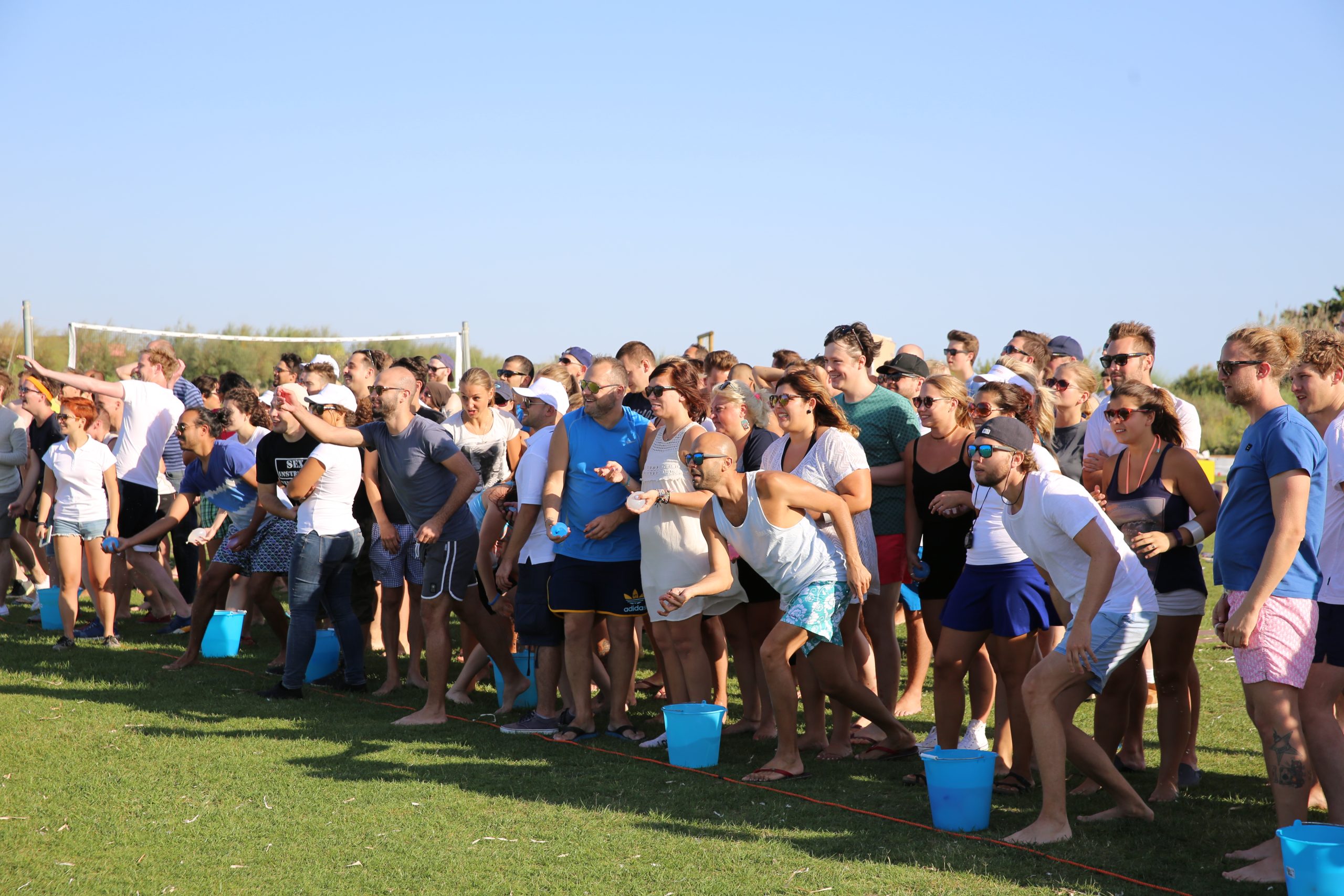
What is group incentive travel?
Group incentive travel is a shared reward experience earned through collective performance.
Rather than recognising people individually, it brings teams together in a different setting. That shift matters. People interact differently outside the workplace. Conversations are more relaxed, relationships tend to build naturally, and the experience often carries back into day-to-day work.
At SEVEN, group incentive travel is rarely treated as just a trip. It is designed as part of a wider team reward programme, where the experience reflects both the achievement and the culture of the business.
What are individual rewards?
Individual rewards focus on personal performance. They are typically tied to clear targets and delivered on a one-to-one basis.
These rewards are straightforward. You achieve something, you receive something in return. That clarity is what makes them effective, especially in environments where performance is measurable and time-sensitive.
Common formats include:
- Cash bonuses
- Gift vouchers
- Personal incentives or experiences
- Retail or lifestyle gift cards
- Extra paid leave or flexible working days
- Exclusive dining experiences or short stays
- Technology rewards, such as gadgets or work-from-home upgrades
They work well when speed and simplicity are important. Within a broader team reward programme, they often support short-term performance and individual recognition.
How do group incentive travel and individual rewards compare?
When designing a team reward programme, it helps to understand how each approach performs across key areas.
| Factor | Group incentive travel | Individual rewards |
| Engagement | High, shared experience | Moderate |
| Team dynamics | Strengthens relationships | Limited impact |
| Motivation | Builds over time | Immediate but short-term |
| Experience | Memorable and immersive | Transactional |
| Scalability | More complex to deliver | Easier to scale |
Both approaches serve a purpose. The difference lies in how long their impact tends to last and how they contribute to your overall team reward programme.
Why does group incentive travel often deliver a stronger long-term impact?
It comes down to how people experience it. Group incentive travel creates space for connection. Teams step away from routine, spend time together, and share something they would not normally organise themselves. That combination often leads to stronger alignment once they return.
There’s also a visible element. Recognition is not private. It is shared and acknowledged, which can reinforce motivation across the wider team.
At SEVEN, these experiences are shaped as part of a broader team reward programme, supported by our recognition & incentives approach to ensure they align with business objectives.
When do individual rewards make more sense?
There are situations where individual rewards are the better fit within a team reward programme. They tend to work best when performance is clearly measurable and tied to short-term outcomes. In these cases, speed and clarity matter more than shared experience.
Typical scenarios include:
- Sales-driven targets
- Time-bound campaigns
- Competitive environments
- Large teams where consistency is key
They provide immediate feedback and are easier to manage at scale, making them an essential part of many team reward programme strategies.
Which approach works best for your team reward programme?
In practice, it is rarely a strict choice between the two. Group incentive travel supports long-term engagement and team cohesion. Individual rewards help maintain momentum and recognise personal contribution.
The most effective team reward programme usually combines both. Individual incentives drive day-to-day performance, while group experiences mark bigger achievements and bring people together. The balance depends on your objectives, your team structure, and how you want recognition to be experienced.
How does SEVEN approach incentive travel and reward strategy?
At SEVEN, incentive travel is not treated as a standalone reward. It is part of a wider team reward programme, designed to support clear business outcomes.
In SEVEN’s “Celebrating sales success in Zell am See” incentive trip, the focus was on getting the balance right. The itinerary combined shared experiences with carefully planned free time, recognising that not every participant engages in the same way.

This approach allowed the programme to feel structured without being restrictive. Attendees could connect as a group while still enjoying the experience in their own way, which ultimately made the reward more meaningful.
Every element, from planning through to delivery, was designed to feel considered and well-paced rather than overly managed. This is how we approach every programme. The result is an experience that feels aligned, engaging, and valuable long after the trip itself.
You can check out more about our work here!
Closing thoughts
A strong team reward programme is not just about what you give people. It is about how that recognition is experienced. Individual rewards offer clarity and speed. Group incentive travel offers connection and a longer-lasting impact. When used together, they create a more balanced and effective strategy.
The key is understanding when each approach works best, and building your team reward programme around that. Looking to create a high-impact reward programme? Get in touch with our corporate incentive travel planners today.
FAQs
1. What is group incentive travel?
Group incentive travel is a team reward programme where employees earn a shared travel experience based on collective performance or achievements.
2. Is group incentive travel more effective than individual rewards?
It depends on the goal. Group incentive travel is more effective for long-term engagement and team cohesion, while individual rewards are better for short-term performance within a team reward programme.
3. What is a team reward programme?
A team reward programme is a structured way of recognising employee performance using incentives such as travel, bonuses, or experiences.
4. Can group incentive travel improve team performance?
Yes. It can strengthen relationships, improve collaboration, and increase motivation as part of a well-designed team reward programme.
5. When should businesses use individual rewards?
Individual rewards are most effective when performance is measurable, time-sensitive, and linked to specific targets within a broader team reward programme.
How to Measure the ROI of Your Conference?
What is Conference ROI?
Conference ROI is the total value generated from your event compared to the cost of delivering it. But this value is not limited to direct revenue.
A meaningful ROI view includes:
- Revenue influenced or generated
- Pipeline created through leads and conversations
- Audience engagement and participation quality
- Brand visibility and positioning impact
- Relationship building with key stakeholders
In practice, the most effective conferences are those where ROI is defined before the event begins, not calculated after it ends. This ensures planning decisions are aligned with measurable outcomes from the start.
Working with experienced conference organisers helps embed ROI thinking into the event structure itself, rather than treating it as a reporting exercise later.
What are the Key Ways to Measure Conference ROI?
A robust measurement approach combines behavioural, commercial, and perception-based indicators.
1. Attendance and Engagement Depth
Attendance shows reach, but engagement shows relevance.
Beyond registrations, measure:
- Session attendance vs drop-off rates
- Time spent in sessions
- Q&A participation and interaction levels
- Networking activity during the event
This helps understand whether the content actually held attention.
2. Lead Generation and Quality
Conference leads vary in value, so quality matters more than volume.
Measure:
- Number of leads captured
- Relevance of job roles and decision-making authority
- Engagement level during conversations or sessions
- Post-event follow-up response rates
This gives a clearer indication of commercial potential.
3. Revenue Influence and Pipeline Creation
Not all revenue is immediate. Conferences often influence deals that close later.
A strong ROI model tracks:
- Pipeline value created during or after the event
- Opportunities influenced by event interactions
- Conversion rates over time
This is especially important in B2B environments where decision cycles are longer.
4. Brand Awareness and Market Reach
Conferences also shape how your brand is perceived.
Measure:
- Social media mentions and engagement
- Event-related impressions and reach
- Media coverage or industry visibility
- Sentiment before and after the event
This helps understand positioning impact beyond direct business outcomes.
A professional event production services provider can help track and optimise these metrics effectively.
What are the Tools to Track Conference Performance?
Accurate measurement depends on the right systems working together.
- CRM systems for lead tracking and pipeline visibility
- Event platforms for registration and engagement data
- Feedback tools for structured audience insights
- Social analytics tools for reach and sentiment tracking
When integrated properly, these tools form a complete event measurement framework that connects engagement to outcomes.
A reliable event planner UK can integrate these tools into your event planning process.
How Incentives and Experiences Impact ROI?
Incentives and experiential elements influence ROI by changing how people engage with an event, not just how they attend it. When participants are emotionally invested, they are more likely to participate actively, retain key messages, and follow through after the event.
This is where Return on Experience (ROE) becomes equally important. While ROI measures tangible business outcomes, ROE focuses on the quality of the participant experience — how attendees feel, connect, and respond during and after the event. A strong ROE often drives stronger ROI because meaningful experiences create deeper engagement, stronger brand affinity, and more lasting behavioural change.
For example, well-designed employee appreciation activities don’t just improve satisfaction in the moment; they strengthen motivation, create a sense of belonging, and increase the likelihood of sustained performance and engagement afterwards. By measuring both ROI and ROE, organisations can better understand not only the financial impact of an event, but also the emotional and behavioural outcomes that contribute to long-term success.
How Conference Design Impacts ROI?
ROI is influenced long before the event begins. Every design decision affects how people experience and engage with the conference.
Venue choice, agenda structure, speaker flow, and audience journey all contribute to outcomes. A poorly structured agenda can reduce engagement even if the content is strong, while a well-designed flow can significantly improve retention and interaction.
For a deeper planning approach, see how to organise a corporate conference in London.
What are the Common Mistakes When Measuring ROI?
Many organisations still under-measure conferences by focusing only on surface-level data.
Common issues include:
- Over-reliance on attendance numbers
- Ignoring long-term pipeline impact
- Lack of clearly defined KPIs before the event
- Fragmented data across multiple tools
Without structure, it becomes difficult to understand what actually worked and why.
Why Work with an Events Management Agency?
A strong events management agency does more than deliver an event. It aligns strategy, content, logistics, and measurement so everything works towards the same outcome. This becomes especially important when the goal is not just execution, but measurable impact.
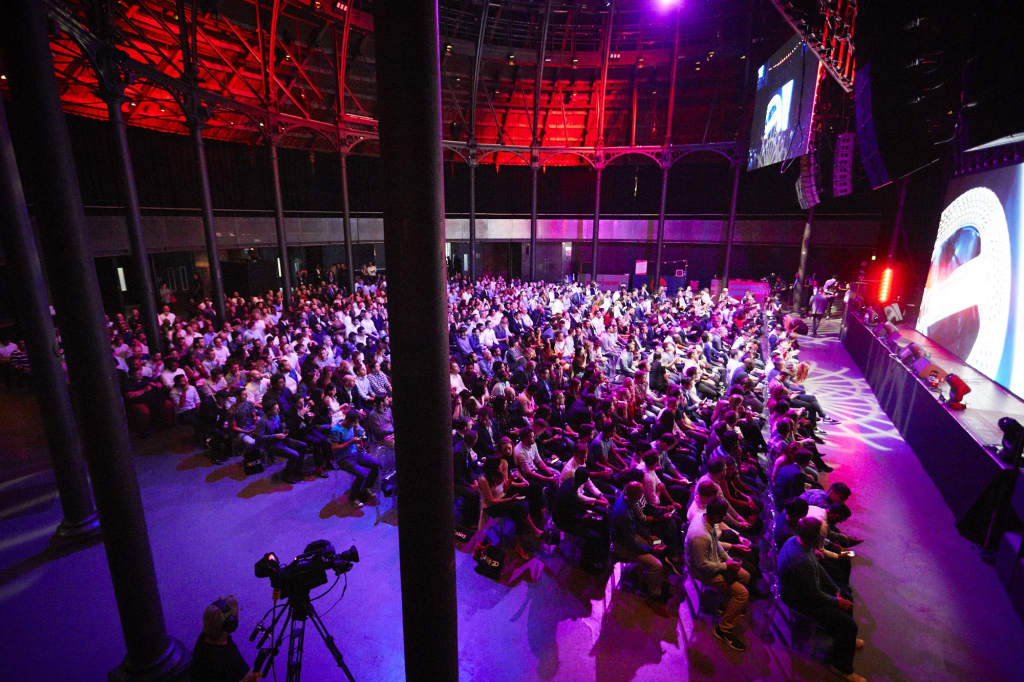
The event combined a structured conference with a high-impact evening transformation. A custom stage design and large-scale LED production supported clear communication during the day, while the space was later reimagined into a live celebration with performances and immersive production.
The strength of the event came from how seamlessly content, experience, and delivery worked together. It ensured both strategic alignment and strong engagement in one cohesive experience.
This is where the right agency adds value by ensuring every element contributes to the same goal, rather than working in isolation.
Bottom Line
Conference ROI is not a single metric; it is a combination of engagement, influence, and commercial impact. The real value comes from understanding how these elements connect over time.
A structured event measurement framework ensures conferences are not just delivered, but continuously improved. When planning, experience, and measurement are aligned, conferences become powerful tools for both communication and business growth.
Looking to improve your next event? Connect with expert conference and event organiser services today.
FAQs
1. What is conference ROI in simple terms?
Conference ROI is the overall value gained from a conference compared to its cost. It includes financial returns, engagement, and long-term business influence rather than just immediate sales.
2. Why is a measurement framework important for events?
Because conference outcomes are spread across multiple touchpoints and timelines, a structured framework ensures all impact – short-term and long-term – is captured and understood clearly.
3. What is the best way to measure conference success?
The most reliable approach combines engagement data, lead quality, pipeline influence, brand visibility, and attendee feedback rather than relying on a single metric like attendance.
The Difference Between Event Planning and Event Strategy?

Many organisations spend months preparing for corporate events. Venues are booked in advance, speakers are confirmed, and schedules are carefully set up. At first glance, everything appears to be in order. But once the event ends, an important question often remains. Did the event end up delivering any real value for the business? Did the event actually achieve anything meaningful for the client? This is where the distinction between planning and event strategy becomes clear. Planning ensures the event runs smoothly. Event strategy focuses on the purpose of the event and the goals it aims to accomplish. When both work together, events begin to fulfil a much bigger purpose. They assist organisations in building stronger relationships, conveying ideas effectively, and developing experiences that align with genuine business objectives.
What is event planning in corporate events?
Event planning focuses on the practical organisation of an event. Without it, even the best ideas might fail. Technical difficulties, delays, or poor coordination can quickly affect the experience of guests.
An event planner’s duties usually involve:
• Booking venues
• Coordinating with suppliers such as catering and audiovisual teams
• Managing budgets and schedules
• Organising registration and guest communication
• Ensuring everything runs smoothly on the day
Good planning is essential. Event planning makes sure that all details are arranged properly, allowing guests to concentrate on the experience itself instead of the underlying arrangements.
What is event strategy?
While event strategy concentrates on purpose, planning concentrates on logistics. Long before venues are reserved or timetables are made, event planning is developed. It entails knowing why the event is being planned and what the company wants to accomplish.
Important questions to be asked at this stage:
• Who should attend the event?
• What message should attendees take away?
• After the event, what should be done?
For example, a company might organise an event to generate new business opportunities, while another might wish to improve relationships with existing clients. For example, at SEVEN, our expert professionals can help plan and curate a leadership conference in such a way that the end goal of exchanging ideas and boosting employee morale is achieved efficiently
When a clear event strategy is decided from the start, it becomes easier to make the right decisions during the planning stage. Each step then supports the overall direction of the event.
Why does event strategy matter for business events?
Planning makes sure that the event runs smoothly. Event strategy ensures the event actually delivers results. When organisations focus only on logistics, they risk creating events that are well organised but forgettable. Guests attend, presentations happen, and the day ends without creating a lasting connection.
Events designed around a clear event strategy feel very different. The content speaks directly to the audience. Conversations feel more relevant. Networking becomes more meaningful. A clear event strategy helps teams define how the event will build client relationships and support business goals.
Event Planning vs Event Strategy: What’s the Difference?
Let’s understand the difference between the two:
| Event planning | Event strategy |
| Focuses on logistics such as venues, suppliers, and schedules | Focuses on the business goals behind the event |
| Ensures the event runs smoothly on the day | Ensures the event delivers measurable outcomes |
| Defines the audience, messaging, and overall experience | Defines the audience, messaging and overall experience |
| Concerned with execution and coordination | Concerned with long term engagement and business value |
| Measures success through smooth delivery | Measures success through leads generated, relationships strengthened, or goals achieved |
Both elements are very crucial as planning keeps the event organised, and a strong event strategy ensures the event supports wider business objectives.
How does SEVEN approach event strategy?
At SEVEN, every successful event begins with a clear event strategy.
Before planning starts, we take time to understand the organisation’s goals, audience, and the message they want their event to deliver. Having this clarity early on helps guide every decision that follows. Once that direction is set, our team takes care of the planning and delivery from beginning to end. Be it a conference, a leadership gathering, incentive travel, or a hybrid event, each element is designed to support meaningful outcomes.
To learn more about how we help organisations with event planning and strategy, visit our services page https://sevenevents.co.uk/our-services/
Work with SEVEN
Event planning and event strategy may sound similar, but they serve very different purposes when it comes to successful corporate events. Planning mainly focuses on the practical side of things, organising the logistics so the event runs smoothly. Whereas Strategy focuses on why the event exists and what it should achieve.
When organisations bring these two elements together, events become more than just well-organised gatherings – get in touch to turn them into experiences that build relationships, communicate ideas more clearly, and support real business outcomes.
FAQs
1. What is the difference between event planning and event strategy?
Event planning focuses on logistics, while event strategy defines the purpose, goals, and desired outcomes of the event.
2. Why is event strategy important for corporate events?
Event strategy ensures the event aligns with business goals, drives engagement, and delivers measurable results.
3. What does an event planner do?
An event planner manages logistics like venues, suppliers, schedules, and on-the-day coordination.
4. How does event strategy improve event ROI?
A clear strategy targets the right audience, aligns messaging, and helps generate leads, engagement, and long-term value.
5. Can an event succeed without a strategy?
An event may run smoothly without a strategy, but it is unlikely to deliver meaningful business outcomes or lasting impact.
Events as a Demand Generation Channel: A Modern B2B Strategy
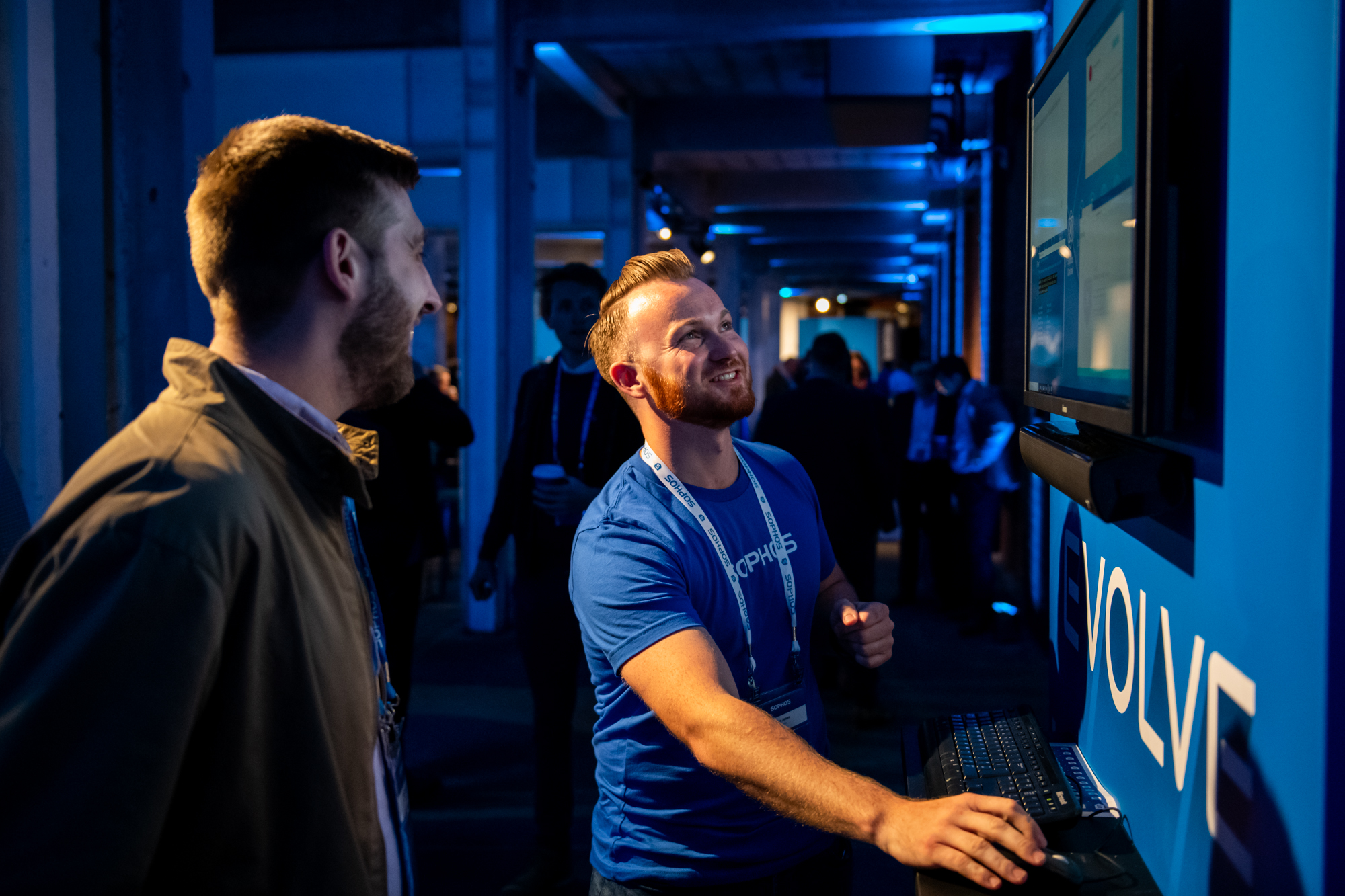
Imagine yourself walking into a room full of energy, industry pros everywhere, workshops that pull you in, and talks you actually want to hear. People aren’t just trading business cards; every chat, every demo, and every panel gets you thinking and pushes you to do something about it. These days, if you’re in B2B, you can’t treat events as an afterthought. They’re a must-have for sparking demand, building real relationships, and showing people your brand means business.
Companies lean on these events and conferences more than ever. They’re where you actually connect with prospects, guide them through their decision-making, and move them closer to working with you. So, what makes these events actually work? Let’s explore how to make them count, keep people engaged, and see how SEVEN helps businesses turn all that activity into potential demand generation leads.
Why Do B2B Companies Use Events as Demand Generation Tools?
Simple events are real. They give people a chance to actually meet your team, check out your products, and get a sense of what your brand’s about, all in person. It’s nothing like just running ads or sending emails. You’re not just pitching; you’re talking with people, answering questions as they come up, understanding what really matters to them, and highlighting why you are the right fit.
And this strategy works. The latest 2025 data says over 80% of B2B marketers count live events as a core piece of their strategy. Even better, 68% say they get higher-quality leads from events than anywhere else. Demand gen conferences and events let you connect with people, prove your worth, and have the kinds of real conversations that just don’t happen online. When you’re running the show, you control the space and the story. That kind of hands-on connection? You can’t really beat it.
Core Strategies for Effective Demand Generation Events
1. Start with clear event objectives:
Every successful event begins with a central cause. Do you want to attract new leads, strengthen relationships with your clients, or maybe share something valuable with your audience? Once you know what exactly you want, planning becomes easy. Every component of your event begins to cooperate to advance your company.
2. Understand who your audience is:
Divide your audience into groups according to their occupations, fields of expertise, and genuine concerns. People pay closer attention and have much better conversations when you centre your events and material around these groups.
3. Create experiences that encourage participation:
People are much more attentive when they are not just sitting and listening. Using workshops, small group conversations, or hands-on demonstrations, explain complex ideas while letting people engage with one another.
4. Expand reach with hybrid participation:
Events that are partially in-person and partially online allow more people to participate from anywhere. Recent research shows that hybrid participation increases attendance by up to 35% compared to in-person-only events.
5. Use event data to strengthen lead generation:
By keeping track of attendee information at every stage, from registration, workshops, and follow-ups. This helps your team identify hot leads, understand different audience segments, and then build up communication that actually resonates with the event. This ensures that your efforts deliver measurable outcomes.
Closing Thoughts
Demand generation events are no longer just an extra today; they are a vital part of any B2B marketing strategy. Whether through immersive experiences or hybrid formats, well-planned events inform, inspire, and motivate your audience to take action.
Working with a seasoned corporate event agency helps organisations get the most from every event, strengthening relationships, boosting ROI, and creating experiences that leave a lasting impression.
Events are more than gatherings; they’re chances to connect, engage, and influence. With SEVEN supporting your planning, each interaction is carefully crafted to deliver meaningful outcomes.
If you’re ready to see how demand generation events can support your business goals, reach out to SEVEN at hello@sevenevents.co.uk and start planning an event that truly makes a difference.
FAQs
1. What are demand generation events in B2B marketing?
Demand generation events are strategic experiences like conferences, workshops, or webinars designed to attract prospects, build relationships, and generate high-quality leads.
2. Why are events effective for B2B lead generation?
Events enable real-time interaction, helping businesses build trust, demonstrate value, and engage prospects more effectively than digital-only channels.
3. How can hybrid events improve demand generation results?
Hybrid events combine in-person and virtual formats, increasing reach, boosting attendance, and engaging a wider audience across locations.
4. What strategies make a demand generation event successful?
Clear objectives, audience targeting, interactive formats, and data tracking are key to maximising engagement and generating qualified leads.
5. How do you measure ROI from demand generation events?
ROI is measured through metrics like lead quality, attendee engagement, conversion rates, and post-event follow-up performance.
What Are The Benefits of Event Technology?

1. Technology Improves Efficiency Across Every Stage of Planning
Event technology improves efficiency by reducing manual work, simplifying communication, speeding up processes, and keeping everything organised in one place.
Planning an event involves many moving parts. Registration, communication, scheduling, logistics, and reporting all need attention. Technology brings these elements together through central platforms. Digital registration systems reduce errors and save time. Automated emails keep attendees informed without constant manual input. QR-based check-ins reduce queues and improve first impressions.
For businesses running multiple events each year, this level of organisation saves both time and resources. Teams can focus on delivering quality experiences rather than managing repetitive tasks.
2. Event Technology Strengthens Attendee Engagement and Participation
Technology increases engagement through interactive tools, personalised experiences, smart networking features, and real-time communication. Modern audiences expect to participate. Passive attendance no longer holds attention, especially at tech conferences where innovation is expected.
Interactive tools such as live polling, Q&A sessions, feedback forms, and gamification features keep audiences involved. Attendees feel included rather than observing from the sidelines. This is where tech-driven event engagement becomes valuable. It focuses on using digital tools to create meaningful interaction. For example, event apps can suggest sessions based on attendee interests. Networking platforms can match participants with similar goals.
3. Technology Improves the Experience at Tech Conferences
Proper tech improves tech conferences by supporting smooth operations, enabling hybrid access, strengthening networking, and improving session delivery. Tech conferences set a high standard. Attendees expect well-managed schedules, fast access to information, and seamless digital experiences.
Event apps provide instant access to agendas, speaker details, and updates. Live streaming allows remote participation. Hybrid formats make events more accessible. Networking tools powered by AI connect attendees based on shared interests. This increases the value of each conversation.
For organisers, technology also simplifies speaker management, presentation control, and session tracking. The result is a more organised and professional event.
4. Event Technology Provides Data for Smarter Decisions
The right technology provides useful data through attendee insights, engagement tracking, session performance metrics, and real-time feedback.
Data plays a major role in improving events. Organisers can see which sessions attract attention, how attendees interact, and where improvements are needed. This is where AI in event planning becomes relevant. AI tools analyse patterns and predict behaviour. They help organisers adjust schedules, improve content, and personalise experiences. For example, if a session shows low engagement, organisers can respond quickly. If networking activity is high, future events can expand those opportunities.
5. Technology Reduces Costs While Improving Event Quality
Event technology reduces costs by lowering printing expenses, improving resource allocation, reducing staffing needs, and increasing return on investment. Traditional events often involve high costs for printing, staffing, and logistics. Digital agendas remove the need for printed materials. Automated systems reduce the need for large administrative teams. Data insights help allocate budgets more effectively.
6. Technology Supports Sustainable Event Practices
Event technology supports sustainability through paperless solutions, reduced travel needs, efficient resource use, and environmentally responsible planning. Sustainability matters more than ever. Businesses aim to reduce their environmental impact. It also helps by replacing printed materials with digital alternatives. Hybrid events reduce travel requirements. Efficient planning reduces waste.
These practices align with corporate responsibility goals and improve brand perception among environmentally aware audiences.
7. Technology Expands Reach Through Hybrid and Virtual Formats
Event technology expands reach by enabling remote participation, increasing accessibility, extending content lifespan, and attracting wider audiences.
Hybrid events combine in-person and virtual experiences. This allows more people to attend without travel limitations. Virtual access is especially useful for tech conferences where global participation adds value. Recorded sessions allow attendees to revisit content later.
8. Event Technology Strengthens Brand Image and Professionalism
The right kind of technology strengthens brand image through smooth execution, consistent communication, personalised experiences, and high-quality delivery. First impressions matter. A well-organised event reflects positively on a brand.
Fast check-ins, clear communication, and engaging sessions create a strong experience for attendees. Personalisation makes participants feel valued.
9. Businesses Benefit from Corporate Conference Planning Specialists
Working with corporate conference planning specialists provides expert guidance, reliable execution, tailored strategies, and better use of event technology.
Planning complex events requires experience. Specialists understand how to integrate technology effectively. They manage logistics, coordinate suppliers, and handle technical challenges. This reduces risk and improves outcomes. For businesses hosting tech conferences or large corporate events, expert support makes a clear difference.
Why Work with SEVEN for Technology-Driven Event Success?
SEVEN delivers strong results through experience, creativity, technical expertise, reliable planning, and a clear understanding of UK business needs. The team combines strategic thinking with practical execution. They understand how to use technology to create meaningful experiences. From planning to delivery, we focus on quality, precision, and measurable outcomes. Their approach ensures that each event meets its objectives while exceeding expectations.
For businesses seeking impactful events, partnering with a trusted agency provides confidence and clarity.
Closing Thoughts
Event technology improves efficiency, engagement, data visibility, sustainability, and overall event quality. These benefits make it a valuable investment for modern businesses across the UK.
From small corporate meetings to large tech conferences, the role of technology continues to grow. Businesses that adopt it gain a clear advantage.
Working with experienced professionals like SEVEN ensures that technology is used effectively – get in touch to create an event that delivers value for organisers and attendees alike.
FAQs
1. How secure is event technology for handling attendee data?
Most technology platforms follow strict GDPR standards in the UK. They use encrypted systems, secure storage, and controlled access to protect attendee information at every stage.
2. Can small businesses benefit from event technology?
Yes, many technological tools are flexible and budget-friendly. Small businesses can start with basic features such as registration systems, event apps, and email automation, then scale as needed.
3. What types of events benefit most from technology?
Corporate meetings, exhibitions, product launches, training sessions, networking events, and tech conferences all benefit. Any event that requires organisation, engagement, and data tracking can improve with the right tools.
4. How long does it take to implement event technology?
Implementation time depends on the size, scope, level of customisation, number of attendees, and technical requirements of the event. Smaller events can be set up quickly, while larger ones need more planning.
5. Is training required to use technology platforms?
Most platforms are designed to be easy to use with simple dashboards and guides. Event agencies or providers often offer onboarding support, tutorials, and live assistance when required.