


Category: Events
What is an Event Agency and What Do They Do?
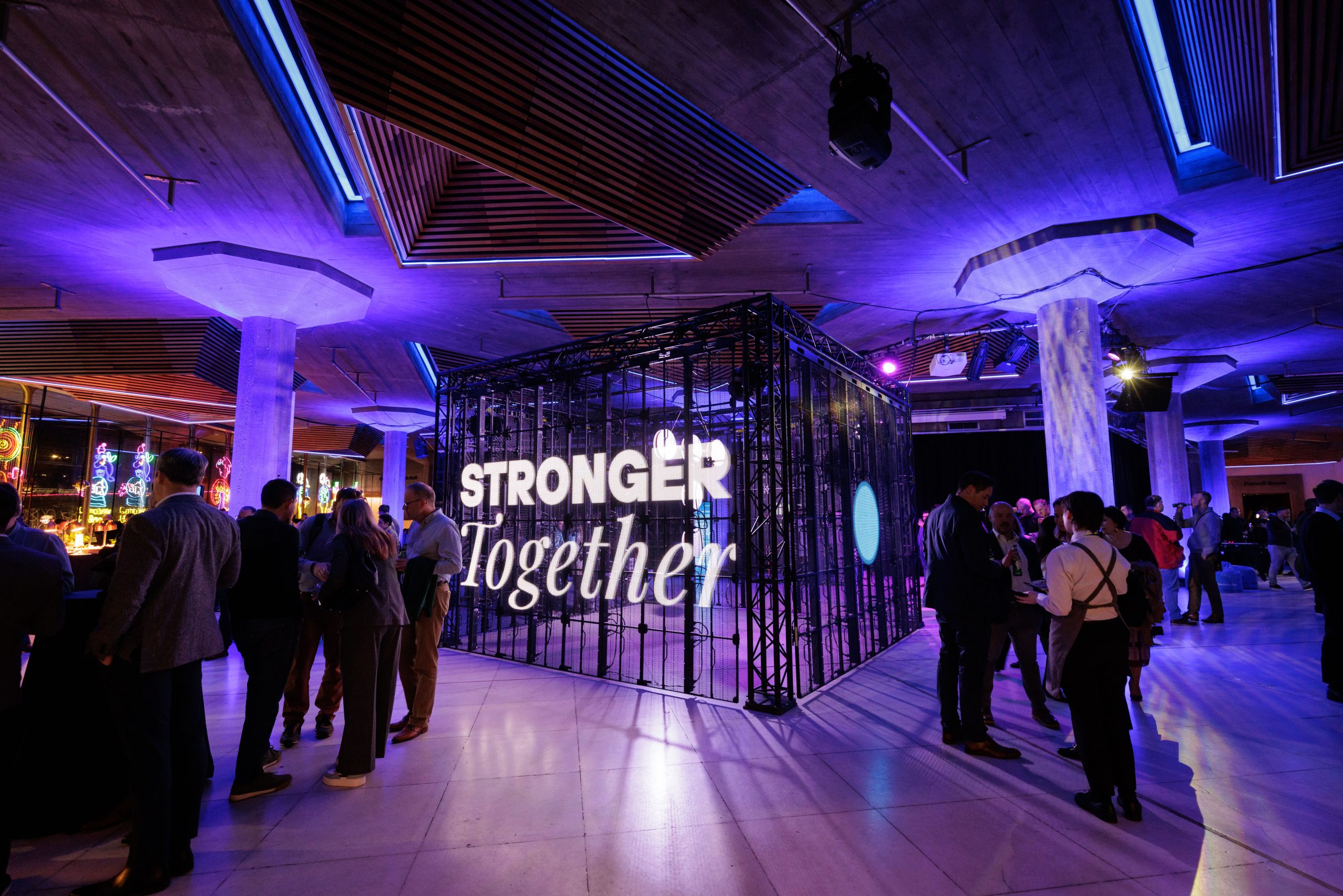
An Event Agency Like SEVEN
An event agency like SEVEN manages the planning, coordination, and execution of corporate events from concept to completion.
#1 Event Strategy and Concept Development
A corporate event agency develops the event strategy, theme, and structure.
Before any logistical planning begins, the agency works with the client to shape the event concept. This stage defines the purpose, format, audience, and key messages of the event.
The strategy stage may include:
- Event objectives and success measures.
- Audience profile and guest experience planning.
- Event themes and creative concepts.
- Programme structure and schedule.
#2 Venue Sourcing and Location Management
An event agency in London, we helps businesses find venues that suit their event format and audience.
Venue selection plays a major role in event success. The right venue must match the event size, style, location preferences, and technical requirements. An experienced agency evaluates several factors when recommending venues:
- Capacity and layout options.
- Accessibility and transport connections.
- Technical facilities and staging capacity.
- Guest experience and atmosphere.
#3 Event Logistics and Supplier Coordination
An event management company like SEVEN coordinates the suppliers and logistics required for a successful event.
Events involve many operational components. These may include catering, staging, lighting, sound systems, digital registration, security, transport, and entertainment.
A professional agency manages communication with all suppliers while maintaining a detailed event schedule. Typical logistics management includes:
- Production planning and technical setup.
- Catering and hospitality coordination.
- Entertainment and speaker arrangements.
- Supplier scheduling and communication.
#4 Event Technology and Hybrid Experiences
An event management agency helps businesses deliver technology-driven experiences, including hybrid events. Technology now plays an important role in corporate events. Many organisations host hybrid events, which combine physical attendance with online participation.
A knowledgeable corporate event agency supports companies with technology such as:
- Event registration platforms.
- Live streaming and broadcast production.
- Audience interaction tools.
- Virtual participation features.
#5 On-Site Event Management
The event day requires careful coordination. Timelines must be followed, suppliers must arrive on schedule, technical equipment must operate correctly, and guests must receive support.
An experienced agency manages these responsibilities with an on-site team that supervises every stage of the event. On-site event management usually includes:
- Guest check-in and registration support.
- Speaker and entertainment coordination.
- Production and technical supervision.
- Schedule control and issue resolution.
Why Businesses Work With an Event Agency?
Businesses work with an event agency to plan events efficiently while achieving clear business goals. A professional event agency in the UK can help companies organise corporate events with expert planning, supplier coordination, and reliable event delivery.
#1 Strategic Event Planning for Business Goals
An agency like SEVEN helps businesses plan events that support clear objectives such as brand awareness, employee engagement, networking, and client relationships.
Events work best when they serve a clear purpose. A professional event agency in the UK markets begins by understanding the client’s goals, audience, timeline, and budget. The agency then builds a structured plan that supports those objectives.
An experienced event planning agency typically helps with:
- Defining event goals and success measures.
- Developing an event concept and structure.
- Identifying the right audience and guest profile.
- Planning the schedule, format, and content.
#2 Access to Industry Knowledge and Supplier Networks
A professional event management agency connects businesses with trusted venues, suppliers, and event specialists. Planning an event requires coordination with multiple suppliers. These can include venue teams, catering companies, audiovisual technicians, entertainment providers, staging specialists, and décor suppliers.
An experienced agency already works with many of these professionals. This network saves time, reduces risk, and helps maintain quality. For example, companies planning events in the capital often choose an event agency in London because the agency already knows:
- Well-regarded corporate venues.
- Reliable production teams.
- Experienced catering providers.
- Professional entertainment suppliers.
#3 Professional Event Design and Guest Experience
A corporate event agency creates engaging event experiences that reflect the company’s brand and message.
A professional agency focuses on the overall guest experience. This includes the event theme, visual identity, stage design, lighting, entertainment, and audience interaction. For example, a corporate event agency may help businesses with:
- Event branding and visual design.
- Stage layout and production planning.
- Guest journey planning and engagement.
- Entertainment and interactive experiences.
#4 Efficient Budget Management
Events involve multiple cost areas such as venue hire, catering, production equipment, design, entertainment, staffing, and technical services. Without careful planning, costs can quickly rise.
A professional agency helps businesses allocate budgets wisely. Agencies often negotiate supplier rates, manage contracts, track spending, and provide clear financial reporting.
An established event agency in the UK markets usually supports clients with:
- Budget planning and cost estimates.
- Supplier negotiations and contract management.
- Expense tracking and financial transparency.
- Value-driven event planning decisions.
#5 Stress-Free Event Delivery
Event planning involves many operational tasks. These include supplier coordination, timeline management, venue preparation, guest registration, technical testing, and on-site supervision. An experienced agency handles these responsibilities from start to finish. On the event day, the agency coordinates suppliers, manages schedules, oversees technical production, and resolves issues quickly.
Businesses that partner with a corporate event agency gain support with:
- Event timelines and planning schedules.
- Vendor coordination and supplier management.
- Guest registration and attendee communication.
- On-site event supervision and troubleshooting.
How to Choose the Right Event Agency in the UK?
Businesses should look for experience, reliability, creativity, and strong planning skills. Choosing the right event agency helps companies avoid planning problems and achieve strong event outcomes.
A reliable corporate event agency usually demonstrates:
- Proven experience with corporate events
- Clear planning processes and communication
- Strong supplier networks and venue knowledge
Questions Businesses Should Ask Before Hiring
Before choosing an event agency, companies should ask several practical questions.
These may include:
- What types of corporate events have you organised before?
- Which venues and suppliers do you usually work with?
- How do you manage event budgets and planning schedules?
- How does your event management company support clients on event day?
Closing Thoughts
A professional event agency like SEVEN helps businesses plan, organise, and deliver successful events with confidence.
Businesses that work with an experienced event agency in the UK markets gain access to industry expertise, trusted suppliers, creative planning, and professional delivery. Companies hosting events in the capital often benefit from partnering with an event agency in London that understands the city’s venues and event infrastructure.
With the right agency partner, corporate events can strengthen relationships, communicate brand messages clearly, and create memorable experiences for every guest.
Looking for a reputable event agency to help plan your next experience get in touch with SEVEN today.
FAQs
What types of events does an Event Agency organise?
An agency like SEVEN can organise conferences, product launches, awards ceremonies, networking events, company celebrations, leadership meetings, training sessions, incentive travel and large corporate gatherings.
How far in advance should you hire an event agency?
Many companies contact an event agency in the UK markets three to twelve months before the event. Larger conferences and complex hybrid events may require longer preparation.
Do event agencies manage hybrid events?
Yes. Many agencies now specialise in hybrid events, which combine physical attendance, virtual participation, live streaming, audience interaction tools, and online engagement platforms.
What is the difference between an event planner and an Event Agency?
An individual planner may manage a limited part of the event. An Event Agency usually provides a full team, supplier networks, production support, planning expertise, and operational management.
How much does it cost to hire a corporate event agency in the UK?
Costs vary based on event size, venue, technical requirements, guest numbers, and services provided. A professional corporate event agency like SEVEN offers customised proposals and outline budget based on the event scope.
Event Marketing Made Simple: A Step-by-Step Guide

In this step-by-step event marketing guide, we break down how to plan, promote, and maximise your event’s impact.
Step 1: Start with your “Why”
The most successful marketing campaigns don’t start with a social media post; they start with a purpose. Before you dive into the logistics, you must define what success looks like for your brand. Are you looking to launch a revolutionary product, reward your top 10% of performers, or perhaps reposition your company culture in a competitive market?
At SEVEN, we encourage our clients to set “Human-Centric” goals. While data is vital, the emotional objective of the journey is what stays with people. When we act as your corporate conference planner, we ensure that every marketing touchpoint aligns with this core message, creating a seamless narrative from the very first invite.
Step 2: Know your audience like a friend
Personalisation is the heartbeat of 2026. To market effectively, you need to understand the people behind the registration forms. What keeps them up at night? What inspires them to go the extra mile?
Just as we designed bespoke, multi-track itineraries for our projects in Porto to satisfy both adrenaline-seekers and culture-lovers, your marketing should speak to the individual. Use data to segment your audience and deliver content that feels like it was written just for them. When people feel seen, they are far more likely to engage.

Step 3: Develop a strong value proposition
Visitors would require a purpose to devote themselves.
Communicate:
- What is different about this event?
- What will be the practical value to the attendants?
- Why is attendance emergent or restricted?
Powerful positioning makes your event stand out among thousands of competing choices.
As an experienced event planning company, we ensure every event we deliver has a clearly articulated value proposition that marketing teams can amplify.
Step 4: Develop a multi-channel marketing strategy
An effective campaign incorporates various touchpoints.
Combine:
- Email marketing
- Social media promotion
- Paid advertising
- Partner amplification
- Direct outreach
Uniformity of channels adds to credibility. The single message enhances brand recognition and conversion.
An experienced event marketing agency helps align these channels into a cohesive strategy rather than fragmented efforts.
Step 5: Use content to build anticipation
The content will generate engagement even before the event takes place.
Effective tactics include:
- Speaker spotlights
- Behind-the-scenes previews
- Countdown campaigns
- Video teasers
- Thought-leadership snippets
This is a strategy that makes the event relevant and seen in the long run.
Step 6: Maximise registration and conversion
Marketing success relies on ease of use. Ensure:
- Registration pages are straightforward and to the point.
- There is strong call-to-action messaging.
- There is seamless mobile optimisation.
- Confirmations enhance excitement.
Easy registration improves attendance and enhances the perception of professionalism.
Step 7: Interact with attendees in advance
Event marketing doesn’t stop at registration.
Pre-event engagement instils loyalty with:
- Agenda updates
- Interactive polls
- Pre-event networking tools
- Reminder communications
It is an engagement that lowers no-shows and boosts expectations.
Step 8: Make an impact at the event
Live marketing has a larger reach than the physical attendees.
Encourage:
- Real-time social sharing
- Branded hashtags
- Live-stream highlights
- Post-session quotes
A skilled corporate conference planner understands how to build marketing moments into the event programme itself.
Step 9: maximise the impact after the event
The most overlooked part of any event marketing guide is post-event promotion.
Continue momentum with:
- On-demand content
- Post-event highlight reels
- Thank-you emails
- Feedback surveys
- Follow-up offers
The post-event communication maximises ROI and enhances long-term relationships.
How SEVEN supports event marketing success
At SEVEN, we approach events holistically. We combine creative design, operational excellence, and strategic marketing support to ensure every event achieves its purpose.
Whether acting as a full-service event marketing agency or partnering with internal marketing teams, we ensure campaigns align with objectives and resonate with audiences.
From leadership conferences to product launches and large-scale summits, we design experiences that are not only memorable but also marketable.
Why strong event marketing drives business results
When executed correctly, event marketing:
- Increases qualified attendance
- Strengthens brand positioning
- Generates measurable leads
- Enhances stakeholder engagement
- Improves event ROI
Marketing transforms events from logistical exercises into strategic growth drivers.
Ready to market your next event effectively?
If you’re planning an upcoming event and want to ensure it attracts the right audience and delivers meaningful results, we’d love to help.
Get in touch with SEVEN at hello@sevenevents.co.uk, and let’s build an event marketing strategy that truly performs.
FAQs
What is event marketing?
Event marketing is the strategic promotion of an event to attract the right audience, increase registrations, and maximise engagement before, during, and after the event. Planning your next event? Speak to SEVEN about building a results-driven marketing strategy.
2. What channels should be used for event promotion?
An effective event marketing campaign typically includes email marketing, social media promotion, paid advertising, partner amplification, and direct outreach to target audiences. Let our experts design a multi-channel strategy tailored to your audience.
3. How can you increase event registrations?
Optimise your registration page with clear messaging, strong calls-to-action, mobile responsiveness, and seamless user experience. Early engagement and reminders also reduce drop-offs.
4. How can event marketing continue after the event ends?
Post-event marketing includes sharing on-demand content, highlight reels, thank-you emails, surveys, and follow-up offers to extend engagement and maximise ROI.
5. What makes event marketing different in 2026?
Modern event marketing focuses on personalisation, audience segmentation, and human-centric storytelling supported by data-driven insights and integrated technology.
10 Event Planning Tips for Both Large and Small Corporate Events

1. Define Clear Objectives Before You Begin Corporate Event Planning
Every effective event planning process starts with clarity. What should the event achieve? Revenue growth, staff engagement, client retention or brand positioning?
Without defined objectives, decisions become reactive. Budget allocation, venue selection and content direction all depend on purpose.
Strong corporate event management tips always begin with a written brief covering:
- Event goals
- Target audience
- Budget parameters
- Key messages
- Success measures
2. Build a Realistic Budget for Successful Corporate Event Planning
Budget planning determines what is possible. It also prevents unwelcome surprises. Break your budget into categories:
- Venue hire
- Catering
- Audiovisual production
- Entertainment
- Staffing
- Branding
- Contingency
These structured financial decisions form part of practical corporate event tips for businesses of every size.
For large conferences, production and staging often require significant investment. For smaller networking events, catering and venue hire usually represent the highest spend.
A contingency allowance of around ten per cent protects your budget against unexpected costs such as transport disruption or last-minute technical requirements. A trusted event planning company will advise on realistic projections based on experience across the market.
3. Choose the Right Venue as Part of Strategic Corporate Event Planning
Venue selection influences atmosphere, guest comfort and brand perception. It must align with the purpose of your event.
Leadership meetings benefit from private dining rooms or boutique hotels. Industry conferences require venues with strong technical infrastructure and flexible layouts.
When reviewing options, weigh:
- Capacity and layout flexibility
- Accessibility via rail or underground
- In-house technical capabilities
- Catering quality
- Sustainability policies
Accessibility and sustainability now shape many corporate event management tips. Businesses increasingly request environmentally responsible venues and inclusive design.
Visiting the venue before confirming your booking gives clarity and prevents layout surprises on the day.
4. Create an Engaging Agenda Using Corporate Event Management Tips
A well-designed programme keeps attention high and reinforces key messages.
Shorter speaker sessions often hold attention better than extended presentations. Moderated discussions and live audience participation create energy. When planning your agenda, consider:
- Professional hosts
- Panel discussions
- Audience polling
- Branded visuals
- Structured networking sessions
5. Develop a Detailed Timeline for Smooth Corporate Event Planning
Strong corporate event planning tips always include timeline management. Without structured planning, tasks drift, and pressure builds close to the event date.
Create a master schedule that includes:
- Supplier booking deadlines.
- Design approvals.
- Guest communication milestones.
- Rehearsal timings.
- Set up and breakdown schedules.
For large-scale event planning, production rehearsals are necessary. Speakers, lighting cues and audiovisual transitions must be tested in advance.
An experienced event planning company will coordinate these moving parts so internal teams can focus on strategy and guests.
6. Communicate Clearly with Your Event Planning Company and Suppliers
Events succeed through collaboration. Clear communication prevents confusion and delays.
Provide written briefs to caterers, production teams, entertainers and venue managers. Confirm arrival times, dietary requirements and technical specifications well before the event date.
Communication sits at the centre of effective corporate event management tips. When every supplier understands the objective, delivery improves.
Appointing a single decision maker within your organisation reduces crossed messages and accelerates approvals. This approach strengthens your overall event planning process.
7. Prioritise Guest Experience Across Every Stage of Corporate Event Planning
Guest experience shapes reputation. From the first invitation to the final farewell, each interaction matters. Consider:
- Registration efficiency
- Clear signage
- Welcoming reception teams
- Comfortable seating
- Quality catering
For smaller events, personal touches such as handwritten place cards can create warmth. For large conferences, structured networking areas and branded installations create memorable moments.
These details represent practical corporate event tips that leave a lasting impression.
8. Manage Risk and Compliance Within Corporate Event Planning
Risk management is part of responsible event planning. UK health and safety regulations require structured preparation. Confirm:
- Public liability insurance
- Risk assessments
- Security arrangements
- Accessibility compliance
- Emergency procedures
Larger corporate gatherings often require additional crowd management planning. Smaller executive events still require basic compliance checks.
Professional planners treat safety as standard practice. Clients benefit from confidence and peace of mind.
9. Measure Success After the Event Using Corporate Event Management Tips
Evaluation allows improvement. Gathering feedback from attendees, sponsors and internal teams provides direction for future planning.
Collect data on:
- Attendance numbers
- Engagement levels
- Budget performance
- Lead generation
- Post-event feedback
These measurable insights strengthen future event planning tips and refine your long-term strategy.
Surveys, post-event debrief meetings, and supplier reviews offer valuable learning opportunities. Over time, structured evaluation raises event standards across your organisation.
10. Work with an Experienced Event Planning Company
Internal teams often manage smaller corporate gatherings successfully. As the event scale increases, coordination becomes more complex. Partnering with a professional event planning company offers:
- Supplier networks
- Budget management expertise
- Production oversight
- Creative direction
- On-site coordination
Larger conferences and awards ceremonies require experienced leadership. Even intimate board meetings benefit from structured planning support.
When reviewing potential partners, assess previous case studies, testimonials and sector knowledge. A skilled team will guide your corporate event planning from concept to delivery with confidence.
Final Thoughts
Strong event planning combines strategic thinking, careful budgeting and detailed execution. From defining objectives to evaluating outcomes, each step contributes to measurable business value.
These corporate event management tips apply whether you are hosting a local networking breakfast or a national conference. Clear communication, structured timelines and guest-focused design consistently produce strong results.
As corporate event trends continue to evolve across the UK, businesses that plan carefully and seek expert guidance position themselves ahead of competitors.
If your organisation is preparing its next conference, awards ceremony or executive event, using this checklist will support confident decision-making and smooth delivery.
FAQ
1. How far in advance should corporate event planning begin?
For small corporate events, planning should begin at least three to four months in advance. Larger conferences, awards ceremonies or multi-day events often require six to twelve months of preparation. Venue availability across major UK cities can be limited during peak seasons such as autumn and early summer, so early booking secures better options and pricing.
2. What are the most common mistakes in corporate event management?
Common mistakes include unclear objectives, underestimating production costs, failing to confirm supplier details in writing and neglecting contingency planning. Strong corporate event management tips always include structured timelines and defined responsibilities. Lack of communication remains one of the biggest risk factors in event delivery.
3. How can corporate event planning support brand positioning?
Well-executed event planning reinforces brand values through venue choice, visual identity, speaker selection and guest experience. Every element, from registration design to catering style, communicates brand personality. Consistency between event messaging and wider marketing campaigns strengthens recognition and credibility.
4. What role does technology play in modern corporate event trends?
Technology supports registration systems, guest tracking, event apps, live polling and hybrid streaming. Current corporate event trends across the UK show continued interest in hybrid formats and data collection tools that measure engagement. Used correctly, technology improves organisation and provides measurable insights without overwhelming attendees.
5. Should smaller businesses hire an event planning company?
Smaller businesses can manage internal events independently. Yet hiring an experienced event planning company often saves time, reduces stress and improves supplier negotiation. Professional planners also identify risks that internal teams may overlook. For high-profile events involving clients or media, expert oversight protects brand reputation.
Conference Organiser- A Checklist for Business Events
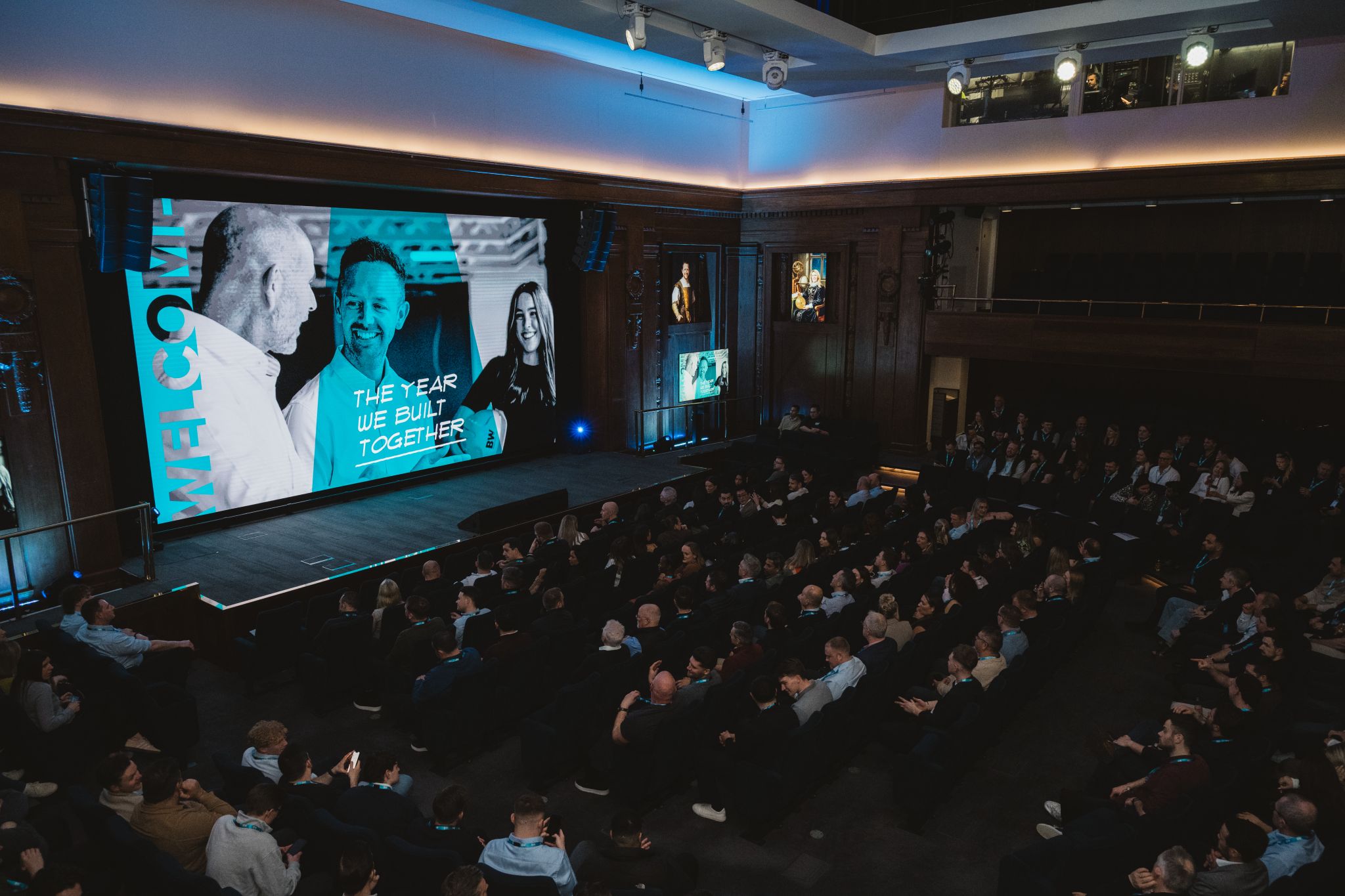

1. Define Objectives Clearly
Every successful event begins with clarity. Before booking venues or contacting suppliers, define:
- What is the purpose of the conference?
- Who is the target audience?
- What outcome do you want attendees to leave with?
- How will you measure success?
A strong conference organiser checklist always starts with strategic intent. Without clear objectives, budgets spiral and messaging becomes confused.
Leading conference organisers in London often begin with a discovery session to uncover these goals and shape the event concept around them. A skilled conference organiser will translate your objectives into a practical plan, making sure every decision supports your wider business aims.
2. Budget Planning
Financial planning is a cornerstone of any conference planning checklist. Establish your total budget early and allocate funds across key areas:
- Venue hire
- Catering
- Audiovisual production
- Speaker fees
- Marketing and promotion
- Staffing and logistics
- Contingency fund
Professional budgeting prevents last-minute compromises. Experienced professionals recommend setting aside at least 10 per cent as a contingency. In London venues, unexpected costs can arise from extended hire times, union crew requirements or technical adjustments.
Many conference organisers in London have established relationships with venues and suppliers. This can lead to better rates and added value. Working with an experienced conference organiser often saves money in the long term because of efficient negotiation and realistic forecasting.
3. Venue Selection
The venue shapes first impressions. It affects attendance, delegate experience and brand perception. When selecting a venue, your conference organiser’s checklist should include:
- Accessibility by rail and tube.
- Capacity and layout flexibility.
- In-house technical facilities.
- Breakout spaces.
- Catering quality.
- Sustainability policies.
For businesses targeting national or international delegates, London remains a prime choice. Leading conference organisers in London understand which venues suit board-level events, product launches or large-scale conferences.
4. Programme Design
A well-planned agenda keeps delegates attentive and energised. Your conference planning checklist should cover:
- Keynote speakers
- Panel discussions
- Breakout workshops
- Networking sessions
- Q&A opportunities
- Refreshment breaks
Balance is crucial. Long blocks of passive listening reduce engagement. Experienced professional conference organisers design programmes with varied formats and pacing.
That principle sits at the heart of any strong conference organiser checklist. The role of the conference organiser is to create a logical flow, build anticipation and avoid schedule fatigue.
5. Speaker Management
High-quality speakers add authority and credibility. Your conference planning checklist should include:
- Speaker contracts
- Briefing documents
- Presentation deadlines
- Rehearsals
- Travel and accommodation arrangements
Professional coordination reduces stress and protects your reputation. Many conference organisers in London maintain speaker networks across sectors such as finance, sustainability, technology and policy.
A confident conference organiser also briefs speakers on audience expectations and event objectives. This ensures content is relevant and aligned with your message.
6. Production and Technical Delivery
Technical execution can make or break an event. Lighting, sound and staging require detailed planning. Your conference organiser checklist should cover:
- Audiovisual requirements
- Stage design
- Screen placement
- Microphone types
- Live streaming options
- Recording and post-event content
Leading organisers conduct site visits and technical rehearsals. This preparation prevents common issues such as feedback, poor sightlines or weak internet connectivity.
A reputable conference organiser coordinates closely with production teams, venue staff and presenters so every element works together smoothly.
7. Delegate Experience and Registration
From the first invitation to post-event follow-up, the delegate journey shapes perception. A thorough conference planning checklist includes:
- Branded registration platforms.
- Clear joining instructions.
- On-site signage.
- Welcome staff.
- Accessibility considerations.
- Feedback collection.
Many conference organisers in London use digital registration systems that track attendance and session popularity. This data supports post-event analysis.
8. Marketing and Promotion
Even the best-designed event fails without effective promotion. Your conference organiser checklist should include:
- Email campaigns
- LinkedIn promotion
- Partner outreach
- Press engagement
- On-site branding
Clear messaging increases registration and strengthens brand perception. Many professionals collaborate with internal marketing teams or external agencies to maintain consistent branding.
If your goal is visibility within the UK market, especially within competitive sectors, working with a corporate event planning specialist can align event messaging with broader campaigns.
An experienced conference organiser will position your event as a must-attend opportunity rather than just another date in the diary.
9. Risk Management and Compliance
Businesses must consider health and safety, insurance and data protection. Your conference planning checklist should address:
- Risk assessments
- Public liability insurance
- GDPR compliance
- Accessibility standards
- Security protocols
Professional conference organisers in London are familiar with venue regulations and local authority requirements. This knowledge protects your organisation from unnecessary exposure.
10. Post-Event Evaluation
The event does not end when the final delegate leaves. A complete conference organiser checklist includes:
- Feedback surveys
- Financial reconciliation
- Supplier review
- Content distribution
- Internal debrief
Post-event reporting allows organisations to measure return on investment. Experienced professional conference organisers compile reports detailing attendance figures, engagement levels and budget performance.
This analysis supports informed decisions for future events. Many conference organisers in London provide strategic recommendations based on attendee data and market trends.
Why Work with SEVEN?
SEVEN are trusted professional conference organisers, delivering business events that strengthen brand presence and drive meaningful engagement.
Strategic Thinking, Not Just Logistics
We begin with your objectives and build a clear plan around them. As your chosen conference organiser, we align venue selection, content, production and delegate experience with your wider business goals. Every decision supports your message and positioning.
Delegate-Focused Delivery
Our team of professional conference organisers manages the full delegate journey, from registration to post-event follow-up. Every detail is handled with precision so your audience experiences a polished, well-structured event that reflects your brand values.
Creative Impact Backed by Experience
As established conference organisers in London, we combine strong supplier networks with creative direction and technical expertise. From staging and lighting to speaker management and hybrid formats, we deliver conferences that feel purposeful and professionally executed.
Measurable Results
A successful conference should demonstrate value. We provide a clear post-event evaluation so you can assess engagement, attendance and business impact. Working with an experienced conference organiser gives you confidence that your investment delivers tangible outcomes.
If you are seeking reliable conference organisers in London who combine strategy, creativity and operational precision, SEVEN are ready to support your next business event.
Final Thoughts
A well-structured conference organiser checklist transforms complex planning into manageable stages. From defining objectives and setting budgets to managing production and analysing results, every step shapes the final outcome.
For businesses, especially those operating in London’s competitive market, the guidance of experienced conference organisers in London can make the difference between a good event and a memorable one.
If you are seeking a trusted conference organiser with proven experience in business events, Seven Events offers strategic planning, creative design and meticulous delivery tailored to your goals.
A thoughtful conference planning checklist, guided by skilled professional conference organisers, sets the standard for conferences that inform, inspire and achieve measurable business results.
Frequently Asked Questions
1. How far in advance should I book a conference organiser in London?
For medium to large business events, booking a conference organiser in London at least six to nine months in advance is advisable. Popular London venues and production teams are often reserved early, particularly during peak seasons such as spring and autumn. Early booking also allows your conference organiser to secure better supplier rates and preferred dates.
2. What size event requires professional conference organisers?
There is no strict minimum, but most businesses engage professional conference organisers for events with 80 or more delegates, complex technical requirements, multiple speakers or high-profile guests. Even smaller executive conferences can benefit from expert oversight if brand reputation and precision delivery are priorities.
3. Can conference organisers in London manage hybrid or virtual conferences?
Yes. Many experienced conference organisers in London now deliver hybrid and fully virtual formats. This includes live streaming, remote speaker coordination, online audience engagement tools and secure digital registration platforms. Hybrid events are particularly useful for companies with international stakeholders who cannot travel.
4. How do professional conference organisers handle sustainability?
Sustainability has become a growing priority for businesses. Leading professional conference organisers work with venues that offer strong environmental policies, reduce printed materials, source local catering and measure event carbon impact. Some also provide post-event sustainability reports so organisations can align conferences with ESG commitments.
5. What contracts should be in place when working with a conference organiser?
When appointing a conference organiser, you should have a clear written agreement covering the scope of services, payment terms, cancellation policies, liability and intellectual property rights. Established conference organisers in London will provide transparent contracts and clear timelines so both parties understand responsibilities from the outset.
How to Choose the Best Event Management Company in the UK (2026 Guide)
1. Understand What A Leading Event Management Company Needs To Deliver
Before comparing agencies, clarify what you expect from them. Strong agencies provide:
- Strategic planning aligned with business objectives
- Creative direction and production design
- Supplier sourcing and contract negotiation
- Budget management
- Guest experience planning
- On-site delivery and contingency planning
- Post-event reporting and analysis
Businesses are investing in experiences that strengthen brand positioning and internal culture. That means corporate event management companies must combine logistics expertise with commercial awareness.
2. Review Their Experience
Corporate events carry higher expectations than private functions.
The most credible corporate event management companies have experience working with regulated industries, FTSE firms or multinational brands. They understand procurement processes, data protection, accessibility requirements and sustainability targets.
Businesses looking for specialist support may consult experienced conference organisers like SEVEN, who understand venue contracts and programme flow at scale.
Ask potential partners:
- Have they delivered similar corporate events in the UK?
- Can they provide references from senior decision-makers?
- How do they handle risk assessment and health and safety documentation?
The best event management agencies will respond with clarity rather than vague assurances.
3. Assess Their Capability for Hybrid Events and Future Formats
Business events have changed dramatically over recent years. Many UK organisations now incorporate hybrid events that blend in-person attendance with virtual participation.
A forward-thinking event company should demonstrate strong digital production capability. That includes:
- Live streaming infrastructure
- Audience engagement tools
- Secure registration platforms
- Data tracking for remote attendees
When evaluating event management agencies, request case studies that show measurable engagement statistics for hybrid audiences.
4. Examine Creativity, Brand Understanding, Procurement, and Strategic Thinking
A capable event company will take time to understand your brand identity, goals, company culture, and audience demographics. When reviewing creative proposals:
- Do ideas connect clearly to your brand message?
- Does the design support audience interaction?
- Are sustainability considerations included?
Creativity combined with accountability signals maturity.
5. Evaluate Transparency in Budget and Cost Control
Budget clarity separates experienced event management agencies from inexperienced operators. Ask your chosen event company how they manage unexpected changes.
The difference lies in how effectively corporate event management companies handle them without unnecessarily escalating costs. Look for agencies that show realistic financial planning rather than overpromising and renegotiating later.
Professional agencies provide:
- Clear fee structures
- Transparent supplier mark-ups
- Contingency planning
- Regular financial reporting
6. Check Their Network and Supplier Relationships Across the UK
Strong event management companies build trusted supplier networks over time.
An experienced event company working across London, Manchester, Birmingham and Edinburgh should demonstrate national reach. If your event rotates location each year, consistency matters.
Ask:
- Do they have preferred venue partnerships?
- How do they vet production suppliers?
- What contingency suppliers are available?
7. Analyse Communication Style and Project Management Approach
Your internal team will work closely with planners for months. Communication style must match your organisation’s pace and expectations. Effective event management agencies provide:
- Dedicated account managers
- Clear timelines
- Regular update meetings
- Documented action plans
During the pitch stage, observe responsiveness. Slow replies and unclear proposals often reflect future performance.
8. Review Testimonials, Case Studies and Measurable Results
Case studies should include concrete outcomes, not only photographs. When assessing event management agencies, look for evidence such as:
- Delegate satisfaction scores
- Lead generation data
- Media coverage results
- Employee engagement metrics
A credible event company will present before-and-after insights and explain lessons learned. If testimonials include senior executives praising the organisation and attention to detail, that adds confidence.
9. Consider Long-Term Partnership Value
Long-term relationships allow event management agencies to understand internal processes, preferred suppliers, end goals, and brand tone.
If your organisation hosts multiple annual events, consider whether the agency can act as a strategic corporate event agency rather than a one-off supplier. Consistency builds stronger outcomes.
10. Compare Proposals Objectively Before Making a Final Decision
When comparing shortlisted event management agencies, avoid focusing solely on cost. Create a scoring matrix covering:
- Experience
- Creativity
- Budget transparency
- Communication
- Risk management
- Digital capability
- Sustainability
An experienced event company may appear more expensive initially, but deliver a stronger return on investment through supplier negotiation and strategic planning.
Final Thoughts
Selecting from the many event management companies operating across the UK requires structured evaluation. Focus on experience, transparency, communication and measurable results.
The strongest corporate event management companies align creativity with commercial objectives. They understand hybrid delivery, sustainability requirements and stakeholder expectations. They plan thoroughly, manage budgets responsibly and deliver events that reflect your brand with confidence.
When your organisation partners with a capable event company, you gain more than logistical support. You gain strategic collaboration that strengthens brand presence and internal engagement across every event delivered.
Take time to assess proposals carefully, speak to references and clarify objectives. With the right agency partnership, your 2026 events programme can deliver measurable value and lasting impact.
FAQ
1. How far in advance should we book event management agencies in the UK?
For large-scale corporate events, booking event management companies six to twelve months in advance is advisable. High-demand venues and production suppliers are often secured early, particularly in London and other major UK cities. Smaller events may require less lead time, though earlier booking improves venue choice and cost control.
2. Do corporate event management agencies handle international events?
Many UK-based corporate event management companies deliver events across Europe and globally. If you are planning overseas conferences or incentive programmes, ask whether the event company has established international supplier networks and experience with cross-border logistics, tax considerations and cultural nuances.
3. What contracts should we expect when hiring an event company?
A professional event company will provide a detailed service agreement outlining the scope of work, payment schedules, cancellation terms, intellectual property rights and liability clauses. Review force majeure clauses carefully and check whether supplier contracts are held directly by you or by the agency.
4. Can event management companies help with sponsorship and exhibitor sales?
Some event management agencies offer sponsorship acquisition and exhibitor management services, particularly for conferences and trade events. If revenue generation is part of your objective, confirm whether the agency has experience negotiating sponsorship packages and managing commercial partnerships.
5. How do corporate event management agencies measure event ROI?
Beyond attendance figures, leading corporate event management companies track metrics such as delegate satisfaction scores, lead conversions, brand reach, employee engagement levels and post-event sales activity. Clear reporting should link outcomes to your original business objectives.
Best Practices for Event Logistics Management

Ever arrived at an event and everything just flows? Guests are welcomed seamlessly, sessions start on time, technology works flawlessly, and every detail feels effortless. That smooth experience is never accidental. At SEVEN, we know that exceptional event logistics are at the heart of every successful event. Strong event logistics management transforms a great idea into a polished, professional, and memorable experience.
Here, we share our best practices to ensure your event runs with clarity, confidence, and impact.
1. Start With a Logistics-first Mindset
Creative ideas inspire, but logistics sustain them.
The first step in strong event logistics management is understanding every moving part of the event. That includes:
- Venue access and layout flow
- Registration and arrival process
- Speaker movement and preparation areas
- AV setup and technical contingencies
- Catering timing and service flow
- Security and health considerations
Mapping these elements early prevents friction later.

2. Align Logistics with Event Objectives
Logistics should serve the event’s purpose, not simply maintain order.
For example:
- A leadership summit requires privacy and minimal disruption.
- A product launch demands smooth transitions and technical precision.
- Large-scale corporate conference planning requires structured delegate flow and session management.
When logistics align with objectives, attendees experience clarity instead of confusion.
3. Conduct Detailed Site Visits and Space Planning
Venue familiarity transforms logistics from reactive to proactive.
At SEVEN, we always assess:
- Entry and exit points
- Back-of-house access
- Power distribution and technical capacity
- Breakout room proximity
- Delegate traffic flow
We design the event layout around movement patterns. Smooth transitions reduce stress and maintain engagement.

4. Build a Centralised Logistics Timeline
A master logistics timeline ensures that everyone works from the same plan.
This timeline should include:
- Supplier arrival times
- Set up and build schedules
- Rehearsal windows
- Catering delivery timing
- Security coordination
- Speaker briefing slots
Strong event logistics management relies on clarity. Every stakeholder must understand where they need to be and when.
5. Prioritise Supplier Coordination
Suppliers form the backbone of event delivery.
Clear communication with:
- AV teams
- Caterers
- Transport providers
- Production crews
- Venue operations
reduces misunderstandings and delays.
As an experienced event management agency, we coordinate suppliers under one unified strategy. This approach eliminates silos and ensures smooth collaboration.
6. Integrate Technology Strategically
Modern logistics depend heavily on technology. Tools such as:
- Digital registration systems
- Live attendee tracking
- Real-time communication apps
- Hybrid event production platforms
allow teams to monitor performance in real time.
Technology strengthens event logistics management by providing visibility and flexibility.

7. Develop Contingency Plans
No event is immune to unexpected challenges. Best practice includes preparing:
- Backup AV systems
- Speaker substitution plans
- Weather alternatives
- Transport delays contingency
- Power redundancy
Risk management protects both experience and reputation.
8. Focus on the Delegate Experience
Logistics directly influence how attendees feel.
Consider:
- Clear signage and wayfinding
- Efficient check-in processes
- Comfortable seating and spacing
- Logical session sequencing
- Timely catering service
Strong event logistics should feel invisible to guests. When attendees never notice operational details, logistics have succeeded.
9. Evaluate and Refine Post-event
Post-event review strengthens future planning. Assess:
- What caused delays or friction
- Supplier performance
- Technical reliability
- Delegate feedback
Continuous improvement ensures that each event benefits from insights gained from previous events.
How Do You Evaluate Logistics Performance After the Event?
Learning does not stop when the event ends. Post-event review is a vital stage of event logistics management.
We analyse:
- Delegate feedback
- Supplier performance
- Budget accuracy
- Timing efficiency
- Operational challenges and solutions
These insights inform future projects, ensuring continuous improvement and measurable return on investment.
If you would like to explore how we deliver seamless events across conferences, incentives, and brand experiences, discover our full range of services.
2026 Logistics Best Practices at a Glance
| Feature | Traditional Logistics | SEVEN’s High-Performance Logistics |
| Response Time | Reactive to issues. | Proactive, predictive planning. |
| Tech Use | Static spreadsheets. | Live, AI-integrated data streams. |
| Guest Focus | Group-level management. | Radical personalisation for every guest. |
| Sustainability | Baseline compliance. | Integral, net-zero logistics mapping. |
| Communication | Siloed departments. | Fully transparent, real-time loops. |
Bringing it All Together
At SEVEN, we believe that exceptional event logistics are the difference between an event that happens and one that truly succeeds. Through strategic planning, detailed coordination, and proactive problem-solving, our event logistics management approach ensures every element works in harmony.
From large-scale corporate conference planning to bespoke brand experiences, we place our clients at the centre of every decision. We combine operational precision with uplifting storytelling to create events that feel effortless, engaging, and impactful.
If you’re planning your next event and want confidence that every detail is expertly managed, we would love to help. Get in touch with us at hello@sevenevents.co.uk and let’s start building something exceptional together.
FAQs
1. Why is event logistics important for successful events?
Strong event logistics ensure that everything runs seamlessly, from guest arrival to session transitions. Well-planned logistics prevent delays, reduce stress, and create a smooth, professional experience for attendees. Want your event to run effortlessly? Get in touch with SEVEN to plan a smooth, stress-free experience.
2. How do logistics support event objectives?
Logistics should be aligned with the purpose of the event. For example, leadership events may need privacy and controlled access, while product launches require precise timing and strong technical coordination.
3. Why are site visits important in event logistics?
Site visits help planners understand the venue layout, entry and exit points, power availability, and attendee movement. This allows teams to design better traffic flow and avoid operational issues on event day. Need expert venue planning? Talk to our team about designing the perfect event layout.
4. What is a logistics timeline in event planning?
A logistics timeline is a central schedule that outlines all key activities, including supplier arrivals, setup times, rehearsals, catering delivery, and speaker briefings. It ensures every stakeholder knows what to do and when.
5. How do event teams coordinate multiple suppliers effectively?
Successful events rely on clear communication between AV teams, caterers, transport providers, and venue staff. A centralised coordination approach helps avoid confusion and keeps delivery aligned.
Moments That Matter: Why Events Are Worth the Investment

Events create real human connection
In a world full of screens, notifications and endless scrolling, live events cut through in a way nothing else can.
They bring people together in the same space, sharing the same moment, the same energy, the same story. Conversations happen naturally, ideas spark, relationships form.
That human connection is incredibly powerful and impossible to replicate through a screen. When guests feel something at an event, they remember it and when they remember it, they remember you. That’s not a cost. That’s brand equity.
They tell your story in a way people can feel
A great event isn’t just about logistics or aesthetics, it’s about storytelling. From the moment guests arrive to the moment they leave, every detail should feel intentional, the space, the flow, the atmosphere, the moments that surprise and delight.
Events allow you to bring your brand to life in a way that feels immersive and exciting, instead of telling people who you are, you show them and invite them to experience it for themselves. That emotional connection builds trust, loyalty and advocacy and those are things money alone can’t buy.
Events support long-term business goals
When planned with purpose, events can support a wide range of objectives:
- Strengthening relationships with clients and partners
- Launching products or ideas with impact
- Building internal culture and team morale
- Increasing brand awareness and perception
- Creating meaningful content for future marketing
An event isn’t a single moment in time, it’s a platform that can fuel months of conversation, content and connection. Photography, video, social moments and guest feedback all extend the life of the experience far beyond the day itself. That’s where the return really starts to show.
The right partner makes all the difference
Seeing events as an investment means planning them thoughtfully and strategically, not just beautifully.
Working with an experienced event partner helps ensure your budget is spent in the right places, your objectives stay front and centre, and your guests are always considered first.
At SEVEN, we believe the best events feel effortless for our clients and unforgettable for their guests. That’s why our approach to events is rooted in collaboration, transparency and storytelling, designing experiences that feel exciting, purposeful and genuinely enjoyable. Explore our services here.
Measuring value beyond the balance sheet
Not every return can be measured in numbers and that’s okay.
Sometimes the value of an event is seen in conversations started, confidence built, teams motivated or partnerships strengthened. Other times, it’s in how guests talk about the experience weeks or even months later.
When people leave an event feeling inspired, connected and valued, that feeling stays with them. And that’s where real impact lives.
Events are an investment in people
At the heart of every successful event are people, your guests, your team your clients.
Investing in events is investing in how people experience your brand and how they feel when they interact with it, that’s how they remember it afterwards. When you put people first, the returns follow naturally.
Ready to invest in an unforgettable experience?
If you’re planning an event and want it to work harder for your brand emotionally, creatively and strategically, we’d love to help.
Get in touch with the SEVEN team to start creating an event that feels exciting, meaningful and truly worth the investment.
FAQs
Why are events considered an investment?
Because they create long-term value through relationships, brand perception and emotional connection, not just one-off moments.
How can I measure the return on an event?
ROI can include engagement, brand awareness, content creation, guest feedback, lead generation and long-term relationships, not just attendance numbers.
Are events still worth it in a digital-first world?
Absolutely. Live events offer something digital channels can’t: real human connection and shared experience.
How early should I start planning an event?
Ideally several months in advance, depending on scale. Early planning allows for creativity, clarity and better use of budget.
Can SEVEN help with both creative and production?
Yes. We deliver end-to-end event production, combining creative storytelling with seamless delivery.
Virtual Event Planning Checklist: A Step-by-Step Guide for 2026
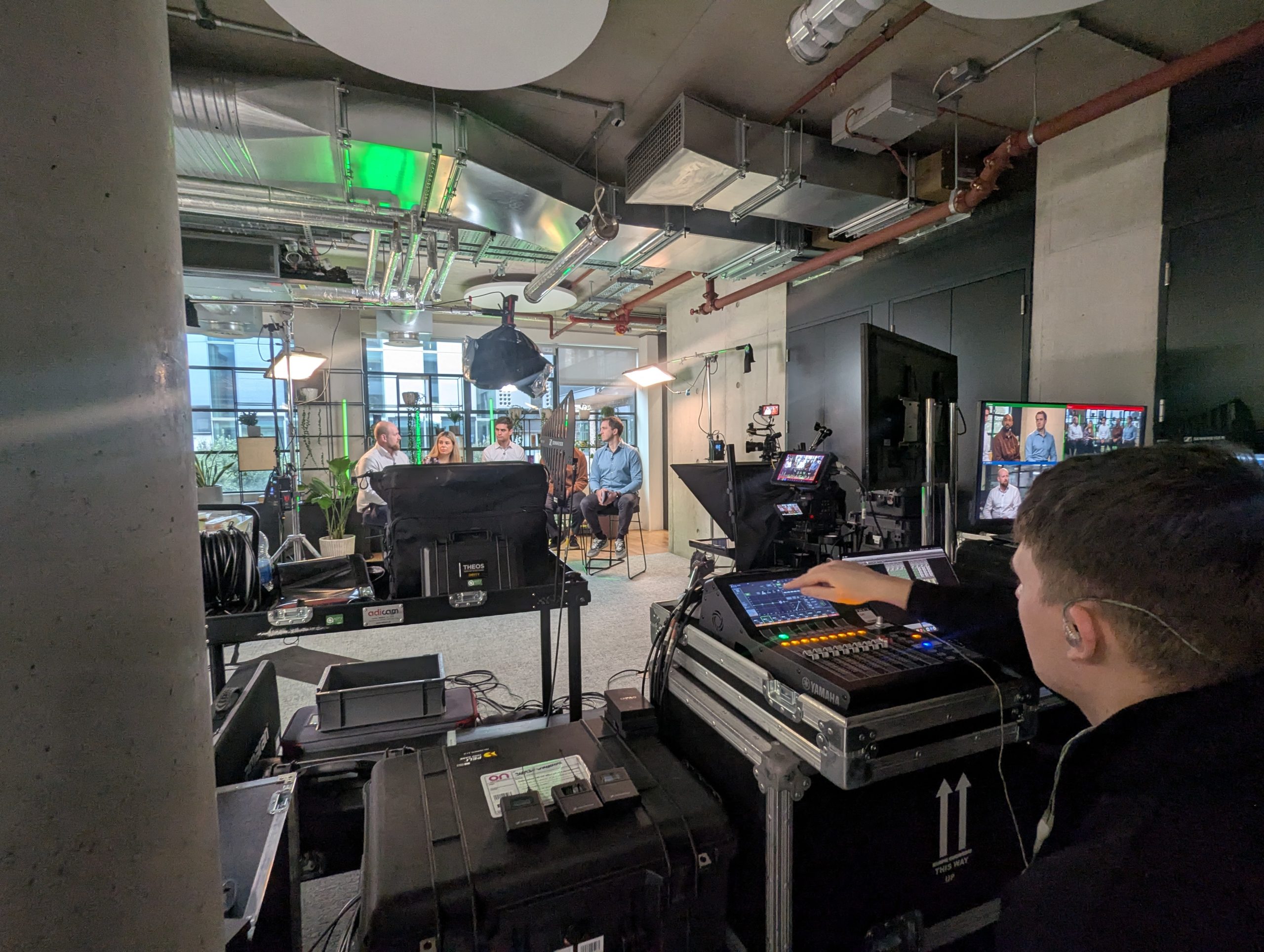
Imagine the thrill of a global audience leaning in simultaneously, not because they have to, but because they are captivated by a digital world you’ve built just for them. At SEVEN, we believe that a virtual screen shouldn’t be a barrier to connection; it should be a gateway to an extraordinary, uplifting journey. As we move into 2026, the digital landscape has evolved far beyond basic webinars.
Our comprehensive virtual event planning checklist ensures your brand stays at the cutting edge, blending technical precision with creative storytelling to transform every login into a memorable achievement. From selecting the perfect platform to mastering real-time engagement, this guide provides the essential roadmap for navigating the future of digital and hybrid connection.
Step 1: Define your “Why” and your audience
Every great event starts with a clear sense of purpose. Before choosing your tech, identify exactly what you want to achieve. Are you looking to motivate a remote sales team, launch a revolutionary product, or reinforce company culture across borders? At SEVEN, we design programmes that are not only memorable but also strategically aligned with your business objectives.
Once you have your “why,” map out your audience demographics, just as we delivered distinct, relevant experiences for different groups in Porto, your virtual event must cater to the specific needs of your attendees. Consider their time zones, technical literacy, and what truly inspires them.
Step 2: Select your Format and Platform
Virtual events, hybrid events, and pure in-person gatherings all have their own benefits. Virtual events enhance accessibility and tend to decrease costs while eradicating geographical limits. Hybrid events combine the vitality of in-person meetings with increased reach through digital attendance. The decision you make must align with your goals and target audience.
The choice of platform should be considered. The appropriate technology will be seamlessly integrated, and the audience will be able to concentrate on the content and connection. The inappropriate platform causes frustration, enough to sabotage even brilliant programming.
Consider these factors:
- Attendee capacity: Does the platform support your anticipated attendee count?
- Interactive components: What does it provide in terms of polls, questions and answers, chat, breakout rooms, and networking?
- Quality of production: Is it capable of producing broadcast-quality video and audio?
- Analytics functionality: What does it tell us regarding attendance and engagement?
- Accessibility: Does it have closed captions, screen readers, and other accessibility items?
- Integration: Does it integrate with your registration system, CRM, and marketing tools?
- Support: What technical support do you have during and before your event?
We partner with several platform providers at SEVEN, and we can tell you about the best solutions that fit your needs and technology that only improve your experience with the event, not complicate it.

Step 3: Architect the Hybrid Balance
If some of your guests are together in a physical room while others join from home, you need a robust hybrid event planning checklist. The goal is “equity of experience,” ensuring your virtual attendees don’t feel like passive observers.
Use this hybrid event planning guide to ensure both audiences feel equally valued:
- Two-way interaction: Allow virtual guests to ask questions that are answered live on the physical stage.
- Digital-first networking: Use apps that pair in-person and remote delegates based on shared interests.
- Synchronised moments: If the physical audience enjoys a surprise, ensure a digital version, perhaps a curated “experience box” delivered to their door, reaches your remote guests at the same time.
Step 4: Content is The Soul of the Journey
In the online world, attention is the highest-value currency. Stop using long, stagnant presentations; adopt snackable content instead. High-energy transitions, live workshops, and gamified elements such as leaderboards, similar to those we use to track performance in a sales incentive programme, should be used to ensure engagement does not drop.
Within SEVEN, we recognise the fact that each company and group is distinctive. Our tailor-made event management services can help you collaborate with us to create a content plan that reflects your company culture and objectives. We do not simply handle logins; we create memorable experiences by drawing on our personal experience of what makes people lean in.
Step 5: The Technical Safety Net
The most brilliant idea might fail without a smooth implementation. At least 48 hours before go-live, your checklist should contain a technical dry run.
- Speaker training: Make all the presenters familiar with the technology and the lighting.
- Redundancy plans: There should be a Plan B for internet-related downtime or platform glitches.
- Live support: Have a dedicated support desk for attendees to get assistance with their connections.

Step 6: Measuring The Legacy
The journey doesn’t end when the stream stops. One of the greatest benefits of virtual and hybrid events is the wealth of data they provide. Analyse engagement heatmaps, session attendance, and post-event surveys to measure your success against your original business goals. This data is a strategic tool for future retention and engagement strategies.
Take the next step with SEVEN
Whether you are exploring a breathtaking Norwegian-style adventure in a digital twin environment or planning a high-energy hybrid sales kick-off, SEVEN is here to lead the way. We combine creative concept development with meticulous planning to ensure your recognition and retention strategies are executed with absolute precision.
Ready to see how we can take your guests on an uplifting digital journey? Start a conversation with SEVEN today and discover what’s possible when your virtual event becomes a world-class experience.
FAQs
1. How far in advance should virtual events be planned?
Virtual and hybrid events should ideally be planned 8–12 weeks in advance to allow time for platform testing, content development, speaker training, and engagement strategy design.
Planning an upcoming digital event? Get expert guidance from SEVEN.
2. What technology is needed for virtual and hybrid events?
You’ll need a reliable event platform, streaming technology, engagement tools (polls, chat, networking), analytics tracking, and live technical support.
3. How do you keep audiences engaged in virtual events?
Engagement is built through interactive content, live sessions, gamification, storytelling, real-time participation tools, and experience-led design. Create immersive digital experiences with SEVEN’s event specialists.
4. What’s the biggest mistake in virtual event planning?
The biggest mistake is focusing only on technology instead of experience design. Successful virtual events prioritise audience journey, interaction, and emotional connection.
5. How do you measure success for virtual and hybrid events?
Success is measured using engagement data, attendance metrics, session performance, feedback surveys, conversion tracking, and ROI analysis.
6. Are hybrid events better than fully virtual events?
Neither is better by default, the right format depends on your goals, audience, budget, and experience strategy. Unsure which format fits your goals? Speak with SEVEN for expert guidance.
Corporate Event Objectives Explained: How Events Drive Business SuccessExcerpt

There’s a noticeable difference between an event that feels busy and one that feels purposeful. In the latter, every moment has direction. Every session connects to a broader goal. Attendees leave knowing exactly why they were there and what comes next.
At SEVEN, we believe the success of any event begins long before venues are booked or agendas are built. It starts with clarity. Understanding the objective of corporate events turns gatherings into strategic assets that actively support business growth.
Common Corporate Event Objectives
Whilst every event serves unique purposes aligned with specific business contexts, most fall into several broad objective categories that drive real business value.
1. Lead Generation and Sales Acceleration
Many corporate events exist primarily to identify potential customers and move them through sales funnels more quickly than traditional marketing approaches achieve. Product launches, industry conferences, and customer appreciation events can all serve lead-generation objectives when designed appropriately.
These events prioritise content that educates prospects about problems and solutions, creates opportunities for sales conversations, and captures attendee information for systematic follow-up. Success metrics include leads generated, conversion rates, and pipeline value created.
2. Brand Awareness and Positioning
When organisations need to shift market perceptions, launch new brands, or establish thought leadership, events provide powerful platforms for concentrated brand messaging. Rather than competing for attention in crowded media channels, brand-focused events create immersive environments where your message dominates completely.
These objectives require events that embody brand values experientially rather than simply communicating them verbally. Every element from venue selection and visual design to speaker selection and attendee experience reinforces desired brand perceptions.
3. Customer Retention and Loyalty
Keeping existing customers costs significantly less than acquiring new ones, making retention-focused events strategically valuable. These gatherings strengthen relationships, demonstrate appreciation, provide education that increases product value, and create community among your customer base.
Successful retention events balance appreciation with value delivery. Customers attend not just because you’ve invited them, but because the experience offers genuine benefits, learning opportunities, networking connections, exclusive access, or simply memorable experiences they couldn’t access elsewhere.
4. Employee Engagement and Culture Building
Internal events shape organisational culture, strengthen team bonds, communicate strategy, recognise achievements, and ultimately impact retention and productivity. When talented employees feel connected to purpose, colleagues, and company vision, they perform better and stay longer.
These objectives require events that facilitate authentic connection rather than simply broadcasting information. Team-building activities, recognition programmes, and collaborative strategy sessions all serve engagement objectives when designed thoughtfully.

5. Knowledge Sharing and Education
Conferences, training sessions, and educational events serve objectives around skill development, knowledge transfer, and industry advancement. Whether educating customers about product capabilities, training employees on new processes, or establishing thought leadership through industry conferences, these events prioritise learning outcomes.
Educational objectives require different design approaches than entertainment-focused events. Content quality, speaker expertise, and opportunities for practical application matter enormously. Success metrics track knowledge retention, skill development, and application of learning post-event.
Aligning Objectives Across Stakeholder Groups
Complex organisations often have multiple stakeholder groups with different priorities. Successful corporate event planning requires balancing these diverse objectives without diluting focus.
Senior leadership might prioritise strategic messaging and business development. Sales teams focus on lead generation and customer relationships. Marketing seeks opportunities to increase brand visibility and create content. HR values employee engagement and culture building. The finance team demands a clear ROI demonstration.
Skilled conference organisers facilitate conversations that surface these varied objectives early, identify potential conflicts, and design events that serve multiple goals simultaneously without compromising effectiveness.
The Objectives of Event Planning Company Partnerships
When you partner with an experienced event planning company, their objectives should align perfectly with yours. The objectives of event planning company relationships include:
- Understanding your unique context – Every organisation faces distinct challenges, serves different audiences, and pursues specific goals. Cookie-cutter approaches fail because they ignore this uniqueness.
- Challenging assumptions productively – Sometimes what you think you need differs from what will actually achieve your objectives. Good partners ask tough questions and suggest alternatives when appropriate.
- Bringing fresh creative perspectives – External partners see possibilities you might miss because they’re not constrained by “how we’ve always done it” thinking.
- Managing complexity seamlessly – Events involve countless moving parts. Professional management ensures nothing falls through cracks whilst you focus on strategic priorities.
Crafting Your Event Objectives
Effective objective setting follows a structured process:
- Start with business context. What challenges does your organisation face? What opportunities could events help capture? What broader strategies could events support?
- Define specific, measurable objectives using frameworks like SMART goals (Specific, Measurable, Achievable, Relevant, Time-bound). Rather than “improve brand awareness,” aim for “increase brand recall among target demographic by 25% within 90 days post-event.”
- Prioritise ruthlessly. Most events should pursue one primary objective and perhaps one or two secondary goals. Attempting a more diluted focus complicates the design.
- Align stakeholders around shared objectives by transparently discussing priorities and trade-offs.
- Establish measurement frameworks before the event to ensure you capture the data needed to evaluate success.
Ready To Set Strategic Event Objectives?
Understanding corporate event objectives transforms events from isolated gatherings into strategic tools that drive measurable business outcomes. Whether you’re planning your first major corporate event or seeking to enhance impact from established programmes, clarity about objectives makes all the difference.
At SEVEN, we specialise in partnering with organisations to translate business goals into events that deliver real results. Our experience across industries and event types means we bring both creative vision and strategic rigour to objective setting and event design.
If you’re ready to ensure your next event serves clear strategic objectives and delivers measurable business value, we’d love to help. Get in touch at hello@sevenevents.co.uk and let’s start the conversation about what you want to achieve and how events can get you there.
FAQs
1. What are the main corporate event objectives?
Corporate event objectives typically include lead generation, brand awareness, customer retention, employee engagement, and knowledge sharing, all aligned to business growth.
Want to define clear objectives for your next event? Speak to SEVEN for strategic event planning support.
2. What is the objective of corporate events in business growth?
The objective of corporate events is to support measurable business outcomes such as revenue growth, brand positioning, customer loyalty, and organisational performance.
3. What are the goals of an event management company?
The goals of an event management company are to align events with business strategy, manage complexity, deliver measurable outcomes, and create high-impact experiences.
4. What are the objectives of an event planning company partnership?
The objectives of an event planning company partnership include strategic alignment, creative innovation, risk management, seamless delivery, and measurable ROI. Build a results-focused event partnership with SEVEN.
5. Why are corporate event objectives important in planning?
Because they guide decision-making, shape event design, define success metrics, and ensure events deliver real business value instead of just activity. Plan with purpose, work with SEVEN to build objective-driven events.
How Companies Should Plan Corporate Events in 2026

There’s a defining moment in every successful corporate event when attendees stop checking their phones and start leaning forward. That moment signals clarity. It tells you the event has been planned with intention, not habit.
At SEVEN, we see corporate events as strategic tools, not tick-box exercises. As expectations rise and attention becomes harder to earn, knowing how to plan corporate events in 2026 means rethinking why events exist and how they serve the business.
1. Start with Purpose, not Logistics
The most effective events begin with one question: What should change because of this event?
Before venues, speakers, or schedules are defined:
- The business objective (alignment, growth, education, culture)
- The audience and what they need to feel or understand
- How success will be measured after the event
This clarity turns planning into strategy and prevents events from becoming expensive distractions.

2. Design the Event Around the Audience Journey
Modern attendees expect experiences, not agendas. Planning now focuses on how people move, interact, and engage throughout the event.
Effective audience-led planning considers:
- Arrival experience and first impressions
- Energy flows across sessions
- Opportunities for interaction and reflection
- Clear takeaways and next steps
This approach fundamentally changes how to organise a corporate event, shifting the focus from schedules to experience.
3. Choose the Right Format for 2026
Corporate events are increasingly diverse, and selecting the right one is essential.
Popular formats include:
- Face-to-face summits and conferences
- Live and remote event hybrid entertainment
- Leadership retreats and strategy
- Products, sales kick-offs
The different formats serve different purposes. Planning to succeed: format is set to the objective, not the default mode.
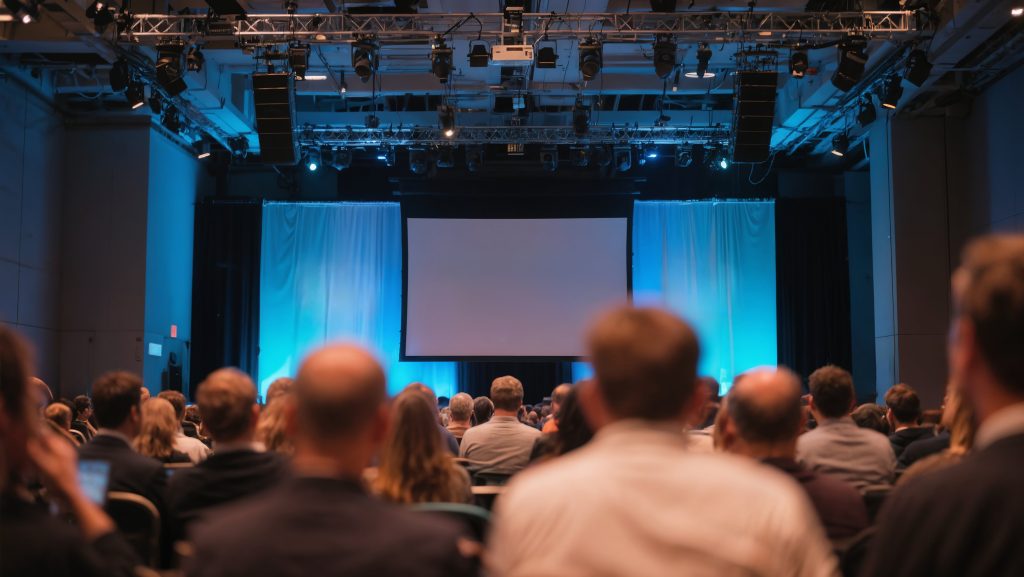
4. Make Corporate Event Planning Flexible
In 2026, flexibility is not a choice; it is a necessity. Events must adapt to:
- Changing audience needs
- Technology requirements
- Changing content priorities.
The ability to be responsive without being disorganised is achievable through strong corporate event planning. This equilibrium makes events both relevant and enduring.
5. Use Technology With Purpose
Technology must facilitate connectivity rather than distraction. Use technology to:
- Improve involvement and participation
- One day a week supported hybrid attendance
- Get valuable information and knowledge
In SEVEN, we use technology to provide real value, and the events will be human, immersive, and goal-oriented.
6. Focus on Sustainability and Responsibility
Sustainability has become a key factor in decision-making. This includes:
- Mindful venue choice
- Thoughtful material use
- More intelligent travel and logistics planning
In 2026, corporate events are mirrors of organisational values. Sustainable planning enhances credibility and aligns experiences with the brand purpose.
7. Partner With Experienced Professionals
Understanding how to plan corporate events thoroughly is valuable, but executing flawlessly while managing countless moving parts requires dedicated expertise. This is where partnering with an experienced corporate events organiser transforms good intentions into exceptional results.
Professional event partners bring capabilities that internal teams typically lack:
- Vendor relationships: Established connections with venues, caterers, AV providers, and entertainment ensure quality, reliability, and often preferential rates.
- Creative perspective: External partners see possibilities you might miss and challenge assumptions productively, bringing fresh thinking to familiar challenges.
- Risk management: Experience across hundreds of events means anticipating problems before they occur and solving issues quickly when they do.
- Technical expertise: Modern events demand sophisticated AV, streaming, and interactive technology. Specialists ensure seamless integration rather than technical disasters.
- Bandwidth protection: Event planning consumes enormous time and energy. Professional partners handle the complexity, so your team can focus on strategic priorities and attendee engagement.
How SEVEN Approaches Corporate Event Planning
At SEVEN, we plan corporate events with purpose at the centre. We work closely with clients to define objectives, design experiences around people, and deliver events that support real business goals.
From conferences and leadership meetings to sales kick-offs and brand events, we combine strategy, creativity, and operational excellence to ensure every event delivers value.
Ready to Plan Your Next Corporate Event?
If you’re planning a corporate event in 2026 and want it to deliver more than just attendance numbers, we’d love to help. With the right strategy and support, your next event can inspire action, strengthen alignment, and drive lasting impact. Get in touch with SEVEN at hello@sevenevents.co.uk and let’s start planning an event that truly works.
FAQs
1. How do you organise a corporate event step by step?
Organising a corporate event involves setting goals, understanding your audience, selecting the right format, planning logistics around experience, and measuring outcomes post-event. SEVEN works with clients from strategy through delivery to ensure every stage is planned with purpose.
2. Why is purpose important when planning corporate events?
Purpose ensures corporate events drive engagement, alignment, and measurable business outcomes rather than becoming routine or checklist-driven. At SEVEN, every corporate event is designed around a clear objective and outcome.
3. Why is flexibility essential when organising corporate events?
Flexible planning allows events to adapt to changing priorities, audiences, and delivery requirements without compromising quality.
4. How can SEVEN support corporate event planning in 2026?
SEVEN plans and delivers corporate events that align people, purpose, and outcomes, combining strategy, creativity, and operational excellence.
5. How does technology support modern corporate event planning?
Technology supports engagement, hybrid participation, and data-driven insights when used intentionally and seamlessly.