How to Choose the Best Event Management Company in the UK (2026 Guide)
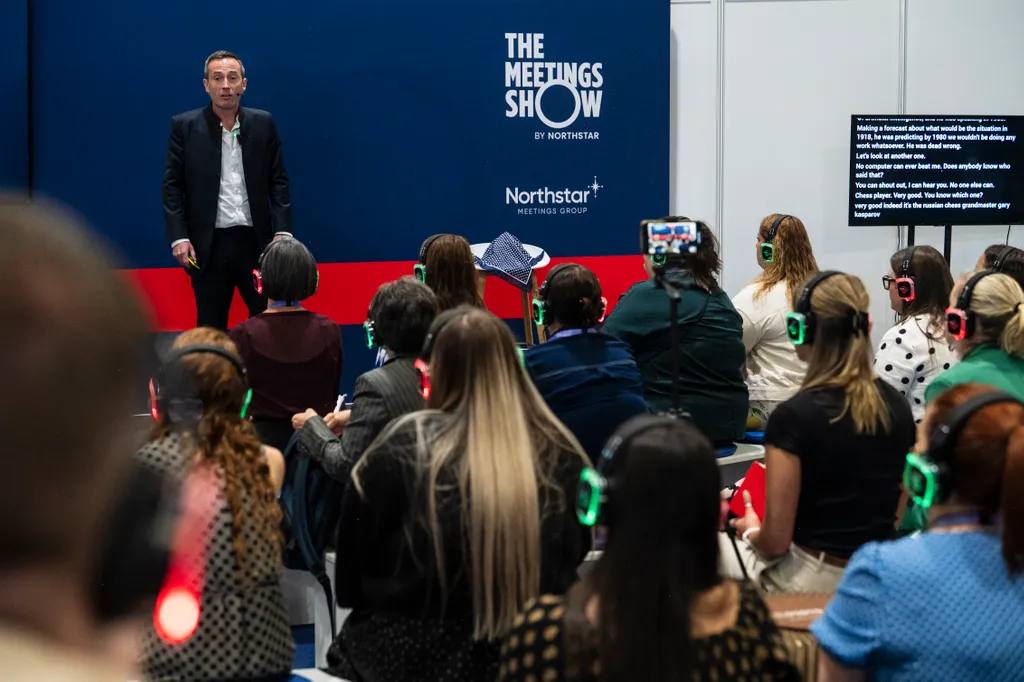
The best event management companies do more than manage suppliers and schedules. They connect creative ideas with business objectives, helping organisations deliver events that feel seamless, strategic and measurable.
The best event management companies do more than manage suppliers and schedules. They connect creative ideas with business objectives, helping organisations deliver events that feel seamless, strategic and measurable.
1. Understand What A Leading Event Management Company Needs To Deliver
Before comparing agencies, clarify what you expect from them. Strong agencies provide:
- Strategic planning aligned with business objectives
- Creative direction and production design
- Supplier sourcing and contract negotiation
- Budget management
- Guest experience planning
- On-site delivery and contingency planning
- Post-event reporting and analysis
Businesses are investing in experiences that strengthen brand positioning and internal culture. That means corporate event management companies must combine logistics expertise with commercial awareness.
2. Review Their Experience
Corporate events carry higher expectations than private functions.
The most credible corporate event management companies have experience working with regulated industries, FTSE firms or multinational brands. They understand procurement processes, data protection, accessibility requirements and sustainability targets.
Businesses looking for specialist support may consult experienced conference organisers like SEVEN, who understand venue contracts and programme flow at scale.
Ask potential partners:
- Have they delivered similar corporate events in the UK?
- Can they provide references from senior decision-makers?
- How do they handle risk assessment and health and safety documentation?
The best event management agencies will respond with clarity rather than vague assurances.
3. Assess Their Capability for Hybrid Events and Future Formats
Business events have changed dramatically over recent years. Many UK organisations now incorporate hybrid events that blend in-person attendance with virtual participation.
A forward-thinking event company should demonstrate strong digital production capability. That includes:
- Live streaming infrastructure
- Audience engagement tools
- Secure registration platforms
- Data tracking for remote attendees
When evaluating event management agencies, request case studies that show measurable engagement statistics for hybrid audiences.
4. Examine Creativity, Brand Understanding, Procurement, and Strategic Thinking
A capable event company will take time to understand your brand identity, goals, company culture, and audience demographics. When reviewing creative proposals:
- Do ideas connect clearly to your brand message?
- Does the design support audience interaction?
- Are sustainability considerations included?
Creativity combined with accountability signals maturity.
5. Evaluate Transparency in Budget and Cost Control
Budget clarity separates experienced event management agencies from inexperienced operators. Ask your chosen event company how they manage unexpected changes.
The difference lies in how effectively corporate event management companies handle them without unnecessarily escalating costs. Look for agencies that show realistic financial planning rather than overpromising and renegotiating later.
Professional agencies provide:
- Clear fee structures
- Transparent supplier mark-ups
- Contingency planning
- Regular financial reporting
6. Check Their Network and Supplier Relationships Across the UK
Strong event management companies build trusted supplier networks over time.
An experienced event company working across London, Manchester, Birmingham and Edinburgh should demonstrate national reach. If your event rotates location each year, consistency matters.
Ask:
- Do they have preferred venue partnerships?
- How do they vet production suppliers?
- What contingency suppliers are available?
7. Analyse Communication Style and Project Management Approach
Your internal team will work closely with planners for months. Communication style must match your organisation’s pace and expectations. Effective event management agencies provide:
- Dedicated account managers
- Clear timelines
- Regular update meetings
- Documented action plans
During the pitch stage, observe responsiveness. Slow replies and unclear proposals often reflect future performance.
8. Review Testimonials, Case Studies and Measurable Results
Case studies should include concrete outcomes, not only photographs. When assessing event management agencies, look for evidence such as:
- Delegate satisfaction scores
- Lead generation data
- Media coverage results
- Employee engagement metrics
A credible event company will present before-and-after insights and explain lessons learned. If testimonials include senior executives praising the organisation and attention to detail, that adds confidence.
9. Consider Long-Term Partnership Value
Long-term relationships allow event management agencies to understand internal processes, preferred suppliers, end goals, and brand tone.
If your organisation hosts multiple annual events, consider whether the agency can act as a strategic corporate event agency rather than a one-off supplier. Consistency builds stronger outcomes.
10. Compare Proposals Objectively Before Making a Final Decision
When comparing shortlisted event management agencies, avoid focusing solely on cost. Create a scoring matrix covering:
- Experience
- Creativity
- Budget transparency
- Communication
- Risk management
- Digital capability
- Sustainability
An experienced event company may appear more expensive initially, but deliver a stronger return on investment through supplier negotiation and strategic planning.
Final Thoughts
Selecting from the many event management companies operating across the UK requires structured evaluation. Focus on experience, transparency, communication and measurable results.
The strongest corporate event management companies align creativity with commercial objectives. They understand hybrid delivery, sustainability requirements and stakeholder expectations. They plan thoroughly, manage budgets responsibly and deliver events that reflect your brand with confidence.
When your organisation partners with a capable event company, you gain more than logistical support. You gain strategic collaboration that strengthens brand presence and internal engagement across every event delivered.
Take time to assess proposals carefully, speak to references and clarify objectives. With the right agency partnership, your 2026 events programme can deliver measurable value and lasting impact.
FAQ
1. How far in advance should we book event management agencies in the UK?
For large-scale corporate events, booking event management companies six to twelve months in advance is advisable. High-demand venues and production suppliers are often secured early, particularly in London and other major UK cities. Smaller events may require less lead time, though earlier booking improves venue choice and cost control.
2. Do corporate event management agencies handle international events?
Many UK-based corporate event management companies deliver events across Europe and globally. If you are planning overseas conferences or incentive programmes, ask whether the event company has established international supplier networks and experience with cross-border logistics, tax considerations and cultural nuances.
3. What contracts should we expect when hiring an event company?
A professional event company will provide a detailed service agreement outlining the scope of work, payment schedules, cancellation terms, intellectual property rights and liability clauses. Review force majeure clauses carefully and check whether supplier contracts are held directly by you or by the agency.
4. Can event management companies help with sponsorship and exhibitor sales?
Some event management agencies offer sponsorship acquisition and exhibitor management services, particularly for conferences and trade events. If revenue generation is part of your objective, confirm whether the agency has experience negotiating sponsorship packages and managing commercial partnerships.
5. How do corporate event management agencies measure event ROI?
Beyond attendance figures, leading corporate event management companies track metrics such as delegate satisfaction scores, lead conversions, brand reach, employee engagement levels and post-event sales activity. Clear reporting should link outcomes to your original business objectives.