Virtual Event Planning Checklist: A Step-by-Step Guide for 2026
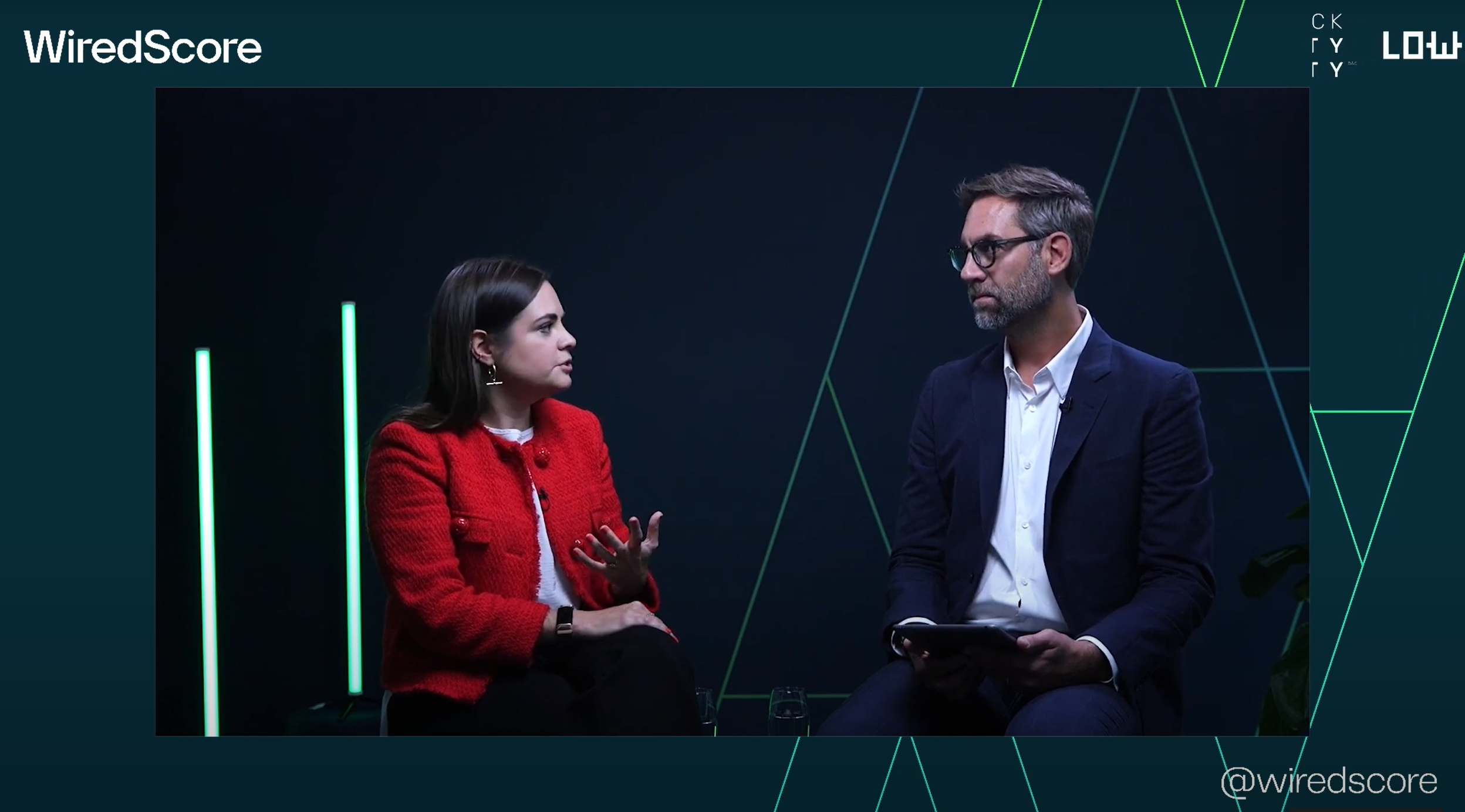
Virtual and hybrid events are no longer a fallback option; they're a strategic opportunity. In 2026, successful virtual events rely on careful planning, seamless technology, and experience-led design. This step-by-step checklist outlines everything you need to deliver a virtual or hybrid event that engages audiences, runs smoothly, and delivers real business impact.
Virtual and hybrid events are no longer a fallback option; they're a strategic opportunity. In 2026, successful virtual events rely on careful planning, seamless technology, and experience-led design. This step-by-step checklist outlines everything you need to deliver a virtual or hybrid event that engages audiences, runs smoothly, and delivers real business impact.
Imagine the thrill of a global audience leaning in simultaneously, not because they have to, but because they are captivated by a digital world you’ve built just for them. At SEVEN, we believe that a virtual screen shouldn’t be a barrier to connection; it should be a gateway to an extraordinary, uplifting journey. As we move into 2026, the digital landscape has evolved far beyond basic webinars.
Our comprehensive virtual event planning checklist ensures your brand stays at the cutting edge, blending technical precision with creative storytelling to transform every login into a memorable achievement. From selecting the perfect platform to mastering real-time engagement, this guide provides the essential roadmap for navigating the future of digital and hybrid connection.
Step 1: Define your “Why” and your audience
Every great event starts with a clear sense of purpose. Before choosing your tech, identify exactly what you want to achieve. Are you looking to motivate a remote sales team, launch a revolutionary product, or reinforce company culture across borders? At SEVEN, we design programmes that are not only memorable but also strategically aligned with your business objectives.
Once you have your “why,” map out your audience demographics, just as we delivered distinct, relevant experiences for different groups in Porto, your virtual event must cater to the specific needs of your attendees. Consider their time zones, technical literacy, and what truly inspires them.
Step 2: Select your Format and Platform
Virtual events, hybrid events, and pure in-person gatherings all have their own benefits. Virtual events enhance accessibility and tend to decrease costs while eradicating geographical limits. Hybrid events combine the vitality of in-person meetings with increased reach through digital attendance. The decision you make must align with your goals and target audience.
The choice of platform should be considered. The appropriate technology will be seamlessly integrated, and the audience will be able to concentrate on the content and connection. The inappropriate platform causes frustration, enough to sabotage even brilliant programming.
Consider these factors:
- Attendee capacity: Does the platform support your anticipated attendee count?
- Interactive components: What does it provide in terms of polls, questions and answers, chat, breakout rooms, and networking?
- Quality of production: Is it capable of producing broadcast-quality video and audio?
- Analytics functionality: What does it tell us regarding attendance and engagement?
- Accessibility: Does it have closed captions, screen readers, and other accessibility items?
- Integration: Does it integrate with your registration system, CRM, and marketing tools?
- Support: What technical support do you have during and before your event?
We partner with several platform providers at SEVEN, and we can tell you about the best solutions that fit your needs and technology that only improve your experience with the event, not complicate it.

Step 3: Architect the Hybrid Balance
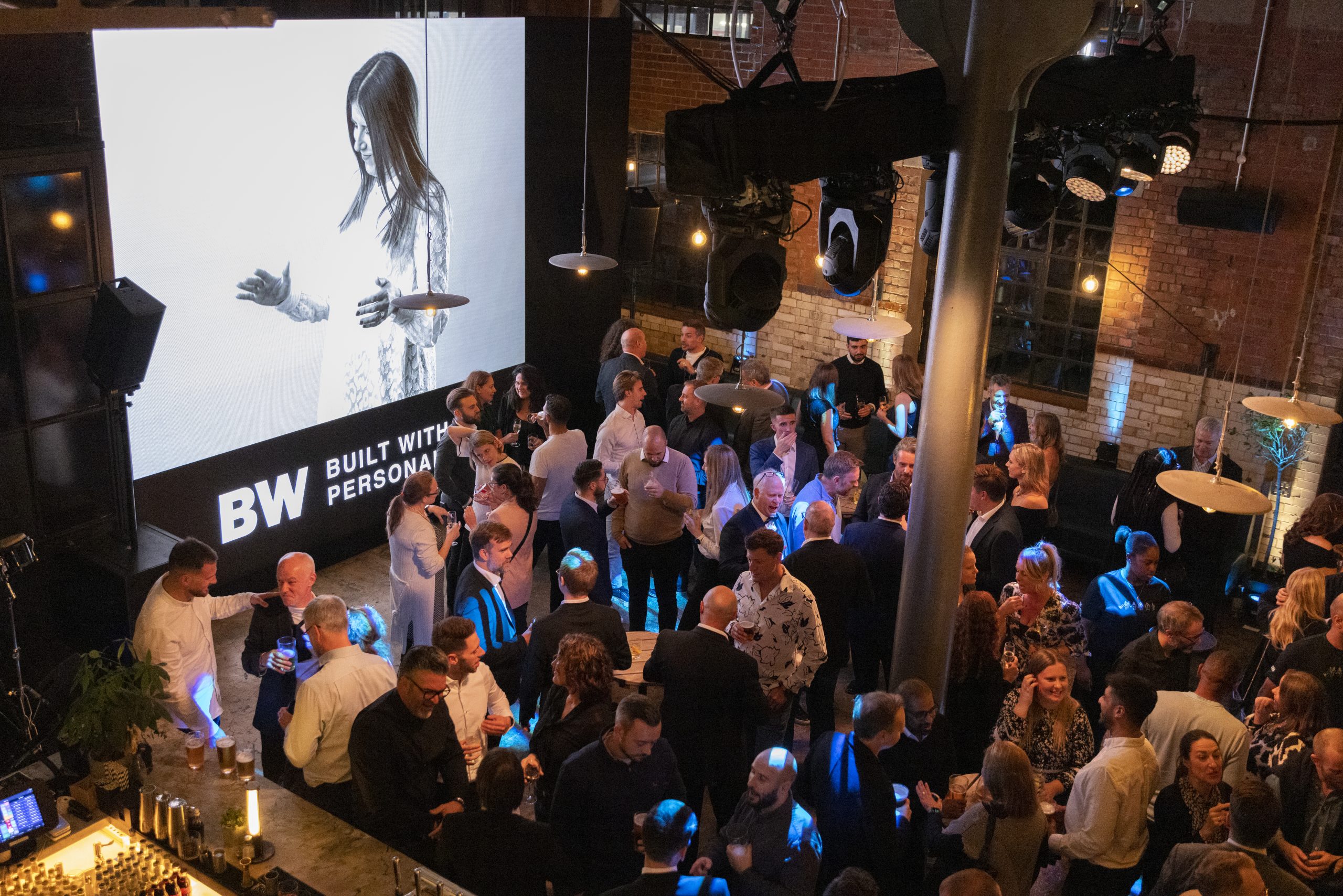
If some of your guests are together in a physical room while others join from home, you need a robust hybrid event planning checklist. The goal is “equity of experience,” ensuring your virtual attendees don’t feel like passive observers.
Use this hybrid event planning guide to ensure both audiences feel equally valued:
- Two-way interaction: Allow virtual guests to ask questions that are answered live on the physical stage.
- Digital-first networking: Use apps that pair in-person and remote delegates based on shared interests.
- Synchronised moments: If the physical audience enjoys a surprise, ensure a digital version, perhaps a curated “experience box” delivered to their door, reaches your remote guests at the same time.
Step 4: Content is The Soul of the Journey
In the online world, attention is the highest-value currency. Stop using long, stagnant presentations; adopt snackable content instead. High-energy transitions, live workshops, and gamified elements such as leaderboards, similar to those we use to track performance in a sales incentive programme, should be used to ensure engagement does not drop.
Within SEVEN, we recognise the fact that each company and group is distinctive. Our tailor-made event management services can help you collaborate with us to create a content plan that reflects your company culture and objectives. We do not simply handle logins; we create memorable experiences by drawing on our personal experience of what makes people lean in.
Step 5: The Technical Safety Net
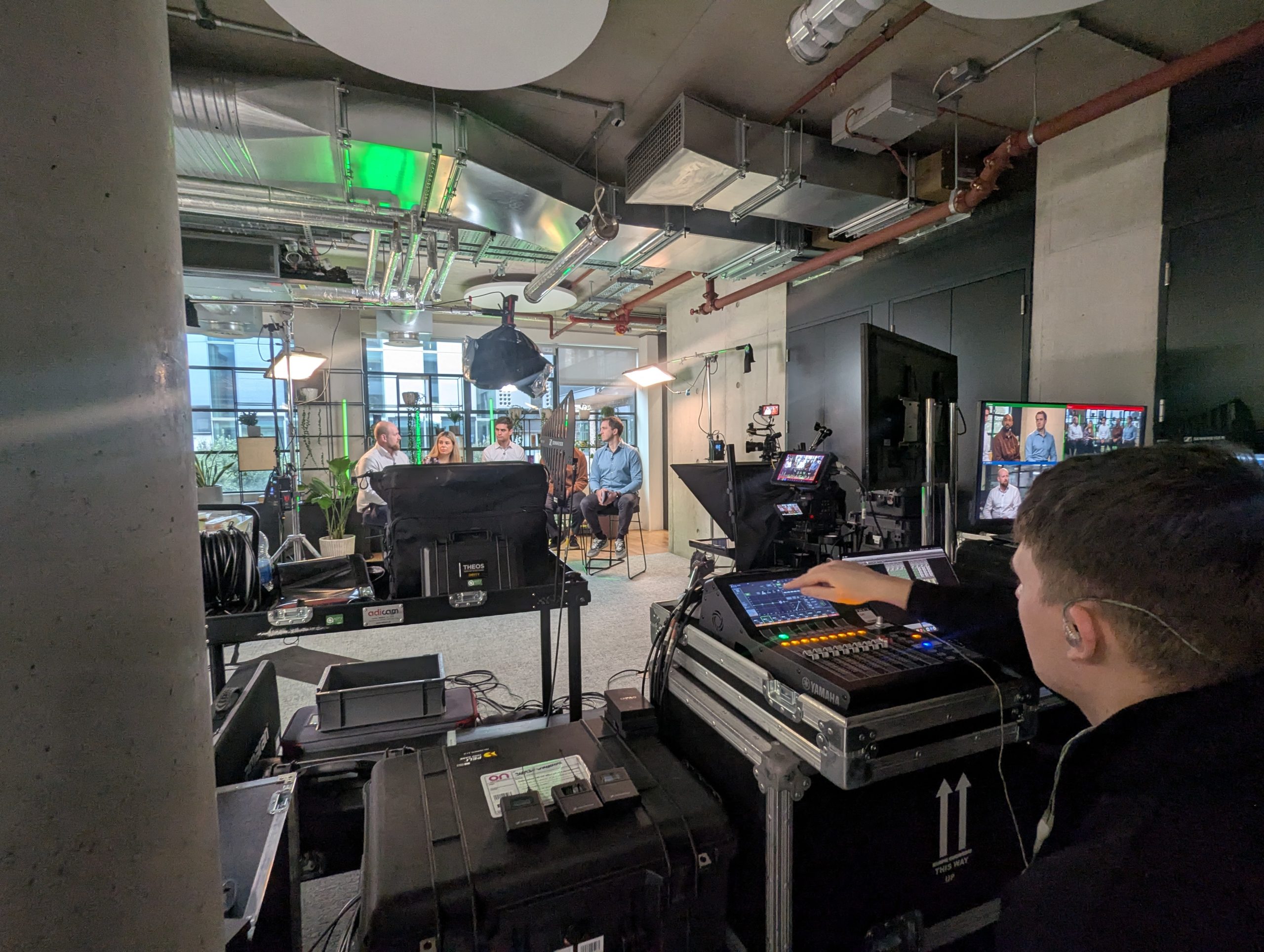
The most brilliant idea might fail without a smooth implementation. At least 48 hours before go-live, your checklist should contain a technical dry run.
- Speaker training: Make all the presenters familiar with the technology and the lighting.
- Redundancy plans: There should be a Plan B for internet-related downtime or platform glitches.
- Live support: Have a dedicated support desk for attendees to get assistance with their connections.

Step 6: Measuring The Legacy
The journey doesn’t end when the stream stops. One of the greatest benefits of virtual and hybrid events is the wealth of data they provide. Analyse engagement heatmaps, session attendance, and post-event surveys to measure your success against your original business goals. This data is a strategic tool for future retention and engagement strategies.
Take the next step with SEVEN
Whether you are exploring a breathtaking Norwegian-style adventure in a digital twin environment or planning a high-energy hybrid sales kick-off, SEVEN is here to lead the way. We combine creative concept development with meticulous planning to ensure your recognition and retention strategies are executed with absolute precision.
Ready to see how we can take your guests on an uplifting digital journey? Start a conversation with SEVEN today and discover what’s possible when your virtual event becomes a world-class experience.
FAQs
1. How far in advance should virtual events be planned?
Virtual and hybrid events should ideally be planned 8–12 weeks in advance to allow time for platform testing, content development, speaker training, and engagement strategy design.
Planning an upcoming digital event? Get expert guidance from SEVEN.
2. What technology is needed for virtual and hybrid events?
You’ll need a reliable event platform, streaming technology, engagement tools (polls, chat, networking), analytics tracking, and live technical support.
3. How do you keep audiences engaged in virtual events?
Engagement is built through interactive content, live sessions, gamification, storytelling, real-time participation tools, and experience-led design. Create immersive digital experiences with SEVEN’s event specialists.
4. What’s the biggest mistake in virtual event planning?
The biggest mistake is focusing only on technology instead of experience design. Successful virtual events prioritise audience journey, interaction, and emotional connection.
5. How do you measure success for virtual and hybrid events?
Success is measured using engagement data, attendance metrics, session performance, feedback surveys, conversion tracking, and ROI analysis.
6. Are hybrid events better than fully virtual events?
Neither is better by default, the right format depends on your goals, audience, budget, and experience strategy. Unsure which format fits your goals? Speak with SEVEN for expert guidance.