Virtual Events Agency: How to Deliver Engaging Online Experiences?
A virtual events agency helps brands deliver engaging online conferences, hybrid events, and digital experiences that connect with audiences worldwide. Learn how virtual events work, the technology required, engagement strategies, common mistakes to avoid, and how to measure event ROI.
A virtual events agency helps brands deliver engaging online conferences, hybrid events, and digital experiences that connect with audiences worldwide. Learn how virtual events work, the technology required, engagement strategies, common mistakes to avoid, and how to measure event ROI.
Online events have become a permanent part of how brands connect with audiences. The pandemic forced the shift. What followed was a realisation that online formats reach people a physical room never could. A good virtual events agency turns that reach into genuine engagement. Let’s see how.
What Does a Virtual Events Agency Do?
A virtual events agency plans, produces, and delivers events that take place online or across both physical and digital spaces. The work covers far more than setting up a video call. It brings together strategy, production, technology, and audience engagement into one service.
A good agency handles:
- Event strategy and audience planning.
- Creative concept and content design.
- Platform selection and build.
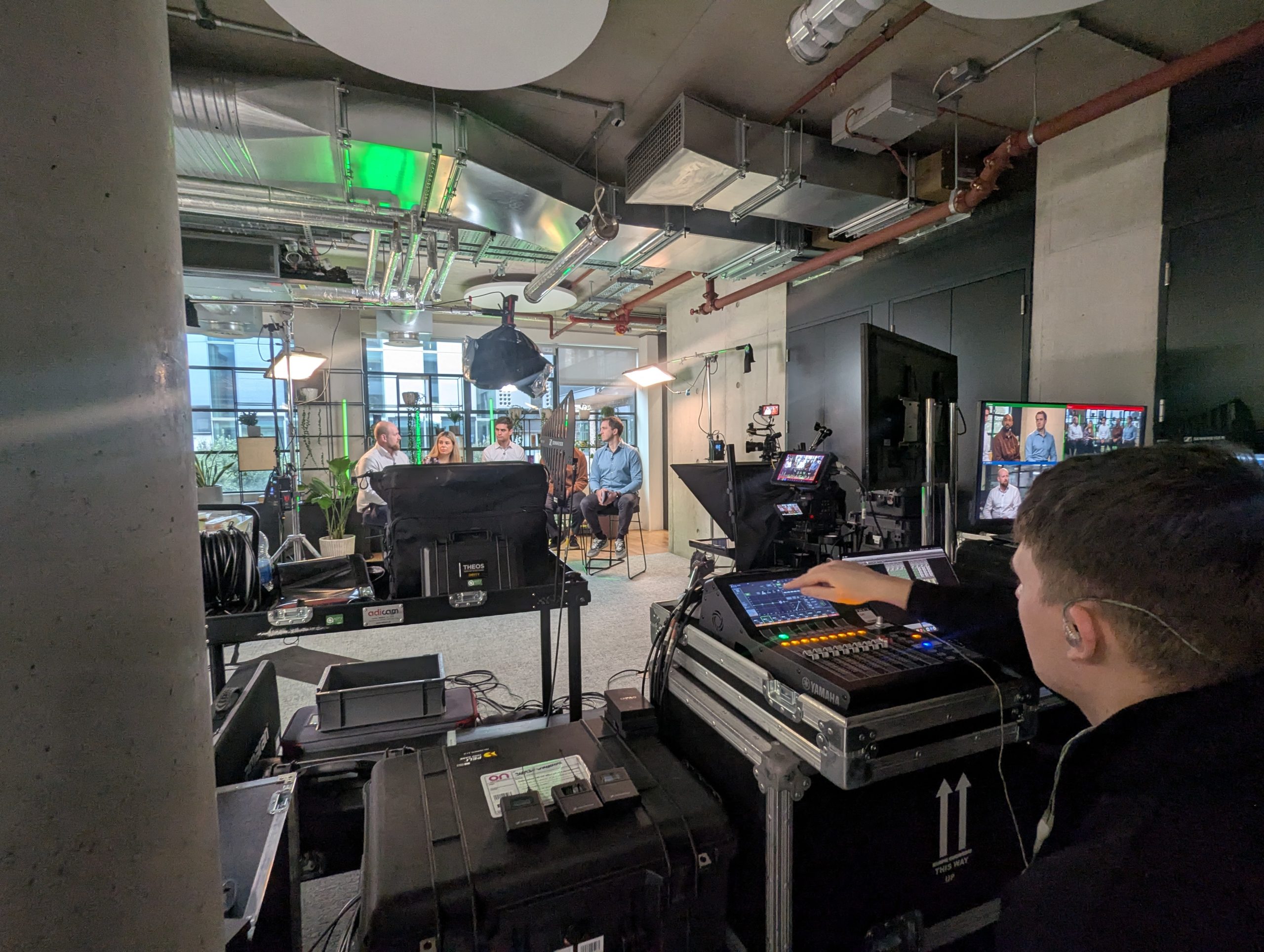
- Broadcast-quality production and streaming.
- Presenter rehearsals and technical checks.
- Live event management on the day.
- Post-event data and reporting.
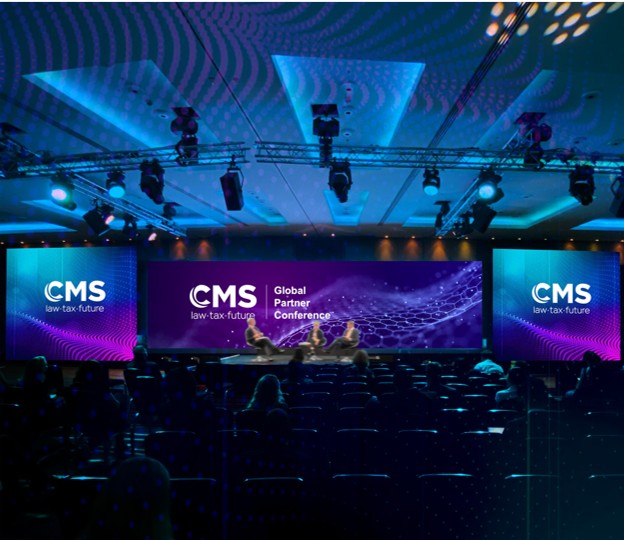
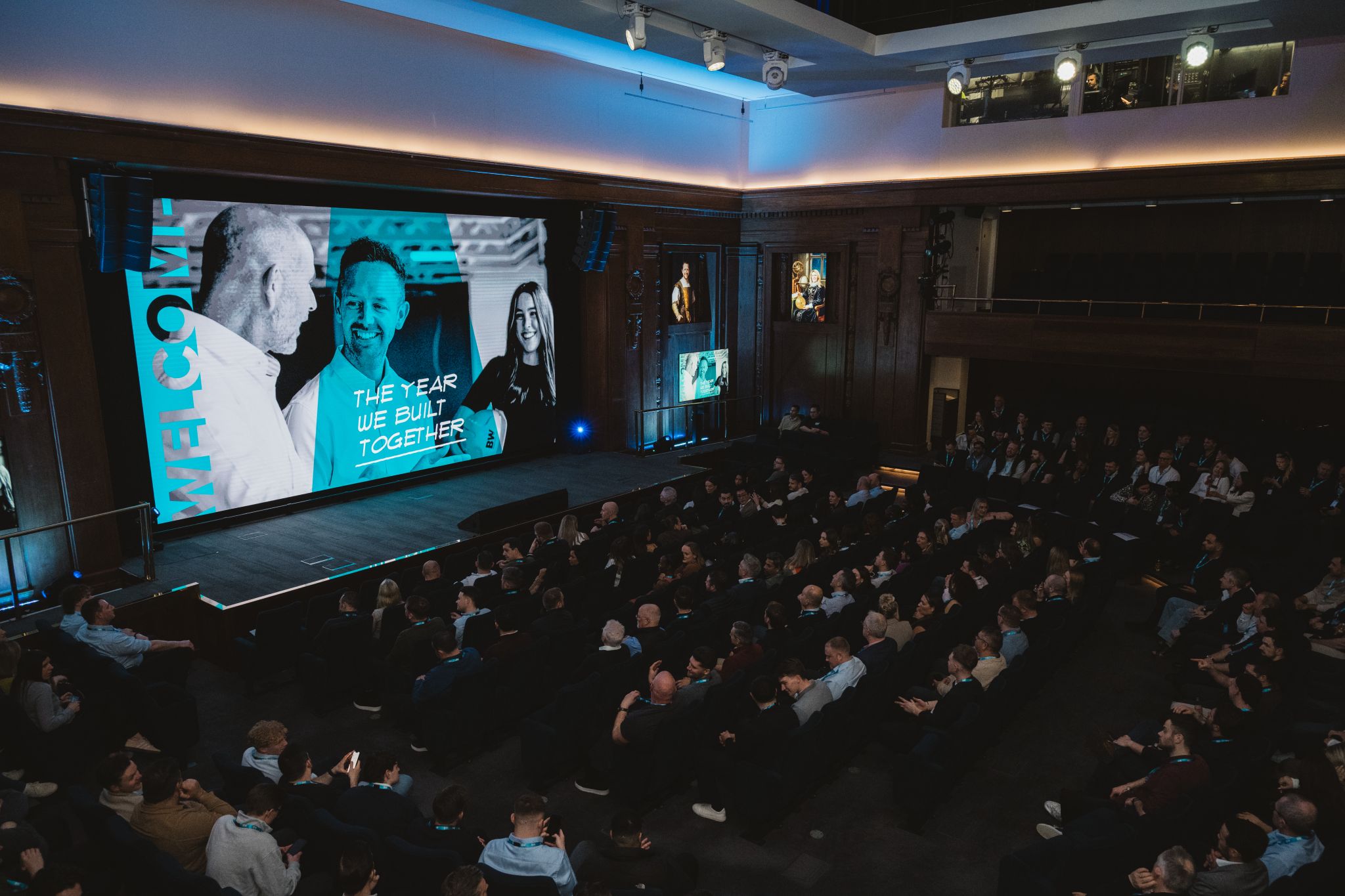
SEVEN has delivered online and hybrid events for global brands, from two-day online conferences to multi-location broadcasts. The goal is always the same: keep remote audiences genuinely engaged from start to finish.
What Are The Benefits of Virtual Events?
Online formats offer advantages that physical events struggle to match. The main benefits include:
- Wider reach: Attendees join from anywhere without travel.
- Lower cost per head: No venue hire, catering, or accommodation.
- Stronger data: Every click and interaction can be tracked.
- Reduced travel impact: Fewer flights and journeys lower the carbon footprint.
- Easy content reuse: Sessions can be recorded and shared afterwards.
- Faster turnaround: Online events can be planned on shorter timelines.
These benefits explain why many brands keep events online even when in-person gatherings are possible.
Virtual vs Hybrid vs In-Person Events
Each format serves a different purpose. The table below sets out the main differences.
| Factor | Virtual | Hybrid | In-Person |
|---|---|---|---|
| Audience location | Fully remote | Remote and on-site | All on-site |
| Reach | Widest | Wide | Limited by venue |
| Cost per attendee | Lowest | Moderate | Highest |
| Networking quality | Structured online | Mixed | Strongest |
| Production complexity | Moderate | Highest | Moderate |
| Data and tracking | Strongest | Strong | Limited |
Many brands run online conferences when reach matters most. They choose hybrid events when they want both a live audience and a remote one.
7 Ways to Increase Engagement in Virtual Events
Engagement is the real challenge of any online event. These seven tactics keep remote audiences involved.
1. Live Polling
Polls turn passive viewers into active participants. They give the audience a voice and give presenters instant feedback on what people think.
2. Breakout Sessions
Smaller groups create space for real conversation. Breakouts work well for workshops, training, and any session where discussion matters more than broadcast.
3. Networking Lounges
A good virtual event platform can recreate the informal side of events. Networking lounges let attendees meet, chat, and build connections beyond the main programme.
4. Gamification
Game mechanics add energy and friendly competition. Points, challenges, leaderboards, and prizes give people a reason to stay engaged across a full day.
5. Audience Q&A
Live questions keep content relevant to the people watching. A strong moderation setup makes sure the best questions reach the speakers without chaos.
6. Interactive Content
Static slides lose attention fast. Interactive formats hold it instead:
- Live demonstrations and product walk-throughs.
- On-screen quizzes and challenges.
- Clickable resources and downloads.
- Audience-driven content choices.
7. Personalised Agendas
A custom agenda makes each attendee feel the event was built for them. A good virtual event platform surfaces relevant sessions based on each person’s role and interests.
What Technology Is Required for Successful Virtual Events?
The right technology is the foundation of any online event. Several elements work together to make it happen. The core components include:
- A reliable virtual event platform: The home for content, networking, and data.
- Broadcast-quality streaming: Clear video and audio that hold attention.
- Presenter support tools: Rehearsal systems, autocues, and backup feeds.
- Engagement features: Polling, Q&A, chat, and gamification built in.
- Data capture systems: Tracking that feeds measurement and follow-up.
- Technical support: A live team ready to solve issues in real time.
A good virtual events agency brings these elements together rather than leaving a client to assemble them alone.
SEVEN designs and builds bespoke platforms tailored to each brief, so the experience matches the brand rather than a generic template. This approach has powered online conferences for brands including Pepsi Lipton and Telefónica Tech.
How to Measure Virtual Event ROI?
Online events produce more data than any physical format. That data makes the return easier to prove. Track the following metrics:
- Registration and attendance rate.
- Average watch time per session.
- Engagement actions such as polls, questions, and downloads.
- Lead generation and qualified conversations.
- Post-event survey scores and Net Promoter Score.
- Content views after the live event ends.
A clear measurement plan should be set before the event begins. The metrics you track must follow from the objectives you defined at the start.
What Are The Common Virtual Event Mistakes?
Online events fail for predictable reasons. Each one is avoidable with the right planning.
| Mistake | Why It Happens | How to Avoid It |
|---|---|---|
| Treating it like a webinar | Low ambition and weak production | Design for experience, not just broadcast |
| Poor platform choice | Picked on price, not on fit | Match the platform to the audience and goals |
| No engagement plan | Content pushed at a passive audience | Build interaction into every session |
| Weak presenter prep | Speakers are left to figure it out alone | Run full rehearsals and technical checks |
| Ignoring the data | No measurement structure in place | Define metrics before the event begins |
Working with an experienced agency removes most of these risks. The planning and production discipline is what keeps an online event on track.
If you are planning online conferences or hybrid events and want them to genuinely engage your audience, we would love to talk through your brief.
Connect with the team at SEVEN.
FAQs
1. Are virtual events still effective?
Yes. Online formats reach wider audiences at lower cost and produce stronger data than physical events. The brands that keep them often do so because the results justify it.
2. What platform is best for virtual conferences?
The best virtual event platform depends on your audience, goals, and content. A bespoke platform built around your brief usually outperforms a generic off-the-shelf tool.
3. How do virtual events generate ROI?
They generate return through wider reach, lower cost per attendee, strong lead data, and reusable content. Clear measurement connects all of this back to commercial outcomes.
4. What does a virtual events agency do?
A virtual events agency plans, produces, and delivers online and hybrid events, covering strategy, platform build, production, and measurement under one service.