


Category: Events
Corporate Event Objectives Explained: How Events Drive Business SuccessExcerpt

There’s a noticeable difference between an event that feels busy and one that feels purposeful. In the latter, every moment has direction. Every session connects to a broader goal. Attendees leave knowing exactly why they were there and what comes next.
At SEVEN, we believe the success of any event begins long before venues are booked or agendas are built. It starts with clarity. Understanding the objective of corporate events turns gatherings into strategic assets that actively support business growth.
Common Corporate Event Objectives
Whilst every event serves unique purposes aligned with specific business contexts, most fall into several broad objective categories that drive real business value.
1. Lead Generation and Sales Acceleration
Many corporate events exist primarily to identify potential customers and move them through sales funnels more quickly than traditional marketing approaches achieve. Product launches, industry conferences, and customer appreciation events can all serve lead-generation objectives when designed appropriately.
These events prioritise content that educates prospects about problems and solutions, creates opportunities for sales conversations, and captures attendee information for systematic follow-up. Success metrics include leads generated, conversion rates, and pipeline value created.
2. Brand Awareness and Positioning
When organisations need to shift market perceptions, launch new brands, or establish thought leadership, events provide powerful platforms for concentrated brand messaging. Rather than competing for attention in crowded media channels, brand-focused events create immersive environments where your message dominates completely.
These objectives require events that embody brand values experientially rather than simply communicating them verbally. Every element from venue selection and visual design to speaker selection and attendee experience reinforces desired brand perceptions.
3. Customer Retention and Loyalty
Keeping existing customers costs significantly less than acquiring new ones, making retention-focused events strategically valuable. These gatherings strengthen relationships, demonstrate appreciation, provide education that increases product value, and create community among your customer base.
Successful retention events balance appreciation with value delivery. Customers attend not just because you’ve invited them, but because the experience offers genuine benefits, learning opportunities, networking connections, exclusive access, or simply memorable experiences they couldn’t access elsewhere.
4. Employee Engagement and Culture Building
Internal events shape organisational culture, strengthen team bonds, communicate strategy, recognise achievements, and ultimately impact retention and productivity. When talented employees feel connected to purpose, colleagues, and company vision, they perform better and stay longer.
These objectives require events that facilitate authentic connection rather than simply broadcasting information. Team-building activities, recognition programmes, and collaborative strategy sessions all serve engagement objectives when designed thoughtfully.

5. Knowledge Sharing and Education
Conferences, training sessions, and educational events serve objectives around skill development, knowledge transfer, and industry advancement. Whether educating customers about product capabilities, training employees on new processes, or establishing thought leadership through industry conferences, these events prioritise learning outcomes.
Educational objectives require different design approaches than entertainment-focused events. Content quality, speaker expertise, and opportunities for practical application matter enormously. Success metrics track knowledge retention, skill development, and application of learning post-event.
Aligning Objectives Across Stakeholder Groups
Complex organisations often have multiple stakeholder groups with different priorities. Successful corporate event planning requires balancing these diverse objectives without diluting focus.
Senior leadership might prioritise strategic messaging and business development. Sales teams focus on lead generation and customer relationships. Marketing seeks opportunities to increase brand visibility and create content. HR values employee engagement and culture building. The finance team demands a clear ROI demonstration.
Skilled conference organisers facilitate conversations that surface these varied objectives early, identify potential conflicts, and design events that serve multiple goals simultaneously without compromising effectiveness.
The Objectives of Event Planning Company Partnerships
When you partner with an experienced event planning company, their objectives should align perfectly with yours. The objectives of event planning company relationships include:
- Understanding your unique context – Every organisation faces distinct challenges, serves different audiences, and pursues specific goals. Cookie-cutter approaches fail because they ignore this uniqueness.
- Challenging assumptions productively – Sometimes what you think you need differs from what will actually achieve your objectives. Good partners ask tough questions and suggest alternatives when appropriate.
- Bringing fresh creative perspectives – External partners see possibilities you might miss because they’re not constrained by “how we’ve always done it” thinking.
- Managing complexity seamlessly – Events involve countless moving parts. Professional management ensures nothing falls through cracks whilst you focus on strategic priorities.
Crafting Your Event Objectives
Effective objective setting follows a structured process:
- Start with business context. What challenges does your organisation face? What opportunities could events help capture? What broader strategies could events support?
- Define specific, measurable objectives using frameworks like SMART goals (Specific, Measurable, Achievable, Relevant, Time-bound). Rather than “improve brand awareness,” aim for “increase brand recall among target demographic by 25% within 90 days post-event.”
- Prioritise ruthlessly. Most events should pursue one primary objective and perhaps one or two secondary goals. Attempting a more diluted focus complicates the design.
- Align stakeholders around shared objectives by transparently discussing priorities and trade-offs.
- Establish measurement frameworks before the event to ensure you capture the data needed to evaluate success.
Ready To Set Strategic Event Objectives?
Understanding corporate event objectives transforms events from isolated gatherings into strategic tools that drive measurable business outcomes. Whether you’re planning your first major corporate event or seeking to enhance impact from established programmes, clarity about objectives makes all the difference.
At SEVEN, we specialise in partnering with organisations to translate business goals into events that deliver real results. Our experience across industries and event types means we bring both creative vision and strategic rigour to objective setting and event design.
If you’re ready to ensure your next event serves clear strategic objectives and delivers measurable business value, we’d love to help. Get in touch at hello@sevenevents.co.uk and let’s start the conversation about what you want to achieve and how events can get you there.
FAQs
1. What are the main corporate event objectives?
Corporate event objectives typically include lead generation, brand awareness, customer retention, employee engagement, and knowledge sharing, all aligned to business growth.
Want to define clear objectives for your next event? Speak to SEVEN for strategic event planning support.
2. What is the objective of corporate events in business growth?
The objective of corporate events is to support measurable business outcomes such as revenue growth, brand positioning, customer loyalty, and organisational performance.
3. What are the goals of an event management company?
The goals of an event management company are to align events with business strategy, manage complexity, deliver measurable outcomes, and create high-impact experiences.
4. What are the objectives of an event planning company partnership?
The objectives of an event planning company partnership include strategic alignment, creative innovation, risk management, seamless delivery, and measurable ROI. Build a results-focused event partnership with SEVEN.
5. Why are corporate event objectives important in planning?
Because they guide decision-making, shape event design, define success metrics, and ensure events deliver real business value instead of just activity. Plan with purpose, work with SEVEN to build objective-driven events.
How Companies Should Plan Corporate Events in 2026

There’s a defining moment in every successful corporate event when attendees stop checking their phones and start leaning forward. That moment signals clarity. It tells you the event has been planned with intention, not habit.
At SEVEN, we see corporate events as strategic tools, not tick-box exercises. As expectations rise and attention becomes harder to earn, knowing how to plan corporate events in 2026 means rethinking why events exist and how they serve the business.
1. Start with Purpose, not Logistics
The most effective events begin with one question: What should change because of this event?
Before venues, speakers, or schedules are defined:
- The business objective (alignment, growth, education, culture)
- The audience and what they need to feel or understand
- How success will be measured after the event
This clarity turns planning into strategy and prevents events from becoming expensive distractions.
2. Design the Event Around the Audience Journey
Modern attendees expect experiences, not agendas. Planning now focuses on how people move, interact, and engage throughout the event.
Effective audience-led planning considers:
- Arrival experience and first impressions
- Energy flows across sessions
- Opportunities for interaction and reflection
- Clear takeaways and next steps
This approach fundamentally changes how to organise a corporate event, shifting the focus from schedules to experience.
3. Choose the Right Format for 2026
Corporate events are increasingly diverse, and selecting the right one is essential.
Popular formats include:
- Face-to-face summits and conferences
- Live and remote event hybrid entertainment
- Leadership retreats and strategy
- Products, sales kick-offs
The different formats serve different purposes. Planning to succeed: format is set to the objective, not the default mode.
4. Make Corporate Event Planning Flexible
In 2026, flexibility is not a choice; it is a necessity. Events must adapt to:
- Changing audience needs
- Technology requirements
- Changing content priorities.
The ability to be responsive without being disorganised is achievable through strong corporate event planning. This equilibrium makes events both relevant and enduring.
5. Use Technology With Purpose
Technology must facilitate connectivity rather than distraction. Use technology to:
- Improve involvement and participation
- One day a week supported hybrid attendance
- Get valuable information and knowledge
In SEVEN, we use technology to provide real value, and the events will be human, immersive, and goal-oriented.
6. Focus on Sustainability and Responsibility
Sustainability has become a key factor in decision-making. This includes:
- Mindful venue choice
- Thoughtful material use
- More intelligent travel and logistics planning
In 2026, corporate events are mirrors of organisational values. Sustainable planning enhances credibility and aligns experiences with the brand purpose.
7. Partner With Experienced Professionals
Understanding how to plan corporate events thoroughly is valuable, but executing flawlessly while managing countless moving parts requires dedicated expertise. This is where partnering with an experienced corporate events organiser transforms good intentions into exceptional results.
Professional event partners bring capabilities that internal teams typically lack:
- Vendor relationships: Established connections with venues, caterers, AV providers, and entertainment ensure quality, reliability, and often preferential rates.
- Creative perspective: External partners see possibilities you might miss and challenge assumptions productively, bringing fresh thinking to familiar challenges.
- Risk management: Experience across hundreds of events means anticipating problems before they occur and solving issues quickly when they do.
- Technical expertise: Modern events demand sophisticated AV, streaming, and interactive technology. Specialists ensure seamless integration rather than technical disasters.
- Bandwidth protection: Event planning consumes enormous time and energy. Professional partners handle the complexity, so your team can focus on strategic priorities and attendee engagement.
How SEVEN Approaches Corporate Event Planning
At SEVEN, we plan corporate events with purpose at the centre. We work closely with clients to define objectives, design experiences around people, and deliver events that support real business goals.
From conferences and leadership meetings to sales kick-offs and brand events, we combine strategy, creativity, and operational excellence to ensure every event delivers value.
Ready to Plan Your Next Corporate Event?
If you’re planning a corporate event in 2026 and want it to deliver more than just attendance numbers, we’d love to help. With the right strategy and support, your next event can inspire action, strengthen alignment, and drive lasting impact. Get in touch with SEVEN at hello@sevenevents.co.uk and let’s start planning an event that truly works.
FAQs
1. How do you organise a corporate event step by step?
Organising a corporate event involves setting goals, understanding your audience, selecting the right format, planning logistics around experience, and measuring outcomes post-event. SEVEN works with clients from strategy through delivery to ensure every stage is planned with purpose.
2. Why is purpose important when planning corporate events?
Purpose ensures corporate events drive engagement, alignment, and measurable business outcomes rather than becoming routine or checklist-driven. At SEVEN, every corporate event is designed around a clear objective and outcome.
3. Why is flexibility essential when organising corporate events?
Flexible planning allows events to adapt to changing priorities, audiences, and delivery requirements without compromising quality.
4. How can SEVEN support corporate event planning in 2026?
SEVEN plans and delivers corporate events that align people, purpose, and outcomes, combining strategy, creativity, and operational excellence.
5. How does technology support modern corporate event planning?
Technology supports engagement, hybrid participation, and data-driven insights when used intentionally and seamlessly.
Experiential Marketing Trends for 2026

There’s a moment at every great brand experience when the room changes. People stop observing and start participating. Conversations deepen. The brand stops speaking to the audience and starts connecting with them. That shift defines the most powerful experiential marketing trends shaping 2026.
At SEVEN, we see experiential marketing evolving into something far more intentional. It’s no longer about being loud or elaborate. It’s about designing experiences that feel personal, culturally aware, and strategically aligned with brand goals. The brands leading the way understand that experience is the message.
An Experience-first Strategy Replaces Campaign-first Thinking
Experience-led strategy is emerging as one of the most substantive experiential trends, driven by the elimination of selective campaigns. Experiences are now being designed by brands as part of an extended journey, rather than as isolated moments.
This strategy will ensure that all touchpoints, including pre-event, event, and post-event, support a cohesive story. Experiences are connected, not disjointed. Viewers not only know what the brand has to offer, but why you need it.
By collaborating with an experiential marketing company, brands can frame these journeys with purpose, creativity, and business acumen.

2. Engagement Becomes the Primary Measurement
Attendance no longer defines success. In 2026, engagement is more important than footfall.
Brands now create experiences which:
- Contribute instead of making an observation.
- Promote communication by choice and motion.
- Encourage investigations and discovery.
Since team-building sessions can take the form of collaborative workshops and live problem-solving, the concept of experiential design is that the audience should feel engaged, not controlled. These sensorial trends put the agency back in participants’ hands.
3. Technology Enriches Experience And Not Spectacle
Technology is still a strong enabler; however, its role has changed. It no longer overpowers the experience; rather, it quietly and intelligently assists it.
Key applications include:
- Content and agenda personalisation based on data.
- Uninterrupted hybrid delivery to distributed audiences.
- Intelligent spaces that change lighting, sound, and design.
In SEVEN, we incorporate technology where it adds value and not where it becomes distracting. The best experiences are human-first and digital-second.

4. Micro-moments and Social-first Design
Whilst creating comprehensive event experiences remains important, 2026 sees increasing focus on designing individual micro-moments specifically crafted for social sharing. The sophistication lies in creating moments that people genuinely want to share because they’re remarkable, not because you’ve asked them to.
However, the best social-first design never sacrifices substance for shareability. The moments that generate authentic engagement online are those rooted in genuine experiential value. People share because they’re genuinely excited, not because they’ve been incentivised or prompted.
Events no longer end when attendees leave; they extend into ongoing digital conversations, exclusive online communities, and long-term relationship-building that maintain engagement far beyond the physical gathering.
5. Wellness and Mindful Experiences Gain Prominence
As workplace wellbeing becomes central to corporate culture, experiential marketing increasingly incorporates wellness elements that demonstrate genuine care for attendee wellbeing. This trend extends beyond corporate events into consumer brand experiences.
We’re creating spaces within events designed explicitly for decompression quiet zones with comfortable seating, mindfulness activities, healthy refreshment options, and programmes that respect attendees’ need for balance. Rather than cramming every minute with activity, thoughtful experiences build in the breathing room.
Embracing the Evolution
These experiential marketing trends aren’t isolated developments but interconnected shifts reflecting bigger changes in consumer expectations, technological capabilities, and business priorities. The brands that thrive will be those that embrace evolution whilst staying true to fundamental principles of authentic connection and genuine value creation.
At SEVEN, we’re excited by where experiential marketing is heading. These trends create extraordinary opportunities to create experiences that resonate deeply, drive real business outcomes, and position brands as innovative leaders. Whether you’re planning your next corporate event, product launch, or brand activation, understanding these experiential trends helps ensure your investment delivers maximum impact.
Ready to explore how these emerging trends could transform your brand experiences? Get in touch at hello@sevenevents.co.uk and let’s start creating something extraordinary together.
FAQs
1. What are the top experiential marketing trends for 2026?
The leading experiential marketing trends for 2026 include experience-first strategy, hyper-personalised engagement, sustainable event design, technology-enabled participation, and creative themes that prioritise emotional connection over spectacle.
2. Why is experiential marketing becoming more important for brands?
Experiential marketing allows brands to create meaningful, real-world connections in an increasingly digital environment. It builds emotional engagement, improves brand recall, and encourages active participation rather than passive consumption.
3. How do experiential trends influence event design in 2026?
Experiential trends shape event design by focusing on audience participation, flexible environments, and immersive storytelling. Events are now designed as journeys that adapt to attendee behaviour and encourage interaction at every stage.
4. How do creative event theme ideas enhance experiential marketing?
Creative event theme ideas act as emotional anchors, guiding design, content, and interaction. Strong themes help unify the experience, reinforce brand messaging, and make events more memorable and shareable.
Top Event Trends of 2026

One of the most exciting developments is the growing role of AI in events. From planning to personalised communications, branding, engagement, and onsite guest support, AI is now a key component of the event experience. It helps create meaningful networking opportunities, whether through technology that connects attendees based on shared goals and interests or by facilitating icebreaker activities. AI ensures guests can make stronger connections and enjoy a more seamless event experience.
Closely linked to this is the importance of hyper-personalised guest experiences. Tailoring experiences to individual preferences ensures attendees feel heard and valued. By leveraging guest data, we can offer personalised agendas, recommend relevant sessions, and suggest networking matches. Personalisation has been proven to increase both satisfaction and engagement.
In 2026, events are embracing interactive and fun activities that keep attendees engaged throughout. At SEVEN, we support clients in building immersive, experience-filled programmes, from interactive workshops and wellness activities to sourcing the right suppliers for content and experiences. Guests want their time to be well spent when attending events, which leads onto purpose-driven events. Ensuring strategic collaborations and partnerships adds value and reinforces a co-creative approach, making every event meaningful and impactful.
Purpose-driven events also tie into the rise of events as strategic marketing tools. Companies are increasingly recognising the power of live experiences to communicate news, launch products, build brand awareness, and strengthen company culture. At SEVEN, we help design events that extend far beyond the day itself, whether by sourcing inspirational speakers, creating shareable themes for social media, or gathering actionable feedback to provide clients with valuable insights into their audience.
Sustainability continues to be a critical consideration. Today, often both clients and guests expect eco-conscious events. From reducing waste and sourcing locally to using sustainable venues and tracking carbon emissions, sustainability is central to modern event planning. At SEVEN, we support clients through TRACE, a system that calculates event carbon emissions and helps offset them post-event.
Finally, venue selection is more important than ever. The right venue is not just a space; it’s a partner in shaping the overall event experience. At SEVEN, we guide clients in sourcing venues that align with the event’s narrative, values, and goals, ensuring every element works together to create a cohesive, memorable experience.
These trends touch every stage of the event journey — from initial planning to the live experience, and even post-event follow-up. At SEVEN, we offer services that bring these trends to life, whether it’s crafting a unique strategic communications plan, sourcing the perfect venue and suppliers, or delivering an eco-conscious, sustainable event.
If you’re looking to plan an event that’s on-trend, achieves your goals, and leaves a lasting impression on your guests, get in touch with us today.
FAQs
- How far in advance should I start planning my event?
The earlier you start, the better as it gives you more options to choose from and ensures all your event requirements can be met. That said, we know time isn’t always on your side. At SEVEN, our years of experience and extensive network of contacts allow us to recommend unique venues and creative solutions that work perfectly, even on a tighter timeline, for any type of event.
- What type of events can SEVEN help plan?
With over two decades of experience as a leading London event company, SEVEN has planned a wide range of events across the globe — from experiential and incentive events to virtual gatherings and large-scale conferences. We thrive on creativity and love bringing events to life, turning ideas into memorable experiences. You can explore some of our past work here.
- What should I include in a post-event report?
A post-event feedback survey can be tailored to meet your specific goals. The questions you include will depend on what insights you want from your attendees, for example, whether the venue and location worked well, if pre-event communications were effective, or how valuable they found the content and agenda. At SEVEN, we can support you with all aspects of post-event communications, from designing the survey to collecting and analysing feedback, giving you clear, actionable insights to inform future events.
- What does it mean for an event to be purpose-driven?
A purpose-driven event is one where every element, from topics and speakers to themes, suppliers, and the agenda, is intentionally chosen to serve a clear goal. It’s about creating a cohesive and meaningful experience where all components work together seamlessly, ensuring your guests leave with a sense of value, engagement, and impact.
AI: the innovations transforming events in 2026
Smarter planning, better decisions
One of the biggest shifts AI has brought to events is behind the scenes. Planning used to rely heavily on spreadsheets, instinct and historical knowledge. Now, AI-powered tools can analyse past event data, audience behaviour and performance metrics to help inform decisions early on.
From predicting attendance and optimising schedules to identifying the best formats for engagement, AI allows event planners to make more informed choices. This means less guesswork, fewer last-minute changes and a smoother experience for everyone involved.
Hyper-personalised guest experiences
In 2026, personalisation is no longer a “nice to have” – it’s expected. AI allows events to adapt to individual preferences at scale, creating experiences that feel tailored rather than generic.
Think personalised agendas, content recommendations based on attendee interests, or networking suggestions that match guests with like-minded peers. For attendees, this creates a sense of relevance and value. For organisers, it means higher engagement and stronger outcomes.

Seamless registration and arrival
First impressions matter. AI-driven registration systems are transforming the way guests arrive at events, reducing friction and queues while increasing efficiency.
Facial recognition check-in, smart badges and automated access control are becoming more commonplace, particularly at large-scale conferences and exhibitions. These tools help create a calm, welcoming arrival experience, setting the tone for what’s to come.
Real-time engagement and feedback
Understanding how guests feel during an event has always been a challenge. AI is changing that by analysing live data from polls, apps, wearables and social interactions to provide real-time insights.
This allows event teams to adapt on the fly – adjusting content, pacing or environments to better suit the audience. Post-event, AI-powered analytics can highlight what worked well and where improvements can be made, helping shape even stronger events in the future.
Immersive experiences powered by AI
AI is also playing a key role in creating immersive event experiences. From intelligent lighting and sound systems that respond to audience energy, to AI-enhanced virtual and hybrid environments, technology is helping blur the lines between physical and digital.
In 2026, we’re seeing more events use AI to support interactive storytelling, virtual speakers, digital hosts and dynamic content that evolves throughout the experience. When used thoughtfully, these innovations add depth without distracting from human connection.
Balancing technology with human connection
While AI opens up exciting possibilities, the most successful events still centre around people. At SEVEN, we believe technology should support emotion, creativity and storytelling, not overshadow them.
AI helps us streamline processes, personalise journeys and gain insights, but it’s our team’s expertise that brings warmth, energy and meaning to every event. The balance between innovation and authenticity is what truly transforms an experience.

Planning future-forward events with SEVEN
At SEVEN, we stay at the forefront of event innovation to ensure our clients benefit from the latest tools without losing the human touch. Through our event planning services, we design experiences that blend creativity, technology and purpose – always aligned with your goals and audience. Discover how we work here: https://sevenevents.co.uk/our-services/
Whether you’re exploring AI for the first time or looking to elevate your next event with smart innovation, we’re here to guide you every step of the way.
Frequently asked questions
How is AI being used in events today?
AI is used for planning, personalisation, registration, engagement tracking and post-event analysis. It helps events run more smoothly and creates more tailored guest experiences.
Will AI replace event planners?
No. AI supports planners by automating tasks and providing insights, but human creativity, emotional intelligence and strategic thinking remain essential.
Are AI-powered events only suitable for large conferences?
Not at all. AI can be scaled to suit events of all sizes – from intimate leadership sessions to large corporate conferences.
How can SEVEN help us integrate AI into our events?
We work closely with you to understand your goals and recommend the right level of technology to enhance your event, ensuring it adds value without unnecessary complexity.
ready to future-proof your events?
AI is transforming the events industry – and 2026 is just the beginning. If you’re ready to explore how innovation can elevate your next experience, get in touch with us at hello@sevenevents.co.uk and let’s create something unforgettable together.
Why Industry Expos & FAM Trips Are a Game-Changer for Event Agencies

Discovering the Best to Deliver the Best
Walking into an expo feels like stepping into a giant treasure trove of inspiration. Every stand brings something new: a venue we’ve not yet explored, a production partner with innovative ideas, or a supplier who instantly sparks our imagination.
By meeting suppliers face-to-face, we’re building genuine relationships, not just exchanging emails or browsing online listings. We ask questions, see products up close, and get a true feel for the people behind them. This means our supplier database grows not only in size, but in quality. We return with a refreshed pool of trusted partners, ensuring that when a client comes to us with a vision, we’re matching them with the best possible suppliers for their event, people we know, trust, and believe in.

Exploring Spaces Through FAM Trips
There’s something magical about stepping into a venue or walking round a new city rather than viewing it on a screen. FAM trips let us wander through spaces, imagine how a client’s event can unfold, and see the small details that don’t always show up in brochures.
We meet the on-site teams, understand the flow of the spaces and experience the atmosphere first-hand. That knowledge transforms the way we pitch ideas to clients. We’re not guessing; we’re guiding.
But our FAM trips don’t just stop in the UK, we regularly travel overseas to discover new destinations and keep up with the latest and very best places the world has to offer. Whether it’s exploring a buzzing city, uncovering a hidden coastal gem or stepping into a cutting-edge resort, these trips help us understand the destination from the ground up.
We’re hosted by the most experienced people in that region, local experts who know every secret corner, every standout venue and every unforgettable experience. Their insight means we’re not just visiting; we’re truly learning. We return with a deep understanding of what each destination can offer our clients, confident that we can match them with somewhere fresh, exciting and perfectly suited to their event organised via out recognition and incentive service.
With every FAM trip we complete, we add a new layer of knowledge to our toolkit, more destinations, more venues, more ideas ready to be brought to life.
Growing Together as an Industry
One of the most uplifting parts of attending expos and FAM trips is connecting with other agencies. We share stories, challenges and success moments that help us all grow. Hearing what others are doing inspires new thinking and keeps us collectively raising the bar.
It’s refreshing, motivating and a great reminder that we’re part of a wider community all striving for the same goal: delivering exceptional events. These conversations spark new ideas, new approaches and a renewed sense of excitement for the future of our industry.
Returning Recharged and Ready to Create
Every time we attend an expo or a FAM trip, we return with a spark, new energy, new connections and new possibilities for our clients. It’s more than research; it’s exploration. It’s how we stay fresh, informed and ready to deliver standout experiences.
By immersing ourselves in the latest venues, trends and supplier offerings, we’re making sure that when our clients dream big, we’re already one step ahead, ready to make it happen.

Frequently Asked Questions
Why do event agencies attend industry expos?
We attend expos to discover new suppliers, explore the latest event trends and build trusted relationships face-to-face. It helps us stay inspired and ensures we always bring fresh ideas and reliable partners to our clients’ events.
What is a FAM trip and why do event agencies go on them?
A FAM (familiarisation) trip is an opportunity for us to visit venues and destinations first-hand. Instead of browsing online or relying on brochures, we experience spaces in real life, meet on-site teams and understand exactly how an event would come to life there.
Do you travel overseas for FAM trips?
Yes, we regularly travel abroad to explore new destinations and keep up with the latest hotels, venues and experiences from around the world. These trips help us stay ahead of what’s new, exciting and perfect for our clients.
How does attending FAM trips benefit your clients?
Every trip helps us discover places that perfectly suit different types of events. We learn what works, what feels special and what will surprise and delight guests, so we can recommend destinations with confidence and creativity.
Do you meet other agencies on these trips?
Absolutely! Connecting with other agencies is one of the best parts. We share ideas, learn from each other and explore ways to make the industry even better together.
How often do you attend expos and FAM trips?
We attend them throughout the year, staying active and curious so our clients always benefit from the latest trends, top suppliers and most exciting destinations.
How do you choose which suppliers or destinations to work with after a trip or expo?
We look for partners who are passionate, reliable and aligned with our standards. If we’ve seen their work first-hand and we trust their quality, they often become part of our go-to network for client events.
How to Choose the Perfect Venue in 2026: Trends, Tips & Booking Insights
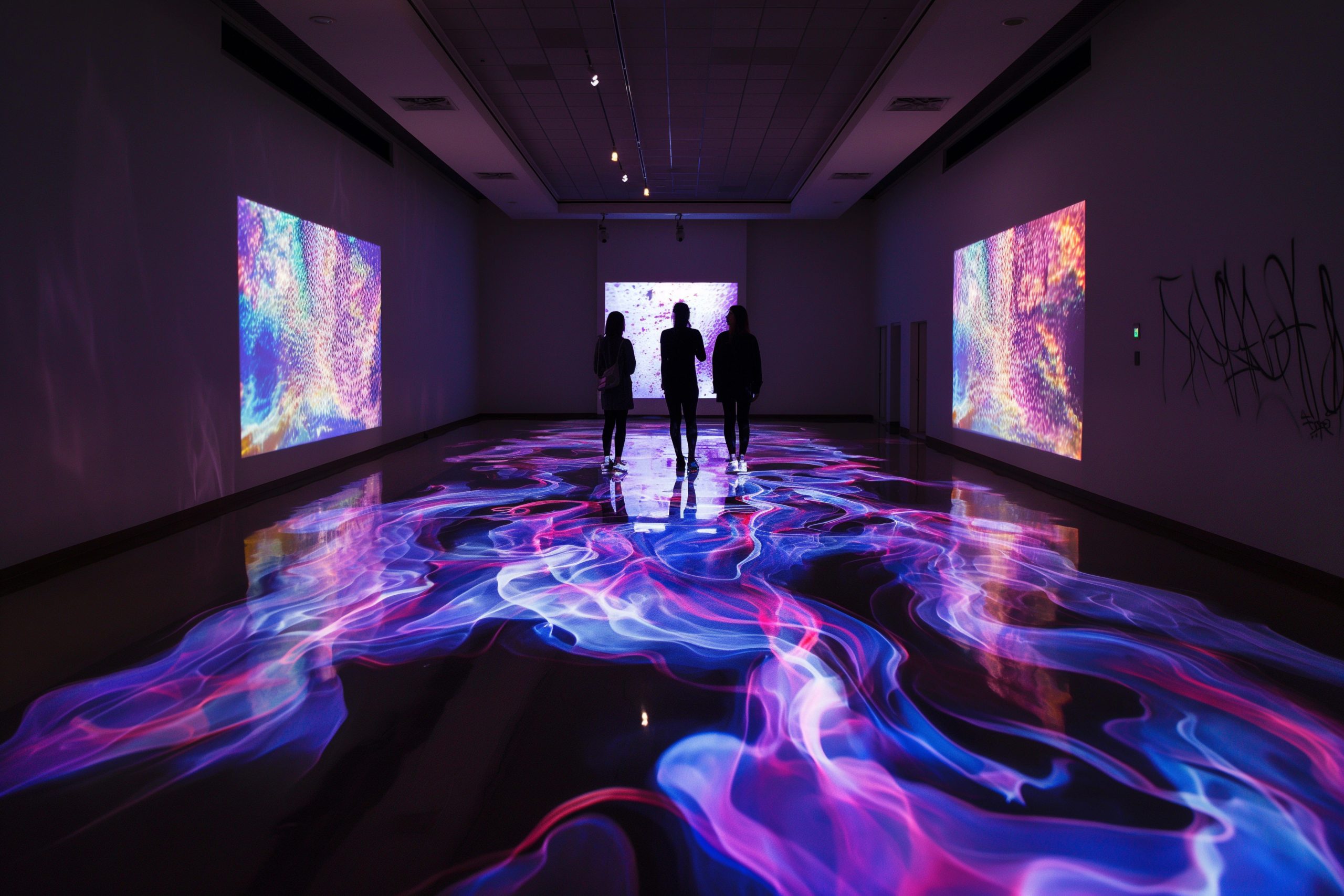
2026 Venue Trends Shaping the Way We Celebrate
Spaces with Personality
In 2026, venues aren’t just rooms, they’re characters in your story. Clients lean towards places that feel warm, uplifting and full of personality. Think inviting courtyards, reimagined warehouses, rooftop gardens and boutique hotels that make guests feel instantly at home. The right venue sets the tone before anyone even steps inside.
Sustainability Takes Centre Stage
Eco-friendly venues are no longer a nice-to-have; they’re a priority. You’re finding more spaces powered by renewable energy, kitchens sourcing locally and designs focused on reducing waste. When you walk into a green-minded venue, you feel proud knowing your event is making a positive impact.
Technology That Works Effortlessly
The best tech is the kind you barely notice. In 2026, smart venues offer seamless connectivity, integrated lighting, immersive screens and flexible layouts that adapt to your story, whether intimate or high-energy. Everything feels easy, and that’s exactly how it should be.
Flexible, Feeling-Led Layouts
Gone are the days of rigid setups. Venues are now designed to flow with your event, not fight against it. Spaces open up, break apart and transform so your guests are constantly discovering something new. It keeps the energy high and the experience memorable.

How to Choose a Venue That Feels Like “The One”
Start with the story you want to tell
Ask yourself how you want guests to feel the moment they arrive. Energised? Calm? Inspired? When you begin with emotion, it becomes much easier to match the right space to your vision.
Walk the space and trust your instincts
Nothing beats seeing a venue in person. You step inside, take a breath and notice whether it feels warm and welcoming. Look at how your guests might move, where the key moments could unfold and whether the venue mirrors your brand or personality.
Check how adaptable the space is
In 2026, your ideal venue works with you. Ask how the space transforms throughout the event, from arrival to celebration to winding down. The more flexible it is, the easier it becomes to build an experience your guests will remember.
Consider location through your guests’ eyes
Think about how guests travel, arrive and explore. Locations with great transport links, lovely surroundings and a smooth arrival experience always make the event feel more enjoyable from the very start.
Be clear about what’s included
A transparent venue team makes all the difference. Ask about catering, staff, timings and tech so there are no surprises later. When everyone’s upfront, planning becomes effortless, and that’s exactly what we want for our clients.
Booking Insights for 2026: What You Need to Know Now
Book earlier than you think
Demand is strong, especially for unique and sustainable venues. Early conversations give you first pick of dates, better availability and more time to shape your event story beautifully.
Stay open to creative alternatives
If your dream date or venue is booked, don’t worry, 2026 is full of exciting new spaces. Being flexible often leads to discovering a venue that suits you even better.
Lean on your venue specialists (that’s us!)
We spend our days exploring spaces, meeting venue teams and uncovering hidden gems. When you work with us, you gain a guide who listens, understands and always puts your needs first. Together, we shape an experience that feels seamless, personal and unforgettable.
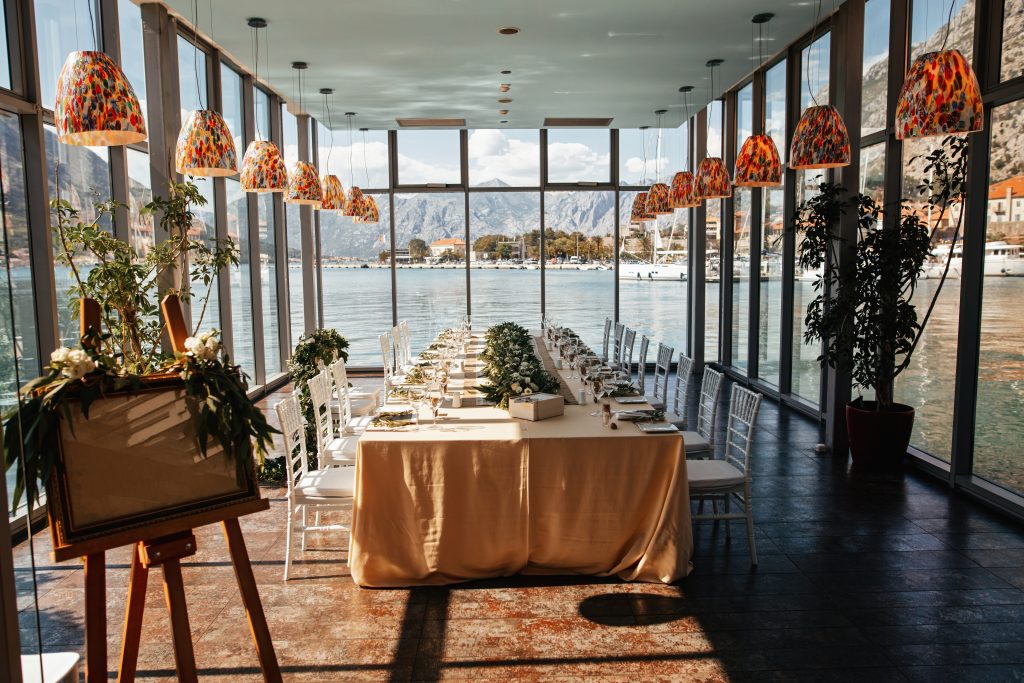
Let’s Find Your Perfect Venue Together
Choosing a venue in 2026 isn’t just a practical step, it’s the beginning of your event’s story. With the right guidance and a little excitement along the way, the process becomes inspiring, energising and surprisingly fun.
If you’re ready to start the search, we’re here to walk the journey with you, putting you and your guests at the centre of every decision so get in touch today.
How to Measure the ROI of Corporate Events

Remember that sense of pride when a major conference wraps up, and the room is buzzing with new ideas? Or the feeling of absolute certainty that your brand just made a massive leap forward? At SEVEN, we believe that the true success of an event is measured by the lasting impact it leaves on your business and your people. To truly understand that value, you need to look beyond the applause and dive into the data.
This guide explores how to measure event roi effectively, ensuring your event return on investment is clear, quantifiable, and impactful. From using an event roi calculator to setting strategic benchmarks, we’re here to take you on a journey of discovery where data meets inspiration.
What ROI Really Means to Events
Before we discuss measurement methods, it is important to understand that event ROI is not a mere financial calculation. Although traditional ROI focuses solely on financial returns, events create value in a variety of ways that should be considered.
Direct financial returns refer to revenue generated from sales leads, contracts signed, or tickets sold. The indirect returns include brand awareness, relationship building, employee engagement, and knowledge sharing. The two are crucial, but they must be measured differently.
The trick is to establish success metrics before your event. What is the definition of success for your particular event? Are you more interested in generating qualified leads, building client relationships, introducing a product, or improving team morale? Clear objectives can lead to meaningful measurement from the start.

Understanding the Key Elements of Event ROI
The event ROI is not only about the income and the expenditure. It is about the tangible and non-tangible results.
Tangible Metrics
The easiest to trace are those containing:
- Ticket registrations or sales.
- Leads that were captured and qualified.
- Sponsorship revenue
- Sales were directly related to the event.
- Cost per attendee
Based on such figures, the event ROI calculator can help create a clear financial picture of performance.
Intangible metrics
These are more difficult to measure, but tend to be where the real long-term value is:
- Brand awareness and brand sentiment.
- Motivation and morale of employees.
- Satisfaction and loyalty of clients.
- Social interaction and reach of content.
In SEVEN, we use data and insight to tell the story beyond the numbers, not about what happened but why.
Measuring Event ROI Tools and Techniques
Event ROI can now be easily determined because of modern technology.
Among the most efficient ones, there are:
- Event applications to monitor engagement, session attendance, and interaction.
- CRM programmes to join leads and sales to particular events.
- Satisfaction and intent outcome in the form of a post-event survey.
- To measure the social presence, mentions, and sentiment, social listening tools will be used.
For corporate conference planning and large-scale meetings, these tools will enable us to quantify engagement with both physical and digital audiences and get a more comprehensive overview of impact.
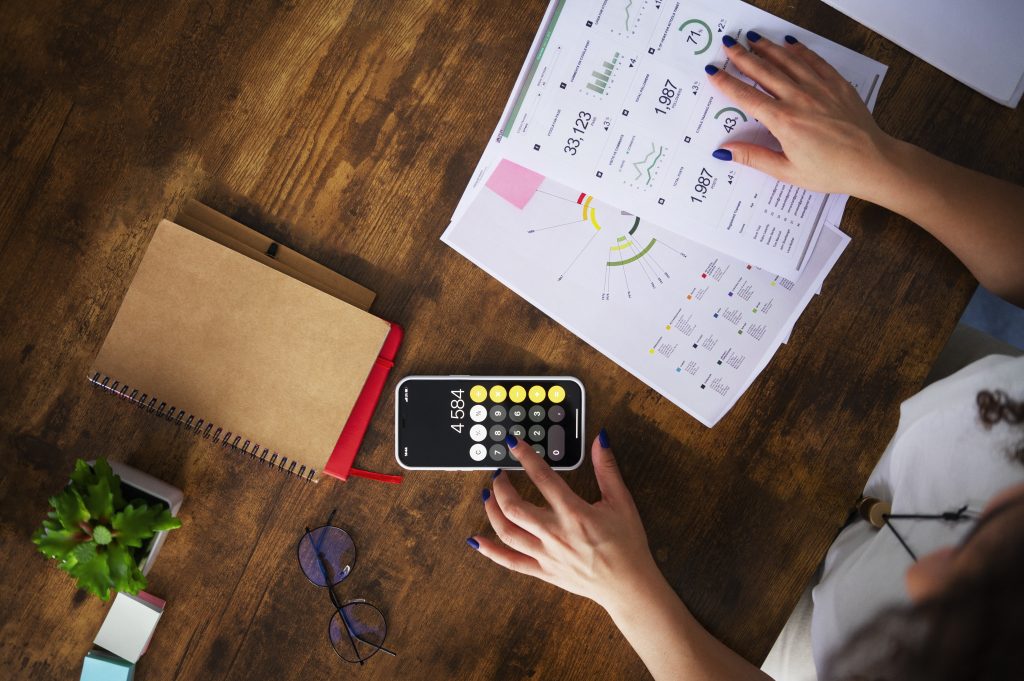
Stage setting through Corporate Conference Planning
The key to high ROI, in fact, begins many months before the arrival of the first guest. At the planning phase of the corporate conference, it becomes essential to establish Clear, Measurable, Achievable, Relevant, and Time-bound (SMART) objectives. And unless you know what you are trying to achieve, you will not know when you have struck the bullseye!
We collaborate with you at SEVEN to establish these objectives at the outset. Do we want 50 qualified leads? Or do we want to raise employee retention by 10%? By baking these metrics into the original plan, all of our creative decisions are made to generate that particular return, such as the choice of venue or the guest speakers.
The Purpose of Data Before, During, and After the Event
The computation of ROI should not be initiated at the end of the event; it should be initiated during the planning.
- Before the event
You can set standards such as previous performance, anticipated attendance, or average lead value. This forms a benchmark of success.
- During the event
Monitor audience behaviour, session attendance, and real-time interaction. The insights will enable the teams to make adjustments on that day if necessary.
- After the event
Compare results and goals. This involves monetary output, feedback, follow-up, and long-term business impact.
As an established event company in London firms rely on to implement their strategies, SEVEN will ensure measurement is integrated at every step of the event life cycle.

Relating ROI to Future Decision-making
The real magic of measuring ROI comes in what follows. Learnings from one event ought to be applied in the following, perfecting formatting, improving content, and optimising budgets.
For example:
- Intensive engagement sessions shape future agendas.
- High lead conversion facilitates more investment.
- Elements performing poorly can be redesigned or eliminated.
This is a culture of continuous improvement, one of the foundations of our strategy across all corporate event management services, which enables clients to deliver improved outcomes as they experience.
Ready to Maximise your event ROI?
Measuring event return on investment effectively transforms how your organisation approaches corporate events, turning them from cost centres into strategic investments with demonstrable value. With the proper measurement framework, you’ll not only justify current event budgets but build compelling cases for future investment in experiences that truly drive business outcomes.
If you’re ready to create events with measurable impact and comprehensive ROI tracking, we’d love to help. Get in touch at hello@sevenevents.co.uk and let’s start planning events that deliver value you can see, measure, and build upon.
FAQs
1. What is the formula to calculate event ROI?
The basic event ROI formula is:
(Event Value – Event Cost) ÷ Event Cost × 100
This shows the return as a percentage.
2. What metrics should be used to measure corporate event ROI?
Common metrics include lead generation, sales revenue, attendance rates, engagement levels, brand awareness, customer retention, and post-event feedback.
3. What is an event ROI calculator?
An event ROI calculator is a tool or framework that helps businesses input costs and outcomes to calculate the return on investment for a corporate event more accurately.
4. Why is measuring event return on investment important?
Measuring event return on investment helps businesses justify budgets, optimise future events, and make data-driven decisions that improve overall event performance.
5. Can event ROI be measured beyond revenue?
Yes. Event ROI can also include non-financial outcomes such as brand visibility, employee engagement, customer loyalty, and long-term business relationships.
Gala Dinner Planning Checklist for Corporate Events

A gala dinner is often the moment when relationships deepen, and conferences move from formal sessions into something more memorable. Strong gala dinner planning shapes how guests talk about the event long after they return to the office.
A corporate gala dinner is never only about food and décor. It reflects company culture, commercial intent, and attention to detail. The audiences arrive with expectations shaped by previous events, venue reputation, and the host brand. Meeting those expectations requires structure, experience, and clarity at every stage.
This checklist-style guide breaks down dinner planning from the first objective to final guest departure.
What Is The Purpose of Your Corporate Gala Dinner
Every corporate dinner needs a clear reason for existing. Without that clarity, decisions become reactive, and costs drift.
Some businesses host a corporate dinner to reward clients. Others use the format to support conference networking or to mark a milestone year. Each objective changes how the evening should feel, how formal it should be, and how guests interact.
Before any supplier is approached, your dinner planning strategy should answer three questions:
- Who is attending and why were they invited
- What action or feeling should guests leave with
- How does the dinner support the wider conference or business goal
When a conference dinner follows a full day of sessions, guests usually want ease rather than intensity. Comfortable pacing, clear transitions, and time to talk matter more than spectacle alone. A client-focused corporate dinner may lean further into theatre and hosted experiences.
How Does Gala Dinner Planning Start With the Guest Experience?
Dinner planning works best when decisions are filtered through the guest experience rather than internal preference.
Attendees often include a mix of senior leaders, partners, and international delegates. Seating layouts, arrival flow, and acoustics shape how welcome they feel. Long queues or unclear arrival points can undo months of preparation.
For a successful dinner planning, consider:
- Arrival moments and first impressions
- How easily guests can find their seats
- Sightlines to the stage and screens
- Noise levels that allow conversation
At conferences, guests usually arrive with limited energy after a full programme. A conference dinner benefits from calm confidence rather than constant stimulation. Soft lighting during dining, clear speech audio, and well-timed entertainment keep energy balanced.
How To Choose the Right Venue for a Corporate Gala Dinner?
Venue choice anchors every other decision. For a corporate dinner, the venue must support production, service, and guest comfort equally.
Businesses often favour London for accessibility, though destination venues can suit conferences with international audiences. Historic buildings, modern galleries, private yachts, and hotels all offer different advantages.
An experienced event agency in London, like SEVEN, brings local knowledge on access restrictions, licensing, and production constraints that may not appear in venue brochures.
During dinner planning, venue evaluation should cover:
- Load-in access for production and catering
- Ceiling heights for lighting and décor
- Power availability for entertainment
- Weather contingency for outdoor spaces
A venue that looks impressive online may struggle to deliver a smooth conference dinner if logistics are overlooked.
How To Achieve Creative Direction and Theme Development for Gala Dinner Planning?
Themes work best when they guide decisions rather than dominate them. Dinner planning often fails when a theme becomes decoration-led rather than story-led.
Strong creative concepts for gala dinners give structure to colour palettes, entertainment style, and guest journey. They do not compete with the brand or distract from conversation.
A clear example comes from Seven Events’ work with WeWork. After a transformational year, the brief called for something bold and celebratory.
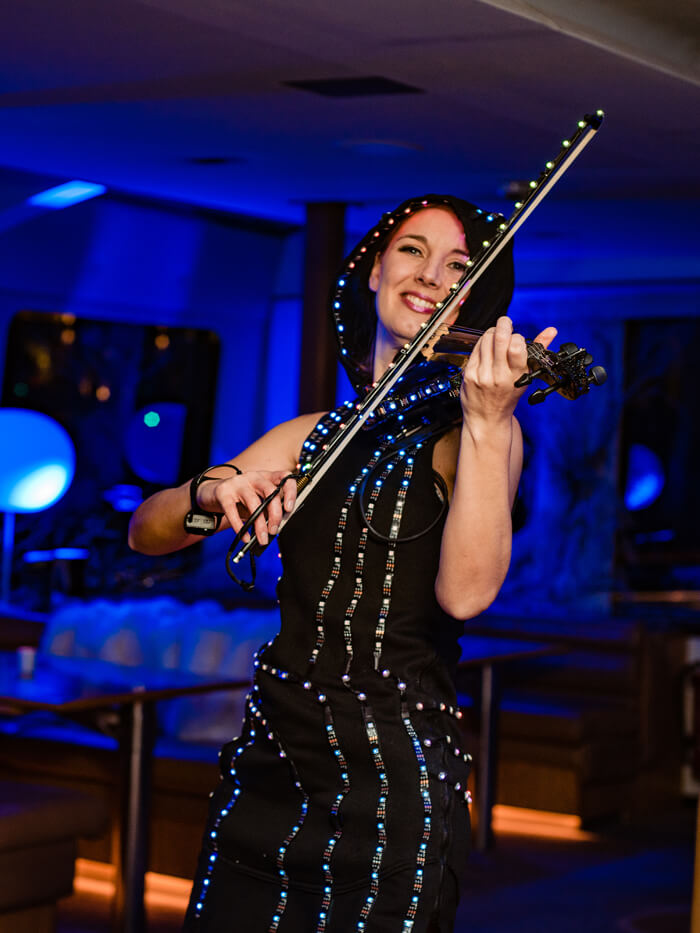
The corporate dinner took place aboard the Silver Sturgeon on the Thames, using an “Into the Woods” concept. Fire-lit arrivals, immersive performers, and carefully paced entertainment created a sense of occasion without overwhelming guests.
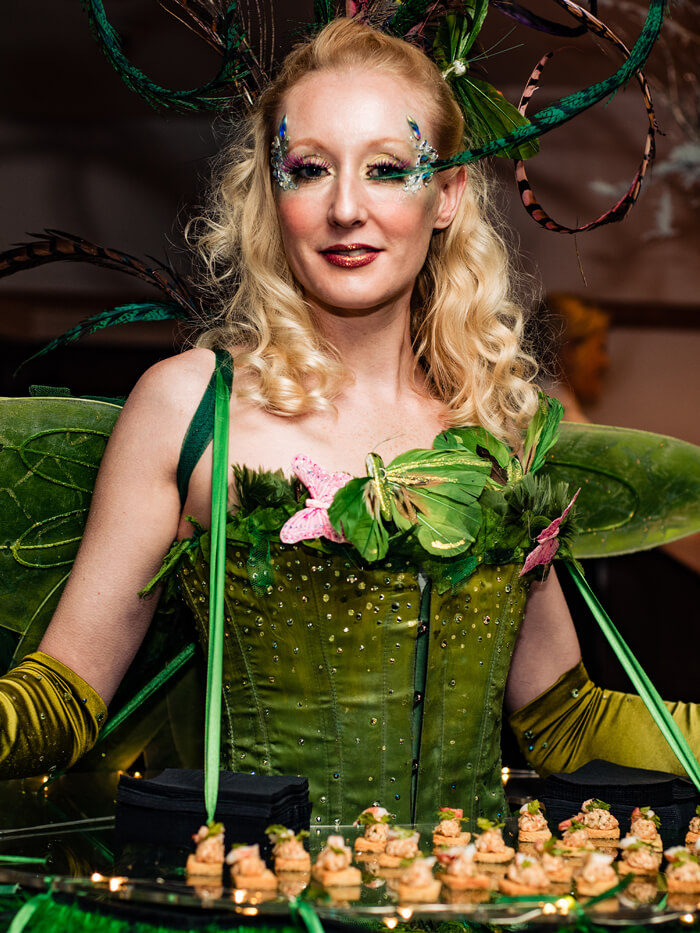
Every stage of that gala dinner planning focused on impact at the right moment, from arrival through dining to the dancefloor.
What Are the Conference Gala Dinner Logistics That Guests Never See?
Behind every smooth conference dinner sits a detailed operational plan. Guests rarely notice flawless logistics, though they quickly notice gaps.
Dinner planning must cover:
- Production schedules and rehearsals
- Supplier arrival times
- Catering service flow
- Speaker cues and entertainment timing
Conference dinner programmes often include awards, keynote moments, or sponsor acknowledgements. These need precise coordination between AV teams, hosts, and catering staff.
What Should Be the Food, Drink, and Service Standards at a Conference Gala Dinner?
Food shapes memory more than many organisers expect. At a conference dinner, guests talk about service quality long after the décor fades.
Menu design should reflect the audience and the season. Corporate audiences often value familiar flavours presented with care rather than overly complex dishes. Dietary requirements should be accommodated quietly and confidently.
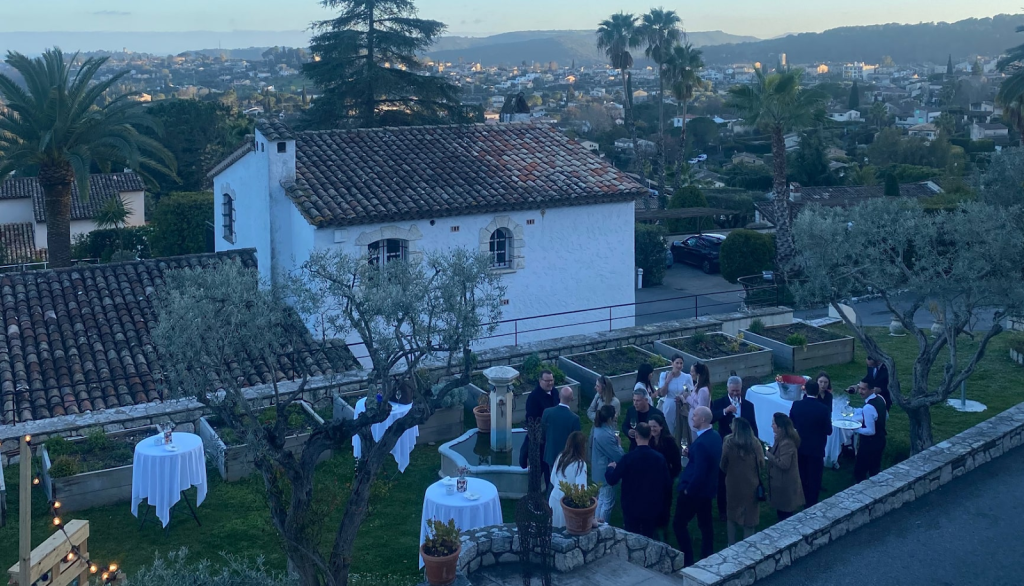
Seven Events’ Côte d’Azur case study highlights this approach. Guests attending MIPIM were transported to a Michelin-starred venue in the hills near Saint Paul de Vence. Champagne sabering, elegant table settings, and attentive service created a relaxed environment where conversation flowed naturally.
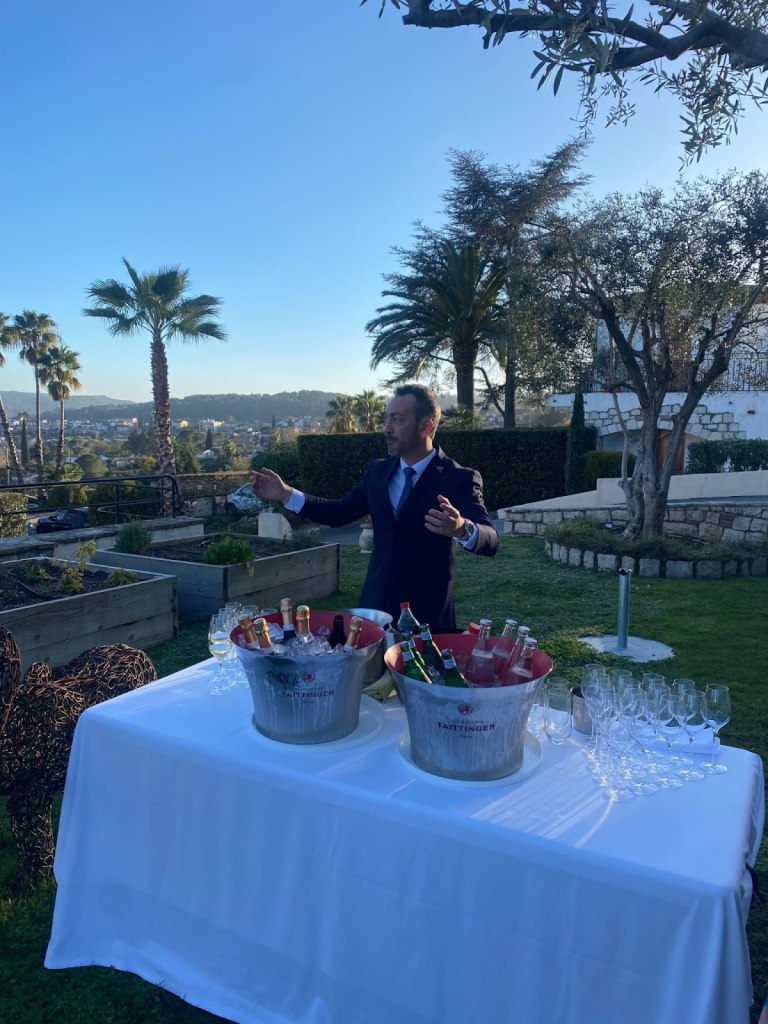
That conference dinner succeeded because the service supported networking rather than interrupting it.
What Should Be The Entertainment Choices for a Corporate Gala Dinner?
Entertainment should serve the room rather than compete with it. Corporate dinner audiences vary widely, so understanding appetite and energy levels matters.
For some events, roaming performers or live musicians during the reception work well. For others, a single headline moment after dinner holds attention without fatigue.
During dinner planning, entertainment decisions should consider:
- Audience demographics
- Cultural expectations
- Timing within the programme
- Acoustic impact on conversation
Conference dinner entertainment often works best when it builds gradually, allowing guests to settle before increasing energy later in the evening.
How Important Is Budget Control and Supplier Management in Gala Dinner Planning?
Budgets respond well to structure. Dinner planning becomes less stressful when priorities are agreed early, and suppliers are briefed clearly.
Experienced planners know where spending shows and where it disappears unnoticed. Lighting, sound quality, and service often deliver stronger returns than elaborate décor.
Working with a single lead agency simplifies supplier communication and protects consistency. It also allows problems to be solved quietly when timelines tighten.
How To Measure Success After a Conference Gala Dinner
Evaluation closes the planning loop. A conference dinner should be reviewed against its original purpose rather than surface impressions alone.
Useful feedback comes from:
- Informal guest comments
- Client conversations after the event
- Delegate engagement levels during the evening
These insights guide future dinner planning and help refine decisions around format, scale, and tone.
Closing Thoughts
Gala dinner planning shapes how corporate events are remembered. A well-executed corporate dinner strengthens relationships, supports conference goals, and reflects positively on the host brand.
Businesses benefit most when planning starts with purpose, guest experience, and operational discipline. From venue choice to final service moment, each decision carries meaning.
With experienced guidance and thoughtful structure, a conference gala dinner becomes more than a formal meal. It becomes a shared experience that supports business long after the tables are cleared.
Get in touch at hello@sevenevents.co.uk and let’s start planning your next event today.
FAQs
1. How far in advance should a corporate gala dinner be planned?
For most corporate events, gala dinner planning starts six to nine months ahead. Large conference dinner programmes with complex production or destination venues may need closer to twelve months.
Early planning allows better venue choice and stronger supplier availability. Shorter timelines can work, though they demand fast approvals and experienced delivery support.
2. What is the typical dress code for a conference gala dinner?
Dress codes vary by audience and sector, though most conference dinner events sit between business formal and black tie.
Clear communication helps guests feel comfortable. A short line on the invitation or event website usually works better than vague wording. When in doubt, aligning the dress code with the venue style avoids confusion.
3. Are gala dinners suitable only for large conferences?
A corporate dinner works just as well for smaller groups. Board dinners, leadership retreats, and client advisory forums often benefit from a scaled-down gala format. The key difference lies in tone rather than structure.
Dinner planning for smaller audiences usually focuses on conversation, service quality, and privacy rather than stage production.
4. How do organisers handle VIPs at a corporate gala dinner?
VIP management starts during Dinner planning, not on the night. Arrival timing, discreet security, reserved seating, and clear hosting roles protect both comfort and privacy.
Many conference gala dinner programmes assign a single point of contact for VIP guests to keep communication clear and unobtrusive.
5. Can gala dinners be delivered sustainably without affecting quality?
Yes. Many elements of dinner planning support sustainable choices naturally. Seasonal menus, local suppliers, reusable décor, and efficient transport planning all reduce environmental impact.
Corporate audiences increasingly expect these considerations, especially at conference dinner events connected to future-focused industries.
How to Get Sponsors for an Event: A Complete Guide

Securing sponsorship can shape the success of an event. For businesses, sponsorship often determines whether an event feels modest or memorable, local or influential.
Many organisers know sponsorship matters, yet far fewer know how to approach it with confidence. Questions around where to start, who to contact, and what sponsors expect come up again and again.
This guide breaks down how to get sponsors for an event, drawing on experience from the SEVEN team.
How to Get Sponsors for an Event by Understanding What Sponsors Actually Want
Many sponsorship requests miss the mark because they focus too heavily on the organiser’s needs. Brands approach sponsorship from a commercial angle. Understanding that perspective changes everything about how to gain sponsors for an event.
Sponsors often look for three things.
- First, access to the right audience.
- Second, brand exposure that feels relevant rather than forced.
- Third, measurable outcomes, whether that involves leads, awareness, or direct sales.
A sponsorship proposal that opens with funding gaps or rising costs rarely connects. One that shows how the event supports a sponsor’s marketing goals stands a far better chance. This approach sits at the heart of event sponsorship in the UK, where marketing budgets face scrutiny and accountability.

How to Find Event Sponsors That Align With Your Audience
A strong match between audience and sponsor makes sponsorship easier to sell and easier to deliver. When organisers ask how to find event sponsors, the answer usually starts with audience insight.
Start by defining who attends your event. Look at job roles, industries, purchasing power, and interests. Sponsors care less about headcount alone and more about relevance. A room of 150 senior decision-makers often attracts stronger interest than 500 general attendees.
In UK event sponsorship, alignment carries real weight. A technology conference draws interest from software providers, consultants, and recruitment firms. A food festival attracts producers, hospitality brands, and local suppliers. Casting the net too wide weakens credibility and wastes time.
Sponsors also pay close attention to brand fit. Values, tone, and reputation matter. When the match feels natural, sponsorship conversations move faster and feel more collaborative.
How to Get Sponsors for an Event With a Compelling Sponsorship Proposal
A proposal often acts as the first real impression of your event. Knowing how to get sponsors for an event includes understanding what that document should achieve.
A strong proposal explains the event clearly, outlines the audience with evidence, and presents sponsorship opportunities in plain language. Sponsors appreciate clarity over clever wording. They want to see what they receive and how it supports their goals.
Focus on outcomes rather than features. Instead of listing banner sizes or logo placements, explain how those placements support visibility, engagement, or credibility.
Pricing matters too. Research similar events and set realistic rates. Sponsors expect flexibility, especially when packages align closely with their objectives. A proposal that allows tailored options often performs better than rigid tiers.
How to Get Sponsors by Positioning Your Event as a Marketing Platform
Sponsors invest in events because events function as marketing channels. Treating your event as a platform rather than a one-day activity transforms how to get sponsors.
Brands look for exposure before, during, and after the event. Email campaigns, social media mentions, speaker sessions, and content creation all extend value beyond the venue. These touchpoints strengthen event sponsorship in the UK, where digital visibility plays a growing role.
An experienced event management agency like SEVEN helps package this value clearly. Professional delivery reassures sponsors that promises will be met. From timelines to branding guidelines, confidence grows when execution feels organised and reliable.
Seth Godin captures this idea well: “Marketing is a competition for people’s attention.” Events offer focused attention that many other channels struggle to match.
How to Find Event Sponsors Through Strategic Outreach and Relationships
Cold outreach still plays a role, yet relationships often drive the best results. When organisers ask how to find event sponsors, existing networks deserve attention first.
Past partners, speakers, exhibitors, and suppliers already understand your event. Warm introductions carry trust that cold emails lack. LinkedIn also works well when messages reference shared interests or recent activity.
In the events sector, conference organisers in the UK often secure sponsorship more easily because they maintain year-round relationships. Sponsors prefer familiarity and consistency. A thoughtful approach that shows research and relevance earns more replies than generic mass outreach.
Keep communication concise and focused on value. Brands receive countless requests. Standing out means showing that you understand their priorities and audience.
How to Gain Sponsors for an Event by Delivering a Strong Sponsor Experience
Securing sponsorship marks only the beginning. Retaining sponsors depends on delivery.
Before the event, clear onboarding sets expectations. Share timelines, branding specifications, and contact points early. During the event, visible support helps sponsors activate confidently and connect with attendees.
After the event, follow-up matters. Provide photos, metrics, and feedback that show impact. This stage often determines whether a sponsor returns. Repeat partnerships reduce sales effort and strengthen credibility.
Richard Branson once noted, “Clients do not come first. Employees come first. If you take care of your employees, they will take care of the clients.” The same principle applies to sponsors. Support them well, and they will support your event again.
How to Get Sponsors for an Event by Proving Return on Investment
Return on investment shapes sponsorship decisions more than ever. Brands expect evidence.
Track attendance, engagement, leads, and content reach. Surveys, badge scans, and digital analytics all help. Share results promptly and present them clearly.
When sponsors see outcomes that link directly to their goals, renewal discussions feel natural. This approach strengthens how to get sponsors not just once, but repeatedly.
Closing Thoughts
Securing sponsorship involves preparation, relevance, and delivery. For businesses, success comes from understanding brand priorities, aligning with the right audience, and presenting events as credible marketing platforms.
Think beyond funding and focus on partnership. With the right strategy, event sponsorship in the UK becomes a growth tool rather than a challenge. For organisers ready to invest in planning and relationships, sponsorship stops feeling uncertain and starts feeling achievable.
Get in touch at hello@sevenevents.co.uk for help with sponsorship or planning for you next event.
FAQs
1. How early should you start looking for event sponsors in the UK?
Most UK events should begin sponsorship outreach six to nine months ahead of the event. Larger conferences often start earlier because sponsors plan budgets well in advance. Early outreach allows time for approvals, proper discussions, and alignment with wider marketing activity.
2. Can small events realistically attract sponsors?
Yes. Sponsors care more about audience relevance than event size. In the UK, small events with a focused, well-defined audience often attract sponsors seeking meaningful engagement rather than mass exposure.
3. What legal considerations apply to event sponsorship in the UK?
Sponsorship agreements should clearly outline deliverables, payment terms, branding rights, and cancellation clauses. UK advertising rules apply to sponsored content, and GDPR governs how attendee data is shared. Clear contracts protect both parties.
4. Should you use sponsorship agencies or approach brands directly?
Approaching brands directly works well when you have strong networks. Sponsorship agencies suit larger events or teams with limited sales capacity. Many UK organisers use both, handling existing relationships internally while agencies support wider outreach.
5. How do sponsorship expectations differ between B2B and B2C events?
B2B sponsors focus on lead quality, decision-maker access, and long-term relationships. B2C sponsors prioritise visibility, reach, and engagement. Shaping sponsorship offers around these differences improves results.