Gala Dinner Planning Checklist for Corporate Events
Planning a corporate gala dinner takes more than selecting a venue and confirming a menu. From defining the purpose of the evening to managing guest experience, entertainment, and service, successful gala dinner planning relies on structure and experience. This checklist breaks down every stage of a corporate gala dinner, with clear guidance for UK businesses hosting conference gala dinner events that feel considered, confident, and genuinely memorable.

Planning a corporate gala dinner takes more than selecting a venue and confirming a menu. From defining the purpose of the evening to managing guest experience, entertainment, and service, successful gala dinner planning relies on structure and experience. This checklist breaks down every stage of a corporate gala dinner, with clear guidance for UK businesses hosting conference gala dinner events that feel considered, confident, and genuinely memorable.
A gala dinner is often the moment when relationships deepen, and conferences move from formal sessions into something more memorable. Strong gala dinner planning shapes how guests talk about the event long after they return to the office.
A corporate gala dinner is never only about food and décor. It reflects company culture, commercial intent, and attention to detail. The audiences arrive with expectations shaped by previous events, venue reputation, and the host brand. Meeting those expectations requires structure, experience, and clarity at every stage.
This checklist-style guide breaks down dinner planning from the first objective to final guest departure.
What Is The Purpose of Your Corporate Gala Dinner
Every corporate dinner needs a clear reason for existing. Without that clarity, decisions become reactive, and costs drift.
Some businesses host a corporate dinner to reward clients. Others use the format to support conference networking or to mark a milestone year. Each objective changes how the evening should feel, how formal it should be, and how guests interact.
Before any supplier is approached, your dinner planning strategy should answer three questions:
- Who is attending and why were they invited
- What action or feeling should guests leave with
- How does the dinner support the wider conference or business goal
When a conference dinner follows a full day of sessions, guests usually want ease rather than intensity. Comfortable pacing, clear transitions, and time to talk matter more than spectacle alone. A client-focused corporate dinner may lean further into theatre and hosted experiences.
How Does Gala Dinner Planning Start With the Guest Experience?
Dinner planning works best when decisions are filtered through the guest experience rather than internal preference.
Attendees often include a mix of senior leaders, partners, and international delegates. Seating layouts, arrival flow, and acoustics shape how welcome they feel. Long queues or unclear arrival points can undo months of preparation.
For a successful dinner planning, consider:
- Arrival moments and first impressions
- How easily guests can find their seats
- Sightlines to the stage and screens
- Noise levels that allow conversation
At conferences, guests usually arrive with limited energy after a full programme. A conference dinner benefits from calm confidence rather than constant stimulation. Soft lighting during dining, clear speech audio, and well-timed entertainment keep energy balanced.
How To Choose the Right Venue for a Corporate Gala Dinner?
Venue choice anchors every other decision. For a corporate dinner, the venue must support production, service, and guest comfort equally.
Businesses often favour London for accessibility, though destination venues can suit conferences with international audiences. Historic buildings, modern galleries, private yachts, and hotels all offer different advantages.
An experienced event agency in London, like SEVEN, brings local knowledge on access restrictions, licensing, and production constraints that may not appear in venue brochures.
During dinner planning, venue evaluation should cover:
- Load-in access for production and catering
- Ceiling heights for lighting and décor
- Power availability for entertainment
- Weather contingency for outdoor spaces
A venue that looks impressive online may struggle to deliver a smooth conference dinner if logistics are overlooked.
How To Achieve Creative Direction and Theme Development for Gala Dinner Planning?
Themes work best when they guide decisions rather than dominate them. Dinner planning often fails when a theme becomes decoration-led rather than story-led.
Strong creative concepts for gala dinners give structure to colour palettes, entertainment style, and guest journey. They do not compete with the brand or distract from conversation.
A clear example comes from Seven Events’ work with WeWork. After a transformational year, the brief called for something bold and celebratory.

The corporate dinner took place aboard the Silver Sturgeon on the Thames, using an “Into the Woods” concept. Fire-lit arrivals, immersive performers, and carefully paced entertainment created a sense of occasion without overwhelming guests.

Every stage of that gala dinner planning focused on impact at the right moment, from arrival through dining to the dancefloor.
What Are the Conference Gala Dinner Logistics That Guests Never See?
Behind every smooth conference dinner sits a detailed operational plan. Guests rarely notice flawless logistics, though they quickly notice gaps.
Dinner planning must cover:
- Production schedules and rehearsals
- Supplier arrival times
- Catering service flow
- Speaker cues and entertainment timing
Conference dinner programmes often include awards, keynote moments, or sponsor acknowledgements. These need precise coordination between AV teams, hosts, and catering staff.
What Should Be the Food, Drink, and Service Standards at a Conference Gala Dinner?
Food shapes memory more than many organisers expect. At a conference dinner, guests talk about service quality long after the décor fades.
Menu design should reflect the audience and the season. Corporate audiences often value familiar flavours presented with care rather than overly complex dishes. Dietary requirements should be accommodated quietly and confidently.
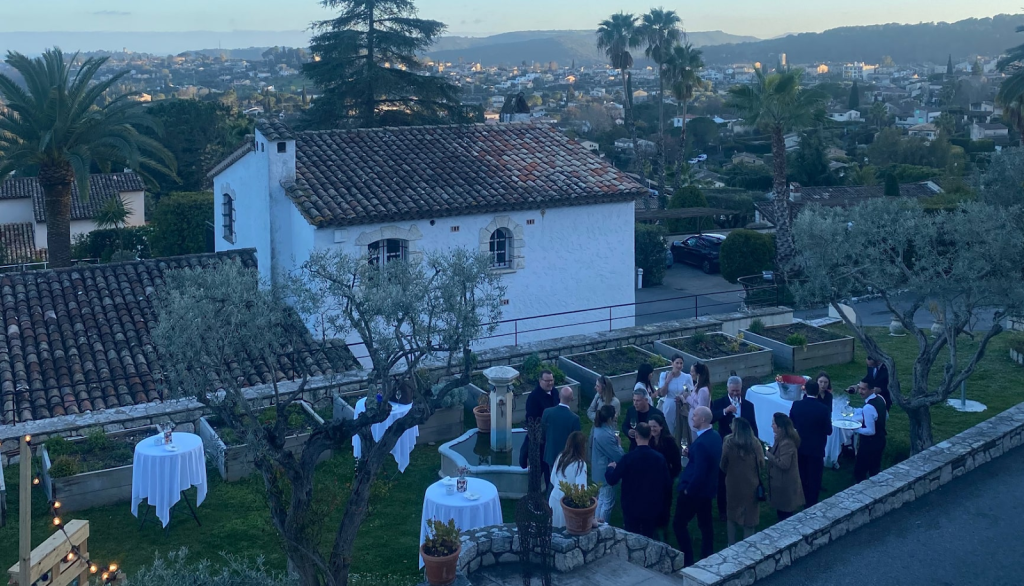
Seven Events’ Côte d’Azur case study highlights this approach. Guests attending MIPIM were transported to a Michelin-starred venue in the hills near Saint Paul de Vence. Champagne sabering, elegant table settings, and attentive service created a relaxed environment where conversation flowed naturally.
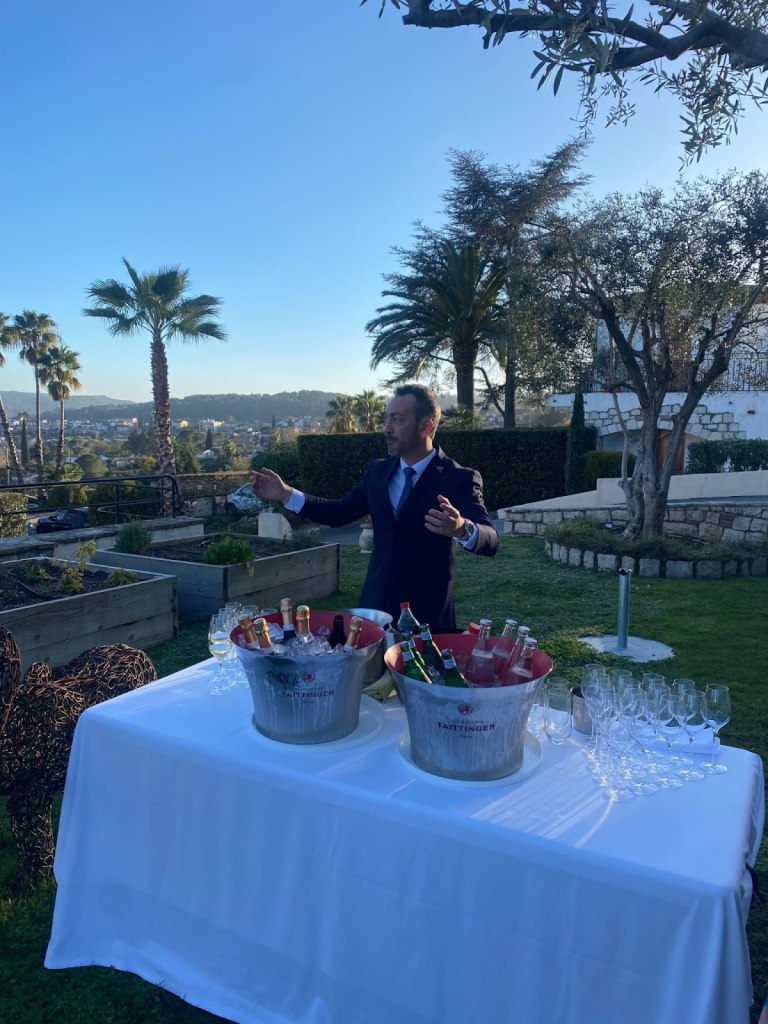
That conference dinner succeeded because the service supported networking rather than interrupting it.
What Should Be The Entertainment Choices for a Corporate Gala Dinner?
Entertainment should serve the room rather than compete with it. Corporate dinner audiences vary widely, so understanding appetite and energy levels matters.
For some events, roaming performers or live musicians during the reception work well. For others, a single headline moment after dinner holds attention without fatigue.
During dinner planning, entertainment decisions should consider:
- Audience demographics
- Cultural expectations
- Timing within the programme
- Acoustic impact on conversation
Conference dinner entertainment often works best when it builds gradually, allowing guests to settle before increasing energy later in the evening.
How Important Is Budget Control and Supplier Management in Gala Dinner Planning?
Budgets respond well to structure. Dinner planning becomes less stressful when priorities are agreed early, and suppliers are briefed clearly.
Experienced planners know where spending shows and where it disappears unnoticed. Lighting, sound quality, and service often deliver stronger returns than elaborate décor.
Working with a single lead agency simplifies supplier communication and protects consistency. It also allows problems to be solved quietly when timelines tighten.
How To Measure Success After a Conference Gala Dinner
Evaluation closes the planning loop. A conference dinner should be reviewed against its original purpose rather than surface impressions alone.
Useful feedback comes from:
- Informal guest comments
- Client conversations after the event
- Delegate engagement levels during the evening
These insights guide future dinner planning and help refine decisions around format, scale, and tone.
Closing Thoughts
Gala dinner planning shapes how corporate events are remembered. A well-executed corporate dinner strengthens relationships, supports conference goals, and reflects positively on the host brand.
Businesses benefit most when planning starts with purpose, guest experience, and operational discipline. From venue choice to final service moment, each decision carries meaning.
With experienced guidance and thoughtful structure, a conference gala dinner becomes more than a formal meal. It becomes a shared experience that supports business long after the tables are cleared.
Get in touch at hello@sevenevents.co.uk and let’s start planning your next event today.
FAQs
1. How far in advance should a corporate gala dinner be planned?
For most corporate events, gala dinner planning starts six to nine months ahead. Large conference dinner programmes with complex production or destination venues may need closer to twelve months.
Early planning allows better venue choice and stronger supplier availability. Shorter timelines can work, though they demand fast approvals and experienced delivery support.
2. What is the typical dress code for a conference gala dinner?
Dress codes vary by audience and sector, though most conference dinner events sit between business formal and black tie.
Clear communication helps guests feel comfortable. A short line on the invitation or event website usually works better than vague wording. When in doubt, aligning the dress code with the venue style avoids confusion.
3. Are gala dinners suitable only for large conferences?
A corporate dinner works just as well for smaller groups. Board dinners, leadership retreats, and client advisory forums often benefit from a scaled-down gala format. The key difference lies in tone rather than structure.
Dinner planning for smaller audiences usually focuses on conversation, service quality, and privacy rather than stage production.
4. How do organisers handle VIPs at a corporate gala dinner?
VIP management starts during Dinner planning, not on the night. Arrival timing, discreet security, reserved seating, and clear hosting roles protect both comfort and privacy.
Many conference gala dinner programmes assign a single point of contact for VIP guests to keep communication clear and unobtrusive.
5. Can gala dinners be delivered sustainably without affecting quality?
Yes. Many elements of dinner planning support sustainable choices naturally. Seasonal menus, local suppliers, reusable décor, and efficient transport planning all reduce environmental impact.
Corporate audiences increasingly expect these considerations, especially at conference dinner events connected to future-focused industries.