


Category: Events
2026 Venue Hotlist: The Best New Spaces for Corporate Events in the UK

The London Scene: New Horizons in the Capital
London still remains an innovation hub all over the world, and the 2026 openings signify a shift towards flexibility and the soul.
1. 88 Wood Street: The New Collaboration Hub
Having an opening in phases beginning in March 2026, 88 Wood Street is to be one of the best corporate event spaces in London. It is an architecturally impressive structure that lies at the centre of the City and provides flexible layouts that can accommodate a small executive meeting all the way to massive exhibitions. It will have a future-high-performance culture with state-of-the-art technology installed on every floor.
2. House of Gods, Canary Wharf: Canary Luxury
To those who would like to hold a corporate event venue in London, which borders on decadence and narrative, the House of Gods will come into being in January 2026. Sacred Garden Rooftop Bar is its rooftop botanical paradise and is so high above the financial district that it makes the best place to launch high-end products or host the dinner of exclusive customers who need such a touch of extraordinary.
3. 1 Basinghall: Ultra-Modern Impact
In February 2026, 1 Basinghall will open as a specially designed, purpose-built forum to hold large conferences and exhibitions. It has a capacity of up to 450 guests and a space of up to 30 exhibition stands, and focuses on the movement and connectivity of the attendees.
Regional UK Gems: Beyond the Capital
Innovation does not just stop at London. In the UK, there has been a lot of development in 2026 that offers unbelievable options in terms of national and international meetings.
- The Sage, Gateshead
The Sage is one of the most expected openings in the North. The project is a gigantic one that will contain a new International Conference Centre (ICC) of more than 5,000 sqm of exhibition space and several flexible meeting rooms. It is revolutionary for companies that want to harness the life and energy of the Tyne.
- Southport, Marine Lake Events Centre
This 1,200-seat theatre is expected to be finished by 2026, and the result of this project is the replacement of the previous theatre with a beautiful building that accommodates 1,200 seats, with a conference hall that is very spacious. It includes The Light Fantastic- a water and light act which provides a special experience aspect to evening receptions.
Matching Venues to Event Objectives
Selecting from the expanding array of options requires understanding what truly matters for your specific event. A corporate event agency brings invaluable expertise in matching venues to objectives, audiences, and brand identities.
For innovation-focused events, seek venues that embody forward-thinking design and technological sophistication. For relationship-building gatherings, prioritise spaces with intimate areas that facilitate conversation. For large conferences, ensure technical infrastructure and breakout spaces support diverse session formats.
Location considerations extend beyond postcodes to encompass transport accessibility, accommodation proximity, and neighbourhood character. The right venue doesn’t just host your event, it enhances your message through its own story and environment.

How SEVEN Approaches Venue Strategy
At SEVEN, we believe venue choice is the foundation of every successful event. That’s why we work closely with our clients to understand their audience, objectives and brand before recommending a space.
Through our complete services offering, we manage everything from venue sourcing and negotiation to layout planning, technical production and guest flow. We don’t just secure venues, we design experiences around them.
Looking Ahead into 2026
The UK’s venue landscape is evolving rapidly, offering businesses more choice, creativity and control than ever before. As expectations rise, the venues that succeed will be those that combine flexibility, sustainability and experience-led design.
If you’re planning and want expert guidance on selecting the right corporate events venue for 2026 and beyond, we’d love to help.
Get in touch with SEVEN at hello@sevenevents.co.uk and let’s start shaping your next standout corporate event.
FAQs
1. What makes a corporate events venue ideal for 2026?
An ideal corporate events venue in 2026 combines flexible layouts, advanced AV technology, sustainability credentials, and strong transport connectivity. Modern venues also prioritise attendee experience, wellness spaces, and hybrid-event readiness.
2. Why is London still the top choice for corporate event spaces?
London remains a leading destination due to its diverse corporate event spaces, global accessibility, cutting-edge venues, and talent ecosystem. From heritage buildings to new-purpose event hubs, corporate event venue London options suit every business objective.
3. What trends are shaping corporate event spaces in the UK for 2026?
Key trends include modular event design, eco-certified venues, immersive technology integration, and multi-use corporate event spaces. Venues are increasingly designed to support experiential formats, hybrid audiences, and sustainability-led corporate values.
4. Should companies book 2026 corporate event venues early?
Yes. Demand for premium corporate event venues in the UK is increasing rapidly for 2026, so early booking secures better availability, pricing, and planning flexibility.
5. How do I choose the best venue for a corporate event in the UK?
The best venue depends on your event goals, audience size, budget, and brand positioning. Working with an experienced corporate event agency ensures the venue supports engagement, logistics, technology needs, and overall event success.
Plan Your New Year Sales Kick Off Event

Remember that feeling of standing at the start of a new year, full of ambition, fresh targets and renewed energy? That’s the power of a well-planned sales kick off event. At SEVEN, we believe a strong start sets the tone for everything that follows. When done right, a sales kick off isn’t just a meeting, it’s a moment that aligns your people, sharpens focus and ignites motivation for the year ahead.
The Power of a Strategic Sales Kick Off
The start of the year is a critical point in any sales organisation. It is the moment to band together on new goals, mark the achievements of the last year, and kindle the fire that will get the ball rolling. One of the points of recognition and performance is a planned sales kick off event.
It is not merely about spreadsheets and strategy but about the making of shared memories, which strengthen team connections and organisational sense.
Such meetings are perceived at SEVEN as a force of cultural reinforcement. When your team is really inspired and identified with the vision of the company, the motivation would be based not on short-term benefits but on long-term, aspirational performance. When you make the kick-off a strategic instrument, not a standard conference, you provide high perceived value, and this value will create a great impression on your people.
Working with an experienced event agency London ensures that this strategic intent is translated into a seamless, engaging and professionally delivered experience from start to finish.

Setting the Scene with Creative Sales Kick Off Themes
A great theme serves as the North Star to your event, and it directs all the aspects, such as the stage design and the guest speakers. Selecting the appropriate sales kick-off themes is necessary to develop a unified story that the guests can support. You would like to have a theme that is energetic and progressive, a theme that narrates a tale of an impending positive voyage.
A few of the trending sales kick off that we are experiencing in 2026 are:
- Peak Performance: Oriented to achieving new heights and breaking boundaries.
- The Future is Now: The focus on innovation and the use of new technologies.
- Unstoppable Together: The Emphasis on Teamwork and the strength of a team of people.
When you tie your theme to your company culture, the overall event seems more realistic and open, so that your team can more readily buy into what you have established as your goals.
Application of the Best Sales Kickoff Ideas
You must combine information and interaction to ensure that the interest level remains high. The most effective sales kick off ideas are those that engage the audience as opposed to talking at them. The dynamic elements that we would recommend to be included are:
- Gamified Learning: Have interactive applications to conduct real-time quizzes on new product features or market trends.
- Immersive Storytelling: As opposed to a typical keynote, add multisensory experiences such as 360-degree soundscapes or AR displays to make your brand story come to life.
- Peer-to-peer Workshops: Develop the so-called innovation hubs, where various regions have the chance to share their own ideas and success stories of the field about sales kick off.
Such interactive experiences are going to make sure that not only does your team leave the room with information, but it also leaves behind some of the actionable inspiration.

Creating Momentum That Lasts
The most successful sales kick off events don’t end when people leave the venue. Build in follow-up mechanisms that maintain momentum and reinforce key messages. This might include post-event action planning sessions, ongoing recognition programmes tied to kick-off themes, or regular check-ins that reference event learnings.
At SEVEN, we work with clients to design sales kick off themes that deliver impact from first invitation through to year-end results. We understand that these gatherings represent significant investments, and we’re committed to ensuring every element drives toward your strategic objectives whilst creating experiences your team genuinely enjoys.
Ready to Kick off Your Best Year Yet?
Your sales team deserves a kick-off event that matches their potential and sets them up for extraordinary success. From creative theming and engaging content to flawless execution and lasting impact, the right approach transforms your annual gathering from a routine obligation to a genuine catalyst for performance.
If you’re ready to plan a sales kick off event that energises, aligns, and equips your team for their best year yet, we’d love to help. Get in touch at Get in touch at hello@sevenevents.co.uk and let’s start creating an experience that launches your team toward outstanding results.
FAQs
1. What are the most effective sales kick off themes for 2026?
Focus on forward-looking narratives like “Peak Performance” or “The Future is Now” to align your team with clear, inspiring business objectives.
2. What are some of the best sales kickoff ideas to drive team engagement?
Infuse gamified learning, immersive storytelling, and peer-to-peer workshops to transform passive meetings into active, high-energy team participation.
3. How can a sales kick off event improve employee retention?
These events build emotional connections and shared memories that reinforce company culture more deeply than transactional cash rewards.
4. Why should we hire an event agency London for our New Year kick off?
SEVEN provides exclusive venue access and handles all complex logistics, allowing your leadership to focus entirely on motivating their people.
5. How do I choose the right destination for an incentive-led sales kick off?
Select ambitious destinations like Norway that offer a unique balance of discovery, adventure, and cultural immersion to inspire top performers.
7 Top Corporate Event Trends for 2026
Organisations are shaping their 2026 strategies with fresh thinking around live experiences. Many teams are starting to treat events as powerful strategic tools rather than occasional gatherings.
With more leaders recognising the value of well-designed programmes, interest in corporate event trends is stronger than ever. Today, we bring to you seven themes that show how the field is changing and what businesses can do to stay ahead.
What Are the Biggest Corporate Event Trends for 2026?
Corporate events in 2026 are becoming more strategic, experience-led, and data-driven than ever before.
The biggest corporate event trends for 2026 include:
- Strategic event planning aligned with business objectives
- AI-powered event management and personalisation
- Purpose-led hybrid and phygital experiences
- Sustainability and carbon-conscious event design
- Return on Experience (ROE)
- Immersive experiential event formats
- Inclusive and accessible event experiences
Organizations embracing these trends are creating stronger attendee engagement while delivering measurable business outcomes.
Corporate Event Trends 2026 at a Glance
| Trend | Business Impact |
| Strategic Event Management | Better alignment with business goals and ROI |
| AI-Powered Planning | Increased efficiency and attendee personalisation |
| Phygital Events | Greater reach and audience flexibility |
| Sustainability | Improved brand reputation and stakeholder trust |
| Return on Experience (ROE) | Higher attendee engagement and satisfaction |
| Experiential Event Design | Stronger brand recall and emotional connection |
| Inclusion & Accessibility | Improved participation and audience diversity |
1. Strategic Events Management Takes Centre Stage
Many companies are shifting their view of events, treating them as business drivers rather than supplementary activities. This change reflects growing interest in event industry trends, particularly those linked to performance.
Research shows that 85% of planners feel confident about the year ahead, the highest figure in five years. (Source)
Teams that place events within clear commercial frameworks are gaining support from senior leaders. The move sits alongside rising cost pressure, since UK supplier fees, labour, food, and utilities continue to grow.
These financial changes guide trends in event planning, where clarity around return on investment now plays a key role.
Organisations that develop structured decision-making models are better placed to allocate resources, especially when budgets are tight. These models fit well with new trends in event planning, where event visibility and clear reporting matter as much as creativity.
This trend also upgrades the role of agencies. Businesses are seeking guidance earlier in the process, often long before venue sourcing begins.
Many now view expert support as a commercial advantage rather than a discretionary extra, which strengthens the case for thoughtful corporate event planning when designing a year-round programme.
2. AI Moves From Curiosity to Everyday Utility
The rapid expansion of AI is one of the most visible event trends shaping how teams prepare, deliver, and review programmes. Half of all professionals plan to use AI across every stage of their meetings in 2026.
The most significant gains appear before an event takes place. Around one-third of planners intend to use AI for creative concepts, while a similar number will use it for content generation. (Source)
These tools shorten preparation time and release teams to focus on strategic decisions. During live events, 40% expect to rely on AI-driven apps that guide attendees with personalised agendas. (Source)
Post-event evaluation also benefits from AI review tools. They group attendee feedback, track behaviour patterns, and highlight meaningful insights far faster than manual processes. Many planners favour this stage because it strengthens performance reporting.
Smaller pilot projects between £5,000 and £10,000 have become popular for testing AI capability with minimal risk. Interest in tools such as Clay, Gamma, Relay, Hey Gen, and Notebook LLM shows how widespread the movement has become.
3. Phygital Events Become More Selective and Purpose-Led
Hybrid formats formed a major part of corporate event trends in recent years, yet the 2026 approach looks more selective.
The combination of physical and digital experiences, known as “phygital” events, will continue growing, but with more intentional strategic design rather than defaulting to hybrid formats simply because technology enables it.
More than half of planners expect the majority of meetings to be in-person, since dual delivery often raises costs and reduces impact for at least one audience. (Source)
Hybrid still plays an important part, particularly for global teams. Planners use this format when travel prevents attendance rather than as a default option.
Advances in live translation, VR content, and AI-supported networking have created conditions for stronger remote participation, which mirrors new trends in event planning centred on access and inclusivity.
This approach keeps experiences intentional. Phygital environments work best when each element serves a purpose. Many companies now treat digital layers as extensions of the physical meeting rather than replacements.
4. Sustainability Strengthens Competitive Positioning
Sustainability sits firmly within event industry trends that guide UK decision-making in 2026. Attendees increasingly look for visible commitment in this area, with 40% actively requesting proof of sustainable choices. (source)
Many planners respond by reducing disposables, opting for recycled or low-impact materials, and choosing food options with lower environmental impact.
A notable gap remains around measurement. Only a quarter of organisations track CO₂ emissions. This gap offers an opportunity, since businesses seeking compliance with UK reporting requirements need reliable metrics.
Event teams that can present structured data offer genuine value to stakeholders.
5. Return on Experience (ROE) Sets a New Benchmark
Attendees want shorter sessions, more involvement, active networking, and a clear purpose. These preferences sit firmly within wider corporate event trends, where engagement carries the same weight as commercial outcomes.
Planners adopt interactive formats because they help people take part rather than observe. Workshops, guided discussions, and collaborative tasks support this pattern.
SEVEN recently partnered with a consultancy celebrating its twentieth anniversary. The client wanted a landmark moment that honoured past achievements and matched the brand’s forward-thinking character. The brief included strategy, guest flow, and full logistical planning.

SEVEN recommended Frameless London, a venue known for its digital galleries. Guests could interact with the artwork, which created a vivid first impression and encouraged conversation. The venue’s central location also suited the guest list, which included clients and senior partners.
Catering followed the creative theme. The menu featured visually striking canapés styled to complement the gallery setting, allowing food to become part of the overall sensory experience. SEVEN’s production team shaped the space into a celebratory route that guided guests through each gallery, strengthening the emotional arc of the evening.

This project highlights how event industry trends linked with meaningful experiences can shape powerful milestone moments.
6. Creative Experiences Move Beyond Standard Formats
Teams look for experiences that feel distinct and emotionally engaging. This movement favours formats that blend fun with meaning, where activities help people connect rather than act as standalone entertainment. These choices reflect wider event industry trends grounded in human impact.

SEVEN recently delivered a London event that demonstrates how this approach works in practice. A client wanted a lively day that encouraged bonding and gave employees a sense of appreciation. The brief asked for an accessible venue, an inclusive team activity, and steady food and drink throughout.
SEVEN recommended The Cube at Canary Wharf, which offers interactive challenges ideal for team engagement. A full venue buyout allowed the schedule to fit the group’s needs.

A professional host guided the day with humour and confidence, keeping energy high. SEVEN added a raffle with premium prizes such as wireless headphones and experience days, lifting the celebratory feel. Guests enjoyed high-quality catering, which kept everyone comfortable across the programme.
Feedback was enthusiastic, with many attendees describing it as one of the most enjoyable team gatherings they had joined. The results highlight new trends in event planning, where tailored activities, shared play, and a sense of recognition create memorable experiences that strengthen team spirit.
7. Inclusion Becomes a Core Expectation
Accessibility moves from optional consideration to a standard feature of corporate event trends. A growing number of UK venues now provide accessible transport options, step-free routes, captioning, sensory maps, and quiet rooms. These resources help guests with varying needs feel welcomed from the start.
Beyond infrastructure, planners are creating micro-communities within events to support different communication styles and generational preferences. Simple additions work well. Badge stickers that share a guest’s networking comfort level reduce anxiety. Post-it boards allow participants to offer mentor advice within minutes of arriving. Personalised badges showing hobbies or favourite songs help connections form quickly.
Many organisations recognise that inclusive environments support stronger conversation and deeper engagement. This aligns with event trends across the UK, especially as regulators and guests expect clear commitment.
These principles also support businesses when choosing a corporate event planner, since they often look for partners who embed inclusion into planning from day one.
Why Corporate Event Trends Matter in 2026
Corporate events are increasingly being used to:
- Drive business growth
- Improve employee engagement
- Strengthen client relationships
- Launch products and services
- Support organisational change
As attendee expectations evolve, businesses must adopt event strategies that focus on engagement, personalisation, sustainability, and measurable outcomes.
Statistics: Corporate Events in 2026
| Industry Insight | Statistic |
| Event planners confident about future growth | 85% |
| Professionals planning to use AI in events | 50% |
| Attendees requesting sustainability information | 40% |
| Organisations actively tracking event emissions | 25% |
| Event planners using AI-powered attendee experiences | 40% |
Expert Insight from SEVEN
After delivering corporate events across technology, finance, healthcare, automotive, and professional services sectors, SEVEN has observed a significant shift towards experience-led event design.
Businesses are increasingly measuring attendee engagement, relationship-building opportunities, and event impact rather than simply attendance numbers.
The most successful organisations are aligning event strategies with broader business objectives and measurable outcomes.
Final Thoughts
The movement shaping UK events reflects a broader shift towards meaningful design, robust measurement, and thoughtful technology use.
Each of the seven themes outlined here shows how event trends are helping organisations create experiences that support relationships, inspire teams, and strengthen brand reputation.
If your business wants to align with these developments or refine your corporate event planning strategy for 2026, the team at SEVEN can guide you from early concept to final delivery. Speak with our specialists to build events that match your goals and create long-lasting impact.
Get in touch at hello@sevenevents.co.uk to talk over your 2026 events goals and how SEVEN can help.
FAQs
What are the biggest corporate event trends for 2026?
The biggest corporate event trends for 2026 are AI-powered planning, experiential events, sustainability, hybrid experiences, Return on Experience (ROE), and inclusive event design. These trends help businesses improve attendee engagement and event performance.
How is AI changing corporate events?
AI is helping event organisers personalise attendee experiences, automate planning tasks, improve networking opportunities, and measure event performance more effectively.
What are phygital events?
Phygital events combine physical and digital experiences, allowing attendees to participate both in person and online while accessing the same content and engagement opportunities.
Why is sustainability important in event planning?
Sustainability helps reduce the environmental impact of events while meeting attendee expectations and supporting corporate ESG goals.
What is Return on Experience (ROE)?
Return on Experience (ROE) measures attendee satisfaction, engagement, and overall event impact rather than focusing solely on financial return.
How far in advance should corporate events be planned?
Most corporate events should be planned 6 to 12 months in advance to secure venues, suppliers, speakers, and achieve better event outcomes.
What event format is most popular in 2026?
In-person events remain the most popular format in 2026, while hybrid events continue to grow due to their flexibility and wider audience reach.
How do businesses measure event ROI?
Businesses measure event ROI through lead generation, attendance, engagement, sales opportunities, brand awareness, and post-event conversions.
Why January is the smartest month to begin planning your annual events calendar

Start the year with intention, not reaction
When events are planned reactively, they often become rushed, compromised or less aligned with wider business goals. January offers a rare window to step back and look at the year ahead holistically.
By mapping out your events calendar early, you can ensure each event has a clear purpose, whether that’s motivating teams, celebrating milestones, strengthening client relationships or driving internal culture. Instead of scrambling for venues or suppliers later in the year, you’re building a thoughtful journey that supports your objectives from the very beginning.
Secure the best venues, dates and suppliers
One of the biggest advantages of January planning is availability. The most in-demand venues, speakers and production partners are often booked months in advance. Starting early gives you first choice, rather than settling for what’s left.
This is especially important for peak periods such as summer parties, awards seasons and end-of-year celebrations. With early planning, you’re not competing with last-minute requests, you’re calmly securing standout options that elevate the entire experience.
Make your budget work harder
Budget planning is far more effective when done early. January allows you to allocate spend strategically across the year, rather than exhausting budgets on individual events without seeing the bigger picture. When events are planned together, it’s easier to spot efficiencies, combine resources and make informed decisions about where to invest for maximum impact. At SEVEN, we help our clients balance creativity with cost, ensuring every pound works hard without compromising on quality or experience.
Create better engagement across the year
An annual events calendar isn’t just an internal planning tool, it’s an engagement opportunity. When teams and stakeholders know what’s coming up, excitement builds. People can plan ahead, diaries are protected and attendance improves.
From leadership conferences and incentive experiences to team celebrations and client events, a well-planned calendar creates a rhythm that keeps people connected and motivated throughout the year.
Allow space for creativity and innovation
Great events don’t happen overnight. January planning gives ideas room to breathe. Instead of defaulting to familiar formats, you can explore new concepts, themes and experiences that genuinely excite your audience.
This is where the magic happens when storytelling, design and purpose come together to create moments people actually remember. Early planning allows time for collaboration, refinement and those thoughtful details that turn a good event into a great one.
Reduce stress and free up time later
There’s no denying it, last-minute event planning is stressful. By investing time in January, you buy yourself breathing room later in the year. With key milestones already mapped out, your team can focus on delivery rather than damage control.
This proactive approach also makes it easier to adapt when priorities shift. With a strong plan in place, changes are manageable rather than disruptive.
Planning with SEVEN
At SEVEN, we understand that every organisation is different. With our event planning services, we work closely with you to build an annual events calendar that reflects your goals, culture and people. From strategy and creative development to full end-to-end delivery, we make planning simple, collaborative and exciting. You can explore our services here: https://sevenevents.co.uk/our-services/ We don’t believe in ticking boxes, we believe in creating experiences that connect people and deliver real impact.
Frequently asked questions
Why should we plan events so early in the year?
Planning early gives you greater choice, better budgets and more time to develop creative, purposeful events that align with your business objectives.
What types of events should be included in an annual calendar?
This can include internal meetings, conferences, incentive travel, client events, product launches and team celebrations. The key is ensuring each event has a clear purpose.
Can SEVEN help us build an events calendar from scratch?
Yes. At SEVEN, we regularly work with clients to audit previous events, define objectives and create a structured, engaging calendar for the year ahead.
Is early planning really more cost-effective?
In most cases, yes. Early planning reduces rush fees, opens up better supplier options and allows for smarter budget allocation across multiple events.
Ready to plan smarter this year?
January is the perfect time to set your events up for success. If you’re ready to build an annual events calendar that delivers impact all year long, get in touch with us at hello@sevenevents.co.uk – we’d love to help bring your plans to life.
An Incredible Experience at Australia Next 2025
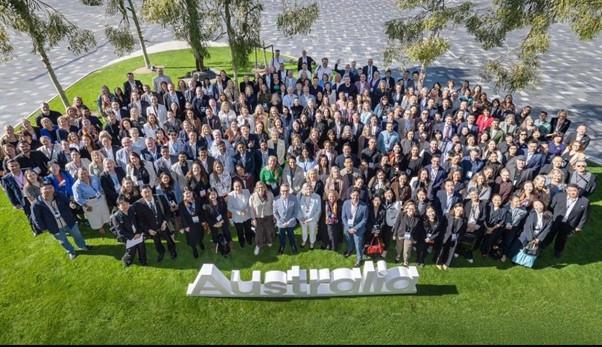
Melbourne: Culture, Creativity & Culinary Excellence
Our experience began in Melbourne, a city renowned for its energy, innovation, and unmistakable sense of style. From the moment we arrived, it was clear why Melbourne continues to be such a compelling destination for business events.
A guided foodie walking tour through the city’s hidden laneways introduced us to Melbourne’s vibrant culinary scene, uncovering tucked-away cafés, bold flavours, and local stories that bring the city to life. Alongside this, we took part in inspiring one-to-one business meetings, offering valuable insight into Australia’s event infrastructure and creative capabilities.
A standout day took us beyond the city to the Mornington Peninsula, where wellness, creativity, and gastronomy came together beautifully. We enjoyed a relaxing visit to the Mornington Peninsula Hot Springs, providing a serene contrast to the buzz of the city and a perfect example of how wellness can be seamlessly incorporated into corporate programmes. The day continued at Pt. Leo Estate Winery, where a sip-and-paint experience encouraged creativity in a relaxed setting, followed by a wine-paired lunch showcasing the region’s exceptional produce and coastal views.
Evenings were equally memorable, with spectacular hosted dinners thanks to Melbourne Convention Bureau and Business Events Australia, showcasing exceptional venues, flawless service, and outstanding cuisine. The final Melbourne gala dinner at the iconic Royal Exhibition Building was a true highlight,an extraordinary setting brought to life with excellent food and stunning musical performances, creating a truly unforgettable atmosphere.
Our stay at the W Melbourne perfectly reflected the city’s contemporary edge, combining luxury, design, and personality in one unforgettable base.

Cairns & Port Douglas: Tropical Luxury and Natural Wonder
From urban sophistication, we transitioned to the tropical beauty of Far North Queensland, where Cairns and Port Douglas delivered awe-inspiring scenery and once-in-a-lifetime experiences.
Highlights included rainforest adventures and crocodile encounters, immersing us in the raw, untamed beauty of the region. A scenic lunch at Thala Beach Nature Reserve offered panoramic ocean views paired with outstanding food, while paired dining experiences in stunning natural settings demonstrated how effortlessly luxury and nature coexist here.
Cultural immersion was a key part of the journey, with deeply meaningful experiences such as a Dreamtime walk, providing insight into Indigenous heritage and storytelling—an incredibly powerful addition to any incentive programme.
The pinnacle of the trip was undoubtedly a day on the Great Barrier Reef, exploring one of the world’s most extraordinary natural wonders, followed by a helicopter flight back to Cairns—an unforgettable perspective that truly took our breath away.
We concluded the experience with a farewell beachside lunch at Nu Nu in Port Douglas, the perfect ending to an exceptional journey. Our stays at Sheraton Grand Mirage Port Douglas and Crystalbrook Riley further reinforced the region’s ability to deliver high-end, distinctive accommodation with a strong sense of place.

Final Reflections
I return from Australia Next 2025 feeling energised, inspired, and full of new ideas, with an even greater appreciation for what Australia can deliver for events and incentives. From vibrant cities to ancient cultures and natural wonders, Australia offers experiences that don’t just meet expectations, they redefine them.
If you’re planning an upcoming corporate event, incentive trip, or group experience, our team would love to help bring your vision to life.
Get in touch: hello@sevenevents.co.uk
Corporate Kick Offs: How to Host an Impactful Start-of-Year Event With SEVEN
At SEVEN, we begin every project by stepping into your world and understanding what matters most to your team. We believe your kick off should feel exciting, uplifting and designed around what matters most to your people. And that’s exactly where we come in, to help you shape an experience that inspires, motivates and brings your team on the journey with you.
We Start With Your Story
Every great kick off begins with a story worth telling. We take the time to understand your vision; your values and the journey you want to take your team on this year. From this, we craft a narrative that feels honest, human and true to your brand.
Instead of heavy presentations, we help your leaders connect with the room, speaking with warmth, clarity and confidence. When the message lands, you can feel the shift: people lean in, they connect and they start to feel part of something bigger.
We Create an Environment That Sparks Excitement
Whether your kick off takes place in a stunning venue or through a seamless virtual set-up, we design environments that feel welcoming, inspiring and full of possibility.
We curate every detail, the lighting, the flow of the room, the music, the visuals, to build an experience that feels energising from the moment guests arrive. No corporate stiffness, no overwhelming complexity. Just a space that lifts the mood and encourages real engagement.
We Design Experiences That Get Everyone Involved
A memorable kick off isn’t passive; it’s interactive.
We build in moments where your people can contribute, collaborate and be heard. Think creative workshops, meaningful breakouts, live Q&A sessions or team challenges that bring fresh energy into the room. When your team takes part in shaping the year ahead, they become genuinely invested in its success.
Our role is to make this seamless, planning the structure, guiding the flow and ensuring every activity supports your goals.
We Shine a Light on Your Successes
Celebration is powerful. We help you honour the moments that got you here, recognising individuals, teams and achievements that deserve to be in the spotlight.
Through thoughtful storytelling, awards, visuals and surprise touches, we create uplifting moments that fill the room with pride. These aren’t just “nice-to-have” additions; they inspire your people to carry that confidence into the year ahead.

We Help You Deliver Clear, Motivating Messages
A great kick off leaves everyone knowing exactly what lies ahead.
At SEVEN, we support you in shaping a message that feels transparent, achievable and exciting. Whether that’s through our services content support, staging, creative design or show-calling, we make sure your goals are communicated in a way that’s easy to understand and impossible to forget.
Your team walks away feeling inspired, not overwhelmed, ready to take action and excited for what’s coming.
We Make the Ending as Impactful as the Beginning
A powerful close matters. It’s the final moment your team carries with them into the year.
We help you end on a high, with a guest speaker who sparks new thinking, a collective moment that builds connection or a heartfelt message that brings everything together. Whatever the format, we ensure your kick off finishes with genuine impact.
Let SEVEN Bring Your Kick Off to Life
Hosting a start-of-year event should feel exciting, not stressful. With SEVEN by your side, you have a partner who listens closely, plans thoughtfully and delivers every detail with care. Get in touch today to get planning.
Frequently Asked Questions
What exactly is a corporate kick off?
A corporate kick off is a start-of-year event that brings your team together to set the tone for the months ahead. It’s a chance to share your vision, celebrate achievements and inspire everyone for what’s next. At SEVEN, we help you shape this into an uplifting, memorable experience your team will genuinely connect with.
Why should we host a kick off event?
Kick offs build momentum. They boost morale, strengthen team culture and create clarity around your goals. When the year begins with excitement and purpose, your team feels more aligned, motivated and ready to take action.
How can SEVEN help us plan our kick off?
We work closely with you from the very first conversation, understanding your story, your message and the experience you want to create. Then we bring it all to life, from venue sourcing and creative design to production, content, logistics and on-site delivery. You get a partner who handles everything, so you can focus on your people.
Can we include remote or global teams?
Absolutely. We create hybrid and virtual experiences that feel just as engaging as in-person events. From smooth streaming to interactive moments, we make sure every team member feels included, wherever they’re joining from.
How far in advance should we start planning?
Ideally, planning begins 2–3 months ahead, but we’re used to working to tight timelines. The earlier we start, the more creative freedom we have, but we’re experts at delivering exceptional experiences efficiently whenever you need them.
Can SEVEN help with speakers, entertainment or facilitators?
Yes! Whether you want motivational speakers, industry experts or team-building facilitators, we can source talent that complements your message and elevates the experience.
What makes SEVEN’s approach different?
We build events around people, your people. We focus on storytelling, atmosphere and creating experiences that feel warm, uplifting and genuinely memorable. With SEVEN, you get a team who listens, cares and brings your vision to life with passion and precision.
A Year of Wow: The Event Trends That Defined 2025
1. Human-Centred Experiences Took the Spotlight
In 2025, events were all about connection, the real kind.
Clients looked for gatherings that felt warm, thoughtful and designed with their guests in mind. At SEVEN, we built events that put people at the centre of everything: moments to pause, moments to talk, and moments that felt like “this was made for me”.
Cosy breakout corners, conversation-sparking activities and experiences that felt less like a schedule and more like a journey became the norm.
2. Sustainability Became Non-Negotiable
Sustainability shifted from a “nice to have” to a must, and the best part? Creativity never suffered for it.
Throughout 2025, clients embraced low-waste catering, energy-efficient lighting and smart reuse of décor, and SEVEN moved with them. We partnered with suppliers who cared as much as we did and showed clients how small choices could make a big difference, supported by our sustainability policy.
Sustainable proved it could be stylish, and we demonstrated that event after event.
3. Immersive Storytelling Took Centre Stage
With our story and content creation service we’ve always loved a good story at SEVEN, after all, it’s where unforgettable events begin.
In 2025, storytelling grew bolder and more imaginative. Guests wanted to feel part of something, not just observers. That meant immersive entrances, interactive moments, layered themes and experiences unfolding in chapters.
Whether it was a brand launch or a company celebration, we crafted events that felt like stepping into an entirely new world.

4. Playful Experiences Made a Big Comeback
After years of polished minimalism, fun came roaring back.
Bold colours, joyful entertainment, unexpected surprises and moments that made people smile were everywhere. At SEVEN, we embraced this shift wholeheartedly, because bringing joy into a room has always been one of our favourite things to do.
Hands-on activations, live performances, gamified networking and “get involved” entertainment became some of our most-loved touches.
5. Meaningful Technology, Not Just More Technology
Technology continued to shape how we gathered—but in 2025, purpose led the way.
Rather than flashy gadgets, clients chose tools that genuinely enhanced the experience:
- real-time content capture
- seamless guest check-ins
- AI-powered personalisation
- interactive digital installations
At SEVEN, we explored tools that made events smoother, smarter and more engaging, always without overshadowing the human experience at the heart of it all.

6. Smaller, Smarter, Higher-Impact Events
Intimate didn’t mean simple.
In 2025, smaller gatherings blossomed with detailed touches that made them feel rich, thoughtful and deeply personal. Elevated dining moments, curated settings, bespoke gifting and spaces designed for real conversation became key features.
We loved these events at SEVEN as they were intentional, full of heart and often delivered the biggest impact.
7. Multi-Sensory Design Stole the Show
IIn 2025, events were designed to delight every sense.
Clients wanted more than beautiful visuals—they wanted sound, scent, touch and taste working together in harmony. At SEVEN, we created atmospheres:
- fragrant florals that set the tone
- textured décor guests loved to touch
- playlists that shifted the mood
- theatrical food experiences
The result? Events that lingered in guests’ memories long after the lights dimmed.
Looking Ahead: 2025 was the Year of Experiences with Heart
What inspired us most about 2025 was how personal events became. They weren’t just gatherings, they were stories, journeys, celebrations and moments of connection.
At SEVEN, we guided our clients through every step, bringing creativity, clarity and a whole lot of passion into each project. Whether clients dreamt big or started small, we crafted experiences that felt authentically “them” with a sprinkle of SEVEN magic woven through every moment.
Here’s to the memories we made, and to many more unforgettable journeys ahead.
Ready to start planning your 2026 event?
We’d love to dream it up with you, contact us at hello@sevenevents.co.uk.
AI and Automation in Event Planning: The Next Big Leap for Corporate Events

Today, the expectations from event planners have touched new heights. Clients look for seamless execution, personal touches, and memorable experiences. That’s why at SEVEN, we believe wholeheartedly in blending innovation with human touch.
As corporate conference planning specialists, we’ve seen firsthand how embracing event management technology transforms a good conference into an unforgettable journey.
Implementing AI in event planning is increasingly becoming the differentiator.
Today, we will explore how automation and AI-based tools are revolutionising corporate events.
What’s Driving Demand for Smarter Event Management Technology?
- Higher attendee expectations: Guests increasingly expect quick, seamless experiences from registration to check-in, personalised agendas, and easy access to information.
- Personalisation at scale: With larger guest lists and multinational attendees, manual personalisation becomes impractical; automation makes it feasible.
- Rise of hybrid & virtual events: The post-pandemic world has normalised hybrid gatherings, requiring tools that bridge physical and digital experiences smoothly.
- Faster planning cycles: Companies expect shorter turnaround times for conferences or events, meaning planners need tools that speed up workflows and reduce manual load.
Businesses now see event planning technology as the backbone of efficient, impactful corporate events.

What Are The Practical Applications of AI Event Management Tools for Corporate Events?
Today’s smartest AI event management tools work quietly in the background, helping organisers streamline processes, personalise experiences and create seamless guest journeys.
Below are expanded, real-world applications that businesses are increasingly adopting.
1. Smart Automation for Registrations and Check-ins
Manual registration desks are becoming a thing of the past. Automated check-in systems now offer:
- Instant badge printing using QR or NFC technology.
- Real-time dashboards so organisers can monitor arrival patterns.
- Automated guest reminders for sessions or workshops they’ve signed up for.
For large-scale corporate conferences in the UK, this tech cuts down waiting times and gives attendees a smooth, welcoming first touchpoint.
2. Hyper-Personalised Attendee Journeys
With event management technology, every attendee gets an experience tailored just for them:
- Customised agendas that adjust dynamically based on preferences.
- AI-driven networking suggestions are great for leadership retreats and industry summits.
- Personalised content delivery like digital brochures, speaker bios, maps, and FAQs, all available instantly.
Personalisation makes guests feel valued, turning a corporate event into something memorable and meaningful.

3. Predictive Analytics for Better Event Design
AI-powered insights help planners design smarter corporate events:
- Predicting which breakout sessions will attract the most attendees.
- Forecasting catering requirements based on dietary trends and historical data.
- Heat-mapping attendee movements across venues to optimise layout and signage.
Because these decisions are driven by data rather than guesswork, organisers save time and budget.
4. Automation Behind the Scenes
There’s an entire world of backstage improvements powered by AI:
- Project management automation: task reminders, deadline tracking, and resource allocation.
- Supplier coordination: automated follow-ups, delivery alerts, and contract status updates.
- Budget optimisation: AI flags overspending risks and highlights potential savings.
This leads to calmer planning cycles and clearer communication with suppliers and internal teams.
5. AI-Powered Content Creation for Events
This is becoming a game-changer for UK companies hosting content-heavy conferences:
- Automated session summaries for delegates who miss workshops.
- AI-generated highlight reels or photo packages are ready within minutes of event wrap-up.
- Real-time transcription and captioning for accessibility compliance.
Tools like this help organisers deliver polished, professional content without long turnaround times.

6. Real-Time Sentiment Tracking and Engagement Insights
During the event, AI can analyse live guest interactions to understand:
- Which sessions are most engaging?
- How audiences are responding to speakers.
- Sentiment trends through social media posts, app feedback, and live Q&A tools.
These insights give organisers the power to make on-the-spot adjustments like extending a popular session or adding extra networking time.
7. Smart Chatbots for Attendee Support
AI chatbots are becoming standard at UK corporate events thanks to benefits like:
- 24/7 automated answers to FAQs.
- Guidance on session locations, travel, and event timings.
- In-app assistance that feels friendly and human.
They reduce the pressure on on-site staff while ensuring attendees always have help at their fingertips.
8. Sustainability Tracking Through AI
With sustainability becoming a priority for UK businesses, AI tools assist by:
- Tracking carbon footprint based on travel, catering and energy usage.
- Suggesting lower-impact vendor options.
- Automating waste-reduction strategies.
This supports companies meeting ESG goals without adding extra admin for planners.
9. AI-Driven Risk Management and Contingency Planning
Corporate events can involve multiple moving parts, and AI helps spot issues early:
- Analysing weather predictions for outdoor elements.
- Identifying security risks through pattern recognition.
- Helping organisers pre-build contingency plans for high-risk scenarios.
This creates safer, more resilient events.
How UK Businesses Can Get Started with Event Planning Technology
If you’re considering integrating event planning technology into your next corporate gathering, here’s a handy starting guide:
Questions to Ask Before Adopting AI Tools
- Does the tool integrate with our existing systems?
- Does it support hybrid or virtual event formats in addition to physical ones?
- Will it genuinely improve attendee experience and not just add fancy features?
- Is the cost justified by the expected time savings or better guest satisfaction?
- Do we have the internal capability (or partner support) to operate the technology smoothly?
Starting small can help you assess impact without committing fully upfront.
Closing Thoughts
AI and automation are the present of event planning. For businesses investing in AI in event planning and smart event management technology is a strategic advantage.
As premium event planners in London, SEVEN are passionate about combining our human touch with cutting-edge tools, so your guests feel valued, engaged and inspired.
If you’re planning your next corporate event and want to see how tech-driven event engagement can elevate the experience, we’d love to help. Let’s make your next event smoother, smarter, and more memorable than ever.
FAQs
1. Are AI tools expensive to implement for corporate events?
Costs vary depending on the scale of your event and the tools you choose. Many AI solutions now offer flexible, subscription-based pricing, making them accessible for small team meetings right up to large-scale conferences. For many UK companies, the long-term time savings and improved guest satisfaction offer strong ROI.
2. Is AI suitable for small or boutique corporate events?
Absolutely. While large conferences often see the biggest benefits, even intimate retreats or leadership meetings gain value from personalised agendas, automated communication, and smarter logistics. The key is choosing tools that fit the size and style of the event.
3. How secure is attendee data when using event technology?
Reputable event-tech providers prioritise security and comply with UK GDPR requirements. Features often include encryption, anonymised data analytics, and strict access controls. Before selecting a platform, organisers should review its data protection policies and ensure it meets internal compliance standards.
4. Can AI fully replace human event planners?
No, and it shouldn’t. AI assists with repetitive tasks, data handling, and logistics, but it cannot replicate the creativity, empathy and intuition that human planners bring. The best events combine the efficiency of AI event management tools with the human touch of experienced planners like SEVEN.
From Concept to Experience: London’s Best Corporate Event Themes

There’s a special kind of magic that happens when a corporate event transcends the ordinary and becomes truly unforgettable. At SEVEN, we’ve learned that the difference between a good event and an extraordinary one often comes down to one powerful element: a compelling theme that weaves through every touchpoint of the experience.
The best corporate event ideas don’t just decorate a space; they transport guests into carefully crafted worlds that engage emotions, spark conversations, and create lasting impressions. From the moment invitations arrive to the final farewell, a well-executed theme tells your brand story, reinforces your message, and turns attendees into active participants in an experience they’ll be talking about long after the event ends.
The numbers speak for themselves. According to Eventgroove’s 2025 event industry research, two-thirds of event attendees report more positive feelings about a brand after interacting with it at an event. When that interaction is shaped by a powerful, well-executed theme, the impact runs even deeper.
Let’s explore how creative event management transforms concepts into immersive realities that deeply connect with your audience.
Themes Matter: The Power of Context
The foundation of brilliant experiential event design is a strong theme. It offers a unified platform for all venue decoration, catering, entertainment, and interaction. It is, in essence, the narration of your event.
Themes improve engagement by giving attendees a reference point and a reason to participate whether that’s through dressing up, interacting with themed performers, or taking part in themed activities. They reinforce brand values, product launch stories, and company culture in a way that feels organic rather than prescribed. And in a city like London, with its extraordinary mix of historic ballrooms, converted industrial spaces, and contemporary art galleries, a well-chosen theme makes the most of the city’s unrivalled versatility.
When thinking about creative corporate event themes, the key is selecting a concept that doesn’t just look the part it actively supports what you want your audience to feel, do, and remember long after the event wraps. Research from the Freeman Trends Report Q1 2024 found that 45% of attendees are more likely to show up to live events when they can customise their experience, which underscores just how important it is to build themes around the audience, not just the brand.
The Top Corporate Event Ideas of 2025
As the events landscape continues to evolve, the best corporate event themes are those rooted in immersion, sustainability, and meaningful interaction. The following are some of our most impactful corporate event ideas, each one designed to deliver a genuine experience rather than a passive evening. Whether you’re exploring corporate event ideas London for a team celebration, a product reveal, or a client showcase, these themes offer something for every brief and every audience.
1. The Future is Now: Tech Immersion and Sci-Fi
This is an ideal theme for technology firms, product launches, or innovation-led organisations. At SEVEN, we transform the space with smooth, futuristic aesthetics neon accents, holographic banners, and kinetic LED lighting installations across walls and ceilings. Entertainment can include AI-generated art displays, robotics exhibitions, and interactive digital experiences that put guests at the cutting edge.
- We work with a dedicated creative agency for brand events in London to layer in AR activations and custom event applications, enabling guests to interact with virtual future products in the real world.
- These kinds of corporate event experiences go far beyond a standard presentation. They place guests inside the brand story, making the message tangible, interactive, and genuinely exciting. According to the PCMA Freeman Trends Report 2024, 64% of event attendees say immersive experiences are the single most important element of a successful event and tech-themed activations deliver exactly that.

2. The Great Gatsby and Roaring Twenties Revival
Classic, rich, and inherently celebratory, this theme works beautifully for reward dinners, company anniversaries, or elegant client events. It encourages dressing up and instantly creates an atmosphere of sophisticated decadence that guests lean into wholeheartedly.
Think black and gold décor, feather centrepieces, champagne towers, and a live jazz or swing band setting the mood from arrival. At SEVEN, we source authentic 1920s-style entertainment including flapper dancers and prohibition-era cocktail mixologists ensuring an electric, high-energy atmosphere that elevates the evening far above a typical corporate gathering.
3. Global Passport: Forward Thinking
This theme is ideal for multinationals or large internal conferences that want to use food, music, and art to celebrate the diversity of a global team. It is also one of the most powerful business event themes for organisations that want to put inclusion at the heart of their gathering.
At SEVEN, we build distinct zones within the venue each representing a different region of the world, complete with its own cuisine, music, and design language. We specialise in sustainable, locally sourced catering that reflects international food culture while aligning with your organisation’s CSR commitments. The result is a theme that feels both worldly and grounded, broad in scope yet personal in detail.

4. The Urban Secret Garden
This theme offers a beautiful contrast to the pace of London life, transforming a city venue into a lush, peaceful oasis. It is an outstanding showcase of what creative event management can achieve when the brief is to provide an invigorating, restorative experience for attendees.
We install large-scale living walls, immersive floral installations, natural wood details, and ambient forest-floor lighting to shift the entire atmosphere of a space. Our team uses the transformative power of soundscapes and projection technology including projected wildlife imagery to deepen the sense of calm and wonder. It is a theme that invites people to slow down, connect, and engage with the brand on a genuinely human level.
Creative Events Management: Making Vision a Reality
The most inspired theme means nothing without flawless execution. This is where genuinely innovative event management becomes the decisive factor. It is the attention to detail that turns a good idea into a great event.
Uniformity is essential. At SEVEN, we ensure every single touchpoint from the design of a coat check ticket to the choice of serving dishes conforms to the theme and reinforces its atmosphere. Nothing is left to chance.
Beyond aesthetics, we focus on interactive engagement. We do not design passive entertainment; instead, we create corporate event experiences that go beyond spectacle. Think themed escape rooms, mixology masterclasses, and immersive activations that make attendees not just witnesses to the theme, but active participants in it. According to research by Event Marketer, 85% of attendees are more likely to participate in events that offer genuinely personalised experiences a clear signal that interaction and involvement are no longer optional; they are expected.
For teams searching for corporate event ideas in London, this level of hands-on, immersive planning is exactly what separates a forgettable evening from one that colleagues are still talking about a year later. And the commercial case is just as strong as the creative one: Splash and GTM Partners research shows that companies experience 10x the ROI from event attendees versus non-attendees.
Final Thoughts: Where Concept Becomes Experience
Themes aren’t just decorative they’re transformational. They set the tone, elevate the message, and help brands create moments with genuine meaning. When imagination meets intentional design, your event becomes more than a gathering. It becomes a story your audience is part of.
The events industry continues to grow as brands recognise this power. According to Eventgroove’s 2025 industry research, the global events market is projected to reach $2.5 trillion by 2035, growing at a compound annual growth rate of 6.8% a reflection of how seriously organisations worldwide are investing in live experience as a business tool.
Ready to move from a standard corporate meeting theme to a genuinely memorable experience that captivates your audience? Get in touch with us today at hello@sevenevents.co.uk to explore how our creative events management can transform your next London event.
FAQs
1. What are the best corporate event themes?
The best corporate event themes are those that align with your brand, audience, and event objectives, such as immersive, luxury, or sustainability-focused concepts. A strong theme helps create a cohesive experience that engages attendees from start to finish.
2. What are the best corporate event ideas in London?
The best corporate event ideas London offers include immersive storytelling events, themed product launches, interactive workshops, and multi-sensory experiences.
These ideas focus on engagement and creating memorable brand moments for attendees.
3. Why are corporate event themes important?
Corporate event themes are important because they provide structure and consistency across all elements, including decor, entertainment, and guest experience.
They also help reinforce your brand message and make the event more memorable for attendees.
4. How do I choose the right corporate event theme?
To choose the right corporate event theme, consider your event goals, audience preferences, and brand identity.
The theme should support your message while creating an engaging and immersive environment for guests.
5. How can corporate themed events improve engagement?
Corporate themed events improve engagement by encouraging participation through interactive activities, immersive environments, and creative storytelling.
They give attendees a reason to connect, interact, and become part of the experience.
6. What makes a successful corporate event in London?
A successful corporate event in London combines a strong theme, strategic planning, engaging content, and seamless execution.
It should also leverage the city’s unique venues to enhance the overall experience.
7. How do event agencies create corporate themed events?
Event agencies create corporate themed events by developing a concept, designing immersive environments, and coordinating all event elements to align with the theme.
They ensure consistency across every touchpoint, from invitations to on-site experience.
8. How can a corporate event theme reflect brand identity?
A corporate event theme can reflect brand identity by incorporating brand values, messaging, and visual elements into the overall experience.
This ensures the event feels authentic and aligned with the company’s positioning.
How to Plan an International Conference: Key Steps & Best Practices
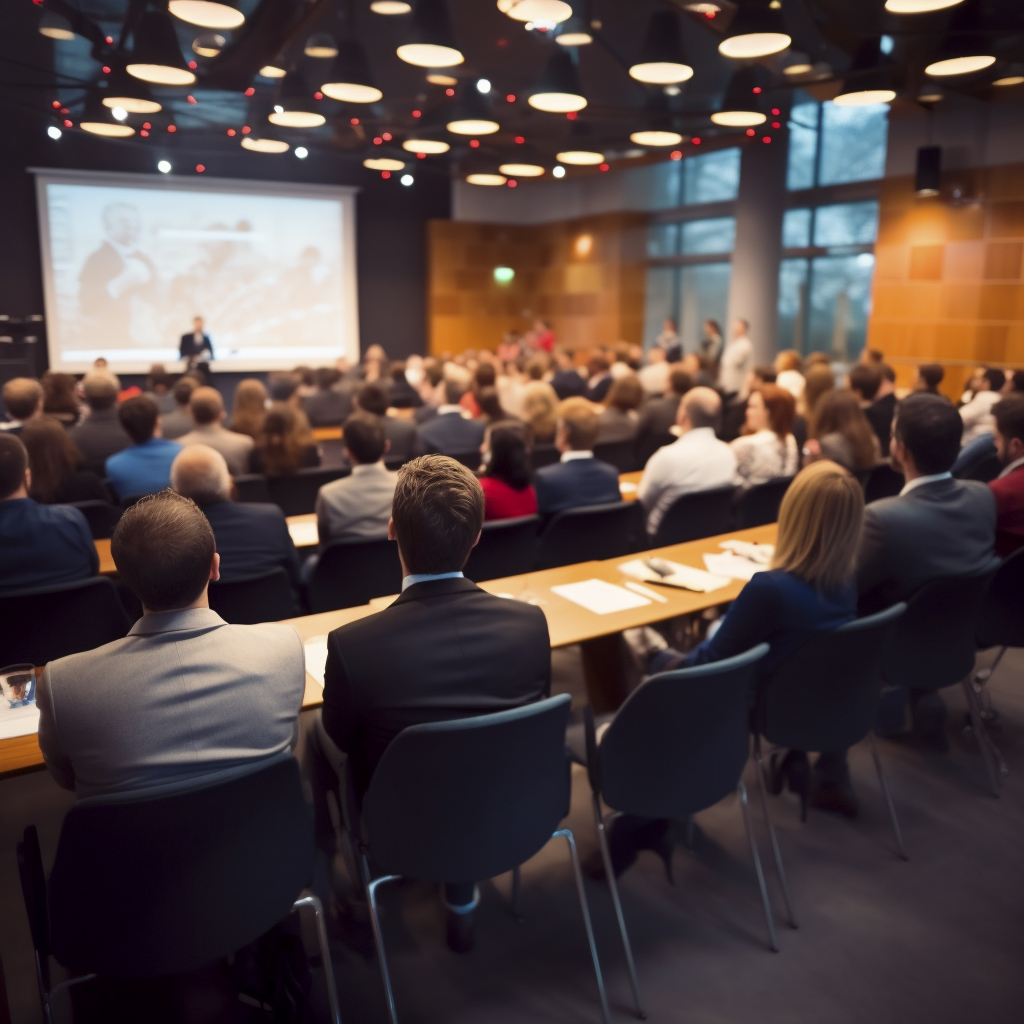
What Makes International Conference Planning Unique?
#1 Understanding the Global Scope
When you’re delivering an event with delegates, speakers, or stakeholders from multiple countries, the game changes include:
- Time-zone coordination so that you can schedule sessions in a way that international attendees aren’t permanently jet-lagged.
- Travel and visa considerations. This is important to determine what countries your delegates come from, whether they need UK entry visas for a UK-based event, or other permissions.
- Cultural nuance as good practice might differ from one region to another. For example, how networking happens, how meals work, and how sessions are moderated.
Why Strategic Planning Matters
International conference planning is categorically different because of its complexity. It is important to prepare early and think strategically because:
- Logistics and content must align as these events include global speakers, remote delegates, and hybrid formats, which means that there are a lot of moving parts.
- Audience experience must feel the same across geographies, regardless of whether someone attends virtually from Asia or in-person in the UK.
- The reputation risk is higher: your brand, your hosts, and your organisation all reflect internationally.
Planning early, with clear stages, gives you the agility to handle unforeseen issues like travel delays, visa problems, or speaker cancellations, and still deliver on your core outcomes.

Step-by-Step Guide to Plan an International Conference
Step 1: Define Your Purpose, Audience & Outcomes
Start by asking what this conference is really for?
Some guiding questions include:
- Are we gathering for thought-leadership, launching a product globally, aligning a multinational team, or building brand reputation?
- Who is attending? Are they local, regional, or global stakeholders?
- What measurable outcomes do we need?
Step 2: Select the Right Host City & Venue
Choosing the location and venue is a major strategic decision:
- Does the city have direct international flights, good rail links, and hotel stock near the venue?
- Can the venue handle hybrid streaming, translation booths, and simultaneous sessions?
- Does the location reflect your conference’s personality?

Step 3: Build a Global-Friendly Agenda
Your agenda needs to resonate with an international audience:
- Time-zone awareness: If you have delegates in Asia and Europe, you may need early start times or hybrid breakout tracks.
- Language and interpretation: Consider whether translation or multi-language support is required.
- Engagement formats: Global delegates often expect more than a lecture. They want interaction, networking, and cultural relevance.
- Story-led structure: Use storytelling to weave everything together, from the opening keynote, breakout tracks aligned to global themes, and the cultural networking dinner.
Step 4: Travel, Visas & Accommodation
These details may feel less glamorous, but they impact delegate satisfaction significantly:
- Visa support and travel advice: International guests may need entry visas or special documentation, which needs to be factored in early.
- Delegate accommodation: Secure room blocks across multiple hotels, near the venue, or consider partner hotels for cost control.
- Transport & arrival: From airports to hotel to venue to help delegates arrive and travel smoothly.
- Accessibility & wellbeing: Consider dietary requirements, mobility access, and rest zones for time-jet-lagged attendees.

Step 5: Technology & On-Site Production
In an international conference, you must think hybrid, which is seamless and immersive:
- Use a proper registration & delegate management platform that supports global sign-up, multi-currency, and multi-time-zone support.
- Live-streaming and remote session management to ensure remote attendees feel equal.
- On-site AV, translation booths, and high-speed connectivity.
Step 6: Creative Engagement & Cultural Experiences
This is how you make your event memorable:
- Offer cultural add-ons like local tours, evening receptions in iconic venues, and networking over experiences.
- Story-driven engagement with a mix of keynotes with interactive sessions, workshops, panels, and deeper-dive breakouts.
- What works for a UK audience may differ for APAC or the Americas. So, tailor content, tone, and breakout design accordingly.
Why Work With SEVEN for Your International Conference?
#1 Expertise Across Global & UK-Based Events
At SEVEN, we’ve proven our ability to deliver exceptional results across complex, multi-region conferences. We understand the nuances of international conference planning, from logistics, culture, storytelling, to production. When you partner with us, you’re working with a team that knows how to orchestrate a seamless, high-impact global gathering.
#2 A Storytelling-Driven Approach
We believe every conference is a story. Using this narrative-driven approach, we transform events into lasting experiences. When global attendees join your event, they must feel they’ve travelled and arrived both physically and emotionally. That’s how the best global conferences elevate brand and culture.
#3 End-to-End Support From Trusted Corporate Event Planners
As experienced corporate event planners, we offer full-service support:
- Strategy and concept development.
- Venue sourcing in the UK and worldwide.
- Travel and accommodation coordination.
- Hybrid/virtual production and AV.
- Delegate engagement and storytelling-led content design.
- On-site logistics and post-event measurement.
We take the weight off your internal team and allow you to focus on your core business outcomes while we deliver the details.

#4 Putting Clients First
Our ethos is transparent, friendly, and always client-first. We tailor every solution to your brand, your audience, and your objectives. As a result, your attendees feel inspired and so do you. That’s why so many choose Seven Events to elevate their international gatherings.
Closing Thoughts
Planning a conference across international borders is no small undertaking. But when each piece comes together, the result is a shared moment in time where global teams feel aligned and connected to something bigger than themselves.
At SEVEN, we believe every international conference should be a story guests remember long after they’ve returned home. As trusted UK-based corporate event planners, we’re here to turn your ideas into experiences and your challenges into solutions.
If you’re ready to create a conference that inspires across borders, we’d love to help you bring it to life.
FAQs
1. How far in advance should you start planning an international conference?
Ideally, start 12 to 18 months in advance. This gives you enough time to secure global speakers, manage visa timelines, coordinate international travel, and lock in venues.
2. How do you budget for an international conference?
Create a budget that includes currency fluctuations, international travel, accommodation blocks, AV and hybrid technology, translation services, and cultural experiences. It’s wise to add a 10 to 15% contingency for global variables such as transport changes or supplier availability.
3. What documents do delegates typically need for an international conference?
Most attendees will require a valid passport, any necessary entry visa, proof of accommodation, and, in some cases, company invitation letters or event registration confirmation. Always send clear guidance early to avoid delays.
4. How can you increase international attendance for your conference?
Offer early-bird pricing, accessible session times for multiple time zones, hybrid attendance options, and marketing tailored to each region. Providing travel guidance and accommodation discounts also encourages sign-ups.
5. What’s the best way to manage international speakers?
Provide a speaker concierge service including travel arrangements, clear briefing packs, rehearsals in their local time zone, and technical checks for hybrid presentations. This ensures a smooth delivery regardless of where they’re joining from.