


Category: KNOW HOW
Why Attending The Meeting Show Matters – And How It Helps Us Create Better Events for Our Clients
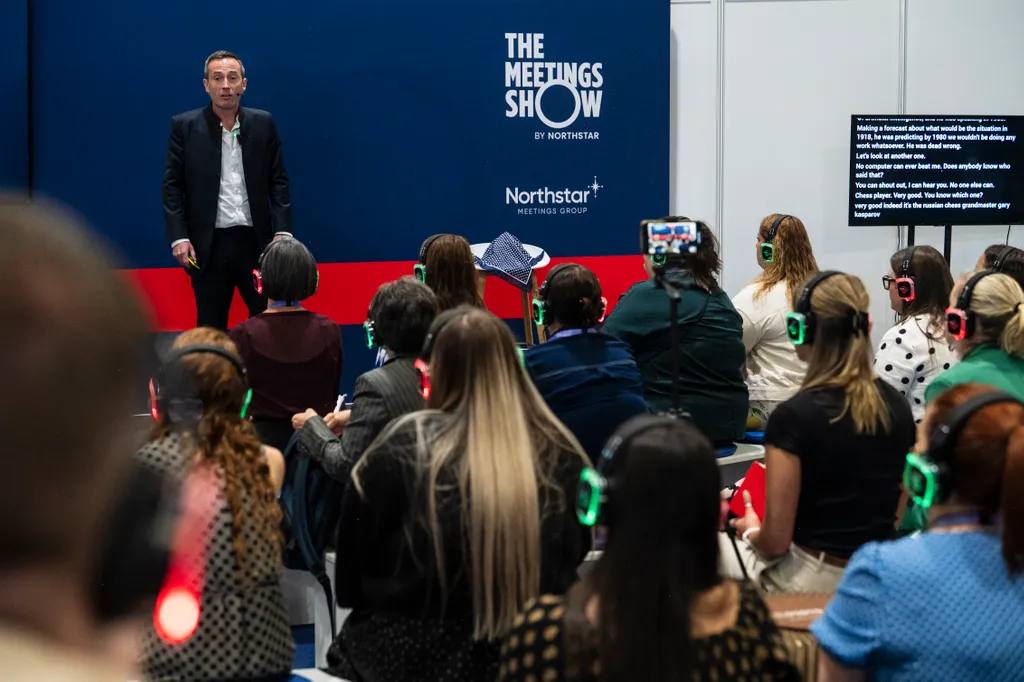
A day dedicated to discovering what’s next
The events industry never stands still, and neither do we.
The Meeting Show gives us the opportunity to meet hundreds of venues, hotels, destinations and suppliers from across the UK and around the world, all under one roof. Whether we’re sourcing a hidden-gem venue for an executive retreat, finding a unique activity for an incentive trip, or exploring the latest event technology, every stand offers the chance to discover something new.
For our clients, this means we’re constantly expanding the options available to them. Instead of relying on the same recommendations time after time, we’re able to introduce fresh ideas that fit different budgets, objectives and audiences. Every new supplier we meet becomes another opportunity to create an event that’s memorable for all the right reasons.
Strengthening the relationships that matter
While discovering new suppliers is exciting, catching up with our existing partners is just as valuable.
Events are built on great relationships, and The Meeting Show gives us the chance to spend quality time with the people we work alongside throughout the year. Face-to-face conversations allow us to discuss upcoming developments, learn about new openings, hear what’s changing in the market, and strengthen the partnerships we’ve built over time.
These relationships often lead to benefits that directly support our clients, whether that’s greater flexibility, faster responses, exclusive opportunities or creative ideas that might not be available elsewhere. Having trusted supplier relationships means we can work collaboratively to find the best solutions, even when timelines are tight or briefs are particularly challenging.
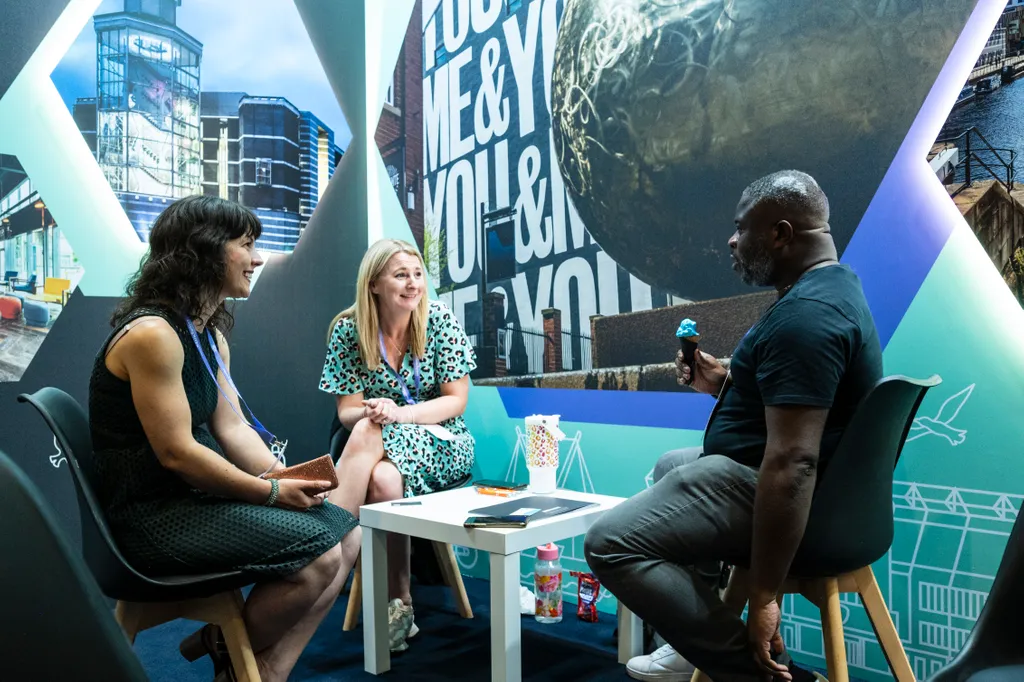
Learning from the wider industry
One of the biggest benefits of attending The Meeting Show is the opportunity to learn.
Alongside the exhibition are educational sessions covering everything from sustainability and event technology to attendee engagement and industry trends. It’s a chance to hear from experts, share experiences with fellow event professionals and bring new ideas back to the office.
Continuous learning helps us challenge ourselves and evolve the way we deliver events. By understanding what’s changing across the industry, we’re able to advise our clients with confidence and recommend solutions that genuinely add value to their events.
Turning inspiration into unforgettable experiences
Some of the best event ideas don’t come from a brief or a brainstorming session, they come from unexpected conversations.
A chance meeting with a venue, an innovative activation spotted on a stand or a discussion with an international destination can spark ideas that eventually become part of a client’s event. That’s one of the reasons we love attending industry events like The Meeting Show. Inspiration is everywhere.
As an agency, our role is to take those ideas and shape them into experiences that feel authentic to each client, ensuring every recommendation has purpose and supports the overall event objectives.
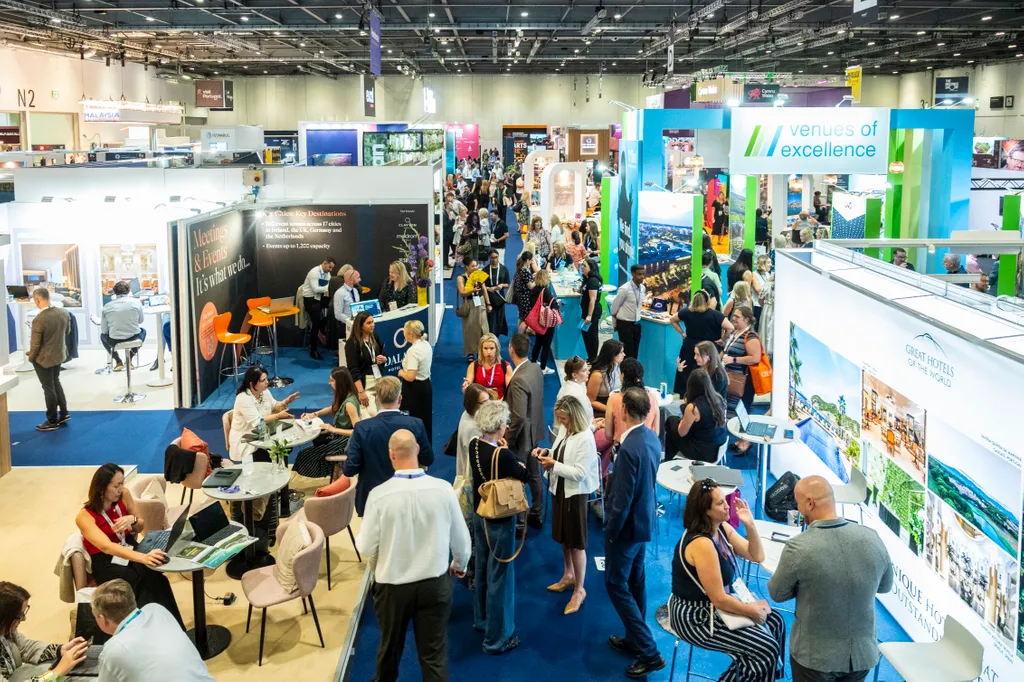
Why this matters for our clients
Attending industry events is an investment in the service we provide.
Every supplier we meet, every venue we visit and every trend we explore helps us build an even stronger network and deeper knowledge of the events industry. It allows us to source with confidence, negotiate effectively and bring creative thinking to every project we deliver.
Whether we’re organising conferences, incentive trips, experience days, awards dinners or corporate celebrations, our goal is always the same: to create events that exceed expectations while making the planning process as seamless as possible.
Our extensive range of event management services means we can support clients from the earliest stages of planning through to on-site delivery, bringing together the right people, places and ideas to create unforgettable experiences.
If you’re planning an event and would like to explore fresh ideas, exciting venues or unique experiences, we’d love to help. Get in touch with our team to start planning your next event.
Frequently Asked Questions
What is The Meeting Show?
The Meeting Show is the UK’s leading exhibition for the meetings, events and incentive travel industry, bringing together venues, destinations, hotels and event suppliers from around the world.
Why do event agencies attend The Meeting Show?
It gives agencies the opportunity to meet new suppliers, strengthen existing partnerships, discover new venues, learn about industry trends and find fresh inspiration that benefits their clients.
How does attending industry events benefit clients?
By attending industry events, agencies gain access to new ideas, trusted supplier relationships, exclusive opportunities and up-to-date industry knowledge, allowing them to create more innovative and effective events.
How do supplier relationships improve event planning?
Strong supplier relationships help agencies secure the best options for clients, negotiate competitive rates, solve challenges quickly and deliver a smoother event experience from planning through to delivery.
What types of events can SEVEN deliver?
We deliver a wide range of events, including conferences, incentive travel, experience days, awards dinners, corporate celebrations, product launches and team events, providing end-to-end event management tailored to every client’s objectives.
Event Logistics Checklist for Large Corporate Events

A large corporate event has hundreds of moving parts. Any one of them can derail the whole day if it is missed. Strong logistics are what hold it all together. When the planning is right, the event feels effortless to everyone attending.
This checklist covers every stage of event management logistics, from the first supplier booking to the final report. Use it to keep your next large event on track.
What Is Event Management Logistics?
Event management logistics is the coordination of every practical element that makes an event happen. It covers the people, suppliers, equipment, timings, and movement that turn a plan into a live event.
Good logistics are invisible to guests and obvious only when something goes wrong. The discipline breaks down into three phases:
- Pre-event planning and booking.
- Event-day coordination and delivery.
- Post-event wrap-up and reporting.
Each phase carries its own risks and its own checklist. The sections below work through all three.
Pre-Event Logistics Checklist
The work done before the event decides how the day runs. Most problems trace back to something missed at this stage.
1. Venue Selection
The venue shapes every other decision. Confirm these details early:
- Capacity for your full guest list.
- Access and loading for production teams.
- Power supply and technical infrastructure.
- Accessibility for all attendees.
- Catering facilities and restrictions.
2. Supplier Management
A large event relies on many suppliers working together. Keep control with:
- Signed contracts with clear terms.
- Confirmed delivery and setup times.
- A single point of contact for each supplier.
- Backup options for critical services.
- A shared schedule everyone can see.
3. Accommodation Planning
Out-of-town guests and speakers need somewhere to stay. Sort this well ahead:
- Room blocks are booked near the venue.
- Clear rates and booking deadlines.
- Special requirements captured in advance.
- Check-in and check-out times confirmed.
- Transport links to the venue are checked.
4. Transport Planning
Getting people to the venue smoothly sets the tone for the day. Plan for:
- Delegate travel from main locations.
- Speaker and VIP transfers.
- Parking arrangements on-site.
- Equipment and production deliveries.
- Contingency for delays or cancellations.
5. Registration Systems
Registration is the first thing guests experience. Get it right with:
- An online system tested before launch.
- Clear joining instructions sent in advance.
- On-site check-in equipment confirmed.
- Name badges prepared and sorted.
- A staffed help point for arrivals.
Event Day Logistics Checklist
On the day, coordination is everything. These checks keep the event running from the doors open to close.
1. AV Testing
Technical failure is the most visible risk among events. Test everything before guests arrive:
- Sound levels across the full room.
- Screen and projection visibility from every seat.
- Microphones, including spares and backups.
- Streaming feeds for remote attendees.
- Presentation files loaded and checked.
2. Delegate Management
Guests need to feel looked after from the moment they arrive. Cover the basics:
- Clear arrival and check-in flow.
- Staff briefed and visible throughout.
- Session timings communicated clearly.
- Catering served on schedule.
- Help is available at every stage.
3. Signage
Good signage stops confusion before it starts. Place clear signs for:
- Entrances, exits, and registration.
- Session rooms and breakout spaces.
- Toilets, cloakrooms, and catering.
- Accessibility routes and facilities.
- Emergency exits and assembly points.
4. Emergency Planning
Safety planning protects guests and the business. Confirm these are in place:
- Trained first-aiders on-site.
- Clear evacuation routes and procedures.
- Fire safety checks completed.
- Crowd management for busy periods.
- A named person responsible for incidents.
Post-Event Logistics Checklist
The event does not end when guests leave. Strong event management logistics carry through to a proper close.
1. Supplier Wrap-Up
Closing out suppliers properly protects relationships and budgets. Cover:
- Equipment collected and returned.
- Final invoices checked against contracts.
- Damage or issues documented.
- Feedback shared with each supplier.
- Bookings confirmed for any future dates.
2. Reporting
A clear report turns a finished event into useful learning. Capture:
- Attendance against registration numbers.
- Budget actuals against the original plan.
- Supplier performance notes.
- Issues encountered and how they were solved.
- Recommendations for next time.
3. ROI Analysis
Every large event should prove its value. Measure:
- Leads generated and conversations started.
- Engagement and session attendance.
- Delegate satisfaction scores.
- Social reach and content generated.
- Commercial outcomes against objectives.
Top 10 Event Logistics Mistakes
Even experienced teams make the same logistical errors. Watch for these ten.
| Mistake | Why It Hurts |
|---|---|
| No master schedule | Teams work at different times and clash |
| Weak supplier contracts | Disputes and gaps appear on the day |
| Skipping AV rehearsals | Technical faults surface in front of guests |
| Poor signage | Guests get lost, and sessions start late |
| No contingency plan | One failure cascades into many |
| Underestimating transport | Late arrivals disrupt the schedule |
| Ignoring accessibility | Some guests are excluded |
| Rushed registration | Long queues create a poor first impression |
| No single point of contact | Decisions stall, and confusion spreads |
| Forgetting the wrap-up | Costs and issues go unmanaged afterwards |
How Do Event Agencies Manage Complex Logistics?
A professional agency carries the full weight of event management logistics, so your team does not have to.
The value comes from four things:
- Process: A proven method that covers every stage.
- People: Experienced coordinators who have seen most problems before.
- Networks: Trusted suppliers who perform under pressure.
- Presence: A team on-site managing the day in real time.
SEVEN has delivered large-scale events for global brands across technology, finance, healthcare, and automotive. We have managed multi-location conferences, hybrid broadcasts, and flagship events with hundreds of attendees.
Our role is to handle the logistics completely. That means your team shows up to lead the event, not to run it.
Free Download: Corporate Event Logistics Checklist
We have turned this guide into a downloadable checklist you can use for your next event. It covers every pre-event, event-day, and post-event task in one printable document.
If you would like help planning the event itself, we would love to talk through your brief.
Connect with the team at SEVEN
FAQs
1. What is event logistics management?
It is the coordination of every practical element of an event, from suppliers and transport to registration and on-site delivery. The goal is a smooth event where nothing is missed.
2. Why is event logistics important?
Logistics decide whether an event runs smoothly or falls apart. Strong event management logistics prevent the failures that damage brand reputation and waste budget.
3. What should be included in an event checklist?
A complete checklist covers three phases: pre-event planning, event-day coordination, and post-event wrap-up. Each phase includes venue, supplier, technical, and safety tasks.
4. How do event planners coordinate logistics?
They work from a master schedule, manage suppliers against contracts, run full rehearsals, and keep a team on-site to solve problems in real time.
What Does a Strategic Communications Consultancy Do?

Most organisations are not short of things to say. They are short of clarity on what to say, when, and to whom. That gap is where a strategic communications consultancy earns its keep.
Today, we explain what such a consultancy does, where it sits in your business, and when it makes commercial sense to bring one in. Read on for a clear breakdown of services, comparisons, and questions to ask before you hire.
What Is Strategic Communications?
Strategic communications is the planned use of messaging to achieve business goals.
It connects what an organisation says to what it is trying to achieve. The discipline covers internal teams, external audiences, partners, and the public.
Strategic communications is broader than marketing or PR. It shapes how an organisation behaves and communicates across every channel, every audience, and every moment that matters.
A clear corporate communications strategy gives that activity shape and direction.
Common reasons businesses invest in it include:
- Reshaping how leadership is perceived internally.
- Managing communications through change or restructure.
- Protecting reputation during sensitive moments.
- Connecting events, campaigns, and announcements into one story.
- Aligning teams on a shared message before going public
What Does a Strategic Communications Consultancy Do?
A strategic communications consultancy plans, builds, and delivers communications that move a business forward.
It works alongside your leadership team rather than replacing your internal function. Think of the consultancy as a senior advisor that brings outside perspective, planning rigour, and the right specialist skills at the right moment.
A consultancy typically:
- Audits how the business currently communicates.
- Builds a clear corporate communications strategy with measurable goals.
- Shapes the messages that matter most.
- Plans the channels, timings, and audiences for each campaign.
- Supports execution across internal and external programmes.
- Measures impact and refines the plan based on results.
Working with a strategic communications agency in this way gives an organisation senior expertise without the cost of building a full in-house team.
What Are The Core Services That Are Offered?
A modern consultancy covers several connected disciplines. Most clients use a combination rather than one in isolation.
1. Internal Communications
Internal communications shapes how employees understand the business.
It covers the channels, content, and tone that connect leadership decisions to the people delivering them. Strong internal communications drive engagement, retention, and performance.
2. Leadership Communications
Leadership communications focuses on how executives speak, write, and appear in public.
This includes keynote development, speech writing, media coaching, and personal brand positioning. A senior consultancy treats this as a craft, not a quick fix.
3. Change Communications
Change communications carries an organisation through transition.
Mergers, restructures, leadership changes, and strategic pivots all need careful messaging. A good plan keeps employees informed, partners reassured, and external audiences confident.
4. Partner Engagement
Partner engagement manages the relationships that influence business outcomes.
It covers investors, regulators, partners, communities, and clients. The goal is consistent, planned communication rather than reactive updates.
5. Event Communications
Event communications turns events into business impact.
This covers pre-event messaging to drive registrations, on-the-day content that lands the brand message, and post-event communications that protect the return on investment.
SEVEN integrates communications planning into every major event we deliver, so the messaging works as hard as the production.
How Strategic Communications Supports Corporate Events?
A conference, launch, or experiential event is only as strong as the communications around it. The best events use communications to:
- Build anticipation and registration before the doors open.
- Set audience expectations for what they will see and learn.
- Land the right messages clearly across keynotes and content.
- Capture and amplify the moments worth sharing afterwards.
- Connect the event to wider business goals and follow-up activity.
Without that planning, an event becomes a single moment in time. With it, the event becomes a campaign that delivers value for months afterwards.
A strategic communications consultancy turns each event into a connected piece of the wider business story rather than a standalone production.
Communications Consultancy vs PR Agency
These two services are often confused. They serve different purposes, and most large businesses need both.
| Factor | Strategic Communications Consultancy | PR Agency |
|---|---|---|
| Primary focus | Planning and strategy across all communications | Media coverage and external publicity |
| Audience | Internal, external, partners, and leadership | Press, journalists, and public audiences |
| Output | Strategy, plans, structures, messaging | Press releases, media outreach, coverage |
| Time horizon | Long-term reputation and positioning | Short-term news cycles and announcements |
| Measurement | Behavioural change, engagement, message reach | Coverage volume, share of voice, sentiment |
| Sits with | Leadership and board | Marketing or external affairs |
A PR agency builds visibility for what is already happening. A strategic communications agency decides what should be happening, why, and how every audience should hear about it.
When Should a Business Hire a Consultancy?
There are clear moments when bringing in a consultancy makes commercial sense. Common triggers include:
- A major change is coming: A restructure, merger, or new leadership team needs a clear communications plan before announcements begin.
- Reputation is at risk: Sensitive moments require external counsel and steady messaging.
- The internal function is stretched: A small team cannot deliver everything a large business needs.
- A flagship event is on the horizon: Events without communications planning leave value on the table.
- The business needs to reset its narrative: A new strategy or direction needs a clear story behind it.
- Leadership wants outside perspective: An external voice often spots what insiders miss.
In each of these moments, a strategic communications agency brings the planning rigour and senior counsel an internal team may struggle to produce alone.
The cost of hiring a consultancy is usually small compared to the cost of communicating badly through any of these moments.
How to Measure Communication Effectiveness?
Communications used to be hard to measure. That is no longer true.
A strong corporate communications strategy builds measurement into every plan from the outset. The metrics that matter include:
- Audience reach: How many people received the message across each channel.
- Engagement: Opens, watch time, clicks, comments, and replies.
- Comprehension: Whether the audience understood the intended message.
- Behavioural change: What the audience did after receiving the message.
- Reputation tracking: Sentiment and trust scores across audiences.
- Business outcomes: Lead conversion, retention, and revenue impact.
These metrics turn communications from a soft discipline into a measurable contribution to business performance.
Why Work With SEVEN?
SEVEN brings together event production, brand experience, and strategic communications under one roof.
That joined-up approach matters. A communications plan that informs the event design, and event design that strengthens the communications, produces results neither could achieve alone.
We have supported global brands in technology, finance, healthcare, and automotive through:
- Flagship conferences and product launches.
- Internal change communications around mergers and restructure.
- Leadership and keynote programme development.
- Hybrid and virtual event content strategy.
If you are looking for a strategic communications consultancy that understands events as a communications platform, we would love to talk.
Connect with the team at SEVEN
FAQs
1. What is a strategic communications consultancy?
A strategic communications consultancy plans and delivers communications that achieve business goals. It works alongside leadership to shape messaging, manage reputation, and connect activity across internal and external audiences.
2. How is strategic communications different from PR?
Strategic communications covers the full planning of how a business communicates across all audiences. PR focuses specifically on media coverage and external publicity.
Most large businesses need both, but they serve different purposes.
3. Why is strategic communication important?
It connects what a business says to what it is trying to achieve. A strong corporate communications strategy protects reputation, builds employee engagement, and supports commercial growth.
4. What does a communications consultant do?
A consultant audits current communications, builds a plan, shapes the messaging, and supports execution. They sit alongside leadership to provide senior expertise without the cost of a full in-house team.
Event Trends 2026: 7 Key Shifts Shaping Corporate Events and Experiences
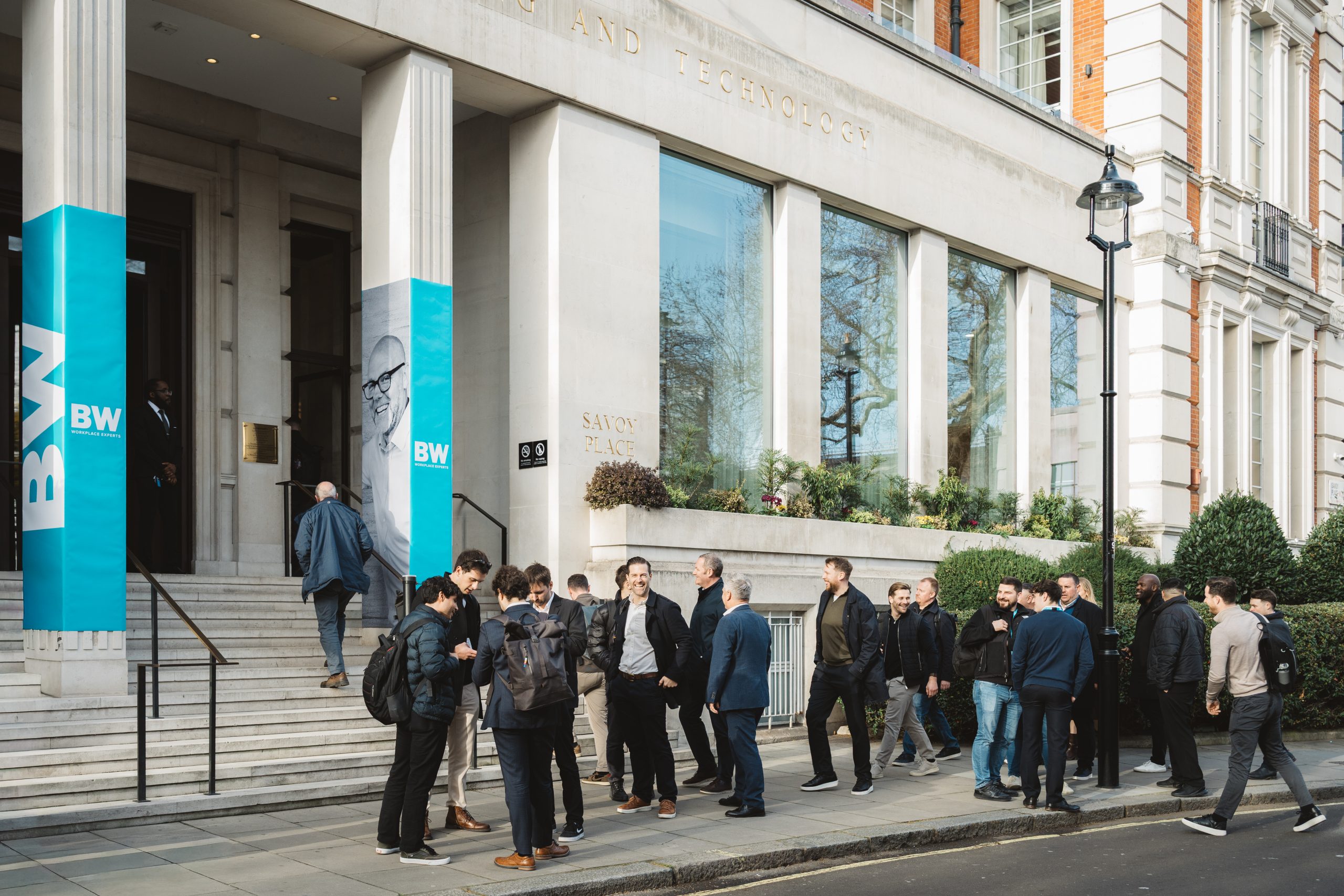
The events industry is entering a new era. Audiences are more selective with their time, businesses are demanding greater value from every investment, and technology continues to reshape how people connect. At the same time, organisations face increasing pressure to engage employees, customers, partners, and stakeholders in ways that feel meaningful, memorable, and measurable.
As we look ahead to 2026, the most successful events will not simply deliver information. They will create experiences that drive engagement, strengthen relationships, and support broader business objectives.
Based on our work with clients across industries, SEVEN has identified seven key trends that are shaping the future of corporate events and brand experiences.
1. The Rise of Micro Events
Consistent Message, Maximum Impact
For years, organisations have relied on large-scale conferences, annual meetings, and flagship events to connect with their audiences. While these events remain valuable, many businesses are now complementing them with smaller, more focused experiences.
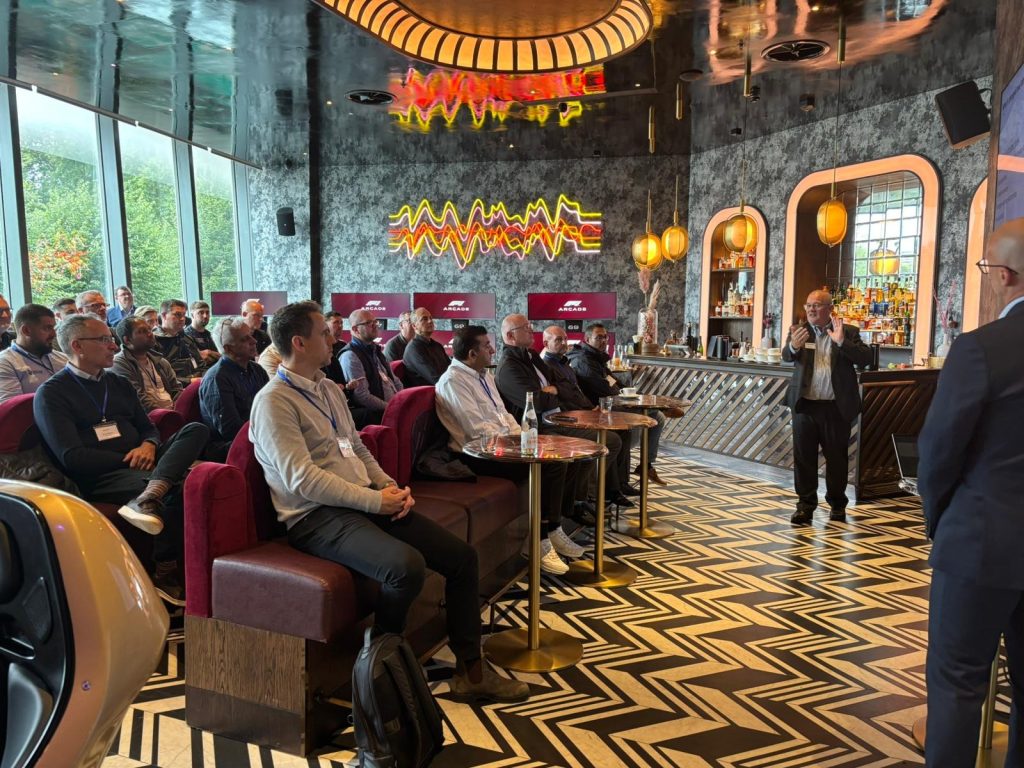
Micro-events are designed around specific audiences, locations, or objectives. They create opportunities for deeper conversations, stronger networking, and more personalised engagement.
Why It Matters
- Extends the impact of flagship events throughout the year
- Creates opportunities for meaningful interaction
- Builds trust through smaller, more intimate environments
- Supports local engagement strategies
- Helps reduce travel-related environmental impact
Rather than replacing major events, micro-events help organisations maintain momentum and strengthen relationships between larger moments.
The SEVEN Perspective
We design human-centred micro-events that work alongside larger event strategies, helping organisations build stronger relationships while maximising the value of their overall event programmes.
2. Return on Experience (ROE) Becomes the New KPI
Designing for Impact, Not Just ROI
Traditionally, event success has been measured through attendance numbers, budgets, and revenue outcomes. While these metrics remain important, organisations are increasingly recognising the value of the experience itself.
This shift has given rise to Return on Experience (ROE).
ROE focuses on the emotional, behavioural, and long-term impact an event creates. It measures how audiences feel, engage, and respond rather than simply what an event costs.
Why It Matters
- Experience quality becomes a core performance metric
- Emotional engagement drives stronger outcomes
- Storytelling and immersive design gain greater importance
- Real-time feedback improves event performance
- Long-term audience loyalty becomes measurable
The organisations that win in 2026 will be those that design experiences people remember, not just events people attend.
The SEVEN Perspective
Our event strategies combine storytelling, immersive experiences, and measurable engagement frameworks to demonstrate value beyond traditional ROI calculations.
3. Delivering Multi-Generational Events
One Experience, Many Expectations
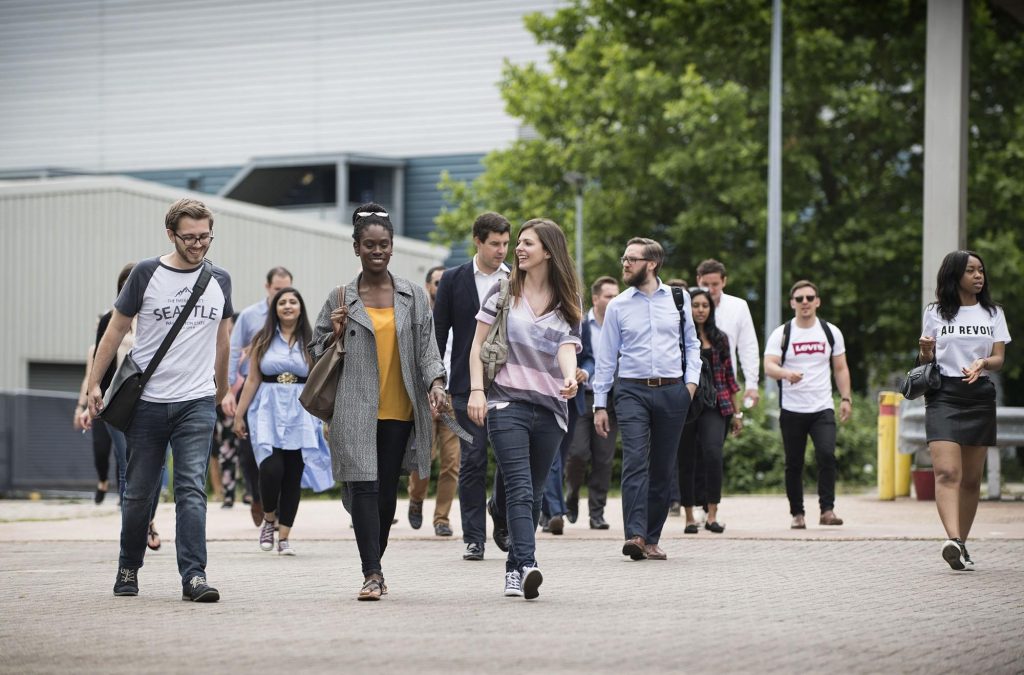
For the first time in history, organisations are regularly bringing together up to five generations within the same workplace.
Each generation has different expectations, communication preferences, learning styles, and engagement behaviours. Designing events that resonate across all of them presents a significant challenge.
Why It Matters
- Audiences consume information differently
- Preferences vary between digital, in-person, and hybrid formats
- Attention spans and learning styles differ significantly
- Accessibility and inclusion expectations continue to grow
- Event experiences must cater to multiple engagement styles
The future belongs to flexible event design that allows attendees to engage in ways that suit them best.
The SEVEN Perspective
We create inclusive event experiences that balance structure with choice, ensuring every attendee feels engaged, informed, and valued regardless of age or experience.
4. More Bang for Your Buck
Maximising Value, Not Spend
Economic pressures continue to challenge event budgets across industries. As a result, organisations are increasingly focused on achieving greater impact without increasing spend.
The solution is not necessarily bigger budgets. It is smarter planning.
Experienced event agencies bring supplier relationships, commercial expertise, and strategic thinking that often deliver greater value than simply increasing investment.
Why It Matters
- Supplier partnerships unlock additional value
- Strategic planning reduces waste and inefficiencies
- Creative thinking maximises impact
- Better budget visibility improves decision-making
- Operational expertise reduces risk
In 2026, successful events will be defined by how effectively budgets are utilised, not how large they are.
The SEVEN Perspective
We help clients maximise every pound spent through strategic planning, creative thinking, and trusted supplier partnerships that deliver measurable value.
5. The Year of Sport
Energy, Emotion and Connection
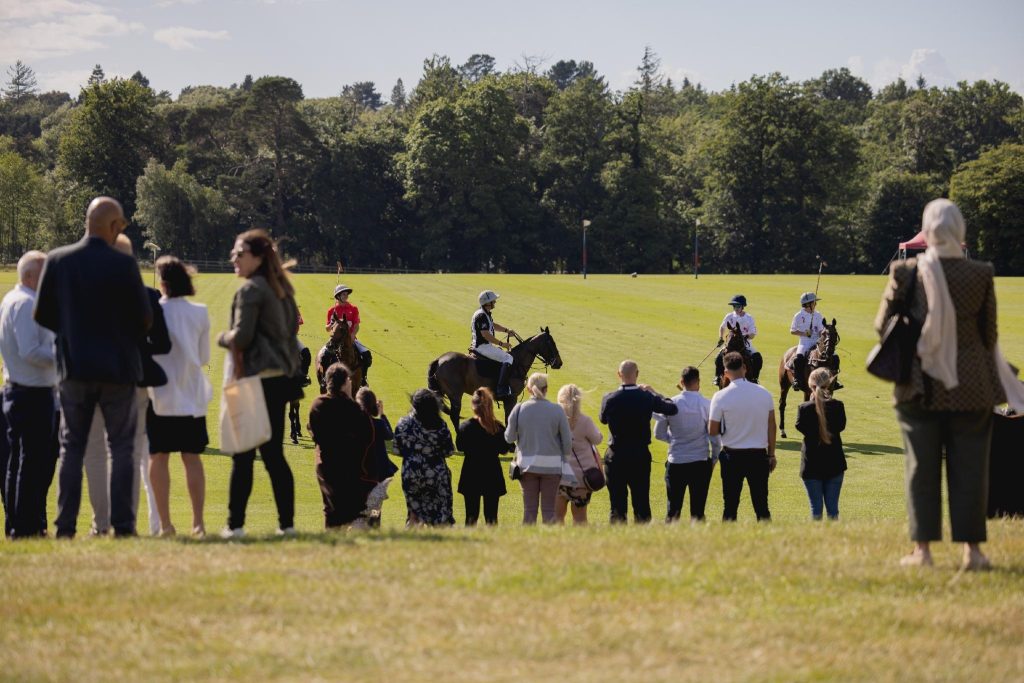
With a major global sporting calendar ahead, 2026 presents unique opportunities for brands to leverage the power of sport within their event strategies.
Sport creates shared experiences that transcend industries, cultures, and generations. It offers a powerful platform for engagement, motivation, and connection.
Why It Matters
- Sporting events create natural engagement opportunities
- Hospitality experiences remain highly effective
- Sports-inspired formats encourage participation
- Social sports provide modern networking alternatives
- Wellbeing initiatives continue to gain importance
From client entertainment to employee engagement, sport offers a powerful experience layer for events.
The SEVEN Perspective
We help organisations harness the energy of sport to create memorable event experiences that drive participation, wellbeing, and meaningful connection.
6. Recognition for Retention
Rewarding Connection and Commitment
Employee expectations continue to evolve.
Recognition is no longer viewed as a standalone HR initiative. Increasingly, organisations are using events, incentives, and experiences as powerful tools to strengthen culture and improve retention.
People want to feel valued, appreciated, and connected to the organisations they support.
Why It Matters
- Experience-led rewards create lasting memories
- Recognition programmes strengthen company culture
- Incentive travel continues to grow in popularity
- Employee engagement improves through meaningful experiences
- Recognition helps reduce employee turnover
As competition for talent remains high, recognition-focused experiences will play a critical role in workforce retention strategies.
The SEVEN Perspective
We design recognition and incentive programmes that create memorable experiences, reinforce company values, and strengthen long-term employee loyalty.

7. AI-Driven Event Technology
Smarter, More Personal Events
Artificial intelligence is rapidly transforming event planning and delivery.
Rather than replacing human interaction, AI is helping event professionals create more personalised, efficient, and responsive experiences.
From content recommendations to attendee networking and accessibility tools, AI is becoming embedded across the event lifecycle.
Why It Matters
- Personalised agendas and content recommendations
- AI-powered networking opportunities
- Smart check-in and attendee management
- Real-time event insights and analytics
- Enhanced accessibility through translation and support tools
- Instant content creation and branded assets
The organisations that embrace AI strategically will create experiences that feel more relevant and engaging for every attendee.
The SEVEN Perspective
We use AI where it genuinely adds value, enhancing personalisation, improving insight, and creating smarter event experiences without losing the human connection that makes events powerful.
What These Trends Mean for Event Leaders
While each trend is significant on its own, together they reveal a larger shift taking place across the events industry.
The future of events is more personal, more measurable, more inclusive, and more experience-driven than ever before.
Successful organisations will move beyond viewing events as standalone activities. Instead, they will use events as strategic platforms for engagement, communication, culture building, and business growth.
Those that adapt early will be best positioned to create experiences that deliver lasting value long after the event itself has ended.
Why Work With SEVEN?
At SEVEN, we combine strategic thinking, creative design, event production, and communications expertise to help organisations deliver experiences that achieve meaningful business outcomes.
Whether you’re planning a flagship conference, employee engagement programme, leadership event, incentive trip, or brand activation, we help turn ambitious ideas into measurable results.
If you’re planning your 2026 event calendar and want to stay ahead of emerging trends, we’d love to start a conversation.
How to Plan a Corporate Event in the UK: A Complete Guide

Planning a corporate event in the UK can seem fairly straightforward at first. There are plenty of venues, experienced suppliers, and well-established formats to choose from. But once planning begins, the process tends to become more layered than expected.
Decisions around objectives, audience, logistics, and delivery all start to connect. A change in one area often affects another. Without a clear structure, it’s easy for things to feel slightly disjointed or rushed as the event approaches.
Whether you’re organising a conference, product launch, or team experience, working with a trusted london event company can help bring clarity early on. This guide outlines a practical approach to corporate event planning in the UK, making it easier to manage each stage with confidence.
1. Define your event objectives
Before getting into venues or formats, it helps to pause and define the event’s purpose.
In simple terms, what should this event achieve?
For some businesses, the focus is on generating leads or building visibility. For others, it may be about strengthening relationships or engaging internal teams. These goals might sound similar, but they lead to very different decisions when planning.
For example, an event designed around lead generation will prioritise reach and networking. An internal event, on the other hand, may lean more towards structured sessions and engagement.
Working with a strategic communications consultancy can help connect these objectives with a broader brand communications strategy, ensuring the event supports long-term business goals rather than just short-term outcomes.
2. Choose the right type of event
Once the objective is clear, the next step is deciding what type of event makes the most sense.
Corporate events can take different forms, including:
- Conferences and seminars
- Product launches
- Incentive programmes
- Hybrid or virtual events
The format should reflect both your goals and your audience. A larger audience may benefit from a more flexible format, while a smaller group may engage better in a focused setting.
An experienced event planner in UK can help shape the format so it feels appropriate, rather than forcing a standard approach onto every event.
3. Set a realistic budget
Budget decisions tend to influence everything else, so it’s worth setting this early.
A clear budget helps define what is possible and where priorities should sit. Without it, planning can become inconsistent, with decisions being revisited later on.
Typical cost areas include:
- Venue and location
- Production and logistics
- Marketing and promotion
- Content and experience
In the context of corporate event planning in the UK, costs can vary quite a bit depending on location and scale. Having a structured budget makes it easier to stay on track.
Working with an event logistics UK partner can also help ensure resources are used efficiently, without unnecessary overspending.
4. Select the perfect venue
The venue is one of the more visible elements of any event, but it’s not just about appearance.
In UK, you have a wide range of options, from central city venues to more distinctive locations. The key is finding a space that supports both the purpose of the event and the expectations of your audience.
Things to consider include:
- Accessibility for attendees
- Capacity and layout
- Technical capabilities
- Overall feel and positioning

A good example is SEVEN’s Levelling up team spirit! event, hosted at The Cube Canary Wharf. The venue’s interactive format made it ideal for team bonding, while its central London location ensured accessibility. The result was a high-energy,
Working with conference event planners can make this process more straightforward, particularly when balancing logistics with overall event design.
5. Plan logistics and execution
Logistics cover everything that ensures the event runs smoothly on the day. This includes technical setup, supplier coordination, and managing how attendees move through the space.
Some of the key areas include:
- Audio-visual production
- Catering and suppliers
- Registration and guest management
- On-site coordination
An experienced event logistics company can handle event production and logistics, helping ensure that everything works together without disruption.
6. Build engaging content and event experience
A well-balanced event combines structured sessions with opportunities for interaction. This might include keynote speakers, panel discussions, or smaller breakout sessions.
Beyond content, the overall experience also matters. Pacing, transitions, and informal moments all shape how attendees engage throughout the event.
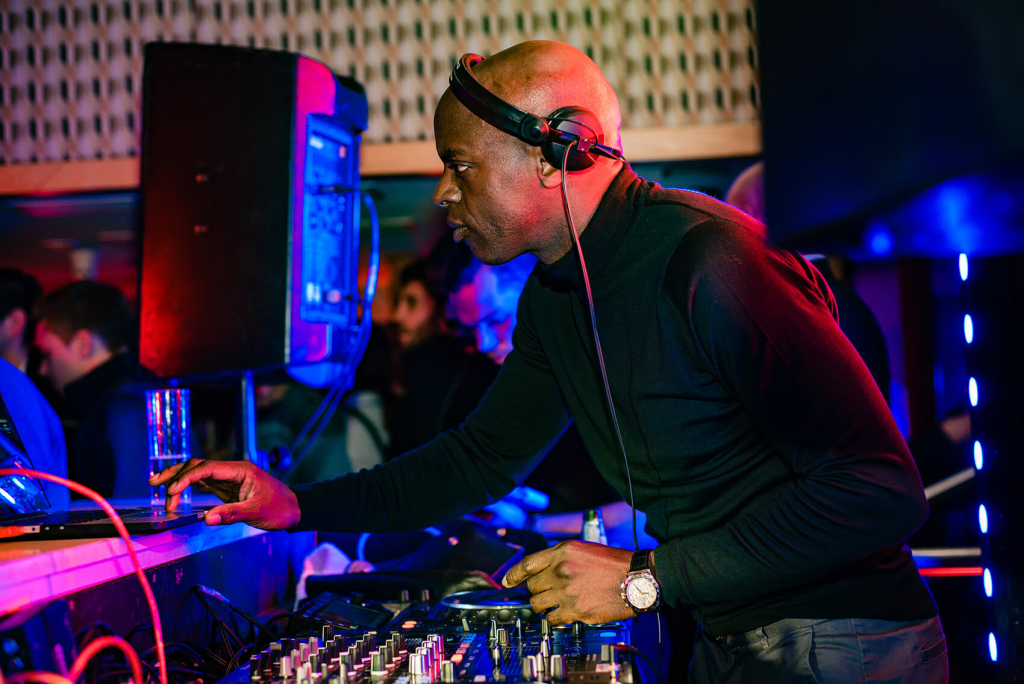
A strong example is SEVEN’s Making a splash while cruising the Thames event for WeWork. Hosted on the Silver Sturgeon, the experience was designed to feel immersive from arrival to finish. Guests were welcomed with theatrical elements, themed performances, and interactive moments that continued throughout the evening.
Each part of the event was carefully planned to build energy, from the initial welcome through to live entertainment and the closing set. This ensured guests stayed engaged and the experience felt consistent rather than fragmented.
Working with a brand content creation team helps ensure your messaging is clear and consistent. At the same time, an experiential event company can introduce ideas that make the event feel more engaging and memorable.
7. Incorporate virtual and hybrid elements
Events are no longer limited to a single format. Adding virtual or hybrid elements helps reach a wider audience and adds flexibility, especially when attendees are in different locations. Live streaming and virtual participation can extend engagement beyond the physical event.
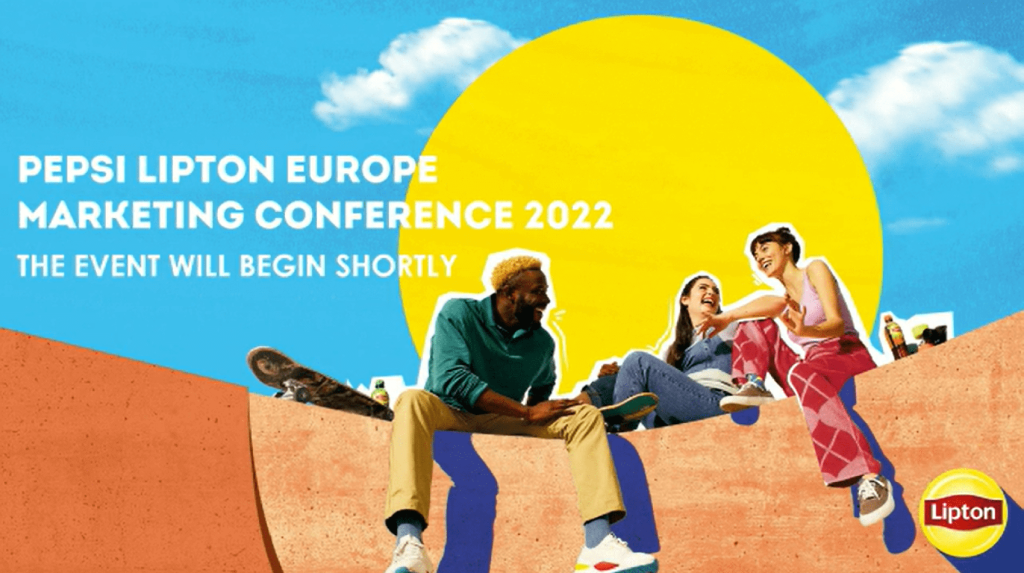
A strong example is SEVEN’s Together We Shine Online conference for Pepsi Lipton. Delivered on a customised virtual platform, the event brought together a large European audience despite a tight timeline and a complex agenda.
With a mix of presentations, interactive sessions, and a virtual awards ceremony, the experience stayed engaging across two full days.
This shows how well-planned virtual events can deliver both scale and engagement.
Working with reliable virtual event organiser can support virtual events management, ensuring that both in-person and digital elements work together smoothly.
8. Plan your event promotion strategy
Even a well-planned event needs the right visibility. Promotion helps ensure the right people are aware of the event and have time to engage with it. This usually involves a mix of channels, such as email campaigns, social media, and partnerships.
Timing also plays a role. Starting communication early and maintaining consistency helps build momentum.
A creative event agency London can support this process, helping you reach your audience effectively and maximise attendance.
What are the Questions to Ask Before Hiring an Event Management Agency?
Choosing an event management agency goes beyond comparing services. It’s about finding a team that understands your objectives and can support your event from planning through to delivery.
It’s worth looking at how they approach both strategy and execution, as well as how flexible they are when plans evolve.
For a more detailed breakdown, read this guide on 10 questions to ask before hiring an event management agency to help you evaluate your options more effectively.
Why Work with an Events Management Agency?
There’s also a time advantage. Managing suppliers, timelines, and execution requires ongoing coordination. An agency takes on that responsibility, allowing your team to focus on broader business priorities.
Ultimately, working with the right agency is less about outsourcing tasks and more about ensuring the event is delivered in a way that feels structured, considered, and aligned with your objectives.
The impact of hiring an event agency UK goes beyond delivery.
The right partner brings clarity when decisions feel uncertain, structure when things become complex, and confidence that everything is moving in the right direction.
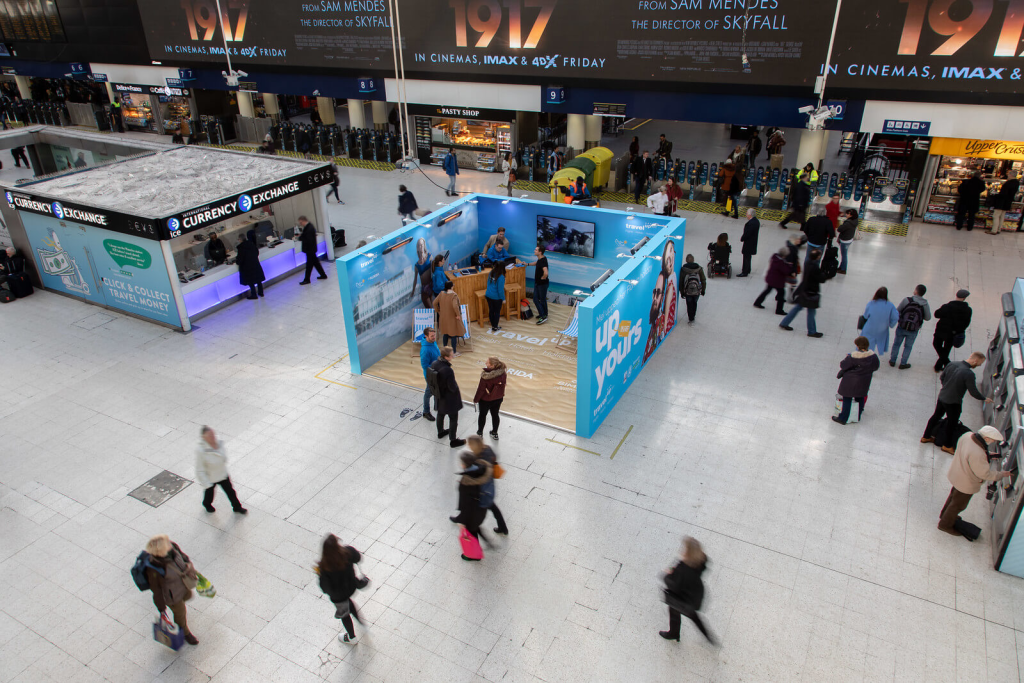
A good example is SEVEN’s Bringing Florida sunshine to London activation for TravelUp. The brief was to create a moment of escape for commuters by recreating the feeling of Florida in the middle of a busy London station.
Rather than treating it as a simple installation, SEVEN designed an immersive experience. The space was transformed into a beach setting using visual elements, heat, and a VR journey that allowed people to explore Florida in a few minutes. Every detail worked together to make the experience feel real and engaging, despite the constraints of a public space.
This level of coordination and creativity is difficult to achieve without the right expertise. It shows how the right agency can take a simple idea and turn it into something people genuinely connect with.
Partnering with a trusted events management agency ensures your event is in expert hands.
You can check out more about our work here!
Bottom Line
Planning a corporate event in the UK involves more than just organising individual elements. It requires a structured approach that connects objectives, audience, logistics, and experience.
When each stage is handled with clarity, the process becomes easier to manage and the outcome more effective. Instead of feeling reactive, planning becomes more intentional.
With the right approach, a corporate event can do more than bring people together. It can support meaningful engagement and deliver lasting value. Ready to plan your next event? Get in touch with our experts today. Ready to plan your next event?
To see how these experiences come to life, you can click here and follow SEVEN on LinkedIn for real event examples, ideas, and behind-the-scenes moments from our latest projects.
FAQs
1. How to plan a corporate event in the UK?
Start by defining clear objectives and understanding your audience. From there, set a budget, choose the right venue, and plan logistics carefully. A structured approach ensures that each stage of the event is aligned and well executed.
2. Why hire an event management agency?
An agency brings experience, structure, and coordination to the planning process. They manage logistics, suppliers, and execution, helping reduce risk and ensuring a smoother overall experience.
3. What is the most important part of event planning?
Clear objectives are essential, as they guide every decision that follows. Without them, even well-organised events may not deliver meaningful results.
10 Questions to Ask Before Hiring an Event Management Agency
Why does asking the right questions matter?
When you begin hiring an event agency in the UK, many options can appear similar at first. Services overlap, portfolios look impressive, and every agency promises smooth delivery.
The difference usually becomes clear once planning begins.
Some teams focus purely on execution, while others take time to understand the bigger picture. What the event needs to achieve, how the audience should experience it, and what success actually looks like.
Asking the right questions early helps you recognise that difference before it affects your event.
1. What experience do you have with similar events?
Experience is not just about how many events an agency has delivered. It is about how relevant that experience is to what you are planning.
This often becomes important later in the process when quick decisions need to be made.
When hiring an event agency UK, working with a conference and event organiser who understands your type of event helps avoid unnecessary friction as planning develops.
2. Can you provide end-to-end event management?
One of the most common challenges when hiring an event agency is managing multiple teams across different areas.
What seems manageable early on can quickly become complex as timelines tighten. Having one team oversee the full process creates consistency and reduces the risk of misalignment.
An experienced event management logistics partner helps keep everything connected when multiple elements are moving at once.
3. What services do you offer?
Not all agencies offer the same level of support. When hiring an event agency in the UK, it helps to understand whether services are integrated or handled separately.
The difference often shows in how smoothly everything comes together.
A strong event production and logistics approach ensures that each part of the event supports the overall plan.
4. How do you approach event strategy and communication?
This is where hiring an event agency in the UK becomes more than a logistical decision.
Some events are planned step by step without a clear direction, while others are built around defined goals from the start.
Understanding how an agency approaches strategy gives you a clearer picture of how decisions will be made. A structured event strategy helps bring clarity to the planning process.
5. Do you offer creative and experiential solutions?
Engagement is shaped by how an event is designed and delivered.
This is something teams often notice during the event itself. Two events may have similar agendas, but one feels more engaging than the other. When hiring an event agency in the UK, it helps to understand how much thought is given to the experience.
An experiential event management approach creates events that feel considered rather than routine.
6. Can you manage virtual or hybrid events?
Flexibility has become an important part of event planning.
Even when events are primarily in person, there are often situations where extending access becomes valuable. This capability can add long-term value to your event.
A trusted hybrid event agency can bring both formats together without disrupting the experience.
7. How do you measure event success?
A well-run event is only part of the outcome.
When hiring an event agency in the UK, it’s important to understand how success will be measured beyond the event day.
This is often where gaps appear if expectations are not clearly defined early on.
An event planner UK will focus on engagement, outcomes, and long-term impact.
8. Can you share case studies or past work?
Past work helps you understand how an agency operates in real situations.This becomes especially useful in understanding how challenges are handled.
Events rarely go exactly as planned, and experience plays a key role in how those moments are managed. A reputable creative events agency will provide examples that feel relevant and grounded.
9. How do you handle budget and cost control?
Budgets often shift as planning progresses. Understanding how costs are managed helps avoid unexpected pressure later.
Small decisions can add up quickly if they are not tracked carefully.
An event logistics company helps maintain visibility across costs while protecting the overall quality of the event.
10. How will you customise the event for our brand?
Every event should reflect the organisation behind it. When hiring an event agency in the UK, this is where alignment becomes important.
Without it, events can feel disconnected, even if they run smoothly.
A branding and content creation expert ensures the event feels consistent and relevant to your audience.
How event planning fits into a broader strategy
While hiring an event agency in the UK is a key step, it is only part of the overall process.
Events tend to deliver more value when they are connected to broader business goals rather than treated as standalone activities.
When planning is approached in this way, decisions feel more intentional and outcomes become easier to manage.
Why does choosing the right agency matter?
The impact of hiring an event agency UK goes beyond delivery.
The right partner brings clarity when decisions feel uncertain, structure when things become complex, and confidence that everything is moving in the right direction.
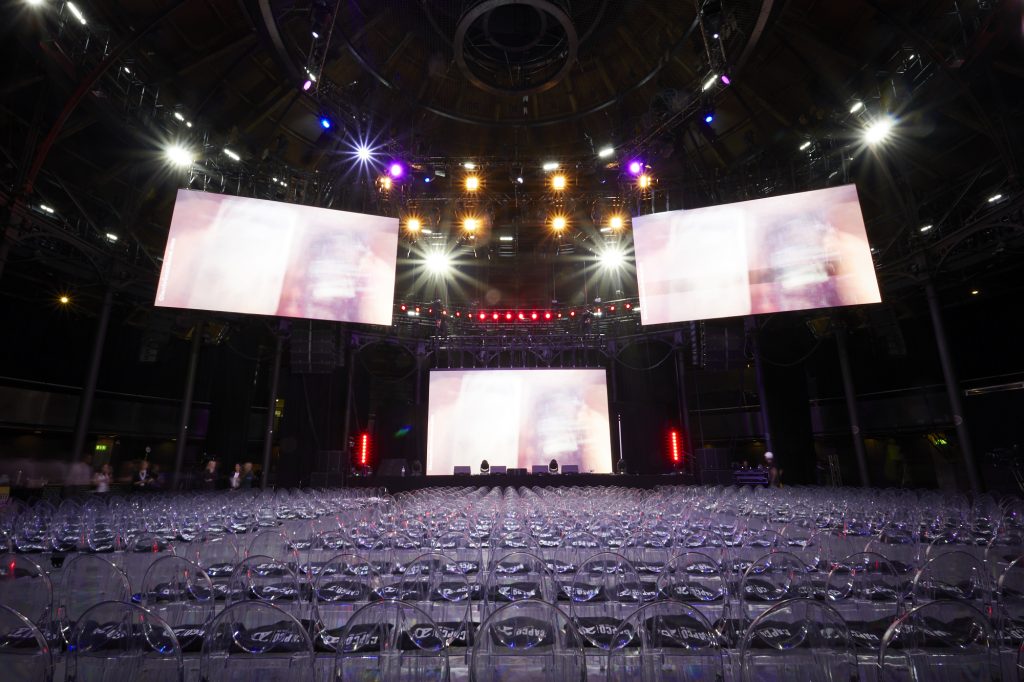
A strong example is SEVEN’s A legendary setting for a 20-year celebration event for Capco. The brief required more than execution. It involved aligning business messaging, employee engagement, and a milestone celebration into one cohesive experience.
SEVEN shaped the event from the ground up. From securing Roundhouse to designing a central stage and structuring content around the company’s journey, every element was aligned with the objective. The experience then transitioned seamlessly into an evening celebration, maintaining energy and consistency throughout.
This level of planning ensured the event felt connected rather than fragmented. It delivered both strategic clarity and a memorable experience at scale.
Partnering with a trusted events management agency ensures your event is in expert hands.
Bottom Line
At its core, hiring an event agency UK is about choosing how your event will be shaped from the very beginning.
The questions you ask early influence how clearly things are planned, how smoothly they are delivered, and how the event is experienced overall.
When those questions are considered carefully, the decision becomes less about comparison and more about confidence. Looking for expert support? Connect with a leading event agency in London today.
FAQs
1. What should I consider when hiring an event agency in the UK?
Look for relevant experience, a clear approach to planning, and an understanding of your event goals rather than just a list of services.
2. Why is hiring an event agency in UK important for corporate events?
It helps ensure that planning, logistics, and delivery are handled professionally while aligning the event with your business objectives.
3. Can one agency manage different types of events?
Most full-service agencies can manage multiple formats, including hybrid events, depending on their expertise and structure.
4. How do I know if hiring an event agency in UK is the right decision?
If your event requires coordination, strategy, and a structured approach, working with an experienced agency often leads to better outcomes and a smoother planning process.
How to Measure the ROI of Your Conference?
What is Conference ROI?
Conference ROI is the total value generated from your event compared to the cost of delivering it. But this value is not limited to direct revenue.
A meaningful ROI view includes:
- Revenue influenced or generated
- Pipeline created through leads and conversations
- Audience engagement and participation quality
- Brand visibility and positioning impact
- Relationship building with key stakeholders
In practice, the most effective conferences are those where ROI is defined before the event begins, not calculated after it ends. This ensures planning decisions are aligned with measurable outcomes from the start.
Working with experienced conference organisers helps embed ROI thinking into the event structure itself, rather than treating it as a reporting exercise later.
What are the Key Ways to Measure Conference ROI?
A robust measurement approach combines behavioural, commercial, and perception-based indicators.
1. Attendance and Engagement Depth
Attendance shows reach, but engagement shows relevance.
Beyond registrations, measure:
- Session attendance vs drop-off rates
- Time spent in sessions
- Q&A participation and interaction levels
- Networking activity during the event
This helps understand whether the content actually held attention.
2. Lead Generation and Quality
Conference leads vary in value, so quality matters more than volume.
Measure:
- Number of leads captured
- Relevance of job roles and decision-making authority
- Engagement level during conversations or sessions
- Post-event follow-up response rates
This gives a clearer indication of commercial potential.
3. Revenue Influence and Pipeline Creation
Not all revenue is immediate. Conferences often influence deals that close later.
A strong ROI model tracks:
- Pipeline value created during or after the event
- Opportunities influenced by event interactions
- Conversion rates over time
This is especially important in B2B environments where decision cycles are longer.
4. Brand Awareness and Market Reach
Conferences also shape how your brand is perceived.
Measure:
- Social media mentions and engagement
- Event-related impressions and reach
- Media coverage or industry visibility
- Sentiment before and after the event
This helps understand positioning impact beyond direct business outcomes.
A professional event production services provider can help track and optimise these metrics effectively.
What are the Tools to Track Conference Performance?
Accurate measurement depends on the right systems working together.
- CRM systems for lead tracking and pipeline visibility
- Event platforms for registration and engagement data
- Feedback tools for structured audience insights
- Social analytics tools for reach and sentiment tracking
When integrated properly, these tools form a complete event measurement framework that connects engagement to outcomes.
A reliable event planner UK can integrate these tools into your event planning process.
How Incentives and Experiences Impact ROI?
Incentives and experiential elements influence ROI by changing how people engage with an event, not just how they attend it. When participants are emotionally invested, they are more likely to participate actively, retain key messages, and follow through after the event.
This is where Return on Experience (ROE) becomes equally important. While ROI measures tangible business outcomes, ROE focuses on the quality of the participant experience — how attendees feel, connect, and respond during and after the event. A strong ROE often drives stronger ROI because meaningful experiences create deeper engagement, stronger brand affinity, and more lasting behavioural change.
For example, well-designed employee appreciation activities don’t just improve satisfaction in the moment; they strengthen motivation, create a sense of belonging, and increase the likelihood of sustained performance and engagement afterwards. By measuring both ROI and ROE, organisations can better understand not only the financial impact of an event, but also the emotional and behavioural outcomes that contribute to long-term success.
How Conference Design Impacts ROI?
ROI is influenced long before the event begins. Every design decision affects how people experience and engage with the conference.
Venue choice, agenda structure, speaker flow, and audience journey all contribute to outcomes. A poorly structured agenda can reduce engagement even if the content is strong, while a well-designed flow can significantly improve retention and interaction.
For a deeper planning approach, see how to organise a corporate conference in London.
What are the Common Mistakes When Measuring ROI?
Many organisations still under-measure conferences by focusing only on surface-level data.
Common issues include:
- Over-reliance on attendance numbers
- Ignoring long-term pipeline impact
- Lack of clearly defined KPIs before the event
- Fragmented data across multiple tools
Without structure, it becomes difficult to understand what actually worked and why.
Why Work with an Events Management Agency?
A strong events management agency does more than deliver an event. It aligns strategy, content, logistics, and measurement so everything works towards the same outcome. This becomes especially important when the goal is not just execution, but measurable impact.
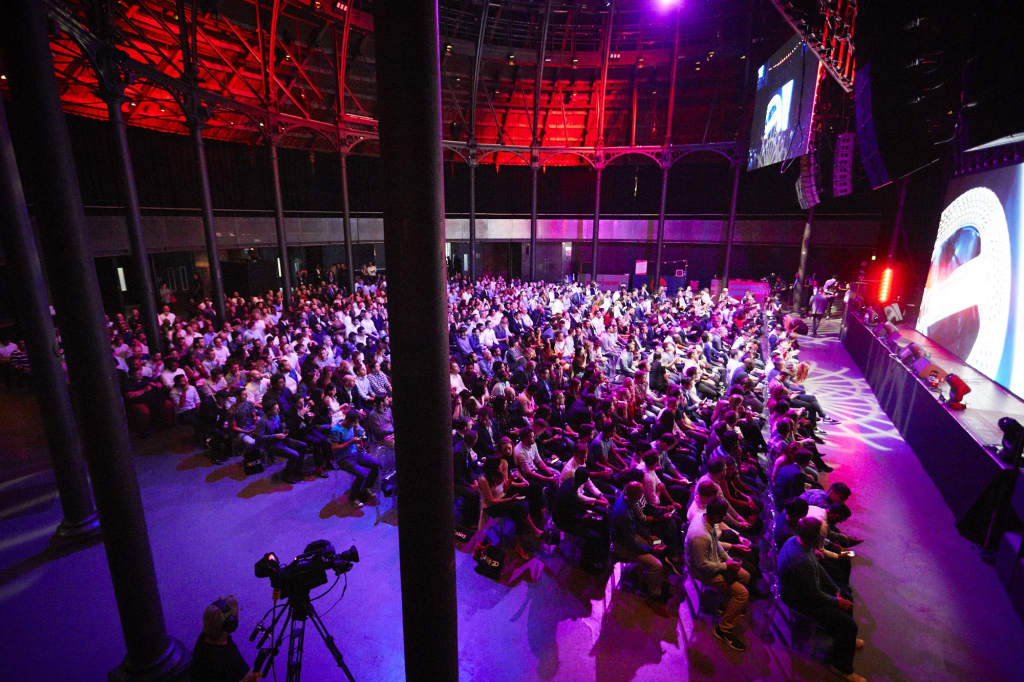
The event combined a structured conference with a high-impact evening transformation. A custom stage design and large-scale LED production supported clear communication during the day, while the space was later reimagined into a live celebration with performances and immersive production.
The strength of the event came from how seamlessly content, experience, and delivery worked together. It ensured both strategic alignment and strong engagement in one cohesive experience.
This is where the right agency adds value by ensuring every element contributes to the same goal, rather than working in isolation.
Bottom Line
Conference ROI is not a single metric; it is a combination of engagement, influence, and commercial impact. The real value comes from understanding how these elements connect over time.
A structured event measurement framework ensures conferences are not just delivered, but continuously improved. When planning, experience, and measurement are aligned, conferences become powerful tools for both communication and business growth.
Looking to improve your next event? Connect with expert conference and event organiser services today.
FAQs
1. What is conference ROI in simple terms?
Conference ROI is the overall value gained from a conference compared to its cost. It includes financial returns, engagement, and long-term business influence rather than just immediate sales.
2. Why is a measurement framework important for events?
Because conference outcomes are spread across multiple touchpoints and timelines, a structured framework ensures all impact – short-term and long-term – is captured and understood clearly.
3. What is the best way to measure conference success?
The most reliable approach combines engagement data, lead quality, pipeline influence, brand visibility, and attendee feedback rather than relying on a single metric like attendance.
The Difference Between Event Planning and Event Strategy?

Many organisations spend months preparing for corporate events. Venues are booked in advance, speakers are confirmed, and schedules are carefully set up. At first glance, everything appears to be in order. But once the event ends, an important question often remains. Did the event end up delivering any real value for the business? Did the event actually achieve anything meaningful for the client? This is where the distinction between planning and event strategy becomes clear. Planning ensures the event runs smoothly. Event strategy focuses on the purpose of the event and the goals it aims to accomplish. When both work together, events begin to fulfil a much bigger purpose. They assist organisations in building stronger relationships, conveying ideas effectively, and developing experiences that align with genuine business objectives.
What is event planning in corporate events?
Event planning focuses on the practical organisation of an event. Without it, even the best ideas might fail. Technical difficulties, delays, or poor coordination can quickly affect the experience of guests.
An event planner’s duties usually involve:
• Booking venues
• Coordinating with suppliers such as catering and audiovisual teams
• Managing budgets and schedules
• Organising registration and guest communication
• Ensuring everything runs smoothly on the day
Good planning is essential. Event planning makes sure that all details are arranged properly, allowing guests to concentrate on the experience itself instead of the underlying arrangements.
What is event strategy?
While event strategy concentrates on purpose, planning concentrates on logistics. Long before venues are reserved or timetables are made, event planning is developed. It entails knowing why the event is being planned and what the company wants to accomplish.
Important questions to be asked at this stage:
• Who should attend the event?
• What message should attendees take away?
• After the event, what should be done?
For example, a company might organise an event to generate new business opportunities, while another might wish to improve relationships with existing clients. For example, at SEVEN, our expert professionals can help plan and curate a leadership conference in such a way that the end goal of exchanging ideas and boosting employee morale is achieved efficiently
When a clear event strategy is decided from the start, it becomes easier to make the right decisions during the planning stage. Each step then supports the overall direction of the event.
Why does event strategy matter for business events?
Planning makes sure that the event runs smoothly. Event strategy ensures the event actually delivers results. When organisations focus only on logistics, they risk creating events that are well organised but forgettable. Guests attend, presentations happen, and the day ends without creating a lasting connection.
Events designed around a clear event strategy feel very different. The content speaks directly to the audience. Conversations feel more relevant. Networking becomes more meaningful. A clear event strategy helps teams define how the event will build client relationships and support business goals.
Event Planning vs Event Strategy: What’s the Difference?
Let’s understand the difference between the two:
| Event planning | Event strategy |
| Focuses on logistics such as venues, suppliers, and schedules | Focuses on the business goals behind the event |
| Ensures the event runs smoothly on the day | Ensures the event delivers measurable outcomes |
| Defines the audience, messaging, and overall experience | Defines the audience, messaging and overall experience |
| Concerned with execution and coordination | Concerned with long term engagement and business value |
| Measures success through smooth delivery | Measures success through leads generated, relationships strengthened, or goals achieved |
Both elements are very crucial as planning keeps the event organised, and a strong event strategy ensures the event supports wider business objectives.
How does SEVEN approach event strategy?
At SEVEN, every successful event begins with a clear event strategy.
Before planning starts, we take time to understand the organisation’s goals, audience, and the message they want their event to deliver. Having this clarity early on helps guide every decision that follows. Once that direction is set, our team takes care of the planning and delivery from beginning to end. Be it a conference, a leadership gathering, incentive travel, or a hybrid event, each element is designed to support meaningful outcomes.
To learn more about how we help organisations with event planning and strategy, visit our services page https://sevenevents.co.uk/our-services/
Work with SEVEN
Event planning and event strategy may sound similar, but they serve very different purposes when it comes to successful corporate events. Planning mainly focuses on the practical side of things, organising the logistics so the event runs smoothly. Whereas Strategy focuses on why the event exists and what it should achieve.
When organisations bring these two elements together, events become more than just well-organised gatherings – get in touch to turn them into experiences that build relationships, communicate ideas more clearly, and support real business outcomes.
FAQs
1. What is the difference between event planning and event strategy?
Event planning focuses on logistics, while event strategy defines the purpose, goals, and desired outcomes of the event.
2. Why is event strategy important for corporate events?
Event strategy ensures the event aligns with business goals, drives engagement, and delivers measurable results.
3. What does an event planner do?
An event planner manages logistics like venues, suppliers, schedules, and on-the-day coordination.
4. How does event strategy improve event ROI?
A clear strategy targets the right audience, aligns messaging, and helps generate leads, engagement, and long-term value.
5. Can an event succeed without a strategy?
An event may run smoothly without a strategy, but it is unlikely to deliver meaningful business outcomes or lasting impact.
Events as a Demand Generation Channel: A Modern B2B Strategy
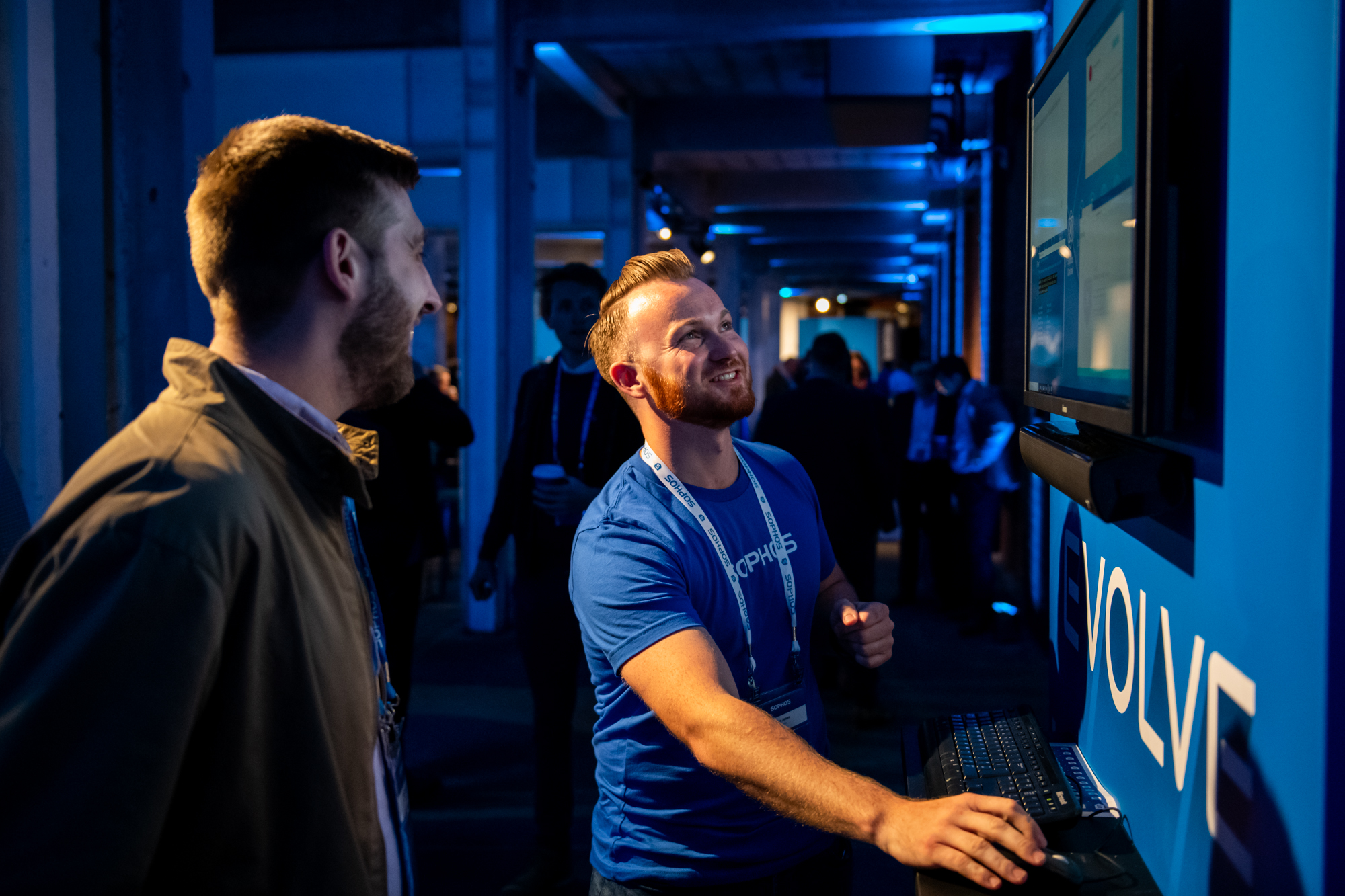
Imagine yourself walking into a room full of energy, industry pros everywhere, workshops that pull you in, and talks you actually want to hear. People aren’t just trading business cards; every chat, every demo, and every panel gets you thinking and pushes you to do something about it. These days, if you’re in B2B, you can’t treat events as an afterthought. They’re a must-have for sparking demand, building real relationships, and showing people your brand means business.
Companies lean on these events and conferences more than ever. They’re where you actually connect with prospects, guide them through their decision-making, and move them closer to working with you. So, what makes these events actually work? Let’s explore how to make them count, keep people engaged, and see how SEVEN helps businesses turn all that activity into potential demand generation leads.
Why Do B2B Companies Use Events as Demand Generation Tools?
Simple events are real. They give people a chance to actually meet your team, check out your products, and get a sense of what your brand’s about, all in person. It’s nothing like just running ads or sending emails. You’re not just pitching; you’re talking with people, answering questions as they come up, understanding what really matters to them, and highlighting why you are the right fit.
And this strategy works. The latest 2025 data says over 80% of B2B marketers count live events as a core piece of their strategy. Even better, 68% say they get higher-quality leads from events than anywhere else. Demand gen conferences and events let you connect with people, prove your worth, and have the kinds of real conversations that just don’t happen online. When you’re running the show, you control the space and the story. That kind of hands-on connection? You can’t really beat it.
Core Strategies for Effective Demand Generation Events
1. Start with clear event objectives:
Every successful event begins with a central cause. Do you want to attract new leads, strengthen relationships with your clients, or maybe share something valuable with your audience? Once you know what exactly you want, planning becomes easy. Every component of your event begins to cooperate to advance your company.
2. Understand who your audience is:
Divide your audience into groups according to their occupations, fields of expertise, and genuine concerns. People pay closer attention and have much better conversations when you centre your events and material around these groups.
3. Create experiences that encourage participation:
People are much more attentive when they are not just sitting and listening. Using workshops, small group conversations, or hands-on demonstrations, explain complex ideas while letting people engage with one another.
4. Expand reach with hybrid participation:
Events that are partially in-person and partially online allow more people to participate from anywhere. Recent research shows that hybrid participation increases attendance by up to 35% compared to in-person-only events.
5. Use event data to strengthen lead generation:
By keeping track of attendee information at every stage, from registration, workshops, and follow-ups. This helps your team identify hot leads, understand different audience segments, and then build up communication that actually resonates with the event. This ensures that your efforts deliver measurable outcomes.
Closing Thoughts
Demand generation events are no longer just an extra today; they are a vital part of any B2B marketing strategy. Whether through immersive experiences or hybrid formats, well-planned events inform, inspire, and motivate your audience to take action.
Working with a seasoned corporate event agency helps organisations get the most from every event, strengthening relationships, boosting ROI, and creating experiences that leave a lasting impression.
Events are more than gatherings; they’re chances to connect, engage, and influence. With SEVEN supporting your planning, each interaction is carefully crafted to deliver meaningful outcomes.
If you’re ready to see how demand generation events can support your business goals, reach out to SEVEN at hello@sevenevents.co.uk and start planning an event that truly makes a difference.
FAQs
1. What are demand generation events in B2B marketing?
Demand generation events are strategic experiences like conferences, workshops, or webinars designed to attract prospects, build relationships, and generate high-quality leads.
2. Why are events effective for B2B lead generation?
Events enable real-time interaction, helping businesses build trust, demonstrate value, and engage prospects more effectively than digital-only channels.
3. How can hybrid events improve demand generation results?
Hybrid events combine in-person and virtual formats, increasing reach, boosting attendance, and engaging a wider audience across locations.
4. What strategies make a demand generation event successful?
Clear objectives, audience targeting, interactive formats, and data tracking are key to maximising engagement and generating qualified leads.
5. How do you measure ROI from demand generation events?
ROI is measured through metrics like lead quality, attendee engagement, conversion rates, and post-event follow-up performance.
A Simple Guide to Collecting Event Feedback

Today, we explain why feedback survey processes matter, how to design effective post-event survey questions, and how to use post-conference survey questions to refine your strategy. If you work with a corporate conference planner or even manage events in-house, this guide will help you build a feedback system that delivers meaningful results.
Why Event Feedback Matters for Business Growth?
Before building surveys or analysing responses, it helps to understand why event feedback deserves your attention.
- First, feedback shows you what worked and what did not. Attendance numbers alone do not tell the full story. A well-crafted feedback survey reveals attendee satisfaction, engagement levels, and areas that need attention.
- Second, feedback strengthens future planning. When you review post-event survey questions, patterns begin to emerge. You can spot which sessions were popular, which speakers connected with audiences, and which logistics need improvement.
- Third, feedback builds stronger relationships. When attendees see that you value their opinions, they are more likely to engage with your brand again. This matters whether you are running in-person experiences or working with a virtual events agency for online delivery.
What Makes an Effective Event Feedback Survey?
A strong feedback survey does more than collect opinions. It gathers useful information that you can act on.
#1 Keep It Clear and Focused
Attendees are more likely to complete surveys that are short and easy to understand. Avoid long, complex questions. Instead, use clear post-event survey questions that focus on specific areas such as content, venue, and organisation.
#2 Ask the Right Questions
Your survey should include a mix of rating scales and open-ended questions. This approach gives you both measurable data and detailed insights.
Examples of effective post-conference survey questions include:
- How would you rate the overall event experience?
- Which session did you find most valuable?
- What improvements would you suggest for future events?
#3 Timing Matters
Send your feedback survey soon after the event ends. When the experience is fresh, responses tend to be more accurate and detailed.
Crafting High-Impact Post-Event Survey Questions
The quality of your survey depends heavily on your post-event survey questions. Poorly written questions lead to vague answers. Strong questions lead to actionable insights.
#1 Focus on Key Areas
Your feedback survey should cover:
- Event organisation.
- Content quality.
- Speaker performance.
- Venue or platform experience.
- Overall satisfaction.
#2 Use Scales for Measurable Insights
Rating questions help you track trends over time. For example:
- Rate the event from 1 to 5
- How satisfied were you with the venue?
These types of event feedback allow easy comparison across multiple events.
#3 Include Open Questions
Open-ended post-event survey questions give attendees space to share detailed thoughts. For example:
- What did you enjoy most about the event?
- What would you change next time?
How To Use Post-Conference Survey Questions to Improve Future Events?
Once you collect responses, the next step is using them effectively. Many organisers gather event feedback but fail to act on it.
#1 Identify Patterns
Look for repeated comments in your event feedback survey results. If several attendees mention poor audio quality or unclear schedules, these are areas that need attention.
#2 Compare Across Events
If you run multiple events, compare responses from different post-conference survey questions. This helps you track progress and measure improvements.
#3 Share Insights with Your Team
Feedback should not stay in a spreadsheet. Share key findings with your team or your corporate conference planner. This ensures everyone understands what needs to change.
#4 Turn Feedback into Action
Every piece of event feedback should lead to a decision. For example:
- Adjust event timing
- Improve speaker selection
- Refine registration processes
What Are The Tools and Methods for Collecting Event Feedback?
There are several ways to collect event feedback survey responses effectively.
#1 Online Surveys
Digital tools such as Google Forms or SurveyMonkey make it easy to distribute post-event survey questions. They also simplify data analysis.
#2 Mobile-Friendly Options
Many attendees prefer completing surveys on their phones. Make sure your feedback survey is mobile-friendly.
#3 Live Feedback During Events
You can also gather feedback during sessions. Quick polls or live questions provide immediate insights that complement your post-conference survey questions.
#4 Email Follow-Ups
Sending a follow-up email with your event feedback survey increases response rates. Keep the message short and include a clear call to action.
What Are The Common Mistakes to Avoid in Event Feedback Surveys?
Even experienced planners can make mistakes when collecting event feedback.
#1 Asking Too Many Questions
Long surveys reduce completion rates. Focus on essential post-event survey questions instead.
#2 Using Vague Language
Questions should be specific. Avoid general phrases that lead to unclear answers.
#3 Ignoring the Results
Collecting event feedback survey responses without taking action reduces their value. Always review and apply the insights.
#4 Sending Surveys Too Late
Timing plays a big role. Delayed surveys lead to lower response rates and less accurate answers.
How SEVEN Supports Effective Feedback Collection?
Working with experts can make a significant difference. SEVEN supports businesses by delivering tailored event strategies that include structured event feedback systems.
Whether you need help designing post-conference survey questions or analysing an event feedback survey, our team ensures you gather insights that lead to real improvements. Our experience as a corporate conference planner allows us to align feedback processes with business goals.
For digital experiences, our work as a virtual events agency ensures feedback collection remains smooth and effective across online platforms.
Closing Thoughts
Collecting event feedback is one of the most practical ways to improve your events. A well-designed event feedback survey, supported by thoughtful post-event survey questions, helps you understand your audience and refine your approach.
By using structured post-conference survey questions, acting on insights, and avoiding common mistakes, you create events that consistently meet expectations. Over time, this approach builds stronger relationships, improves attendee satisfaction, and supports business growth.
If you want to improve your events, start with better feedback – get in touch to see how the results can guide every decision you make next.
FAQs
1. How many questions should an event feedback survey include?
A typical event feedback survey should include 8 to 12 questions. This keeps it short while still collecting useful information.
2. What is the best format for post-event survey questions?
A mix of rating scales and open-ended post-event survey questions works well. This provides both measurable data and detailed insights.
3. How can I increase response rates for event feedback surveys?
Send your event feedback survey soon after the event, keep it short, and include a clear call to action in your email.
4. Should feedback surveys differ for virtual events?
Yes. When working with a virtual events agency, include questions about platform usability, technical quality, and online engagement.
5. How often should I review event feedback data?
Review event feedback after every event. Regular analysis helps you track improvements and adjust your strategy over time.