


Category: KNOW HOW
How to Organise a High-Impact Networking Event?
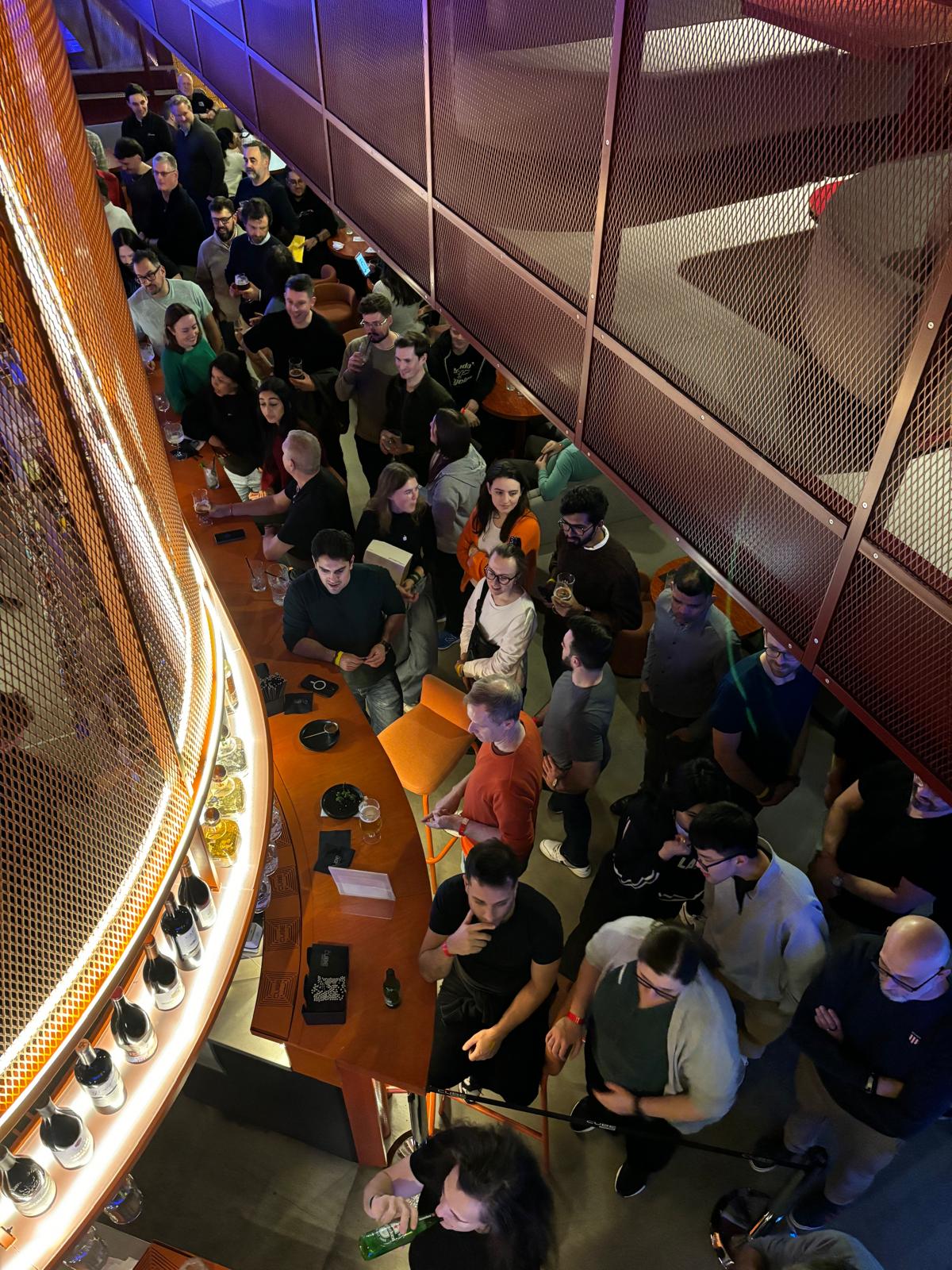
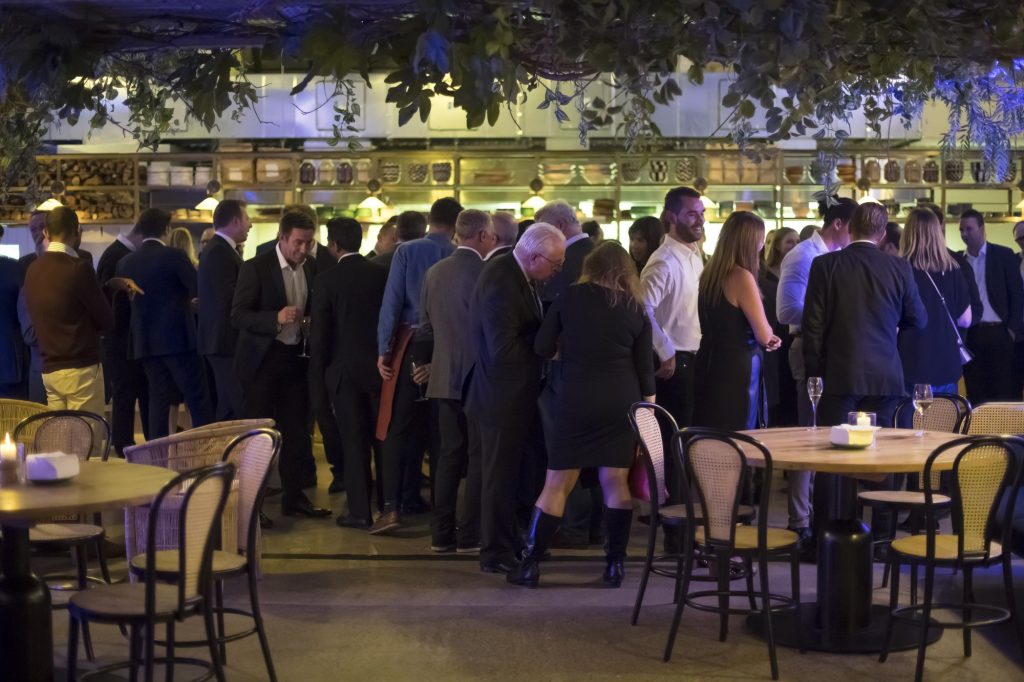
Why Does a Networking Event Matter for Business Growth?
An event for networking matters because it builds trust, strengthens relationships, increases brand visibility, and creates direct business opportunities.
Personal interaction allows people to connect in a way that digital communication often cannot match. When professionals meet in person, conversations flow more naturally, and relationships develop faster. This is one reason why such events remain a key part of many business strategies.
A well-executed event for networking can support lead generation, brand positioning, knowledge sharing, partnership building, and client retention. These outcomes make corporate events a valuable investment for organisations across industries.
How Do You Set Clear Objectives for Corporate Networking Events?
You set clear objectives by defining your purpose, identifying desired outcomes, aligning with your wider corporate events strategy, and selecting measurable indicators of success.
Start with a simple question. What do you want this networking event to achieve? The answer will guide every decision that follows.
Common objectives for corporate events include generating leads, strengthening client relationships, launching new services, increasing brand awareness, and connecting industry professionals. Each goal requires a slightly different approach.
When your objectives are defined early, you can measure success through attendance quality, engagement levels, follow-up meetings, conversion rates, and feedback from attendees.
How Do You Choose the Right Audience for a Networking Event?
You choose the right audience by targeting decision-makers, balancing industries and roles, inviting relevant professionals, and creating a diverse mix that encourages interaction.
The strength of a networking event often depends on who attends. A carefully curated guest list creates better conversations and more valuable connections.
For corporate events for networking, focus on senior professionals, potential clients, strategic partners, industry influencers, and existing clients who can deepen relationships. A balanced mix ensures that attendees gain value from every interaction.
Experienced conference organisers often segment invitations based on job roles, industries, business size, and professional interests. This approach helps create a room where conversations feel relevant and productive. A strong audience selection process increases engagement and improves outcomes across all corporate events.
How Do You Select the Right Venue for Corporate Networking Events?
You select the right venue by choosing a location that supports interaction, offers accessibility, provides flexible layouts, ensures comfort, and reflects your brand. The venue plays a direct role in shaping the experience of an event for networking. A well-chosen space encourages movement, conversation, and engagement.
When planning corporate events, consider accessibility for attendees travelling from different regions, availability of transport links, layout flexibility, lighting quality, acoustics, and overall atmosphere. Venues that allow guests to move freely tend to perform better for networking. Spaces that include open areas, breakout zones, seating clusters, and refreshment points encourage natural interaction.
A venue should support your goals rather than limit them. This principle applies across all corporate events, from small gatherings to large-scale experiences.
How Do You Design an Effective Networking Event Format?
You design an effective format by combining structured sessions, informal networking, interactive elements, guided introductions, and a clear event flow. The format of an event for networking influences how people engage with each other. A strong structure provides direction without restricting conversation.
Popular formats for corporate networking events include open networking sessions, speed networking rounds, panel discussions, interactive workshops, and facilitated introductions. Each format serves a specific purpose. A well-designed format keeps energy levels high and encourages meaningful interaction throughout the event.
How Do You Encourage Meaningful Connections at a Networking Event?
You encourage meaningful connections by using icebreakers, providing conversation prompts, assigning facilitators, creating networking zones, and supporting introductions.
Simply bringing people together is not enough. A high-impact event for networking actively helps guests connect. For corporate networking events, consider adding light structure through guided introductions, themed discussion areas, interactive activities, and visible prompts that help start conversations.
Facilitators or hosts can play a key role by introducing guests, encouraging participation, and maintaining a welcoming environment. These small actions often lead to stronger outcomes. Creating a comfortable setting helps attendees engage with confidence and build genuine connections.
How Do You Build a Strong Brand Experience for Corporate Networking Events?
You build a strong brand experience by aligning visuals, messaging, tone, environment, and attendee journey with your overall corporate events identity. Every event for networking reflects your brand. From the moment guests arrive, they form impressions based on the environment, communication, and experience.
For corporate events, focus on consistent branding across invitations, signage, digital touchpoints, presentation materials, and on-site elements. Attention to detail strengthens brand perception. A cohesive experience creates a lasting impression and supports your wider business goals. This is why many organisations invest in professional support for corporate events.
How Do You Promote a Networking Event Effectively?
You promote a networking event by using targeted email campaigns, LinkedIn outreach, strategic partnerships, clear messaging, and early engagement with your audience. Promotion plays a major role in the success of corporate networking events. Even a well-planned event needs strong visibility to attract the right audience.
Use a mix of channels such as email marketing, professional networks, partnerships with industry groups, and direct outreach to key contacts. Clear messaging helps communicate the value of attending. Building interest early increases attendance and improves engagement on the day.
How Do You Manage Event Logistics Smoothly?
You manage event logistics by coordinating registration, planning guest flow, organising catering, aligning schedules, managing staff, and working closely with suppliers and conference organisers. Smooth logistics create a positive experience for attendees. Every detail contributes to how guests perceive the event.
For corporate events, focus on efficient check-in processes, clear signage, well-timed sessions, quality catering, and responsive staff. Coordination with suppliers and experienced conference organisers helps maintain consistency. Strong logistical planning supports the overall success of a networking event and ensures everything runs as expected.
How Do You Measure Success After Corporate Networking Events?
You measure success by analysing attendance quality, collecting feedback, tracking engagement, reviewing follow-up actions, and assessing business outcomes. The impact of a networking event continues after it ends. Measuring results helps you understand what worked and what can be improved.
For corporate networking events, use surveys, feedback forms, follow-up meetings, and performance data to evaluate success. Key indicators include lead generation, relationship development, attendee satisfaction, and business opportunities created. Follow-up communication is equally important. It helps turn initial connections into long-term relationships.
Closing Thoughts
A high-impact networking event delivers results when it is guided by clear objectives, supported by the right audience, and executed with attention to detail. Corporate networking events continue to play a central role in building relationships and driving business growth.
From venue selection and event format to promotion and follow-up, each element contributes to the overall experience. Businesses that invest in thoughtful planning and professional execution often see stronger outcomes from their corporate events.
If you want to create a networking event that brings real value, focus on purpose, experience, and connection. These principles form the foundation of successful events and long-term business relationships.
Get in touch with SEVEN today and start planing your next networking event.
FAQs
What is the ideal size for a networking event?
The ideal size depends on your goals. Smaller events allow deeper conversations, while larger corporate events for networking offer broader exposure and more connections.
How long should corporate networking events last?
Most networking event formats work well within two to three hours. This timeframe allows meaningful interaction without overwhelming attendees.
What is the best time to host a networking event?
Evening events often attract higher attendance, though breakfast and lunchtime formats also work well for corporate audiences.
How can small businesses host effective networking events?
Small businesses can focus on niche audiences, personalised invitations, strong facilitation, clear objectives, and consistent follow-up to create impact.
What common mistakes should be avoided when planning a networking event?
Common mistakes include unclear objectives, poor audience selection, lack of structure, weak promotion, and limited follow-up after the event.
What is an Event Agency and What Do They Do?
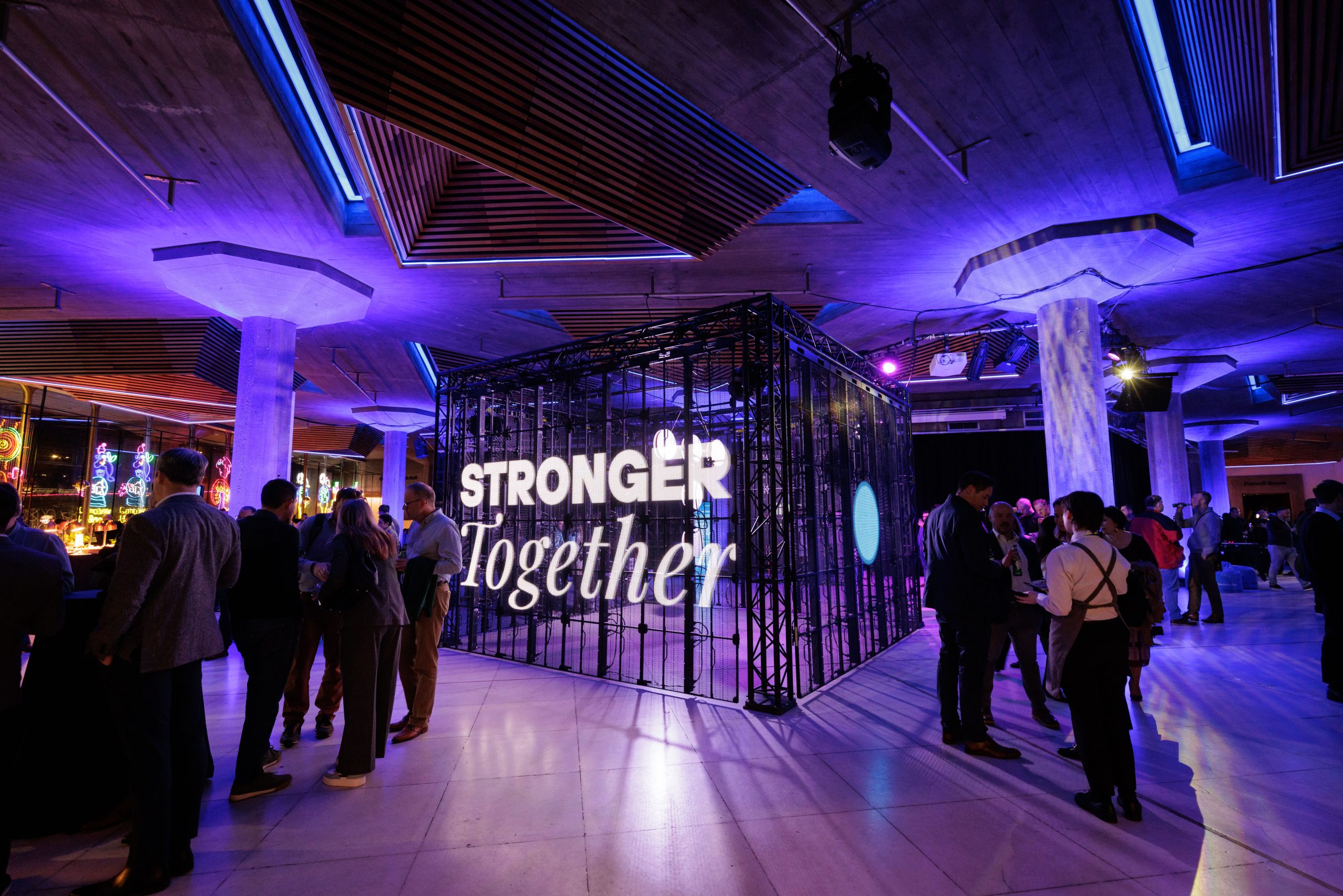
An Event Agency Like SEVEN
An event agency like SEVEN manages the planning, coordination, and execution of corporate events from concept to completion.
#1 Event Strategy and Concept Development
A corporate event agency develops the event strategy, theme, and structure.
Before any logistical planning begins, the agency works with the client to shape the event concept. This stage defines the purpose, format, audience, and key messages of the event.
The strategy stage may include:
- Event objectives and success measures.
- Audience profile and guest experience planning.
- Event themes and creative concepts.
- Programme structure and schedule.
#2 Venue Sourcing and Location Management
An event agency in London, we helps businesses find venues that suit their event format and audience.
Venue selection plays a major role in event success. The right venue must match the event size, style, location preferences, and technical requirements. An experienced agency evaluates several factors when recommending venues:
- Capacity and layout options.
- Accessibility and transport connections.
- Technical facilities and staging capacity.
- Guest experience and atmosphere.
#3 Event Logistics and Supplier Coordination
An event management company like SEVEN coordinates the suppliers and logistics required for a successful event.
Events involve many operational components. These may include catering, staging, lighting, sound systems, digital registration, security, transport, and entertainment.
A professional agency manages communication with all suppliers while maintaining a detailed event schedule. Typical logistics management includes:
- Production planning and technical setup.
- Catering and hospitality coordination.
- Entertainment and speaker arrangements.
- Supplier scheduling and communication.
#4 Event Technology and Hybrid Experiences
An event management agency helps businesses deliver technology-driven experiences, including hybrid events. Technology now plays an important role in corporate events. Many organisations host hybrid events, which combine physical attendance with online participation.
A knowledgeable corporate event agency supports companies with technology such as:
- Event registration platforms.
- Live streaming and broadcast production.
- Audience interaction tools.
- Virtual participation features.
#5 On-Site Event Management
The event day requires careful coordination. Timelines must be followed, suppliers must arrive on schedule, technical equipment must operate correctly, and guests must receive support.
An experienced agency manages these responsibilities with an on-site team that supervises every stage of the event. On-site event management usually includes:
- Guest check-in and registration support.
- Speaker and entertainment coordination.
- Production and technical supervision.
- Schedule control and issue resolution.
Why Businesses Work With an Event Agency?
Businesses work with an event agency to plan events efficiently while achieving clear business goals. A professional event agency in the UK can help companies organise corporate events with expert planning, supplier coordination, and reliable event delivery.
#1 Strategic Event Planning for Business Goals
An agency like SEVEN helps businesses plan events that support clear objectives such as brand awareness, employee engagement, networking, and client relationships.
Events work best when they serve a clear purpose. A professional event agency in the UK markets begins by understanding the client’s goals, audience, timeline, and budget. The agency then builds a structured plan that supports those objectives.
An experienced event planning agency typically helps with:
- Defining event goals and success measures.
- Developing an event concept and structure.
- Identifying the right audience and guest profile.
- Planning the schedule, format, and content.
#2 Access to Industry Knowledge and Supplier Networks
A professional event management agency connects businesses with trusted venues, suppliers, and event specialists. Planning an event requires coordination with multiple suppliers. These can include venue teams, catering companies, audiovisual technicians, entertainment providers, staging specialists, and décor suppliers.
An experienced agency already works with many of these professionals. This network saves time, reduces risk, and helps maintain quality. For example, companies planning events in the capital often choose an event agency in London because the agency already knows:
- Well-regarded corporate venues.
- Reliable production teams.
- Experienced catering providers.
- Professional entertainment suppliers.
#3 Professional Event Design and Guest Experience
A corporate event agency creates engaging event experiences that reflect the company’s brand and message.
A professional agency focuses on the overall guest experience. This includes the event theme, visual identity, stage design, lighting, entertainment, and audience interaction. For example, a corporate event agency may help businesses with:
- Event branding and visual design.
- Stage layout and production planning.
- Guest journey planning and engagement.
- Entertainment and interactive experiences.
#4 Efficient Budget Management
Events involve multiple cost areas such as venue hire, catering, production equipment, design, entertainment, staffing, and technical services. Without careful planning, costs can quickly rise.
A professional agency helps businesses allocate budgets wisely. Agencies often negotiate supplier rates, manage contracts, track spending, and provide clear financial reporting.
An established event agency in the UK markets usually supports clients with:
- Budget planning and cost estimates.
- Supplier negotiations and contract management.
- Expense tracking and financial transparency.
- Value-driven event planning decisions.
#5 Stress-Free Event Delivery
Event planning involves many operational tasks. These include supplier coordination, timeline management, venue preparation, guest registration, technical testing, and on-site supervision. An experienced agency handles these responsibilities from start to finish. On the event day, the agency coordinates suppliers, manages schedules, oversees technical production, and resolves issues quickly.
Businesses that partner with a corporate event agency gain support with:
- Event timelines and planning schedules.
- Vendor coordination and supplier management.
- Guest registration and attendee communication.
- On-site event supervision and troubleshooting.
How to Choose the Right Event Agency in the UK?
Businesses should look for experience, reliability, creativity, and strong planning skills. Choosing the right event agency helps companies avoid planning problems and achieve strong event outcomes.
A reliable corporate event agency usually demonstrates:
- Proven experience with corporate events
- Clear planning processes and communication
- Strong supplier networks and venue knowledge
Questions Businesses Should Ask Before Hiring
Before choosing an event agency, companies should ask several practical questions.
These may include:
- What types of corporate events have you organised before?
- Which venues and suppliers do you usually work with?
- How do you manage event budgets and planning schedules?
- How does your event management company support clients on event day?
Closing Thoughts
A professional event agency like SEVEN helps businesses plan, organise, and deliver successful events with confidence.
Businesses that work with an experienced event agency in the UK markets gain access to industry expertise, trusted suppliers, creative planning, and professional delivery. Companies hosting events in the capital often benefit from partnering with an event agency in London that understands the city’s venues and event infrastructure.
With the right agency partner, corporate events can strengthen relationships, communicate brand messages clearly, and create memorable experiences for every guest.
Looking for a reputable event agency to help plan your next experience get in touch with SEVEN today.
FAQs
What types of events does an Event Agency organise?
An agency like SEVEN can organise conferences, product launches, awards ceremonies, networking events, company celebrations, leadership meetings, training sessions, incentive travel and large corporate gatherings.
How far in advance should you hire an event agency?
Many companies contact an event agency in the UK markets three to twelve months before the event. Larger conferences and complex hybrid events may require longer preparation.
Do event agencies manage hybrid events?
Yes. Many agencies now specialise in hybrid events, which combine physical attendance, virtual participation, live streaming, audience interaction tools, and online engagement platforms.
What is the difference between an event planner and an Event Agency?
An individual planner may manage a limited part of the event. An Event Agency usually provides a full team, supplier networks, production support, planning expertise, and operational management.
How much does it cost to hire a corporate event agency in the UK?
Costs vary based on event size, venue, technical requirements, guest numbers, and services provided. A professional corporate event agency like SEVEN offers customised proposals and outline budget based on the event scope.
Event Marketing Made Simple: A Step-by-Step Guide

In this step-by-step event marketing guide, we break down how to plan, promote, and maximise your event’s impact.
Step 1: Start with your “Why”
The most successful marketing campaigns don’t start with a social media post; they start with a purpose. Before you dive into the logistics, you must define what success looks like for your brand. Are you looking to launch a revolutionary product, reward your top 10% of performers, or perhaps reposition your company culture in a competitive market?
At SEVEN, we encourage our clients to set “Human-Centric” goals. While data is vital, the emotional objective of the journey is what stays with people. When we act as your corporate conference planner, we ensure that every marketing touchpoint aligns with this core message, creating a seamless narrative from the very first invite.
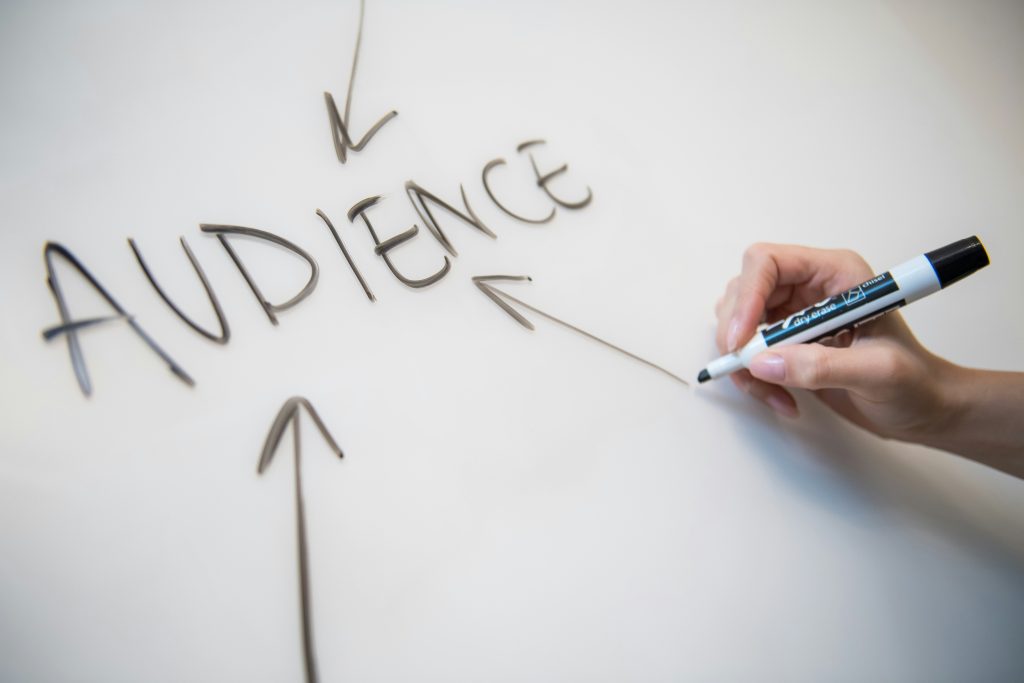
Step 2: Know your audience like a friend
Personalisation is the heartbeat of 2026. To market effectively, you need to understand the people behind the registration forms. What keeps them up at night? What inspires them to go the extra mile?
Just as we designed bespoke, multi-track itineraries for our projects in Porto to satisfy both adrenaline-seekers and culture-lovers, your marketing should speak to the individual. Use data to segment your audience and deliver content that feels like it was written just for them. When people feel seen, they are far more likely to engage.

Step 3: Develop a strong value proposition
Visitors would require a purpose to devote themselves.
Communicate:
- What is different about this event?
- What will be the practical value to the attendants?
- Why is attendance emergent or restricted?
Powerful positioning makes your event stand out among thousands of competing choices.
As an experienced event planning company, we ensure every event we deliver has a clearly articulated value proposition that marketing teams can amplify.
Step 4: Develop a multi-channel marketing strategy
An effective campaign incorporates various touchpoints.
Combine:
- Email marketing
- Social media promotion
- Paid advertising
- Partner amplification
- Direct outreach
Uniformity of channels adds to credibility. The single message enhances brand recognition and conversion.
An experienced event marketing agency helps align these channels into a cohesive strategy rather than fragmented efforts.
Step 5: Use content to build anticipation
The content will generate engagement even before the event takes place.
Effective tactics include:
- Speaker spotlights
- Behind-the-scenes previews
- Countdown campaigns
- Video teasers
- Thought-leadership snippets
This is a strategy that makes the event relevant and seen in the long run.
Step 6: Maximise registration and conversion
Marketing success relies on ease of use. Ensure:
- Registration pages are straightforward and to the point.
- There is strong call-to-action messaging.
- There is seamless mobile optimisation.
- Confirmations enhance excitement.
Easy registration improves attendance and enhances the perception of professionalism.
Step 7: Interact with attendees in advance
Event marketing doesn’t stop at registration.
Pre-event engagement instils loyalty with:
- Agenda updates
- Interactive polls
- Pre-event networking tools
- Reminder communications
It is an engagement that lowers no-shows and boosts expectations.
Step 8: Make an impact at the event
Live marketing has a larger reach than the physical attendees.
Encourage:
- Real-time social sharing
- Branded hashtags
- Live-stream highlights
- Post-session quotes
A skilled corporate conference planner understands how to build marketing moments into the event programme itself.
Step 9: maximise the impact after the event
The most overlooked part of any event marketing guide is post-event promotion.
Continue momentum with:
- On-demand content
- Post-event highlight reels
- Thank-you emails
- Feedback surveys
- Follow-up offers
The post-event communication maximises ROI and enhances long-term relationships.
How SEVEN supports event marketing success
At SEVEN, we approach events holistically. We combine creative design, operational excellence, and strategic marketing support to ensure every event achieves its purpose.
Whether acting as a full-service event marketing agency or partnering with internal marketing teams, we ensure campaigns align with objectives and resonate with audiences.
From leadership conferences to product launches and large-scale summits, we design experiences that are not only memorable but also marketable.
Why strong event marketing drives business results
When executed correctly, event marketing:
- Increases qualified attendance
- Strengthens brand positioning
- Generates measurable leads
- Enhances stakeholder engagement
- Improves event ROI
Marketing transforms events from logistical exercises into strategic growth drivers.
Ready to market your next event effectively?
If you’re planning an upcoming event and want to ensure it attracts the right audience and delivers meaningful results, we’d love to help.
Get in touch with SEVEN at hello@sevenevents.co.uk, and let’s build an event marketing strategy that truly performs.
FAQs
What is event marketing?
Event marketing is the strategic promotion of an event to attract the right audience, increase registrations, and maximise engagement before, during, and after the event. Planning your next event? Speak to SEVEN about building a results-driven marketing strategy.
2. What channels should be used for event promotion?
An effective event marketing campaign typically includes email marketing, social media promotion, paid advertising, partner amplification, and direct outreach to target audiences. Let our experts design a multi-channel strategy tailored to your audience.
3. How can you increase event registrations?
Optimise your registration page with clear messaging, strong calls-to-action, mobile responsiveness, and seamless user experience. Early engagement and reminders also reduce drop-offs.
4. How can event marketing continue after the event ends?
Post-event marketing includes sharing on-demand content, highlight reels, thank-you emails, surveys, and follow-up offers to extend engagement and maximise ROI.
5. What makes event marketing different in 2026?
Modern event marketing focuses on personalisation, audience segmentation, and human-centric storytelling supported by data-driven insights and integrated technology.
10 Event Planning Tips for Both Large and Small Corporate Events

1. Define Clear Objectives Before You Begin Corporate Event Planning
Every effective event planning process starts with clarity. What should the event achieve? Revenue growth, staff engagement, client retention or brand positioning?
Without defined objectives, decisions become reactive. Budget allocation, venue selection and content direction all depend on purpose.
Strong corporate event management tips always begin with a written brief covering:
- Event goals
- Target audience
- Budget parameters
- Key messages
- Success measures
2. Build a Realistic Budget for Successful Corporate Event Planning
Budget planning determines what is possible. It also prevents unwelcome surprises. Break your budget into categories:
- Venue hire
- Catering
- Audiovisual production
- Entertainment
- Staffing
- Branding
- Contingency
These structured financial decisions form part of practical corporate event tips for businesses of every size.
For large conferences, production and staging often require significant investment. For smaller networking events, catering and venue hire usually represent the highest spend.
A contingency allowance of around ten per cent protects your budget against unexpected costs such as transport disruption or last-minute technical requirements. A trusted event planning company will advise on realistic projections based on experience across the market.
3. Choose the Right Venue as Part of Strategic Corporate Event Planning
Venue selection influences atmosphere, guest comfort and brand perception. It must align with the purpose of your event.
Leadership meetings benefit from private dining rooms or boutique hotels. Industry conferences require venues with strong technical infrastructure and flexible layouts.
When reviewing options, weigh:
- Capacity and layout flexibility
- Accessibility via rail or underground
- In-house technical capabilities
- Catering quality
- Sustainability policies
Accessibility and sustainability now shape many corporate event management tips. Businesses increasingly request environmentally responsible venues and inclusive design.
Visiting the venue before confirming your booking gives clarity and prevents layout surprises on the day.
4. Create an Engaging Agenda Using Corporate Event Management Tips
A well-designed programme keeps attention high and reinforces key messages.
Shorter speaker sessions often hold attention better than extended presentations. Moderated discussions and live audience participation create energy. When planning your agenda, consider:
- Professional hosts
- Panel discussions
- Audience polling
- Branded visuals
- Structured networking sessions
5. Develop a Detailed Timeline for Smooth Corporate Event Planning
Strong corporate event planning tips always include timeline management. Without structured planning, tasks drift, and pressure builds close to the event date.
Create a master schedule that includes:
- Supplier booking deadlines.
- Design approvals.
- Guest communication milestones.
- Rehearsal timings.
- Set up and breakdown schedules.
For large-scale event planning, production rehearsals are necessary. Speakers, lighting cues and audiovisual transitions must be tested in advance.
An experienced event planning company will coordinate these moving parts so internal teams can focus on strategy and guests.
6. Communicate Clearly with Your Event Planning Company and Suppliers
Events succeed through collaboration. Clear communication prevents confusion and delays.
Provide written briefs to caterers, production teams, entertainers and venue managers. Confirm arrival times, dietary requirements and technical specifications well before the event date.
Communication sits at the centre of effective corporate event management tips. When every supplier understands the objective, delivery improves.
Appointing a single decision maker within your organisation reduces crossed messages and accelerates approvals. This approach strengthens your overall event planning process.
7. Prioritise Guest Experience Across Every Stage of Corporate Event Planning
Guest experience shapes reputation. From the first invitation to the final farewell, each interaction matters. Consider:
- Registration efficiency
- Clear signage
- Welcoming reception teams
- Comfortable seating
- Quality catering
For smaller events, personal touches such as handwritten place cards can create warmth. For large conferences, structured networking areas and branded installations create memorable moments.
These details represent practical corporate event tips that leave a lasting impression.
8. Manage Risk and Compliance Within Corporate Event Planning
Risk management is part of responsible event planning. UK health and safety regulations require structured preparation. Confirm:
- Public liability insurance
- Risk assessments
- Security arrangements
- Accessibility compliance
- Emergency procedures
Larger corporate gatherings often require additional crowd management planning. Smaller executive events still require basic compliance checks.
Professional planners treat safety as standard practice. Clients benefit from confidence and peace of mind.
9. Measure Success After the Event Using Corporate Event Management Tips
Evaluation allows improvement. Gathering feedback from attendees, sponsors and internal teams provides direction for future planning.
Collect data on:
- Attendance numbers
- Engagement levels
- Budget performance
- Lead generation
- Post-event feedback
These measurable insights strengthen future event planning tips and refine your long-term strategy.
Surveys, post-event debrief meetings, and supplier reviews offer valuable learning opportunities. Over time, structured evaluation raises event standards across your organisation.
10. Work with an Experienced Event Planning Company
Internal teams often manage smaller corporate gatherings successfully. As the event scale increases, coordination becomes more complex. Partnering with a professional event planning company offers:
- Supplier networks
- Budget management expertise
- Production oversight
- Creative direction
- On-site coordination
Larger conferences and awards ceremonies require experienced leadership. Even intimate board meetings benefit from structured planning support.
When reviewing potential partners, assess previous case studies, testimonials and sector knowledge. A skilled team will guide your corporate event planning from concept to delivery with confidence.
Final Thoughts
Strong event planning combines strategic thinking, careful budgeting and detailed execution. From defining objectives to evaluating outcomes, each step contributes to measurable business value.
These corporate event management tips apply whether you are hosting a local networking breakfast or a national conference. Clear communication, structured timelines and guest-focused design consistently produce strong results.
As corporate event trends continue to evolve across the UK, businesses that plan carefully and seek expert guidance position themselves ahead of competitors.
If your organisation is preparing its next conference, awards ceremony or executive event, using this checklist will support confident decision-making and smooth delivery.
FAQ
1. How far in advance should corporate event planning begin?
For small corporate events, planning should begin at least three to four months in advance. Larger conferences, awards ceremonies or multi-day events often require six to twelve months of preparation. Venue availability across major UK cities can be limited during peak seasons such as autumn and early summer, so early booking secures better options and pricing.
2. What are the most common mistakes in corporate event management?
Common mistakes include unclear objectives, underestimating production costs, failing to confirm supplier details in writing and neglecting contingency planning. Strong corporate event management tips always include structured timelines and defined responsibilities. Lack of communication remains one of the biggest risk factors in event delivery.
3. How can corporate event planning support brand positioning?
Well-executed event planning reinforces brand values through venue choice, visual identity, speaker selection and guest experience. Every element, from registration design to catering style, communicates brand personality. Consistency between event messaging and wider marketing campaigns strengthens recognition and credibility.
4. What role does technology play in modern corporate event trends?
Technology supports registration systems, guest tracking, event apps, live polling and hybrid streaming. Current corporate event trends across the UK show continued interest in hybrid formats and data collection tools that measure engagement. Used correctly, technology improves organisation and provides measurable insights without overwhelming attendees.
5. Should smaller businesses hire an event planning company?
Smaller businesses can manage internal events independently. Yet hiring an experienced event planning company often saves time, reduces stress and improves supplier negotiation. Professional planners also identify risks that internal teams may overlook. For high-profile events involving clients or media, expert oversight protects brand reputation.
How to Choose the Best Event Management Company in the UK (2026 Guide)
1. Understand What A Leading Event Management Company Needs To Deliver
Before comparing agencies, clarify what you expect from them. Strong agencies provide:
- Strategic planning aligned with business objectives
- Creative direction and production design
- Supplier sourcing and contract negotiation
- Budget management
- Guest experience planning
- On-site delivery and contingency planning
- Post-event reporting and analysis
Businesses are investing in experiences that strengthen brand positioning and internal culture. That means corporate event management companies must combine logistics expertise with commercial awareness.
2. Review Their Experience
Corporate events carry higher expectations than private functions.
The most credible corporate event management companies have experience working with regulated industries, FTSE firms or multinational brands. They understand procurement processes, data protection, accessibility requirements and sustainability targets.
Businesses looking for specialist support may consult experienced conference organisers like SEVEN, who understand venue contracts and programme flow at scale.
Ask potential partners:
- Have they delivered similar corporate events in the UK?
- Can they provide references from senior decision-makers?
- How do they handle risk assessment and health and safety documentation?
The best event management agencies will respond with clarity rather than vague assurances.
3. Assess Their Capability for Hybrid Events and Future Formats
Business events have changed dramatically over recent years. Many UK organisations now incorporate hybrid events that blend in-person attendance with virtual participation.
A forward-thinking event company should demonstrate strong digital production capability. That includes:
- Live streaming infrastructure
- Audience engagement tools
- Secure registration platforms
- Data tracking for remote attendees
When evaluating event management agencies, request case studies that show measurable engagement statistics for hybrid audiences.
4. Examine Creativity, Brand Understanding, Procurement, and Strategic Thinking
A capable event company will take time to understand your brand identity, goals, company culture, and audience demographics. When reviewing creative proposals:
- Do ideas connect clearly to your brand message?
- Does the design support audience interaction?
- Are sustainability considerations included?
Creativity combined with accountability signals maturity.
5. Evaluate Transparency in Budget and Cost Control
Budget clarity separates experienced event management agencies from inexperienced operators. Ask your chosen event company how they manage unexpected changes.
The difference lies in how effectively corporate event management companies handle them without unnecessarily escalating costs. Look for agencies that show realistic financial planning rather than overpromising and renegotiating later.
Professional agencies provide:
- Clear fee structures
- Transparent supplier mark-ups
- Contingency planning
- Regular financial reporting
6. Check Their Network and Supplier Relationships Across the UK
Strong event management companies build trusted supplier networks over time.
An experienced event company working across London, Manchester, Birmingham and Edinburgh should demonstrate national reach. If your event rotates location each year, consistency matters.
Ask:
- Do they have preferred venue partnerships?
- How do they vet production suppliers?
- What contingency suppliers are available?
7. Analyse Communication Style and Project Management Approach
Your internal team will work closely with planners for months. Communication style must match your organisation’s pace and expectations. Effective event management agencies provide:
- Dedicated account managers
- Clear timelines
- Regular update meetings
- Documented action plans
During the pitch stage, observe responsiveness. Slow replies and unclear proposals often reflect future performance.
8. Review Testimonials, Case Studies and Measurable Results
Case studies should include concrete outcomes, not only photographs. When assessing event management agencies, look for evidence such as:
- Delegate satisfaction scores
- Lead generation data
- Media coverage results
- Employee engagement metrics
A credible event company will present before-and-after insights and explain lessons learned. If testimonials include senior executives praising the organisation and attention to detail, that adds confidence.
9. Consider Long-Term Partnership Value
Long-term relationships allow event management agencies to understand internal processes, preferred suppliers, end goals, and brand tone.
If your organisation hosts multiple annual events, consider whether the agency can act as a strategic corporate event agency rather than a one-off supplier. Consistency builds stronger outcomes.
10. Compare Proposals Objectively Before Making a Final Decision
When comparing shortlisted event management agencies, avoid focusing solely on cost. Create a scoring matrix covering:
- Experience
- Creativity
- Budget transparency
- Communication
- Risk management
- Digital capability
- Sustainability
An experienced event company may appear more expensive initially, but deliver a stronger return on investment through supplier negotiation and strategic planning.
Final Thoughts
Selecting from the many event management companies operating across the UK requires structured evaluation. Focus on experience, transparency, communication and measurable results.
The strongest corporate event management companies align creativity with commercial objectives. They understand hybrid delivery, sustainability requirements and stakeholder expectations. They plan thoroughly, manage budgets responsibly and deliver events that reflect your brand with confidence.
When your organisation partners with a capable event company, you gain more than logistical support. You gain strategic collaboration that strengthens brand presence and internal engagement across every event delivered.
Take time to assess proposals carefully, speak to references and clarify objectives. With the right agency partnership, your 2026 events programme can deliver measurable value and lasting impact.
FAQ
1. How far in advance should we book event management agencies in the UK?
For large-scale corporate events, booking event management companies six to twelve months in advance is advisable. High-demand venues and production suppliers are often secured early, particularly in London and other major UK cities. Smaller events may require less lead time, though earlier booking improves venue choice and cost control.
2. Do corporate event management agencies handle international events?
Many UK-based corporate event management companies deliver events across Europe and globally. If you are planning overseas conferences or incentive programmes, ask whether the event company has established international supplier networks and experience with cross-border logistics, tax considerations and cultural nuances.
3. What contracts should we expect when hiring an event company?
A professional event company will provide a detailed service agreement outlining the scope of work, payment schedules, cancellation terms, intellectual property rights and liability clauses. Review force majeure clauses carefully and check whether supplier contracts are held directly by you or by the agency.
4. Can event management companies help with sponsorship and exhibitor sales?
Some event management agencies offer sponsorship acquisition and exhibitor management services, particularly for conferences and trade events. If revenue generation is part of your objective, confirm whether the agency has experience negotiating sponsorship packages and managing commercial partnerships.
5. How do corporate event management agencies measure event ROI?
Beyond attendance figures, leading corporate event management companies track metrics such as delegate satisfaction scores, lead conversions, brand reach, employee engagement levels and post-event sales activity. Clear reporting should link outcomes to your original business objectives.
The Importance of Sustainability in Events

1. Sustainable Event Management Protects Brand Reputation
Reputation builds slowly and can shift quickly. A poorly managed event with excessive waste, unnecessary travel emissions, or unclear sourcing can damage public perception.
Clients, investors,s and employees increasingly look at Environmental, Social, and Governance criteria when judging a company. Corporate events form a visible part of that assessment.
When businesses partner with a sustainable events company, they demonstrate responsibility in action rather than in marketing copy. In a competitive market, that distinction matters.
2. Eco-Friendly Event Management Reduces Environmental Impact
Events consume energy, materials, and transport resources. Lighting rigs, staging, catering, travel and printed materials all contribute to carbon emissions and waste.
The UK Government’s Net Zero Strategy places clear pressure on organisations to reduce emissions across operations and supply chains. Corporate events are part of that picture.
According to the UK Government, the UK aims to reach net-zero greenhouse gas emissions by 2050. Businesses operating in the UK are expected to align with that direction.
Through structured eco-friendly event management, organisations can:
- Reduce single-use plastics.
- Choose venues powered by renewable energy.
- Select seasonal, locally sourced catering.
- Measure and offset carbon impact.
- Minimise printed materials through digital alternatives.
3. Sustainable Event Management Strengthens Client Trust
Trust grows when actions match commitments. Many corporate clients publish sustainability reports. Hosting events that contradict those commitments creates inconsistency.
A credible, sustainable event management strategy aligns event execution with corporate ESG policies. That consistency strengthens stakeholder confidence.
That credibility extends to corporate events. When a company hosts an event reflecting its values, clients and partners notice.
4. Sustainable Events Company Partnerships Support Cost Efficiency
There is a common misconception that sustainability increases costs. In reality, structured planning often reduces waste and inefficiency. For example:
- Accurate guest forecasting reduces food waste.
- Reusable staging lowers repeat production costs.
- Digital ticketing removes print expenditure.
- Local suppliers reduce transport expenses.
A skilled sustainable events company plans with long-term value in mind. Cost savings often emerge through thoughtful procurement and supplier relationships.
Working with an experienced event management company in London that integrates sustainability from the start can prevent expensive last-minute adjustments.
5. Eco-Friendly Event Management Meets Delegate Expectations
Delegates are more aware of environmental issues than ever before. Many expect vegetarian options, refill stations, and transparent waste practices as standard.
Research from Deloitte highlights that younger professionals in particular prioritise employers and brands that act responsibly on climate and sustainability.
When a business delivers eco-friendly event management, it signals alignment with those expectations. Attendees feel comfortable participating in an event that reflects their values.
That alignment strengthens employer branding and audience engagement.
How to Deliver Sustainable Event Management Effectively
Understanding why sustainability matters is only the first step. Execution requires structure, supplier coordination, and measurable outcomes.
Below are practical methods organisations can adopt.
1. Integrate Sustainable Event Management at the Planning Stage
Sustainability must be built into the initial brief. It cannot be added later without compromise. Key planning questions include:
- What are the carbon implications of the chosen location?
- Can hybrid attendance reduce travel emissions?
- Are suppliers aligned with sustainability standards?
- How will waste be measured and reported?
Professional sustainable event management involves data tracking and transparent reporting. That transparency allows businesses to communicate impact clearly in annual ESG disclosures.
2. Choose a Sustainable Events Company with Proven Credentials
Not all suppliers operate to the same standard. Businesses should request evidence rather than promises. Look for:
- Recognised sustainability certifications.
- Transparent carbon measurement processes.
- Established relationships with ethical suppliers.
- Clear waste diversion targets.
SEVEN positions itself as a sustainable events company committed to responsible sourcing and efficient logistics across the UK. Partnering with specialists reduces risk and increases consistency.
Selecting an experienced event management company in London, like SEVEN, with an established supplier network, can also simplify venue sourcing and transport coordination while maintaining sustainability criteria.
3. Apply Eco-Friendly Event Management to Venue Selection
Venue choice significantly affects environmental impact. Questions to ask venues:
- Do they use renewable energy?
- What are their waste management processes?
- Do they hold recognised sustainability accreditations?
- Can catering be sourced locally?
Many venues now publish environmental policies and carbon reduction plans. Integrating these into eco-friendly event management strengthens credibility.
4. Measure and Report Through Sustainable Event Management Metrics
Sustainability claims require evidence. Measurement builds trust. Metrics may include:
- Carbon emissions per delegate
- Waste diversion rate
- Percentage of locally sourced food
- Reduction in printed materials
The Event Industry Council recommends structured reporting frameworks to maintain consistency across events.
Through formal sustainable event management, organisations can present clear data rather than general statements.
5. Embed Eco-Friendly Event Management into Company Culture
Sustainability works best when it becomes standard practice rather than a special initiative. Internal teams should understand:
- Why sustainable procurement matters
- How supplier choices affect emissions
- What targets the organisation has set
Final Thoughts
Sustainability in corporate events reflects how seriously a business takes its wider responsibilities. Every venue choice, supplier contract, and catering decision contributes to a company’s environmental footprint and public reputation.
When sustainability is embedded into planning rather than added later, events become consistent with broader ESG commitments and net zero ambitions across the UK.
Partnering with a credible, sustainable events company allows organisations to apply structured sustainable event management strategies without sacrificing creativity, impact or operational control.
Through practical eco-friendly event management, businesses reduce waste, manage carbon responsibly, and meet rising delegate expectations with confidence.
Corporate events shape perception. Choosing responsible delivery shows leadership, builds trust and supports long-term commercial resilience.
Read SEVEN’s full sustainable business policy here.
FAQs
1. How can small businesses afford sustainable event management?
Small businesses can start with scalable changes such as reducing printed materials, choosing local suppliers, and measuring waste. A phased approach keeps costs manageable.
2. Does eco-friendly event management limit creative event design?
No. Creative design can incorporate reusable materials, digital installation,s and modular staging without reducing visual impact.
3. Are carbon offsets enough to claim an event is sustainable?
Offsets should complement reduction strategies, not replace them. Direct emission reductions carry greater credibility.
4. How far in advance should sustainability planning begin?
Planning should begin at the earliest concept stage. Late adjustments restrict supplier choices and increase costs.
5. Can hybrid events support sustainable event management?
Yes. Hybrid formats reduce travel emissions while expanding audience reach across the UK and internationally.
Moments That Matter: Why Events Are Worth the Investment

Events create real human connection
In a world full of screens, notifications and endless scrolling, live events cut through in a way nothing else can.
They bring people together in the same space, sharing the same moment, the same energy, the same story. Conversations happen naturally, ideas spark, relationships form.
That human connection is incredibly powerful and impossible to replicate through a screen. When guests feel something at an event, they remember it and when they remember it, they remember you. That’s not a cost. That’s brand equity.
They tell your story in a way people can feel
A great event isn’t just about logistics or aesthetics, it’s about storytelling. From the moment guests arrive to the moment they leave, every detail should feel intentional, the space, the flow, the atmosphere, the moments that surprise and delight.
Events allow you to bring your brand to life in a way that feels immersive and exciting, instead of telling people who you are, you show them and invite them to experience it for themselves. That emotional connection builds trust, loyalty and advocacy and those are things money alone can’t buy.
Events support long-term business goals
When planned with purpose, events can support a wide range of objectives:
- Strengthening relationships with clients and partners
- Launching products or ideas with impact
- Building internal culture and team morale
- Increasing brand awareness and perception
- Creating meaningful content for future marketing
An event isn’t a single moment in time, it’s a platform that can fuel months of conversation, content and connection. Photography, video, social moments and guest feedback all extend the life of the experience far beyond the day itself. That’s where the return really starts to show.
The right partner makes all the difference
Seeing events as an investment means planning them thoughtfully and strategically, not just beautifully.
Working with an experienced event partner helps ensure your budget is spent in the right places, your objectives stay front and centre, and your guests are always considered first.
At SEVEN, we believe the best events feel effortless for our clients and unforgettable for their guests. That’s why our approach to events is rooted in collaboration, transparency and storytelling, designing experiences that feel exciting, purposeful and genuinely enjoyable. Explore our services here.
Measuring value beyond the balance sheet
Not every return can be measured in numbers and that’s okay.
Sometimes the value of an event is seen in conversations started, confidence built, teams motivated or partnerships strengthened. Other times, it’s in how guests talk about the experience weeks or even months later.
When people leave an event feeling inspired, connected and valued, that feeling stays with them. And that’s where real impact lives.
Events are an investment in people
At the heart of every successful event are people, your guests, your team your clients.
Investing in events is investing in how people experience your brand and how they feel when they interact with it, that’s how they remember it afterwards. When you put people first, the returns follow naturally.
Ready to invest in an unforgettable experience?
If you’re planning an event and want it to work harder for your brand emotionally, creatively and strategically, we’d love to help.
Get in touch with the SEVEN team to start creating an event that feels exciting, meaningful and truly worth the investment.
FAQs
Why are events considered an investment?
Because they create long-term value through relationships, brand perception and emotional connection, not just one-off moments.
How can I measure the return on an event?
ROI can include engagement, brand awareness, content creation, guest feedback, lead generation and long-term relationships, not just attendance numbers.
Are events still worth it in a digital-first world?
Absolutely. Live events offer something digital channels can’t: real human connection and shared experience.
How early should I start planning an event?
Ideally several months in advance, depending on scale. Early planning allows for creativity, clarity and better use of budget.
Can SEVEN help with both creative and production?
Yes. We deliver end-to-end event production, combining creative storytelling with seamless delivery.
Venue Spotlight: 8 Instagrammable Corporate Spaces in London
Illuminate at the Science Museum
Flooded with natural daylight by day and illuminating the skyline by night, this upper‑floor venue combines cutting‑edge tech with polished museum architecture, ideal for events that marry innovation with aesthetic appeal.
Frameless, Marble Arch
An immersive art-tech gallery featuring projections of iconic masterworks including Monet, Van Gogh, Klimt framed in sensory surrounds. It offers stunning backdrops for brand storytelling, product launches, or experiential events where every photo feels cinematic. At SEVEN, we can design bespoke content or branded media aligned with your campaign to fill the gallery walls for maximum impact.

Shoreditch Treehouse
A creative favourite of ours, this loft-style venue brings nature indoors with hanging plants, exposed brick, and soft daylight. It’s perfect for relaxed strategy days or creative brainstorming sessions, and every corner is camera-ready.
The Gherkin
Iconic from the outside and breathtaking inside, The Gherkin offers floor-to-ceiling glass, sweeping city views, and a modern elegance that makes every photo pop. Whether it’s a twilight networking reception or a VIP dinner, it’s all about atmosphere.

Barbican Conservatory
This indoor urban jungle is home to over 1,800 plant species, set against brutalist architecture. It’s a striking, one-of-a-kind space for forward-thinking brands and immersive events.
One Marylebone
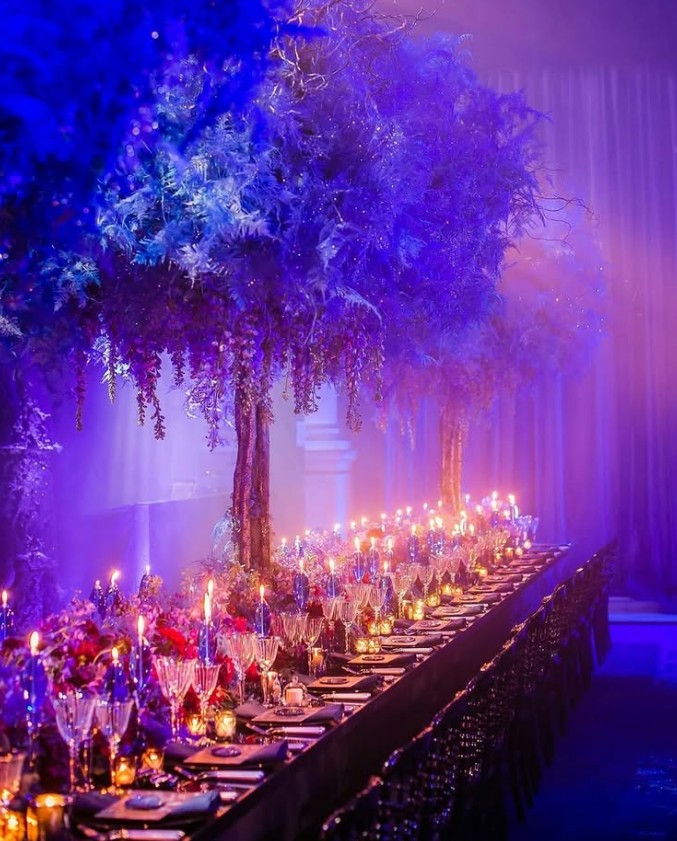
Set inside a former church, this Grade I listed venue blends grand architecture with flexibility and style. It’s perfect for elegant dinners or galas with a touch of heritage drama.
The Lookout at 8 Bishopsgate
With unbeatable views from the 50th floor, clean minimal interiors, and dynamic lighting, this modern venue is ideal for contemporary corporate events that need to shine on socials.
Tower Bridge Walkways
Yes – on the bridge! With glass floors, historic details, and views across the Thames, this space is a true London icon and a must for brands looking to create an unforgettable backdrop.

How SEVEN Can Help You Find the Right Venue
At SEVEN, we don’t just find spaces, we find the space. With over 15 years of experience delivering high-impact events across London and beyond, we know exactly where to look to match your goals with the perfect venue. Whether you’re after a bold, design-led setting or a softer, more refined vibe, we’ll bring you options that not only fit your brief but offer that elusive wow factor.
We take the time to get to know your brand and event objectives so that every recommendation is strategic, not just beautiful. And because we work closely with a huge network of venues, including exclusive and lesser-known gems, we can find that perfect match others might miss.
But we don’t stop at venue sourcing. Our team designs and delivers experiences that are visually compelling, on-brand, and strategically planned. We are a full-service agency with creative flair and logistical precision to make sure your event not only looks incredible but runs seamlessly too.
Get in touch
Ready to make your next event one that stands out both in the room and online?
Explore what we can services we can offer here: https://sevenevents.co.uk/our-services/ or drop us a line at hello@sevenevents.co.uk, we’d love to hear about your plans.
Let’s create something your guests, and their followers, will never forget.
The Rise of Purpose-Centred Corporate Events: More Than Just a Day Out

But, What Are Purpose-Centred Corporate Events?
A purpose-centred corporate event is one that’s designed with intention beyond the typical objectives of networking, training, or celebration. It might aim to reinforce company culture, promote wellbeing, highlight environmental and social impact, or align teams with a shared mission. Crucially, it connects the event experience to a broader purpose — one that resonates with both the business and its people.
These events are thoughtful, impactful, and often multi-layered. They don’t just tick a box; they create a lasting impression. Whether it’s a strategy offsite focused on team wellbeing, a launch event with a sustainability focus, or a community volunteering day, the purpose is clear, embedded, and lived through every aspect of the event.

Why Purpose Matters
Modern employees and stakeholders are increasingly purpose-driven. People want to feel that their work contributes to something meaningful, and events that reflect this are more likely to engage and inspire. According to several recent studies, employees who find purpose in their work are more motivated, more loyal, and more likely to advocate for their employer.
Purpose-centred events also reflect well on your brand. For clients, partners, and prospective hires, events that align with a company’s values are a powerful way to communicate what the organisation stands for. At SEVEN we strongly believe This is particularly important in a time when brand reputation and social responsibility are closely intertwined.
Real Impact: From Sustainability to Social Value
One of the key trends within purpose-centred events is a growing commitment to sustainability. More organisations are prioritising low-impact venues, ethical suppliers, plant-based catering options, and zero-waste principles. It’s not just about being seen to be green — it’s about living those values in a way that participants can see, experience, and connect with.
Similarly, events are increasingly incorporating social impact elements. Whether it’s a team away day that includes volunteering with a local charity, or a conference that features diverse speakers and inclusive programming, these experiences help build empathy, community, and a greater sense of purpose among participants.

Designing with Purpose
Creating a purpose-centred event doesn’t mean sacrificing enjoyment or creativity — in fact, quite the opposite. Events with intention are often more memorable and rewarding for attendees. The key is in the planning.
Start by asking: What do we want people to feel, think, or do differently after this event? From there, the event should be crafted to reflect that goal. Every touchpoint — from venue choice and programme structure to food, decor, and guest speakers — should support the intended outcome.
For instance, if the goal is to foster connection within a remote team, the event might include collaborative problem-solving activities or immersive experiences that require people to work together in new ways. If the purpose is to highlight your company’s commitment to inclusion, then ensure the event is accessible, diverse, and representative.

Lasting Outcomes
The true success of a purpose-centred event lies not just in the day itself, but in what follows. Did it shift perspectives? Strengthen relationships? Reinforce values? The most impactful events continue to resonate long after the lights go down and the venue is cleared.
Ultimately, purpose-centred corporate events are a response to the changing expectations of today’s workforce and marketplace. They show that your business doesn’t just say it cares — it demonstrates it through meaningful action.
In a world where people are craving connection, meaning, and authenticity, these events offer more than just a break from routine — they offer a way to bring people together around something that truly matters.
Next time you’re planning a corporate event, get in touch with our team on hello@sevenevents.co.uk today to start planning your event.
How a Professional Conference Organiser in London Can Elevate Your Corporate Event
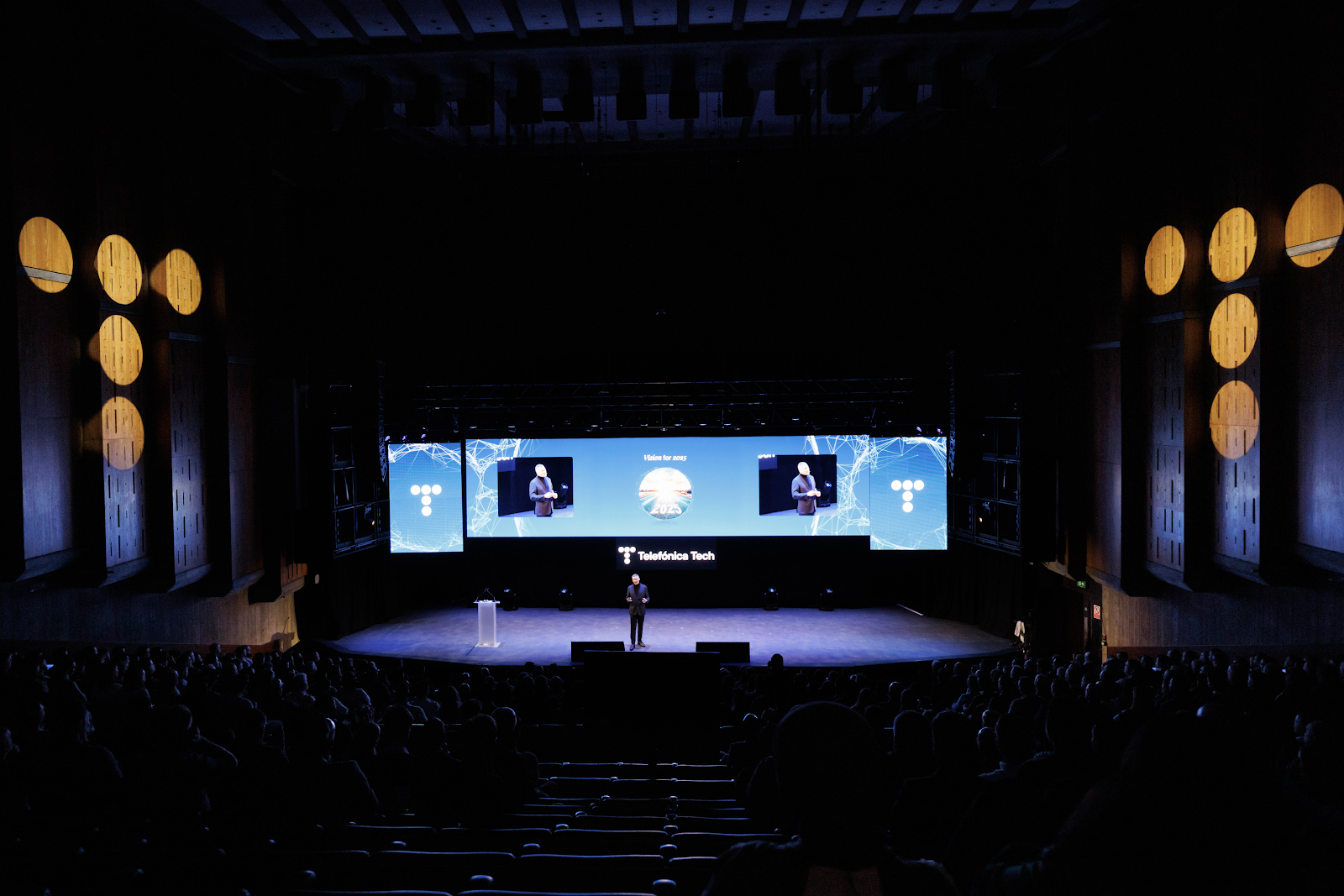
There’s something special about attending a flawlessly executed corporate event, where every detail feels considered, every moment flows seamlessly, and the atmosphere encourages genuine connection. At SEVEN, we believe that creating that kind of magic doesn’t happen by chance. It takes careful planning, expert coordination, and a creative touch, all of which you’ll find when you partner with a professional conference organiser in London.
Working with an experienced corporate conference organiser ensures your event reflects your brand’s identity while achieving tangible business outcomes, from enhanced engagement to long-term partnerships.
Whether you’re hosting a leadership summit, an industry conference, or a company-wide meeting, the right event management company in London can make the difference between a standard gathering and an unforgettable experience.
Why Work with a Professional Conference Organiser in London?
London is a hub for business and innovation, offering an incredible variety of venues, suppliers, and experiences. But with so many options, planning a corporate event here can be overwhelming. That’s where we come in. A professional conference organiser in London has the local knowledge, supplier relationships, and creative expertise to bring your vision to life, without the stress.
Choosing a professional conference organiser London-based also gives you access to the best venues, trusted vendors, and on-the-ground support that ensures your corporate event runs seamlessly.
We understand that your event is more than just a date on the calendar. It’s an opportunity to inspire your team, connect with your audience, and showcase your brand. By managing the logistics, coordinating suppliers, and ensuring every element aligns with your goals, we free you up to focus on what matters most, engaging with your attendees.
Our corporate conference organiser services go beyond logistics, we craft experiences designed to strengthen relationships, elevate brand perception, and deliver measurable ROI.
The SEVEN Approach to Event Management
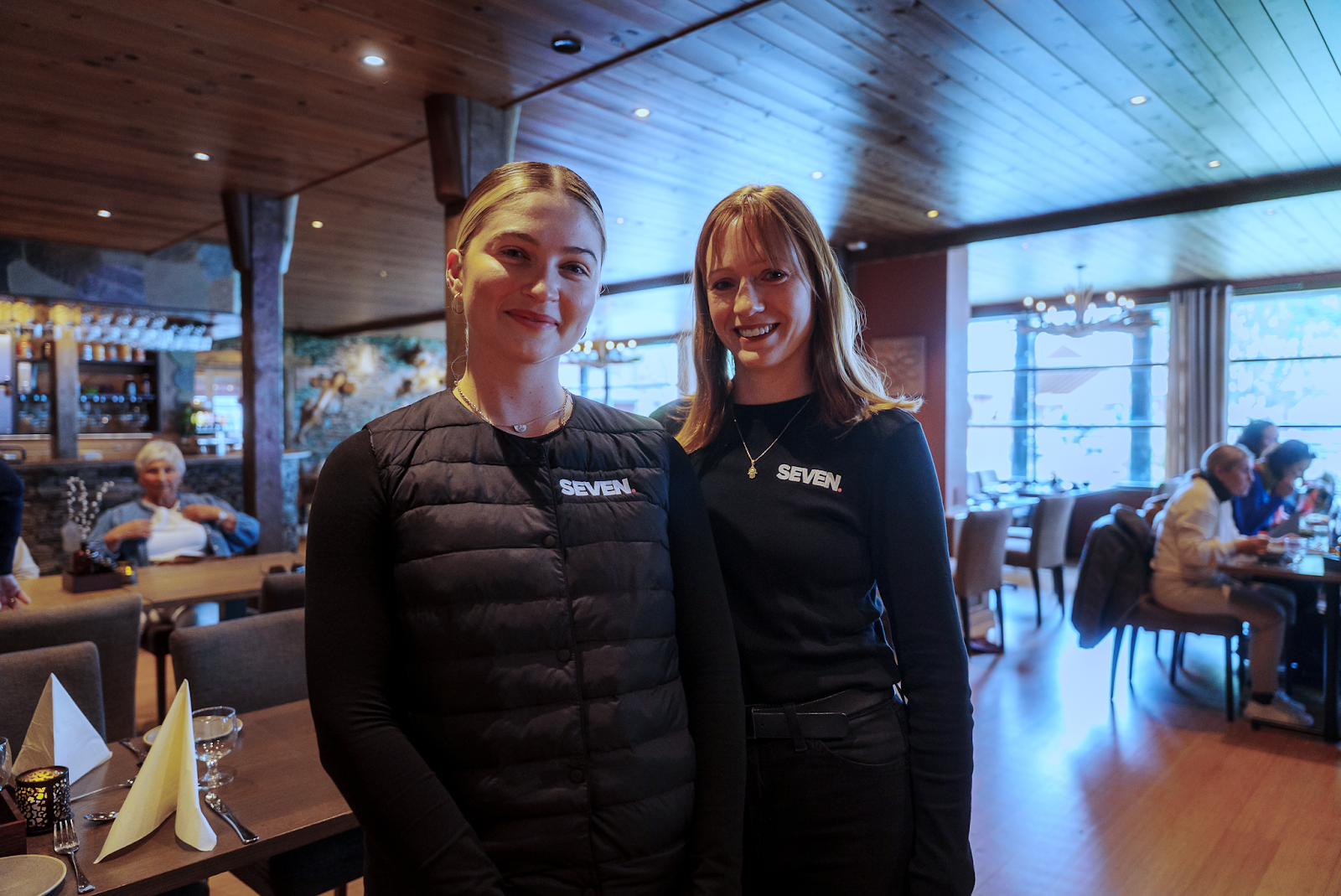
As an experienced event management company in London, we pride ourselves on delivering events that are both seamless and memorable. Our process is built on collaboration, creativity, and precision.
1. Understanding Your Objectives
We start by listening. Every corporate event has unique goals; whether that’s educating, motivating, or celebrating. We take the time to understand your vision so we can design an event that reflects your brand and achieves measurable results.
2. Venue Sourcing and Design
From historic landmarks to contemporary conference spaces, London offers a wealth of venue options. We leverage our extensive venue knowledge to find the perfect setting, then design the space to create the right atmosphere for your event.
Our experience as professional conference organisers London-wide helps us match venues not only by capacity and location but also by the tone and objectives of your event.
3. Flawless Logistics
Behind every great event is a mountain of planning. We manage timelines, supplier contracts, catering, AV production, and delegate communications, ensuring that no detail is overlooked.
4. Engaging Content and Experiences
An event isn’t just about where it happens, it’s about what happens. From keynote speakers to interactive breakout sessions, we curate engaging content that keeps your audience energised and invested.
Our team of corporate conference organisers focuses on designing engaging, agenda-led sessions that foster collaboration and innovation among attendees.
5. Onsite Management
When the big day arrives, we’re there to keep everything running smoothly. Our experienced team handles any challenges behind the scenes so you can focus on connecting with your attendees.
This hands-on management style is what makes SEVEN a trusted conference organiser London professionals recommend, we manage every moving part with precision and care.
Why SEVEN Stands Out Among Top Event Planners London
In a city full of talented planners, we’re proud to stand out as one of the top event planners London has to offer. Our clients choose us because we combine creativity with precision, delivering events that not only run smoothly but leave a lasting impression.
We see ourselves as an extension of your team, bringing fresh ideas, meticulous organisation, and a passion for creating experiences that inspire. Our role is to elevate your vision, transforming it into an event your guests will remember long after it’s over.
Partnering for Success
Planning a corporate event in London should be exciting, not stressful. When you work with SEVEN, you gain a dedicated partner who will guide you through every step of the process, from concept to completion.
If you’re ready to see how a professional conference organiser in London can transform your next corporate event, explore our full range of services here. We’d love to work with you to design an event that’s as unique and impactful as your brand.
Partnering with a professional conference organiser London-based agency ensures your event benefits from local expertise, creative execution, and seamless management, no matter the scale or complexity.
Let’s Create Something Extraordinary
Whether you’re hosting an intimate leadership retreat or a large-scale industry conference, SEVEN is here to help you deliver an experience your guests won’t forget. Get in touch at hello@sevenevents.co.uk and let’s make your next corporate event exceptional.
With SEVEN, your conference is more than just an event, it’s a reflection of your brand’s story, vision, and excellence. That’s what sets a professional conference organiser apart from the rest.
FAQs
1. What does a professional conference organiser do?
A professional conference organiser handles every aspect of your event, from planning and logistics to design and execution, ensuring everything runs smoothly and meets your objectives.
2. Why hire a conference organiser in London?
London offers endless venue and supplier options. Hiring an experienced conference organiser London-based ensures local knowledge, vendor connections, and flawless event delivery.
3. What is the difference between an event planner and a corporate conference organiser?
An event planner focuses on general coordination, while a corporate conference organiser specialises in professional and business-focused events with strategic outcomes in mind.
4. Can SEVEN manage both small and large conferences?
Yes. As one of the leading professional conference organisers London, SEVEN manages everything from intimate executive meetings to large-scale conferences.
5. How far in advance should I book a conference organiser?
Ideally, start planning 3–6 months before your event to secure the best venues, suppliers, and schedules, especially in busy London seasons.