


Category: KNOW HOW
How to Turn Your Corporate Event into a Viral Sensation
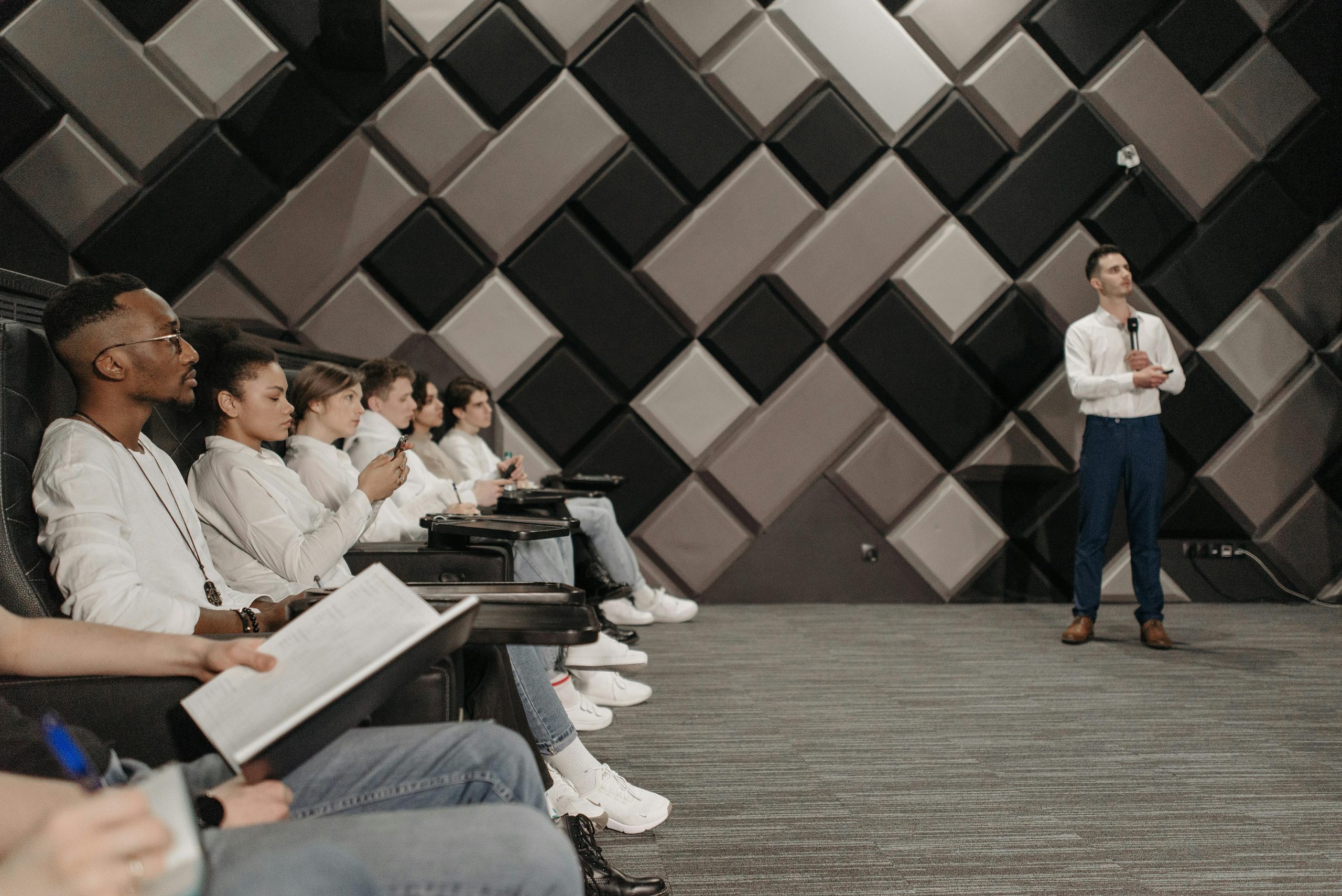
Remember that feeling of excitement when something truly captivating sweeps through your social feed? That undeniable urge to share it with everyone you know? At SEVEN, your corporate events can achieve that same electrifying buzz. Moving beyond the traditional, we’re here to show you how a savvy Corporate Event Strategy, combined with truly Creative Corporate Event Ideas, can transform your next gathering into a shareable, talked-about sensation. Forget just ticking boxes; let’s create moments that generate organic excitement and extend your event’s impact far beyond the venue walls.
What is the point of going viral?
We live in an age of a content-driven world, where remarkable experiences are shared in real time. Then, what do you need to turn a corporate event from brilliant to buzzworthy?
It’s not just about the gimmicks or hashtags. It is simply providing a service that is not unique but also impeccably timed to your audience, which they will want to discuss.
Every event can become viral at SEVEN, not only digitally but also emotionally. When individuals are truly excited, moved, or inspired, they become your most excellent ambassadors.
Start With a Strong Corporate Event Strategy
A viral event starts with a clear plan. A well-crafted corporate event strategy focuses not just on logistics but on impact.
Here’s how we approach it:
- Know your ‘why’ – What’s the core reason for your event? Team bonding? Investor confidence? Brand awareness? We begin by defining the outcome you want to achieve.
- Know your audience – Are you speaking to Gen Z creatives, C-suite decision-makers, or a mix of both? Your message, mood, and format need to speak directly to them.
- Build a narrative – Every SEVEN event has a story arc. From the first invitation to the final thank-you, we take guests on a journey that they’ll remember long after it’s over.
- Think shareable – From branded photobooths to unexpected entertainment, we design every touchpoint to be experienced and shared.
Explore our comprehensive services offering to discover how we can tailor your next event from concept to execution.
Catchy Ideas for Corporate Events
However, a million-pound budget is not always necessary to go viral; it is the originality of the idea and the bravery to implement it properly.
The following are some fun things that you can do during the corporate event, which has also worked miracles with our clients:
1. Experiential brand narration
Instead of merely telling the story about your brand, why not allow people to walk the story? We provide immersive experiences through light, sound, and storytelling to help put your guests inside your world – think branded escape rooms, immersive dining experiences, or interactive experiences.
2. Surprise-and-delight entertainment
Consider flash mobs in business attire, the appearance of famous faces, or a jazz band that explodes into a DJ. The sweetest events are those that no one anticipates—and it is they that everybody owns.
3. Hands-on workshops
Encourage guests to transform into creators rather than mere viewers. They bring and interact well, so why not use cocktail masterclasses, design-your-own swag stations, or creative brainstorming booths as photo opportunities?
4. Intelligence Tech adoptions
Don’t want to lose your audience? Try digital graffiti walls, 360-degree video booths, or live feeds of social media, where everyone can see them in action. Not only glamorous but practical as well.
Corporate Event Venues in London That Elevate Your Brand
There is no possibility of making the conversation about memorable events without a setting. The correct atmosphere not only accommodates your gathering; it amplifies your message.
If there is one thing SEVEN has done over the years, it is to research the finest corporate event spaces available within London, and this is what we have found out:
- Historic yet quirky – Places such as the Natural History Museum or Somerset House are grand and awe-inspiring, with lots of Instagrammable spots.
- Blank canvases Want to have complete freedom in the creation? Places such as Tobacco Dock or Studio Spaces provide you with a blank canvas to bring any idea to life.
- Skyline stunners – Skyline selfies or simply posing glamorously on the rooftop of the Gherkin or Sea containers will never disappoint.
- Surprise finds – from warehouse-like breweries to secret garden courtyards, we’re excited to discover lesser-known venues that make your event a privilege.
Wondering how to go about it? We have a team of highly trained location specialists who can pinpoint the ideal spot to ensure your event, brand, and visitors all work together seamlessly.
Don’t Forget the Digital Layer
To go viral properly, the event must have a digital engine in the background.
This is what we suggest:
- Design a special hashtag for the event- ensure it is catchy, concise, and easy to remember.
- Bring in a wandering content crew – Get access to authentic moments and broadcast them in real-time.
- Reward user-generated content – Provide rewards, such as prizes for the most liked photo or post.
- Stream special moments- Live-stream so that those who did not attend would feel that they participated.
And when it’s all over? The buzz that you feel should not die out. Keep the conversation going by using highlight reels, testimonials, and post-event content.
Final Thoughts- Come and Make it Memorable
We do not merely stage corporate events at SEVEN; we craft moments that break the talk, are shared, and are remembered. Whatever you have in mind, we can make it extra special, whether it’s a small launch or a celebration that spans the whole city.
Ready to go viral for all the right reasons? Get in touch at hello@sevenevents.co.uk and let’s start building your event story.
The Power of Cross-Departmental Collaboration in Live Events & Incentives

Why Cross-Departmental Working Matters
The recipe of a successful event or incentive lies in the seamless experience delivered to attendees/guests, something that can only be achieved when all parties involved understand how their work impacts others. The marketing team needs real-time updates from the production team to promote accurate speaker schedules or venue changes, for example, and the oversees DMC must communicate with project managers if menus change or if here will be local events that may affect transfer times etc.
At SEVEN we understand that without this kind of integrated approach, future difficulties or misalignments may arise. You might see a speaker promoted who later cancels, or a hybrid stream that fails due to overlooked tech needs or a dietary requirement not being catered for. These may seem minor, however, aren’t small issues on the day as they reduce the effectiveness and professionalism of the event or trip.
Cross-departmental working allows teams to anticipate, discuss and identify potential challenges earlier, create contingency plans and ensure everyone’s on the same page.
Key Benefits of Collaborative Culture
- Better Attendee/Guest Experience
- Improved Problem Solving
- Faster Decision Making
- Stronger Event ROI
The Role of Collaboration in Successful Incentive Trips
Incentive trips with SEVEN often involve travel to international destinations, high-end hospitality, and carefully curated activities — all designed to leave a lasting impression. But their success hinges on meticulous planning and flawless execution, which can only be achieved through tight collaboration and clear communication across all parties.
The global nature of many incentive trips means working with international partners — including local destination management companies (DMCs), hotels, transport providers, and activity hosts — is essential. Our partners bring local expertise, cultural insight, and logistical know-how, which are of the upmost importance for tailoring a seamless experience for guests.
To make the trip truly seamless, at SEVEN we recognise that early and ongoing communication is vital. From aligning on guest preferences and dietary needs to understanding visa requirements and local regulations, no detail can be afforded to be overlooked. Miscommunication or solo planning can quickly lead to frustration, missed detail and result in underwhelming experiences — which, in the context of an incentive trip, can water down the value and overall reward factor of the trip.
Cross-departmental collaboration also plays a key role. Sales, operations, and events teams must work in tandem to define objectives, manage budgets, select venues, and communicate with attendees/guests — all while ensuring that the experience reflects the clients’ values and goals.
When internal teams and international partners collaborate effectively, incentive trips become more than just a reward — they become unforgettable, high-impact experiences that drive loyalty, performance, and brand pride. With our incentive travel service we will work closely with you to design a bespoke incentive travel itinerary that aligns with your company culture, goals, budget and vision. At SEVEN, we don’t just book trips; we craft unforgettable experiences.
Benefits of Collaboration in Live Events & Incentive Trips
Collaboration in incentive travel is more than just a logistical requirement, it directly shapes the impact of the experience. A unified event team collaboration helps avoid conflicting messages, reduces budget waste, and ensures that every detail contributes to the overall success. This integrated event planning strategy also strengthens long-term relationships with clients and partners, leading to repeat business and stronger brand reputation.
Key Challenges & How to Overcome Them
Even the most well-structured plans face hurdles. Common challenges include unclear communication, siloed planning, or over-reliance on one department. When departments work in isolation, small oversights can create larger failures. To overcome this, teams should implement collaboration team building activities, regular alignment calls, and transparent reporting structures. Using tools that integrate project management, scheduling, and live updates ensures that no detail slips through the cracks.
Best Practices for Successful Cross-Departmental Collaboration
Successful collaboration in incentive travel relies on adopting best practices such as early planning, frequent status updates, and cross-functional workshops. For social media live events, coordination between the marketing and production teams ensures real-time updates are accurate and engaging. Establishing shared goals, defining roles clearly, and leveraging technology for instant updates are all part of a robust integrated event planning strategy.
Final Thoughts
In the high-stakes environment of live events and international incentive trips, SEVEN believe no department should be an island. Cross-departmental working is no longer a nice-to-have — it’s a necessity for delivering cohesive, engaging, and successful experiences. By aligning goals, fostering good communication, and embracing international collaboration, event teams can navigate the complexities of the modern landscape in events and travel and deliver, every time.
We would love to work with you on your next event or incentive, so get in touch and one of our team members will be in contact with you soon.
FAQ Section
1. What is cross-departmental collaboration in live events?
Cross-departmental collaboration in live events refers to the seamless teamwork between different departments, from marketing to production to logistics, ensuring that every aspect of the event contributes to a unified guest experience.
2. Which tools support effective event collaboration?
Project management platforms, real-time communication apps, and integrated event planning strategy tools such as Asana, Trello, or Slack are commonly used. These help track tasks, provide live updates, and improve event team collaboration across departments.
3. What challenges arise when departments work in isolation?
When teams work in silos, it often leads to miscommunication, duplication of tasks, overlooked details, and missed opportunities. This can directly affect collaboration in incentive travel or live events, ultimately reducing guest satisfaction and event ROI.
4. How can teams improve communication in event planning?
Teams can improve communication by scheduling regular alignment meetings, using collaborative project tools, and engaging in collaboration team building activities. This proactive approach ensures smoother workflows, transparency, and stronger outcomes for both live events and incentive trips.
Busting the Biggest Myths About Event Agencies – What You Really Need to Know!

Why These Myths Persist
Misconceptions about corporate event agencies often arise from past experiences or outdated information. People assume that all agencies work the same way or that the events they manage are the same. Additionally, some individuals equate event agencies with just fancy décor and flowers, underestimating the wide range of services they provide. The myths often persist due to a lack of knowledge about the complexity of event planning and the true scope of services offered by corporate event agencies. Once you understand the real benefits of event agencies, it becomes clear how much value they bring to the table.
Myth #1: “Hiring an Event Agency is Too Expensive”
The Truth:
While it’s true that event agencies charge for their services, the belief that they’re prohibitively expensive is often misguided. In reality, an experienced event agency like SEVEN can actually save you money. We have established relationships with vendors, venues, and suppliers, often securing better rates and packages than a private individual or company could get on their own. Additionally, our expertise can prevent costly mistakes, last-minute fees, or logistical nightmares that end up eating into your budget.
Think of it this way: you’re not just paying for their time, you’re investing in their knowledge, experience, and network.
Myth #2: “I Can Plan My Own Event Just as Well”
The Truth:
Sure, many people can put together a birthday party or small social gathering, but orchestrating a corporate event, incentive, or large conference is a whole different game. Event planning is a full-time job involving budgeting, supplier negotiations, timeline coordination, risk management, contingency planning, and often, regulatory compliance. We bring systems, processes, and a team of specialists that can handle everything from logistics and permits to entertainment and decor. We know how to respond to challenges before they even arise, something that only often comes with experience
Myth #3: “Event Agencies Just Do Decorations”
The Truth:
While visuals are a key element of any successful event, design is only one piece of the puzzle. We handle a wide range of responsibilities, including:
- Venue sourcing and booking
- Supplier selection and management
- Budget planning
- Audio-visual setup and technical coordination
- Guest list management and ticketing
- Logistics, transportation, and on-site execution
- Health and safety planning
In essence, we’re project managers, creative directors, troubleshooters, and execution experts all rolled into one.
Myth #4: “They Don’t Understand My Brand or Vision”
The Truth:
One of the first steps SEVEN as an agency take, is a discovery session where they immerse themselves in your brand, your goals, and your audience. We don’t just want to throw a party, we want to create an experience that reflects who you are and what you stand for.
Good event professionals are great listeners and collaborators. Our job is not to impose our style, but to bring your vision to life in the most seamless and impactful way possible.
Myth #5: “They’ll Just Do What I Tell Them, So Why Not Hire Internally?”
The Truth:
We don’t just follow orders; we add value through strategic input and creative direction. A good agency doesn’t wait for instructions; they anticipate needs, suggest enhancements, and align your event with your brand or personal vision. We also bring fresh, unbiased perspectives and are up-to-date with the latest trends in event tech, design, and guest engagement.
Hiring internally often puts the burden on employees who may lack experience or already have full workloads. This can lead to burnout, missed details, or underwhelming results.
Here’s the Bottom Line
Event agencies are more than just middlemen or decorators, we’re skilled professionals who bring value, creativity, and efficiency to your events. In today’s fast-paced world, where expectations are high and margins for error are slim, having an expert by your side can mean the difference between a stressful gathering and a standout success.
Next time you’re planning an event, large or small, don’t let these myths steer you away from professional support. Instead, get in touch with us today and let us help you bring you vision to reality.
FAQ Section
1. Is hiring an event agency always expensive?
Not necessarily. While event agencies do charge for their services, they can often save you money by leveraging their network and securing better vendor rates. Additionally, they prevent costly mistakes that could arise from poor planning.
2. Do agencies only do decorations?
No. While design is important, event agencies handle much more than just decor. They manage everything from venue booking and supplier management to logistics, transportation, and on-site execution.
3. Will agencies understand my brand?
Yes. SEVEN work closely with clients to understand their brand, goals, and audience. They collaborate with you to ensure the event reflects your vision, making it both seamless and impactful.
4. Why use an agency instead of internal staff?
Event agencies bring expertise, creativity, and efficiency that internal teams may lack, especially when balancing other responsibilities. They can offer fresh perspectives, mitigate risks, and ensure every detail is covered for a successful event.
How Storytelling Enhances Corporate Messaging at Events by SEVEN

In today’s fast-paced, content-saturated world, capturing and retaining attention at corporate events is no easy task. Businesses are increasingly turning to a timeless and powerful tool to stand out: storytelling. At SEVEN, we believe when used effectively, storytelling in corporate communication can transform an ordinary presentation into an unforgettable experience, forging deeper connections between a brand and its audience.
The Importance of Storytelling in a Corporate Context
Storytelling is as old as civilisation itself. From ancient cave paintings to modern TED Talks, stories have always been a primary way for humans to make sense of the world. In a corporate setting, storytelling has evolved into a strategic communication tool, offering a way to humanise brands, clarify complex messages, and inspire action.
The importance of storytelling in the corporate world lies in its ability to resonate emotionally with audiences. At SEVEN we say that facts and figures may inform, but stories engage. By weaving data and key messages into compelling narratives, companies can make their ideas more memorable and impactful. This is especially critical at events, where audiences are often bombarded with information and can quickly lose interest if not emotionally engaged.
What Is Corporate Storytelling?
Corporate storytelling refers to the practice of using narrative techniques to convey a company’s mission, values, goals, or achievements. It’s not about fabricating fiction, but about presenting real facts, people, and experiences in a narrative format that audiences can relate to. A good corporate story might showcase a customer success journey, the company’s founding vision, or how a product changed lives.
At events—whether they’re product launches, internal conferences, investor meetings, or industry expos—corporate storytelling becomes especially potent. It helps break down the “corporate” wall and lets attendees see the human side of an organisation. This emotional connection can lead to greater trust, loyalty, and engagement.
Storytelling in Corporate Communication at Events
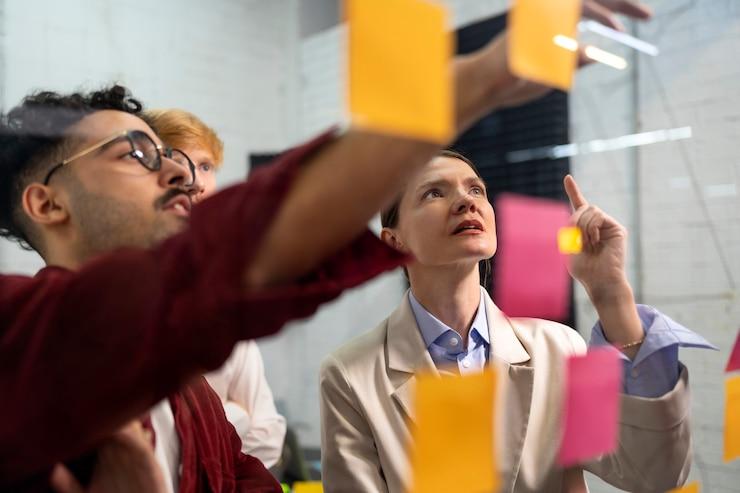
When integrated into live events, storytelling in corporate communication does more than entertain—it informs and inspires. At SEVEN we’ve listed several ways storytelling can enhance corporate messaging at events:
1. Setting the Tone and Vision
Opening an event with a powerful story can set the emotional tone for the entire experience. Rather than diving straight into bullet points and sales figures, consider sharing the company’s origin story, or a customer journey that reflects the company’s mission. This narrative sets a framework through which all other content can be understood.
2. Making Data Meaningful
Events are often loaded with statistics and technical details. While important, this information can be dry. Storytelling gives data context. For example, instead of stating, “Our software reduced costs by 30%,” a company might tell the story of a client who overcame a significant challenge using their product, leading to a dramatic turnaround. Suddenly, the numbers have life and meaning.
3. Highlighting Real People
Incorporating real voices—employees, clients, or community members—into corporate storytelling adds authenticity. Videos, live testimonials, or even short vignettes can help humanise the brand and create a relatable, trustworthy image.
4. Creating a Cohesive Narrative
Events often feature multiple speakers, sessions, and topics. Without a clear narrative thread, these can feel disjointed. Storytelling offers a way to tie all elements together under a unifying theme or message. Whether it’s innovation, resilience, or transformation, a central story arc ensures that every element of the event contributes to a cohesive whole.
5. Encouraging Audience Participation
Great stories invite the audience to see themselves in the narrative. Interactive storytelling—through live polls, Q&A sessions, or immersive technology—can make attendees feel like active participants in the story. This not only boosts engagement but also reinforces the message in a memorable way.
The Lasting Impact of Event Storytelling
One of the most valuable benefits of incorporating storytelling into corporate messaging at events is its longevity. A well-told story can echo far beyond the event itself. Attendees are more likely to share stories with their networks, recall them weeks later, and align themselves emotionally with the brand.
Moreover, stories can be repurposed across various platforms—from post-event emails and social media campaigns to investor reports and internal communications—maximising the return on investment.

Best Practices for Effective Corporate Storytelling
To leverage storytelling effectively at events, consider the following best practices:
- Know Your Audience: Tailor the story to the interests, values, and expectations of your attendees.
- Be Authentic: Real stories resonate more than polished marketing messages. Avoid overproduction or exaggeration.
- Use Visuals and Media: Support your narrative with engaging visuals, video clips, or audio to enrich the storytelling experience.
- Practice Delivery: A great story poorly told can fall flat. Rehearse the delivery to ensure confidence and clarity.
- End with Purpose: Every story should support your event’s objective—whether that’s inspiring change, launching a product, or rallying a team.
In an age where attention is fleeting and competition for it is fierce, we believe the importance of storytelling in corporate communication cannot be overstated.
At events, corporate storytelling is a game-changer—transforming information into inspiration and messages into memorable experiences. By placing storytelling at the heart of event strategy, companies can connect more deeply, communicate more clearly, and leave a lasting impression that endures long after the lights go down.
If you’re looking to add storytelling for your next event, SEVEN can help deliver an impactful message and storytelling. Just contact us on hello@sevenevents.co.uk
Our strategy from brief to reality

Starting with the ‘Why?’
Your Account Director is often the first person you’ll speak to when discussing your brief. But this role goes far beyond simply receiving information — we’re here to uncover the why behind your event. What is the real purpose? Where do you want to position your brand? What are you hoping your audience will feel, think, and do? These are all integral pieces of the puzzle. Having these key conversations early on, with someone who truly understands your brand and market, enables us to build a complete picture of your goals. From there, we can respond with a concept that doesn’t just tick boxes, but creates real, measurable impact.

Bringing Creativity to Your Objectives
The Account Director acts as the bridge between your business objectives and our creative team. We translate your brief into something actionable, aligned, and inspiring. By connecting the creative, production, and logistics teams from the outset, we ensure that the final idea is rooted in strategy and executed flawlessly. A collaborative brainstorm session with all stakeholders ensures every voice is heard — promoting alignment, clarity, and collective understanding. This integrated approach helps us push boundaries while staying anchored to what matters most: your objectives.
We Plan for Impact
At SEVEN, we understand that audiences engage in different ways — so we don’t take a one-size-fits-all approach. We strategically use insights into your brand, audience behaviours, and wider industry trends to shape how we deliver your message. From how we structure your narrative to the formats we choose, everything is considered with purpose. Whether it’s through immersive environments, compelling speaker content, or cutting-edge tech, we tailor our decisions to drive engagement and deliver lasting impressions.
The Role of the Account Director
This role is pivotal. Your Account Director helps connect your event to broader business goals, ensuring that every decision is made with intention. It’s not just about how it looks — it’s about what your event needs to do. We represent your interests internally, embedding your brand values, tone of voice, and core goals into every aspect of the experience. We protect your vision and maintain focus across every department, ensuring that all elements feed into a cohesive strategy. In short, we act as your compass — guiding the team and project towards meaningful results.
Building on Our Relationship and Knowledge
At SEVEN, we love working with our clients to build strong, long-term partnerships. We don’t treat events as one-off’s — we view them as strategic milestones in a much bigger brand journey. Trust is the foundation of everything we do. That means delivering consistent value, showing up when it counts, and becoming a true extension of your team. We’re here for the late nights, the last-minute changes, and the unpredictable moments — not just the highlights. Our goal is always to support, solve, and scale with you as your needs evolve.
The Finished Result
This is the part we live for — the moment where all the strategy, creativity, and collaboration come together. From initial brief to final execution, we’ve journeyed with you to create something that resonates: an impactful learning experience for your audience, and a clear, confident expression of your brand’s story, message, and values. Watching your brand come to life in front of an engaged, inspired audience is the ultimate reward.
At SEVEN, we know that every idea, every team member, and every brand is unique. Our strategic, insight-led approach means we deliver meaningful narratives, immersive experiences, and tangible business results.
Get in touch — we’d love to show you how we collaborate to design an event strategy that elevates your brand, deepens engagement, and delivers true value.
How new technology is transforming events – and why it matters for your guests

Personalisation powered by AI
No two guests are the same — and now, thanks to artificial intelligence, events don’t have to be either. AI is giving us the tools to tailor every touchpoint of an event — from personalised agendas and content recommendations to intelligent networking and feedback systems.
At SEVEN, we’ve embraced this technology to help our clients create more meaningful engagement. Picture this: a delegate walks into your event and receives a personalised agenda on their phone, curated to their role, industry, and interests. Or imagine an AI-powered networking tool that connects them with other attendees they’re most likely to engage with. It’s thoughtful, tailored, and leaves guests feeling as though the event was designed just for them.
And for international audiences, real-time translation and multilingual content can make all the difference in creating an inclusive and engaging experience.

LED screens that leave a lasting impression
Gone are the days of blurry projectors and dimly lit presentations. LED screens are redefining the visual language of events — and we couldn’t be more thrilled. These ultra-bright, high-definition displays can transform a space, create unforgettable focal points, and immerse your audience in your brand.
We’ve used LED screens to completely reimagine event environments. From huge wraparound video walls that react to what’s happening on stage, to modular screens arranged in creative shapes and formations — the possibilities are endless. One of our recent clients wanted a bold centrepiece — we built a custom LED cube tunnel that wowed guests the moment they arrived. The photos alone were worth it!
LED technology is also incredibly versatile, scaling beautifully for everything from intimate board meetings to arena-sized conferences. And because they’re so vibrant and clear, they perform brilliantly even in well-lit venues.
At SEVEN, we partner with trusted AV suppliers to ensure your content shines and your messaging lands exactly as you intend. And with our full-service event offering, we’ll handle all the tech planning and coordination — so you can focus on delivering the moment. Explore our services.
Virtual reality & immersive experiences
Want to really wow your audience? Step into the world of virtual and augmented reality. Immersive technology is helping brands tell their stories in ways that were unthinkable just a few years ago — by inviting guests to experience them first-hand.
Augmented reality is another brilliant tool we’re seeing used more frequently. Think 3D product models appearing on a guest’s phone during a live presentation, or interactive scavenger hunts across the venue floor. It’s not just fun — it creates moments people remember.
Smart event data
Behind every seamless event is a treasure trove of data — and when used wisely, it’s a game-changer. Event tech now gives us the tools to track everything from guest engagement and session popularity to dwell times at exhibition stands.
But we don’t just collect data for the sake of it. At SEVEN, we use it to refine and enhance future events. Want to know which speaker resonated the most? Curious about which breakouts were best attended? We can tell you — and we’ll use those insights to shape a sharper, more impactful event next time.
Seamless guest experiences
Of course, even the most cutting-edge technology needs to feel effortless for your guests. That’s where thoughtful UX comes in — from digital invitations and app-based agendas to QR check-ins and touchless registration. These small touches make a big difference.
We’ve seen clients win huge praise for introducing smart tech such as app-based live voting, digital feedback forms, and real-time social feeds displayed on LED walls. It’s about meeting people where they are — on their phones, in the moment — and making it easy for them to engage.
The future of events is here — and we’re just getting started
At SEVEN, we’re always looking ahead. Whether it’s AI-powered personalisation, LED showstoppers or immersive VR journeys, we’re constantly exploring the best ways to use technology to bring your audience closer to your story.
With our full-service event offering, we’ll work with you to design an experience that’s bold, connected, and perfectly aligned to your goals. We don’t believe in one-size-fits-all—and neither should you.
So, if you’re ready to take your event to the next level, let’s talk.
Get in touch with us at hello@sevenevents.co.uk – we’d love to help you create something spectacular.
The Art of Brand Storytelling: How to Do It Right

At SEVEN, we know that the best brands don’t just sell products or services – they tell powerful stories. Brand storytelling is about creating a deep emotional connection with your audience, making them feel like part of your journey. But how do you get it right?
What is Brand Storytelling?
Brand storytelling is more than just marketing – it’s about crafting a compelling narrative that aligns with your values and resonates with your audience. Whether you’re launching a new product, hosting an event, or simply refining your brand voice, building a story brand helps create a strong, consistent identity.
By weaving together your brand’s history, mission, and values, you create a relatable and memorable experience for your customers. It’s about moving beyond facts and figures to deliver stories that inspire, engage, and ultimately drive action.
The Key Elements of a Great Brand Story
1. Know Your Audience
Before you start crafting your story, you need to understand who you’re speaking to. What motivates them? What challenges do they face? How can your brand be part of their journey? Audience insight is crucial to making your storytelling authentic and impactful.
2. Define Your Brand’s Core Message
Every great story has a central theme. What is the heart of your brand’s story? Is it innovation, empowerment, sustainability, or transformation? Defining your message ensures that every piece of content aligns with your overarching brand narrative.
3. Make It Personal and Authentic
People connect with people – not just logos and taglines. Share real stories from your team, clients, or even behind-the-scenes moments that showcase your brand’s values in action. Authenticity is key to building trust and loyalty.
4. Create a Strong Emotional Connection
The most memorable brand stories evoke emotion. Whether it’s excitement, nostalgia, or inspiration, tapping into emotions helps create a lasting bond between your brand and your audience.
5. Keep It Consistent Across All Channels
A strong brand story should be woven into every touchpoint – from your website and social media to your events and client interactions. Consistency in tone, visuals, and messaging ensures a seamless experience for your audience.
Content Creation Planning: Bringing Your Brand Story to Life
Once you have a clear brand story, it’s time to bring it to life through strategic content creation planning.
- Use multiple formats – Blogs, videos, social media posts, and live events all offer unique ways to showcase your brand story.
- Engage your audience – Encourage interaction through storytelling campaigns, user-generated content, and immersive brand experiences.
- Measure success – Track engagement, conversions, and brand sentiment to refine your storytelling approach over time.
At SEVEN, we help brands craft compelling narratives that resonate. From live experiences to digital content, our expertise ensures that your brand story is not just heard – but felt. Discover more about our services here.
Let’s Tell Your Story Together
Great storytelling can transform the way people connect with your brand. Whether you’re looking to elevate your next event, build stronger client relationships, or create a lasting impact, SEVEN is here to help.
Ready to craft a story that inspires? Get in touch at hello@sevenevents.co.uk – let’s bring your brand story to life!
How to Optimise and Measure Event ROI

How to Optimise an Event’s ROI?
That’s why ROI event management is a big part of our work. We make sure every event we deliver is exciting and memorable and achieves clear results. To improve corporate event ROI, we align strategy, creative, delivery, and reporting around measurable outcomes.
When you plan with purpose, it’s easier to show the return on investment, and that’s what helps our clients keep growing and making an impact. If you’re wondering how to measure event ROI, the key is to define success early and track the right event ROI metrics throughout the journey.
Set clear goals from the very beginning
If you want to get real value from your event, it’s important to set clear goals right at the start. Clear goals make it easier to measure event ROI later, because you’ll know exactly what success looks like.
Your goals might be things like generating new leads, motivating your team, engaging key stakeholders, building brand awareness, or even educating your audience. These outcomes can be translated into measurable event ROI metrics, like qualified leads, pipeline influenced, attendance rate, dwell time, NPS, and post-event actions.
Our team at SEVEN asks the right questions and works with you to turn your goals into clear, measurable outcomes. A key part of how we approach ROI in event management is by making sure every event has a clear purpose and delivers real results. This is the foundation of measuring event ROI in a way that stakeholders can trust.
Take a look at our full service offering to see how we can support you in planning a goal-driven event that makes an impact.
Know your audience and create customised experiences
We believe a one-size-fits-all approach doesn’t cut it in a competitive market like today. Personalised experiences are far more engaging and leave a bigger impact. That could mean choosing the right content or creating breakout sessions that spark real interest. Higher relevance typically improves events ROI by increasing engagement and action rates.
We often use pre-event surveys, data from past events, and behavioural insights to get a clear picture of what your guests expect. This helps us design an event that feels relevant and meaningful, which in turn boosts the overall return on investment. These pre-event insights also support measuring event ROI, because you can compare expectations vs outcomes and identify what drove results.
Design with purpose and impact
Great design can help tell your story, build your brand, and boost engagement – all of which play a big part in improving event ROI. Design-led engagement is one of the most overlooked event ROI metrics, because it influences attention, recall, and action.
Our in-house creative team are experts at designing immersive, branded experiences that bring your message to life and leave a lasting impression. One of our recent projects is a great example of this.
A client came to us looking for a fresh creative partner to support their week-long hackathon. The brief was to transform a traditional hotel event space at Sopwell House into an inspiring, high-energy workspace for eight teams of hackers to solve real business challenges.
The event theme – “turning what if, into why not” – was central to everything. We developed a full event identity around that idea and applied it to every part of the guest journey.
To bring this vision to life, we reimagined the entire hotel space. We built bespoke branded walls, added new carpets, and installed a 5ft neon light feature to give it that cutting-edge, Silicon Valley feel. Each team was given their own hacking zone, with individual Surface Hubs to support collaboration and creativity.
We also thought about the human side. To keep energy levels high, we included barista coffee, retro games, massages, pizza nights and wine tasting. Everything was carefully designed to deliver results. And it worked. The space not only looked impressive but helped the teams stay focused, creative and inspired all week long.
Engage your audience throughout the journey
Every stage plays a role in delivering a meaningful experience and improving ROI event management. A full-funnel approach also makes it easier to measure event ROI because you can track engagement and actions at each stage.
Building excitement before the event, creating smooth and engaging moments during, and following up afterwards are all key to making sure your message lands and lasts. This journey mapping directly supports measuring event ROI by linking pre-event interest, onsite engagement, and post-event outcomes.
One of our favourite examples of this was with TravelUp as part of their bold “Up Yours” campaign. They wanted to give London commuters a taste of Florida right in the middle of winter. We delivered a brilliant brand activation at Waterloo Station that brought the sunshine to the city.
We designed and built an immersive Florida beach experience, complete with a virtual reality journey through the state’s highlights. We even recreated the warmth with mounted heaters and beach-inspired visuals.
This led to high foot traffic, real brand engagement, and glowing feedback from the client:
“We are extremely happy with how everything went. We can’t fault the execution of the design and build and your professional organisation of the whole event.”
This kind of creative thinking and attention to the full delegate journey is exactly what makes ROI event management at SEVEN so impactful. It also strengthens corporate event ROI by increasing brand recall, sentiment, and conversion intent.
Measure what matters
Our team understands that event ROI means something different for every client. That’s why we focus on measuring what really matters to you and your business. This is the core of measuring event ROI: choosing KPIs that match your goals, not vanity metrics.
We believe that when you measure the right things, it’s easier to prove success and make smarter decisions for future events. That’s why ROI in event management is about understanding the bigger picture. If you’re looking for how to measure event ROI, start by selecting a small set of event ROI metrics that reflect both engagement and outcomes.
After every event, we provide detailed post-event reports that show what worked well and where there’s room to grow. We use a mix of tools and technology to capture data and give you real insights. This reporting supports events ROI by showing performance against targets, insights by audience segment, and recommendations to improve future results.
How to Measure Event ROI: A Simple Formula and Key Event ROI Metrics
If you’re asking “how to measure event ROI,” start by connecting your event goals to clear outcomes, then assign a value to those outcomes. A simple way to begin measuring event ROI is to calculate the return using: ROI (%) = (Event Value − Event Cost) ÷ Event Cost × 100. This answers the question of how to calculate event ROI in a straightforward, stakeholder-friendly way.
To measure event ROI accurately, you’ll also want to track event ROI metrics that show both engagement and business impact. Depending on your goals, this can include:
- Leads generated and lead-to-opportunity rate (pipeline influenced)
- Attendance rate, dwell time, and session participation
- Onsite engagement (scans, QR interactions, demos, content downloads)
- Post-event conversions (meetings booked, proposals requested, sales closed)
- Brand metrics (NPS, sentiment, share of voice, recall from surveys)
For corporate event ROI, the most valuable metrics are often those tied to revenue impact (pipeline or sales), customer retention, and stakeholder engagement. When you combine these KPIs with consistent reporting, measuring event ROI becomes repeatable and scalable across future events.
Let SEVEN Help You Plan with Purpose
Every event starts with an idea, and at SEVEN, we’re here to turn that idea into something extraordinary. With our expertise in ROI in event management, we help our clients plan with purpose and achieve real results. From strategy to delivery, we help you measure event ROI and demonstrate value to stakeholders.
Our approach is always strategic. We consider every touchpoint, every moment, and every decision through the lens of value, making sure your event doesn’t just look great but works hard for your brand and your audience. This is how we consistently improve corporate event ROI, by making every decision measurable and outcome-driven.
Take a look at our full service offering to see how we can help you get the most out of your next event.
Reach out to our team at hello@sevenevents.co.uk and let’s talk about how we can help you maximise your event ROI.
FAQs
What is event ROI?
Event ROI (Return on Investment) measures the value an event delivers compared to its total cost. It helps businesses understand whether an event achieved its objectives, such as lead generation, brand engagement, or revenue impact. At SEVEN Events, we help clients define clear success criteria from the outset so every event delivers measurable value. Speak to SEVEN Events to plan events with clear, measurable ROI.
How do you calculate event ROI?
A simple way to calculate event ROI is:
ROI (%) = (Event Value − Event Cost) ÷ Event Cost × 100
This formula helps quantify the financial and strategic impact of your event. SEVEN Events supports clients with data tracking, reporting, and insight-led evaluation to ensure your investment delivers real results. Get in touch to learn how we measure and maximise your event ROI.
What are the most important event ROI metrics?
Key event ROI metrics can include leads generated, pipeline influenced, attendance rate, engagement levels, post-event conversions, NPS, and brand sentiment. The right metrics depend on your event’s objectives.
At SEVEN Events, we align measurement frameworks with your business goals to ensure meaningful insights. Talk to our team about building an ROI strategy for your next event.
Why is measuring event ROI important for corporate events?
Measuring corporate event ROI helps businesses justify budgets, demonstrate value to stakeholders, and make informed decisions for future events. It ensures events are aligned with broader business goals.
What’s the difference between event ROI and corporate event ROI?
Event ROI applies to all types of events, while corporate event ROI focuses specifically on business outcomes such as revenue impact, employee engagement, client retention, and brand growth.
Can event ROI include non-financial results?
Yes. Event ROI can include non-financial outcomes such as brand awareness, engagement, sentiment, and relationship-building, as long as these are measured using clear, agreed KPIs. Speak to SEVEN Events to build an ROI framework that goes beyond just revenue.
Behind the Scenes: What Event Planners Really Do

The Dream Begins: Understanding Your Vision
The first thing we do when working with a client is listen – really listen. Understanding your vision is our top priority. We want to know what your goals are, how you want people to feel, and what message you want to convey. This initial meeting is a crucial first step in shaping the event to match your brand, values, and style.
We’ll dive into the details: What’s the theme? What’s the vibe? Are there any must-haves or absolute no-go’s? The more we know about your expectations, the better we can help turn your ideas into reality. At SEVEN, we believe in creating events that reflect your brand and make a lasting impression.
Behind the scenes event planning starts long before venues are booked or suppliers are contacted. It begins with strategy, psychology, and brand alignment, understanding not just what the event looks like, but what it’s meant to achieve. This is where modern event planning becomes experience design, not just logistics.

Creating the Blueprint: Planning Every Detail
Once we have a clear picture of your vision, the next step is the heavy lifting – planning! Think of it like creating the roadmap for a road trip; we map out every route, every stop, and every moment to ensure your event goes off without a hitch.
This phase involves a lot of coordination – from securing the perfect venue, booking vendors and suppliers, to designing the layout and handling logistics. At SEVEN, we use our extensive network to work with the best professionals in the business. We’re passionate about building relationships with trusted suppliers, which means we can confidently hand-pick the best talent for your event.
We focus on the small details that will have a big impact. We think about the seating arrangements, décor, lighting, and sound – all the elements that contribute to the atmosphere of your event. Our goal is to create an experience that engages all the senses and keeps guests talking long after the event has ended.
This is where true behind the scenes events work happens, translating ideas into structured execution.
Behind the scenes event planning typically includes:
- Strategic timelines and delivery frameworks
- Venue feasibility analysis
- Guest journey mapping
- Supplier coordination systems
- Technical production planning
- Experience flow design
- Risk management and contingency planning
This stage defines what people often ask: what event planners do, and the answer is far more than organising. It’s operational design, brand storytelling, and experience engineering combined.
Budgeting with Precision
One of the most important aspects of event planning is managing the budget. We understand that you want to get the most value out of your investment, and that’s where our expertise shines. We’ll help you allocate your budget strategically, ensuring that we focus on the most important elements while keeping everything within your financial plan.
We’re also great at finding creative solutions, ensuring you can still have that stunning centrepiece or high-tech AV setup without breaking the bank. At SEVEN, we’re always looking for ways to maximize your investment while delivering an unforgettable event.
Modern behind the scenes event planning in 2026 is value-driven, not cost-driven. Budgets are aligned to outcomes, not just line items.
This means:
- ROI-focused planning
- Experience prioritisation
- Smart budget allocation models
- Data-led supplier selection
- Cost-to-impact optimisation
Making It Happen: Coordinating the Event Day
As the event day approaches, the excitement builds! But it’s also when the real magic happens. This is when all our planning comes to life, and we pull together all the moving parts to ensure everything runs smoothly.
On event day, we’re on-site early, managing vendors, overseeing setup, and double-checking every detail. Whether it’s directing the flow of guests, coordinating with the caterers, or ensuring the speakers have everything they need, we’re always a step ahead, anticipating potential hiccups before they happen.
We create an event day timeline – a detailed schedule that outlines every moment of the day, from the moment guests arrive to the final farewell. We don’t just sit back and relax when the event is happening. Instead, we’re in constant communication with all vendors, troubleshooting any issues that arise, and ensuring that everything aligns with your vision.
Wrapping It Up: Event Aftercare and Follow-Up
At SEVEN, we pride ourselves on delivering a seamless, stress-free event planning experience. We’re here to take the burden off your shoulders, so you can enjoy the process and, most importantly, enjoy the event itself. We understand that events are more than just gatherings; they’re opportunities to make lasting memories, build connections, and celebrate milestones. Ready to bring your next event to life? Let’s make it happen! Get in touch with us today and experience the magic of professional event planning – hello@sevenevents.co.uk
True behind the scenes event planning doesn’t end when the lights go off. It continues with evaluation, insight generation, and performance analysis.
FAQs
1. What do event planners actually do behind the scenes?
Behind the scenes, event planners manage strategy, logistics, suppliers, timelines, guest experience, budgeting, production, risk management, and delivery systems to ensure events run seamlessly.
Looking for full-service support? Speak to SEVEN for end-to-end event planning and delivery.
2. What’s the difference between event coordination and event planning?
Event planning focuses on strategy, design, structure, and systems, while coordination focuses on execution and logistics. Professional agencies handle both as part of full-service delivery.
3. Why is behind the scenes planning important for events?
Because it prevents risks, ensures smooth delivery, improves guest experience, protects budgets, and guarantees that every detail aligns with the event’s goals and brand objectives.
Work with SEVEN to access structured, professional event delivery systems.
4. How do event planners manage risks and last-minute changes?
Event planners use contingency frameworks, backup suppliers, alternative scheduling, real-time communication systems, and operational playbooks to manage disruptions effectively.
5. How does behind the scenes planning improve event success?
It creates structure, reduces failure points, improves guest experience, increases ROI, and ensures strategic outcomes, not just good visuals.
Swiss Incentives: Where Natural Beauty Meets Timeless Charm

Our team has the expertise and the connections to help you design a tailored experience that’s perfect for your group. Recently, our Senior Project Manager, Chelsey, took a study trip through three of Switzerland’s most iconic cities, with a pitstop in the breathtaking Swiss Alps. Here’s a glimpse of her must-do highlights that made the trip unforgettable, and how SEVEN incentive services can turn your incentive dreams into a reality.
Lausanne: Charm and Culture by the Lake
Perched on the shores of Lake Geneva, Lausanne is one of Switzerland’s most enchanting cities. Known for its cobbled streets, world-class museums, and vibrant cultural scene, it’s the perfect destination for a refined and relaxing incentive experience. One of the highlights of Lausanne is the Olympic Museum, which celebrates the city’s history as the headquarters of the International Olympic Committee. Whether you’re an avid sports fan or simply appreciate stunning architecture, this museum is a must-see.
As you wander the streets of the city, you’ll find charming cafés offering a perfect place to pause and enjoy a coffee with a view of the Alps across the lake. The panoramic views from the lakeside are nothing short of breathtaking, making Lausanne a picturesque and memorable spot for your group.
Bern: A Fairytale Setting
Next up is Bern, the capital city of Switzerland, where you’ll feel like you’ve stepped into a medieval fairytale. The city’s UNESCO World Heritage-listed Old Town is full of history and charm, with cobbled streets, fountains, and the iconic Zytglogge clock tower. It’s a place where time slows down, allowing your team to soak in the atmosphere and enjoy the unique character of Switzerland’s capital.
After exploring the old town, indulge in some of Bern’s delicious local treats. Be sure to sample Swiss chocolate (it’s a must in any Swiss city!) and try a traditional schnitzel at one of the local restaurants. In Bern, every meal is an experience. Whether it’s a gourmet dinner or a casual lunch, you’ll find that the food is as much a part of the charm as the city itself.
Lucerne: The Ultimate Base for Adventure and Relaxation
Lucerne is a true gem in Switzerland’s crown, offering an ideal balance of adventure and relaxation. With its crystal-clear lake and easy access to the Swiss Alps, Lucerne is a fantastic base for groups looking to mix business with pleasure. The town is nestled in a stunning valley surrounded by mountains, so the views are simply unbeatable.
From Lucerne, your group can head up to Mount Titlis, where you can enjoy skiing in the winter, or experience a thrilling ride on a snowmobile. If you prefer something a bit more laid-back, you can savor a cup of mulled wine in a cozy igloo while taking in the incredible alpine vistas. The combination of activities makes Lucerne an exceptional destination for team-building and incentive trips.
If you’re after something truly luxurious, we recommend staying at the Burgenstock Resort. Perched high above the lake, this resort offers an infinity pool with panoramic views of the surrounding mountains and water. It’s the ultimate in relaxation and luxury, and it’s the perfect spot to recharge after a busy day of activities.
How SEVEN Can Help
Planning an incentive trip can be a daunting task, but with SEVEN by your side, we’ll make it effortless. From designing your itinerary to managing every last detail, we’ll take care of the logistics so you can focus on the experience. We’ll work with you to create a bespoke itinerary that aligns with your goals, whether it’s fostering team bonding through outdoor activities, hosting a luxury retreat, or offering a mix of both.
With our deep knowledge of Switzerland’s best destinations and experiences, we can suggest hidden gems, curate one-of-a-kind events, and handle all the planning so that you can enjoy a stress-free and unforgettable incentive trip.
If you’re ready to reward your team with a Swiss adventure like no other, contact us at hello@sevenevents.co.uk Let’s start planning your ultimate incentive trip today!