


Category: Events
Why Strategic Event Planning Matters More Than Ever in 2026
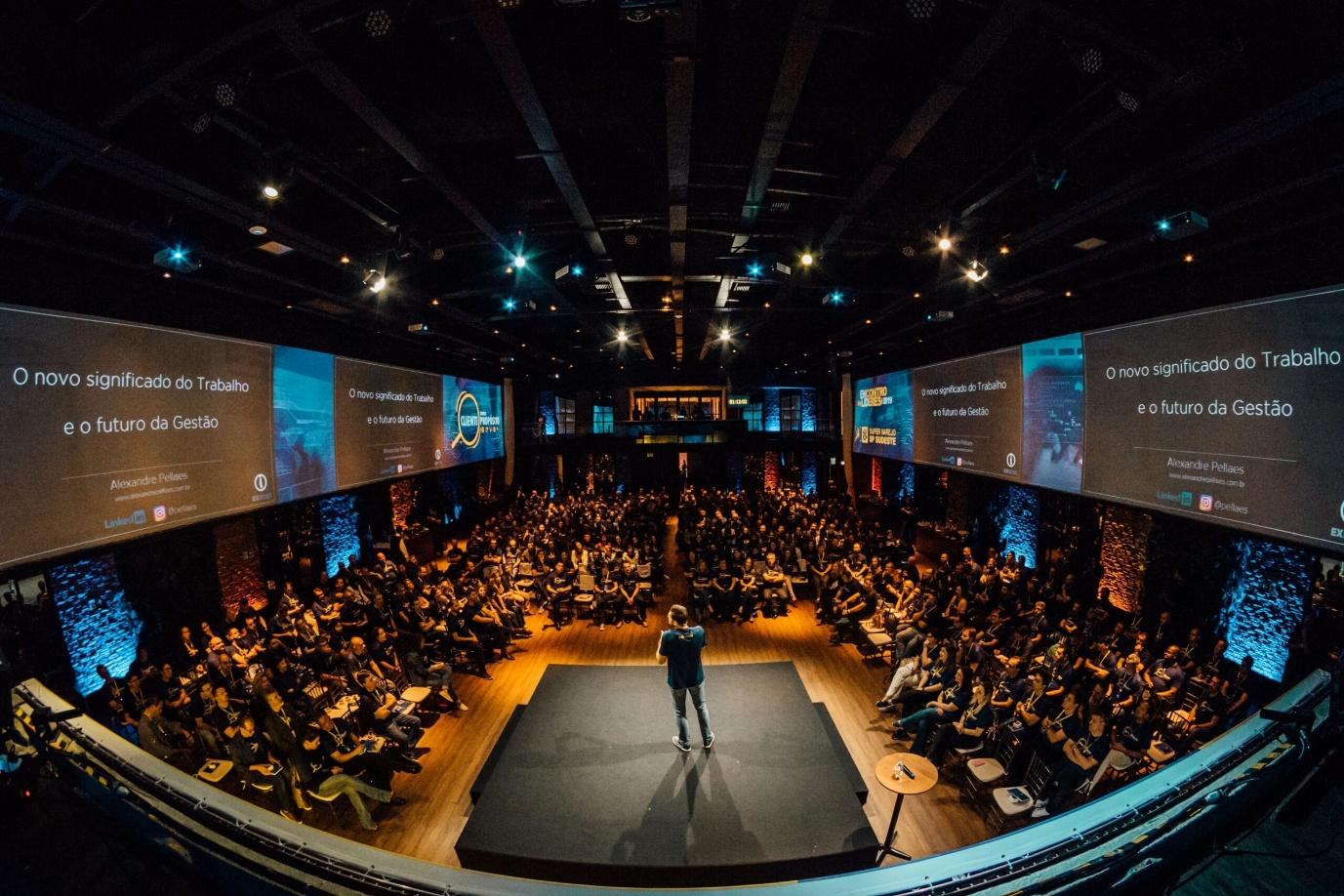
At SEVEN, we know how to plan an event that goes beyond logistics. It’s about shaping the right narrative, aligning with wider business goals, and delivering results that last far beyond the final guest leaving the room. So why does strategic event planning matter more than ever this year? Let’s explore.
A Shift from Execution to Experience
Gone are the days when event planning was purely about venues, menus, and guest lists. In 2026, what is event planning if not a brand-building opportunity?
Today’s audiences expect more. Whether it’s a global conference, a leadership retreat or a high-impact brand activation, events must be curated experiences that resonate emotionally and intellectually. Strategic planning means understanding your audience, setting clear objectives, and ensuring every element of the event is connected to a greater purpose.
In modern event ecosystems, this shift is being supported by digital-first strategy layers, including strategic events web platforms that unify content, registration, data capture, and audience journeys into one connected experience. These platforms allow brands to design events not just as moments, but as ongoing digital ecosystems that extend before and after the live experience.
Events as Part of a Bigger Picture

With increased scrutiny on marketing ROI, brands are being more intentional with their spend. Strategic event planning ensures your events are aligned with wider marketing campaigns, sales cycles, or business change programmes. At SEVEN, we work with clients to integrate their live events into a broader brand or communications strategy, maximising value and minimising missed opportunities.
The question isn’t just how to plan an event, but how to make that event work harder for your brand long after it’s over.
This is where strategic planning in event management becomes critical. Events are no longer isolated activations, they are now integrated touchpoints within a wider growth, brand, and communications strategy. When events are connected to CRM systems, content strategies, and digital platforms, they become long-term value drivers rather than one-time experiences.
Data-Driven Decisions
In 2026, data is king. The ability to collect, analyse and act on insights is transforming how we plan and evaluate events. From audience profiling and registration metrics to post-event feedback and digital engagement, strategic planning allows for smarter decisions and sharper delivery.
At SEVEN, we build data into every phase of the process, helping our clients shape events around audience behaviour and business needs, not guesswork.
Modern strategic events web infrastructure enables real-time tracking, personalised journeys, and performance measurement across the entire event lifecycle, from discovery to post-event engagement. This allows brands to build intelligence into planning rather than relying on assumptions.
Sustainable Thinking as Standard
Sustainability is no longer a “nice to have” it’s a non-negotiable. Strategic event planning now includes building sustainable choices into every stage of the process, from transport and catering to production and waste management.
Our team are trained in sustainable event delivery, and we work with tools and partners that help us track and reduce impact. For us, sustainability isn’t an add-on, it’s a mindset that informs how we do business.
Sustainable strategy now sits at the heart of strategic planning in event management, ensuring long-term brand credibility, compliance, and audience trust, not just short-term environmental wins.
Flexibility in an Unpredictable World
Economic shifts, global events, and fast-changing technologies all mean that agility is key. Strategic planning builds in flexibility, allowing you to pivot when needed without compromising quality or outcomes.
By planning with purpose, SEVEN ensures our clients can navigate uncertainty while staying true to their event objectives. We believe in building plans that are strong, yet adaptable, futureproofing your events for whatever lies ahead.
Strategic frameworks supported by strategic events web systems allow event structures, content flows, and engagement models to adapt in real time, making flexibility a built-in capability, not a last-minute fix.
The Power of People and Partnerships
A successful event is never built in isolation. It’s the result of careful collaboration between client, agency, venue, and supplier. Strategic event planning fosters stronger partnerships, clearer communication, and a shared understanding of goals.
At SEVEN, we become an extension of your team, bringing ideas, expertise, and energy that push your project forward. Our approach ensures that every stakeholder is aligned, and every decision is made with the end goal in mind.

Why Now?
2026 is a year of opportunity. After years of transformation across the events landscape, clients are ready to think big again. But big ideas need solid foundations. Strategic event planning ensures that your vision is not only exciting, but executable.
From immersive brand launches to content-rich conferences and culture-building internal events, SEVEN helps clients plan and deliver experiences that drive connection, change, and commercial results.
In a world shaped by AI, automation, and digital ecosystems, strategic planning in event management is no longer optional, it is the foundation of future-proof event strategy.
Let’s Plan Smarter
If you’re wondering what is event planning in 2026, it’s more than just execution. It’s strategy, storytelling, sustainability and impact.
Whether you’re looking to launch a new product, celebrate a milestone or bring people together in a meaningful way, SEVEN is here to help. Let’s rethink how to plan an event that doesn’t just meet expectations, but exceeds them.
Ready to plan your next strategic event?
Contact SEVEN at hello@sevenevents.co.uk – let us strategically shape your next event!
FAQs
1. What is strategic event planning?
Strategic event planning is the process of designing events around business goals, audience needs, data insights, and long-term brand impact, not just logistics and execution.
Want a strategy-led event approach? Talk to SEVEN to start planning smarter.
2. How is strategic planning in event management different from traditional planning?
Traditional planning focuses on logistics. Strategic planning in event management focuses on outcomes, business alignment, audience journeys, data integration, and brand impact.
Looking to move beyond logistics-led planning? Let SEVEN build your strategy.
3. What role does digital infrastructure play in modern events?
Digital platforms and strategic events web systems connect registration, content, data, engagement, and post-event journeys into one ecosystem, making events scalable and measurable.
Want digitally connected, future-ready events? Speak to SEVEN.
4. How does data improve event planning?
Data enables smarter decisions, personalised experiences, better audience targeting, and performance tracking across the entire event lifecycle.
Build data-driven events with SEVEN’s strategic planning approach.
5. How does sustainability fit into strategic event planning?
Sustainability is embedded into planning, from supplier choices to production methods, making it a core strategic pillar rather than a secondary consideration.
Plan sustainable, responsible events with SEVEN.
Using Event Technology to Boost Audience Engagement
What Does Event Technology Really Mean?
Event technology refers to the tools, platforms, and systems used to plan, produce, and enhance in-person, virtual, or hybrid events. This includes everything from registration systems and event apps to AR experiences and more recently AI. At SEVEN, we believe tech should work alongside and for people – not replace them – which is why we look solely at solutions that rely on meaningful, human connection.
Whether it’s a live awards ceremony, a virtual product launch, or a hybrid town hall conference, using the right tools allows us to deliver forward thinking, seamless audience experiences for our clients across all formats.
Key Benefits of Using Event Technology for Audience Engagement
1. Real-Time Interaction & Participation
One of the top benefits of tech-led events is the ability to involve your audience in real time. Using features like live polls, Q&As, quizzes, and chats, attendees are no longer just viewers – they become active contributors. At SEVEN, we build in these elements to ensure participants stay focused and feel included, whether they’re in the room or joining from an alternative location.
2. Personalisation at Scale
With event technology trends in 2025 moving toward hyper-personalised experiences, organisers can now tailor content to match attendee interests and preferences. From personalised agendas to AI-powered session recommendations, these tools make each participant feel like the event was built just for them or people like them – boosting overall engagement and satisfaction across the board.
3. Cross-Channel Accessibility
Event tech breaks down physical and logistical barriers. By embracing streaming platforms, apps, and digital networking tools, we help clients reach wider audiences, including those who may not be able to attend in person. This ensures inclusivity while increasing the event’s reach.
4. Integration with Interactive Features
Want to make your next conference or brand launch unforgettable? We suggest incorporating interactive event technology ideas like touchscreen displays, virtual reality demos, or audience-controlled content. These experiences create a “wow” factor and turn engagement into something measurable, which can be extremely valuable for our clients.
5. Data & Analytics
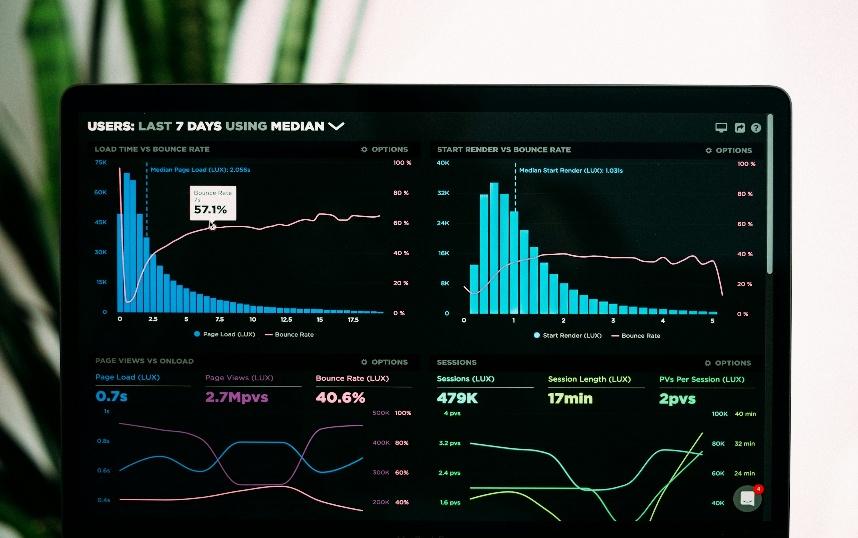
Technology gives us data – and data helps companies improve. Through post-event reports, heatmaps, and feedback surveys, we gather insights on what captured attention and where drop-offs occurred. This allows us to impart knowledge and improve content delivery for every client. It also helps brands make informed decisions that resonate with their future audiences.
Event Engagement Strategy: What It Takes Behind the Scenes
At SEVEN, we know that engagement doesn’t happen by chance – it’s planned. Creating an interactive and a user-friendly tech enhanced experience requires cross-departmental collaboration and strong technical knowledge. Here’s a snapshot of the roles we consider, depending on the event to make it happen:
Project Manager: From the first call to post-event reporting, our PMs ensure the experience is tightly run. They manage budgets, timelines, and all event logistics—bridging the gap between in-person and digital tech delivery.
Content & Graphic Designer: Crafting content that works across formats is an art. Our designers create media that pops on screen and on stage – from branded slides and intro videos to app graphics and lower thirds for streams.
Streaming Technician/Technical Lead: Whether using platforms like Teams, Zoom, or Bizzabo, our tech leads ensure that everything from sound checks to AV cues run smoothly. They’re responsible for the quality of digital delivery and troubleshooting in real-time.
Virtual Event Producer: A must-have role when running hybrid or online-only experiences. This person moderates digital sessions, supports virtual speakers, manages engagement tools, and ensures your remote attendees feel just as valued as those in the room.
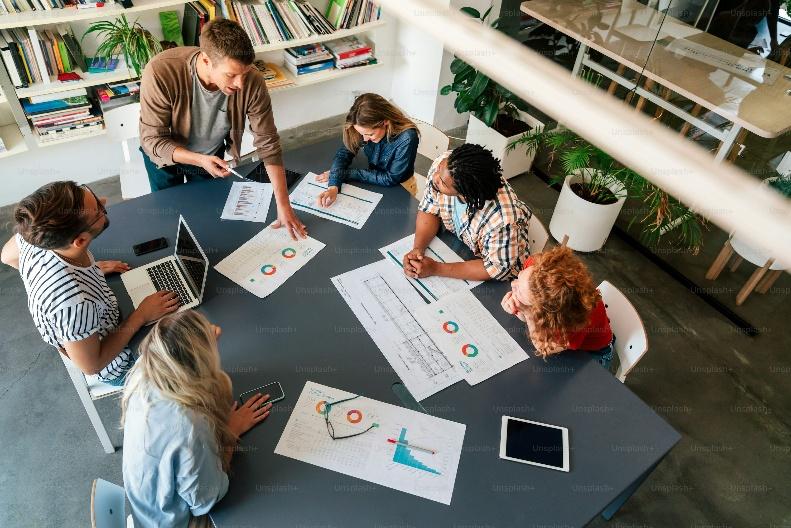
These roles form the skeleton of successful events, especially when adopting virtual event engagement strategies using tech that connect with audiences.
Looking Ahead
As we step into the future, event technology trends in 2025 point toward more immersive, intelligent, and inclusive experiences. At SEVEN, we’re continually testing and integrating the latest tools – from AI-driven insights to elevated way of networking -to keep our events fresh and forward-thinking.
Understanding how to use event technology for audience engagement is now an advantage. By blending creativity with tech innovation, organisations can not only meet but exceed their audience expectations – driving real value, brand celebration, and long-term engagement.
The Power of Cross-Departmental Collaboration in Live Events & Incentives

Why Cross-Departmental Working Matters
The recipe of a successful event or incentive lies in the seamless experience delivered to attendees/guests, something that can only be achieved when all parties involved understand how their work impacts others. The marketing team needs real-time updates from the production team to promote accurate speaker schedules or venue changes, for example, and the oversees DMC must communicate with project managers if menus change or if here will be local events that may affect transfer times etc.
At SEVEN we understand that without this kind of integrated approach, future difficulties or misalignments may arise. You might see a speaker promoted who later cancels, or a hybrid stream that fails due to overlooked tech needs or a dietary requirement not being catered for. These may seem minor, however, aren’t small issues on the day as they reduce the effectiveness and professionalism of the event or trip.
Cross-departmental working allows teams to anticipate, discuss and identify potential challenges earlier, create contingency plans and ensure everyone’s on the same page.
Key Benefits of Collaborative Culture
- Better Attendee/Guest Experience
- Improved Problem Solving
- Faster Decision Making
- Stronger Event ROI
The Role of Collaboration in Successful Incentive Trips
Incentive trips with SEVEN often involve travel to international destinations, high-end hospitality, and carefully curated activities — all designed to leave a lasting impression. But their success hinges on meticulous planning and flawless execution, which can only be achieved through tight collaboration and clear communication across all parties.
The global nature of many incentive trips means working with international partners — including local destination management companies (DMCs), hotels, transport providers, and activity hosts — is essential. Our partners bring local expertise, cultural insight, and logistical know-how, which are of the upmost importance for tailoring a seamless experience for guests.
To make the trip truly seamless, at SEVEN we recognise that early and ongoing communication is vital. From aligning on guest preferences and dietary needs to understanding visa requirements and local regulations, no detail can be afforded to be overlooked. Miscommunication or solo planning can quickly lead to frustration, missed detail and result in underwhelming experiences — which, in the context of an incentive trip, can water down the value and overall reward factor of the trip.
Cross-departmental collaboration also plays a key role. Sales, operations, and events teams must work in tandem to define objectives, manage budgets, select venues, and communicate with attendees/guests — all while ensuring that the experience reflects the clients’ values and goals.
When internal teams and international partners collaborate effectively, incentive trips become more than just a reward — they become unforgettable, high-impact experiences that drive loyalty, performance, and brand pride. With our incentive travel service we will work closely with you to design a bespoke incentive travel itinerary that aligns with your company culture, goals, budget and vision. At SEVEN, we don’t just book trips; we craft unforgettable experiences.
Benefits of Collaboration in Live Events & Incentive Trips
Collaboration in incentive travel is more than just a logistical requirement, it directly shapes the impact of the experience. A unified event team collaboration helps avoid conflicting messages, reduces budget waste, and ensures that every detail contributes to the overall success. This integrated event planning strategy also strengthens long-term relationships with clients and partners, leading to repeat business and stronger brand reputation.
Key Challenges & How to Overcome Them
Even the most well-structured plans face hurdles. Common challenges include unclear communication, siloed planning, or over-reliance on one department. When departments work in isolation, small oversights can create larger failures. To overcome this, teams should implement collaboration team building activities, regular alignment calls, and transparent reporting structures. Using tools that integrate project management, scheduling, and live updates ensures that no detail slips through the cracks.
Best Practices for Successful Cross-Departmental Collaboration
Successful collaboration in incentive travel relies on adopting best practices such as early planning, frequent status updates, and cross-functional workshops. For social media live events, coordination between the marketing and production teams ensures real-time updates are accurate and engaging. Establishing shared goals, defining roles clearly, and leveraging technology for instant updates are all part of a robust integrated event planning strategy.
Final Thoughts
In the high-stakes environment of live events and international incentive trips, SEVEN believe no department should be an island. Cross-departmental working is no longer a nice-to-have — it’s a necessity for delivering cohesive, engaging, and successful experiences. By aligning goals, fostering good communication, and embracing international collaboration, event teams can navigate the complexities of the modern landscape in events and travel and deliver, every time.
We would love to work with you on your next event or incentive, so get in touch and one of our team members will be in contact with you soon.
FAQ Section
1. What is cross-departmental collaboration in live events?
Cross-departmental collaboration in live events refers to the seamless teamwork between different departments, from marketing to production to logistics, ensuring that every aspect of the event contributes to a unified guest experience.
2. Which tools support effective event collaboration?
Project management platforms, real-time communication apps, and integrated event planning strategy tools such as Asana, Trello, or Slack are commonly used. These help track tasks, provide live updates, and improve event team collaboration across departments.
3. What challenges arise when departments work in isolation?
When teams work in silos, it often leads to miscommunication, duplication of tasks, overlooked details, and missed opportunities. This can directly affect collaboration in incentive travel or live events, ultimately reducing guest satisfaction and event ROI.
4. How can teams improve communication in event planning?
Teams can improve communication by scheduling regular alignment meetings, using collaborative project tools, and engaging in collaboration team building activities. This proactive approach ensures smoother workflows, transparency, and stronger outcomes for both live events and incentive trips.
Busting the Biggest Myths About Event Agencies – What You Really Need to Know!

Why These Myths Persist
Misconceptions about corporate event agencies often arise from past experiences or outdated information. People assume that all agencies work the same way or that the events they manage are the same. Additionally, some individuals equate event agencies with just fancy décor and flowers, underestimating the wide range of services they provide. The myths often persist due to a lack of knowledge about the complexity of event planning and the true scope of services offered by corporate event agencies. Once you understand the real benefits of event agencies, it becomes clear how much value they bring to the table.
Myth #1: “Hiring an Event Agency is Too Expensive”
The Truth:
While it’s true that event agencies charge for their services, the belief that they’re prohibitively expensive is often misguided. In reality, an experienced event agency like SEVEN can actually save you money. We have established relationships with vendors, venues, and suppliers, often securing better rates and packages than a private individual or company could get on their own. Additionally, our expertise can prevent costly mistakes, last-minute fees, or logistical nightmares that end up eating into your budget.
Think of it this way: you’re not just paying for their time, you’re investing in their knowledge, experience, and network.
Myth #2: “I Can Plan My Own Event Just as Well”
The Truth:
Sure, many people can put together a birthday party or small social gathering, but orchestrating a corporate event, incentive, or large conference is a whole different game. Event planning is a full-time job involving budgeting, supplier negotiations, timeline coordination, risk management, contingency planning, and often, regulatory compliance. We bring systems, processes, and a team of specialists that can handle everything from logistics and permits to entertainment and decor. We know how to respond to challenges before they even arise, something that only often comes with experience
Myth #3: “Event Agencies Just Do Decorations”
The Truth:
While visuals are a key element of any successful event, design is only one piece of the puzzle. We handle a wide range of responsibilities, including:
- Venue sourcing and booking
- Supplier selection and management
- Budget planning
- Audio-visual setup and technical coordination
- Guest list management and ticketing
- Logistics, transportation, and on-site execution
- Health and safety planning
In essence, we’re project managers, creative directors, troubleshooters, and execution experts all rolled into one.
Myth #4: “They Don’t Understand My Brand or Vision”
The Truth:
One of the first steps SEVEN as an agency take, is a discovery session where they immerse themselves in your brand, your goals, and your audience. We don’t just want to throw a party, we want to create an experience that reflects who you are and what you stand for.
Good event professionals are great listeners and collaborators. Our job is not to impose our style, but to bring your vision to life in the most seamless and impactful way possible.
Myth #5: “They’ll Just Do What I Tell Them, So Why Not Hire Internally?”
The Truth:
We don’t just follow orders; we add value through strategic input and creative direction. A good agency doesn’t wait for instructions; they anticipate needs, suggest enhancements, and align your event with your brand or personal vision. We also bring fresh, unbiased perspectives and are up-to-date with the latest trends in event tech, design, and guest engagement.
Hiring internally often puts the burden on employees who may lack experience or already have full workloads. This can lead to burnout, missed details, or underwhelming results.
Here’s the Bottom Line
Event agencies are more than just middlemen or decorators, we’re skilled professionals who bring value, creativity, and efficiency to your events. In today’s fast-paced world, where expectations are high and margins for error are slim, having an expert by your side can mean the difference between a stressful gathering and a standout success.
Next time you’re planning an event, large or small, don’t let these myths steer you away from professional support. Instead, get in touch with us today and let us help you bring you vision to reality.
FAQ Section
1. Is hiring an event agency always expensive?
Not necessarily. While event agencies do charge for their services, they can often save you money by leveraging their network and securing better vendor rates. Additionally, they prevent costly mistakes that could arise from poor planning.
2. Do agencies only do decorations?
No. While design is important, event agencies handle much more than just decor. They manage everything from venue booking and supplier management to logistics, transportation, and on-site execution.
3. Will agencies understand my brand?
Yes. SEVEN work closely with clients to understand their brand, goals, and audience. They collaborate with you to ensure the event reflects your vision, making it both seamless and impactful.
4. Why use an agency instead of internal staff?
Event agencies bring expertise, creativity, and efficiency that internal teams may lack, especially when balancing other responsibilities. They can offer fresh perspectives, mitigate risks, and ensure every detail is covered for a successful event.
Why Social Media Is a Game Changer for Event Promotion

The power of connection starts online
We’ve often noticed that thoughtful planning goes hand in hand with an engaged audience. At this point, social media marketing becomes important. It has become an essential element rather than an optional feature. By applying a sound social strategy, you can increase success at every part of organising an event, from announcing it to booking spots to adding to your post-event engagement.
We design events at SEVEN that people won’t soon forget, and social media helps us ensure they are widely shared and remembered.
The modern guest lives on their feed
For any product launch, corporate event, or yearly conference, your attendees will browse social media daily or more often. That’s how much time you have. When we use social media for advertising, we reach our customers directly by offering tailor-made information, looking at upcoming shows, and looking at behind-the-scenes moments and essential updates.
It is a unique opportunity that’s hard for people to turn down.
Building buzz before the big day
There’s a sweet spot in the run-up to any event where excitement is building but details are still under wraps. This is where social media shines. Teasers, countdowns, and speakers all help force engagement and build curiosity.
Our clients have found that even a simple video of the venue setup or a ballot asking, “What are you most excited for?” can get humans speaking and sharing. Suddenly, your event isn’t always simply visible, it’s being pointed out.
And that buzz? It spreads speedily.
Strategic Social Media Event Promotion in 2026
In 2026, social media event promotion is no longer about posting more, it’s about posting smarter. Brands that win attention focus on experience-driven storytelling, data-led decisions, and audience-first content design.
Modern social media event promotion now focuses on:
- Experience-first storytelling
- Community-driven content
- Micro-moment engagement
- AI-driven audience targeting
- Platform-native content formats
- Trust-based social proof
This shift has transformed how brands approach event promotion online, making social platforms the core engine for visibility, conversions, and attendance.
High-Impact Ways to Promote an Event on Social Media
If you’re looking for proven, scalable ways to promote an event on social media, these strategies consistently deliver results across corporate, experiential, and brand-led events:
• Pre-event awareness
- Teaser campaigns
- Countdown stories
- Speaker reveals
- Venue previews
- Early-access registrations
• Engagement-driven content
- Polls and questions
- Interactive stories
- Community prompts
- Live Q&As
- Audience-generated content
• Conversion-focused promotion
- Smart retargeting ads
- Landing page traffic campaigns
- Ticket urgency campaigns
- Lookalike audience targeting
These are not just tactics, they’re strategic social media promotion ideas designed to convert attention into action.
Social Media Posts That Actually Promote an Event
Not all content converts. The most effective social media posts to promote an event follow a structured purpose:
Awareness posts
- Event announcement reels
- Brand storytelling posts
- Theme reveal visuals
Engagement posts
- Polls and interactive questions
- “Choose your experience” posts
- Community response content
Conversion posts
- Registration CTAs
- Limited-seat urgency posts
- Early-bird reminder posts
These structured social media posts to promote an event create a full-funnel journey instead of isolated content drops.
Real-time moments make a real impact
When the event day arrives, we don’t stop. In truth, social media event marketing surely comes alive in real-time. Live updates, story takeovers, Instagram Reels, and branded hashtags all help capture the magic as it occurs.
We’ve helped customers share the entire event, from keynote highlights to backstage laughs, giving fans who couldn’t attend a taste of what they’re missing, and a motive to return next time. For people who are there, it provides another layer to the experience, turning moments into reminiscences that can be immediately shared.
Ensuring the discussion continues
Most people think the event is over after all the guests have left. For us at SEVEN, that is just the tip of the iceberg. Thanks to photos, reels, and testimonials on social media, we can keep our best memories alive. It’s a great way to thank your followers, share achievements, and give a sneak peek of the latest news.
The way you handle this stage determines how well you maintain ties and judge your progress. You’ll discover the most popular content, who participated, and how your message spread.
Results that matter in measurable ways
A great benefit of social media advertising is that everything can be monitored. You don’t need to guess if your email worked, the statistics show the results. Through impressions, clicks, reaching hashtags, and increasing followers, we know what improved our results and what to focus on next.
Besides the numbers, these insights give us and our clients new ways to improve their event promotions.
Social strategies, powered by SEVEN
We don’t stop at just making a few posts. The social strategies we develop at SEVEN are always based on your event goals and the brand you represent. If you require support with promoting the event, reaching out to more people, and saving content to use in the future, we are ready to assist.
With our event planning services, we make social media part of your journey from the very beginning. Want to see how we bring it all together? Explore our full range of services.
Let’s make your event the talk of the feed
Let’s chat if you’re looking to give your next event the spotlight it deserves. Whether it’s strategic social planning or on-the-day content creation, SEVEN is here to help you stand out and connect with your audience, long before the doors open and long after they close.
Get in touch at hello@sevenevents.co.uk, and let’s make your next event unforgettable, both online and in real life.
FAQs
1. What is social media event promotion?
Social media event promotion is the strategic use of social platforms to build awareness, engagement, and conversions before, during, and after an event. It includes content planning, audience targeting, storytelling, and performance tracking to maximise attendance and visibility.
Want a tailored social strategy for your next event? Speak to SEVEN and start building your event visibility today.
2. Why is social media important for event promotion in 2026?
In 2026, social media is where audiences discover, evaluate, and decide on events. It enables direct engagement, real-time interaction, community building, and scalable reach that traditional marketing channels cannot achieve alone.
Looking to future-proof your event marketing? Connect with SEVEN to build a modern social promotion strategy.
3. What are the best ways to promote an event on social media?
The most effective ways to promote an event on social media include teaser campaigns, countdowns, speaker reveals, interactive content, community engagement posts, retargeting ads, and post-event storytelling strategies.
4. What types of social media posts work best for event promotion?
High-performing social media posts to promote an event include:
- Teaser videos
- Countdown posts
- Interactive polls
- Behind-the-scenes content
- Live event coverage
- Testimonial and recap posts
Want content that converts, not just performs? Work with SEVEN to create high-impact event content.
5. How does SEVEN approach social media event promotion?
SEVEN builds integrated social strategies that align with event goals, brand identity, and audience behaviour. This includes content planning, audience targeting, real-time coverage, and long-term digital storytelling for sustained impact.
Make Your Next Incentive Magical in Marrakech

Why Marrakech?
Marrakech strikes the perfect balance between tradition and modern flair. One minute you’re winding through the colourful souks or exploring centuries-old palaces, and the next you’re stepping into a luxury resort or contemporary event space. Whether it’s a dinner under the stars in the Agafay Desert or a relaxed tea making session in a charming riad, the city offers something unique at every turn. It’s a place that makes events feel truly special.
Marrakech offers a range of activities that can cater for all attendees and objectives. Below are 3 activities that we selected on our recent site visit for an upcoming incentive.
Hot Air Ballon Ride
This is a bucket-list experience that we believe adds a real wow factor to your incentive trip. In Marrakech, this experience always takes place during sunrise. While it is an early start for your guests, we guarantee it’s worth it. SEVEN will arrange for you to be picked up from your hotel and taken to a beautiful base camp, where you can get signed in and of course enjoy a cup of Moroccan tea. The great thing about Marrakech is that they have so many different size hot air balloons meaning that we can accommodate most group sizes. If you were looking for that extra wow moment, we can also help you with branding the balloon with your company logo or tagline. The group will watch the hot air balloons come to life, once ready to go the group will jump into the baskets and take off into the sky. . As you gently drift above the city and out over the desert, the views of the Atlas Mountains and surrounding landscapes are absolutely breathtaking. It’s peaceful, surreal, and completely unforgettable. After landing, guests are treated to a traditional Berber breakfast, rounding off a truly magical morning.

Atas Mountain Hike
If your team’s up for a bit of adventure, hiking in the Atlas Mountains is a game-changer. Just an hour or so from Marrakech, you’ll swap city streets for trails, sweeping valleys, and snow-capped peaks in the distance. It’s the kind of place that makes you feel small in the best way. You’ll pass through Berber villages, cross mountain streams, and maybe even spot a few goats climbing the terrain with you. Whether it’s a half-day trek or a full-on mountain mission, it’s a proper escape—and the kind of shared experience that sticks with people long after the trip’s over. Finish the trek at a luxury garden with a well-deserved BBQ lunch and refreshing dip in the pool, while still admiring the mountains you just tackled.

Visit the Souks
Here at SEVEN, we love to make sure the experiences we are putting forward really showcase the destination you are in and give you an understanding of life in that location. Exploring the souks of Marrakech is one of those experiences that sticks with you. The energy, the colour, the chaos—it’s like stepping into another world. Organising this as an activity means we can organise a guide for you who really know there way round, and will introduce you to 6 century-old artisans: Zellij, Herbalist, Pastry Chef, Cabinetmaker, Pasterer, Babouchier.

At SEVEN, we understand that every company and team is unique. With our incentive travel service we will work closely with you to design a bespoke incentive travel itinerary that aligns with your company culture, goals, and budget. We don’t just book trips; we craft unforgettable experiences, drawing on our own first-hand knowledge and expertise. Get in touch today to plan your next unforgettable incentive trip.
How Storytelling Enhances Corporate Messaging at Events by SEVEN

In today’s fast-paced, content-saturated world, capturing and retaining attention at corporate events is no easy task. Businesses are increasingly turning to a timeless and powerful tool to stand out: storytelling. At SEVEN, we believe when used effectively, storytelling in corporate communication can transform an ordinary presentation into an unforgettable experience, forging deeper connections between a brand and its audience.
The Importance of Storytelling in a Corporate Context
Storytelling is as old as civilisation itself. From ancient cave paintings to modern TED Talks, stories have always been a primary way for humans to make sense of the world. In a corporate setting, storytelling has evolved into a strategic communication tool, offering a way to humanise brands, clarify complex messages, and inspire action.
The importance of storytelling in the corporate world lies in its ability to resonate emotionally with audiences. At SEVEN we say that facts and figures may inform, but stories engage. By weaving data and key messages into compelling narratives, companies can make their ideas more memorable and impactful. This is especially critical at events, where audiences are often bombarded with information and can quickly lose interest if not emotionally engaged.
What Is Corporate Storytelling?
Corporate storytelling refers to the practice of using narrative techniques to convey a company’s mission, values, goals, or achievements. It’s not about fabricating fiction, but about presenting real facts, people, and experiences in a narrative format that audiences can relate to. A good corporate story might showcase a customer success journey, the company’s founding vision, or how a product changed lives.
At events—whether they’re product launches, internal conferences, investor meetings, or industry expos—corporate storytelling becomes especially potent. It helps break down the “corporate” wall and lets attendees see the human side of an organisation. This emotional connection can lead to greater trust, loyalty, and engagement.
Storytelling in Corporate Communication at Events
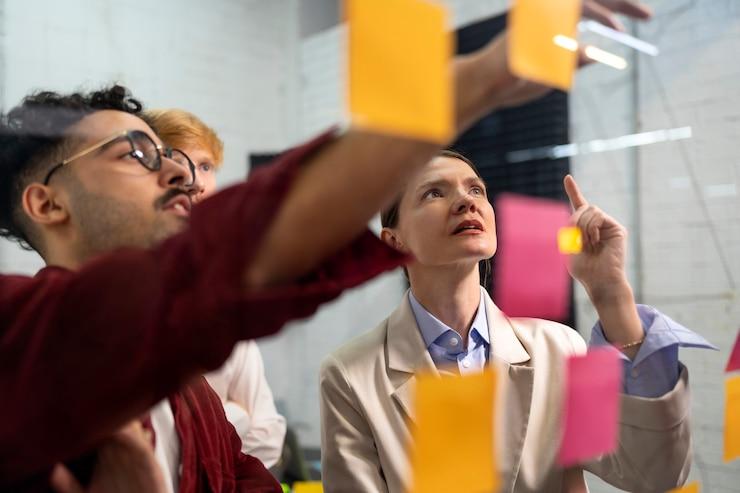
When integrated into live events, storytelling in corporate communication does more than entertain—it informs and inspires. At SEVEN we’ve listed several ways storytelling can enhance corporate messaging at events:
1. Setting the Tone and Vision
Opening an event with a powerful story can set the emotional tone for the entire experience. Rather than diving straight into bullet points and sales figures, consider sharing the company’s origin story, or a customer journey that reflects the company’s mission. This narrative sets a framework through which all other content can be understood.
2. Making Data Meaningful
Events are often loaded with statistics and technical details. While important, this information can be dry. Storytelling gives data context. For example, instead of stating, “Our software reduced costs by 30%,” a company might tell the story of a client who overcame a significant challenge using their product, leading to a dramatic turnaround. Suddenly, the numbers have life and meaning.
3. Highlighting Real People
Incorporating real voices—employees, clients, or community members—into corporate storytelling adds authenticity. Videos, live testimonials, or even short vignettes can help humanise the brand and create a relatable, trustworthy image.
4. Creating a Cohesive Narrative
Events often feature multiple speakers, sessions, and topics. Without a clear narrative thread, these can feel disjointed. Storytelling offers a way to tie all elements together under a unifying theme or message. Whether it’s innovation, resilience, or transformation, a central story arc ensures that every element of the event contributes to a cohesive whole.
5. Encouraging Audience Participation
Great stories invite the audience to see themselves in the narrative. Interactive storytelling—through live polls, Q&A sessions, or immersive technology—can make attendees feel like active participants in the story. This not only boosts engagement but also reinforces the message in a memorable way.
The Lasting Impact of Event Storytelling
One of the most valuable benefits of incorporating storytelling into corporate messaging at events is its longevity. A well-told story can echo far beyond the event itself. Attendees are more likely to share stories with their networks, recall them weeks later, and align themselves emotionally with the brand.
Moreover, stories can be repurposed across various platforms—from post-event emails and social media campaigns to investor reports and internal communications—maximising the return on investment.

Best Practices for Effective Corporate Storytelling
To leverage storytelling effectively at events, consider the following best practices:
- Know Your Audience: Tailor the story to the interests, values, and expectations of your attendees.
- Be Authentic: Real stories resonate more than polished marketing messages. Avoid overproduction or exaggeration.
- Use Visuals and Media: Support your narrative with engaging visuals, video clips, or audio to enrich the storytelling experience.
- Practice Delivery: A great story poorly told can fall flat. Rehearse the delivery to ensure confidence and clarity.
- End with Purpose: Every story should support your event’s objective—whether that’s inspiring change, launching a product, or rallying a team.
In an age where attention is fleeting and competition for it is fierce, we believe the importance of storytelling in corporate communication cannot be overstated.
At events, corporate storytelling is a game-changer—transforming information into inspiration and messages into memorable experiences. By placing storytelling at the heart of event strategy, companies can connect more deeply, communicate more clearly, and leave a lasting impression that endures long after the lights go down.
If you’re looking to add storytelling for your next event, SEVEN can help deliver an impactful message and storytelling. Just contact us on hello@sevenevents.co.uk
5 Reasons Hybrid Events Deliver Better ROI Than Traditional Ones

By blending the best of in-person and virtual experiences, hybrid events are proving to be a smarter, more flexible option. And when it comes to return on investment (ROI), they’re often outperforming traditional events in a big way.
Here are five reasons why hybrid events deliver better ROI—and why now might be the time to rethink your event strategy.
1. Bigger reach, bigger results
Traditional events are limited by geography. If your venue is in London, you’re unlikely to attract someone from Tokyo unless they’re really committed. But hybrid events break that barrier. With hybrid event technology, you can stream your content to audiences all over the world—live or on demand.
That means more people can tune in, engage, and become part of your brand journey. You’re no longer limited by seats in a room. You’re scaling your impact without scaling your costs.
2. Flexibility that boosts attendance
How often have you heard, “I’d love to come, but I can’t make the travel work”? Hybrid events remove that excuse. Attendees can choose how they show up—whether that’s in person, from their home office, or even catching up on-demand later.
This flexibility leads to better turnout and more engaged attendees. And let’s face it, higher attendance usually leads to better ROI—especially if your event includes lead generation, sales, or sponsorships.
3. Smarter data = sharper decisions
One of the best-kept secrets of hybrid event management? The data. Traditional events might give you a headcount and a few survey forms. But with hybrid event platforms, you get detailed analytics—who watched what, when they dropped off, which sessions they loved, and how they interacted.
All of this helps you understand your audience better. You can fine-tune your content, improve future events, and even follow up more effectively. When you can track what’s working (and what’s not), your events become more strategic—and more profitable.
4. More sponsorship opportunities
Sponsors love visibility. And with hybrid events, that visibility goes through the roof.
Think about it: instead of just having a logo on a stage banner, sponsors can have branded content, virtual booths, pop-up messages, and even custom sessions. Hybrid platforms open the door to creative, measurable sponsorship options that can be tailored for both in-person and remote audiences.
This means you can offer more value to sponsors—and often charge more as a result. That’s a win-win.
5. Long-term content, long-term value
Traditional events are over the moment the lights go down. But hybrid events keep on giving.
Thanks to recordings, clips, and highlight reels, your content can live on long after the event ends. You can repurpose sessions for social media, email campaigns, training materials or gated content for lead gen. This kind of post-event life turns one day of content into months of value.
So instead of a one-off splash, hybrid events give you a longer runway—and that can lead to more engagement, more sales, and yes, better ROI.
Hybrid isn’t just a trend. It’s the new standard.
If you want your next event to be more flexible, more impactful, and better for your bottom line, hybrid is the way to go. And if you’re not sure where to start, we’re here to help.
Explore our hybrid event services and find out how SEVEN can help you plan, deliver and scale your next event for real results.
Our strategy from brief to reality

Starting with the ‘Why?’
Your Account Director is often the first person you’ll speak to when discussing your brief. But this role goes far beyond simply receiving information — we’re here to uncover the why behind your event. What is the real purpose? Where do you want to position your brand? What are you hoping your audience will feel, think, and do? These are all integral pieces of the puzzle. Having these key conversations early on, with someone who truly understands your brand and market, enables us to build a complete picture of your goals. From there, we can respond with a concept that doesn’t just tick boxes, but creates real, measurable impact.

Bringing Creativity to Your Objectives
The Account Director acts as the bridge between your business objectives and our creative team. We translate your brief into something actionable, aligned, and inspiring. By connecting the creative, production, and logistics teams from the outset, we ensure that the final idea is rooted in strategy and executed flawlessly. A collaborative brainstorm session with all stakeholders ensures every voice is heard — promoting alignment, clarity, and collective understanding. This integrated approach helps us push boundaries while staying anchored to what matters most: your objectives.
We Plan for Impact
At SEVEN, we understand that audiences engage in different ways — so we don’t take a one-size-fits-all approach. We strategically use insights into your brand, audience behaviours, and wider industry trends to shape how we deliver your message. From how we structure your narrative to the formats we choose, everything is considered with purpose. Whether it’s through immersive environments, compelling speaker content, or cutting-edge tech, we tailor our decisions to drive engagement and deliver lasting impressions.
The Role of the Account Director
This role is pivotal. Your Account Director helps connect your event to broader business goals, ensuring that every decision is made with intention. It’s not just about how it looks — it’s about what your event needs to do. We represent your interests internally, embedding your brand values, tone of voice, and core goals into every aspect of the experience. We protect your vision and maintain focus across every department, ensuring that all elements feed into a cohesive strategy. In short, we act as your compass — guiding the team and project towards meaningful results.
Building on Our Relationship and Knowledge
At SEVEN, we love working with our clients to build strong, long-term partnerships. We don’t treat events as one-off’s — we view them as strategic milestones in a much bigger brand journey. Trust is the foundation of everything we do. That means delivering consistent value, showing up when it counts, and becoming a true extension of your team. We’re here for the late nights, the last-minute changes, and the unpredictable moments — not just the highlights. Our goal is always to support, solve, and scale with you as your needs evolve.
The Finished Result
This is the part we live for — the moment where all the strategy, creativity, and collaboration come together. From initial brief to final execution, we’ve journeyed with you to create something that resonates: an impactful learning experience for your audience, and a clear, confident expression of your brand’s story, message, and values. Watching your brand come to life in front of an engaged, inspired audience is the ultimate reward.
At SEVEN, we know that every idea, every team member, and every brand is unique. Our strategic, insight-led approach means we deliver meaningful narratives, immersive experiences, and tangible business results.
Get in touch — we’d love to show you how we collaborate to design an event strategy that elevates your brand, deepens engagement, and delivers true value.
Discover Norway for Your Next Company Incentive: The Land of Fjords and Northern Lights!

Why Choose Norway for Your Incentive Trip?
Norway’s combination of stunning nature, modern infrastructure, and rich cultural heritage makes it a top-tier incentive travel destination. Whether your team prefers outdoor adventures, luxury accommodations, or immersive cultural experiences, Norway has something for everyone.
Spectacular Natural Beauty
From the deep blue fjords to towering mountains and cascading waterfalls, Norway’s landscapes are awe-inspiring. The UNESCO-listed Geirangerfjord and Nærøyfjord offer some of the most breathtaking scenery in the world, providing the perfect backdrop for a memorable corporate retreat. Imagine rewarding your team with a cruise through these majestic fjords, where they can relax and absorb the tranquil beauty of nature.

Chase the Northern Lights
One of Norway’s most magical experiences is witnessing the Northern Lights. Tromsø, Alta, and the Lofoten Islands are some of the best places in the world to see this natural phenomenon. Treat your team to an exclusive Northern Lights tour, complete with cozy lodges, husky sledding, and gourmet dining under the Arctic sky.
Adventure and Team-Building Activities
Norway offers a wide range of adventure activities that foster team bonding and create lasting memories. Here are just a few options:
- Skiing & Snowboarding: Whether it’s the famous slopes of Trysil or the alpine beauty of Hemsedal, Norway offers world-class skiing for all skill levels.
- Dog Sledding & Snowmobiling: Experience the thrill of racing through snowy landscapes, an excellent way to build camaraderie.
- Hiking & Glacier Walking: Explore Norway’s famous hiking trails, such as the trek to Trolltunga or the Pulpit Rock, which offer stunning panoramic views.
- Fjord Kayaking & RIB Safaris: Paddle through serene fjords or speed across the waters in a RIB boat, perfect for an adrenaline-filled group activity.
Exclusive and Luxurious Experiences
Norway isn’t just about rugged landscapes; it also boasts high-end luxury experiences for your team:
- Stay in a Glass Igloo or Luxury Lodge: Experience the Arctic in style with high-end accommodations that offer panoramic views of the sky.
- Private Fjord Cruises: Charter a yacht or a historic wooden ship for a private fjord cruise, complete with gourmet dining.
- Fine Dining & Nordic Cuisine: Indulge in Norway’s exquisite seafood, reindeer dishes, and Michelin-starred restaurants that offer world-class dining experiences.
Cultural & Historical Immersion
Norway’s rich history and traditions provide incredible opportunities for cultural exploration:
- Viking Heritage: Visit the Viking Ship Museum in Oslo or participate in a Viking-themed experience where your team can try axe-throwing and learn about Norse mythology.
- Sami Culture Experience: Engage with the indigenous Sami people, learn about their traditions, and enjoy a traditional reindeer sleigh ride.
- Stunning Cities & Architecture: Explore Norway’s charming cities, from Oslo’s modern architecture to Bergen’s colourful wooden houses along the Bryggen Wharf.

Seamless Travel and World-Class Hospitality
Norway’s excellent infrastructure ensures a smooth and hassle-free incentive trip. With well-connected airports, efficient public transport, and high-quality hotels and conference facilities, you can focus on enjoying the experience without any logistical worries. Additionally, Norwegians are known for their warm hospitality and professionalism, ensuring that your team feels welcomed and well taken care of.
Why SEVEN Recommends Norway
At SEVEN, we specialise in curating unforgettable incentive trips using our incentive travel service, tailored to your company’s goals and preferences. Norway stands out as a destination that offers adventure, relaxation, and luxury all in one. Whether you want to reward top performers, strengthen team dynamics, or simply inspire your employees, Norway delivers an experience that is both refreshing and motivating.
Let SEVEN plan your next company incentive to Norway, where your team will return with unforgettable memories, renewed motivation, and a deep appreciation for one of the world’s most spectacular destinations.
Ready to take your team to Norway? Contact SEVEN today and let’s create a bespoke incentive trip that your employees will talk about for years to come!