


Category: Virtual & Hybrid Events
What do the most successful hybrid events have in common?
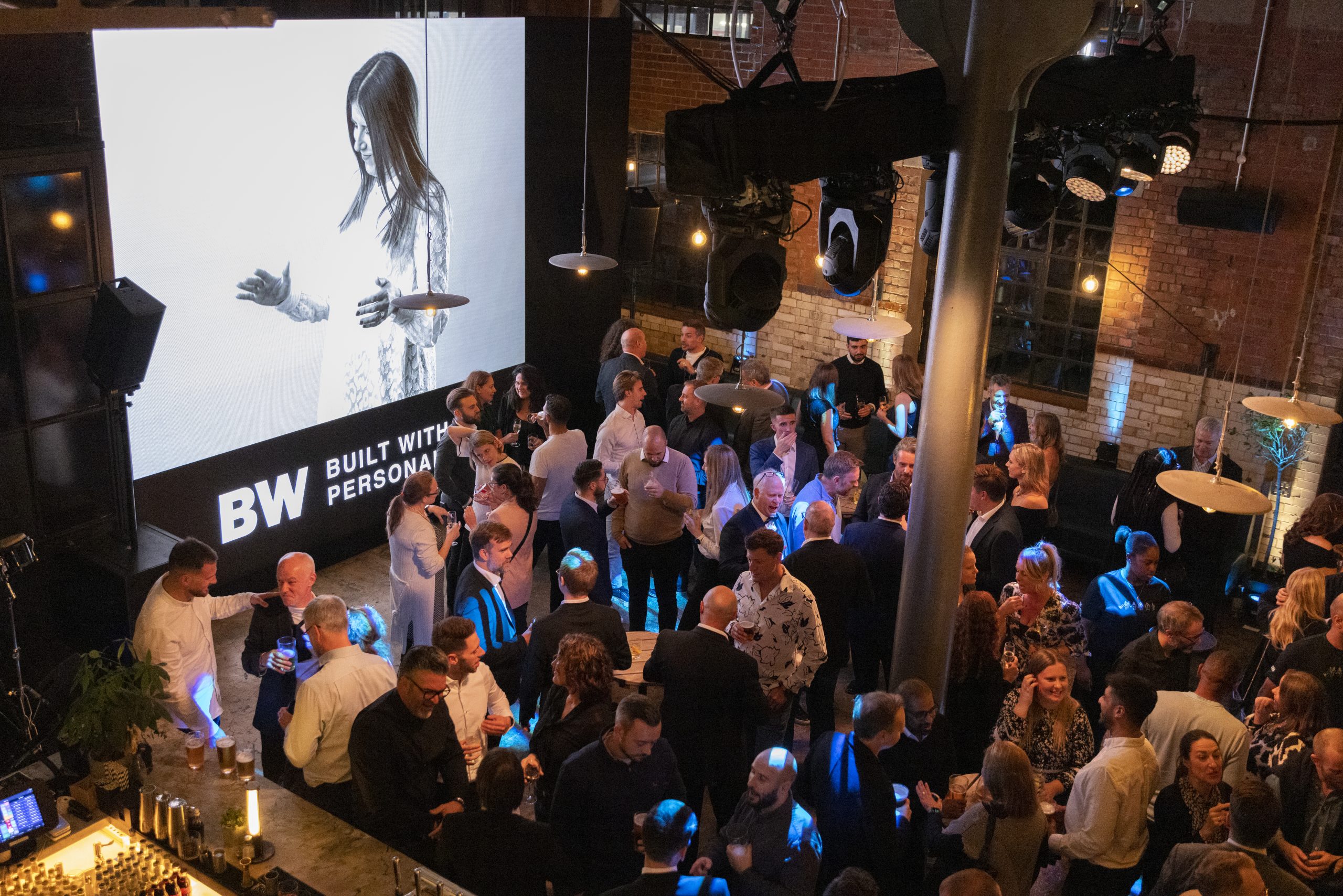
The most successful hybrid events share one habit. Nobody on the planning team calls the format “a physical event with a livestream bolted on.”
That framing is where most hybrid events go wrong. It treats remote attendees as an afterthought rather than an audience with its own needs and its own pace.
A genuinely strong hybrid experience is designed for both audiences from the very first planning conversation. It is not stitched together in the final fortnight.
That means treating engagement, accessibility, content delivery and experience design as one connected system. Technology sits underneath all of it, carrying the experience quietly rather than becoming the headline act.
This is exactly the territory SEVEN works in every week, helping businesses plan virtual and hybrid events that feel considered rather than cobbled together. Here’s what the best ones tend to have in common.
What makes a hybrid event successful?
1. Designing for both audiences from the start
Map the online journey and the in-person journey side by side. Then work out where they need to meet.
The biggest tell of a rushed hybrid event is a running order built for the room, with the online audience patched in as a courtesy. Strong hybrid design starts the other way round.
SEVEN’s work with Telefónica shows this in practice. Building on a successful hybrid kick-off the year before, the brief for the follow-up event was to sharpen the online experience specifically.

That meant redesigning the event application and the online viewing platform. Remote attendees needed more than a lesser version of the day.
Guests at the venue used the event app. Those joining remotely had their own web portal, giving every attendee a route into the day that suited how they were attending.
2. Creating meaningful ways to participate
A hybrid event succeeds when remote guests have genuine ways to take part, rather than a mute button and a chat window nobody moderates. Depending on the event, that might include:
- Live polling and Q&A that visibly shapes what happens on stage
- Breakout sessions that run in parallel for in-room and remote groups
- Two-way video links to satellite offices, so distributed teams aren’t just spectators
- Networking features that let remote attendees actually meet each other, not just watch a feed
- Interactive moments built around key announcements, awards or product reveals
The Telefónica event is a strong example here too. Alongside the in-venue audience at IET Savoy Place, teams watched together in both Belfast and Edinburgh.

A two-way link brought the satellite offices into the day, rather than leaving them on the outside of it. The client later described the two remote winners being brought into the event live as one of the standout moments of the whole day.
3. Making content work across different formats
Content that reads well on a stage rarely works unchanged on a screen. Long unbroken segments and slow pacing lose impact the moment someone is watching from a laptop.
Strong hybrid content is built with both formats in mind from the outset. Pacing, camera angles, on-screen graphics, and segment length all need to work for a remote viewer, not just someone sitting three rows from the stage.
This is also where accessibility earns its place in the conversation. Captioning and a viewing experience that works on a smaller screen are not add-ons for a subset of the audience.
They are part of what makes the content usable for everyone, in the room or out of it.
4. Getting the technology right without letting it take over
The best hybrid events use technology the way a good stage crew works. It should be essential, invisible, and never the story anyone tells afterwards.
For Telefónica, the key change behind the improved event was the technology offering itself. SEVEN designed and built the event platform to support a noticeably better viewer experience.
The result showed up in the data. Interactions across the virtual event analytics increased sharply once the new application was in place.
That is the real test of hybrid technology. It should raise engagement quietly in the background, not announce itself with glitches or a platform nobody was trained to use.
What is the role of virtual event management?
Good virtual event management is what turns a good plan into an experience that actually lands on the day. It starts well before anyone logs in.
This is where a specialist virtual events agency earns its keep. It treats the remote experience as a discipline in its own right, not a smaller version of the in-person plan.
1. Planning the remote experience
This covers platform selection, registration flows, technical rehearsals and streaming quality. It also means coordinating speakers, timings and content across two audiences at once.
A capable virtual events agency treats this as its own discipline, with the same rigour applied to remote logistics as to venue sourcing or production design. Get this stage wrong, and every other part of the event inherits the problem.
2. Supporting engagement before, during and after the event
Engagement doesn’t start when the event opens, and it doesn’t end when it closes. Effective virtual event management includes pre-event communications that build anticipation and post-event follow-up that keeps the relationship going.
In-event tools keep attention through the day itself. Detailed analytics on attendance, interaction rates, and content performance then give organisers a clear read on what actually worked.
When should businesses consider a hybrid event?
Hybrid works best when there’s a genuine reason to bring two audiences together, rather than choosing one format by default. That tends to apply when:
- Teams are spread across multiple offices or regions, and a single physical gathering would exclude a meaningful share of the audience
- The event marks something significant, such as an annual conference, awards evening or major product launch, where reach and impact both matter.
- Budget or logistics make it difficult for every stakeholder to travel, but the content is too important to reduce to a recording sent out afterwards.
- The organisation wants richer data on attendee behaviour than an in-person-only event could ever provide
- There’s an existing in-person event that has plateaued, and extending it to a wider virtual audience is a natural next step.
These reasons are about the audience and what the event needs to achieve, which is exactly where a good hybrid event agency starts the planning conversation.
The bottom line
Hybrid works best when the format serves the audience and the objective, not the other way round. The events that succeed are the ones where the remote and in-person experiences were designed together from day one.
Participation gets built in, not bolted on. Content gets shaped for both formats, and the technology stays quietly in the background doing its job.
Businesses considering their next hybrid event can explore SEVEN’s approach to virtual and hybrid events. The same page covers how SEVEN brings in specialist virtual events management from the first planning conversation onwards.
FAQs
Where can I find an events agency in London with hybrid event expertise?
SEVEN is a London-based virtual and hybrid event agency with offices in Mayfair and Birmingham. The team has delivered hybrid events at venues including IET Savoy Place, combining in-person production with live virtual and remote-office connections.
Where can I hire professional event organisers for hybrid events in London?
SEVEN’s team of event organisers manages hybrid events from initial concept through to post-event analysis. That covers venue sourcing, production, platform selection and remote audience engagement as one connected service.
What are the advantages of using hybrid event agencies for business conferences?
A specialist hybrid event agency brings experience across both formats at once, from technical production to the logistics of running two audiences simultaneously. That reduces the risk of remote attendees feeling like an afterthought and gives organisers reliable engagement data across the full audience.
How can virtual event agencies enhance attendee engagement?
A strong virtual events agency builds engagement into the platform and the content itself, through live polling, Q&A, and two-way links to remote offices or attendees. Combined with clear pre-event communication and post-event follow-up, this keeps audiences involved throughout the whole event lifecycle.
Virtual Events Agency: How to Deliver Engaging Online Experiences?
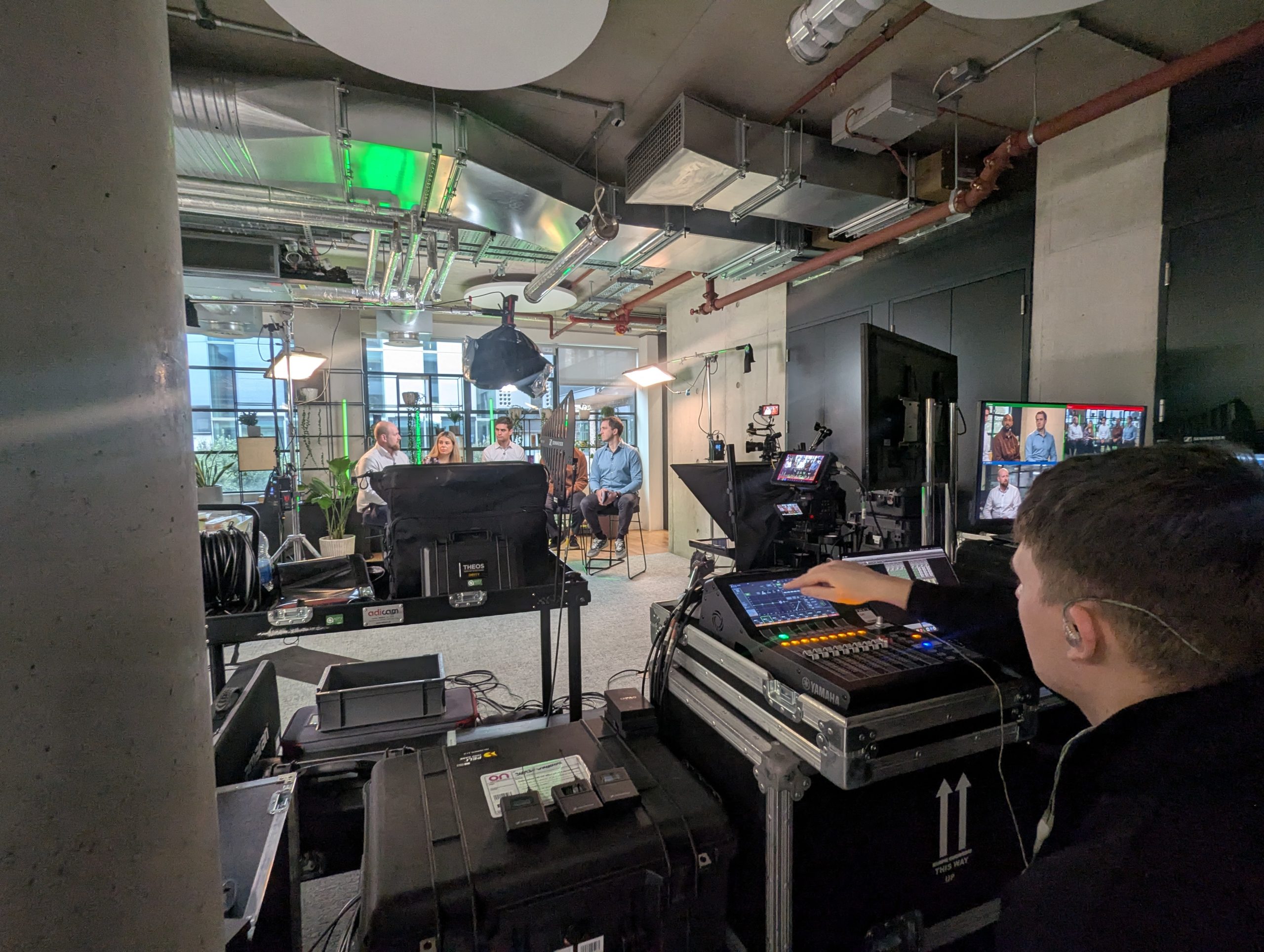
Online events have become a permanent part of how brands connect with audiences. The pandemic forced the shift. What followed was a realisation that online formats reach people a physical room never could. A good virtual events agency turns that reach into genuine engagement. Let’s see how.
What Does a Virtual Events Agency Do?
A virtual events agency plans, produces, and delivers events that take place online or across both physical and digital spaces. The work covers far more than setting up a video call. It brings together strategy, production, technology, and audience engagement into one service.
A good agency handles:
- Event strategy and audience planning.
- Creative concept and content design.
- Platform selection and build.
- Broadcast-quality production and streaming.
- Presenter rehearsals and technical checks.
- Live event management on the day.
- Post-event data and reporting.
SEVEN has delivered online and hybrid events for global brands, from two-day online conferences to multi-location broadcasts. The goal is always the same: keep remote audiences genuinely engaged from start to finish.
What Are The Benefits of Virtual Events?
Online formats offer advantages that physical events struggle to match. The main benefits include:
- Wider reach: Attendees join from anywhere without travel.
- Lower cost per head: No venue hire, catering, or accommodation.
- Stronger data: Every click and interaction can be tracked.
- Reduced travel impact: Fewer flights and journeys lower the carbon footprint.
- Easy content reuse: Sessions can be recorded and shared afterwards.
- Faster turnaround: Online events can be planned on shorter timelines.
These benefits explain why many brands keep events online even when in-person gatherings are possible.
Virtual vs Hybrid vs In-Person Events
Each format serves a different purpose. The table below sets out the main differences.
| Factor | Virtual | Hybrid | In-Person |
|---|---|---|---|
| Audience location | Fully remote | Remote and on-site | All on-site |
| Reach | Widest | Wide | Limited by venue |
| Cost per attendee | Lowest | Moderate | Highest |
| Networking quality | Structured online | Mixed | Strongest |
| Production complexity | Moderate | Highest | Moderate |
| Data and tracking | Strongest | Strong | Limited |
Many brands run online conferences when reach matters most. They choose hybrid events when they want both a live audience and a remote one.
7 Ways to Increase Engagement in Virtual Events
Engagement is the real challenge of any online event. These seven tactics keep remote audiences involved.
1. Live Polling
Polls turn passive viewers into active participants. They give the audience a voice and give presenters instant feedback on what people think.
2. Breakout Sessions
Smaller groups create space for real conversation. Breakouts work well for workshops, training, and any session where discussion matters more than broadcast.
3. Networking Lounges
A good virtual event platform can recreate the informal side of events. Networking lounges let attendees meet, chat, and build connections beyond the main programme.
4. Gamification
Game mechanics add energy and friendly competition. Points, challenges, leaderboards, and prizes give people a reason to stay engaged across a full day.
5. Audience Q&A
Live questions keep content relevant to the people watching. A strong moderation setup makes sure the best questions reach the speakers without chaos.
6. Interactive Content
Static slides lose attention fast. Interactive formats hold it instead:
- Live demonstrations and product walk-throughs.
- On-screen quizzes and challenges.
- Clickable resources and downloads.
- Audience-driven content choices.
7. Personalised Agendas
A custom agenda makes each attendee feel the event was built for them. A good virtual event platform surfaces relevant sessions based on each person’s role and interests.
What Technology Is Required for Successful Virtual Events?
The right technology is the foundation of any online event. Several elements work together to make it happen. The core components include:
- A reliable virtual event platform: The home for content, networking, and data.
- Broadcast-quality streaming: Clear video and audio that hold attention.
- Presenter support tools: Rehearsal systems, autocues, and backup feeds.
- Engagement features: Polling, Q&A, chat, and gamification built in.
- Data capture systems: Tracking that feeds measurement and follow-up.
- Technical support: A live team ready to solve issues in real time.
A good virtual events agency brings these elements together rather than leaving a client to assemble them alone.
SEVEN designs and builds bespoke platforms tailored to each brief, so the experience matches the brand rather than a generic template. This approach has powered online conferences for brands including Pepsi Lipton and Telefónica Tech.
How to Measure Virtual Event ROI?
Online events produce more data than any physical format. That data makes the return easier to prove. Track the following metrics:
- Registration and attendance rate.
- Average watch time per session.
- Engagement actions such as polls, questions, and downloads.
- Lead generation and qualified conversations.
- Post-event survey scores and Net Promoter Score.
- Content views after the live event ends.
A clear measurement plan should be set before the event begins. The metrics you track must follow from the objectives you defined at the start.
What Are The Common Virtual Event Mistakes?
Online events fail for predictable reasons. Each one is avoidable with the right planning.
| Mistake | Why It Happens | How to Avoid It |
|---|---|---|
| Treating it like a webinar | Low ambition and weak production | Design for experience, not just broadcast |
| Poor platform choice | Picked on price, not on fit | Match the platform to the audience and goals |
| No engagement plan | Content pushed at a passive audience | Build interaction into every session |
| Weak presenter prep | Speakers are left to figure it out alone | Run full rehearsals and technical checks |
| Ignoring the data | No measurement structure in place | Define metrics before the event begins |
Working with an experienced agency removes most of these risks. The planning and production discipline is what keeps an online event on track.
If you are planning online conferences or hybrid events and want them to genuinely engage your audience, we would love to talk through your brief.
Connect with the team at SEVEN.
FAQs
1. Are virtual events still effective?
Yes. Online formats reach wider audiences at lower cost and produce stronger data than physical events. The brands that keep them often do so because the results justify it.
2. What platform is best for virtual conferences?
The best virtual event platform depends on your audience, goals, and content. A bespoke platform built around your brief usually outperforms a generic off-the-shelf tool.
3. How do virtual events generate ROI?
They generate return through wider reach, lower cost per attendee, strong lead data, and reusable content. Clear measurement connects all of this back to commercial outcomes.
4. What does a virtual events agency do?
A virtual events agency plans, produces, and delivers online and hybrid events, covering strategy, platform build, production, and measurement under one service.