


Category: Strategic Communications
Branding and Storytelling: How Content Creation Builds Stronger Brand Experiences
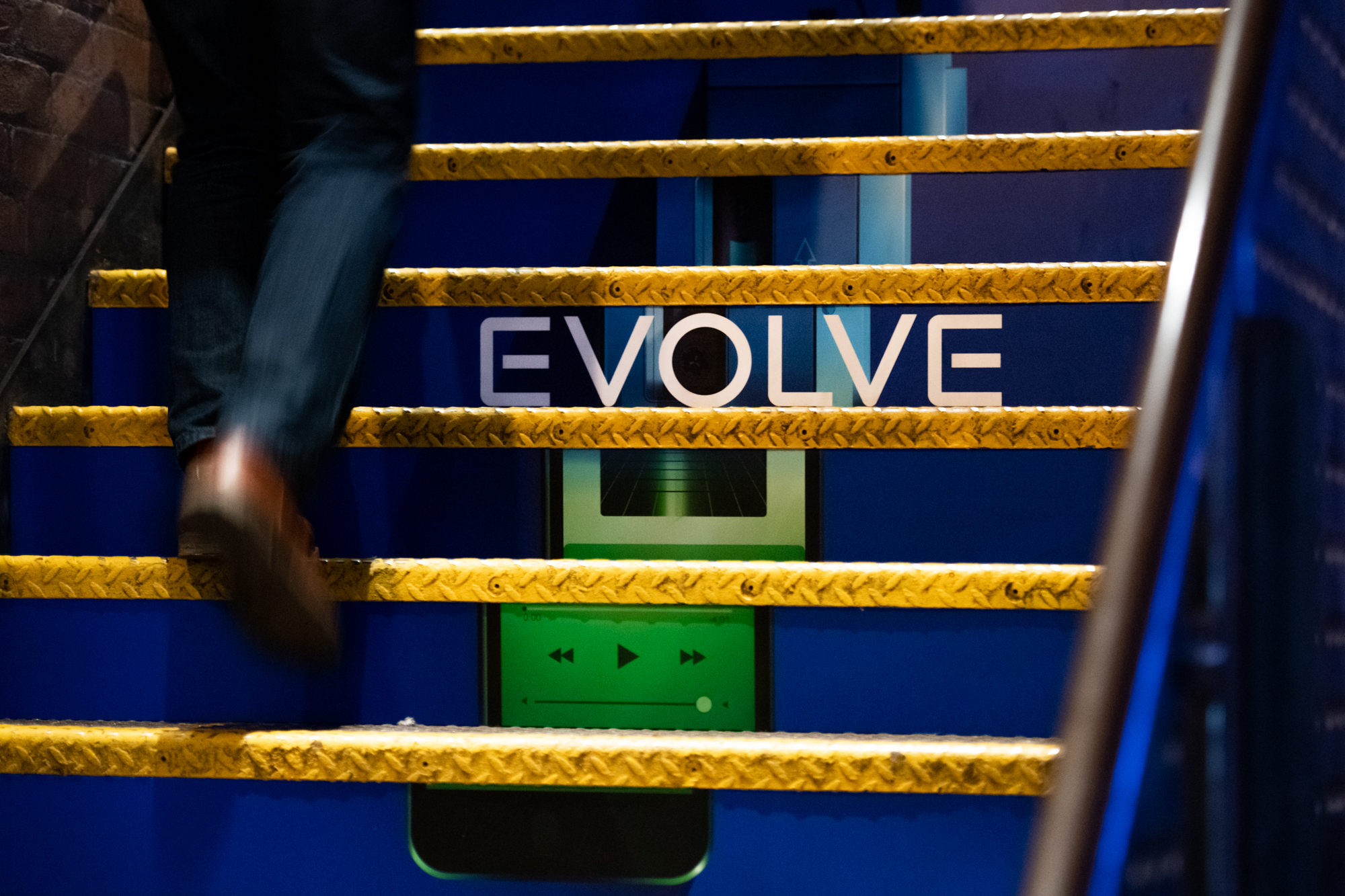
People do not remember what a brand said. They remember how it made them feel, the story that stayed with them, the experience that changed their perception, the content that made them see the brand differently.
Trust isn’t built through advertising claims alone. It grows through consistent storytelling that connects a brand’s values with the experiences people have at every touchpoint. That’s why branding and storytelling are a strategic business tool, not simply a creative exercise
Let’s understand what brand storytelling genuinely involves, how brand content creation brings stories to life, and how event content creation extends that impact far beyond a single day.
Why Branding and Storytelling Go Hand in Hand?
People do not build relationships with logos or taglines. They connect with ideas, emotions, and experiences that reflect their own values and aspirations. Branding and storytelling give a brand personality, helping audiences understand not only what a business does but why it matters.
A strong brand story creates consistency across every interaction. Whether someone discovers an organisation through social media, attends a conference, watches a product launch, or reads a customer success story, each touchpoint should reinforce the same narrative. This consistency builds familiarity, and familiarity builds trust.
Storytelling helps organisations stand out in competitive markets. While products and services can often be replicated, a compelling brand story is much harder to copy. It gives audiences a reason to choose one organisation over another.
What are The Foundations of Effective Brand Storytelling?
Great brand storytelling starts with a clear strategy. Every piece of content, campaign, and experience should reinforce the same brand identity. The strongest approaches are built on five key foundations:
- Brand purpose: Define what you stand for and let that purpose guide every communication.
- Audience understanding: Build stories around your audience’s needs, motivations, and challenges, not your organisation.
- Consistent messaging: Keep your messaging, tone of voice, and brand values aligned across every channel and touchpoint.
- Authentic voice: Honest, genuine communication builds stronger connections than carefully crafted personas.
- Long-term consistency: Strong brands evolve over time while staying true to a clear and recognisable story.
How to Turn Your Brand Stories Into Real Experiences?
A brand story has the greatest impact when people experience it rather than simply read about it. While digital content introduces audiences to a brand, live experiences allow them to see its values, personality, and purpose in action.
Conferences, product launches, exhibitions, employee engagement events, and incentive travel programmes all provide opportunities to strengthen the relationship between a brand and its audience. Experiential marketing works because it places the audience inside the story rather than presenting the story to them from a distance.
Every element of a live event, from the creative concept to the delegate journey, communicates something about the brand. When these touchpoints work together, they reinforce a consistent story that audiences can experience, not just hear
A good example is SEVEN’s work with Sophos, where the event was designed as a natural extension of the brand rather than a standalone experience.
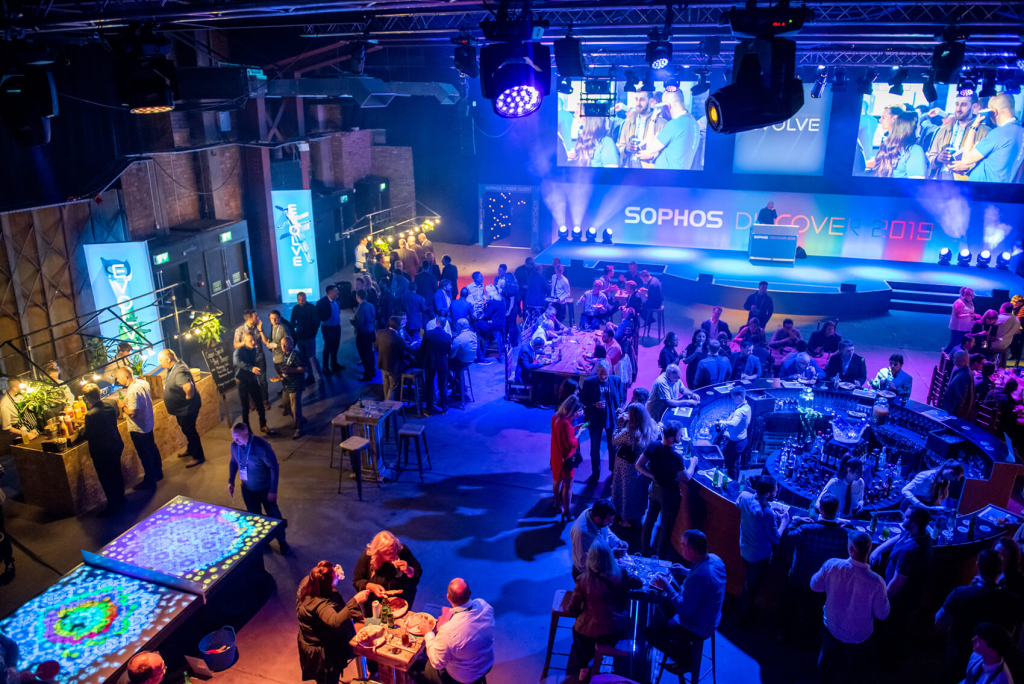
Every touchpoint, from the creative concept and delegate journey to the production and supporting content, reflected the same values and messaging. By ensuring every interaction reinforced a consistent narrative, the event strengthened brand recognition and gave attendees a clear understanding of what Sophos stands for.
This is SEVEN’s core belief: events are not separate from the brand story. They are its most powerful chapters.
Brand Content Creation That Extends the Experience
An event should never be treated as a single-day activity. Some of the most valuable brand engagement happens before and after through carefully planned event content creation.
1. Event Content Creation
Before the event, content builds anticipation and sets expectations such as speaker announcements, behind-the-scenes previews, teaser videos, and thought leadership articles that prime the audience and reinforce campaign messaging.
During the event, real-time content captures the energy of the experience and extends its reach beyond those in the room:
- Live social media updates and story content
- Professional event photography
- Short-form video highlights and speaker clips
- Audience testimonials and reaction interviews
- Live streaming for remote participants
After the event, content continues to deliver value long after the venue has closed. Highlight films, keynote recordings, recap blogs, customer success stories, and downloadable resources maintain momentum and reach audiences who could not attend.
The key is planning content capture before the event, not scrambling for it after. Brands that build content production into the event extract weeks of brand storytelling from a single day.
2. Video and Visual Storytelling
Video is one of the most effective ways to bring a brand story to life. It captures genuine moments, authentic interactions, and the atmosphere of an event in a way that static content often cannot. Rather than simply describing an experience, it allows audiences to see it for themselves.
From short-form highlights and speaker interviews to behind-the-scenes footage and event photography, visual content extends the life of an event well beyond the day itself.
It provides brands with valuable assets that can be repurposed across websites, social media, marketing campaigns, and future events, helping every experience continue to engage audiences long after it has ended.
3. Thought Leadership, Customer Stories, and Social Proof
The most trusted form of brand content creation puts the audience’s voice at the centre. Customer success stories, delegate testimonials captured at events, peer recommendations, and thought leadership that addresses real buyer problems- these are the formats that build credibility without requiring the brand to claim it directly.
Marketers prioritise building trust and credibility over engagement or lead generation as their primary content objective, because they understand that trust is what converts interest into commitment.
How to Make Brand Storytelling Work Consistently?
Compelling stories told inconsistently still produce fragmented brands. Three things determine whether branding and content creation deliver sustained commercial impact:
- A defined narrative that every piece of content traces back to
- A content repurposing strategy that extracts maximum value from every event and campaign
- Measurement beyond reach tracking brand recall, message consistency, and commercial outcomes, not just impressions
Useful metrics to track include brand awareness and recognition, audience engagement across digital and live channels, video completion rates, event attendance and post-event sentiment, website traffic from content, lead generation, and customer perception over time.
Common storytelling mistakes to avoid:
- Talking about the organisation rather than the audience
- Inconsistent tone of voice across channels and teams
- Treating events as separate from the wider marketing strategy
- Creating content only after an event, rather than planning it beforehand
- Publishing content without a narrative strategy connecting it to the brand story
At SEVEN Events, storytelling sits at the centre of every experience we create. We plan content capture as part of every event we deliver, ensuring that photography, video, and campaign content are produced to brand standards from the first moment.
Our storytelling and content creation service covers everything from concept development and creative production to event content creation and post-event campaigns. For clients including Telefónica Tech, Just Eat, and Sophos, we have turned single events into sustained content assets that continued building brand recognition and audience engagement for months.
Speak to our team about making your next event a storytelling opportunity.
Bottom Line from SEVEN
Strong brands aren’t built through isolated campaigns or one-off moments. They’re built through consistent stories that people experience across every interaction, whether they’re reading a blog, watching a video, attending a conference or engaging with your team.
Successful branding and storytelling bring together strategy, creativity and experience to create a narrative that audiences recognise, trust and remember. When supported by thoughtful brand content creation and planned event content creation, every touchpoint reinforces the same message, extends the life of your campaigns and strengthens long-term brand value.
The brands that stand out aren’t simply the ones that communicate more. They’re the ones who communicate consistently. Stories create emotional connections. Experiences make those stories real. Content ensures they continue to influence audiences long after the moment has passed.
FAQ
What is brand storytelling?
Brand storytelling is the strategic use of authentic stories to communicate a brand’s purpose, values and personality, helping build trust and lasting customer connections.
Why is storytelling important in branding?
Storytelling creates emotional connections, strengthens brand recognition and builds the trust that influences customer decisions and long-term loyalty.
What is brand content creation?
Brand content creation involves producing blogs, videos, social media, event content and customer stories that consistently communicate a brand’s message.
How can storytelling improve customer engagement?
Storytelling makes content more relatable and memorable, encouraging deeper engagement, stronger brand recall and lasting audience relationships.
Brand Communications Strategy: How to Build Consistent Brand Messaging Across Every Touchpoint
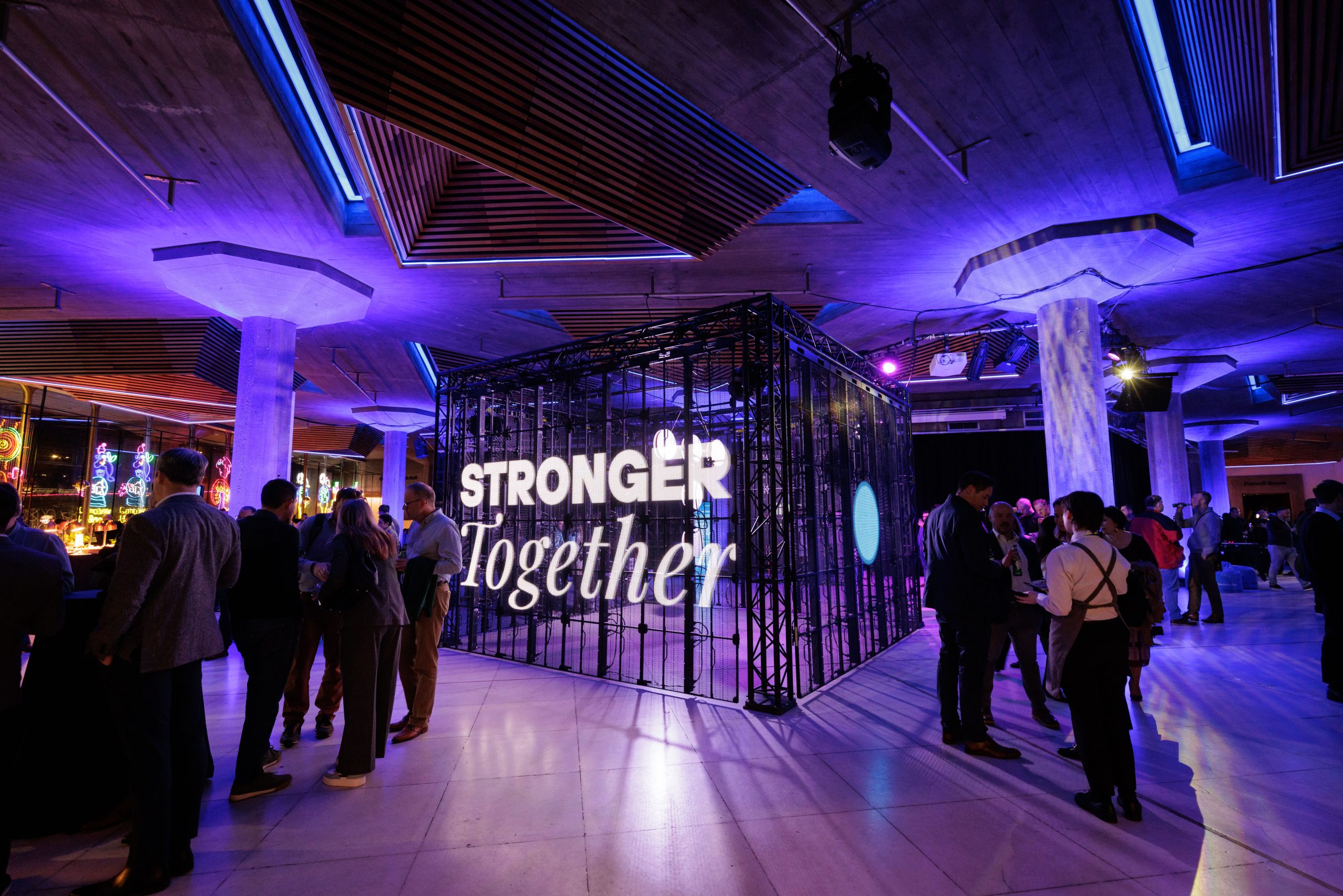
Most organisations have brand guidelines. Far fewer have a working brand communications strategy, and the gap between the two is where recognition erodes, trust fragments, and marketing investment underperforms.
Trust is earned through consistent experiences, not marketing messages alone. Every interaction shapes how people perceive a brand, making meaningful, well-executed experiences one of the most effective ways to build lasting relationships.
The result is a communications landscape where most brands are inconsistent by default, and the ones that are not enjoy a measurable commercial advantage. This guide explains what a brand communications strategy genuinely involves, how communication and strategic planning build recognition and trust, and what a strategic communications agency brings that internal teams rarely can.
What Is a Brand Communications Strategy?
A brand communications strategy is the structured framework that determines how an organisation communicates its identity, values, and propositions to every audience, consistently, across every channel, at every stage of the relationship.
It goes beyond tone of voice and logo guidelines. A strong brand communications strategy defines what the brand stands for, who it’s speaking to, and how every communication supports that purpose.
The stakes become concrete when you trace a real buyer’s journey. A prospective client discovers the brand through social media, attends one of its events, visits its website, receives an email campaign, and later speaks with the sales team. Each interaction either reinforces the same message or creates doubt.
What are the Core Components of Effective Communication and Strategic Planning?
Communication and strategic planning is the discipline of aligning every communication decision to a defined business objective. The strongest strategies follow five connected steps:
- Position: define what the brand stands for and why
- Audience: understand who you are speaking to and what they need to think, feel, and do
- Messaging: build a framework that translates positioning into consistent, audience-specific language
- Channels: map where your audiences form opinions, and align every channel to the same narrative
- Measure: track brand awareness, message recall, engagement, and commercial outcomes over time
Each step informs the next. Skipping any one of them is where consistency breaks down.
1. Brand Positioning and Messaging Framework
Positioning is the foundation. It answers the question every audience is implicitly asking: why this brand, not another? A clear positioning statement defines the space the brand owns in the market, the values it stands for, and the proof points that make those claims credible.
The messaging framework translates that positioning into language. An effective framework includes:
- Core brand messages that remain consistent across all audiences
- Key value propositions tied to outcomes audiences actually care about
- Tone of voice guidelines that travel across every channel
- Brand storytelling themes that give communications a consistent narrative arc
- Supporting proof points that make claims credible rather than aspirational
Without a documented messaging framework, communications drift. Every team, agency, and channel develops its own interpretation, and the brand fragments in ways that are often invisible from the inside and immediately obvious from the outside.
2. Audience Insight and Channel Strategy
Effective communication and strategic planning are audience-first, not channel-first. Different audiences require different messaging and different channels, but the underlying brand narrative must remain consistent across all of them.
Brands that maintain consistent identity across platforms gain higher recall, making the commercial case for investing in channel strategy rather than treating each platform as a separate communications exercise.
3. Campaign Planning and Consistency Across Touchpoints
Integrated campaigns deliver higher ROI compared to siloed approaches, because consistent messaging compounds across channels. Each touchpoint reinforces what the last one said, building the pattern recognition that creates trust and drives decisions.
Campaign planning translates the messaging framework into a coordinated programme: aligned content, consistent visual and verbal identity, and sequencing that builds momentum rather than broadcasting once and going silent.
How Events Function as a Brand Communications Channel?
The most overlooked element of a brand communications strategy is the live event. For many organisations, events are treated as standalone occasions rather than communications touchpoints, planned separately from the brand narrative and evaluated only on operational metrics.
A conference, product launch, awards ceremony, or client summit is one of the most powerful brand communications tools available, because it creates a real, physical, sensory experience of the brand that no digital channel can replicate.
A product launch should reinforce the same messaging as the campaign supporting it. A leadership conference should reflect the company’s culture and long-term vision. An employee engagement event should communicate the same values customers experience externally.
A good example is the launch of the new B2B offering, Just Eat for Business. Rather than treating the event as a standalone launch, every element of the experience was designed to communicate the brand’s proposition to its audience.
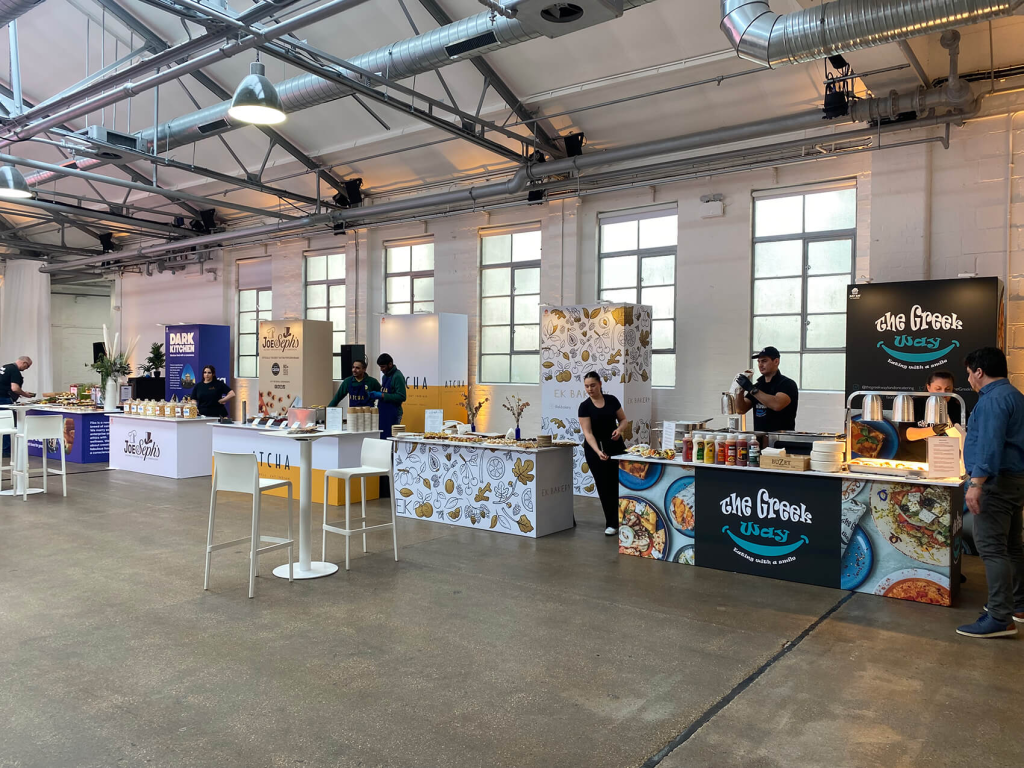
From the event environment to the messaging and attendee journey, the launch reflected the same story the brand wanted customers to understand.
It’s a reminder that when events are aligned with a wider communications strategy, they become far more than a single moment. They become an extension of the brand itself.
When every element, from the room design, the content, the speaker narrative, the delegate journey, to the post-event communications, expresses the same message, the event does not just inform the audience. It creates conviction.
That is what separates strategic communications from event management: the difference between running an event and using an event to change how an audience thinks and feels about the brand.
What a Strategic Communications Agency Actually Does?
A strategic communications agency brings an external perspective, cross-channel expertise, and a structured approach that can be difficult to maintain internally.
Common Brand Communication Mistakes That Undermine Consistency
The most common mistakes agencies are brought in to solve are:
- Inconsistent messaging across channels, websites, social media, events, and sales materials, communicating different priorities
- A changing tone of voice that makes the brand feel unfamiliar, depending on who is communicating
- Disconnected internal and external communications, leaving employees with a different understanding of the brand than customers experience externally
- Events are treated as separate from the wider marketing strategy, rather than as brand communications channels
- Reactive campaign planning, where short-term activity takes priority over long-term brand consistency
The Role of Internal Communications
Internal communications is one of the most underinvested elements of a brand communications strategy, and one of the most commercially significant. Employees who understand and believe in the organisation’s messaging become its most credible external communicators, reaching audiences no paid campaign can.
A strategic communications agency aligns internal and external communications, ensuring employees understand the brand before it reaches wider audiences.
Measuring whether the strategy is working requires looking beyond reach and engagement:
- Brand awareness and recognition over time
- Message recall and audience understanding
- Campaign performance against stated objectives
- Event feedback and delegate sentiment
- Employee understanding and advocacy
- Share of voice and media coverage
- Customer perception and NPS
At SEVEN Events, we begin by understanding your brand, audience, and objectives, then ensure every touchpoint, from delegate communications and event design to post-event follow-up, supports one consistent narrative.
Our strategic communications service sits at the intersection of brand strategy and live experience, bringing communications thinking into every event we deliver and event design into every communications programme we build.
For clients including Telefónica Tech, Sophos, and Just Eat, we have developed messaging frameworks, event narratives, and integrated programmes where every interaction, internal and external, expresses a single, coherent brand story.
Speak to our team about building a communications strategy that works across every channel.
Bottom Line
A brand communications strategy brings consistency to every part of the customer and employee experience. It connects your messaging, channels, and live experiences so that every interaction supports the same business objectives and reflects the same brand identity.
Every touchpoint is an opportunity to reinforce what your organisation stands for. When communication is planned with the same care as the experience itself, brands become more recognisable, more memorable, and better equipped to build lasting relationships with the audiences they serve.
FAQs
What is a brand communications strategy?
A brand communications strategy is a plan that defines how a business communicates its message, values, and identity consistently across all channels.
Why is strategic communication important?
Strategic communication helps build trust, strengthen brand recognition, and ensure every message supports business goals and customer engagement.
What does a strategic communications agency do?
A strategic communications agency develops messaging, aligns communications across channels, and creates strategies that strengthen brand reputation and drive results.
How do you create a communication strategy?
Start by defining your goals and audience, developing consistent messaging, choosing the right communication channels, and measuring results to refine your approach over time.
The event isn’t over when the audience leaves: extending your message beyond the main event

At SEVEN, we believe the most effective events don’t end when the final session finishes. They form part of a wider communication journey that continues to engage audiences, reinforce key messages and create lasting impact. Whether through cascade events, regional roadshows or digital content, extending event messaging should be planned from the outset. When done well, organisations can maintain momentum, reach wider audiences and ensure their message remains consistent long after the event itself.
Why post-event engagement matters
A flagship conference, leadership summit or company wide event often marks the beginning of a business initiative, not the end of it. The excitement and energy created on the day can quickly fade if there isn’t a clear plan for what comes next.
Post event engagement helps organisations turn inspiration into action. It reinforces key themes, encourages ongoing conversations and keeps strategic priorities front of mind. Most importantly, it helps ensure that the investment made in the event continues to deliver value long after the final presentation.
Cascade events: bringing messages closer to teams
One of the most effective ways to extend event messaging is through cascade events.
These smaller sessions allow leaders and managers to share key themes with their teams in a more relevant and personalised way. Rather than simply repeating presentations, they focus on what the message means for specific departments, regions or business functions.
The key is ensuring that cascade materials, speaker guidance and messaging frameworks are developed as part of the main event planning process. This keeps the core narrative consistent while allowing room for local discussion and action planning.

Roadshows: taking momentum across the business
For organisations with multiple locations, regional roadshows can be a powerful way to maintain engagement.
Roadshows bring senior leaders, event content and strategic priorities directly to teams, creating opportunities for face-to-face interaction and deeper conversations. Rather than replicating the original event, they should build on its themes while addressing local priorities and challenges.
When roadshows are considered from the outset, content, branding and storytelling can be designed to work seamlessly across the entire programme.

Consistency is everything
With hybrid working continuing to shape the workplace in 2026, many organisations are looking for better ways to reconnect One of the biggest challenges in extending communications beyond an event is ensuring the message remains consistent.
As content is shared through different teams, regions and channels, important details can easily become diluted. That’s why clear messaging frameworks, approved content and communication toolkits are essential.
At SEVEN, we encourage clients to think of their event as part of a wider communication strategy rather than a standalone moment. By building post-event engagement into the plan from day one, organisations can create a stronger narrative, drive greater understanding and deliver lasting impact.
To learn more about how we help organisations create impactful event experiences and communication strategies, explore our services: https://sevenevents.co.uk/our-services/
Frequently asked questions
Why should post-event communication be planned before the event takes place?
Planning early ensures that content, messaging and resources can be developed with long-term engagement in mind, making it easier to maintain momentum and consistency.
What is a cascade event?
A cascade event is a smaller follow-up session where key messages from a larger event are shared and discussed with wider teams in a more localised format.
How do roadshows support event objectives?
Roadshows help reinforce strategic messages, maintain engagement and create opportunities for leaders to connect directly with teams across different locations.
How can organisations prevent messaging from becoming diluted?
Clear communication frameworks, approved content and speaker guidance help ensure key messages remain aligned across every audience touchpoint.
Can SEVEN help plan post-event engagement strategies?
Absolutely. At SEVEN, we help clients create event programmes that deliver impact before, during and long after the main event has taken place.
Get in touch
If you’re planning an event and want to ensure your message continues to create impact long after the audience leaves, we’d love to help. Contact us at hello@sevenevents.co.uk to discuss how SEVEN can support your event and engagement strategy.
What Does a Strategic Communications Consultancy Do?

Most organisations are not short of things to say. They are short of clarity on what to say, when, and to whom. That gap is where a strategic communications consultancy earns its keep.
Today, we explain what such a consultancy does, where it sits in your business, and when it makes commercial sense to bring one in. Read on for a clear breakdown of services, comparisons, and questions to ask before you hire.
What Is Strategic Communications?
Strategic communications is the planned use of messaging to achieve business goals.
It connects what an organisation says to what it is trying to achieve. The discipline covers internal teams, external audiences, partners, and the public.
Strategic communications is broader than marketing or PR. It shapes how an organisation behaves and communicates across every channel, every audience, and every moment that matters.
A clear corporate communications strategy gives that activity shape and direction.
Common reasons businesses invest in it include:
- Reshaping how leadership is perceived internally.
- Managing communications through change or restructure.
- Protecting reputation during sensitive moments.
- Connecting events, campaigns, and announcements into one story.
- Aligning teams on a shared message before going public
What Does a Strategic Communications Consultancy Do?
A strategic communications consultancy plans, builds, and delivers communications that move a business forward.
It works alongside your leadership team rather than replacing your internal function. Think of the consultancy as a senior advisor that brings outside perspective, planning rigour, and the right specialist skills at the right moment.
A consultancy typically:
- Audits how the business currently communicates.
- Builds a clear corporate communications strategy with measurable goals.
- Shapes the messages that matter most.
- Plans the channels, timings, and audiences for each campaign.
- Supports execution across internal and external programmes.
- Measures impact and refines the plan based on results.
Working with a strategic communications agency in this way gives an organisation senior expertise without the cost of building a full in-house team.
What Are The Core Services That Are Offered?
A modern consultancy covers several connected disciplines. Most clients use a combination rather than one in isolation.
1. Internal Communications
Internal communications shapes how employees understand the business.
It covers the channels, content, and tone that connect leadership decisions to the people delivering them. Strong internal communications drive engagement, retention, and performance.
2. Leadership Communications
Leadership communications focuses on how executives speak, write, and appear in public.
This includes keynote development, speech writing, media coaching, and personal brand positioning. A senior consultancy treats this as a craft, not a quick fix.
3. Change Communications
Change communications carries an organisation through transition.
Mergers, restructures, leadership changes, and strategic pivots all need careful messaging. A good plan keeps employees informed, partners reassured, and external audiences confident.
4. Partner Engagement
Partner engagement manages the relationships that influence business outcomes.
It covers investors, regulators, partners, communities, and clients. The goal is consistent, planned communication rather than reactive updates.
5. Event Communications
Event communications turns events into business impact.
This covers pre-event messaging to drive registrations, on-the-day content that lands the brand message, and post-event communications that protect the return on investment.
SEVEN integrates communications planning into every major event we deliver, so the messaging works as hard as the production.
How Strategic Communications Supports Corporate Events?
A conference, launch, or experiential event is only as strong as the communications around it. The best events use communications to:
- Build anticipation and registration before the doors open.
- Set audience expectations for what they will see and learn.
- Land the right messages clearly across keynotes and content.
- Capture and amplify the moments worth sharing afterwards.
- Connect the event to wider business goals and follow-up activity.
Without that planning, an event becomes a single moment in time. With it, the event becomes a campaign that delivers value for months afterwards.
A strategic communications consultancy turns each event into a connected piece of the wider business story rather than a standalone production.
Communications Consultancy vs PR Agency
These two services are often confused. They serve different purposes, and most large businesses need both.
| Factor | Strategic Communications Consultancy | PR Agency |
|---|---|---|
| Primary focus | Planning and strategy across all communications | Media coverage and external publicity |
| Audience | Internal, external, partners, and leadership | Press, journalists, and public audiences |
| Output | Strategy, plans, structures, messaging | Press releases, media outreach, coverage |
| Time horizon | Long-term reputation and positioning | Short-term news cycles and announcements |
| Measurement | Behavioural change, engagement, message reach | Coverage volume, share of voice, sentiment |
| Sits with | Leadership and board | Marketing or external affairs |
A PR agency builds visibility for what is already happening. A strategic communications agency decides what should be happening, why, and how every audience should hear about it.
When Should a Business Hire a Consultancy?
There are clear moments when bringing in a consultancy makes commercial sense. Common triggers include:
- A major change is coming: A restructure, merger, or new leadership team needs a clear communications plan before announcements begin.
- Reputation is at risk: Sensitive moments require external counsel and steady messaging.
- The internal function is stretched: A small team cannot deliver everything a large business needs.
- A flagship event is on the horizon: Events without communications planning leave value on the table.
- The business needs to reset its narrative: A new strategy or direction needs a clear story behind it.
- Leadership wants outside perspective: An external voice often spots what insiders miss.
In each of these moments, a strategic communications agency brings the planning rigour and senior counsel an internal team may struggle to produce alone.
The cost of hiring a consultancy is usually small compared to the cost of communicating badly through any of these moments.
How to Measure Communication Effectiveness?
Communications used to be hard to measure. That is no longer true.
A strong corporate communications strategy builds measurement into every plan from the outset. The metrics that matter include:
- Audience reach: How many people received the message across each channel.
- Engagement: Opens, watch time, clicks, comments, and replies.
- Comprehension: Whether the audience understood the intended message.
- Behavioural change: What the audience did after receiving the message.
- Reputation tracking: Sentiment and trust scores across audiences.
- Business outcomes: Lead conversion, retention, and revenue impact.
These metrics turn communications from a soft discipline into a measurable contribution to business performance.
Why Work With SEVEN?
SEVEN brings together event production, brand experience, and strategic communications under one roof.
That joined-up approach matters. A communications plan that informs the event design, and event design that strengthens the communications, produces results neither could achieve alone.
We have supported global brands in technology, finance, healthcare, and automotive through:
- Flagship conferences and product launches.
- Internal change communications around mergers and restructure.
- Leadership and keynote programme development.
- Hybrid and virtual event content strategy.
If you are looking for a strategic communications consultancy that understands events as a communications platform, we would love to talk.
Connect with the team at SEVEN
FAQs
1. What is a strategic communications consultancy?
A strategic communications consultancy plans and delivers communications that achieve business goals. It works alongside leadership to shape messaging, manage reputation, and connect activity across internal and external audiences.
2. How is strategic communications different from PR?
Strategic communications covers the full planning of how a business communicates across all audiences. PR focuses specifically on media coverage and external publicity.
Most large businesses need both, but they serve different purposes.
3. Why is strategic communication important?
It connects what a business says to what it is trying to achieve. A strong corporate communications strategy protects reputation, builds employee engagement, and supports commercial growth.
4. What does a communications consultant do?
A consultant audits current communications, builds a plan, shapes the messaging, and supports execution. They sit alongside leadership to provide senior expertise without the cost of a full in-house team.