


Category: Branding and Storytelling
How can a strong brand communications strategy bring an event to life?

An event’s success lives in the conversations it creates before, during and after the day itself. Get the messaging right, and every touchpoint feels connected. Get it wrong, and even a beautifully produced event can feel disjointed, generic or forgettable.
A strong brand communications strategy gives an event its shape. It defines what you want people to think, feel and do at every stage, from the first invitation to the final follow-up. With this blog, let’s talk about how strategic thinking, applied specifically to events, makes the experience feel coherent, relevant and purposeful.
Why does communication matter to the event experience?
1. Understanding what your audience needs to hear
Different audiences need different things from the same event. A delegate attending a leadership conference wants clarity and confidence, while an employee at an internal celebration wants recognition and connection.
A strong brand communications strategy starts by understanding these differences properly. Messaging that ignores the audience’s actual needs tends to feel generic, however polished the delivery looks.
A strategic communications consultancy typically begins here, mapping out audience segments before a single word of messaging is written. That groundwork shapes every decision that follows.
2. Creating consistent messaging
Consistency builds trust. When the invitation, the on-site signage, the speaker scripts and the follow-up email all tell the same story, the event feels considered rather than thrown together.
Inconsistent messaging does the opposite. It creates small moments of confusion that chip away at how professional and purposeful the whole event feels.
A strategic communications agency treats consistency as a discipline, checking every touchpoint against the same core narrative before it goes out. That review process is what catches the small inconsistencies before an audience ever sees them.
3. Building anticipation before the event
The best events start working on the audience before anyone arrives. Well-timed communications, teaser content and clear expectations all build genuine anticipation rather than just filling an inbox.
This is where communication and strategic planning earn their place early in the process. Anticipation doesn’t happen by accident, and it needs to be built deliberately into the timeline.
How can strategic communications strengthen an event?
1. Connecting the event to wider business objectives
An event without a clear connection to business goals risks becoming an isolated moment rather than a meaningful milestone.
Strategic communications tie the event back to what the organisation is actually trying to achieve, whether that’s brand awareness, employee engagement or customer loyalty.
Working with a strategic communications agency helps make this connection explicit from the outset. That clarity shapes every decision that follows, from the tone of the invitation to the content on stage.
2. Bringing the story to life across different touchpoints
A strong event narrative needs to survive contact with dozens of different formats. It has to work in a short email, on a printed agenda, in a keynote speech and in a follow-up video, without losing its shape.
This is where a strategic communications consultancy adds real value, translating one clear message across many different touchpoints. Each format demands its own approach, but the underlying story should always feel recognisably the same.
A skilled strategic communications consultancy also knows when to trim a message down and when a fuller version is needed. A stage script and a follow-up email rarely need the same level of detail, even when they’re telling the same story.
3. Continuing the conversation after the event
Many events end the moment the last guest leaves the room. That’s a missed opportunity, because the period immediately after an event is often when engagement is at its highest.
Thoughtful follow-up communications, from thank-you messages to shared highlights and next steps, extend the value of the day well beyond its scheduled end time.
This is as much a part of communication and strategic planning as anything that happens before the event starts.
Good communication and strategic planning treat the post-event period as an extension of the event itself, not an afterthought once the main job is done.
What does a strategic communications partner bring to an event?
A genuinely useful partner brings more than polished copywriting.
They bring a structured way of thinking that connects strategy, creativity and delivery into one coherent plan. That typically includes:
- A clear understanding of your audience, objectives and brand positioning before any messaging is drafted.
- A consistent narrative that flexes across formats without losing its core meaning.
- A realistic communications timeline that builds anticipation rather than rushing it.
- On-the-day messaging that supports the live experience rather than distracting from it.
- Post-event follow-up that keeps the conversation going and captures useful insight.
SEVEN’s approach to strategic communications reflects exactly this kind of thinking. Every project typically begins with a discovery session to align objectives, audience and messaging, and that early alignment shapes every touchpoint that follows through to post-event measurement.
Choosing a strategic communications agency with this kind of structured process, rather than one that starts with creative before strategy, tends to produce events that feel considered rather than rushed.
The bottom line
Strong communication should make an event feel coherent, relevant and purposeful from the very first interaction through to post-event engagement. It’s the thread that ties a brief, a brand and an audience into a single, well-told story.
Businesses looking to strengthen their next event with this kind of thinking can explore SEVEN’s approach to strategic communications to see how a brand communications strategy comes together in practice.
FAQs
What is a brand communication strategy?
A brand communication strategy is a structured plan for how an organisation communicates its identity, values and messaging to a specific audience. Applied to events, it shapes everything from the invitation to on-site messaging, ensuring every interaction supports the same clear story.
How do you develop an effective brand communication strategy?
Start by understanding your audience, objectives and brand positioning before drafting any messaging. From there, build a consistent narrative that can flex across different formats and touchpoints without losing its core meaning.
What are the key components of a brand communication strategy?
The essentials include clear audience understanding, consistent core messaging, a defined tone of voice, a realistic timeline for building anticipation, and a plan for post-event follow-up.
Together, these elements ensure every touchpoint feels connected rather than isolated, which is exactly the kind of communication and strategic planning a strategic communications consultancy brings to the table.
How does a brand communication strategy influence customer perception?
Consistent, well-timed messaging shapes how professional, credible and relevant an organisation feels to its audience. When every touchpoint reflects the same values and tone, it reinforces trust and strengthens overall brand perception.
What role does digital media play in brand communication?
Digital media extends the reach of an event narrative well beyond the room itself, through pre-event teasers, live social content and post-event highlights. It allows a strategic communications agency to keep the conversation going across channels the audience already uses daily.
Why is audience segmentation important in brand communication?
Different audiences need different messaging to feel genuinely engaged, whether that’s employees, customers or industry delegates. Segmentation ensures each group receives communications that speak directly to their needs, rather than a single generic message trying to serve everyone at once.
Branding and Storytelling: How Content Creation Builds Stronger Brand Experiences
People do not remember what a brand said. They remember how it made them feel, the story that stayed with them, the experience that changed their perception, the content that made them see the brand differently.
Trust isn’t built through advertising claims alone. It grows through consistent storytelling that connects a brand’s values with the experiences people have at every touchpoint. That’s why branding and storytelling are a strategic business tool, not simply a creative exercise
Let’s understand what brand storytelling genuinely involves, how brand content creation brings stories to life, and how event content creation extends that impact far beyond a single day.
Why Branding and Storytelling Go Hand in Hand?
People do not build relationships with logos or taglines. They connect with ideas, emotions, and experiences that reflect their own values and aspirations. Branding and storytelling give a brand personality, helping audiences understand not only what a business does but why it matters.
A strong brand story creates consistency across every interaction. Whether someone discovers an organisation through social media, attends a conference, watches a product launch, or reads a customer success story, each touchpoint should reinforce the same narrative. This consistency builds familiarity, and familiarity builds trust.
Storytelling helps organisations stand out in competitive markets. While products and services can often be replicated, a compelling brand story is much harder to copy. It gives audiences a reason to choose one organisation over another.
What are The Foundations of Effective Brand Storytelling?
Great brand storytelling starts with a clear strategy. Every piece of content, campaign, and experience should reinforce the same brand identity. The strongest approaches are built on five key foundations:
- Brand purpose: Define what you stand for and let that purpose guide every communication.
- Audience understanding: Build stories around your audience’s needs, motivations, and challenges, not your organisation.
- Consistent messaging: Keep your messaging, tone of voice, and brand values aligned across every channel and touchpoint.
- Authentic voice: Honest, genuine communication builds stronger connections than carefully crafted personas.
- Long-term consistency: Strong brands evolve over time while staying true to a clear and recognisable story.
How to Turn Your Brand Stories Into Real Experiences?
A brand story has the greatest impact when people experience it rather than simply read about it. While digital content introduces audiences to a brand, live experiences allow them to see its values, personality, and purpose in action.
Conferences, product launches, exhibitions, employee engagement events, and incentive travel programmes all provide opportunities to strengthen the relationship between a brand and its audience. Experiential marketing works because it places the audience inside the story rather than presenting the story to them from a distance.
Every element of a live event, from the creative concept to the delegate journey, communicates something about the brand. When these touchpoints work together, they reinforce a consistent story that audiences can experience, not just hear
A good example is SEVEN’s work with Sophos, where the event was designed as a natural extension of the brand rather than a standalone experience.
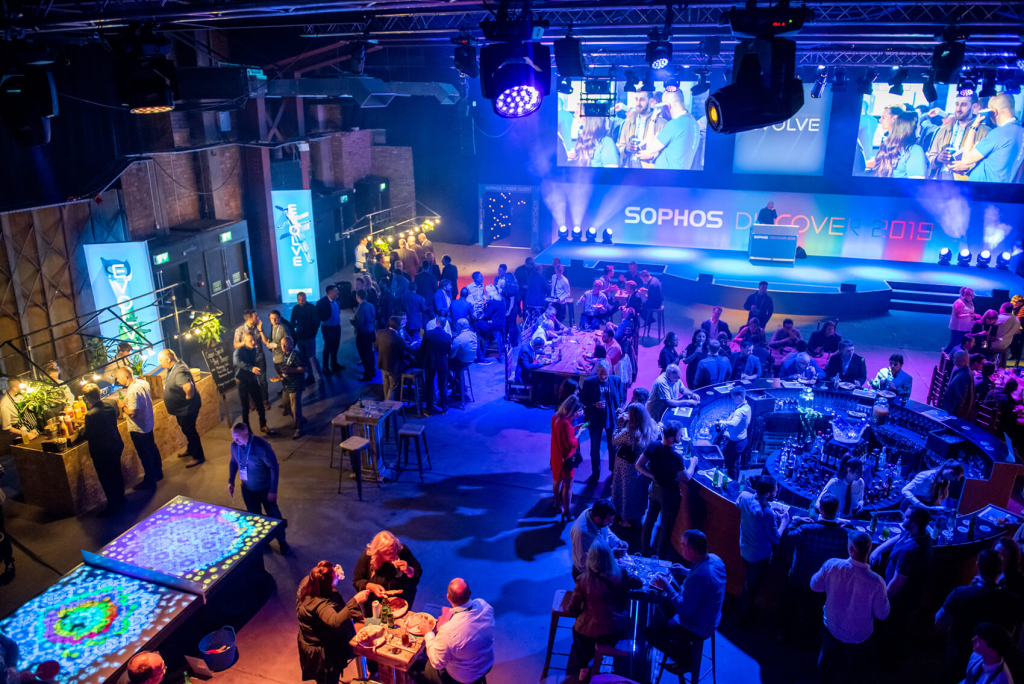
Every touchpoint, from the creative concept and delegate journey to the production and supporting content, reflected the same values and messaging. By ensuring every interaction reinforced a consistent narrative, the event strengthened brand recognition and gave attendees a clear understanding of what Sophos stands for.
This is SEVEN’s core belief: events are not separate from the brand story. They are its most powerful chapters.
Brand Content Creation That Extends the Experience
An event should never be treated as a single-day activity. Some of the most valuable brand engagement happens before and after through carefully planned event content creation.
1. Event Content Creation
Before the event, content builds anticipation and sets expectations such as speaker announcements, behind-the-scenes previews, teaser videos, and thought leadership articles that prime the audience and reinforce campaign messaging.
During the event, real-time content captures the energy of the experience and extends its reach beyond those in the room:
- Live social media updates and story content
- Professional event photography
- Short-form video highlights and speaker clips
- Audience testimonials and reaction interviews
- Live streaming for remote participants
After the event, content continues to deliver value long after the venue has closed. Highlight films, keynote recordings, recap blogs, customer success stories, and downloadable resources maintain momentum and reach audiences who could not attend.
The key is planning content capture before the event, not scrambling for it after. Brands that build content production into the event extract weeks of brand storytelling from a single day.
2. Video and Visual Storytelling
Video is one of the most effective ways to bring a brand story to life. It captures genuine moments, authentic interactions, and the atmosphere of an event in a way that static content often cannot. Rather than simply describing an experience, it allows audiences to see it for themselves.
From short-form highlights and speaker interviews to behind-the-scenes footage and event photography, visual content extends the life of an event well beyond the day itself.
It provides brands with valuable assets that can be repurposed across websites, social media, marketing campaigns, and future events, helping every experience continue to engage audiences long after it has ended.
3. Thought Leadership, Customer Stories, and Social Proof
The most trusted form of brand content creation puts the audience’s voice at the centre. Customer success stories, delegate testimonials captured at events, peer recommendations, and thought leadership that addresses real buyer problems- these are the formats that build credibility without requiring the brand to claim it directly.
Marketers prioritise building trust and credibility over engagement or lead generation as their primary content objective, because they understand that trust is what converts interest into commitment.
How to Make Brand Storytelling Work Consistently?
Compelling stories told inconsistently still produce fragmented brands. Three things determine whether branding and content creation deliver sustained commercial impact:
- A defined narrative that every piece of content traces back to
- A content repurposing strategy that extracts maximum value from every event and campaign
- Measurement beyond reach tracking brand recall, message consistency, and commercial outcomes, not just impressions
Useful metrics to track include brand awareness and recognition, audience engagement across digital and live channels, video completion rates, event attendance and post-event sentiment, website traffic from content, lead generation, and customer perception over time.
Common storytelling mistakes to avoid:
- Talking about the organisation rather than the audience
- Inconsistent tone of voice across channels and teams
- Treating events as separate from the wider marketing strategy
- Creating content only after an event, rather than planning it beforehand
- Publishing content without a narrative strategy connecting it to the brand story
At SEVEN Events, storytelling sits at the centre of every experience we create. We plan content capture as part of every event we deliver, ensuring that photography, video, and campaign content are produced to brand standards from the first moment.
Our storytelling and content creation service covers everything from concept development and creative production to event content creation and post-event campaigns. For clients including Telefónica Tech, Just Eat, and Sophos, we have turned single events into sustained content assets that continued building brand recognition and audience engagement for months.
Speak to our team about making your next event a storytelling opportunity.
Bottom Line from SEVEN
Strong brands aren’t built through isolated campaigns or one-off moments. They’re built through consistent stories that people experience across every interaction, whether they’re reading a blog, watching a video, attending a conference or engaging with your team.
Successful branding and storytelling bring together strategy, creativity and experience to create a narrative that audiences recognise, trust and remember. When supported by thoughtful brand content creation and planned event content creation, every touchpoint reinforces the same message, extends the life of your campaigns and strengthens long-term brand value.
The brands that stand out aren’t simply the ones that communicate more. They’re the ones who communicate consistently. Stories create emotional connections. Experiences make those stories real. Content ensures they continue to influence audiences long after the moment has passed.
FAQ
What is brand storytelling?
Brand storytelling is the strategic use of authentic stories to communicate a brand’s purpose, values and personality, helping build trust and lasting customer connections.
Why is storytelling important in branding?
Storytelling creates emotional connections, strengthens brand recognition and builds the trust that influences customer decisions and long-term loyalty.
What is brand content creation?
Brand content creation involves producing blogs, videos, social media, event content and customer stories that consistently communicate a brand’s message.
How can storytelling improve customer engagement?
Storytelling makes content more relatable and memorable, encouraging deeper engagement, stronger brand recall and lasting audience relationships.
Brand Communications Strategy: How to Build Consistent Brand Messaging Across Every Touchpoint
Most organisations have brand guidelines. Far fewer have a working brand communications strategy, and the gap between the two is where recognition erodes, trust fragments, and marketing investment underperforms.
Trust is earned through consistent experiences, not marketing messages alone. Every interaction shapes how people perceive a brand, making meaningful, well-executed experiences one of the most effective ways to build lasting relationships.
The result is a communications landscape where most brands are inconsistent by default, and the ones that are not enjoy a measurable commercial advantage. This guide explains what a brand communications strategy genuinely involves, how communication and strategic planning build recognition and trust, and what a strategic communications agency brings that internal teams rarely can.
What Is a Brand Communications Strategy?
A brand communications strategy is the structured framework that determines how an organisation communicates its identity, values, and propositions to every audience, consistently, across every channel, at every stage of the relationship.
It goes beyond tone of voice and logo guidelines. A strong brand communications strategy defines what the brand stands for, who it’s speaking to, and how every communication supports that purpose.
The stakes become concrete when you trace a real buyer’s journey. A prospective client discovers the brand through social media, attends one of its events, visits its website, receives an email campaign, and later speaks with the sales team. Each interaction either reinforces the same message or creates doubt.
What are the Core Components of Effective Communication and Strategic Planning?
Communication and strategic planning is the discipline of aligning every communication decision to a defined business objective. The strongest strategies follow five connected steps:
- Position: define what the brand stands for and why
- Audience: understand who you are speaking to and what they need to think, feel, and do
- Messaging: build a framework that translates positioning into consistent, audience-specific language
- Channels: map where your audiences form opinions, and align every channel to the same narrative
- Measure: track brand awareness, message recall, engagement, and commercial outcomes over time
Each step informs the next. Skipping any one of them is where consistency breaks down.
1. Brand Positioning and Messaging Framework
Positioning is the foundation. It answers the question every audience is implicitly asking: why this brand, not another? A clear positioning statement defines the space the brand owns in the market, the values it stands for, and the proof points that make those claims credible.
The messaging framework translates that positioning into language. An effective framework includes:
- Core brand messages that remain consistent across all audiences
- Key value propositions tied to outcomes audiences actually care about
- Tone of voice guidelines that travel across every channel
- Brand storytelling themes that give communications a consistent narrative arc
- Supporting proof points that make claims credible rather than aspirational
Without a documented messaging framework, communications drift. Every team, agency, and channel develops its own interpretation, and the brand fragments in ways that are often invisible from the inside and immediately obvious from the outside.
2. Audience Insight and Channel Strategy
Effective communication and strategic planning are audience-first, not channel-first. Different audiences require different messaging and different channels, but the underlying brand narrative must remain consistent across all of them.
Brands that maintain consistent identity across platforms gain higher recall, making the commercial case for investing in channel strategy rather than treating each platform as a separate communications exercise.
3. Campaign Planning and Consistency Across Touchpoints
Integrated campaigns deliver higher ROI compared to siloed approaches, because consistent messaging compounds across channels. Each touchpoint reinforces what the last one said, building the pattern recognition that creates trust and drives decisions.
Campaign planning translates the messaging framework into a coordinated programme: aligned content, consistent visual and verbal identity, and sequencing that builds momentum rather than broadcasting once and going silent.
How Events Function as a Brand Communications Channel?
The most overlooked element of a brand communications strategy is the live event. For many organisations, events are treated as standalone occasions rather than communications touchpoints, planned separately from the brand narrative and evaluated only on operational metrics.
A conference, product launch, awards ceremony, or client summit is one of the most powerful brand communications tools available, because it creates a real, physical, sensory experience of the brand that no digital channel can replicate.
A product launch should reinforce the same messaging as the campaign supporting it. A leadership conference should reflect the company’s culture and long-term vision. An employee engagement event should communicate the same values customers experience externally.
A good example is the launch of the new B2B offering, Just Eat for Business. Rather than treating the event as a standalone launch, every element of the experience was designed to communicate the brand’s proposition to its audience.
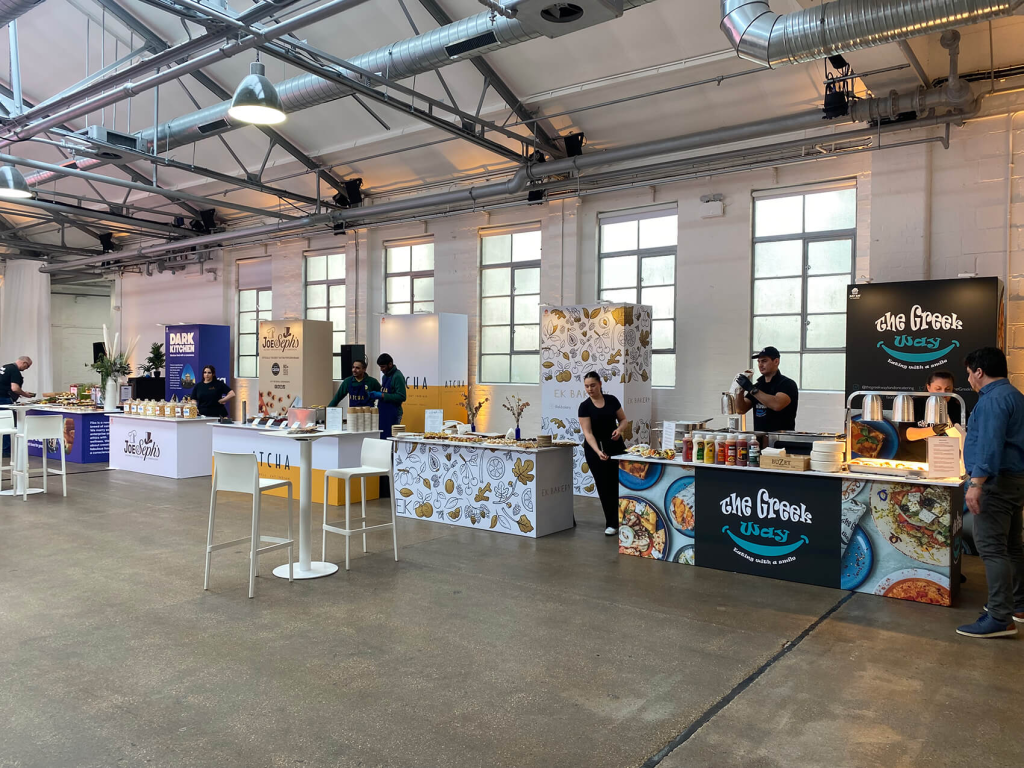
From the event environment to the messaging and attendee journey, the launch reflected the same story the brand wanted customers to understand.
It’s a reminder that when events are aligned with a wider communications strategy, they become far more than a single moment. They become an extension of the brand itself.
When every element, from the room design, the content, the speaker narrative, the delegate journey, to the post-event communications, expresses the same message, the event does not just inform the audience. It creates conviction.
That is what separates strategic communications from event management: the difference between running an event and using an event to change how an audience thinks and feels about the brand.
What a Strategic Communications Agency Actually Does?
A strategic communications agency brings an external perspective, cross-channel expertise, and a structured approach that can be difficult to maintain internally.
Common Brand Communication Mistakes That Undermine Consistency
The most common mistakes agencies are brought in to solve are:
- Inconsistent messaging across channels, websites, social media, events, and sales materials, communicating different priorities
- A changing tone of voice that makes the brand feel unfamiliar, depending on who is communicating
- Disconnected internal and external communications, leaving employees with a different understanding of the brand than customers experience externally
- Events are treated as separate from the wider marketing strategy, rather than as brand communications channels
- Reactive campaign planning, where short-term activity takes priority over long-term brand consistency
The Role of Internal Communications
Internal communications is one of the most underinvested elements of a brand communications strategy, and one of the most commercially significant. Employees who understand and believe in the organisation’s messaging become its most credible external communicators, reaching audiences no paid campaign can.
A strategic communications agency aligns internal and external communications, ensuring employees understand the brand before it reaches wider audiences.
Measuring whether the strategy is working requires looking beyond reach and engagement:
- Brand awareness and recognition over time
- Message recall and audience understanding
- Campaign performance against stated objectives
- Event feedback and delegate sentiment
- Employee understanding and advocacy
- Share of voice and media coverage
- Customer perception and NPS
At SEVEN Events, we begin by understanding your brand, audience, and objectives, then ensure every touchpoint, from delegate communications and event design to post-event follow-up, supports one consistent narrative.
Our strategic communications service sits at the intersection of brand strategy and live experience, bringing communications thinking into every event we deliver and event design into every communications programme we build.
For clients including Telefónica Tech, Sophos, and Just Eat, we have developed messaging frameworks, event narratives, and integrated programmes where every interaction, internal and external, expresses a single, coherent brand story.
Speak to our team about building a communications strategy that works across every channel.
Bottom Line
A brand communications strategy brings consistency to every part of the customer and employee experience. It connects your messaging, channels, and live experiences so that every interaction supports the same business objectives and reflects the same brand identity.
Every touchpoint is an opportunity to reinforce what your organisation stands for. When communication is planned with the same care as the experience itself, brands become more recognisable, more memorable, and better equipped to build lasting relationships with the audiences they serve.
FAQs
What is a brand communications strategy?
A brand communications strategy is a plan that defines how a business communicates its message, values, and identity consistently across all channels.
Why is strategic communication important?
Strategic communication helps build trust, strengthen brand recognition, and ensure every message supports business goals and customer engagement.
What does a strategic communications agency do?
A strategic communications agency develops messaging, aligns communications across channels, and creates strategies that strengthen brand reputation and drive results.
How do you create a communication strategy?
Start by defining your goals and audience, developing consistent messaging, choosing the right communication channels, and measuring results to refine your approach over time.