


Category: Corporate Conference
Why Do Some Conferences Leave A Lasting Impact While Others Are Quickly Forgotten?
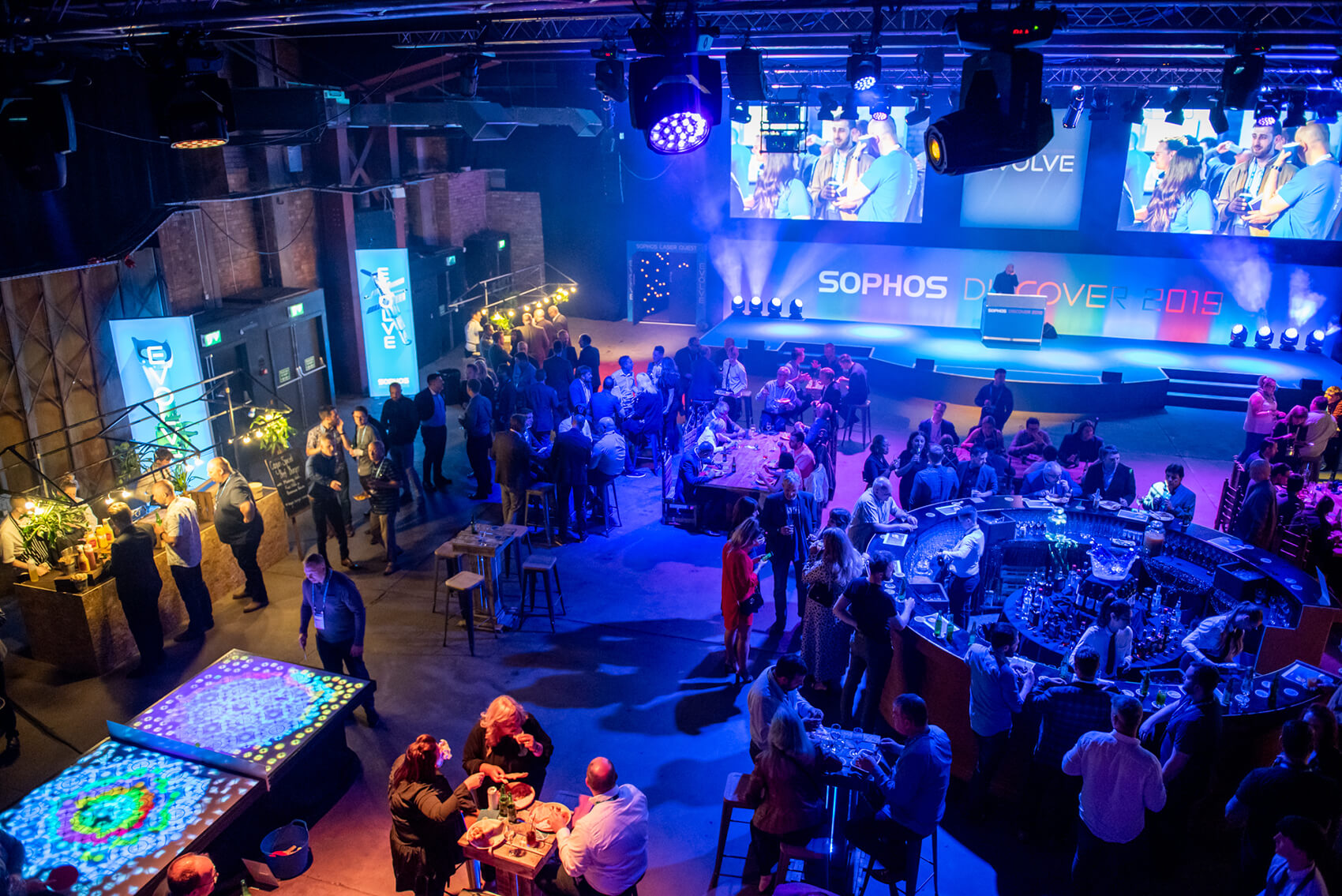
Some conferences stay with people long after the closing session ends. Others fade before the delegates have even left the car park. The difference comes down to how the day was built, and by whom.
The events people talk about months later are the ones where every part of the day was planned around the audience, what they needed to hear, how they wanted to take part, and how they wanted to feel by the time they left the room.
That takes a conference organiser who understands how to turn a brief into an experience people actually remember.
This is where SEVEN comes in. Having planned and delivered corporate events across the UK for years, the team has seen first-hand what separates a conference people are still discussing at their next team meeting from one that is quietly forgotten by lunchtime the next day.
What makes a conference memorable?
1. Understanding the audience and their expectations
Every audience arrives with a different set of expectations. A room full of senior leadership expects a different pace and tone than a room full of new starters at an all-company kickoff. Get this wrong, and even the most polished agenda falls flat. Get it right, and delegates feel like the day was built just for them, because it was.
2. Creating content people actually want to engage with
Content is where many events lose their audience. A packed schedule of back-to-back presentations, each running long, is a quick way to switch a room off.
The conferences people remember tend to mix things up: shorter sessions, interactive formats, panels that spark real discussion rather than a string of monologues, and enough variety to hold attention across a long day.
3. Designing opportunities for meaningful connections
Ask most delegates what they valued most about a conference and the answer is rarely a single slide from the main stage.
It is usually a conversation they had over coffee, a connection made during a breakout session, or a moment in the evening programme where people got to talk properly.
Building space for this into the day, rather than treating it as an afterthought, is part of what separates a good agenda from a great one.
4. Getting the overall experience right
From the moment guests arrive to the moment they leave, every part of the day shapes the impression they take home. The registration process, the room temperature, how easy it is to find the right session, whether the catering matches the pace of the day- these details rarely make the highlight reel. Still, guests notice immediately when they go wrong.
What Is The Role Of A Conference Organiser In Creating A Better Experience?
Behind the events that run without a hitch sits someone who has thought through every stage long before the doors open. Bringing all the elements together is where good conference event management earns its reputation.
1. Bringing strategy, planning and delivery together
The best approach starts with the outcome the client wants, not the format of the day.
Working backwards shapes everything from the choice of venue to the running order, rather than fitting the goals of the event into a template.
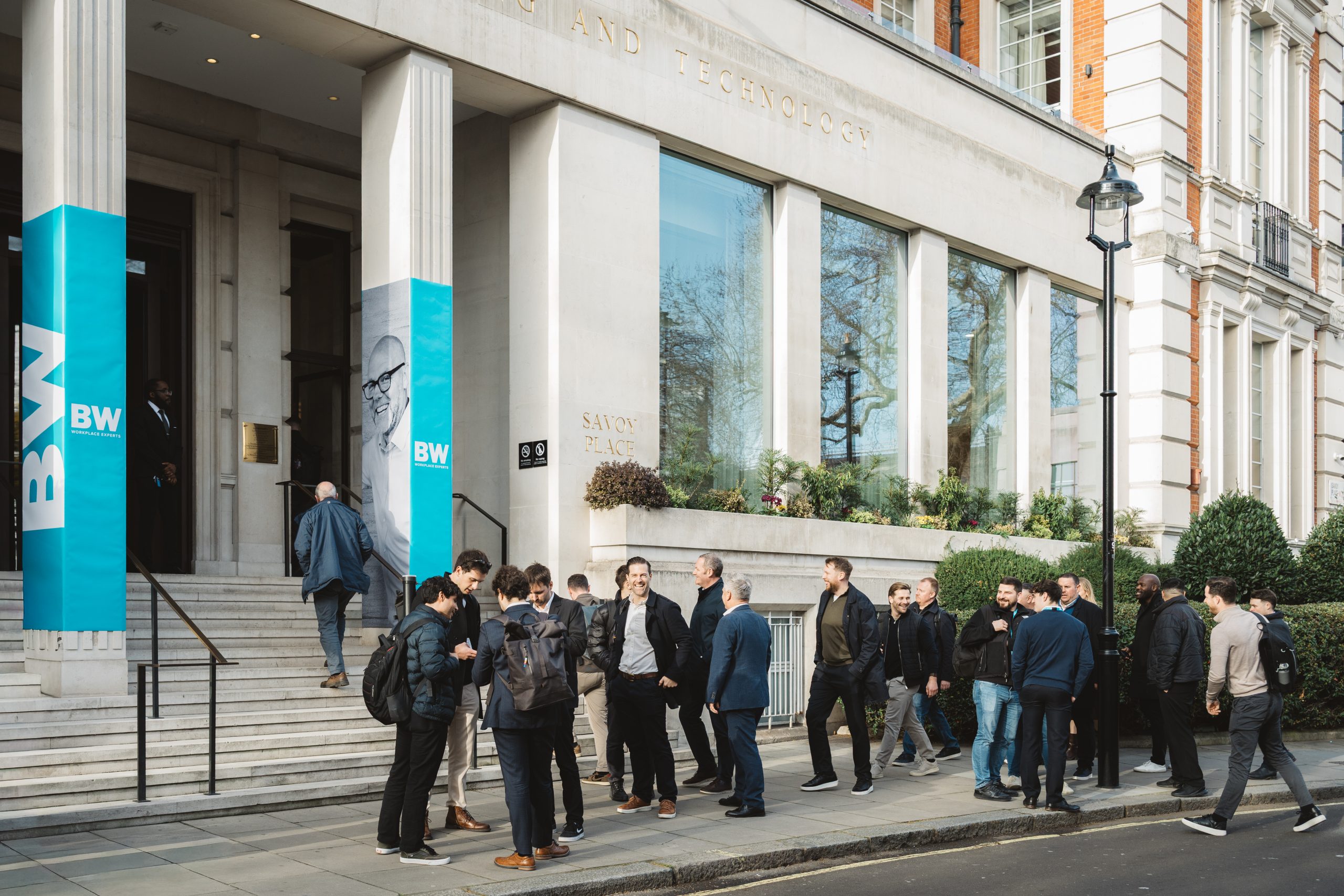
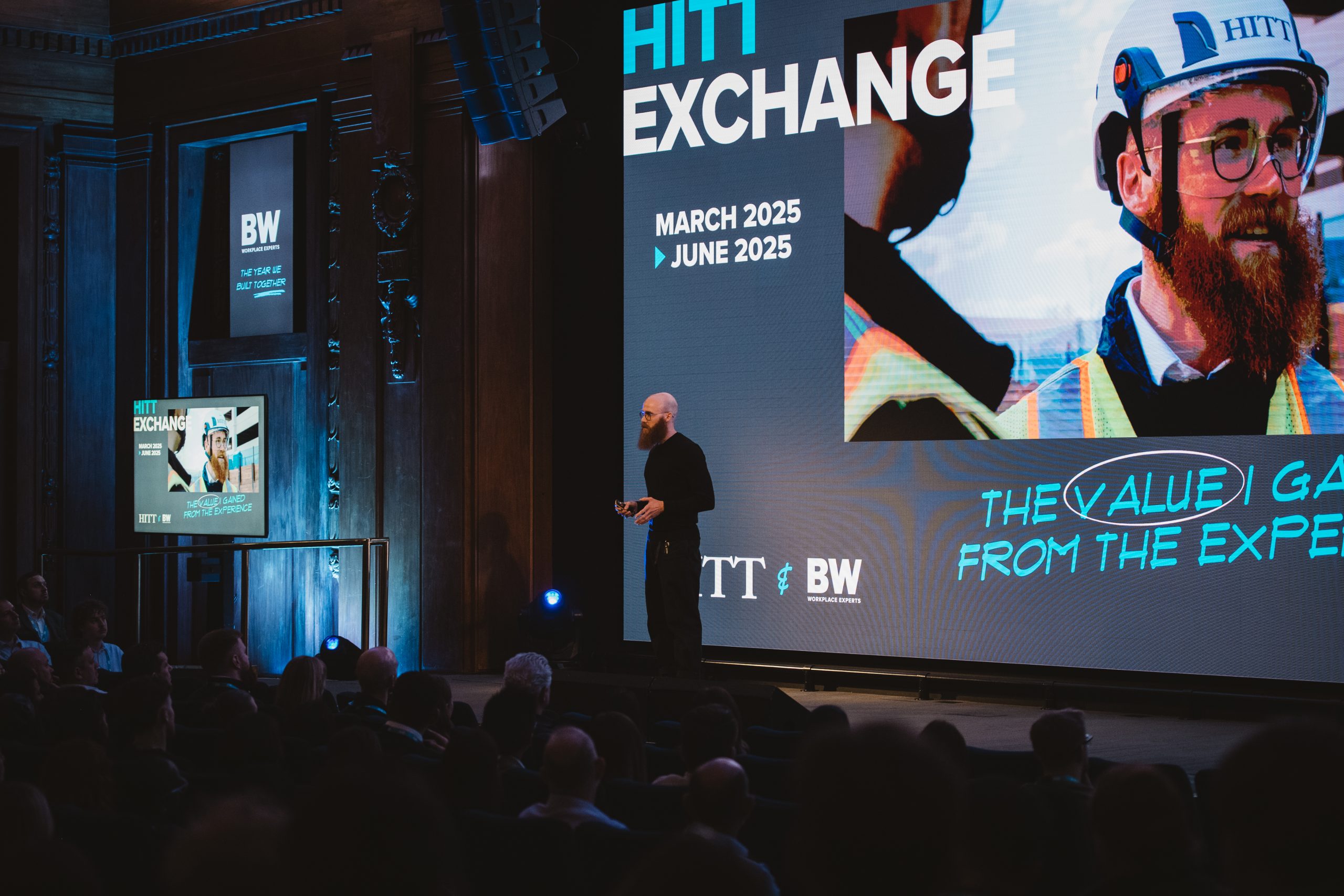
The 2026 BW annual conference is a good example of this approach.
Rather than defaulting to a traditional half-day conference, the brief was to create a high-impact, professional and people-first experience that could transition smoothly into the evening celebrations.

SEVEN responded by designing a tightly focused 90-minute programme at IET Savoy Place, followed by an afterparty overlooking the Thames.
The result was a format shaped around the desired experience, with seven speakers, eighteen awards and three hundred attendees brought together through a carefully scripted show flow.
This demonstrates how strategy, planning and delivery need to work together to create an event that feels purposeful rather than simply busy.
2. Managing the details guests should never have to notice
Good conference event management is often invisible by design. AV that works the first time, a show flow that keeps to time without feeling rushed, staff who solve small problems before a guest even notices there was one: these are the marks of an experienced organiser at work. Guests should walk away remembering how the day felt, not the logistics that made it possible.
The BW conference demonstrates what this looks like in practice. Delivering seven speakers and eighteen awards within a 90-minute programme required precise timing and a tightly controlled show flow.

A large LED screen and bespoke animated artwork featuring BW’s own speakers created a fully branded environment, while quick transitions helped maintain energy without making the programme feel rushed.
The planning also extended beyond the conference itself. Once the formal programme ended, guests moved into the Riverside Room for an afterparty with premium drinks, curated food and a live roaming band.

The transition from conference to celebration was therefore part of the overall event experience, rather than an afterthought.
Most importantly, the client feedback supports the impact of this behind-the-scenes work.
BW described SEVEN as a team that “took all the pressure off and always stayed one step ahead”, adding that the result was a “seamless event” with fantastic feedback and that many attendees called it “the best conference yet”.
This is a strong example of what effective conference event management should achieve: the organiser handles the complexity, so the client and guests can focus on the experience.
How to measure whether a conference has made an impact
A successful conference doesn’t end when the lights come up. The real test is what happens after: whether people are still talking about a session weeks later, whether contacts made in the room turn into real conversations, and whether the business goals behind the event were actually met.
Feedback forms have their place, but the most useful signals often come from elsewhere.
- Are delegates sharing photos and moments from the day on their own channels?
- Are teams referencing something from the conference in meetings months down the line?
- Is there a noticeable uptake in whatever the conference was designed to support?
This is where strong conference event management earns its keep. Good measurement gets built into the plan from day one, rather than treated as a box to tick once the event is over. That means setting clear goals before the day starts, not just counting attendees afterwards.
Bottom Line
The conferences that stay with people are built around people, not just logistics and a running order.
Getting the strategy right, understanding what the audience actually needs, and handling every detail so guests never have to think about it.
That’s what separates an event people remember from one they forget by the following week. It’s the kind of experience SEVEN has spent years perfecting, and it starts long before the doors open.
FAQs
What London planners organise multi-day corporate conferences?
London has a range of experienced event agencies that plan multi-day corporate conferences, from small specialist teams to full-service agencies like SEVEN, who manage everything from venue sourcing to on-site delivery across several days.
How do I choose the best conference organiser for my business event?
Look for a partner with a proven record in your type of event, clear communication from the first briefing, and the ability to handle both the creative side of the day and the operational detail that keeps it running.
What are the best conference organisers for large-scale corporate events in the UK?
The strongest teams for large-scale UK events tend to have experience across major venues, strong supplier relationships, and enough people to manage every element of the day without passing risk back to the client.
How do the best conference organisers manage logistical challenges in multi-venue events?
Strong teams plan for multi-venue logistics from the outset, building in contingency time, dedicated on-site staff at each location, and clear communication systems so that any issue gets resolved before guests notice.
Conference Planning Checklist for a London Corporate Event: A Complete Guide by Professional Conference Organisers
Planning a corporate conference in London involves far more than choosing a venue and inviting delegates. Successful business events require strategic planning, careful budgeting, venue sourcing, supplier coordination, speaker management, technical production and flawless execution.
Whether you’re organising an executive leadership summit, annual conference, product launch or client event, every decision influences delegate experience and business outcomes.
London also presents unique planning considerations. Choosing a venue with excellent transport links, navigating congestion zones, ensuring accessibility, managing hybrid technology and complying with UK regulations all play an important role in delivering a successful event.
At SEVEN, our conference organisers have planned and delivered conferences for organisations across the UK. From intimate executive meetings to large-scale corporate conferences, we’ve developed a practical planning framework that helps businesses reduce risk, improve delegate engagement and achieve measurable event success.
This guide shares our complete conference planning checklist, along with practical advice used by experienced conference organisers in London.
What Should Be Included in a Conference Planning Checklist for a London Corporate Event?
A comprehensive conference planning checklist should include:
✔ Event objectives and KPIs
✔ Budget planning
✔ Venue selection
✔ Speaker management
✔ Conference agenda
✔ Delegate registration
✔ AV and hybrid technology
✔ Catering
✔ London transport logistics
✔ Sustainability initiatives
✔ Risk assessments
✔ GDPR compliance
✔ Accessibility planning
✔ Event-day operations
✔ Post-event evaluation
Professional conference organisers recommend planning corporate conferences 6–12 months in advance, particularly when booking premium London venues during peak business event seasons.
Conference Planning Checklist at a Glance
| Planning Phase | Key Actions |
| Strategy | Define objectives, audience, KPIs, budget |
| Venue | Choose location, transport access, breakout rooms, Wi-Fi |
| Speakers | Secure keynote speakers, contracts, rehearsals |
| Marketing | Invitations, registration, reminders |
| Logistics | AV, signage, catering, delegate experience |
| Compliance | Risk assessments, GDPR, accessibility |
| Event Day | Registration, stage management, live production |
| Post Event | Feedback, ROI analysis, reporting |
Why Corporate Conference Planning in London Requires a Different Approach
Every city presents different event planning challenges, but London offers one of the most complex event environments in Europe.
Unlike smaller UK cities, conference organisers in London must consider:
- Peak commuter traffic
- Underground accessibility
- Elizabeth Line connections
- International arrivals through Heathrow, Gatwick and London City Airport
- Congestion Charge and ULEZ restrictions
- Limited loading bays for production suppliers
- Premium venue availability
- Hybrid event infrastructure
- Sustainability expectations from corporate clients
For this reason, experienced conference organisers begin planning much earlier than many organisations anticipate.
SEVEN Expert Tip
Premium London conference venues often reach capacity six to nine months in advance, particularly during March, June, September and November. If your event involves multiple breakout rooms or international delegates, secure your venue as early as possible.
Phase 1: Define Your Conference Strategy (6–12 Months Before)
Every successful conference begins long before delegates arrive. Before comparing venues or requesting supplier quotes, establish exactly what success looks like.
Define Your Objectives
Ask questions such as:
- Why are we hosting this conference?
- Who is our audience?
- What action should attendees take afterwards?
- What business problem are we solving?
- How will success be measured?
Common conference objectives include:
- Leadership communication
- Product launches
- Investor engagement
- Internal team alignment
- Industry networking
- Customer education
- Partner conferences
- Sales enablement
Without clear objectives, even well-organised events struggle to deliver meaningful business value.
Identify Your Audience
Your audience influences almost every planning decision.
Consider:
- Senior executives
- Employees
- Clients
- Investors
- Industry partners
- International delegates
- Government representatives
- Media
Understanding delegate expectations helps shape venue selection, agenda design, catering, networking opportunities and technology requirements.
Establish Event KPIs
Professional conference organisers rarely define success by attendance alone.
Useful KPIs include:
- Registration numbers
- Attendance rate
- Session participation
- Networking engagement
- Lead generation
- Delegate satisfaction
- App engagement
- Sponsor ROI
- Social media reach
- Revenue generated
Having measurable KPIs also makes post-event reporting significantly more valuable.
Decide Your Event Format
Corporate conferences today extend beyond traditional in-person events.
Consider whether your conference will be:
- In-person
- Hybrid
- Fully virtual
- Multi-location broadcast
- Workshop-led
- Exhibition-based
Hybrid events require additional planning for streaming, production, remote speakers and audience engagement.
Making this decision early prevents costly changes later.
Build Your Planning Timeline
One of the biggest mistakes organisations make is underestimating preparation time.
A typical London corporate conference planning schedule looks like this:
| Timeline | Priority Tasks |
| 12 Months | Objectives, budget, venue shortlist |
| 9 Months | Confirm venue, speakers |
| 6 Months | Marketing, registration |
| 3 Months | AV, catering, branding |
| 1 Month | Final logistics |
| 1 Week | Rehearsals |
| Event Day | Delivery |
| After Event | Reporting |
This phased approach keeps planning manageable while reducing last-minute pressure.
Phase 2: Budget Planning
A realistic budget provides the foundation for every successful conference.
Rather than assigning a single figure, divide spending into categories.
Typical Budget Categories
- Venue hire
- Catering
- Audio Visual production
- Stage design
- Lighting
- Live streaming
- Photography
- Videography
- Speaker fees
- Accommodation
- Delegate registration platform
- Marketing
- Branding
- Event staff
- Security
- Insurance
- Contingency
SEVEN an experienced conference organisers recommend reserving 10–15% of the total budget as contingency.
Unexpected costs often arise from:
- Additional AV requirements
- Last-minute delegate changes
- Extended venue hire
- Overnight production
- Additional staffing
- Speaker travel changes
SEVEN Expert Insight
We’ve found that organisations often underestimate technical production costs when planning hybrid conferences. Investing in reliable AV infrastructure and dedicated technical support usually has a greater impact on delegate experience than spending more on decorative event elements.
Phase 3: Venue Selection – Choosing the Right London Conference Venue
Your venue influences every aspect of the delegate experience. An impressive venue means little if delegates struggle to reach it or the technology cannot support your programme. When evaluating conference venues, consider the following:
Location
Choose venues with excellent transport connections.
Look for locations close to:
- King’s Cross
- Liverpool Street
- Victoria
- Paddington
- Bank
- Canary Wharf
- London Bridge
- Waterloo
- Elizabeth Line stations
Easy access improves attendance, reduces travel stress and creates a better first impression.
Venue Checklist
Before signing a contract, confirm:
✔ Delegate capacity
✔ Flexible room layouts
✔ Breakout rooms
✔ Reliable high-speed Wi-Fi
✔ In-house AV
✔ Green room facilities
✔ Accessibility and step-free access
✔ Loading bays
✔ Sustainability credentials
✔ Nearby hotels
✔ Parking options
✔ Cloakroom facilities
✔ Emergency procedures
✔ Catering flexibility
✔ Branding opportunities
A structured venue evaluation helps avoid costly compromises later in the planning process.
Phase 4: Design an Engaging Conference Programme
A well-structured conference agenda is one of the biggest factors influencing delegate satisfaction. While keynote speakers often attract registrations, it’s the overall flow of the event that keeps attendees engaged from start to finish. Professional conference organisers recommend balancing educational content with networking opportunities, interactive sessions and regular breaks to avoid delegate fatigue.
Build an Agenda Around Your Objectives
Your conference programme should support your event goals rather than simply filling the schedule.
Ask yourself:
- What should delegates learn?
- When should networking opportunities take place?
- Which sessions are likely to attract the highest attendance?
- Where should breaks be scheduled to maintain energy levels?
- How can sponsors be integrated naturally?
An effective agenda typically includes:
- Opening keynote
- Panel discussions
- Breakout workshops
- Interactive Q&A sessions
- Product demonstrations
- Networking sessions
- Coffee breaks
- Lunch
- Closing keynote
- Awards or evening reception (where applicable)
SEVEN Expert Tip
We recommend scheduling your most anticipated keynote within the first hour of the conference. This builds momentum early and encourages delegates to arrive on time.
Conference Programme Checklist
✔ Opening welcome
✔ Keynote presentation
✔ Breakout sessions
✔ Networking opportunities
✔ Refreshment breaks
✔ Interactive sessions
✔ Sponsor presentations
✔ Closing remarks
✔ Evening networking (optional)
Phase 5: Speaker Management
Speakers are often the primary reason delegates attend a corporate conference. Managing them effectively ensures presentations are engaging, professional and aligned with your event objectives.
Speaker Planning Checklist
Professional conference organisers typically manage:
✔ Speaker invitations
✔ Contracts
✔ Session briefs
✔ Presentation deadlines
✔ Travel arrangements
✔ Hotel bookings
✔ Technical rehearsals
✔ Green room management
✔ Speaker gifts
✔ Presentation backups
Providing speakers with clear briefing documents helps ensure their content aligns with your audience, event objectives and brand messaging.
Technical Rehearsals
Never assume speakers are familiar with the venue or technology.
Arrange rehearsals covering:
- Microphone checks
- Confidence monitors
- Presentation clickers
- Hybrid presentation tools
- Stage walk-through
- Video playback
- Live streaming setup
- Panel moderation
SEVEN Expert Tip
Always request presentation slides at least five working days before the event. This provides sufficient time to review branding consistency, resolve formatting issues and preload presentations onto the event system.
Phase 6: Delegate Registration & Attendee Experience
Delegate experience begins long before the conference itself. The registration process, pre-event communication and arrival experience all contribute to delegates’ first impressions of your organisation.
Registration Checklist
Your registration system should collect:
✔ Delegate names
✔ Company information
✔ Job titles
✔ Dietary requirements
✔ Accessibility needs
✔ Emergency contact details (if required)
✔ Session preferences
✔ GDPR consent
Digital registration platforms also provide valuable analytics that can support post-event reporting and future marketing.
Pre-Event Communications
Send attendees:
- Confirmation email
- Calendar invitation
- Venue map
- Public transport guidance
- Parking information
- Hotel recommendations
- Conference agenda
- Speaker information
- Event app details
- Frequently Asked Questions
Providing this information in advance reduces registration queries and improves delegate confidence.
Arrival Experience
Your registration area should include:
✔ Branded welcome desk
✔ Digital check-in
✔ Name badges
✔ Lanyards
✔ Directional signage
✔ Welcome staff
✔ Cloakroom
✔ Charging stations
✔ Event information desk
First impressions often shape delegates’ perception of the entire event.
Phase 7: Marketing & Delegate Engagement
Even the most carefully planned conference requires an effective promotion strategy to attract the right audience. Marketing should begin several months before the event and continue after the conference concludes.
Marketing Checklist
✔ Event landing page
✔ Registration platform
✔ Email campaign
✔ LinkedIn promotion
✔ Speaker announcements
✔ Sponsor promotion
✔ PR activity
✔ Countdown emails
✔ Agenda updates
✔ Reminder emails
✔ Social media campaign
Consistent messaging across all channels strengthens your event brand and encourages registrations.
During the Event
Delegate engagement shouldn’t stop once the conference begins.
Consider:
- Live polls
- Q&A platforms
- Event apps
- Social media walls
- QR codes
- Interactive voting
- Live audience questions
Interactive experiences increase participation while providing valuable engagement data.
Phase 8: Audio Visual Production & Hybrid Technology
Today’s corporate conferences depend heavily on technology.
Poor sound quality or unreliable streaming can undermine months of careful planning.
AV Checklist
✔ Stage design
✔ LED screens
✔ Projection
✔ Confidence monitors
✔ Lecterns
✔ Wireless microphones
✔ Handheld microphones
✔ Panel microphones
✔ Lighting
✔ Video playback
✔ Recording
✔ Live streaming
✔ Dedicated AV technicians
✔ Backup laptops
✔ Internet redundancy
Hybrid Conference Considerations
If remote delegates are attending, ensure your event includes:
- Stable internet connectivity
- Interactive Q&A
- Virtual networking
- Dedicated camera operators
- Live moderation
- Captioning (where required)
SEVEN Expert Tip
Reliable Wi-Fi is no longer a luxury – it’s essential. Always request a dedicated network for production teams and presenters rather than relying solely on shared guest Wi-Fi.
Phase 9: London Event Logistics
One of the biggest differences between planning conferences in London and other UK cities is logistics. Successful event planning requires careful coordination of transport, accommodation, supplier access and delegate movement.
Transport Planning
Choose venues close to major transport hubs whenever possible.
Popular conference locations include:
- King’s Cross
- Victoria
- Canary Wharf
- Liverpool Street
- Bank
- London Bridge
- Westminster
- Paddington
Providing delegates with clear travel guidance improves punctuality and reduces confusion.
Include:
✔ Nearest Underground stations
✔ Elizabeth Line access
✔ National Rail connections
✔ Taxi drop-off points
✔ Parking information
✔ Walking directions
Hotel Accommodation
For conferences attracting national or international delegates, consider reserving room allocations with nearby hotels.
This is particularly valuable for:
- Multi-day conferences
- International speakers
- Executive meetings
- Leadership retreats
Partner hotels also help simplify delegate planning.
Freight & Deliveries
Production suppliers often require access several hours before the conference begins.
Confirm:
✔ Loading bay availability
✔ Delivery times
✔ Vehicle height restrictions
✔ Lift access
✔ Storage facilities
✔ Venue security procedures
Congestion Charge & ULEZ
Many suppliers transporting staging, AV equipment and exhibition materials operate within Central London.
Check whether delivery vehicles are affected by:
- Congestion Charge
- Ultra Low Emission Zone (ULEZ)
- Restricted loading times
Planning ahead avoids unexpected supplier delays and additional costs.
International Delegates
For overseas attendees, include practical travel information such as:
- Heathrow Airport
- Gatwick Airport
- London City Airport
- Visa guidance (if required)
- Recommended hotels
- Currency information
- Emergency contact details
Small details significantly improve the delegate experience.
Phase 10: Sustainability & ESG Planning
Sustainability has become a priority for many organisations when selecting conference organisers and venues.
Corporate events increasingly need to align with wider Environmental, Social and Governance (ESG) commitments.
Sustainability Checklist
✔ Digital agendas
✔ QR code programmes
✔ Reusable signage
✔ Local suppliers
✔ Seasonal catering
✔ Vegetarian and vegan options
✔ Food waste reduction
✔ Recycling stations
✔ Sustainable giveaways
✔ Carbon reporting (where appropriate)
✔ Plastic-free materials
✔ Public transport encouragement
Many London venues now publish their sustainability policies, making it easier to compare environmental credentials during venue selection.
SEVEN Expert Tip
Sustainability should enhance the delegate experience, not complicate it. Simple initiatives such as digital event guides, refill water stations and reusable branding often deliver meaningful environmental benefits without increasing event complexity.
Phase 11: Risk Management & UK Compliance
Every corporate conference should have a documented risk management plan.
Professional conference organisers help ensure events comply with UK legislation while protecting delegates, suppliers and organisers.
Compliance Checklist
✔ Risk assessment
✔ Public liability insurance
✔ Employer’s liability (where applicable)
✔ Fire evacuation procedures
✔ First aid provision
✔ Security planning
✔ Accessibility planning
✔ GDPR compliance
✔ Emergency contacts
✔ Supplier insurance documentation
Accessibility
Inclusive event planning should consider:
- Step-free venue access
- Hearing loops
- Accessible toilets
- Reserved seating
- Dietary requirements
- Clear signage
- Quiet spaces (where appropriate)
Accessible conferences create a better experience for all delegates – not just those with specific requirements.
Data Protection
Registration systems should comply with UK GDPR requirements by:
- Collecting only necessary information
- Storing delegate data securely
- Providing privacy notices
- Obtaining marketing consent where required
Protecting attendee information helps build trust and reduces legal risk.
Phase 12: Event Day Execution
Months of planning ultimately come down to how well the event is delivered on the day. A detailed Run of Show (ROS) helps every supplier, speaker and team member understand their responsibilities and timings.
Event Day Checklist
✔ Registration desk opens 60–90 minutes before the first session
✔ Delegate badges and welcome packs are ready
✔ Stage, lighting and AV systems tested
✔ Speaker presentations preloaded and backed up
✔ Microphones checked
✔ Live streaming tested (if applicable)
✔ Catering teams briefed
✔ Signage positioned throughout the venue
✔ Staff radios distributed
✔ Emergency contacts shared
✔ Venue manager briefed
✔ Photographer and videographer schedule confirmed
✔ Social media team ready for live coverage
✔ Sponsor activations prepared
SEVEN Expert Tip
We always build a 10–15 minute buffer between keynote sessions. It provides flexibility if presentations overrun and helps the conference stay on schedule without affecting the delegate experience.
Phase 13: Post-Conference Evaluation
The conference doesn’t end when the final speaker leaves the stage.
The most successful organisations measure performance, gather feedback and use the findings to improve future events.
Post-Event Checklist
✔ Send feedback survey within 24–48 hours
✔ Share presentation slides
✔ Publish session recordings
✔ Thank speakers and sponsors
✔ Review supplier performance
✔ Reconcile final budget
✔ Measure KPIs
✔ Internal debrief meeting
✔ Review social media engagement
✔ Plan follow-up communications
Conference Success Metrics
Rather than measuring attendance alone, evaluate:
| KPI | Example Metrics |
| Attendance | Registration vs attendance rate |
| Engagement | Session attendance, Q&A participation |
| Satisfaction | Delegate survey scores |
| Marketing | Social reach, website traffic |
| Sales | Leads generated, meetings booked |
| Financial | Budget vs actual spend |
| Sponsors | ROI and brand exposure |
| Learning | Knowledge retention and feedback |
These insights help demonstrate return on investment and support continuous improvement.
London Corporate Conference Planning Timeline
| Time Before Event | Priority Actions |
| 12 Months | Define objectives, budget, preferred dates |
| 9 Months | Secure venue, keynote speakers, production partners |
| 6 Months | Launch event website, registration and marketing |
| 4 Months | Confirm agenda, suppliers and sponsorships |
| 3 Months | Finalise AV, catering, branding and signage |
| 1 Month | Confirm delegate numbers, accommodation and logistics |
| 2 Weeks | Technical rehearsal, final supplier briefing |
| Event Week | Venue walkthrough, final checks and contingency review |
| Event Day | Deliver conference and monitor operations |
| Post Event | Reporting, surveys and ROI evaluation |
Common Conference Planning Mistakes (and How to Avoid Them)
Even experienced organisers can encounter challenges. Being aware of common pitfalls can help ensure your event runs smoothly.
1. Booking the venue too late
Popular London venues can be fully booked 6–9 months in advance.
2. Focusing on venue appearance over delegate experience
A beautiful venue is only valuable if it offers the right capacity, layout, technology and accessibility.
3. Underestimating technical production
Poor audio, unreliable Wi-Fi or presentation failures can quickly affect the overall experience.
4. Overloading the agenda
Continuous presentations without networking or breaks often reduce engagement.
5. Ignoring accessibility requirements
Inclusive event design benefits every attendee and should be considered from the outset.
6. Having no contingency budget
Unexpected changes are common. A contingency fund helps avoid last-minute compromises.
7. Delaying speaker preparation
Early briefing sessions and rehearsals reduce risk and improve presentation quality.
8. Poor registration communications
Clear joining instructions reduce attendee queries and improve arrival experience.
9. Forgetting post-event follow-up
Feedback, reporting and content sharing help maximise the value of your conference.
10. Treating sustainability as an afterthought
Simple initiatives such as digital agendas, refill stations and reusable signage can reduce waste while supporting ESG goals.
Why Work with SEVEN?
Planning a conference involves far more than coordinating suppliers. It requires strategic thinking, creative problem-solving and operational precision.
At SEVEN, we support organisations throughout the entire conference lifecycle—from defining objectives and selecting venues to managing production, delegate experiences and post-event reporting.
Strategic Planning
Every event begins with understanding your business objectives. We align venue selection, content, production and logistics with the outcomes you want to achieve.
London Venue Expertise
Our experience working with conference venues across London enables us to recommend locations that suit your audience, budget and event format while considering accessibility, transport links and delegate experience.
Creative Event Experiences
We believe memorable conferences combine strong content with engaging experiences. Whether you’re hosting a leadership summit, product launch or annual conference, we focus on creating events that leave a lasting impression.
End-to-End Event Management
Our conference organisers coordinate every stage of the planning process, including:
- Venue sourcing
- Delegate registration
- Speaker management
- Audio-visual production
- Branding
- Catering
- On-site management
- Sustainability planning
- Post-event reporting
Results That Matter
Success is measured by more than attendance. We help clients evaluate delegate engagement, business outcomes and return on investment so each conference provides valuable insights for future events.
Frequently Asked Questions
What should a conference planning checklist include?
A conference planning checklist should cover objectives, budget, venue selection, speaker management, delegate registration, AV production, catering, logistics, compliance, event-day operations and post-event evaluation.
How far in advance should I plan a corporate conference in London?
For medium to large conferences, begin planning 6–12 months in advance. Premium London venues and experienced suppliers often have limited availability during peak business event seasons.
What is the first step in planning a conference?
Start by defining the event’s objectives, audience and key performance indicators. These decisions guide every other aspect of the planning process.
What budget contingency should I allow?
Many professional conference organisers recommend reserving 10–15% of the total event budget to cover unforeseen costs.
What should I look for when choosing a London conference venue?
Evaluate accessibility, transport links, capacity, breakout rooms, AV capabilities, Wi-Fi, sustainability credentials, nearby accommodation and flexibility.
What makes a successful corporate conference?
Successful conferences combine clear objectives, engaging content, seamless logistics, experienced speakers, reliable technology and excellent delegate experiences.
Are hybrid conferences still worthwhile?
Yes. Hybrid conferences continue to help organisations engage remote audiences, international stakeholders and delegates who cannot attend in person.
How can I make my conference more sustainable?
Choose venues with sustainability policies, reduce printed materials, encourage public transport, minimise food waste and work with local suppliers where possible.
How do I measure conference success?
Track KPIs such as attendance, delegate satisfaction, engagement, lead generation, sponsor ROI, budget performance and post-event feedback.
Why hire professional conference organisers?
Professional conference organisers bring expertise in strategy, venue sourcing, supplier management, logistics and risk management, helping businesses deliver successful events while reducing planning complexity.
Final Thoughts
A successful corporate conference doesn’t happen by chance. It is the result of careful planning, strategic decision-making and attention to detail at every stage of the event journey.
From defining objectives and selecting the right London venue to managing speakers, technology, sustainability and post-event evaluation, every element contributes to the overall delegate experience and business impact.
Whether you’re planning an executive leadership summit, annual company conference, product launch or client event, following a structured conference planning checklist can help reduce risk, improve efficiency and create memorable experiences that support your wider business goals.
At SEVEN, we combine strategic thinking with creative event management and operational expertise to help organisations deliver conferences that engage audiences, strengthen brands and achieve measurable results.
Ready to plan your next corporate conference in London? Get in Touch to discover how our experienced conference organisers can help you create a seamless, impactful and results-driven event.
How Professional Conference Organisers Reduce Event Risk?

A corporate conference puts your brand in front of clients, partners, and your own people. When it goes well, it builds authority.
When it goes wrong, it does the opposite, in public.
Most things that go wrong at conferences are preventable. The difference between a smooth event and a stressful one usually comes down to who planned it.
Today, we’ll see how professional conference organisers reduce risk at every stage.
What Risks Can Impact Corporate Conferences?
Every conference carries risk. Knowing where those risks sit is the first step to managing them.
1. Venue Risks
The venue is the foundation of the event. Problems here affect everything else. Common venue risks include:
- Double bookings or contract disputes.
- Access and loading issues for production teams.
- Capacity limits that clash with your guest list.
- Last-minute closures or maintenance problems.
2. Technology Failures
Technology failure in front of a live audience is hard to recover from. The risks are real and frequent. Watch for:
- Audio-visual breakdowns during keynotes.
- Streaming drops for remote attendees.
- The registration system crashes on arrival.
- Presentation files that fail to load on the day.
3. Speaker Cancellations
Speakers are often the main reason people register. A late cancellation creates a serious gap. The risk grows when:
- A keynote speaker drops out at short notice.
- Travel delays stop a speaker arriving on time.
- A speaker arrives underprepared or off-brief.
- Technical issues prevent a remote speaker joining.
4. Budget Overruns
Costs can climb quietly until the final invoice arrives. Poor planning is usually the cause. Overruns tend to come from:
- Scope changes added without cost review.
- Underestimated production requirements.
- Last-minute supplier premiums.
- Hidden venue or catering charges.
5. Health and Safety Issues
Health and safety failures carry legal and reputational weight. They cannot be left to chance. Key concerns include:
- Crowd management and capacity control.
- Fire safety and clear evacuation routes.
- Accessibility for all attendees.
- Food safety and allergy management.
How Professional Conference Organisers Mitigate Risk?
Strong conference organisers do not react to problems. They plan so that the problems never happen. A professional conference event planner reduces risk in several ways:
- Detailed contracts: Clear terms with every venue and supplier remove ambiguity.
- Tested suppliers: Long-standing relationships mean reliable partners, not unknowns.
- Technical rehearsals: Full run-throughs catch faults before the doors open.
- Backup planning: A second option exists for every critical element.
- On-site management: A team present throughout resolves issues in real time.
- Insurance and compliance: Proper cover and documentation protect the business.
This is what good conference event management delivers. The value is invisible when everything runs smoothly, which is exactly the point.
What Is The Conference Planning Process?
Professional conference organisers follow a clear process. Each stage reduces a different category of risk.
| Stage | What Happens | Risk It Reduces |
|---|---|---|
| Strategy | Define objectives, audience, and success measures | Wasted budget and unclear outcomes |
| Planning | Build timelines, source venues, confirm suppliers | Logistical failures and delays |
| Vendor Management | Brief, contract, and coordinate every supplier | Supplier disputes and quality gaps |
| Rehearsals | Run full technical and content run-throughs | On-the-day technical failures |
| Contingency Planning | Build backups for every critical element | Unexpected cancellations and faults |
The strength of this process is its order. Each stage builds on the one before, so nothing gets missed. A skilled conference event planner moves through every stage with discipline. That discipline is what keeps a complex event on track.
The Hidden Costs of Poor Conference Planning
A badly planned conference costs more than money. The damage often shows up in places that are hard to measure.
The hidden costs include:
- Reputational harm: A poor event reflects directly on your brand.
- Wasted staff time: Internal teams lose weeks to firefighting.
- Lost leads: A disengaged audience does not convert.
- Lower attendance next time: People remember a bad experience.
- Supplier premiums: Last-minute fixes always cost more.
Strong conference event management removes these costs before they appear. The fee for a professional planner is usually smaller than the cost of a single thing going wrong.
Why Businesses Hire Conference Event Planners?
Most businesses do not lack ambition for their events. They lack the time, experience, and supplier access to deliver them safely.
A professional conference event planner brings four things that reduce risk immediately:
- Experience: Hundreds of events mean most problems have been seen before.
- Networks: Trusted suppliers who perform under pressure.
- Process: A proven method that catches risks early.
- Focus: A dedicated team whose only job is your event.
There is also the question of what your own team gives up when they plan an event themselves. Every hour spent chasing suppliers or fixing technical problems is an hour taken from their actual role.
A specialist absorbs that workload entirely. Your team gets to attend the conference as leaders, not run it as organisers.
SEVEN has planned and delivered conferences for global brands across technology, finance, healthcare, and automotive. We have supported clients through complex hybrid events, multi-location broadcasts, and flagship annual conferences.
Our role as conference organisers is to carry the risk, so your team does not have to. That means open communication, clear timelines, and no surprises on the day.
If you are planning a conference and want it delivered without the risk, we would love to talk through your brief.
Connect with the team at SEVEN
FAQs
1. What does a conference organiser do?
A conference organiser manages the full planning and delivery of a corporate conference. The role covers strategy, venue sourcing, supplier management, production, and on-site delivery, with risk reduction built into every stage.
2. How far in advance should a conference be planned?
Most corporate conferences need six to twelve months of planning. Larger or more complex events, particularly hybrid or multi-location formats, often need longer.
3. What is conference event management?
Conference event management is the discipline of planning, coordinating, and delivering a conference from brief to post-event reporting. It brings strategy, logistics, production, and risk management into one process.
4. How do event planners manage risk?
They manage risk through detailed contracts, tested suppliers, full rehearsals, contingency planning, and on-site management. The goal is to prevent problems rather than react to them.
Professional Conference Organisers London: Complete Planning Guide
Corporate conferences are among the most powerful formats in the B2B events toolkit.
When they work, they build authority, bring the right people into the same room, and create the kind of face-to-face momentum that no amount of digital marketing can replicate.
When they don’t work, they drain the budget, frustrate delegates, and leave your leadership team wondering why they bothered.
The difference, more often than not, is planning. Specifically, it’s whether you had the right professional conference organisers in London running the process from the outset.
At SEVEN, we’ve planned and delivered conferences for global brands across technology, healthcare, finance, and automotive. This guide pulls together what we know about making them count.
What Do Professional Conference Organisers Do?
Conference organisers are responsible for the full planning and delivery cycle of a conference from the first strategic conversation through to on-site execution and post-event reporting.
That scope is broader than most clients expect when they first approach an agency. It covers:
- Venue sourcing and negotiation, finding the right space for your delegate profile, production requirements, and budget, then securing it on the best possible terms.
- Delegate management registration systems, confirmation communications, on-site check-in, and attendee experience throughout the event.
- Speaker coordination briefings, travel logistics, technical requirements, and rehearsal management.
- AV and technical production set design, lighting, sound, live streaming, and any interactive technology elements.
- Agenda development, working with your team to build a programme that holds attention and delivers your core messages in the right sequence.
- On-site delivery manages every operational element on the day so your team can be present and visible, rather than running around solving problems.
Working with experienced conference organisers means that every one of those workstreams has a professional owner. Nothing gets dropped because it fell between two people’s areas of responsibility.
Why Businesses Hire Professional Conference Organisers in London?
London is one of the world’s leading conference destinations. The city offers a genuine concentration of high-quality venues, strong international transport connections, and a professional audience that’s already accustomed to attending world-class events.
The case for working with professional conference organisers in London goes beyond the city itself. It’s about access.
An established conference agency will have built relationships with venue operators, AV suppliers, catering companies, and production teams over many years.
Those relationships mean better availability, competitive pricing, and the kind of goodwill that gets problems solved quickly when something unexpected happens on the day.
SEVEN operates from Mayfair and has delivered conferences across more than 85 countries. That combination of London-based expertise and global reach is something in-house teams rarely have.
Key Elements of Successful Conference Event Management
Good conference event management is built on a small number of principles that apply across almost every format and scale.
1. Clear Objectives From the Start
A conference without a clear objective is a very expensive room booking. Before any venue is shortlisted or any speaker is approached, you need to define what you’re trying to achieve.
- Are you bringing a leadership team into agreement on a shared direction?
- Launching a new product or strategy to your client base?
- Building brand authority in a competitive sector?
- Recognising performance and rewarding key relationships?
Each of these calls for a different structure, a different tone, and a different measure of success.
The clearer your objective, the stronger the brief you can give your conference organisers, and the more precisely they can design an event that actually delivers it.
2. Venue Selection That Serves the Event, Not the Other Way Round
The venue doesn’t just provide a backdrop. It shapes the energy of the day, the flow of movement between sessions, the quality of the catering experience, and the impression delegates carry with them when they leave.
A good venue for a leadership summit is not the same as a good venue for a product launch or an industry conference.
Size, layout, natural light, technical infrastructure, sustainability credentials, and location all feed into the decision. Professional conference organisers will shortlist venues with all of these factors in view, not just availability and price.
3. Speaker and Agenda Management
Your speakers are, in many cases, the main reason your delegates register. Getting the right people on stage and preparing them properly is a core part of what conference event management involves.
That means thorough briefing calls, clear guidance on content and format, technical run-throughs, and logistics support that leaves speakers free to focus on delivering rather than worrying about whether their slides will load. It also means building an agenda with the right rhythm
the right balance of plenary and breakout, the right moments of energy and reflection, the right session length for the content it carries.
4. Delegate Management From Registration to Departure
The delegate experience starts well before the conference itself. A poorly managed registration process, slow confirmations, or confusing travel guidance will colour how attendees feel before they’ve even arrived.
Strong conference organisers manage this journey carefully, using the right registration technology, communicating clearly at every stage, and building an on-site experience that makes delegates feel genuinely welcomed and well looked after.
Post-event, the same rigour applies. Follow-up communications, feedback collection, and post-event reporting all form part of a complete conference event management process.
Types of Conferences Businesses Run
The range of conference formats that organisations plan is wider than most people realise. SEVEN works across all of them.
1. Leadership summits bring senior teams together to set direction, build relationships, and make decisions that require in-person trust to stick. They tend to be smaller in scale and higher in stakes.
2. Annual corporate conferences are recurring fixtures in many organisations’ event calendars. They need enough variety year-on-year to stay fresh, and enough consistency to build a sense of tradition and expectation.
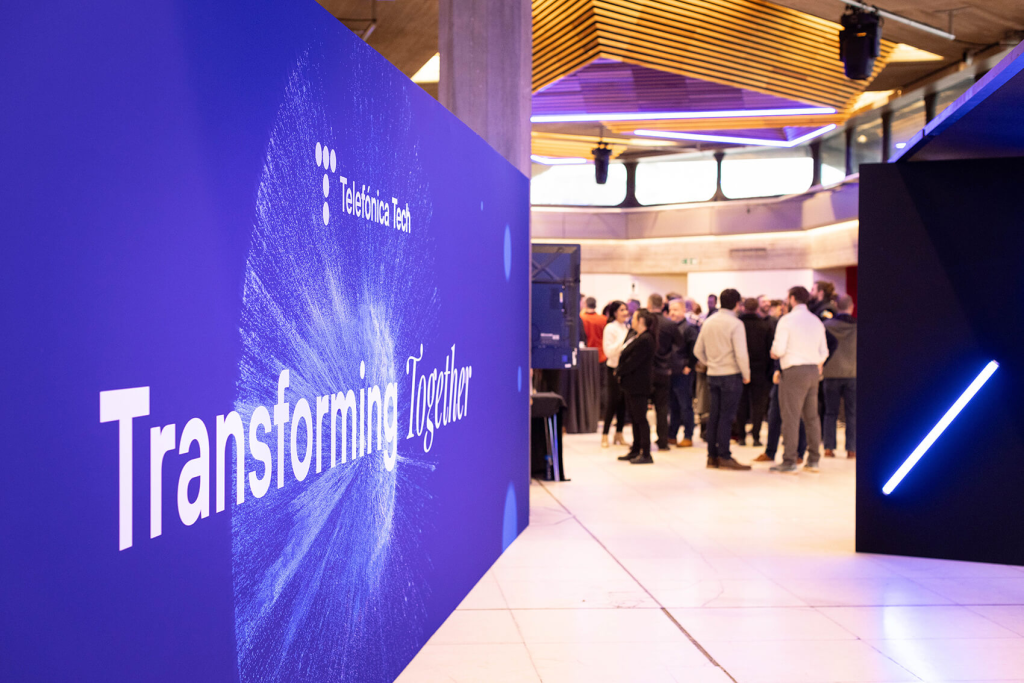
SEVEN has delivered Telefónica Tech’s annual Kick-off conference for over five years, supporting the business through mergers and acquisitions as the event has grown into the company’s flagship internal moment of the year.
3. Industry conferences position your business as a voice of authority in your sector. The speaker mix, topic selection, and delegate profile all contribute to how that positioning lands.
4. Hybrid conferences combine a live audience with a remote one. Getting this right requires deliberate production design. The remote experience has to be built as its own thing, not treated as a video stream of the physical event.
SEVEN designed and built an updated event application and online viewing platform, giving venue guests and remote attendees a genuinely fresh interface rather than a familiar one carried over from the year before.
Satellite offices in Belfast and Edinburgh joined via a two-way live link, bringing them fully into the main event rather than leaving them as passive viewers.
Read more about the case study
5. Virtual conferences have matured significantly in recent years. The best ones use purpose-built platforms, tight session durations, and interactive formats to keep remote delegates genuinely engaged across a full day or more.

SEVEN delivered exactly this for Pepsi Lipton’s annual European Marketing conference. After a successful first virtual event during the pandemic, the client chose to keep the format virtual to reach a wider European audience.

SEVEN built a fully customisable event platform capable of broadcasting a high-quality stream across two full days, with over 40 presenters requiring coordinated technical checks and rehearsals managed under significant time pressure after the event date was brought forward at short notice.
How to Measure Conference ROI?
Every conference costs money. Knowing whether it was worth it requires measurement that goes beyond head count. The metrics that matter depend on your objectives, but common ones include:
- Registration and attendance rate: how many people committed, and how many actually showed up.
- Lead generation: How many qualified commercial conversations did the event create?
- Audience engagement scores session feedback, live poll participation, and net promoter-style ratings.
- Speaker and content ratings for sessions that landed and those that didn’t.
- Sponsor satisfaction if commercial partnerships are part of the model.
Professional conference organisers in London will help you build a measurement plan before the event, not scramble to find data afterwards. SEVEN’s post-event reporting pulls all of these threads together into a clear picture of what worked and what to adjust next time.
What Are Some Common Conference Planning Mistakes?
Even well-resourced businesses make the same planning mistakes when they try to manage conferences without specialist support.
- Poor timeline planning is the most common. Venue sourcing, speaker confirmation, registration opening, and production briefing all have dependencies on each other. Compress the timeline in one area, and the effect ripples through everything else.
- Weak agenda structure produces conferences that feel like a series of presentations rather than a coherent event. If delegates can’t tell what the event is building towards, their attention drifts.
- Inadequate AV and production planning is painful and avoidable. Poor sound quality, slides that don’t load, and lighting that makes speakers look poorly lit all undermine content that deserved better.
- Lack of attendee engagement design is perhaps the most underestimated mistake. Passive audiences don’t stay engaged. Building interaction, movement, and genuine connection opportunities into the day is what separates a conference people remember from one they forget before they reach the car park.
Bringing in professional conference organisers early, ideally six to twelve months before the event date, is the most effective way to avoid all of these.
Why Work With Conference Event Planners at SEVEN?
SEVEN is one of the UK’s leading agencies for conference event management. We’re based in Mayfair, with offices in Birmingham too, and we’ve spent fifteen years building the expertise, supplier relationships, and creative capabilities that make a measurable difference to how conferences perform.
We work as an extension of your team, not as a supplier you brief and then chase for updates. Our conference planning process starts with a thorough understanding of your objectives and your audience, and every decision from that point forward is built around those foundations.
From initial concept through to post-event analysis, SEVEN’s professional conference organisers in London handle every workstream with the kind of professional care that lets your team show up on the day ready to lead, rather than ready to manage logistics.
If you’re planning a conference and want to talk through your brief, we’d love to hear from you.
FAQs
1. What do conference organisers do?
They manage the complete planning and delivery of corporate conferences, covering everything from venue sourcing and speaker coordination to on-site management and post-event reporting.
2. Why hire conference organisers in London?
You get access to local venue relationships, an established supplier network, and a team with the experience to handle the operational complexity so your internal team can focus on the business outcomes.
3. How far in advance should you plan a conference?
For most corporate conferences, six to twelve months is the right window. Larger, more complex events, particularly those with international speakers or hybrid production, may need longer.
Conference Event Planners vs In-House Teams: What Works Best?
Almost every business that runs a conference faces the same early question. Do we manage this ourselves or bring in a professional agency?
It’s a decision that shapes the entire event, from the quality of the venue to the experience delegates carry away with them. There’s no single right answer. But there is a clear way to think through it, and it starts with understanding what each approach actually involves.
What Do Conference Event Planners Do?
Professional conference event planners manage the full lifecycle of a conference on your behalf. That means taking responsibility for every workstream from the initial brief through to post-event reporting, rather than handing over a plan and leaving the execution to your team.
The scope of what a professional conference and event organiser handles includes:
- Venue sourcing and negotiation – identifying the right space for your delegate profile, production requirements, and budget, then securing it on the best possible commercial terms.
- Agenda and speaker management – working with your team to build a programme that holds attention, briefing speakers thoroughly, and managing their logistics on the day.
- Delegate registration and communication – managing the full registration journey, from the first confirmation email to on-site check-in and post-event follow-up.
- Technical production and AV setup – specifying and managing the technical layer of the event, from screen content and lighting to live streaming and interactive technology.
- On-site event coordination – running the operational side of the event on the day so your team can be present and focused rather than managing logistics.
The case for bringing in a conference and event organiser isn’t just about taking work off your team’s plate. It’s about access to experience and supplier relationships that most in-house teams don’t have.
What Is In-House Conference Planning?
In-house planning means your internal team manages the conference process directly. This is a workable approach in the right circumstances, and some businesses have built genuine planning capability inside their marketing or operations functions.
What it typically looks like in practice:
- A marketing manager or events coordinator takes ownership of the project alongside their existing responsibilities.
- The team coordinates directly with venues, caterers, AV suppliers, and any other vendors.
- Budget management and timeline tracking sit with whoever is leading the project internally.
- On the day, the same team that planned the event also runs it.
The advantage of this approach is control. Your team knows the brand, knows the people, and has direct oversight of every decision. For certain types of events, smaller internal gatherings, town halls, and straightforward meeting formats, control can outweigh the case for bringing in external support.
The limitation becomes clear as events grow in size, complexity, or commercial ambition.
Planning a 300-person hybrid conference with multiple speakers, satellite locations, and a post-event awards dinner is a different category of task from planning a team away day, and the gap between what an in-house team and a professional conference and event organiser can deliver tends to widen significantly at that scale.
The Real Difference: Expertise, Network, and Time
The comparison between conference event planners and in-house teams often gets framed as a cost question. It’s more accurately an outcomes question.
| Factor | Professional Conference Event Planners | In-House Teams | Overall Impact |
| Core Difference | Focused on delivering successful event outcomes through specialised experience and industry knowledge | Often approach conference planning alongside existing internal responsibilities | The comparison is less about cost and more about the quality and reliability of outcomes |
| Expertise and Experience | Have managed dozens or even hundreds of conferences across multiple industries, formats, audience sizes, and event types | Usually gain experience gradually through occasional event planning | Experienced planners are better equipped to anticipate problems and avoid costly mistakes |
| Problem-Solving Ability | Understand what commonly goes wrong during conferences and know how to prevent issues before they escalate | May encounter challenges for the first time during live planning or event delivery | Professional foresight reduces operational risks and improves event execution |
| Budget Management | Know which production decisions reduce costs without affecting attendee experience or event quality | May choose lower-cost options without understanding the long-term impact on delivery | Professional planners balance cost-efficiency with quality assurance |
| Decision-Making Confidence | Make informed decisions based on extensive practical experience from previous events | Often rely on trial and error or limited past experience | Better decisions lead to smoother event delivery and fewer last-minute complications |
| Vendor Networks | Maintain established relationships with venues, AV providers, caterers, production teams, logistics suppliers, and specialist contractors | Typically have fewer supplier relationships and less negotiating leverage | Strong vendor partnerships improve flexibility, pricing, and service reliability |
| Access to Better Pricing | Can often secure preferential rates, package deals, priority bookings, and added services | May pay standard market rates due to limited buying power | Agency relationships can reduce overall event costs while maintaining quality |
| Availability and Flexibility | Better positioned to secure high-demand venues, suppliers, and technical teams | May face limited options, especially during busy conference seasons | Access to reliable suppliers helps avoid scheduling and operational issues |
| Handling Last-Minute Changes | Experienced at resolving sudden changes quickly through trusted supplier relationships | May struggle to negotiate rapid adjustments or replacements | Faster issue resolution reduces disruption during planning and live delivery |
| Time Commitment | Dedicated entirely to planning, coordinating, and managing the conference | Conference planning is often added to an employee’s existing workload | Professional planners remove significant pressure from internal staff |
| Workload Impact | Allows internal teams to stay focused on their primary business responsibilities | Staff may need to divide attention between conference planning and their core role | Competing priorities can affect both event quality and day-to-day business operations |
| Planning Efficiency | Use proven systems, processes, schedules, checklists, and workflows developed through experience | May need to build planning systems from scratch for each event | Professional processes improve efficiency, organisation, and consistency |
| Risk of Mistakes | Lower risk due to extensive operational knowledge and contingency planning | Higher risk of avoidable mistakes caused by limited event experience | Mistakes in conference planning can lead to financial loss, reputational damage, or attendee dissatisfaction |
| Long-Term Value | Deliver strategic guidance, operational support, industry insight, and scalable event management expertise | May require repeated learning curves with every new conference | Agencies provide repeatable expertise that strengthens future event delivery |
What Are The Benefits of Hiring Conference Event Planners?
1. Industry Expertise Across Event Types
Professional conference event planners bring knowledge that crosses industries and formats. They know what works for a leadership summit and what works for a 500-person annual conference.
They can tell you where your brief is strong and where it needs more development before the planning process begins. That advisory capability is worth as much as the execution.
2. Access to Established Vendor Relationships
The supplier network built by a professional agency over years of event delivery translates directly into better options for your event.
Venues that don’t take speculative enquiries from unknown clients will take calls from an agency they’ve worked with before.
AV suppliers who are booked solid will find availability for a long-term agency partner. These aren’t small advantages.
3. Focus for Your Internal Team
When a professional conference and event organiser handles the event, your internal team gets to attend it. They’re present for the conversations that matter, visible to clients and colleagues, and focused on the business outcomes rather than whether the catering is running on time.
4. Measurable Results
Good conference event planners build measurement into the process from the start, not as an afterthought once the event is over. Pre-defined objectives, clear success metrics, and structured post-event reporting give you data that feeds directly into the brief for next time.
When In-House Planning Works?
In-house planning is genuinely the right choice in some situations, and it’s worth being clear about what those are.
1. Small-scale internal events with a limited attendee list, a straightforward format, and no significant production requirements are well within the reach of a capable internal team. A quarterly leadership meeting or a team briefing doesn’t need an agency.
2. Budget-constrained projects where the event is relatively simple and the business genuinely can’t justify the agency fee may be better served by a well-briefed internal coordinator.
3. Events where internal cultural knowledge is the primary variable, where the brand, the people, and the internal dynamics are more important than production quality or logistical complexity, can benefit from having insiders run the process.
The key is an honest assessment of which category your event falls into.
When to Hire Conference Event Planners?
Bring in professional conference event planners when:
- The scale or complexity is beyond your internal team’s experience:
A hybrid event with multiple locations, live streaming, and a multi-speaker programme is not a first project for someone learning on the job.
- The commercial stakes are high:
A flagship annual conference that positions your brand in front of clients, partners, and media deserves professional planning. The risk of a poorly executed event in front of that audience is significant.
- Your internal team is already at capacity:
Adding a major event project to a team that’s fully committed to other priorities is a reliable path to both failing at the event and burning out the team.
- You want measurable ROI:
Professional conference event planners build measurement into the process. In-house teams often don’t have the time or the tools.
The Hybrid Approach
Many businesses land somewhere between full outsourcing and full in-house ownership, and that’s a reasonable model when the boundaries are clear.
One approach that works well is when the internal team owns the strategy, the objectives, and the content, while a conference and event organiser handles the execution. That gives you brand consistency and internal ownership of the outcome, without asking your team to become event production specialists overnight.
Another common model: an internal events coordinator works directly alongside an agency team, with the agency handling venue, production, and logistics while the internal person manages internal communications and approvals. The agency runs the event; the internal person translates it to the business.
What doesn’t work well is ambiguity, where neither party is entirely clear who owns what. That’s where things fall through the gaps.
How Does This Connect to Your Conference Strategy?
The decision between a conference and event organiser and an in-house team is really a question about what kind of conference you want to run and what resources you’re prepared to commit to it. The answer to that question should come before you start planning the event, not midway through.
For a complete guide to planning corporate conferences, read our Professional Conference Organisers Guide.
Why Work With SEVEN?
SEVEN has worked as the conference and event organiser of choice for global brands across technology, healthcare, finance, and automotive for over fifteen years. We run events from 50-person leadership summits to 500-person hybrid annual conferences across more than 85 countries.
Our approach is to work as a genuine extension of your team, involved from the brief, present on the day, and accountable for the results.
Get in touch with the team at SEVEN
FAQs
1. What do conference event planners do?
They manage the full planning and delivery of corporate conferences, from venue sourcing and speaker coordination through to on-site management and post-event reporting.
2. Are conference planners worth the investment?
For large or complex events, yes. The combination of experience, supplier access, and dedicated resource almost always produces better outcomes than in-house planning at that scale.
3. Can in-house teams manage conferences?
Yes, for smaller or simpler events. The case for external conference event planners strengthens as scale, complexity, and commercial stakes increase.
4. What is a conference and event organiser?
A professional agency or individual who plans and executes conferences and business events on behalf of client organisations.
How to organise a corporate conference in London?

London is often seen as one of the easiest places to host a corporate conference. The venues are well known, the infrastructure is strong, and everything seems readily available. But in practice, organising a conference here is rarely as straightforward as it appears.
What tends to catch businesses off guard is the number of decisions that need to be made early. Venue availability, audience expectations, and logistics all start to shape the outcome much sooner than expected.
Working with a trusted London event company London event company helps bring clarity to this process by connecting strategy with delivery from the very beginning.
Let’s see how to approach conference planning in London in a way that is practical, aligned, and easier to manage.
1. Define Your Conference Objectives
Every strong conference starts with a clear business purpose. Without this, decisions around format, content, and even venue become reactive rather than strategic.
Objectives should be specific enough to guide planning decisions, such as:
- Driving qualified pipeline or sales conversations
- Aligning leadership or internal teams on strategy
- Launching products or communicating change
- Strengthening stakeholder or client relationships
The key is not just identifying what the event should achieve, but how success will be measured later. This ensures the conference is designed with outcomes in mind, not just attendance.
A strategic communications agency helps translate business goals into messaging frameworks, ensuring that every session supports a consistent narrative across the event.
2. Choose the Right Conference Format
Format is not just a delivery choice, it shapes engagement behaviour and content design.
Common formats include:
- In-person conferences: Best for relationship building, networking, and immersive experiences
- Virtual conferences: Best for accessibility, global reach, and cost efficiency
- Hybrid conferences: Best for balancing reach with physical engagement
Each format changes how audiences interact with content. For example, hybrid events require equal attention to both physical and digital audiences to avoid engagement gaps.
A reliable virtual events agency can help deliver seamless virtual and hybrid events, ensuring wider audience reach and engagement.
3. Select the Perfect Venue in London
In conference planning London, venue choice has a direct impact on attendance, engagement, and flow. It is not only a logistical decision but also an experience decision.
Location, accessibility, and layout all play a role. A well-chosen venue makes it easier for attendees to navigate the space, stay engaged, and move between sessions without disruption. It should support your format rather than limit it.
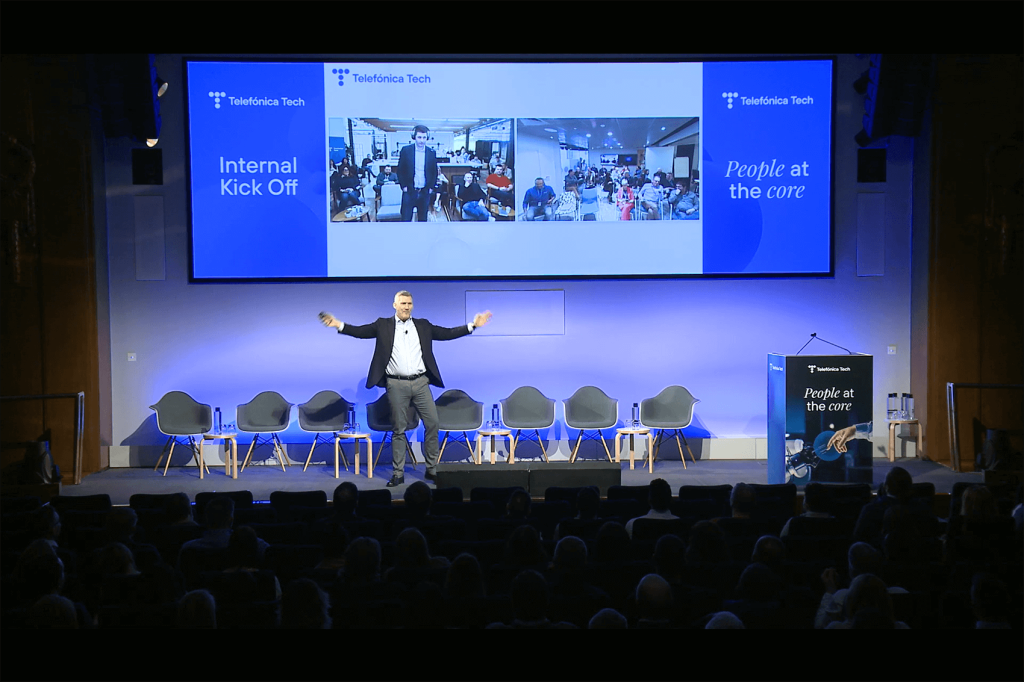
A strong example is SEVEN’s Explore the possibilities to succeed together event for Telefónica Tech, hosted at IET Savoy Place. The venue supported both in-person and hybrid delivery, with live links to multiple locations and a shared event platform that allowed all attendees to participate seamlessly.
This created a more connected experience and improved engagement across both physical and virtual audiences.
Working with professional conference organisers in London ensures you secure the right venue while managing logistics effectively.
4. Plan logistics and operations
Logistics rarely get attention when they work well, but they’re usually the first thing people notice when something goes wrong.
There are multiple moving parts involved. Technical setup, supplier coordination, guest flow, and timing between sessions. None of these is complicated on its own, but together they require careful coordination.
For example, a small delay in one session can affect everything that follows. Or unclear signage can create confusion, even if the rest of the event is well planned.
Partnering with an event logistics company ensures smooth event production and logistics from start to finish.
5. Design an engaging conference experience
A conference that feels engaging usually has a mix of elements. Some sessions are structured, others are more open. There’s a balance between listening and interacting.
It’s also about pacing. Too many sessions in a row can feel heavy. Too much downtime can break momentum.
Small details matter. How sessions transition, how interaction is encouraged, and how the day flows overall.
In SEVEN’s “Ever evolving, always discovering” conference, the focus was on keeping the experience varied while maintaining a clear structure. The agenda combined keynote sessions with more interactive formats, allowing attendees to engage with content rather than just listen.
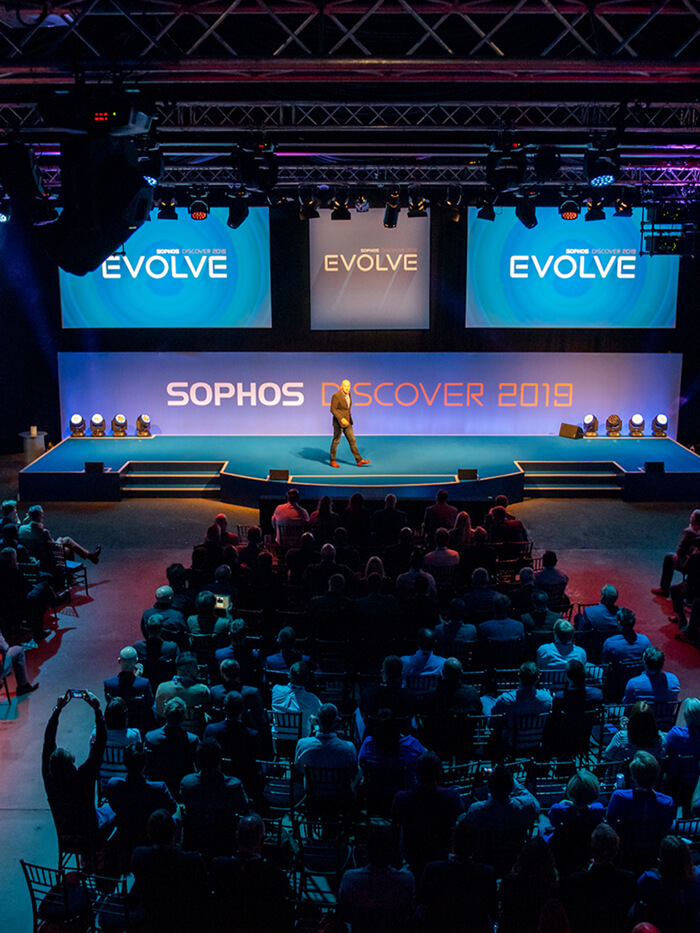
This approach helped maintain energy throughout the event. Attendees stayed involved, and the experience felt consistent from start to finish without becoming repetitive. Feedback reflected this, with strong engagement and positive response to both the content and delivery.
In conference planning in London, the experience is often what people take away, not just the agenda.
6. Promote Your Conference Effectively
Promotion is not just about visibility, it determines the quality of your audience.
Effective promotion strategies include:
- Targeted email campaigns to segmented audiences
- LinkedIn outreach for professional targeting
- Partner and industry collaboration for credibility
- Paid campaigns to expand reach strategically
The goal is not maximum attendance, but relevant attendance. The quality of participants directly impacts engagement levels, networking value, and post-event ROI.
An experienced event agency in London helps refine targeting so outreach is aligned with business objectives rather than broad awareness.
How to Measure the Success of Conference ROI?
Conference ROI should be measured against predefined objectives, not assumptions.
A structured event measurement framework typically includes:
- Engagement metrics: Attendance, participation, session interaction
- Commercial impact: Leads generated, pipeline influence, conversion quality
- Brand impact: Social reach, mentions, sentiment analysis
- Experience feedback: Attendee satisfaction and qualitative insights
The strength of ROI measurement lies in combining short-term data with long-term outcomes. Many conferences deliver value months after the event through ongoing sales conversations or partnerships.
To understand how to track and measure success effectively, read this detailed guide on how to measure the ROI of your conference.
Why Work with a Conference Event Planner?
Hiring expert conference event planners ensures your event is professionally managed from concept to execution, with strategy, content, and logistics working together rather than in isolation.
A full-service events management agency helps remove operational pressure while ensuring the conference is designed around clear business outcomes, not just delivery milestones.
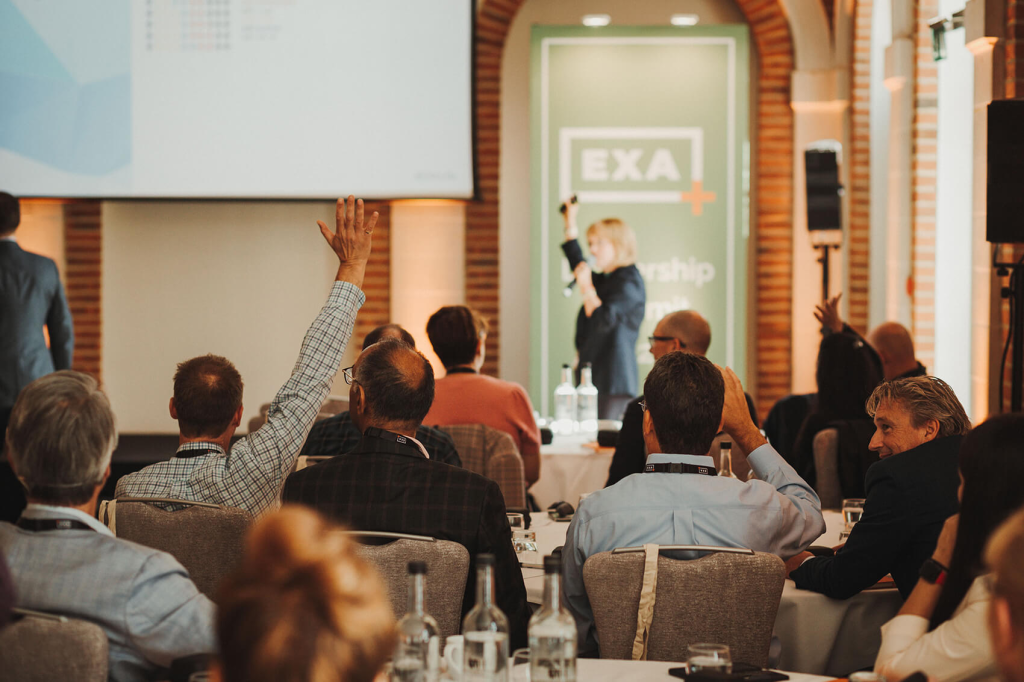
A strong example is SEVEN’s leadership summit for EXA. The goal was to bring together a 43-person leadership team who had worked together for years but had limited real connection. The focus was to engage, motivate, inspire, and connect the group in a meaningful way.
SEVEN designed a two-day programme combining structured sessions with purposeful interaction. Alongside content, two very different dinner settings encouraged deeper relationship-building, while a collaborative group activity helped the team work together to build a shared outcome.
The result was a more connected leadership group with stronger alignment, improved communication, and a clearer understanding of business direction, showing how the right planning approach directly improves conference impact.
Closing Thoughts
Organising a corporate conference in London doesn’t have to be complicated, but it does require the right approach.
When objectives are clear, the audience is understood, and planning is structured, the process becomes much easier to manage.
Each part of conference planning in London plays a role. When they come together properly, the event tends to feel more considered, both for organisers and attendees.
Ready to plan your next conference? Get in touch with our team to start planning your next conference.
If you’d like to see more of what we’re working on, you can click here and follow SEVEN on LinkedIn for real event moments and ideas.
FAQs
1. How far in advance should you organise a corporate conference in London?
In most cases, planning should begin at least 6 to 12 months in advance. London venues are often booked well ahead of time, and early planning allows more flexibility with location, suppliers, and overall event structure.
2. What is the most important factor when planning a corporate conference?
The most important starting point is having clear objectives. When you know what the conference needs to achieve, it becomes easier to make decisions around venue, content, and overall experience without unnecessary changes later.
3. How do you choose the right venue for a conference in London?
The right venue depends on your audience, accessibility, and the type of experience you want to create. Central locations are convenient, but layout, capacity, and how the space supports your event flow are equally important.