How to organise a corporate conference in London?
London is often seen as one of the easiest places to host a corporate conference. The venues are well known, the infrastructure is strong, and everything seems readily available. But in practice, organising a conference here is rarely as straightforward as it appears. What tends to catch businesses off guard is the number of decisions that need to be made early. Venue availability, audience expectations, and logistics all begin to shape the outcome much sooner than expected. Working with a trusted London event company helps bring clarity to this process by connecting strategy with delivery from the very beginning.

London is often seen as one of the easiest places to host a corporate conference. The venues are well known, the infrastructure is strong, and everything seems readily available. But in practice, organising a conference here is rarely as straightforward as it appears. What tends to catch businesses off guard is the number of decisions that need to be made early. Venue availability, audience expectations, and logistics all begin to shape the outcome much sooner than expected. Working with a trusted London event company helps bring clarity to this process by connecting strategy with delivery from the very beginning.
London is often seen as one of the easiest places to host a corporate conference. The venues are well known, the infrastructure is strong, and everything seems readily available. But in practice, organising a conference here is rarely as straightforward as it appears.
What tends to catch businesses off guard is the number of decisions that need to be made early. Venue availability, audience expectations, and logistics all start to shape the outcome much sooner than expected.
Working with a trusted London event company London event company helps bring clarity to this process by connecting strategy with delivery from the very beginning.
Let’s see how to approach conference planning in London in a way that is practical, aligned, and easier to manage.
1. Define Your Conference Objectives
Every strong conference starts with a clear business purpose. Without this, decisions around format, content, and even venue become reactive rather than strategic.
Objectives should be specific enough to guide planning decisions, such as:
- Driving qualified pipeline or sales conversations
- Aligning leadership or internal teams on strategy
- Launching products or communicating change
- Strengthening stakeholder or client relationships
The key is not just identifying what the event should achieve, but how success will be measured later. This ensures the conference is designed with outcomes in mind, not just attendance.
A strategic communications agency helps translate business goals into messaging frameworks, ensuring that every session supports a consistent narrative across the event.
2. Choose the Right Conference Format
Format is not just a delivery choice, it shapes engagement behaviour and content design.
Common formats include:
- In-person conferences: Best for relationship building, networking, and immersive experiences
- Virtual conferences: Best for accessibility, global reach, and cost efficiency
- Hybrid conferences: Best for balancing reach with physical engagement
Each format changes how audiences interact with content. For example, hybrid events require equal attention to both physical and digital audiences to avoid engagement gaps.
A reliable virtual events agency can help deliver seamless virtual and hybrid events, ensuring wider audience reach and engagement.
3. Select the Perfect Venue in London
In conference planning London, venue choice has a direct impact on attendance, engagement, and flow. It is not only a logistical decision but also an experience decision.
Location, accessibility, and layout all play a role. A well-chosen venue makes it easier for attendees to navigate the space, stay engaged, and move between sessions without disruption. It should support your format rather than limit it.
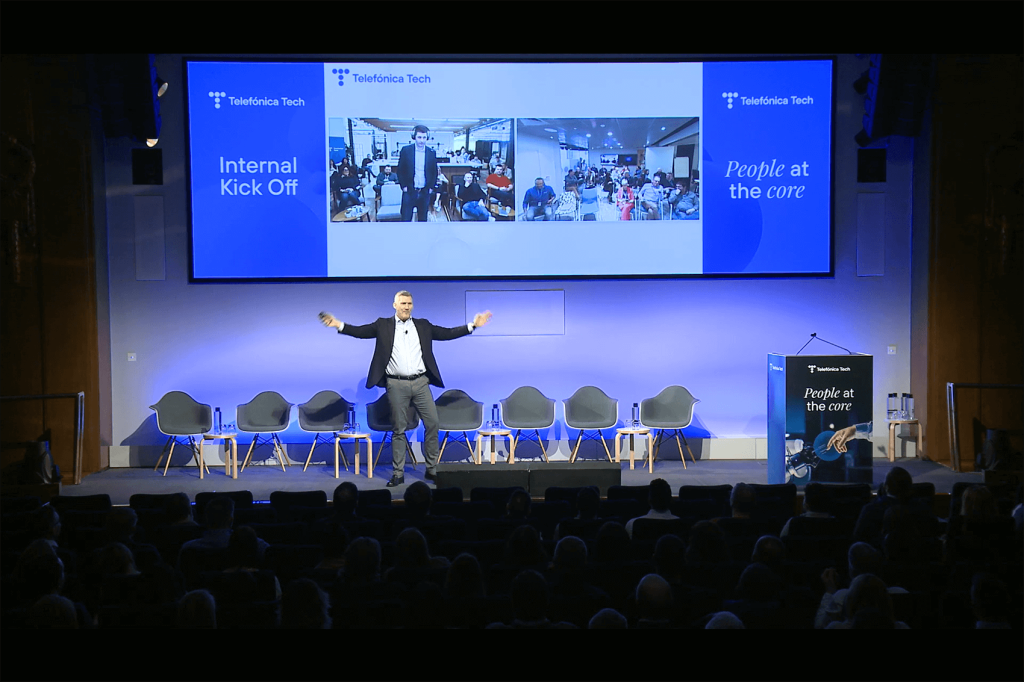
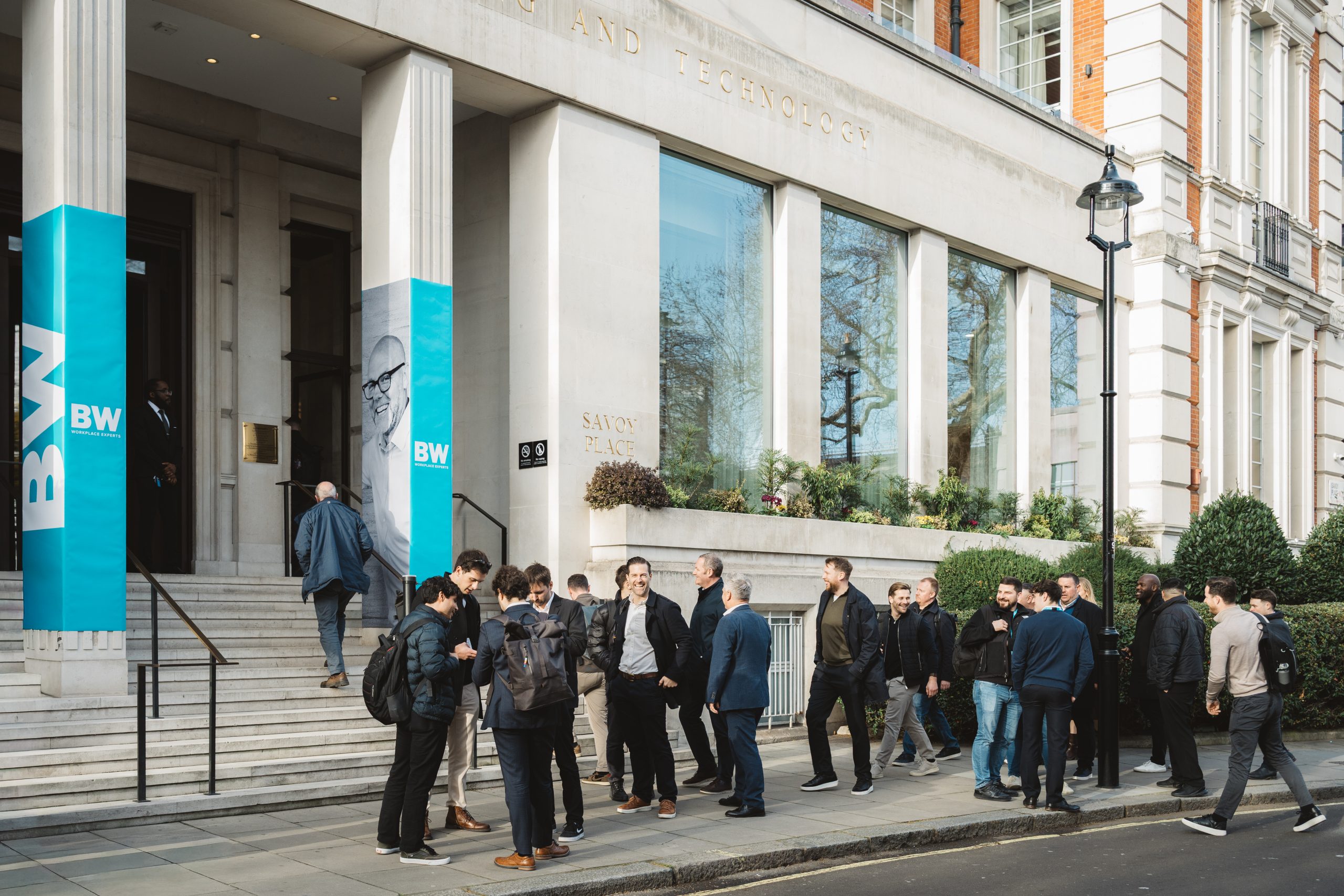
A strong example is SEVEN’s Explore the possibilities to succeed together event for Telefónica Tech, hosted at IET Savoy Place. The venue supported both in-person and hybrid delivery, with live links to multiple locations and a shared event platform that allowed all attendees to participate seamlessly.
This created a more connected experience and improved engagement across both physical and virtual audiences.
Working with professional conference organisers in London ensures you secure the right venue while managing logistics effectively.
4. Plan logistics and operations
Logistics rarely get attention when they work well, but they’re usually the first thing people notice when something goes wrong.
There are multiple moving parts involved. Technical setup, supplier coordination, guest flow, and timing between sessions. None of these is complicated on its own, but together they require careful coordination.
For example, a small delay in one session can affect everything that follows. Or unclear signage can create confusion, even if the rest of the event is well planned.
Partnering with an event logistics company ensures smooth event production and logistics from start to finish.
5. Design an engaging conference experience
A conference that feels engaging usually has a mix of elements. Some sessions are structured, others are more open. There’s a balance between listening and interacting.
It’s also about pacing. Too many sessions in a row can feel heavy. Too much downtime can break momentum.
Small details matter. How sessions transition, how interaction is encouraged, and how the day flows overall.
In SEVEN’s “Ever evolving, always discovering” conference, the focus was on keeping the experience varied while maintaining a clear structure. The agenda combined keynote sessions with more interactive formats, allowing attendees to engage with content rather than just listen.
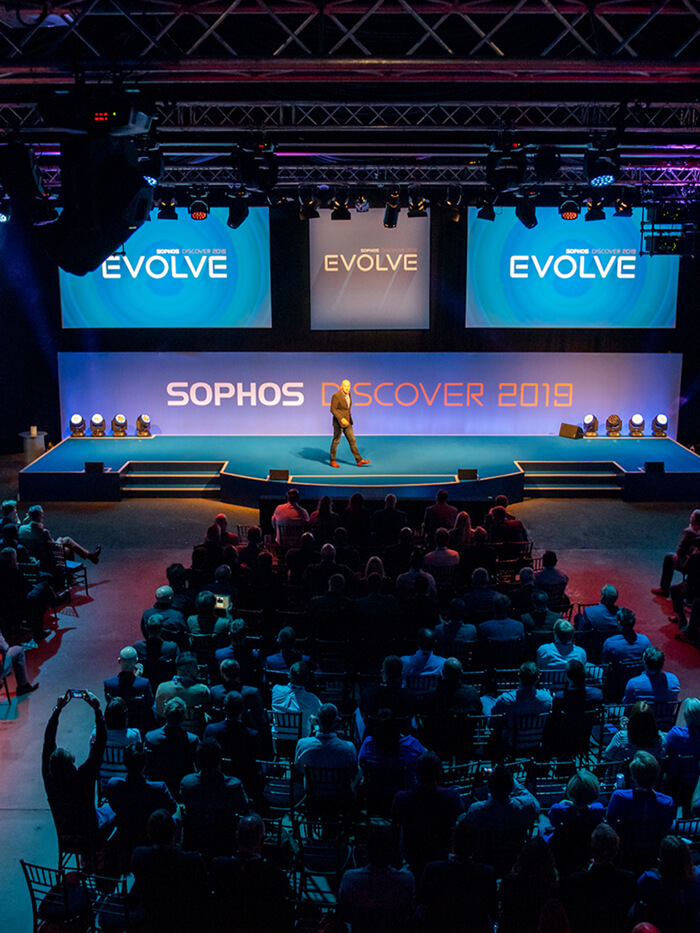
This approach helped maintain energy throughout the event. Attendees stayed involved, and the experience felt consistent from start to finish without becoming repetitive. Feedback reflected this, with strong engagement and positive response to both the content and delivery.
In conference planning in London, the experience is often what people take away, not just the agenda.
6. Promote Your Conference Effectively
Promotion is not just about visibility, it determines the quality of your audience.
Effective promotion strategies include:
- Targeted email campaigns to segmented audiences
- LinkedIn outreach for professional targeting
- Partner and industry collaboration for credibility
- Paid campaigns to expand reach strategically
The goal is not maximum attendance, but relevant attendance. The quality of participants directly impacts engagement levels, networking value, and post-event ROI.
An experienced event agency in London helps refine targeting so outreach is aligned with business objectives rather than broad awareness.
How to Measure the Success of Conference ROI?
Conference ROI should be measured against predefined objectives, not assumptions.
A structured event measurement framework typically includes:
- Engagement metrics: Attendance, participation, session interaction
- Commercial impact: Leads generated, pipeline influence, conversion quality
- Brand impact: Social reach, mentions, sentiment analysis
- Experience feedback: Attendee satisfaction and qualitative insights
The strength of ROI measurement lies in combining short-term data with long-term outcomes. Many conferences deliver value months after the event through ongoing sales conversations or partnerships.
To understand how to track and measure success effectively, read this detailed guide on how to measure the ROI of your conference.
Why Work with a Conference Event Planner?
Hiring expert conference event planners ensures your event is professionally managed from concept to execution, with strategy, content, and logistics working together rather than in isolation.
A full-service events management agency helps remove operational pressure while ensuring the conference is designed around clear business outcomes, not just delivery milestones.
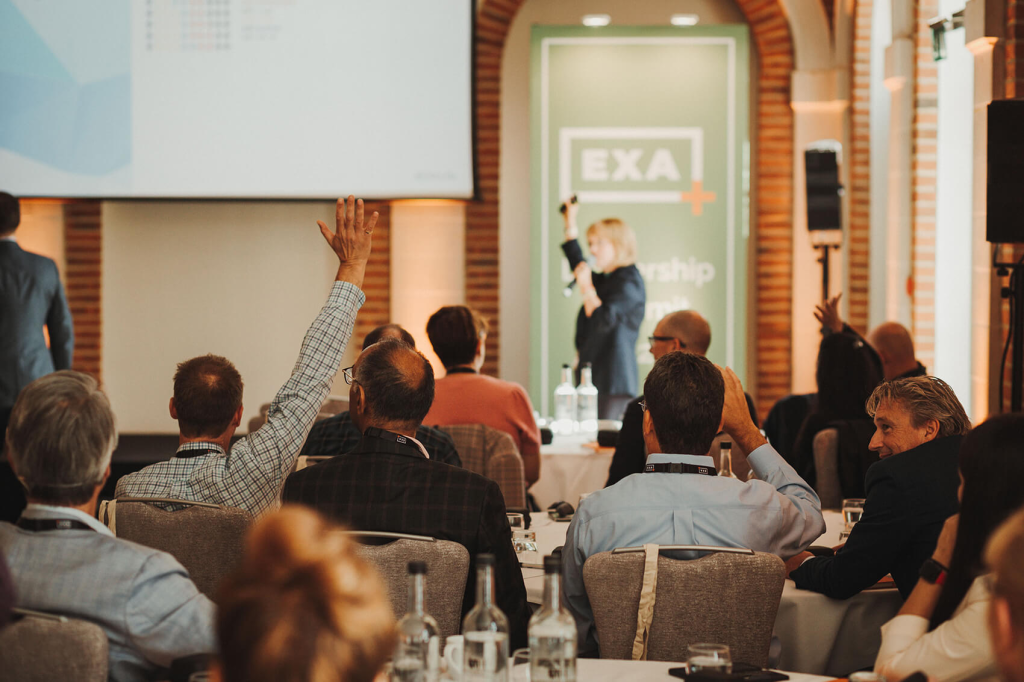
A strong example is SEVEN’s leadership summit for EXA. The goal was to bring together a 43-person leadership team who had worked together for years but had limited real connection. The focus was to engage, motivate, inspire, and connect the group in a meaningful way.
SEVEN designed a two-day programme combining structured sessions with purposeful interaction. Alongside content, two very different dinner settings encouraged deeper relationship-building, while a collaborative group activity helped the team work together to build a shared outcome.
The result was a more connected leadership group with stronger alignment, improved communication, and a clearer understanding of business direction, showing how the right planning approach directly improves conference impact.
Closing Thoughts
Organising a corporate conference in London doesn’t have to be complicated, but it does require the right approach.
When objectives are clear, the audience is understood, and planning is structured, the process becomes much easier to manage.
Each part of conference planning in London plays a role. When they come together properly, the event tends to feel more considered, both for organisers and attendees.
Ready to plan your next conference? Get in touch with our team to start planning your next conference.
If you’d like to see more of what we’re working on, you can click here and follow SEVEN on LinkedIn for real event moments and ideas.
FAQs
1. How far in advance should you organise a corporate conference in London?
In most cases, planning should begin at least 6 to 12 months in advance. London venues are often booked well ahead of time, and early planning allows more flexibility with location, suppliers, and overall event structure.
2. What is the most important factor when planning a corporate conference?
The most important starting point is having clear objectives. When you know what the conference needs to achieve, it becomes easier to make decisions around venue, content, and overall experience without unnecessary changes later.
3. How do you choose the right venue for a conference in London?
The right venue depends on your audience, accessibility, and the type of experience you want to create. Central locations are convenient, but layout, capacity, and how the space supports your event flow are equally important.