How Conference Organisers Make Multi-Day Events Feel Effortless
Discover how experienced conference organisers turn complex multi-day events into seamless experiences. Explore the power of joined-up planning, speaker coordination, clear communications, and logistics that keep every moving part working together from the start.
Discover how experienced conference organisers turn complex multi-day events into seamless experiences. Explore the power of joined-up planning, speaker coordination, clear communications, and logistics that keep every moving part working together from the start.
For guests, a multi-day conference should feel like one consistent experience. But behind the scenes, it is the result of hundreds of connected decisions.
As an event extends across multiple days, the complexity increases. Sessions need to flow naturally from one to the next, and speakers need clear and timely information. Venues and suppliers must work to the same schedule, and delegates need to know where to be and what to expect at every stage. Even small changes can have an impact across the entire programme. So, consistency, communication and careful coordination are key to successful multi-day conference planning. The best conference organisers anticipate how each element connects and build reliable plans around those dependencies. The operational work never becomes visible to the audience.
As an experienced conference organiser in London, SEVEN brings strategic thinking and hands-on delivery together. We plan every moving part of the conference so that clients, speakers and delegates can focus on the event’s purpose and attendees leave with a lasting impression.
Why do multi-day conferences become complex so quickly?
A one-day conference already involves a long list of interdependent decisions. When the event extends across several days, the number of variables grows quickly. Programme timings, speaker availability, room capacities, catering, transport, accommodation, production schedules and delegate communications all begin to overlap.
Effective multi-day conference planning looks at the event as one connected system. Expert conference organisers recognise the need for extensive coordination, so there are no friction losses or misunderstandings.
Keeping the programme coherent across several days
A strong multi-day conference needs rhythm and content. Sessions should build logically with varying formats and consistent transitions. The challenge is maintaining a sense of progression throughout the event.
Too many similar sessions can create fatigue, while poorly timed transitions give the feeling that the conference is rushed. Good conference event management considers the complete delegate journey, starting from arrival on the first morning to the final session.
Conference organisers also need to plan for the practical details of the agenda. Session lengths, room changes, speaker call times, technical resets and catering windows must work together. It means building realistic transition time into the schedule, which protects the programme when sessions overrun.
Managing speakers, spaces and changing audience needs
Speakers are central to corporate conferences but coordinating them over several days can be complex. Each speaker may have different travel arrangements, presentation formats, rehearsal requirements, accessibility needs and availability.
A professional conference organiser in London will usually establish clear speaker communications well in advance. It covers deadlines, session timings, presentation requirements, arrival information and on-site contacts. Clear speaker communications also enables the event team to identify potential issues early.
The venue also needs to support a programme that may change in format throughout the day. A plenary session could be followed by multiple breakouts, workshops, networking periods or private meetings. Rooms may need to be reset quickly, and tech needs change between different presentation formats.
Audience needs can also change across a multi-day event. Attendance may vary between sessions. Some delegates may join for only part of the programme and different groups may need separate arrangements. It’s essential to plan for these variables and provide personalised assistance to audiences. This allows a multi-day conference to remain consistent even when the audience is not.
Connecting travel, accommodation and event logistics
The experience of a destination conference begins before delegates enter the venue. Travel and accommodation become part of the wider operation and need to be well coordinated.
Arrival times can affect registration, room availability, welcome sessions and catering. Departure schedules influence the timing of the final day. Speakers and senior guests may require separate transfers, while international delegates usually need more guidance around travel timings and local transport.
Accommodation adds another layer of detail, and room block management and last-minute changes are typical challenges. Coordinating diverse corporate booking requirements is another issue. The conference team must keep venue, hotel, transport and registration information aligned so that delegates get clear and consistent instructions.
Conferences with international delegates may also benefit from SEVEN’s guide to planning an international conference.
How conference organisers make the experience feel effortless
Experienced conference organisers create the systems and communication that keep every part of the event moving in the same direction. Their aim is to make the entire experience feel connected, from the first delegate communication to the closing session. For this, the planning begins several months earlier.
Building one integrated plan
Strong conference event management starts with one, integrated plan. It combines programme, production, speakers, venue, suppliers, catering, registration, transport and accommodation.
Conference organisers map the dependencies between them. A programme change, for example, may affect room layouts, technical requirements, speaker call times, catering schedules and delegate communications. When these details are kept within one coordinated planning framework, it makes it easier to identify clashes that can become live-event problems.
This integrated approach is important for multi-day conferences. Detailed timelines and greater responsibilities help everyone understand what needs to happen and who is accountable for what.
For a practical list of planning tasks, see SEVEN’s conference planning checklist.
Creating clear communication for speakers and guests
Speakers, delegates, clients and suppliers all need information, but they don’t need the same information at the same time. To account for varying communication needs, conference event management companies create a structured timeline. They create a strong event communications plan backed by reliable devices to deliver updates.
The strongest communication plans are also flexible. When timings, rooms or travel arrangements change, there should be a clear process for updating the right people quickly without creating confusion.
Managing transitions, rehearsals and on-site delivery
Some of the most important work happens in the moments delegates barely notice. Moving from a keynote into breakout sessions, resetting a stage during a coffee break or bringing the next speaker into position at exactly the right time all require detailed coordination.
Rehearsals help make those transitions predictable. They allow the production team to test presentations and audio-video content. In doing so, speakers get a chance to understand the space and how their session will run.
On site, conference organisers oversee the live operation. They act as the connection point between the client, venue, production team, suppliers and speakers. Running orders and operational schedules provide structure, while experienced teams remain ready to respond when circumstances change. This combination of preparation and adaptability makes complex delivery feel effortless.
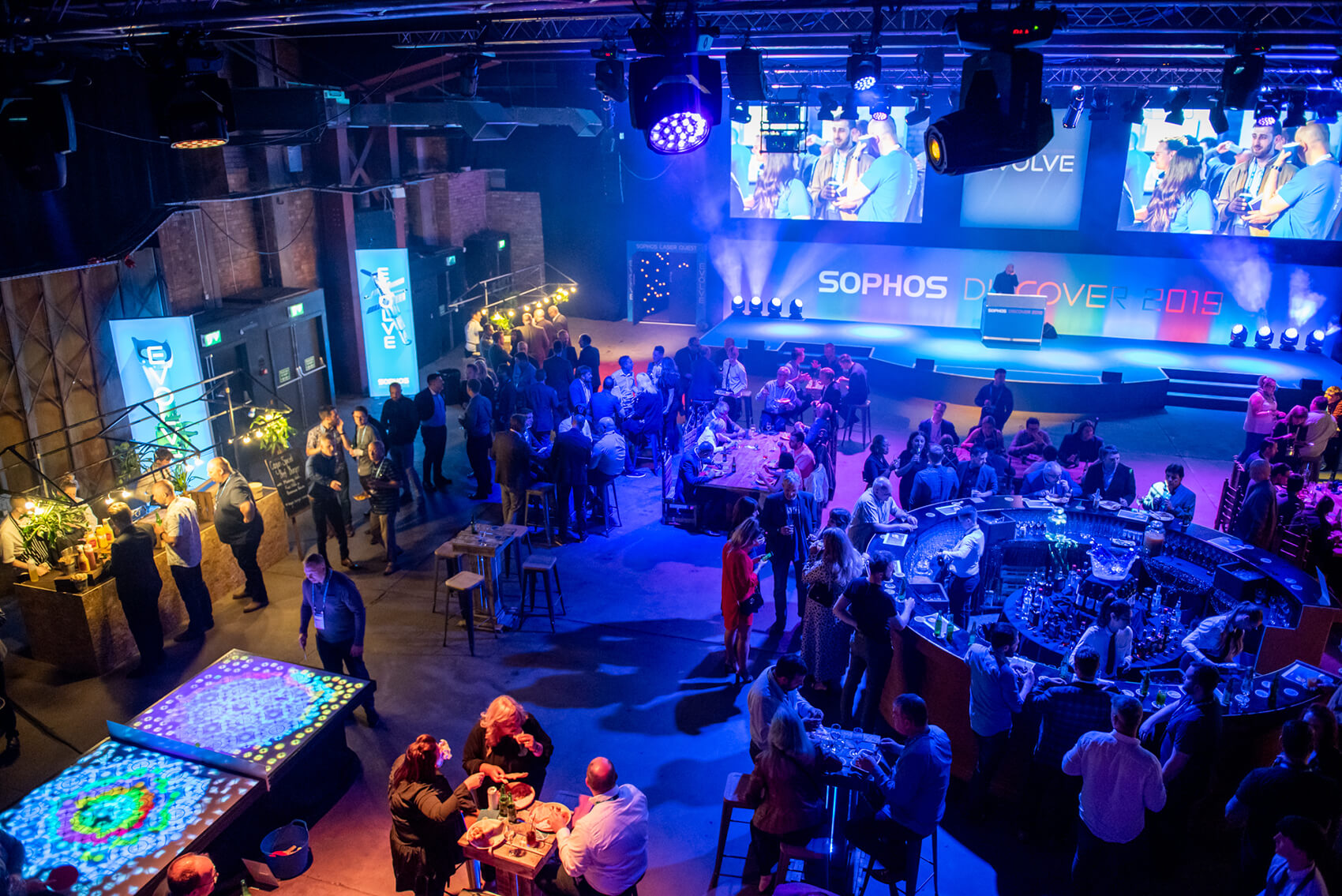
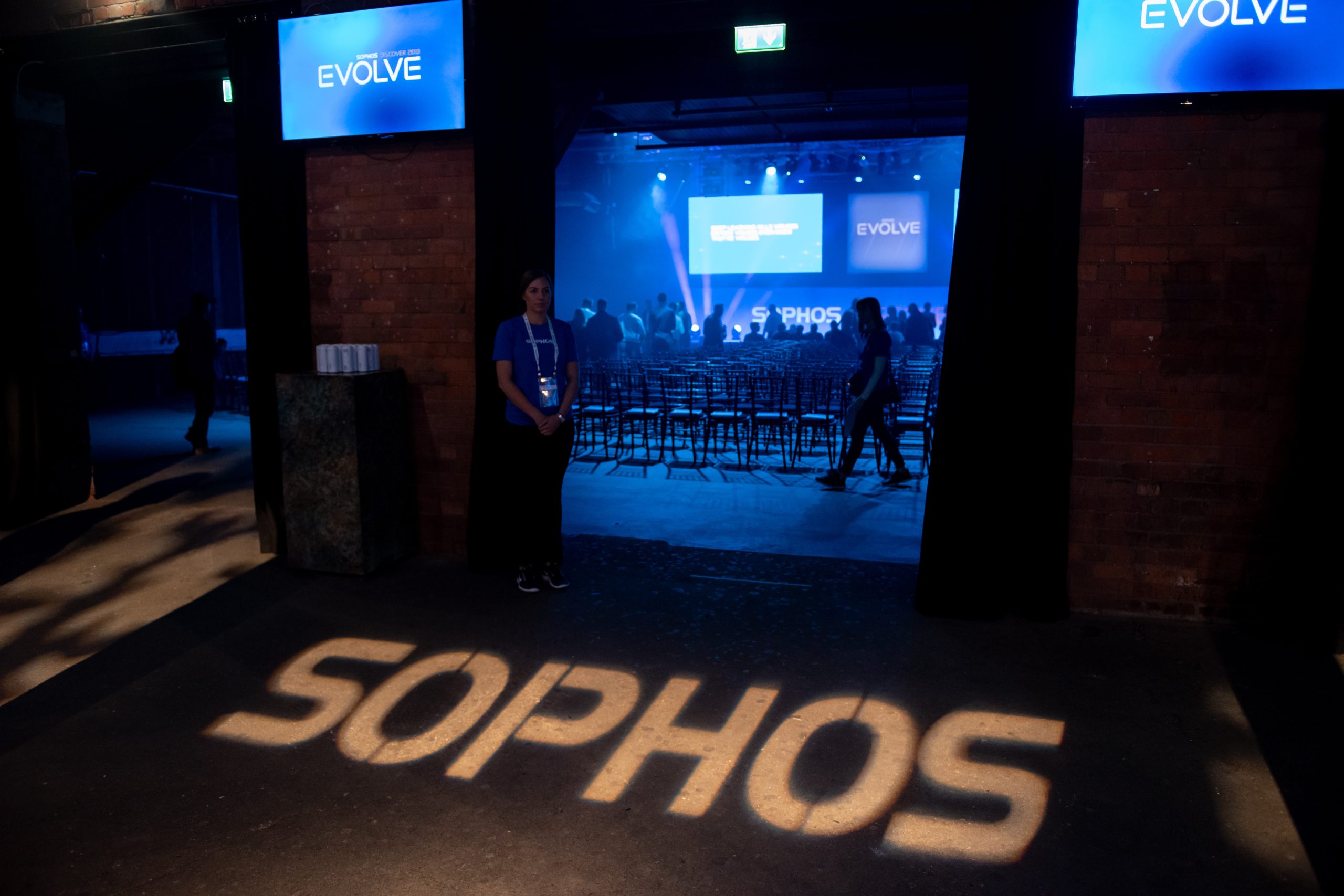
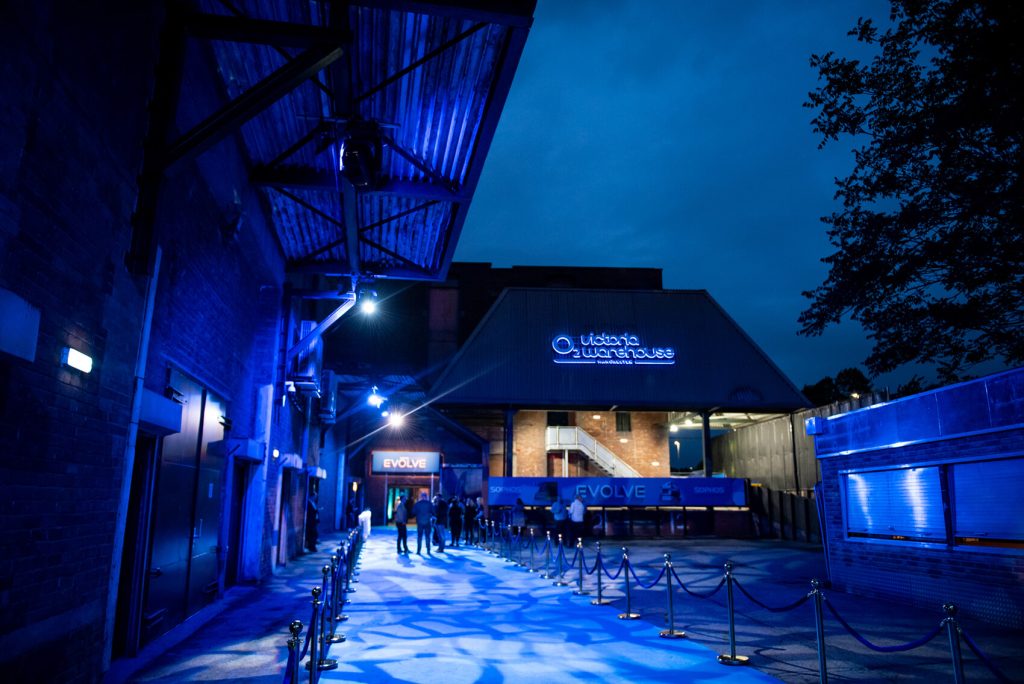
This is evident when SEVEN organised the multi-day UKI Partner conference for Sophos. The event opened at the Victoria Warehouse, before attendees headed off to the Imperial War Museum for the welcome reception. A full-day conference and party followed it, where the plenary space was transformed, complete with a laser quest dome. This created one connected experience across the entire programme.
What should businesses look for in a conference organiser?
Businesses need a conference organiser that understands the event’s purpose deeply and can lead multiple workstreams confidently. Trusted conference organisers have the operational discipline to deliver consistently from the first planning meeting to the final delegate departure.
Relevant experience and strong project leadership
No two conferences have the same operational challenges. A corporate leadership summit, international sales conference or multi-track industry event, each requires a different approach to programming, production, delegate management and logistics.
Businesses should look for a conference organiser with experience executing events of a similar scale and complexity. That experience helps the team anticipate pressure points and build realistic timelines around every significant element. As leading professional conference organisers in London, SEVEN has planned and executed conferences for diverse clients in tech, telecommunications, and cybersecurity domains.
Strong project leadership is equally important. Effective conference event management depends on having clear ownership across every workstream, with agreed responsibilities, milestones and approval points. A good organiser should be able to coordinate internal stakeholders, venues, production teams and external suppliers. While doing so, communication should never become fragmented.
Local knowledge is valuable for businesses that need a conference organiser in London. Their familiarity with London venues, transport considerations, supplier networks and the practical realities of moving delegates around the city eases planning.
A clear approach to risk, detail and collaboration
The best conference organisers plan for what should and could happen. They try to identify risks early and time-critical elements. Thus, appropriate contingencies are put in place before the event goes live. The objective of risk planning is to create resilience for the event to continue smoothly when circumstances change.
Small inconsistencies quickly become bigger operational problems if they are not caught early in multi-day conference planning. Accurate guest data, confirmed timings, up-to-date running orders and clearly documented responsibilities all contribute to a more reliable delivery process.
Collaboration should underpin all of this. A strong conference organiser sees themselves as a part of the client’s team. They keep all stakeholders informed and make thoughtful recommendations based on the objectives of the event.
SEVEN explores these contingencies further in its guide to reducing conference event risk.
Concluding Thoughts
An effortless guest experience in a multi-day conference is rarely simple behind the scenes. The complexities are immense, but joined-up planning and experienced delivery across stages result in success.
Experienced conference organisers bring structure to every stage of the event. They align content, speakers, logistics and delivery into one programme.
If you are planning a multi-day conference and need a partner who can manage both the strategy and the detail, speak to SEVEN about how we can support you from planning to delivery.
FAQs
How do conference organisers manage a multi-day programme from planning through delivery?
Conference organisers create one integrated plan that covers all aspects of the programme. They then coordinate these elements through clear communication and on-site management.
What should a multi-day conference running order include?
A multi-day conference running order should include core daily programming and logistics. Buffer times and evening events should be structured across each day. It should also have contingency plans to respond to changes during the event.
How can we keep delegates engaged across several days in a conference?
Use varied session formats to keep delegates engaged in a multi-day conference. Well-planned transitions and networking maintain energy and interest.
What should we look for in a venue for a multi-day conference?
Choose a venue that can support different formats for a multi-day conference. It should be suitable for plenary sessions, breakouts, workshops and networking.
What happens if a speaker or session changes at short notice?
Check whether a delayed start to the session is possible. If not, clearly communicate and update people quickly. Use flexible running orders and contingency plans to keep the programme moving.
When should we involve a conference organiser?
Involve a conference organiser several months before the event so they can build an integrated plan and identify potential issues. Early involvement gives them time to coordinate different aspects of the conference effectively.