Who owns the brand experience at a corporate conference?
The client sets the brand direction; creative, production, and the agency helps bring it to life. Learn who owns each decision and how an event lead keeps the conference experience consistent.
The client sets the brand direction; creative, production, and the agency helps bring it to life. Learn who owns each decision and how an event lead keeps the conference experience consistent.
The client owns the brand direction, while an integrated event lead coordinates creative, production, and the agency helps bring it to life. At a corporate conference, that means aligning the agenda, speakers, venue, audio-visual (AV) setup, and every delegate touchpoint around one clear message.
At SEVEN, we bring these disciplines together through a connected approach, with responsibilities and approvals agreed from the start.
Key takeaways
- The client sets the direction: objectives, key messages, brand guidelines and final approvals.
- Creative, production and agency teams deliver the experience: each has a distinct role, but their work must connect.
- One coordinated plan prevents gaps: named owners, clear sign-offs and shared timelines keep things consistent.
Who decides what the brand experience should communicate?
The client decides what the conference should say and who it needs to reach. Brand and event owners agree on the objectives, messages, and approval process; the creative team then uses that direction to develop a concept for the event.
Client brand and event owners set the objectives
Start with what the conference needs to achieve. Are you introducing a new strategy, bringing teams together, or strengthening relationships with customers and partners?
The answer shapes the agenda, creative concept and delegate journey.
The client’s brand and event owners should agree:
- The event’s purpose, audience and key messages.
- Brand guidelines and any non-negotiable requirements.
- Budget parameters, priorities and success measures.
- Who approves creative concepts, content and significant changes.
Clear decisions at this stage help the delivery team make informed choices without repeatedly revisiting the brief.
Creative teams translate them into an event concept
The creative team turns the objectives into an experience people can recognise and engage with.
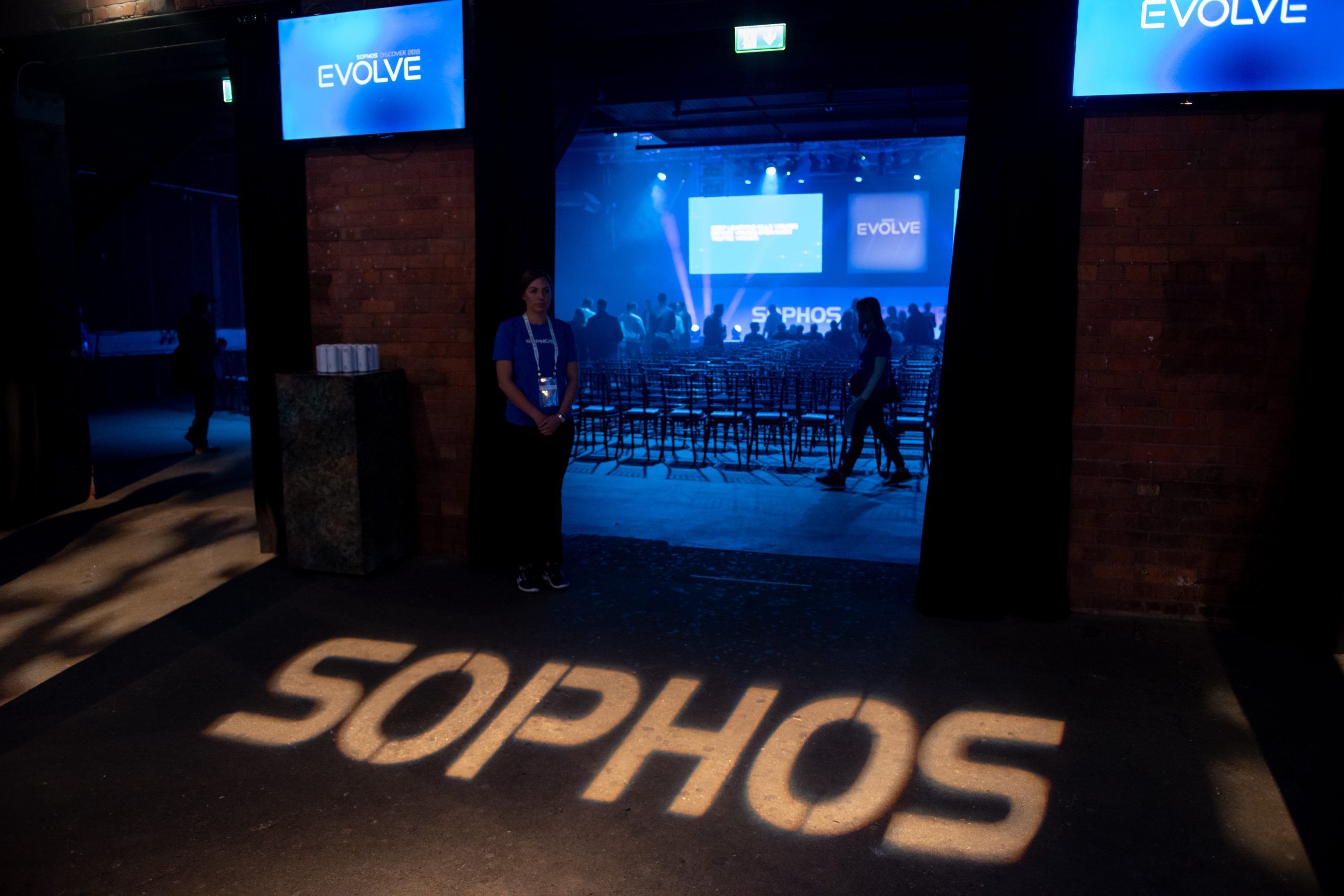
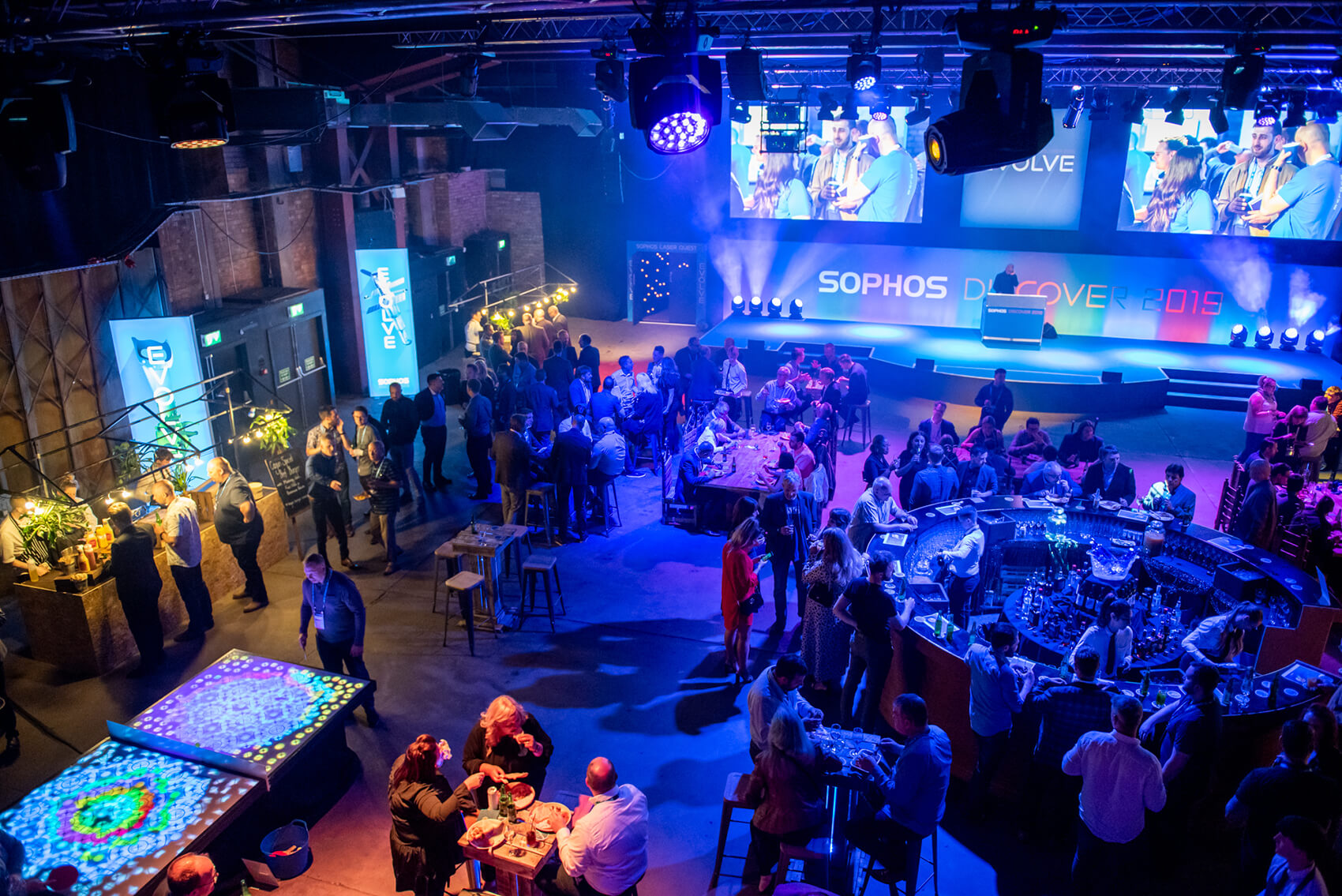
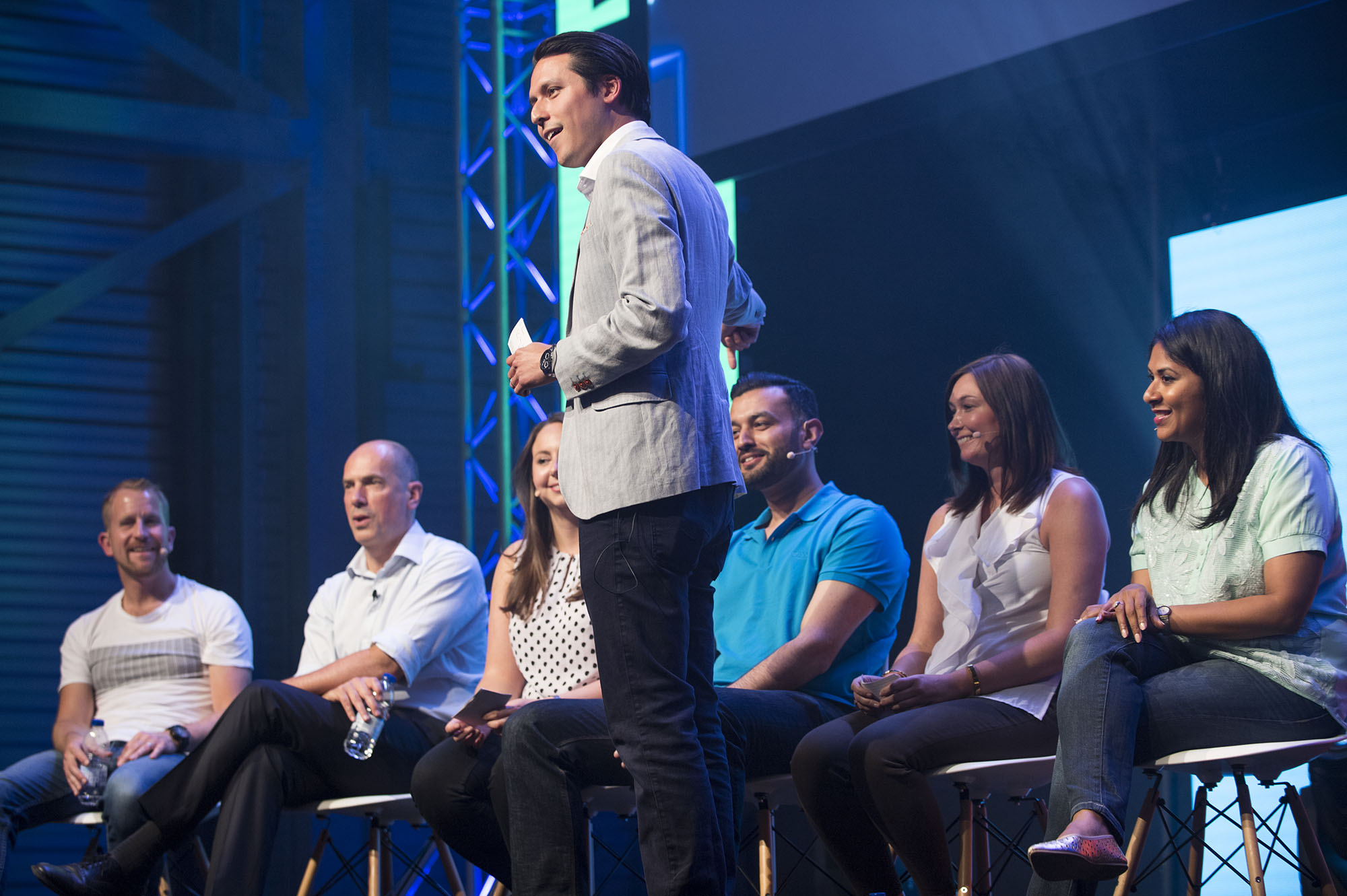
This could include the event identity, stage design, presentation style, signage, room layout and interactive elements.
At SEVEN, our experiential and creative design service connects concept development with event identity, spatial design, content and delegate touchpoints.
The aim is to make the brand feel consistent across the event, rather than applying a logo to unrelated elements.
How do production and delegate management teams carry the concept through?
Production makes the concept work in the venue, while the delegate management team carries it through the attendee journey.
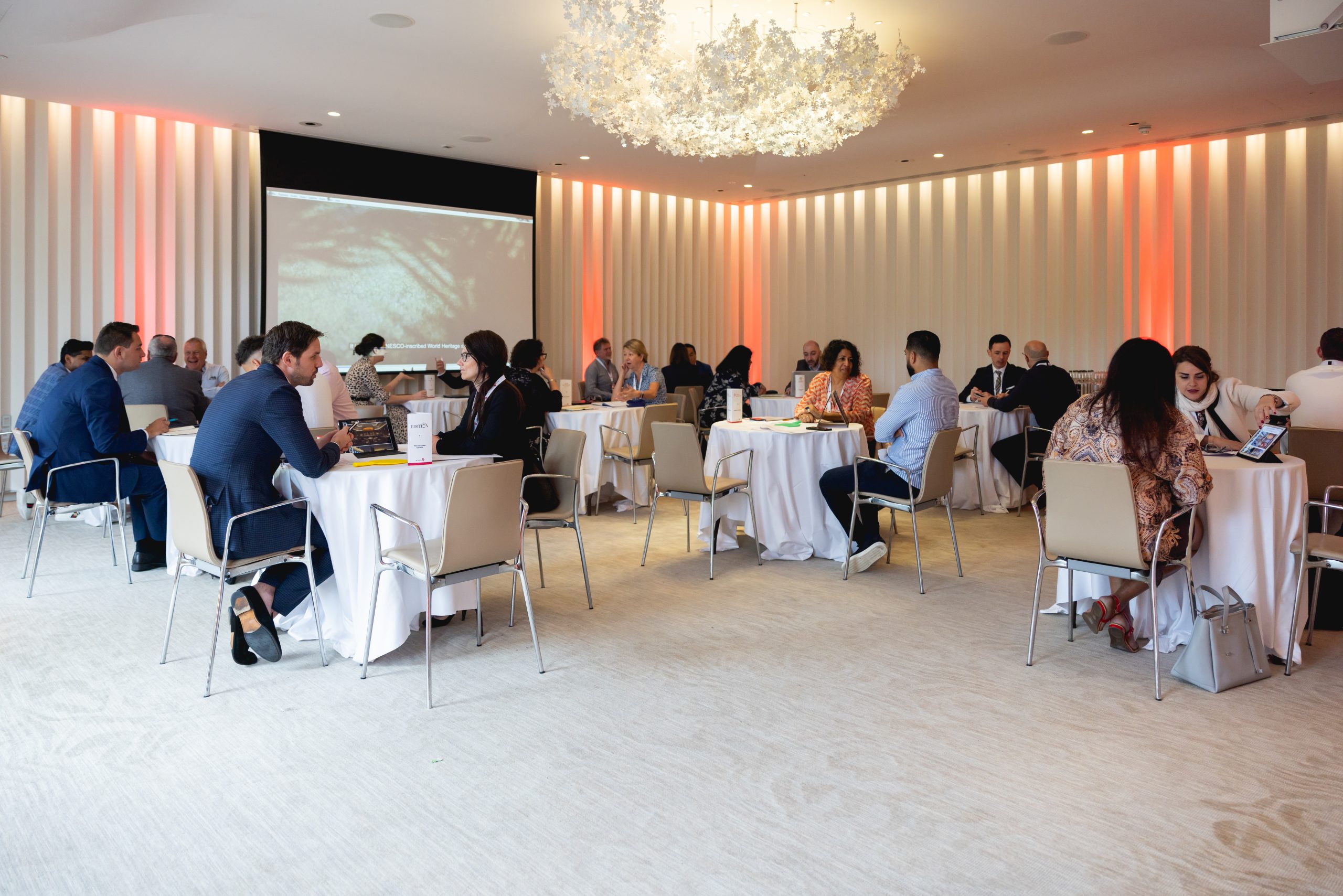
They need to plan together so that the stage, presentations, registration, arrival, and delegate journey feel like parts of the same event.
Production manages the technical environment
Production makes the creative plan workable in the venue. This includes coordinating staging, lighting, sound, screens, technical equipment, installation schedules, and rehearsals, depending on the agreed scope.
Production teams need to be involved early enough to flag venue restrictions, technical dependencies, costs and timing issues.
A creative idea may look compelling on paper, but it still needs to work safely and practically in the space available.
Agency delegate management teams shape registration, access and flow
The brand experience starts before anyone enters the conference room.
Invitations, registration pages, joining instructions, arrival, check-in, wayfinding and session transitions all influence how delegates experience the event.
A clear delegate plan should consider:
- How attendees register and receive updates.
- How people move between sessions and spaces.
- Accessibility requirements and individual needs.
- Who handles questions, late changes and on-site support.
SEVEN’s conference and brand experience approach places the delegate journey at the centre of planning, from registration through to departure.
The project lead coordinates dependencies and approvals
The project lead connects the different workstreams. They maintain the overall plan, track decisions, coordinate suppliers and ensure creative, technical and delegate requirements don’t conflict.
So, can one event agency manage the agenda, speakers, AV, venue and delegate experience while keeping the brand consistent?
Yes, if the agency’s agreed scope covers these areas and one coordinated team manages the dependencies.
The client still needs to provide direction, appoint decision-makers and approve key elements.
How to brief an experiential event company
Give the agency a clear account of the audience, event objectives, key messages, brand requirements and budget.
Name the people who will make decisions and approve work, then ask the agency to show how its proposed concept will work across both the conference space and the delegate journey.
Map decisions, deliverables and sign-off points
Before appointing an agency, clarify who owns each decision and when approval is needed.
A simple responsibility table can help everyone understand their role.
| Workstream | Main responsibility | Agree at the outset |
| Brand and objectives | Client | Key messages, guidelines and final sign-off |
| Creative concept | Creative team, with client input | Concept approval and design milestones |
| Production | Production lead and suppliers | Technical scope, venue requirements and rehearsals |
| Delegate experience | Delegate or event management team | Registration, communications, accessibility and flow |
| Overall delivery | Event lead, working with the client | Timeline, budget, dependencies and change control |
Test the plan across every audience touchpoint
Before the event, review the experience from a delegate’s perspective.
- Does the invitation reflect the conference message?
- Does the registration journey feel consistent with the brand?
- Do the stage, presentations and signage support the same story?
Also agree on how the team will manage changes, technical issues and safety responsibilities.
The UK Health and Safety Executive’s event safety guidance highlights the importance of clear responsibilities, proportionate planning and coordination with venues and contractors.
Frequently asked questions
1. Who is responsible for a conference brand experience?
The client owns the brand objectives and approvals, while the event lead coordinates the teams that turn those decisions into a consistent experience.
2. What does the creative team own?
The creative team develops the event concept and its visual and experiential expression, working within the agreed objectives, budget and brand guidelines.
3. Where does event production responsibility begin?
Production planning should begin as the creative concept develops, so technical requirements, venue limitations, schedules and costs can inform the design.
4. How does delegate management affect the brand experience?
Registration, communications, arrival, wayfinding and session transitions shape how people experience the event before, during and after the main conference programme.
5. Can one agency coordinate the agenda, speakers, AV, venue and delegate flow?
Yes, where these services are included in the agreed scope. Confirm the named lead, responsibilities, approval process and any specialist suppliers before work begins.
Bring your conference experience together
A consistent conference brand experience comes from clear objectives, defined responsibilities and collaboration between creative, production and delegate teams.
At SEVEN, we bring these elements together to help brands communicate and engage their audiences through live events.
Get in touch with SEVEN to discuss how we can bring your next conference experience to life.