10 Experiential Event Ideas to Engage Corporate Audiences
Experiential events create meaningful interactions that audiences remember long after the event ends. From immersive brand storytelling and VR activations to gamification and personalised attendee journeys, discover 10 experiential event ideas that drive stronger engagement, improve brand recall, and deliver measurable business results.
Experiential events create meaningful interactions that audiences remember long after the event ends. From immersive brand storytelling and VR activations to gamification and personalised attendee journeys, discover 10 experiential event ideas that drive stronger engagement, improve brand recall, and deliver measurable business results.
Attendance is no longer enough. Putting people in a room and presenting at them produces limited results. Delegates leave, the content fades, and the brand impression disappears within days.
Experiential events work differently. They create situations where people do something, feel something, or discover something. Those moments stick. This guide covers ten ideas UK brands are using to build that kind of engagement, with real examples of what they look like in practice.
What Are Experiential Events?
Experiential events are designed around active participation rather than passive attendance. The audience is a part of what happens.
They can take many forms:
- A VR installation that transports commuters to a beach.
- A gamified team challenge that bonds a workforce.
- An anniversary celebration built inside a digital art gallery.
- A hackathon workspace transformed from a standard hotel ballroom.
- A product launch that puts attendees inside the brand story.
Brand experience events are built around a specific outcome.That outcome might be a feeling, a memory, a qualified commercial conversation, or a measurable shift in brand perception. Every design decision serves that outcome. The format follows the objective, not the other way round.
Why Experiential Events Deliver Better Engagement?
The case for experiential event production over traditional formats is well-supported by how people process and retain information.
| Benefit | What It Means in Practice |
|---|---|
| Higher recall | People remember experiences far longer than presentations. An event that surprised them is still being discussed weeks later. |
| Stronger brand connection | When a brand creates an experience someone genuinely enjoyed, that positive feeling transfers to the brand itself. |
| Natural social sharing | Well-designed brand experience events generate content attendees want to post because the experience was worth showing to someone else. |
| Measurable ROI | Dwell time, participation rates, lead conversions, and post-event metrics all give you a clear picture of what worked. |
| Better lead quality | Attendees who interact physically with a brand or product are significantly more likely to take the next commercial step. |
A professional experiential event agency builds a measurement structure around all of these from the start of the brief.
10 Experiential Event Ideas for Corporate Audiences
1. Immersive Brand Storytelling Experiences
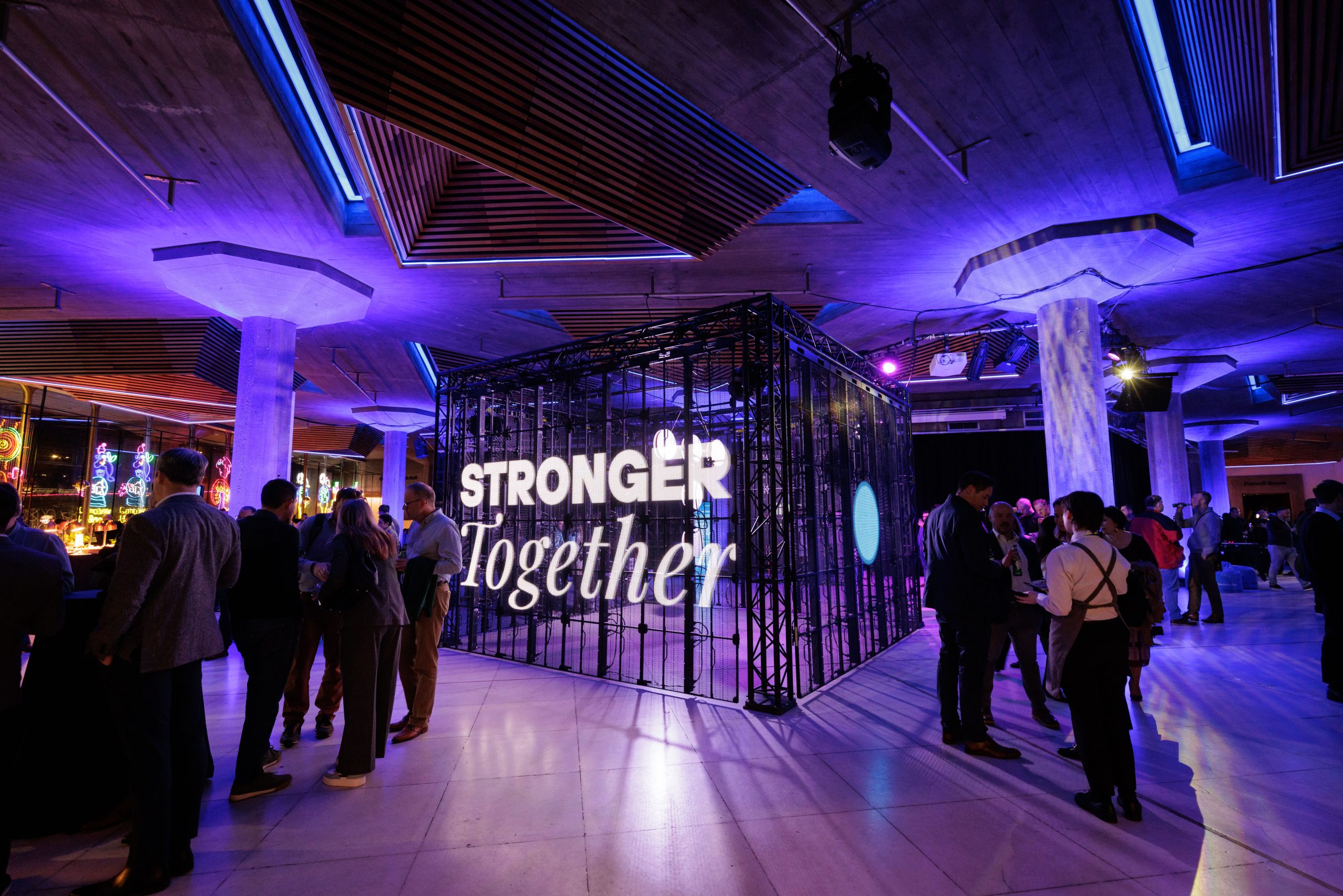
Take your brand narrative off the slide deck and into the room. Immersive storytelling uses spatial design, lighting, audio, and content to put your audience inside the story you are telling. This works particularly well for:
- Anniversary events and milestone celebrations.
- Brand relaunches and repositioning campaigns.
- Events designed to shift perception among a specific audience.
- Leadership moments where the environment needs to match the ambition of the message.
The physical environment becomes the medium. Guests discover the story by moving through the space, rather than being told it from a stage.
2. Interactive Product Demonstrations
Replace the static product display with a hands-on experience. Give attendees the chance to use, configure, or test the product themselves. They are guided by your team but driven by their own curiosity.
People who have physically interacted with a product are significantly more likely to take the next step in the buying process. That outcome alone justifies the investment in this format.
3. AR and VR Event Experiences
Augmented and virtual reality create moments with no equivalent in traditional event formats. They transport people, show them things that do not exist yet, or give them a perspective they could not access any other way.
SEVEN delivered exactly this for TravelUp and Visit Florida at Waterloo station’s main concourse. The brief was to give London commuters a genuine taste of Florida in the middle of winter.
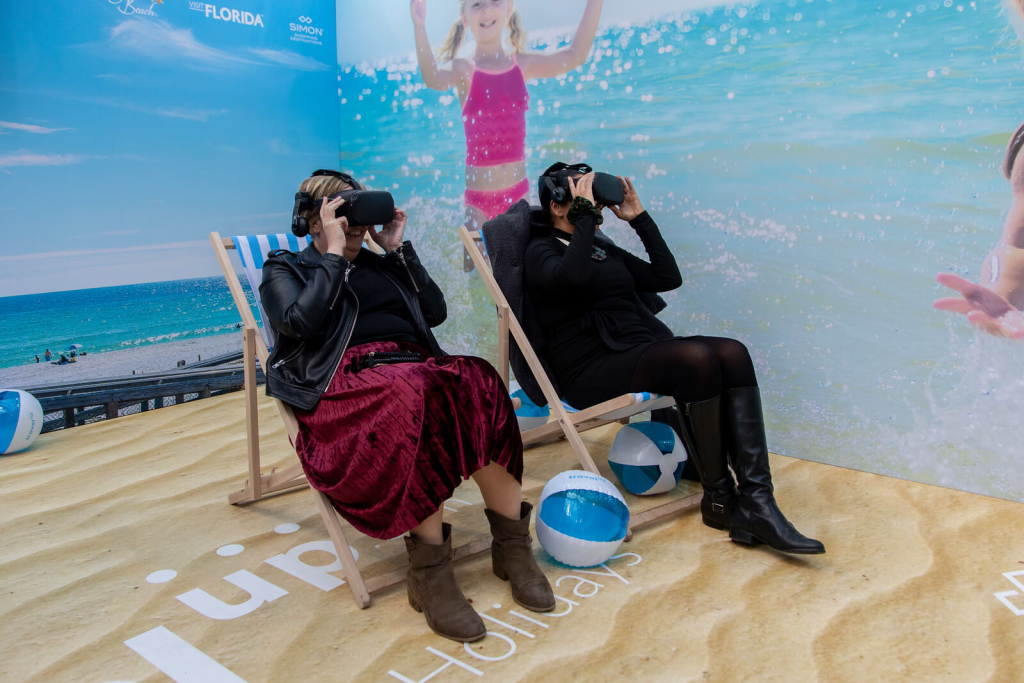
SEVEN produced an immersive installation centred on a VR experience that guided visitors through Florida’s highlights. The physical environment matched the concept completely:
- Canvas wraps and vinyl flooring recreated a beach scene.
- Mounted heaters brought real warmth to the concourse.
- The VR journey delivered both knowledge and feeling for the destination.
- The installation generated high footfall and genuine dwell time in one of London’s busiest commuter spaces.
- Brand exposure was achieved for both TravelUp and Visit Florida simultaneously.
Read more about this project: Bringing Florida Sunshine to London
4. Live Audience Challenges
Put your audience to work on something. Live challenges generate energy, create genuine investment in the outcome, and give teams something to talk about long after the event ends. Formats that work well include:
- Problem-solving tasks with a live judging moment.
- Creative briefs completed in competing teams.
- Head-to-head competitions with a visible leaderboard.
- Timed challenges that build pressure and momentum.
- Collaborative tasks that require cross-team communication to succeed.
These work especially well for internal events where building connection between teams is part of the objective. They also work for client-facing events where you want people engaged rather than passive.
5. Gamification Experiences
Applying game mechanics to an event changes the atmosphere entirely. People who arrived expecting a standard day out leave with stories to tell. SEVEN delivered this for a client looking to reward their employees with a day that felt genuinely different.
The brief called for something fun, inclusive, centrally located in London, with team activity and quality food throughout. SEVEN proposed The Cube at Canary Wharf, a venue built around immersive game-show-style challenges.
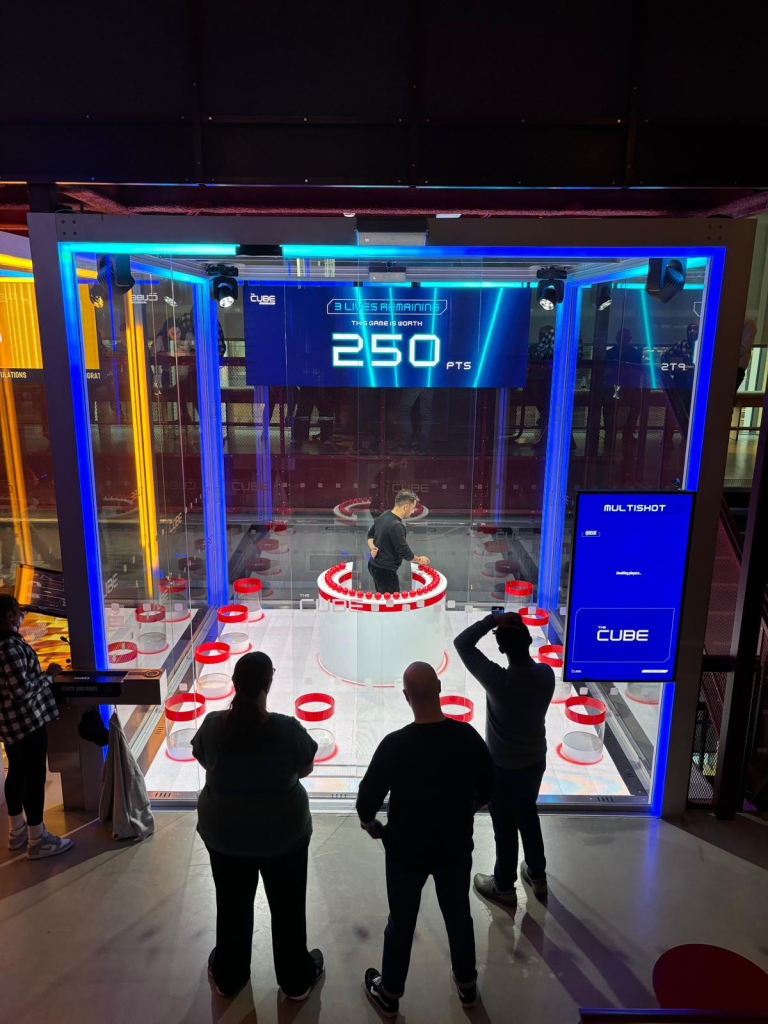
The space was bought out entirely to tailor the experience to the required team sizes and run of show.
The full programme included:
- A professional host to lead the day with humour and energy.
- Customised game challenges tailored to the team structure.
- A raffle giveaway with prizes including wireless headphones and experience days.
- High-quality catering running across the full day.
- Structured timing to maintain momentum from start to finish.
The result was a day that felt like a genuine reward rather than a corporate obligation. This is corporate event engagement at its most effective: people left with stories, not just memories.
6. Innovation Labs
Create a space where attendees can experiment, test, and build things, even if only for a few hours. Innovation labs work well for technology companies, professional services firms, and brands that want to position themselves as places where new thinking happens. They also produce a practical return.
The ideas and feedback generated during the lab are genuinely useful to the business, giving the event investment more than one measurable output.
7. Networking Through Experiences
Structured activities remove the awkwardness of open networking. They give people something to do together, which creates the conditions for genuine conversation.
Nobody has to make a cold approach across a room. The connections formed through corporate event engagement built on shared experience tend to be stronger.
The relationship has a story attached to it from the start. Formats that work well include:
- Creative workshops with a shared output.
- Collaborative challenges requiring cross-team input.
- Paired or small-group task formats with rotating partners.
- Shared culinary or craft experiences with a social atmosphere.
8. Sustainability-Focused Activations
Events built around environmental or social themes connect with audiences in a way product-led events often cannot. They create meaning alongside the brand impression.
Formats that land well include:
- Beach or park clean-up events tied to the brand’s environmental commitments.
- Community planting or habitat restoration activities.
- Skills-sharing sessions with local charities or social enterprises.
- Events where a portion of the experience directly funds a cause.
The key is authenticity. An activation that feels like a PR exercise will land badly. One that connects genuinely to the brand’s values will land very well.
9. Multi-Sensory Experiences
The most memorable brand experience events engage more than one sense. Sound, scent, texture, taste, and visual design all shape how people feel in a space.
SEVEN designed this kind of experience for a consultant client celebrating its 20th anniversary. The client wanted something beyond a traditional dinner. They wanted a landmark celebration that reflected a forward-thinking identity.
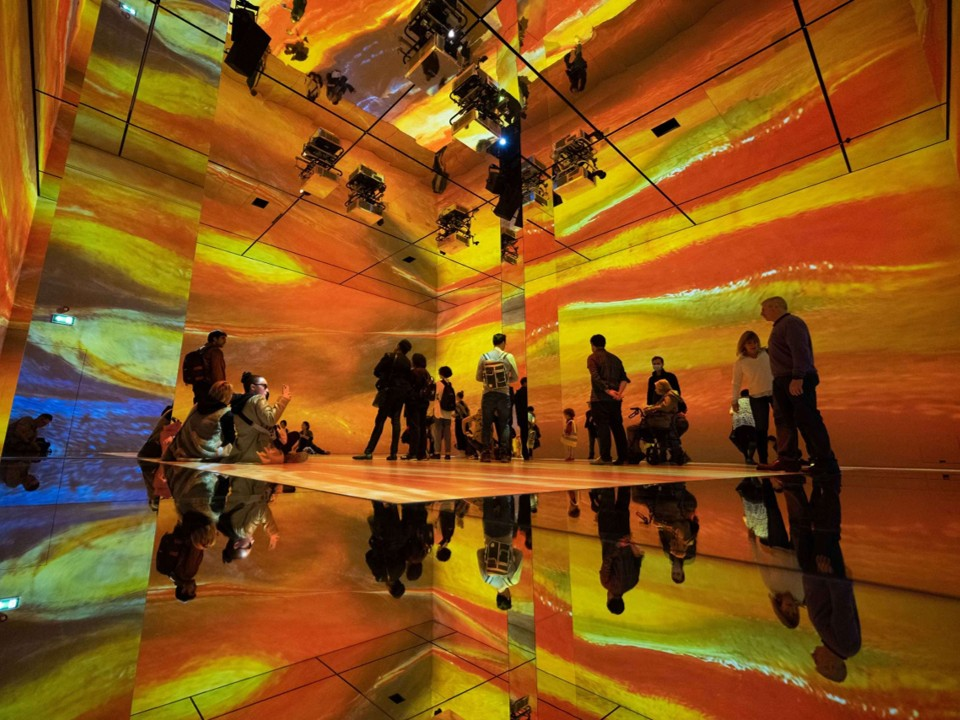
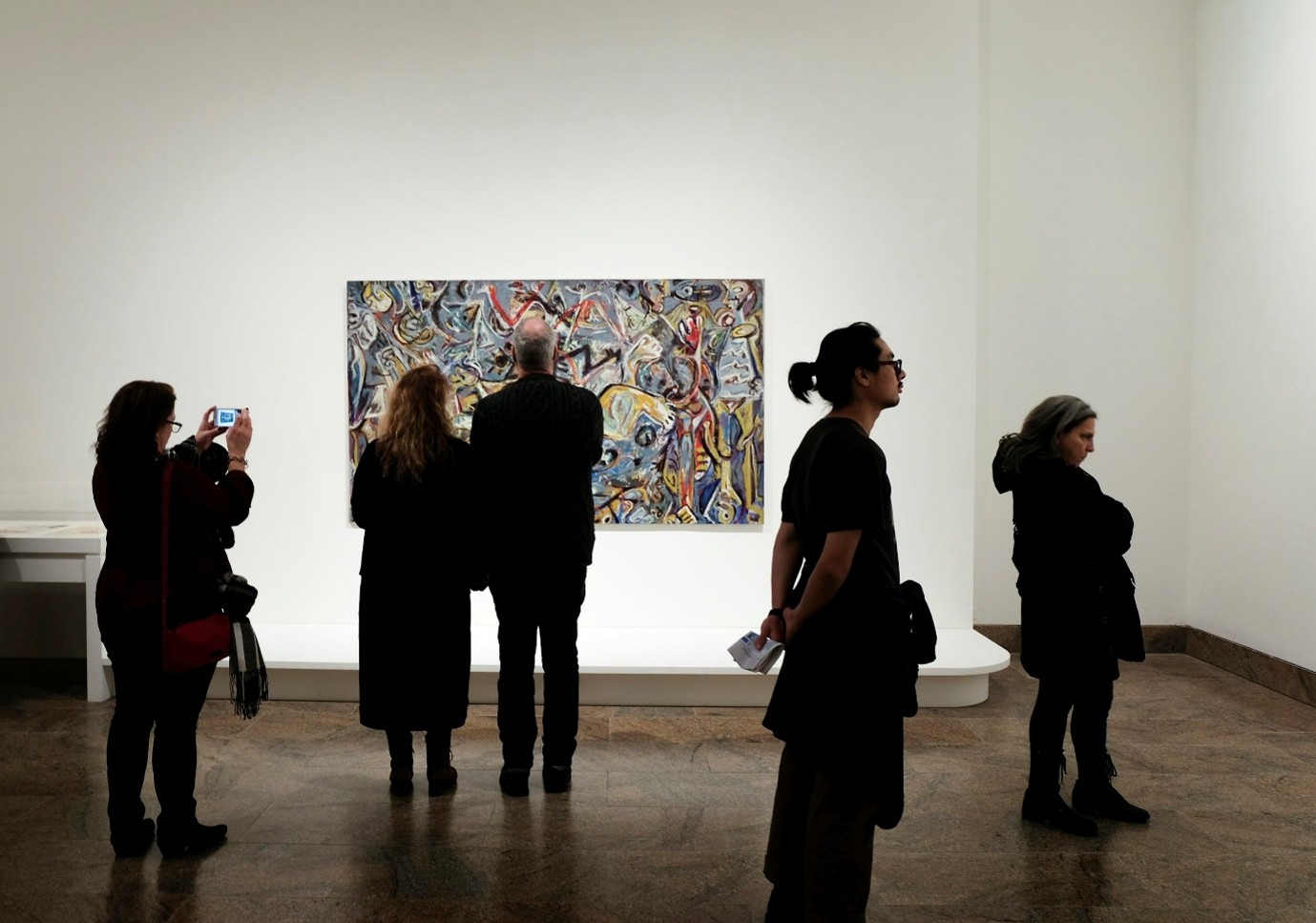
SEVEN recommended Frameless London, whose digital art galleries allowed guests to actively engage with shifting visual content.
Every element was considered:
- Catering designed to complement the artistic environment.
- Canapes presented to match the aesthetic of each gallery.
- Production transforming the venue into a bespoke celebratory space.
- A guided journey through the exhibit rather than a static display.
- A cohesive experience from arrival to departure with no jarring transitions.
The event received overwhelmingly positive feedback. It positioned the client’s brand strongly for its next chapter.
Read more about this project: Beyond the Frame
10. Personalised Attendee Journeys
One-size-fits-all events leave some attendees feeling underserved. Personalisation makes attendees feel seen and valued rather than processed. Personalisation can take many forms:
- Pre-event preference data used to tailor session recommendations.
- Custom event apps that surface different content by delegate role and interests.
- Personalised welcome gifts or name-specific touches at arrival.
- Tailored session tracks for different audience segments within the same event.
- Post-event follow-up matched to what each delegate actually engaged with.
The principle is the same at every level of sophistication. The event was made for this person, not for a generic attendee.
How an Experiential Event Agency Brings These Ideas to Life?
The gap between a good concept and a well-executed experiential event is where many in-house attempts fall short. These ideas are not difficult to imagine. They are difficult to execute at a standard that reflects well on the brand.
A professional experiential event agency closes that gap. It brings creative development, production expertise, supplier relationships, and on-site management that turns a concept into something people actually experience as intended.
At SEVEN, experiential event production is built into everything we do. Our in-house creative and production teams work from the same brief. Concept and execution are designed together, not handed off in sequence.
That joined-up process is what produces events where every element feels like it belongs.
Measuring the Success of Experiential Events
Corporate event engagement can be measured with more precision than most clients expect. The key is setting up the measurement structure before the event, not after it.
Metrics to track include:
- Dwell time at key zones or installations.
- Participation rates across different elements of the experience.
- Social content generated by attendees during and after the event.
- Lead conversations started and how many progressed to a commercial next step.
- Net Promoter Score and post-event survey responses.
- Brand recall measured in client and prospect conversations in the weeks following.
Behavioural data and qualitative feedback together tell you what to build on. A good experiential event agency sets up this measurement structure at the briefing stage, because the metrics you track should follow directly from the objectives you defined.
Planning an experiential event and want to talk through what is possible? Connect with the team at SEVEN.
FAQs
1. What is an experiential event?
Experiential events place the audience at the centre of an active experience rather than as passive observers.
The goal is genuine engagement through participation, immersion, or personalised moments that produce stronger brand recall and measurable commercial outcomes.
2. Why are experiential events effective?
People remember what they did far more reliably than what they were told.
Brand experience events create associations between a brand and a positive, memorable feeling that traditional formats cannot replicate.
3. How much do experiential events cost?
Costs vary based on format, scale, location, and production complexity.
A professional experiential event agency will work transparently within your budget and advise on where production investment makes the biggest difference to the outcome.
4. What industries benefit most from experiential marketing?
Technology, consumer brands, financial services, automotive, healthcare, and professional services all use experiential event production effectively.
The format works for any industry where building genuine audience connection is a commercial priority.