Event Trends 2026: 7 Key Shifts Shaping Corporate Events and Experiences
The events industry is entering a new era. Audiences are more selective with their time, businesses are demanding greater value from every investment, and technology continues to reshape how people connect. At the same time, organisations face increasing pressure to engage employees, customers, partners, and stakeholders in ways that feel meaningful, memorable, and measurable. As we look ahead to 2026, the most successful events will not simply deliver information. They will create experiences that drive engagement, strengthen relationships, and support broader business objectives. Based on our work with clients across industries, SEVEN has identified seven key trends that are shaping the future of corporate events and brand experiences.
The events industry is entering a new era. Audiences are more selective with their time, businesses are demanding greater value from every investment, and technology continues to reshape how people connect. At the same time, organisations face increasing pressure to engage employees, customers, partners, and stakeholders in ways that feel meaningful, memorable, and measurable. As we look ahead to 2026, the most successful events will not simply deliver information. They will create experiences that drive engagement, strengthen relationships, and support broader business objectives. Based on our work with clients across industries, SEVEN has identified seven key trends that are shaping the future of corporate events and brand experiences.
The events industry is entering a new era. Audiences are more selective with their time, businesses are demanding greater value from every investment, and technology continues to reshape how people connect. At the same time, organisations face increasing pressure to engage employees, customers, partners, and stakeholders in ways that feel meaningful, memorable, and measurable.
As we look ahead to 2026, the most successful events will not simply deliver information. They will create experiences that drive engagement, strengthen relationships, and support broader business objectives.
Based on our work with clients across industries, SEVEN has identified seven key trends that are shaping the future of corporate events and brand experiences.
1. The Rise of Micro Events
Consistent Message, Maximum Impact
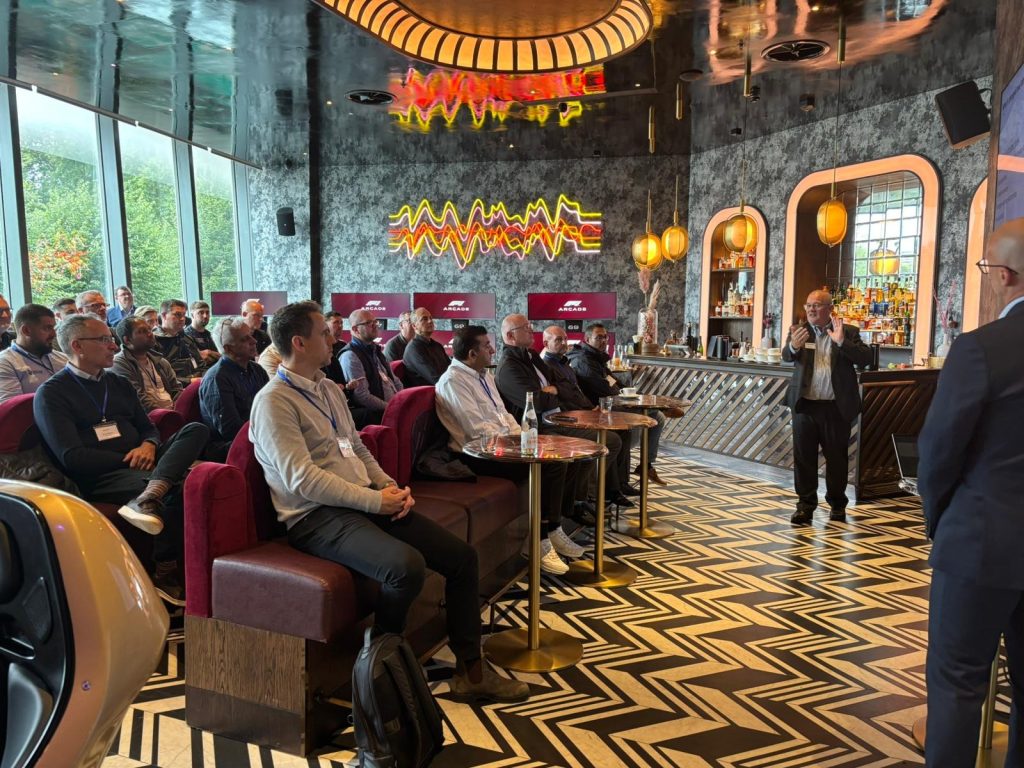
For years, organisations have relied on large-scale conferences, annual meetings, and flagship events to connect with their audiences. While these events remain valuable, many businesses are now complementing them with smaller, more focused experiences.
Micro-events are designed around specific audiences, locations, or objectives. They create opportunities for deeper conversations, stronger networking, and more personalised engagement.
Why It Matters
- Extends the impact of flagship events throughout the year
- Creates opportunities for meaningful interaction
- Builds trust through smaller, more intimate environments
- Supports local engagement strategies
- Helps reduce travel-related environmental impact
Rather than replacing major events, micro-events help organisations maintain momentum and strengthen relationships between larger moments.
The SEVEN Perspective
We design human-centred micro-events that work alongside larger event strategies, helping organisations build stronger relationships while maximising the value of their overall event programmes.
2. Return on Experience (ROE) Becomes the New KPI
Designing for Impact, Not Just ROI
Traditionally, event success has been measured through attendance numbers, budgets, and revenue outcomes. While these metrics remain important, organisations are increasingly recognising the value of the experience itself.
This shift has given rise to Return on Experience (ROE).
ROE focuses on the emotional, behavioural, and long-term impact an event creates. It measures how audiences feel, engage, and respond rather than simply what an event costs.
Why It Matters
- Experience quality becomes a core performance metric
- Emotional engagement drives stronger outcomes
- Storytelling and immersive design gain greater importance
- Real-time feedback improves event performance
- Long-term audience loyalty becomes measurable
The organisations that win in 2026 will be those that design experiences people remember, not just events people attend.
The SEVEN Perspective
Our event strategies combine storytelling, immersive experiences, and measurable engagement frameworks to demonstrate value beyond traditional ROI calculations.
3. Delivering Multi-Generational Events
One Experience, Many Expectations
For the first time in history, organisations are regularly bringing together up to five generations within the same workplace.
Each generation has different expectations, communication preferences, learning styles, and engagement behaviours. Designing events that resonate across all of them presents a significant challenge.
Why It Matters
- Audiences consume information differently
- Preferences vary between digital, in-person, and hybrid formats
- Attention spans and learning styles differ significantly
- Accessibility and inclusion expectations continue to grow
- Event experiences must cater to multiple engagement styles
The future belongs to flexible event design that allows attendees to engage in ways that suit them best.
The SEVEN Perspective
We create inclusive event experiences that balance structure with choice, ensuring every attendee feels engaged, informed, and valued regardless of age or experience.
4. More Bang for Your Buck
Maximising Value, Not Spend
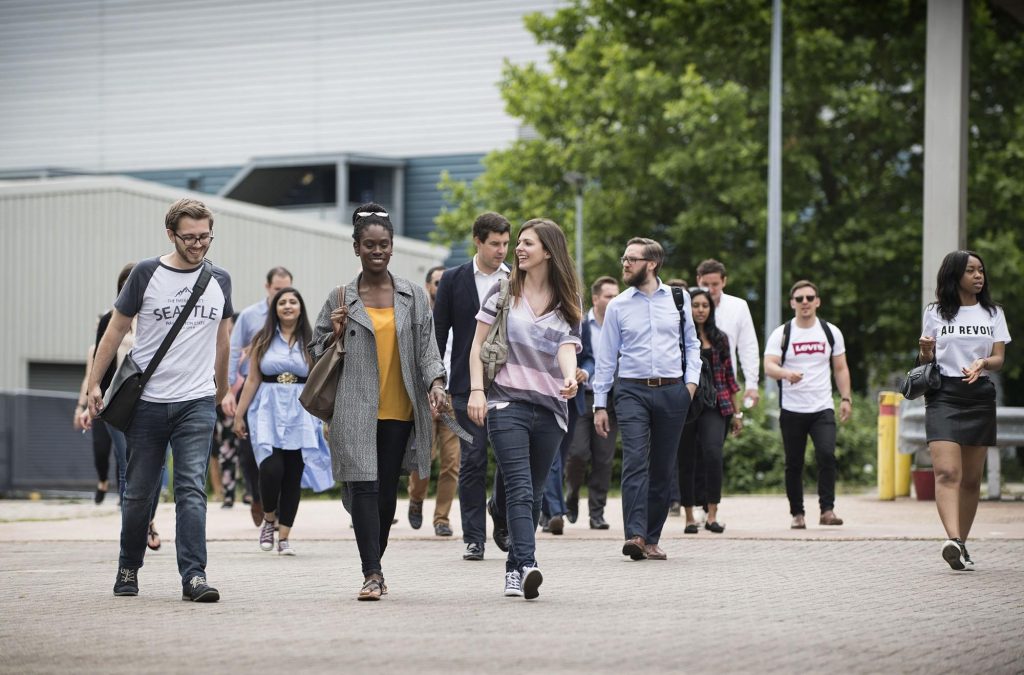
Economic pressures continue to challenge event budgets across industries. As a result, organisations are increasingly focused on achieving greater impact without increasing spend.
The solution is not necessarily bigger budgets. It is smarter planning.
Experienced event agencies bring supplier relationships, commercial expertise, and strategic thinking that often deliver greater value than simply increasing investment.
Why It Matters
- Supplier partnerships unlock additional value
- Strategic planning reduces waste and inefficiencies
- Creative thinking maximises impact
- Better budget visibility improves decision-making
- Operational expertise reduces risk
In 2026, successful events will be defined by how effectively budgets are utilised, not how large they are.
The SEVEN Perspective
We help clients maximise every pound spent through strategic planning, creative thinking, and trusted supplier partnerships that deliver measurable value.
5. The Year of Sport
Energy, Emotion and Connection
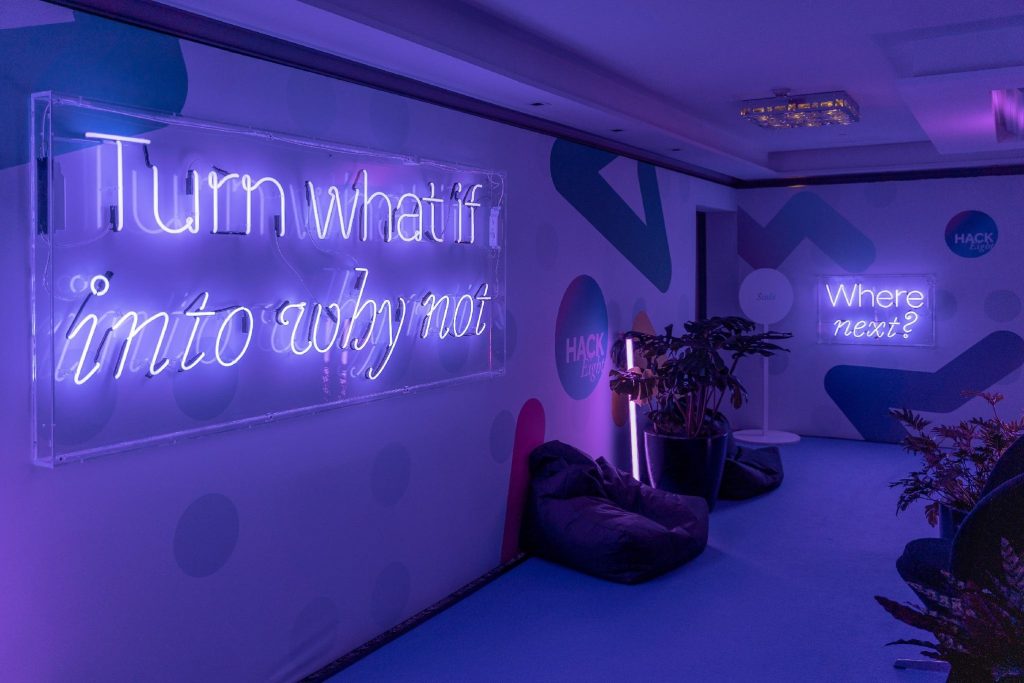
With a major global sporting calendar ahead, 2026 presents unique opportunities for brands to leverage the power of sport within their event strategies.
Sport creates shared experiences that transcend industries, cultures, and generations. It offers a powerful platform for engagement, motivation, and connection.
Why It Matters
- Sporting events create natural engagement opportunities
- Hospitality experiences remain highly effective
- Sports-inspired formats encourage participation
- Social sports provide modern networking alternatives
- Wellbeing initiatives continue to gain importance
From client entertainment to employee engagement, sport offers a powerful experience layer for events.
The SEVEN Perspective
We help organisations harness the energy of sport to create memorable event experiences that drive participation, wellbeing, and meaningful connection.
6. Recognition for Retention
Rewarding Connection and Commitment
Employee expectations continue to evolve.
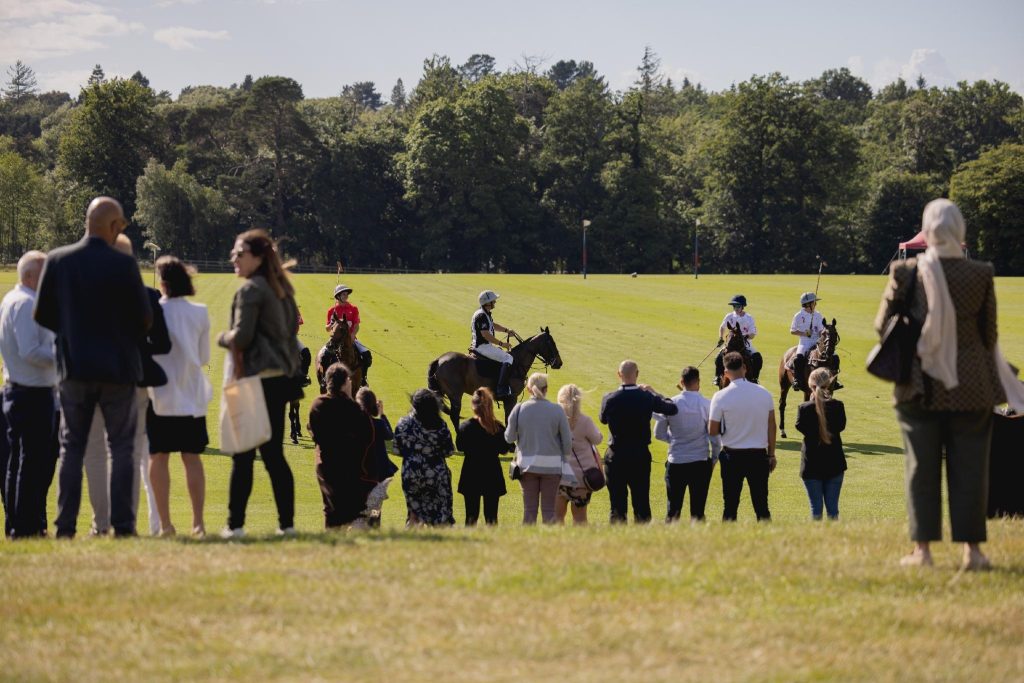
Recognition is no longer viewed as a standalone HR initiative. Increasingly, organisations are using events, incentives, and experiences as powerful tools to strengthen culture and improve retention.
People want to feel valued, appreciated, and connected to the organisations they support.
Why It Matters
- Experience-led rewards create lasting memories
- Recognition programmes strengthen company culture
- Incentive travel continues to grow in popularity
- Employee engagement improves through meaningful experiences
- Recognition helps reduce employee turnover
As competition for talent remains high, recognition-focused experiences will play a critical role in workforce retention strategies.
The SEVEN Perspective
We design recognition and incentive programmes that create memorable experiences, reinforce company values, and strengthen long-term employee loyalty.
7. AI-Driven Event Technology
Smarter, More Personal Events
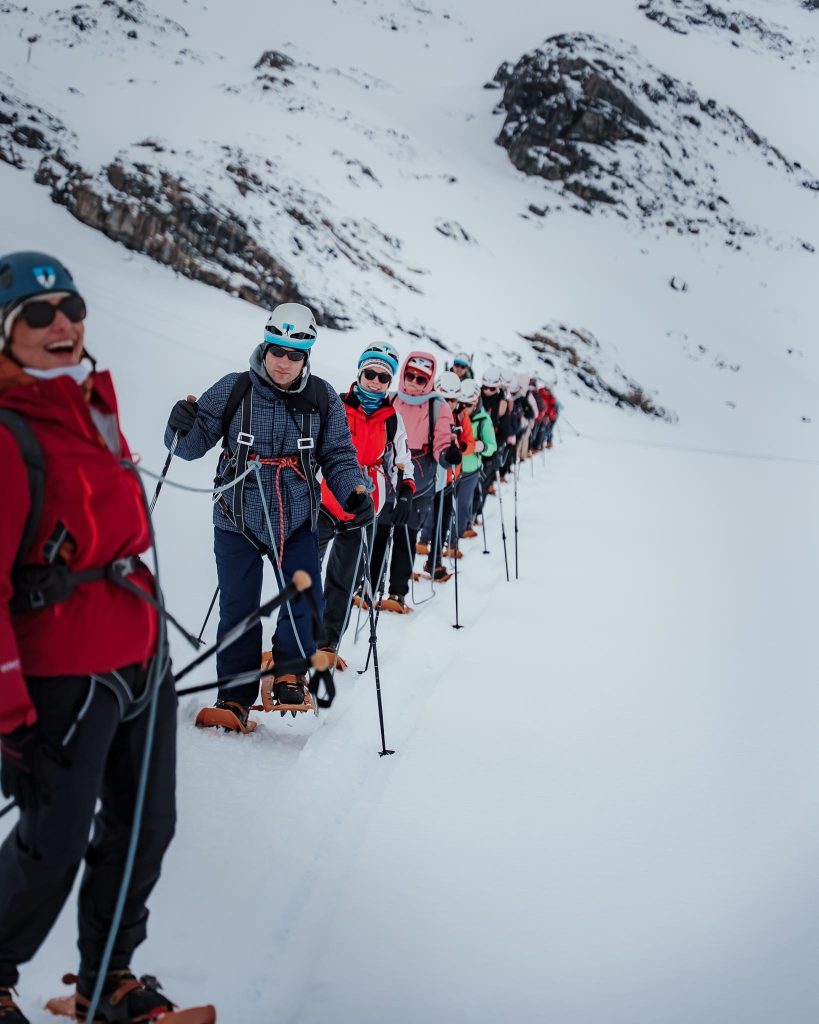
Artificial intelligence is rapidly transforming event planning and delivery.
Rather than replacing human interaction, AI is helping event professionals create more personalised, efficient, and responsive experiences.
From content recommendations to attendee networking and accessibility tools, AI is becoming embedded across the event lifecycle.
Why It Matters
- Personalised agendas and content recommendations
- AI-powered networking opportunities
- Smart check-in and attendee management
- Real-time event insights and analytics
- Enhanced accessibility through translation and support tools
- Instant content creation and branded assets
The organisations that embrace AI strategically will create experiences that feel more relevant and engaging for every attendee.
The SEVEN Perspective
We use AI where it genuinely adds value, enhancing personalisation, improving insight, and creating smarter event experiences without losing the human connection that makes events powerful.
What These Trends Mean for Event Leaders
While each trend is significant on its own, together they reveal a larger shift taking place across the events industry.
The future of events is more personal, more measurable, more inclusive, and more experience-driven than ever before.
Successful organisations will move beyond viewing events as standalone activities. Instead, they will use events as strategic platforms for engagement, communication, culture building, and business growth.
Those that adapt early will be best positioned to create experiences that deliver lasting value long after the event itself has ended.
Why Work With SEVEN?
At SEVEN, we combine strategic thinking, creative design, event production, and communications expertise to help organisations deliver experiences that achieve meaningful business outcomes.
Whether you’re planning a flagship conference, employee engagement programme, leadership event, incentive trip, or brand activation, we help turn ambitious ideas into measurable results.
If you’re planning your 2026 event calendar and want to stay ahead of emerging trends, we’d love to start a conversation.