Adapting your event format for multiple audiences
Adapting an event format to cater to multiple audiences involves creating a flexible, inclusive experience that appeal to diverse interests, backgrounds, and engagement preferences allowing you to attract a bigger target market. By focusing on event personalisation, you can attract a bigger target market and ensure meaningful connections across different attendee types.

Adapting an event format to cater to multiple audiences involves creating a flexible, inclusive experience that appeal to diverse interests, backgrounds, and engagement preferences allowing you to attract a bigger target market. By focusing on event personalisation, you can attract a bigger target market and ensure meaningful connections across different attendee types.
Strategies to Adapt Your Event Format for Multiple Audiences
Here are our key strategies to achieve this:
1. Segmented content sessions
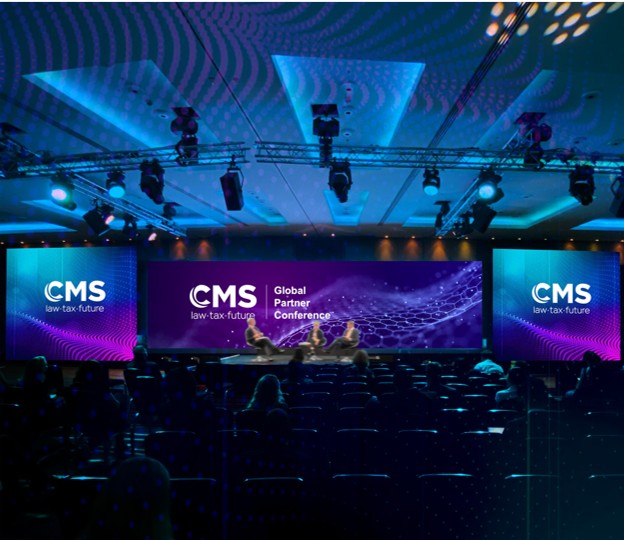
Offer parallel sessions or content tracks tailored to different audience types. For instance, in a conference, you might have tracks for beginners, experts, and industry professionals. By segmenting content, you ensure relevance and value for everyone. Event personalisation in content delivery ensures each attendee receives information suited to their goals, creating stronger conference interaction and higher satisfaction.
2. Interactive elements
Incorporate a mix of passive and active participation options. For those who prefer hands-on involvement, include workshops, breakout sessions, or interactive tech like polling and Q&A features. Simultaneously, offer talks or panel discussions for those who prefer to observe and learn. Adding interactive conference ideas such as gamification, collaborative problem-solving, and networking challenges can take engagement to the next level. These formats promote conference interaction while making the event feel dynamic and memorable.
3. Hybrid & virtual options
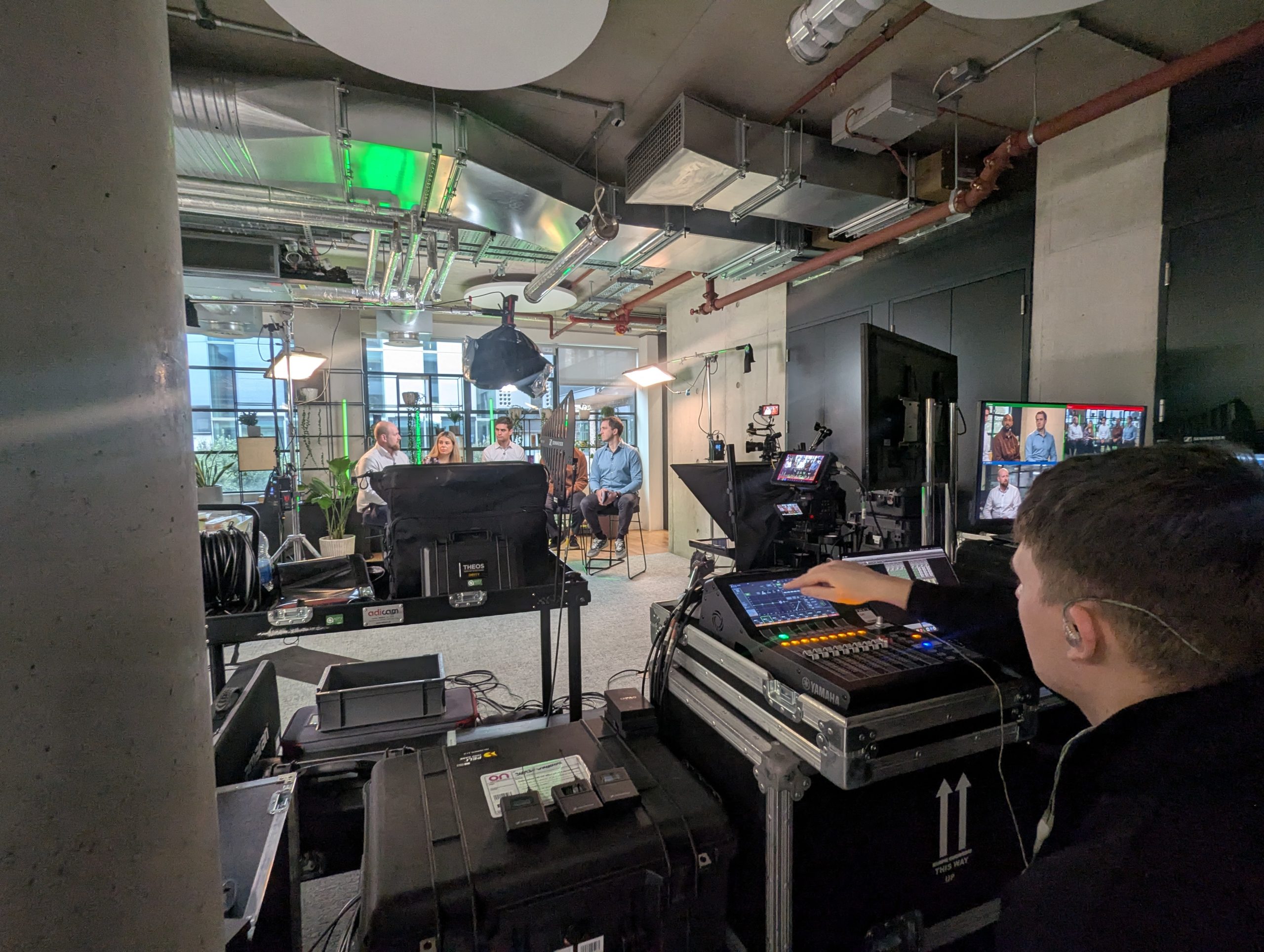
If your event has a physical component, offer a hybrid format to engage remote attendees. Use live streaming, recorded content, and interactive platforms to create an inclusive experience for those unable to attend in person. This format also allows different time zones and schedules to be accommodated. By combining in-person and digital participation, hybrid event formats maximise reach and strengthen inclusive event planning efforts.
4. Networking opportunities
Design tailored networking sessions, grouped by industry, job role, or interests, so attendees can connect meaningfully. Offering virtual breakout rooms or curated one-on-one meetings can help different audience segments interact effectively. Using event personalisation tools to recommend connections ensures that networking is valuable for every type of attendee.
5. Accessible design
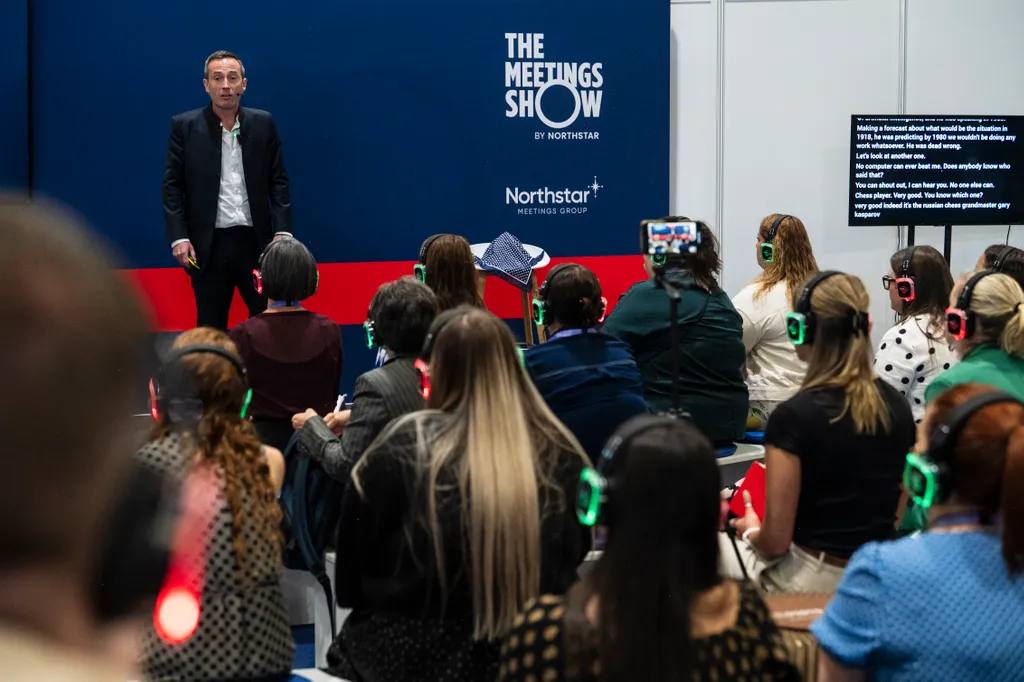
Ensure that all aspects of the event, from content delivery to event platforms, are accessible to diverse groups. This includes offering translations, closed captioning, and ensuring venues are accessible for individuals with disabilities. Prioritising accessibility is a vital element of inclusive event planning and makes your event welcoming to all.
Deliver Inclusive, Engaging Experiences for All Attendees
By personalising content, integrating interactive options, and ensuring accessibility, you can adapt the event format to cater effectively to multiple audiences. Hybrid event formats further extend your reach by combining digital convenience with in-person engagement. When you embrace event personalisation and prioritise inclusivity, your event becomes more impactful, memorable, and results-driven.
If you need any support with your next event, contact us on hello@sevenevents.co.uk
FAQ
1. Why is it important to adapt event formats for different audiences?
Adapting event formats ensures the experience resonates with each audience segment. Different groups have varying expectations, preferences, and learning styles, so tailoring the format maximises engagement and delivers stronger outcomes.
2. What are examples of segmented content in events?
Segmented content can include breakout sessions for specific job roles, industry-focused workshops, personalised agendas, or targeted networking groups. This approach ensures attendees find sessions most relevant to their needs.
3. What are the benefits of personalising event content?
Personalised event content increases attendee satisfaction, improves engagement, and strengthens brand connection. By addressing individual preferences, you make participants feel valued, which leads to higher retention and ROI.
4. What are some interactive elements that keep audiences engaged?
Interactive elements include live polls, Q&A sessions, gamification, virtual reality experiences, and hands-on workshops. These encourage participation, keep energy levels high, and create memorable experiences.