One Event, Two Audiences – Creating Better Hybrid Events
Create a connected hybrid event experience that gives live and virtual audiences meaningful ways to participate. Discover how integrated content, technology, and audience engagement can bring both experiences together.
Create a connected hybrid event experience that gives live and virtual audiences meaningful ways to participate. Discover how integrated content, technology, and audience engagement can bring both experiences together.
Hybrid events combine the operational complexity of a live event with the technical requirements of a digital platform. But their delivery remains a challenge as event organisers need to control costs and invest in the right technology and audience-engagement tools.
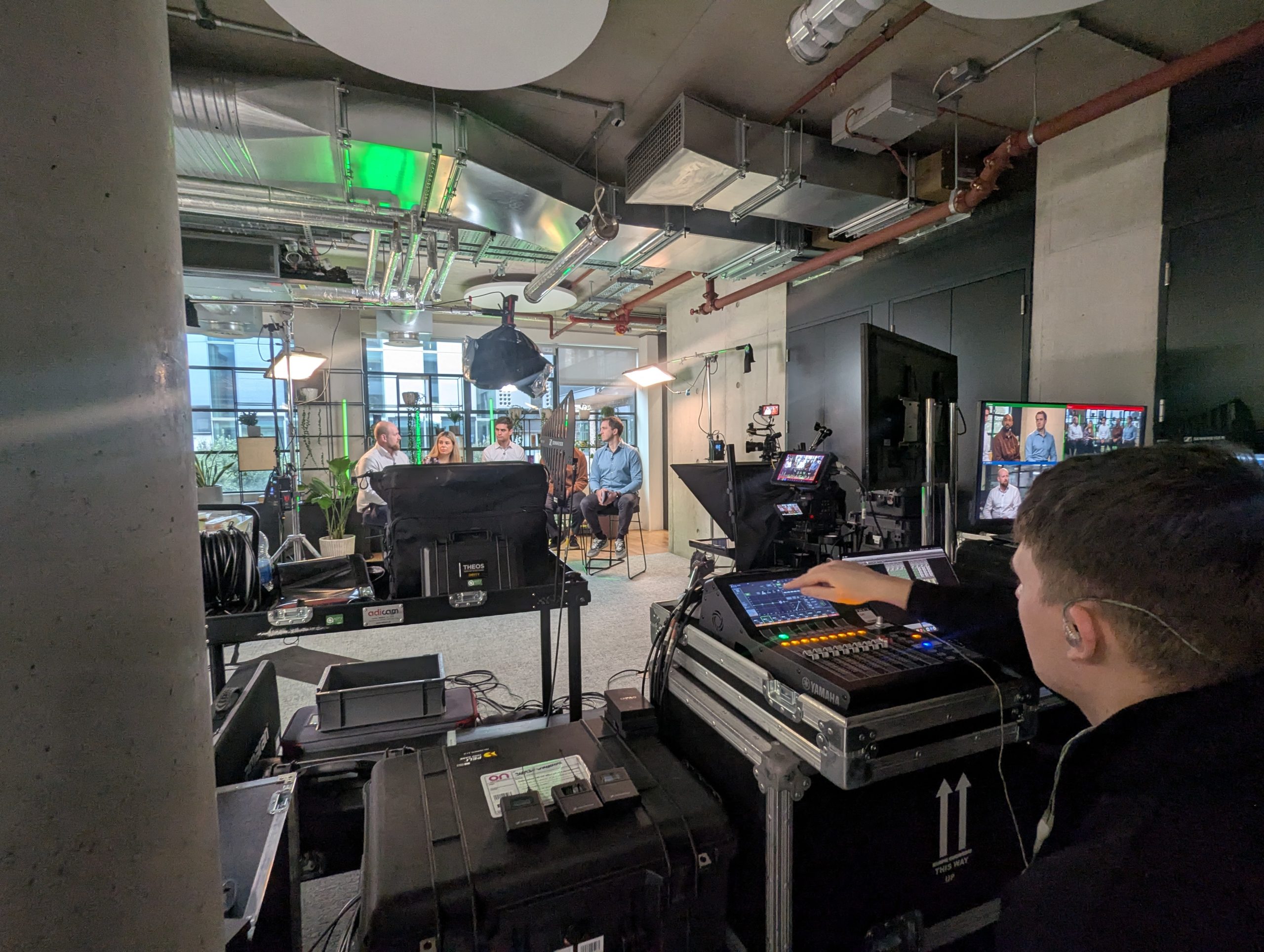
A successful hybrid event starts by designing both journeys together from the outset. It’s more than just adding a livestream to an existing in-person programme. Technology provides the infrastructure that connects those experiences, but it should support participation from both virtual and on-site audiences. For brands planning virtual and hybrid events, the right approach brings content, production and audience engagement in a single experience.
As a hybrid event agency in London, SEVEN connects planning, content, production and audience experience. This creates a joined-up event for everyone involved.
Why hybrid audiences need one connected event strategy
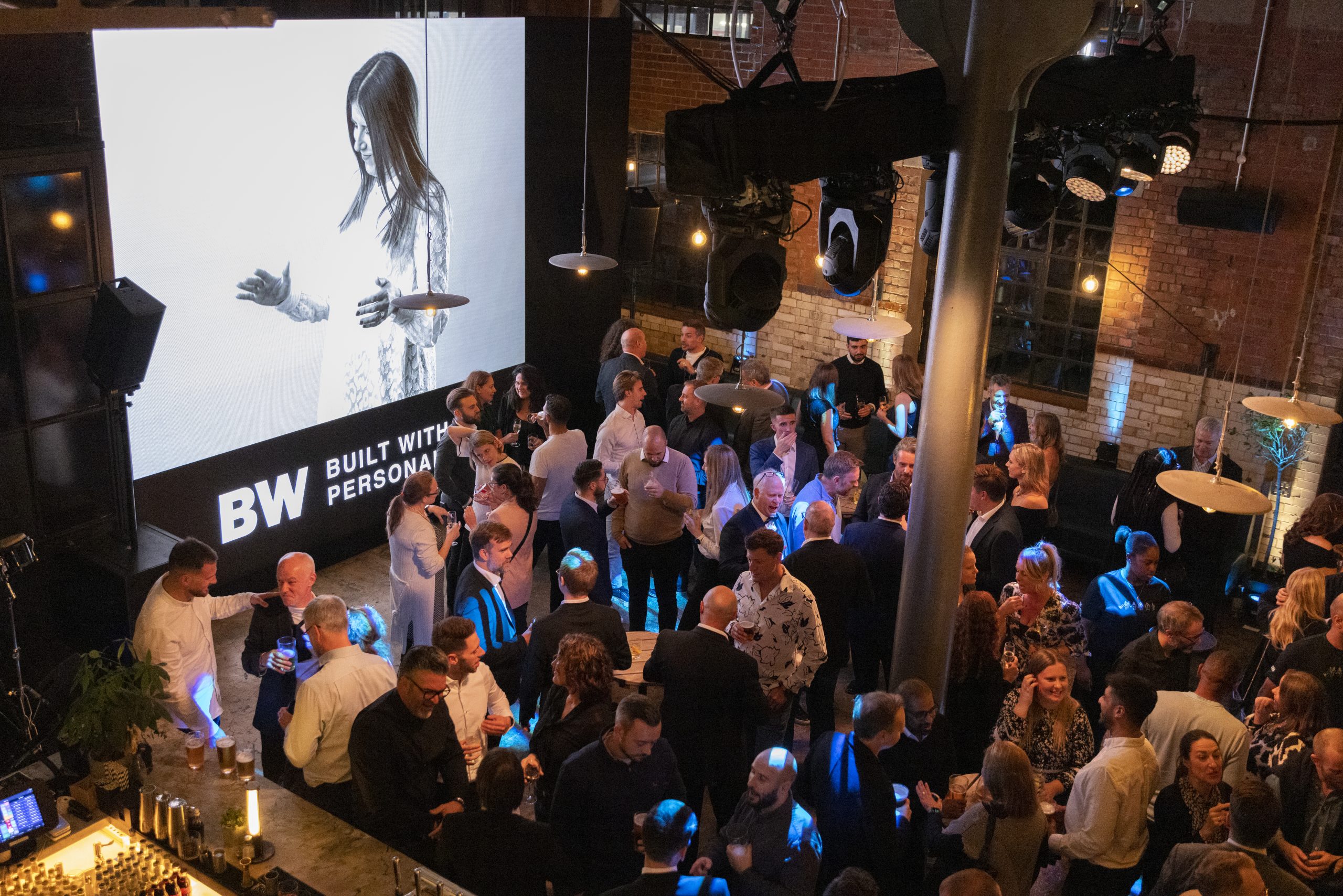
Hybrid audiences need a connected event strategy to deliver a cohesive brand experience. It’s a mistake to see live audiences and remote participants as separate categories. This is because it can quickly create a sense that one audience is present while the other is simply watching.
A connected event strategy considers both journeys from the beginning. Both types of audience should feel like they have a role to play in the event. Unified digital tools and mixed-audience activities ensure that remote and in-person participants feel part of a single experience.
Giving both audiences a clear role in the experience
Audience engagement peaks when people understand how they can take part in an event. For an in-person audience, participation can be live discussion, networking, demonstrations, or activities within the venue. Remote attendees can contribute through digital Q&A, polls, chat, and other interactive sessions. They should be given opportunities to connect with speakers and other participants.
A hybrid event management company uses this audience-first approach. Their event strategy considers physical and digital participation at the same time, so engagement is never left to chance.
Planning content for the room and the screen
Content that works in a venue does not translate to a person watching remotely. A presentation for a large stage needs different visual treatment on screen. Similarly, a long session can feel very different to someone attending virtually.
Event organisers generally focus more on the in-room experience, and planning for the virtual experience is mostly an afterthought. It’s essential to plan event execution for both types of audiences. This influences everything from presentation formats and camera positions to session lengths, graphics and speaker interactions.
A hybrid and virtual events agency considers how content travels between the physical and digital environments. It’s not about duplicating the experience exactly, but about making both audiences receive a coherent version of the same story.
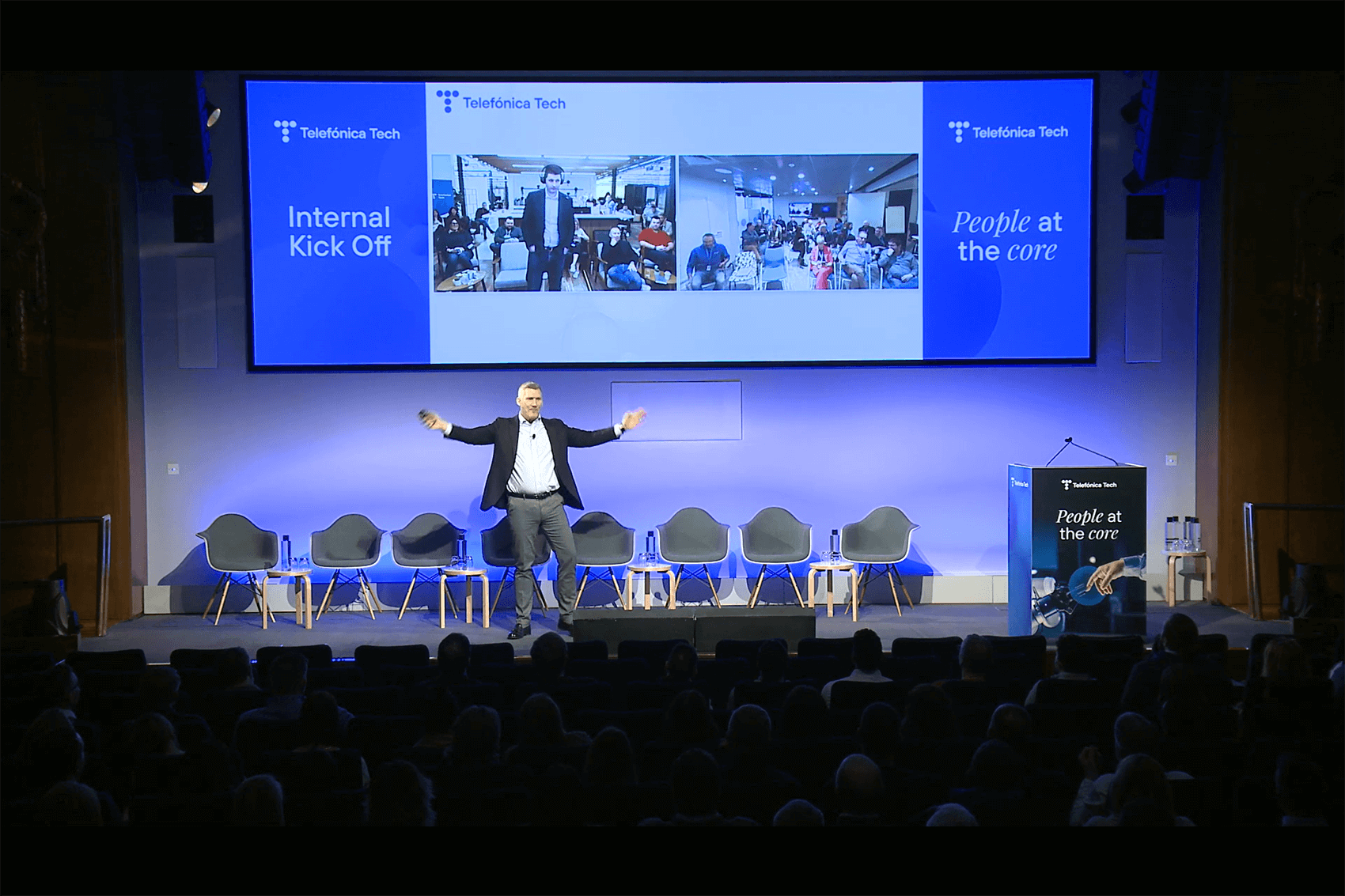
SEVEN’s work with Telefónica at the company’s annual hybrid event shows this aptly. To ensure an even event experience. For guests at the venue, we built an event app. Remote audiences had their own web portal. This gave every attendee a route into the day that suited how they were attending.
Creating shared moments across both settings
Compelling hybrid experiences give virtual and on-site guests many chances to feel that they are attending the same event. Through live polls, audience questions, and simultaneous activities, hybrid events create shared moments.
Even simple details help connect the two settings. A question submitted online might be answered by a speaker on stage. Results from a digital poll could influence a live discussion. Contributions from people in the room could be shared with remote attendees through the event platform. These interactions make the relationship between the two audiences visible.
How a hybrid event agency keeps everyone involved
A hybrid event agency designs the entire experience for two distinct audiences from the beginning using dedicated tools. It chooses the right technology that encourages interaction from both types of guests. People delivering the event know how to satisfy the needs of the two types of audiences.
Designing the audience journey from the beginning
Audience engagement should be considered before the event programme is finalised. It starts with mapping the journey for both audiences, which reveals where people are likely to engage and where they may need additional support.
For in-person attendees, the journey may include arrival, networking, sessions, demonstrations and face-to-face conversations. Remote participants have their own journey. It begins with accessing the platform, interacting with speakers, and joining digital activities.
A hybrid event agency in London plans audience journeys, which allows the experts to identify shared moments. This prevents the programme from becoming uninteresting for remote attendees.
Choosing technology that supports participation
Technology is an important part of virtual and hybrid events, but it should support the experience properly. The right platform and technical setup depend on the objectives of the event, the audience size, the type of interaction required, and the content shown.
Features such as live polling, Q&A, chat, audience reactions, and networking tools give remote attendees active ways to participate. Reliable streaming, audio, cameras and connectivity provide the infrastructure for those interactions.
A platform may offer numerous features, but the most useful ones are those that make participation straightforward. With SEVEN’s virtual and hybrid events service, brands gain tailored tech solutions and AI to optimise the attendee experience and engagement.
For practical advice on selecting the right platform, read SEVEN’s hybrid event planning and platform guide.
Coordinating presenters, production and communications
People delivering the event influence the connected hybrid experience significantly. Presenters need to understand how to address both audiences. Producers and technical teams need to work from the same plan.
A speaker may need to acknowledge a question from a remote attendee. Here, the production team brings that contribution into the room at the right moment. Similarly, changes to the programme need to be communicated consistently so that both audiences know what is happening next.
What should businesses look for in a hybrid event partner?
The right hybrid event partner understands what makes live events work. Its experts are aware of the practical and creative requirements of virtual participation. A trusted hybrid event agency in London has a proven record of delivering connected experiences across remote and on-site attendees.
Experience across live and virtual delivery
A hybrid event brings together two different environments, so experience across both is important. Live events depend on elements such as venue management, staging, production, presenters, and in-person audience engagement. Virtual audiences introduce additional considerations around streaming, digital interaction, connectivity, and remote participation.
A partner that understands both sides plans these requirements together. This can help identify potential gaps before the event and ensure that decisions about content, technology, and production support both audiences.
A joined-up approach to content, production and logistics
Hybrid events involve multiple moving parts, which need to work in sync. Content planning should be for both physical and digital audiences, and logistics needs to manage venue operations and virtual environments.
A strong hybrid event agency uses a joined-up approach to make communication between teams simpler. When creative, technical, production, and event teams are working towards the same plan, there is greater scope for the entire experience to stay consistent.
The bottom line
A successful hybrid event never feels like a physical event with a virtual audience watching from the sidelines. It’s a shared experience, which gives live and virtual attendees meaningful ways to connect and engage.
The journey of both audiences is part of the same hybrid event strategy. When content, technology, and production work together, physical and virtual differences become avenues for deeper audience connection.
Businesses planning their next hybrid event can check out SEVEN’s approach to virtual and hybrid events. Send your brief to us, and we’ll plan your agenda.
FAQs
What is the difference between a virtual and a hybrid event?
A virtual event happens online. A hybrid event is a blend of in-person experience with a virtual audience. Hybrid events require content, technology, and production for on-site and digital environments.
How does a hybrid event agency engage both audiences?
A hybrid event agency plans the live and virtual audience journeys together and creates opportunities for both groups to participate. Tools such as live polls, Q&A, chat, networking, and shared activities can connect the two audiences throughout the event.
Can a London event agency manage both live and hybrid events?
Yes, an experienced London event agency can manage live and hybrid event formats. It has expertise in venue operations, production, streaming, and digital audience engagement.
How can remote attendees participate beyond watching a stream?
Remote attendees can participate through live Q&A, polls, chat, networking tools, audience reactions, and digital activities. Their contributions can also be a part of the physical event by having online questions answered by speakers on stage.
What should a business look for in a hybrid event partner?
Look for a partner with experience across live and virtual delivery and a joined-up approach to content, technology, production and logistics. They should also be able to plan both audience journeys and identify the technology needed to support meaningful participation.