How to Organise a High-Impact Networking Event?
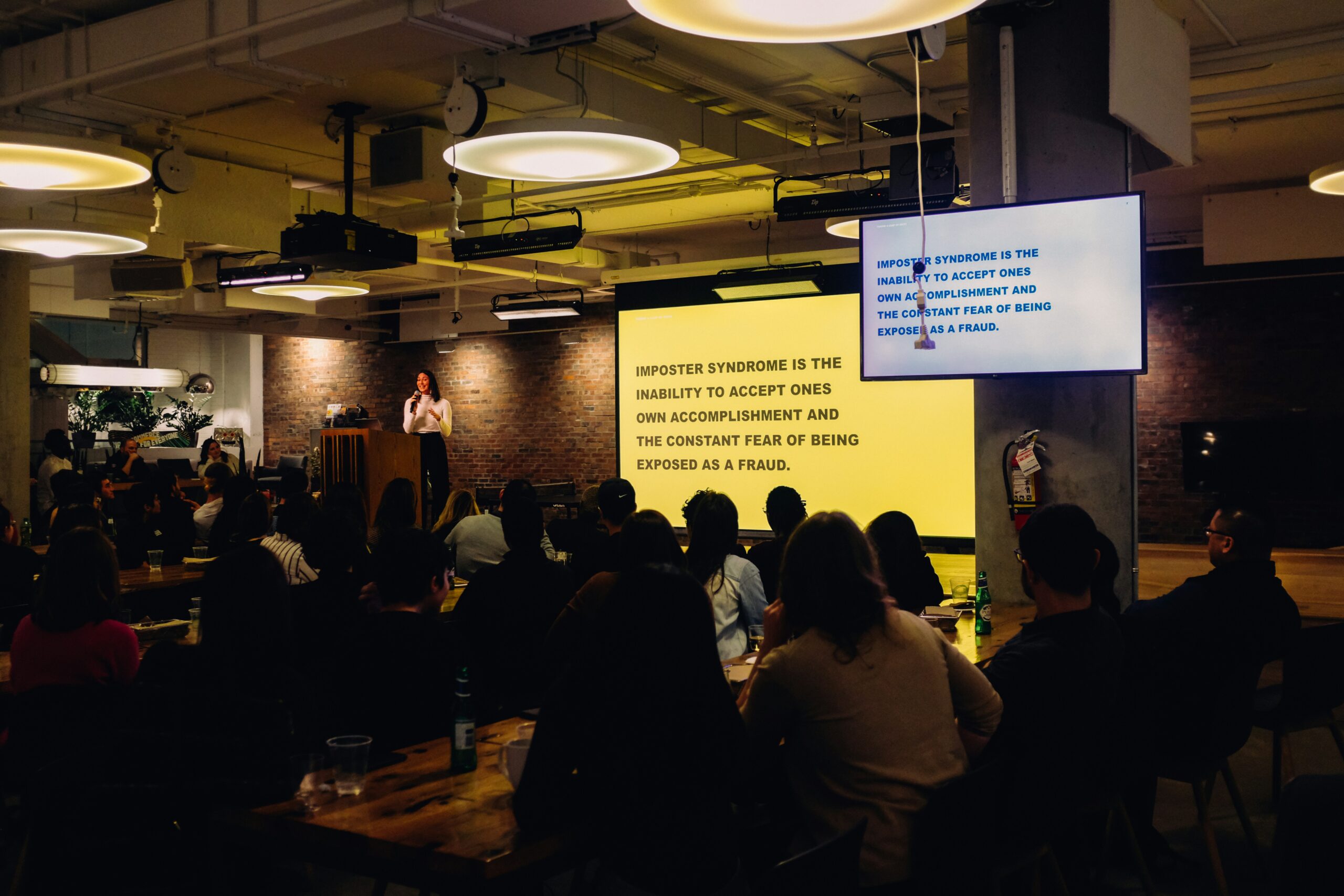
A successful networking event creates real business value when it is planned with purpose, clarity, and attention to detail. For businesses, face-to-face interaction continues to play a central role in building trust, forming partnerships, and opening new opportunities. Corporate events for networking offer a focused setting where professionals connect, exchange ideas, and strengthen relationships that support long-term growth. Today, we dive into how to organise a networking event that delivers strong results.
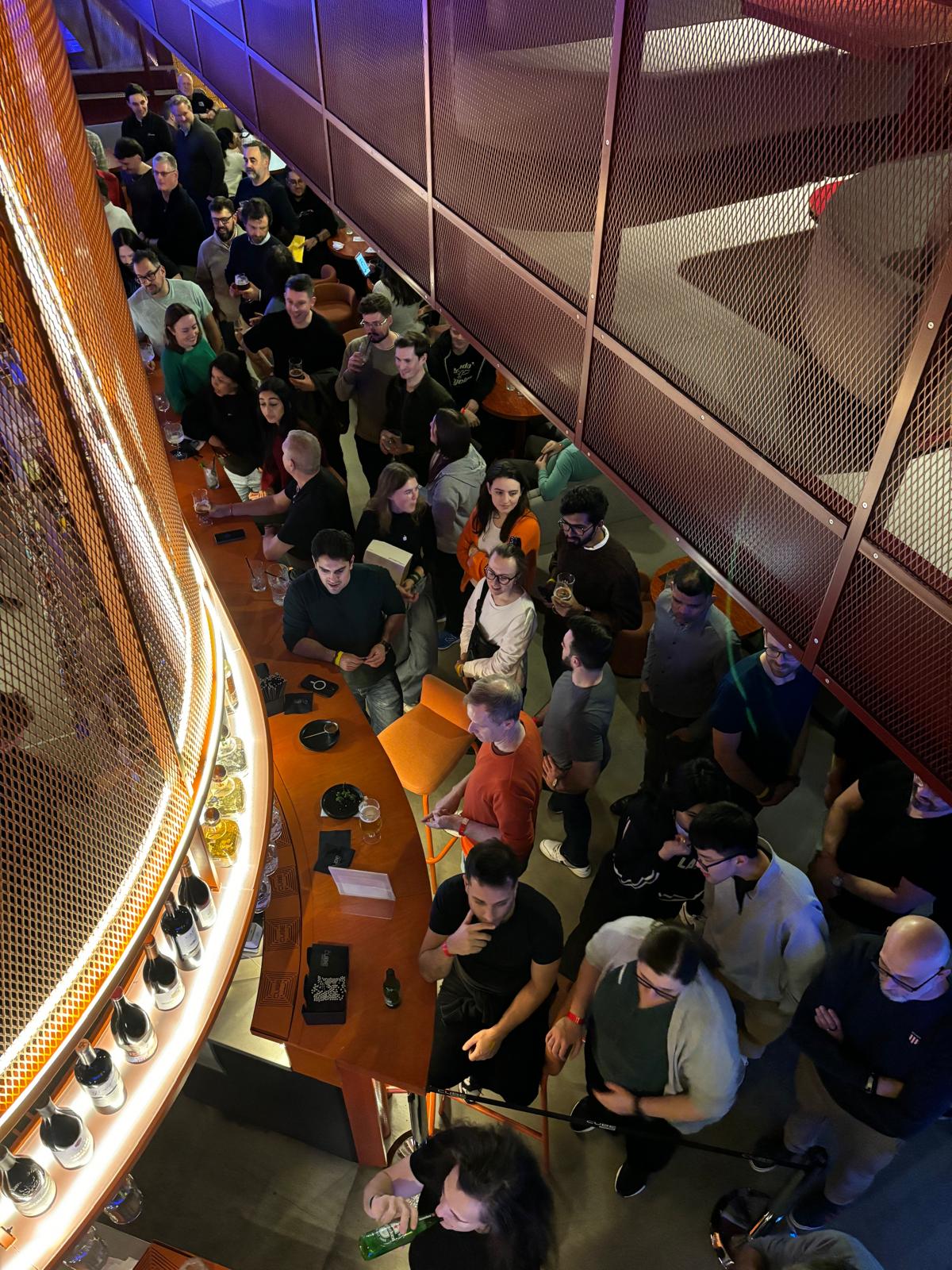
A successful networking event creates real business value when it is planned with purpose, clarity, and attention to detail. For businesses, face-to-face interaction continues to play a central role in building trust, forming partnerships, and opening new opportunities. Corporate events for networking offer a focused setting where professionals connect, exchange ideas, and strengthen relationships that support long-term growth. Today, we dive into how to organise a networking event that delivers strong results.

Why Does a Networking Event Matter for Business Growth?
An event for networking matters because it builds trust, strengthens relationships, increases brand visibility, and creates direct business opportunities.
Personal interaction allows people to connect in a way that digital communication often cannot match. When professionals meet in person, conversations flow more naturally, and relationships develop faster. This is one reason why such events remain a key part of many business strategies.
A well-executed event for networking can support lead generation, brand positioning, knowledge sharing, partnership building, and client retention. These outcomes make corporate events a valuable investment for organisations across industries.
How Do You Set Clear Objectives for Corporate Networking Events?
You set clear objectives by defining your purpose, identifying desired outcomes, aligning with your wider corporate events strategy, and selecting measurable indicators of success.
Start with a simple question. What do you want this networking event to achieve? The answer will guide every decision that follows.
Common objectives for corporate events include generating leads, strengthening client relationships, launching new services, increasing brand awareness, and connecting industry professionals. Each goal requires a slightly different approach.
When your objectives are defined early, you can measure success through attendance quality, engagement levels, follow-up meetings, conversion rates, and feedback from attendees.
How Do You Choose the Right Audience for a Networking Event?
You choose the right audience by targeting decision-makers, balancing industries and roles, inviting relevant professionals, and creating a diverse mix that encourages interaction.
The strength of a networking event often depends on who attends. A carefully curated guest list creates better conversations and more valuable connections.
For corporate events for networking, focus on senior professionals, potential clients, strategic partners, industry influencers, and existing clients who can deepen relationships. A balanced mix ensures that attendees gain value from every interaction.
Experienced conference organisers often segment invitations based on job roles, industries, business size, and professional interests. This approach helps create a room where conversations feel relevant and productive. A strong audience selection process increases engagement and improves outcomes across all corporate events.
How Do You Select the Right Venue for Corporate Networking Events?
You select the right venue by choosing a location that supports interaction, offers accessibility, provides flexible layouts, ensures comfort, and reflects your brand. The venue plays a direct role in shaping the experience of an event for networking. A well-chosen space encourages movement, conversation, and engagement.
When planning corporate events, consider accessibility for attendees travelling from different regions, availability of transport links, layout flexibility, lighting quality, acoustics, and overall atmosphere. Venues that allow guests to move freely tend to perform better for networking. Spaces that include open areas, breakout zones, seating clusters, and refreshment points encourage natural interaction.
A venue should support your goals rather than limit them. This principle applies across all corporate events, from small gatherings to large-scale experiences.
How Do You Design an Effective Networking Event Format?
You design an effective format by combining structured sessions, informal networking, interactive elements, guided introductions, and a clear event flow. The format of an event for networking influences how people engage with each other. A strong structure provides direction without restricting conversation.
Popular formats for corporate networking events include open networking sessions, speed networking rounds, panel discussions, interactive workshops, and facilitated introductions. Each format serves a specific purpose. A well-designed format keeps energy levels high and encourages meaningful interaction throughout the event.
How Do You Encourage Meaningful Connections at a Networking Event?
You encourage meaningful connections by using icebreakers, providing conversation prompts, assigning facilitators, creating networking zones, and supporting introductions.
Simply bringing people together is not enough. A high-impact event for networking actively helps guests connect. For corporate networking events, consider adding light structure through guided introductions, themed discussion areas, interactive activities, and visible prompts that help start conversations.
Facilitators or hosts can play a key role by introducing guests, encouraging participation, and maintaining a welcoming environment. These small actions often lead to stronger outcomes. Creating a comfortable setting helps attendees engage with confidence and build genuine connections.
How Do You Build a Strong Brand Experience for Corporate Networking Events?
You build a strong brand experience by aligning visuals, messaging, tone, environment, and attendee journey with your overall corporate events identity. Every event for networking reflects your brand. From the moment guests arrive, they form impressions based on the environment, communication, and experience.
For corporate events, focus on consistent branding across invitations, signage, digital touchpoints, presentation materials, and on-site elements. Attention to detail strengthens brand perception. A cohesive experience creates a lasting impression and supports your wider business goals. This is why many organisations invest in professional support for corporate events.
How Do You Promote a Networking Event Effectively?
You promote a networking event by using targeted email campaigns, LinkedIn outreach, strategic partnerships, clear messaging, and early engagement with your audience. Promotion plays a major role in the success of corporate networking events. Even a well-planned event needs strong visibility to attract the right audience.
Use a mix of channels such as email marketing, professional networks, partnerships with industry groups, and direct outreach to key contacts. Clear messaging helps communicate the value of attending. Building interest early increases attendance and improves engagement on the day.
How Do You Manage Event Logistics Smoothly?
You manage event logistics by coordinating registration, planning guest flow, organising catering, aligning schedules, managing staff, and working closely with suppliers and conference organisers. Smooth logistics create a positive experience for attendees. Every detail contributes to how guests perceive the event.
For corporate events, focus on efficient check-in processes, clear signage, well-timed sessions, quality catering, and responsive staff. Coordination with suppliers and experienced conference organisers helps maintain consistency. Strong logistical planning supports the overall success of a networking event and ensures everything runs as expected.
How Do You Measure Success After Corporate Networking Events?
You measure success by analysing attendance quality, collecting feedback, tracking engagement, reviewing follow-up actions, and assessing business outcomes. The impact of a networking event continues after it ends. Measuring results helps you understand what worked and what can be improved.
For corporate networking events, use surveys, feedback forms, follow-up meetings, and performance data to evaluate success. Key indicators include lead generation, relationship development, attendee satisfaction, and business opportunities created. Follow-up communication is equally important. It helps turn initial connections into long-term relationships.
Closing Thoughts
A high-impact networking event delivers results when it is guided by clear objectives, supported by the right audience, and executed with attention to detail. Corporate networking events continue to play a central role in building relationships and driving business growth.
From venue selection and event format to promotion and follow-up, each element contributes to the overall experience. Businesses that invest in thoughtful planning and professional execution often see stronger outcomes from their corporate events.
If you want to create a networking event that brings real value, focus on purpose, experience, and connection. These principles form the foundation of successful events and long-term business relationships.
Get in touch with SEVEN today and start planing your next networking event.
FAQs
What is the ideal size for a networking event?
The ideal size depends on your goals. Smaller events allow deeper conversations, while larger corporate events for networking offer broader exposure and more connections.
How long should corporate networking events last?
Most networking event formats work well within two to three hours. This timeframe allows meaningful interaction without overwhelming attendees.
What is the best time to host a networking event?
Evening events often attract higher attendance, though breakfast and lunchtime formats also work well for corporate audiences.
How can small businesses host effective networking events?
Small businesses can focus on niche audiences, personalised invitations, strong facilitation, clear objectives, and consistent follow-up to create impact.
What common mistakes should be avoided when planning a networking event?
Common mistakes include unclear objectives, poor audience selection, lack of structure, weak promotion, and limited follow-up after the event.