7 Top Corporate Event Trends for 2026
Corporate events in 2026 look sharper, more intentional, and more closely tied to business goals. From experience-led design and AI-supported planning to sustainability and inclusion, events must create meaning as well as momentum. This guide explores seven key corporate event trends shaping how UK organisations plan, deliver, and measure successful events in the year ahead, with real-world examples from SEVEN that show these ideas in action.
Corporate events in 2026 look sharper, more intentional, and more closely tied to business goals. From experience-led design and AI-supported planning to sustainability and inclusion, events must create meaning as well as momentum. This guide explores seven key corporate event trends shaping how UK organisations plan, deliver, and measure successful events in the year ahead, with real-world examples from SEVEN that show these ideas in action.
Organisations are shaping their 2026 strategies with fresh thinking around live experiences. Many teams are starting to treat events as powerful strategic tools rather than occasional gatherings.
With more leaders recognising the value of well-designed programmes, interest in corporate event trends is stronger than ever. Today, we bring to you seven themes that show how the field is changing and what businesses can do to stay ahead.
1. Strategic Events Management Takes Centre Stage
Many companies are shifting their view of events, treating them as business drivers rather than supplementary activities. This change reflects growing interest in event industry trends, particularly those linked to performance.
Research shows that 85% of planners feel confident about the year ahead, the highest figure in five years. (Source)
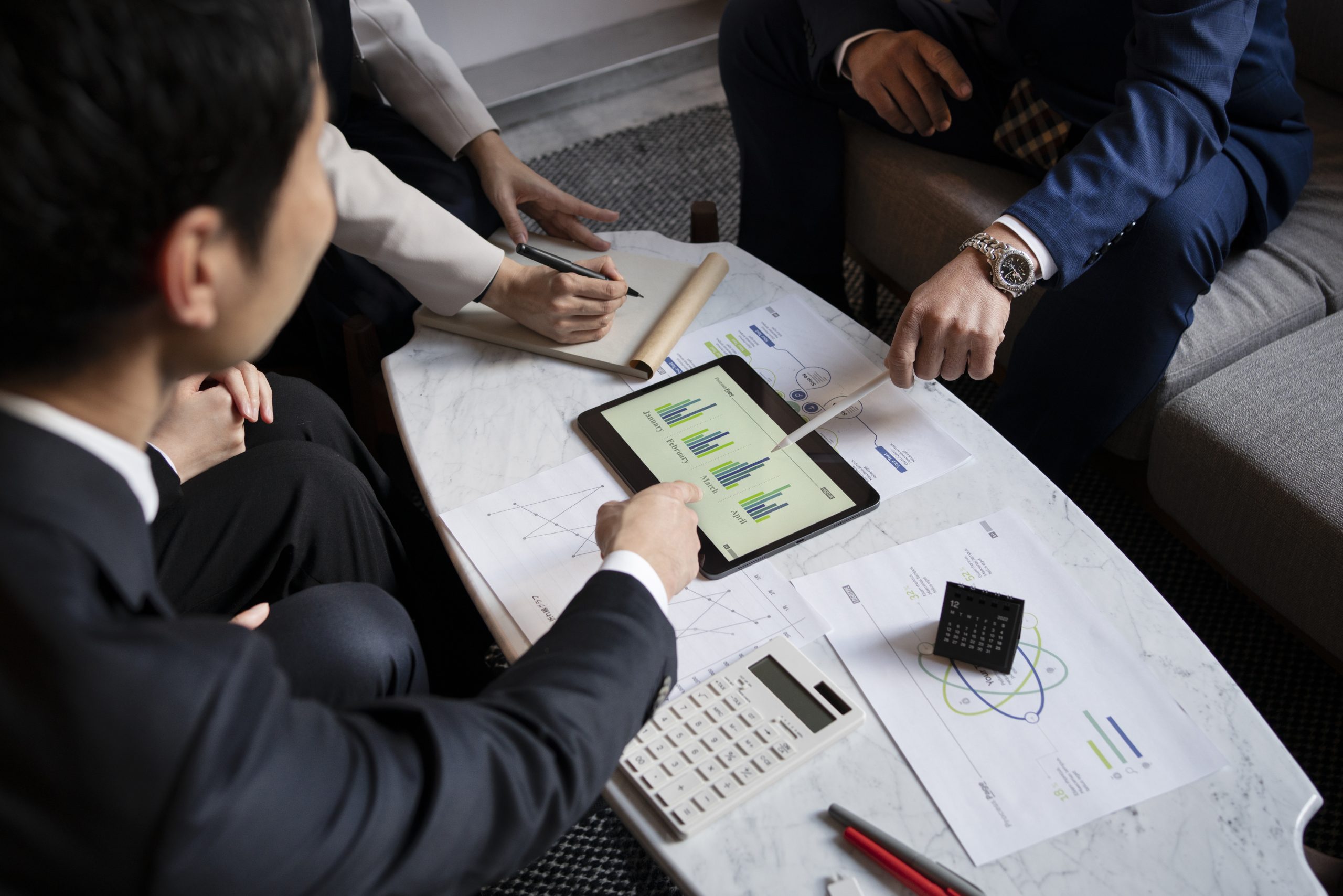
Teams that place events within clear commercial frameworks are gaining support from senior leaders. The move sits alongside rising cost pressure, since UK supplier fees, labour, food, and utilities continue to grow.
These financial changes guide trends in event planning, where clarity around return on investment now plays a key role.
Organisations that develop structured decision-making models are better placed to allocate resources, especially when budgets are tight. These models fit well with new trends in event planning, where event visibility and clear reporting matter as much as creativity.
This trend also upgrades the role of agencies. Businesses are seeking guidance earlier in the process, often long before venue sourcing begins.
Many now view expert support as a commercial advantage rather than a discretionary extra, which strengthens the case for thoughtful corporate event planning when designing a year-round programme.
2. AI Moves From Curiosity to Everyday Utility
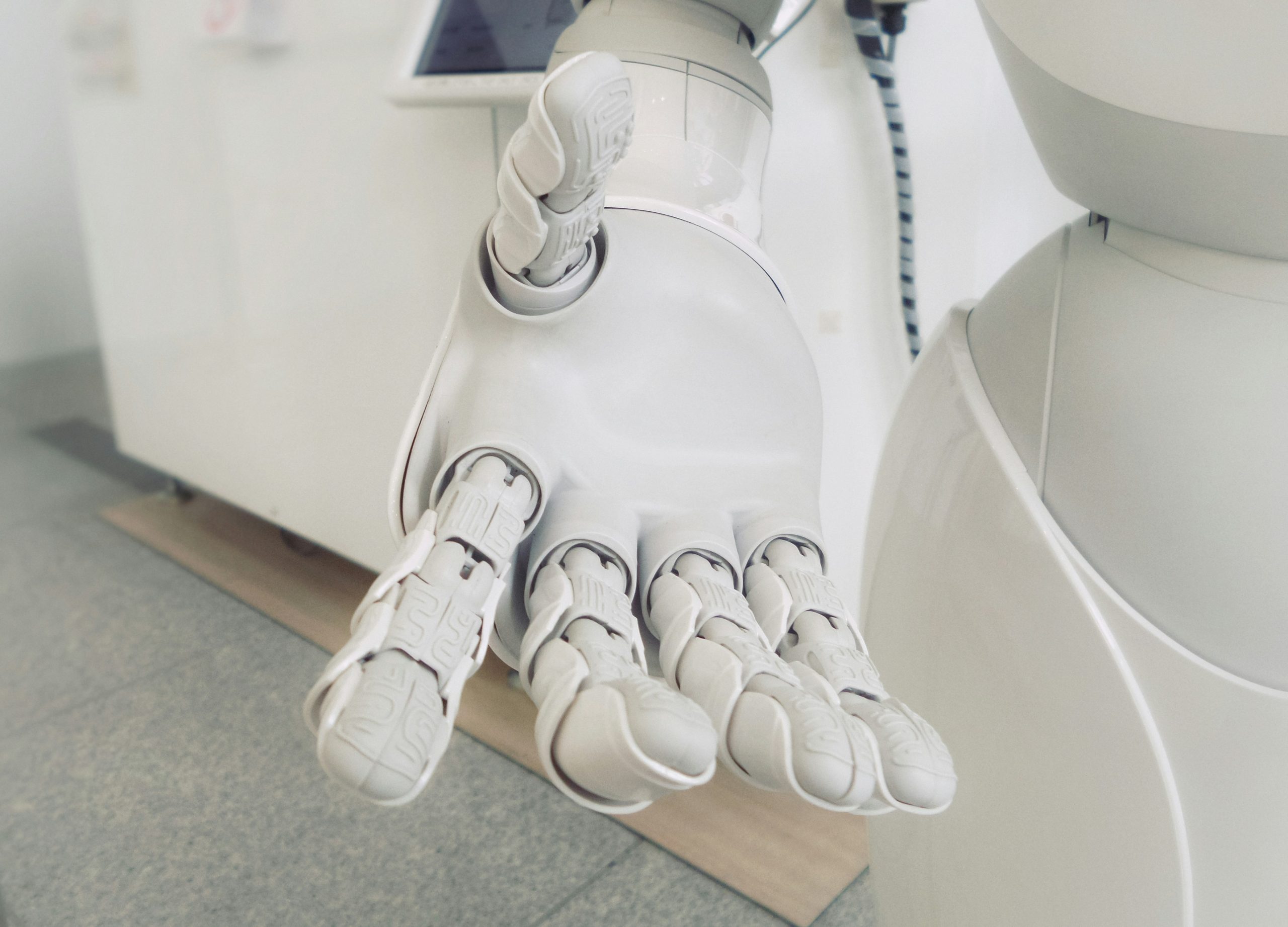
The rapid expansion of AI is one of the most visible event trends shaping how teams prepare, deliver, and review programmes. Half of all professionals plan to use AI across every stage of their meetings in 2026.
The most significant gains appear before an event takes place. Around one-third of planners intend to use AI for creative concepts, while a similar number will use it for content generation. (Source)
These tools shorten preparation time and release teams to focus on strategic decisions. During live events, 40% expect to rely on AI-driven apps that guide attendees with personalised agendas. (Source)
Post-event evaluation also benefits from AI review tools. They group attendee feedback, track behaviour patterns, and highlight meaningful insights far faster than manual processes. Many planners favour this stage because it strengthens performance reporting.
Smaller pilot projects between £5,000 and £10,000 have become popular for testing AI capability with minimal risk. Interest in tools such as Clay, Gamma, Relay, Hey Gen, and Notebook LLM shows how widespread the movement has become.
3. Phygital Events Become More Selective and Purpose-Led
Hybrid formats formed a major part of corporate event trends in recent years, yet the 2026 approach looks more selective.
The combination of physical and digital experiences, known as “phygital” events, will continue growing, but with more intentional strategic design rather than defaulting to hybrid formats simply because technology enables it.
More than half of planners expect the majority of meetings to be in-person, since dual delivery often raises costs and reduces impact for at least one audience. (Source)
Hybrid still plays an important part, particularly for global teams. Planners use this format when travel prevents attendance rather than as a default option.
Advances in live translation, VR content, and AI-supported networking have created conditions for stronger remote participation, which mirrors new trends in event planning centred on access and inclusivity.
This approach keeps experiences intentional. Phygital environments work best when each element serves a purpose. Many companies now treat digital layers as extensions of the physical meeting rather than replacements.
4. Sustainability Strengthens Competitive Positioning
Sustainability sits firmly within event industry trends that guide UK decision-making in 2026. Attendees increasingly look for visible commitment in this area, with 40% actively requesting proof of sustainable choices. (source)
Many planners respond by reducing disposables, opting for recycled or low-impact materials, and choosing food options with lower environmental impact.
A notable gap remains around measurement. Only a quarter of organisations track CO₂ emissions. This gap offers an opportunity, since businesses seeking compliance with UK reporting requirements need reliable metrics.
Event teams that can present structured data offer genuine value to stakeholders.
5. Return on Experience (ROE) Sets a New Benchmark
Attendees want shorter sessions, more involvement, active networking, and a clear purpose. These preferences sit firmly within wider corporate event trends, where engagement carries the same weight as commercial outcomes.
Planners adopt interactive formats because they help people take part rather than observe. Workshops, guided discussions, and collaborative tasks support this pattern.
SEVEN recently partnered with a consultancy celebrating its twentieth anniversary. The client wanted a landmark moment that honoured past achievements and matched the brand’s forward-thinking character. The brief included strategy, guest flow, and full logistical planning.

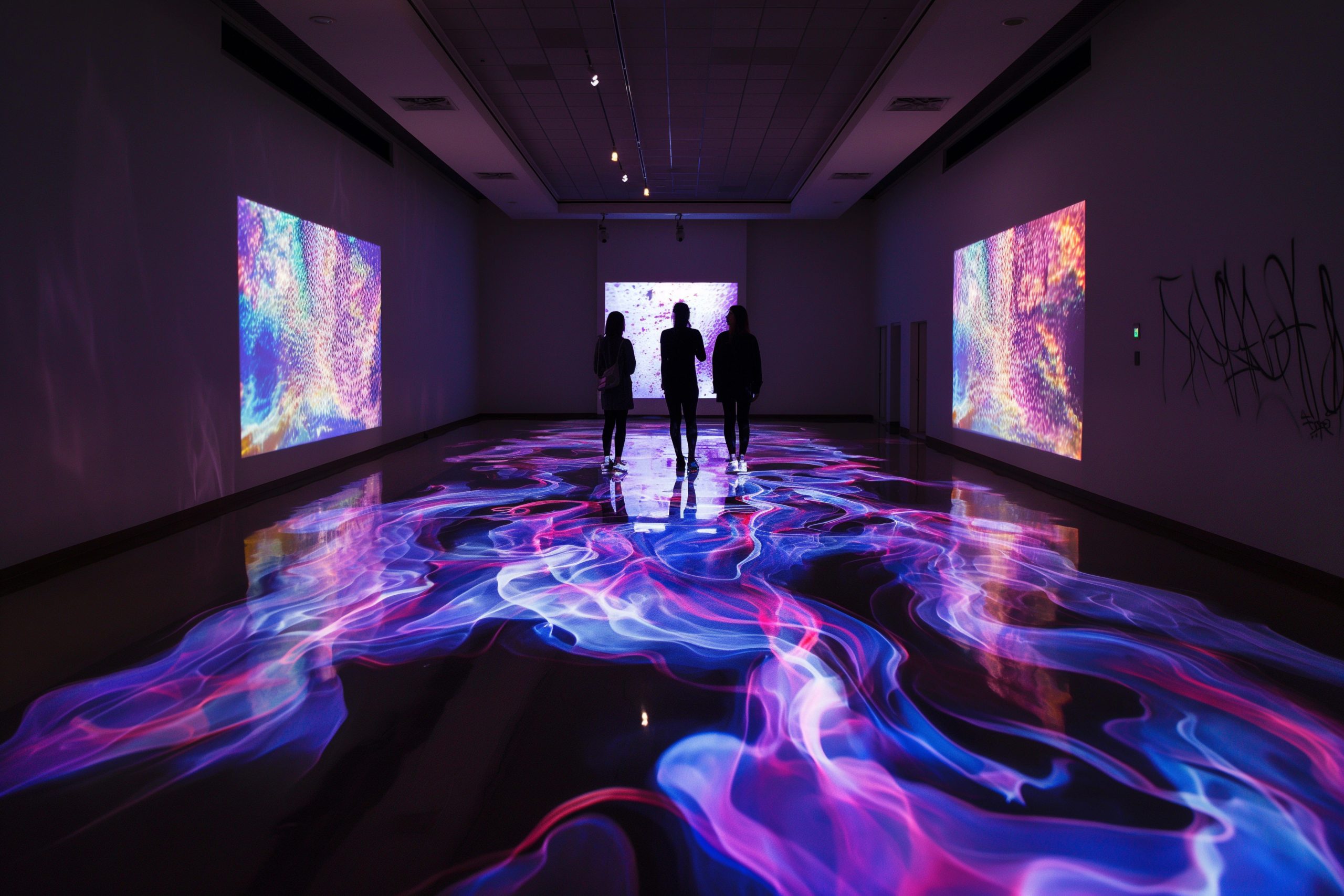
SEVEN recommended Frameless London, a venue known for its digital galleries. Guests could interact with the artwork, which created a vivid first impression and encouraged conversation. The venue’s central location also suited the guest list, which included clients and senior partners.
Catering followed the creative theme. The menu featured visually striking canapés styled to complement the gallery setting, allowing food to become part of the overall sensory experience. SEVEN’s production team shaped the space into a celebratory route that guided guests through each gallery, strengthening the emotional arc of the evening.

This project highlights how event industry trends linked with meaningful experiences can shape powerful milestone moments.
6. Creative Experiences Move Beyond Standard Formats
Teams look for experiences that feel distinct and emotionally engaging. This movement favours formats that blend fun with meaning, where activities help people connect rather than act as standalone entertainment. These choices reflect wider event industry trends grounded in human impact.

SEVEN recently delivered a London event that demonstrates how this approach works in practice. A client wanted a lively day that encouraged bonding and gave employees a sense of appreciation. The brief asked for an accessible venue, an inclusive team activity, and steady food and drink throughout.
SEVEN recommended The Cube at Canary Wharf, which offers interactive challenges ideal for team engagement. A full venue buyout allowed the schedule to fit the group’s needs.

A professional host guided the day with humour and confidence, keeping energy high. SEVEN added a raffle with premium prizes such as wireless headphones and experience days, lifting the celebratory feel. Guests enjoyed high-quality catering, which kept everyone comfortable across the programme.
Feedback was enthusiastic, with many attendees describing it as one of the most enjoyable team gatherings they had joined. The results highlight new trends in event planning, where tailored activities, shared play, and a sense of recognition create memorable experiences that strengthen team spirit.
7. Inclusion Becomes a Core Expectation
Accessibility moves from optional consideration to a standard feature of corporate event trends. A growing number of UK venues now provide accessible transport options, step-free routes, captioning, sensory maps, and quiet rooms. These resources help guests with varying needs feel welcomed from the start.
Beyond infrastructure, planners are creating micro-communities within events to support different communication styles and generational preferences. Simple additions work well. Badge stickers that share a guest’s networking comfort level reduce anxiety. Post-it boards allow participants to offer mentor advice within minutes of arriving. Personalised badges showing hobbies or favourite songs help connections form quickly.
Many organisations recognise that inclusive environments support stronger conversation and deeper engagement. This aligns with event trends across the UK, especially as regulators and guests expect clear commitment.
These principles also support businesses when choosing a corporate event planner, since they often look for partners who embed inclusion into planning from day one.
Final Thoughts
The movement shaping UK events reflects a broader shift towards meaningful design, robust measurement, and thoughtful technology use.
Each of the seven themes outlined here shows how event trends are helping organisations create experiences that support relationships, inspire teams, and strengthen brand reputation.
If your business wants to align with these developments or refine your corporate event planning strategy for 2026, the team at SEVEN can guide you from early concept to final delivery. Speak with our specialists to build events that match your goals and create long-lasting impact.
Get in touch at hello@sevenevents.co.uk to talk over your 2026 events goals and how SEVEN can help.
FAQs
1. How far in advance should UK businesses plan major corporate events for 2026?
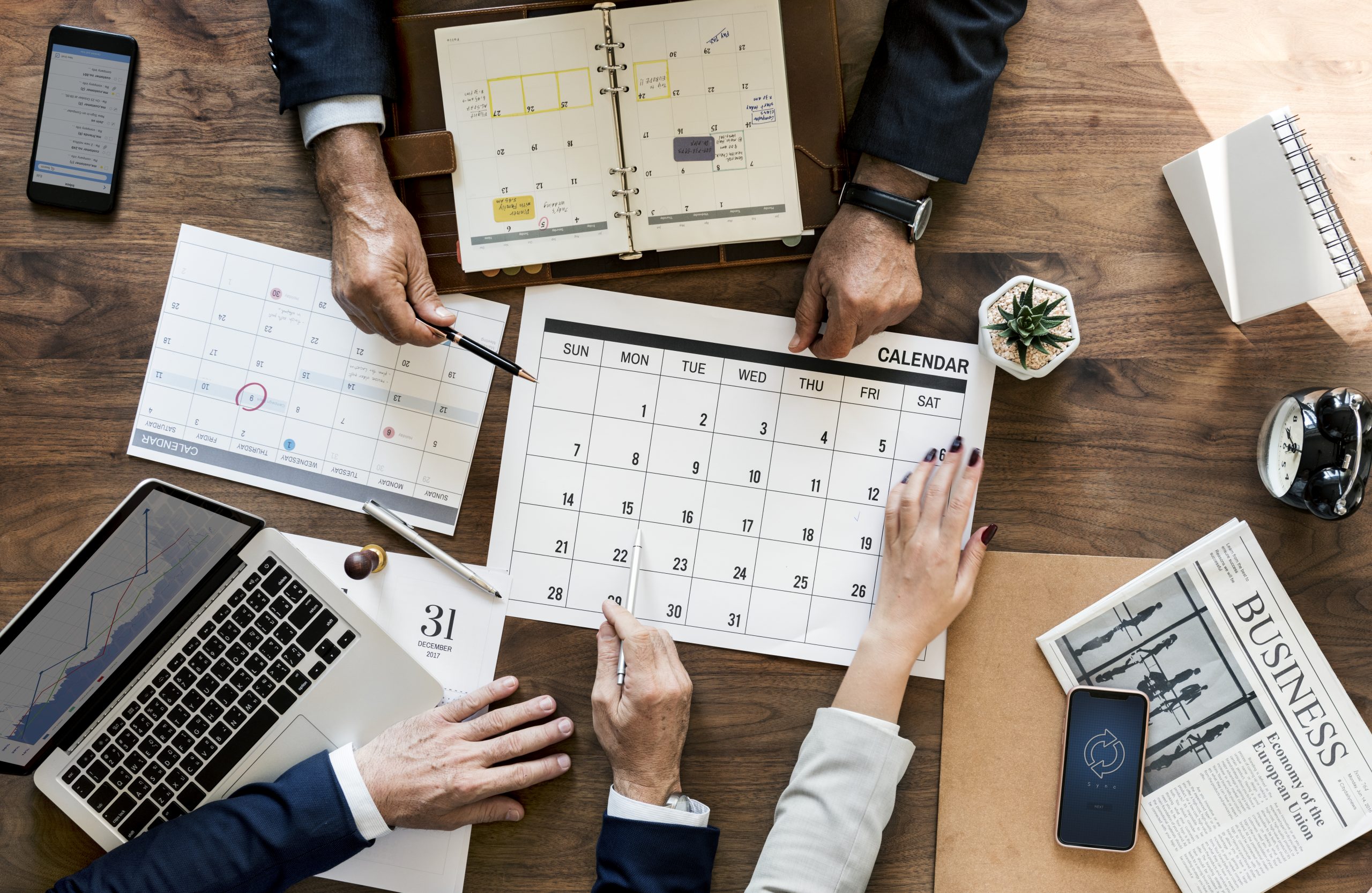
Larger programmes now benefit from earlier planning cycles. Many organisations begin shaping their 2026 calendars nine to twelve months ahead, particularly for events involving premium venues, peak-season dates, or international guests. Earlier planning allows teams to secure preferred suppliers, manage rising costs, and design experiences that align with evolving event industry trends rather than reacting late to availability limits.
2. How are sponsorship and partnerships changing within corporate events?
Sponsorship models now focus on relevance rather than logo exposure. Brands prefer partnerships that feel integrated into the guest experience, such as co-created sessions, curated networking moments, or shared content. This approach reflects trends in event planning that value authenticity and audience relevance over volume-based visibility.
3. What role does internal communications play in successful corporate events?
Internal communication shapes perception long before guests arrive. Clear messaging around purpose, agenda, and participation raises attendance and engagement levels. Many teams now link events to wider internal campaigns, which fits with new trends in event planning centred on clarity, anticipation, and shared understanding.
4. How do companies assess whether an event suits their brand identity?
Brand alignment begins with defining how the organisation wants to be remembered. From venue style to content tone and guest interaction, each choice should reflect brand values. Businesses often work closely with agencies during this stage, particularly when choosing a corporate event planner, to ensure every element feels consistent and intentional.