


The right venue does more than simply hold an event
The right venue shapes how an event feels, flows and performs. Discover why corporate venue sourcing is a strategic decision, not a simple search for space.
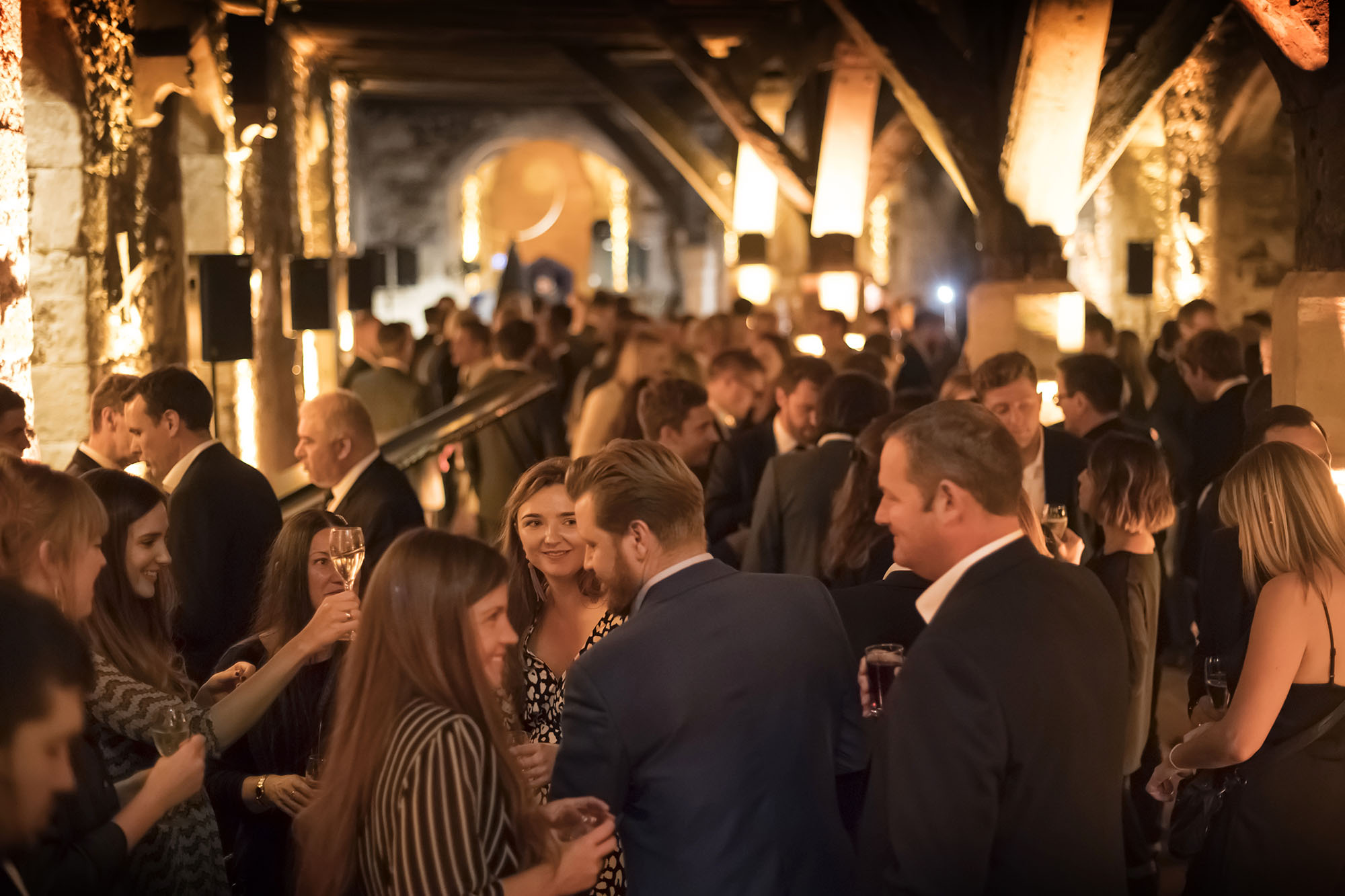
The right venue shapes how an event feels, flows and performs. Discover why corporate venue sourcing is a strategic decision, not a simple search for space.
A venue does more than hold an event. It shapes how the day feels, how it flows and whether the objective is actually met. Getting it right means looking at the audience, the format, the production needs, the logistics and the budget as one connected decision rather than a box to tick before planning begins.
This is the thinking behind corporate venue sourcing at SEVEN, where the venue is treated as a working part of the event strategy from the very first conversation. Working with a venue finding agency in London means having a partner who understands the city’s venue market and the goals behind your brief, so every shortlist is built around your event.
Below, we look at what the right venue makes possible, what our venue finding service considers when building a shortlist and how a brief becomes a confirmed booking, along with the questions we’re asked most often.
What should the right venue make possible?
Before comparing spaces, it helps to know what a venue is actually meant to do for your event.
1. Supporting the purpose and personality of the event
Every event has a reason for existing, whether that’s motivating a sales team, launching a product, celebrating a milestone or welcoming a new partnership, and the venue should reinforce that reason rather than compete with it.
A space with the wrong atmosphere can undercut even the strongest content, while the right one reflects the brand and sets the tone before a single word is spoken.
2. Creating the right guest journey
Guests notice the details long before the agenda starts. From how easy the venue is to find to how welcome they feel walking through the door. A well-chosen venue is designed to guide people naturally from arrival through to networking, seating, refreshments and departure.
When arrival, movement, comfort and pace are considered from the start, rather than as an afterthought, the whole journey feels effortless rather than manufactured.
3. Making production and logistics work
A venue also has to support the technical and physical side of the event, including power, rigging, load-in access, breakout space and catering flow.
These practical factors decide whether a creative concept can actually be delivered on the day. Get this wrong, and even a beautifully designed concept can be compromised before doors open.
What does a venue finding service consider?
A genuine sourcing process looks well past four walls and asks how every element of the brief fits together.
1. Location, access and accommodation
Where a venue sits, and how easily people can get there, often decides whether an event succeeds before the day even begins, so we look at transport links, accessibility, parking, on-site or nearby accommodation, and proximity to the guests travelling the furthest.
Distinctive locations can also become part of the story.
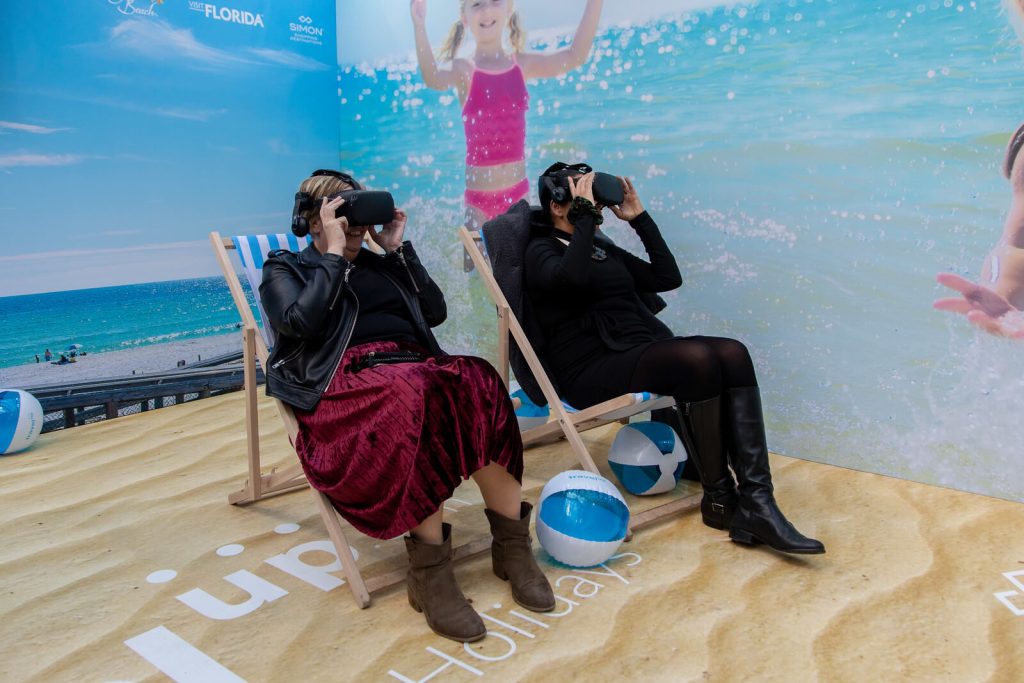
For instance, for a brand activation designed to surprise London commuters, SEVEN secured a prime spot inside a major London station, using the location itself as part of the brand experience (see the case study).
2. Capacity, layout and event flow
Numbers alone don’t tell you whether a room will work; layout, sightlines, breakout options and the natural flow between spaces matter just as much as capacity.

For a client’s twentieth-anniversary celebration, SEVEN recommended Frameless London for its immersive digital art galleries and central location, then shaped catering and production around that same artistic environment so every element felt connected (read the full story).
3. Technology, sustainability and accessibility
A venue’s technical capability, from connectivity and AV infrastructure to power capacity, shapes what’s possible on the day, while sustainability credentials and physical accessibility are increasingly part of the brief rather than an afterthought.

When a hotel’s conference-focused space needed to become an innovation hub for a week-long hackathon, SEVEN reimagined the environment with bespoke branding, lighting, flooring and dedicated technology for each team, showing how far a venue can be pushed when the format demands it (see how it worked).
4. Budget, contracts and commercial value
Budget only tells half the story; contract terms, cancellation clauses, exclusivity terms and added value can matter just as much as the headline rate.
Effective corporate venue sourcing means negotiating rates and terms on your behalf, protecting your budget from hidden costs, securing added value where possible, and making sure the agreement works for the wider event.
How a venue finding agency turns a brief into the right shortlist
Once the objectives are clear, the process moves from broad thinking to a focused shortlist. This is where working with a venue finding agency in London pays off as they have local market knowledge, supplier relationships, insider availability and honest advice that narrow the field fast.
Understanding the event before beginning the search
Before any venue is suggested, we ask about the audience, the objective, the format, the budget and any non-negotiables, because a shortlist built on assumptions rarely survives first contact with reality.
This is also where corporate venue sourcing starts to add value: the brief shapes the search, not the other way around.
Shortlisting, site visits and negotiation
Every option earns its place by meeting the brief, not by being available. From there, site visits confirm what photographs can’t show, and negotiation on rates, exclusivity, contract terms and added value protects your budget. As a venue finding agency in London, SEVEN follows this process for events of every size, from intimate leadership meetings to large-scale conferences.
Conclusion
The best venue is never just the one with the biggest room or the nicest lobby; it’s the one that lets the event do what it set out to do, for the guests in the room and the business behind it. That’s the value of a proper venue finding service: matching a venue to the event’s real purpose, not just its size.
If you’re looking for a venue finding agency in London that starts with your objectives rather than a list of spaces, speak to SEVEN. Email hello@sevenevents.co.uk to discuss your event, or explore our venue sourcing page to see how we approach it.
FAQs
What does a venue-finding agency do?
A venue-finding agency understands your event’s objectives, audience, format and budget, then researches, shortlists, negotiates and secures the right venue on your behalf.
At SEVEN, our venue finding service goes further by connecting that venue to the wider event plan, from production through to on-site delivery.
How can venue sourcing improve a corporate event?
When corporate venue sourcing is treated as a strategic decision rather than a checklist, the venue actively supports the event’s goals, from guest experience to brand perception and commercial outcome. Poor venue choices create friction; the right one removes obstacles before they appear.
Can a London agency source distinctive corporate venues?
Yes. As a venue finding agency in London, SEVEN sources everything from hotels and conference centres to historic buildings, museums, sporting venues and blank canvas spaces, both across the city and internationally.
What should a corporate venue brief include?
A useful brief covers the event’s objective, audience profile, format, preferred locations, technical requirements, budget range and any accessibility or sustainability priorities. The clearer the brief, the faster a venue finding service can build a shortlist that’s actually worth reviewing.
How should a venue shortlist be assessed?
Look beyond first impressions to how well each venue supports the guest experience, the production requirements, the commercial terms and the practical logistics together, rather than judging options on price or aesthetics alone.
A shortlist built through proper corporate venue sourcing should already reflect this balance, so assessment becomes confirmation rather than guesswork.