Why meaningful employee appreciation goes beyond traditional rewards
Generic rewards rarely land. Discover how thoughtfully designed employee appreciation activities and expert incentive event management turn recognition into an experience your team will remember.
Generic rewards rarely land. Discover how thoughtfully designed employee appreciation activities and expert incentive event management turn recognition into an experience your team will remember.
Meaningful appreciation is felt, not just given. A voucher or a generic thank-you email might tick a box, but it rarely tells someone what their contribution actually meant, or how it connected to the wider goals of the business.
When employee appreciation activities are built around a company’s real people, culture and achievements, they do more than mark an occasion: they build connection, motivation, morale and a genuine sense of belonging.
Generic gestures tend to miss this entirely, because they’re designed to suit anyone, which means they rarely land with someone in particular.
At SEVEN, we design recognition experiences around exactly that gap, shaping every detail so it reflects the people being celebrated rather than a template pulled off a shelf.
Why meaningful employee appreciation matters
Before choosing a format or a destination, it helps to understand what actually makes recognition land. It usually comes down to three things: how personal it feels, how well it fits the culture it sits inside, and whether it gives people a moment they’ll genuinely remember together.
1. Making recognition feel personal and genuine
Telling someone their work “mattered” is a start, but naming what they did, who it affected and why it counted turns a routine gesture into something that sticks.
The best employee appreciation activities work the same way: they’re chosen with a particular team, milestone, personality or shared history in mind, rather than lifted from a generic list of ideas that could apply to any business.
2. Connecting appreciation with company culture
Appreciation should feel like an extension of how a business already operates, not a one-off event bolted onto the calendar.
A close-knit sales team might respond to something loud and celebratory, while a more considered, research-led culture might prefer something reflective and immersive.
Getting this right takes planning, which is exactly where good incentive event management earns its keep, matching format, tone, setting and pace to the culture being celebrated rather than to a one-size-fits-all template.
3. Creating a shared moment people remember
A trip, an evening or an experience that a team goes through together gives people something to talk about long after the thank-you has faded.
That shared memory does more for morale and retention than a one-off bonus ever could. It also gives people a reference point: a moment they can point back to as proof the business noticed what they did.
Employee appreciation activities that go beyond traditional rewards
Rather than another generic list, it’s more useful to think in terms of a few broad categories, each suited to a different kind of achievement:
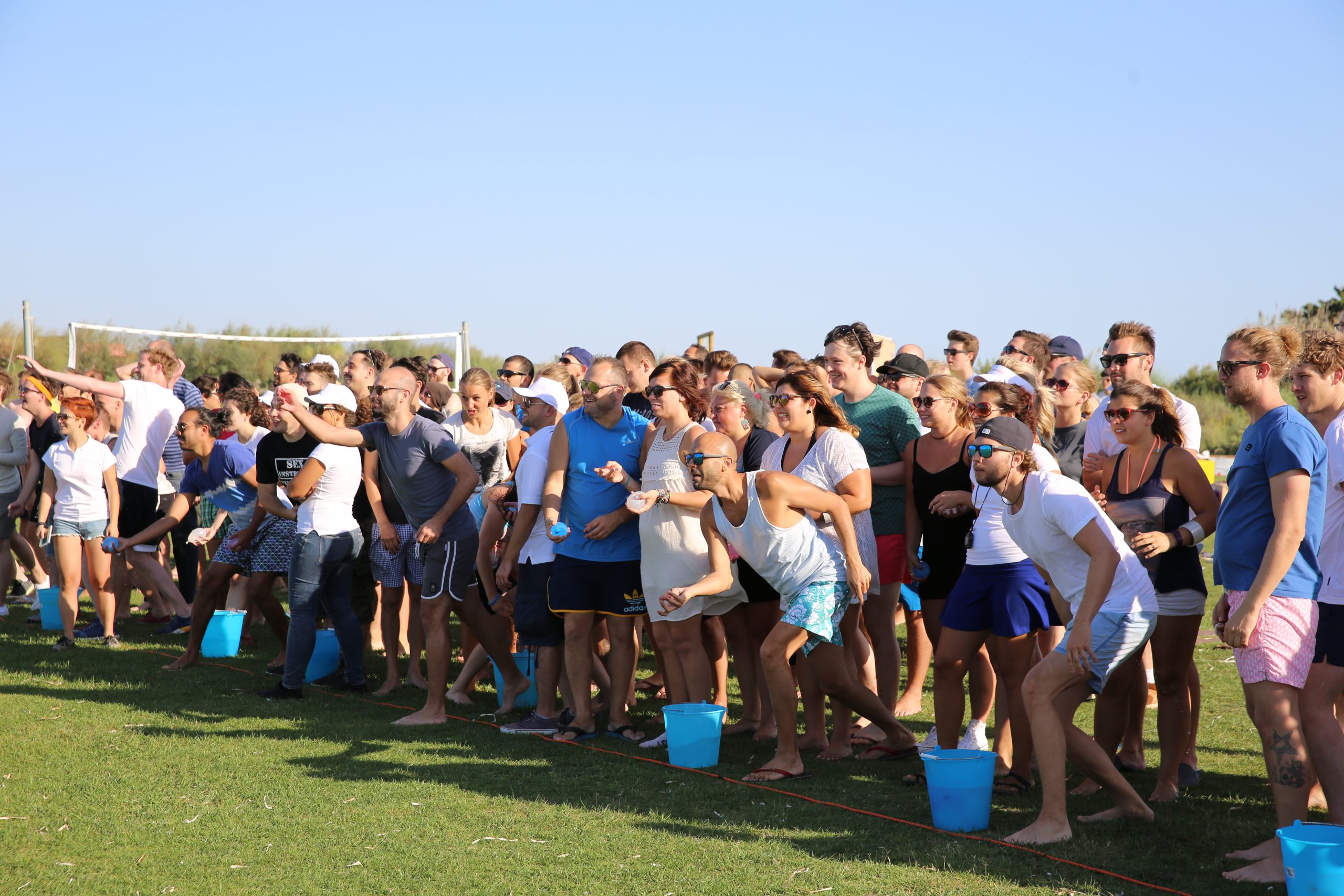
- Shared, group-wide experiences that the whole team takes part in together
- Recognition events shaped around a specific audience within the business
- Incentive experiences built around a clear, named achievement
1. Shared experiences and team celebrations
Group experiences consistently build more lasting goodwill than individual perks handed out one by one.
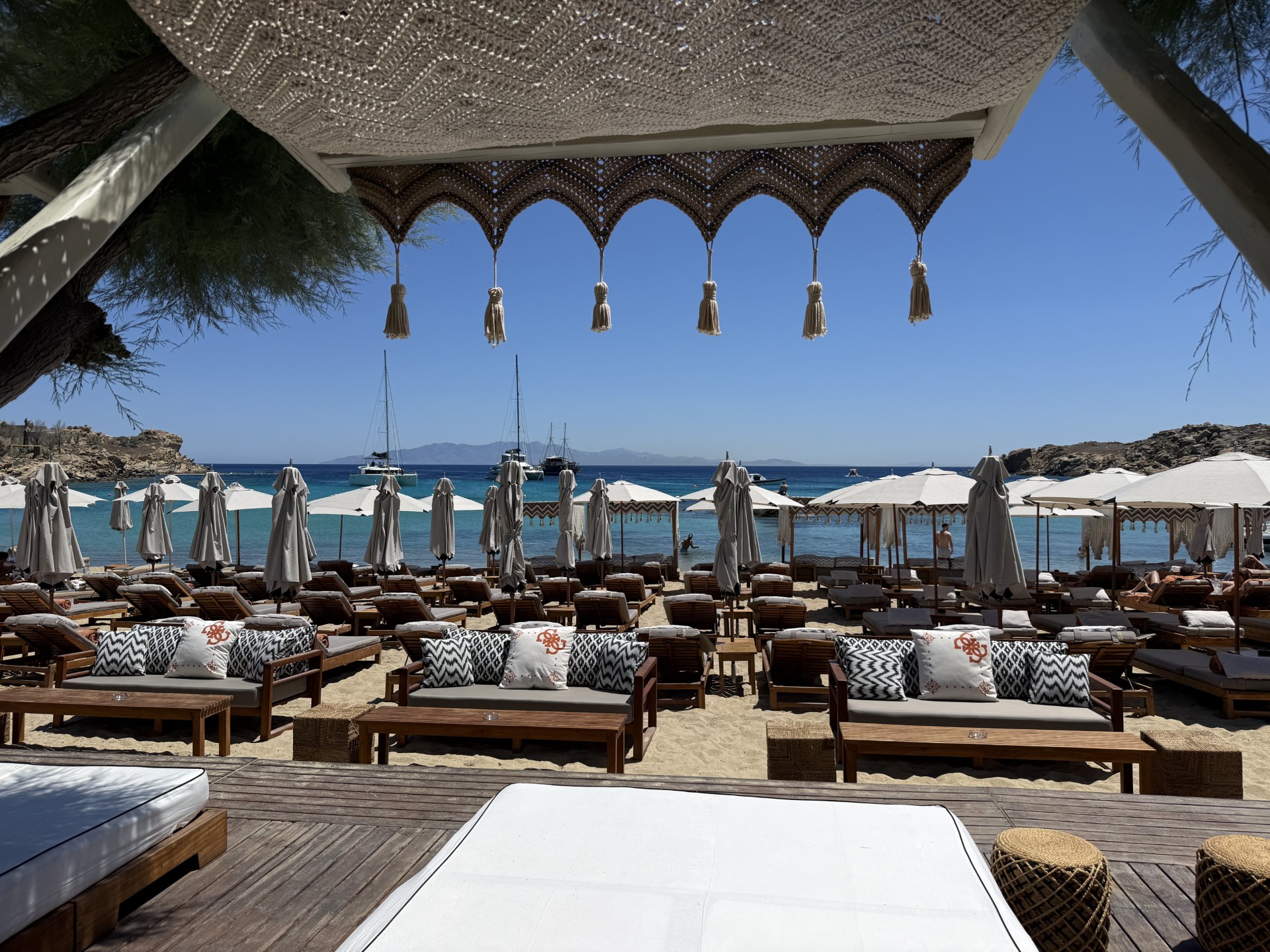
Earlier this year, SEVEN brought Roland Berger’s UK teams together for a summer celebration on Mykonos, combining beachfront time at a private beach club, a poolside welcome dinner with traditional Greek entertainment.
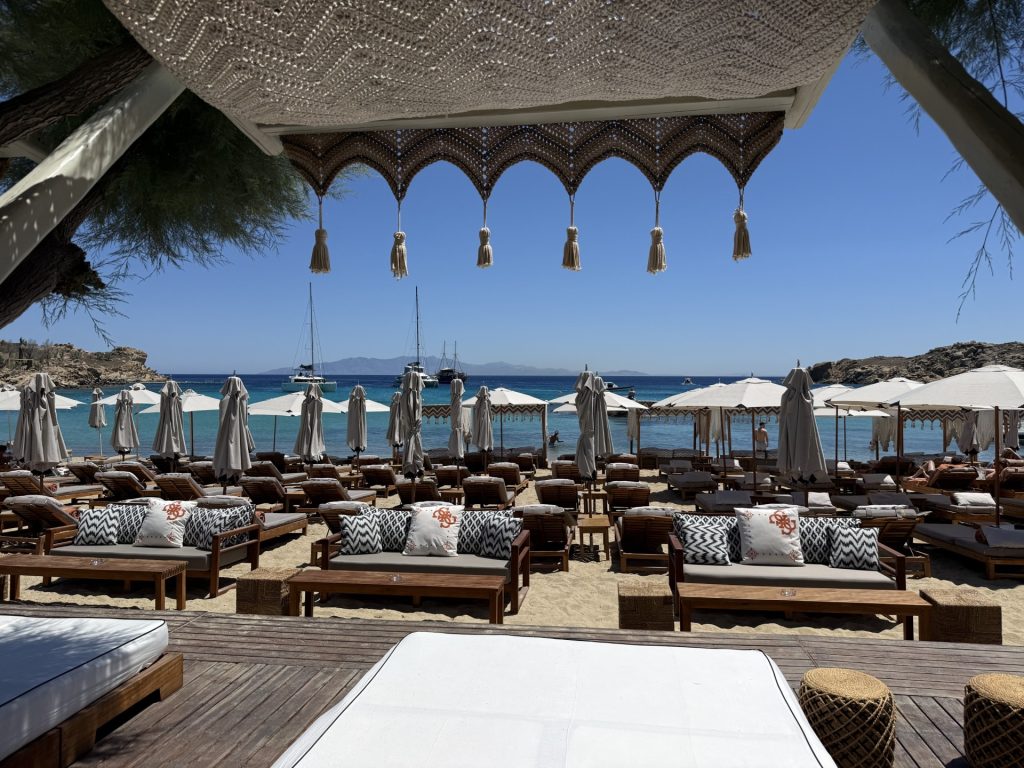
A day that balanced a short conference session with free time and a private catamaran cruise along the island’s coastline to close things out.
None of it centred on one person’s achievement; it was a collective experience designed to reinforce the whole team’s sense of a strong year.
2. Recognition events shaped around the audience
Not every group within a business wants the same thing, even inside a single programme. On a recent incentive trip to Porto, we ran two parallel itineraries for the same client’s installer network:
- One built around high-energy activities such as off-road buggies and strategic paintballing for individual attendees.

- A second, more relaxed itinerary centred on a wine tasting and gourmet lunch at a working winery for those bringing partners.
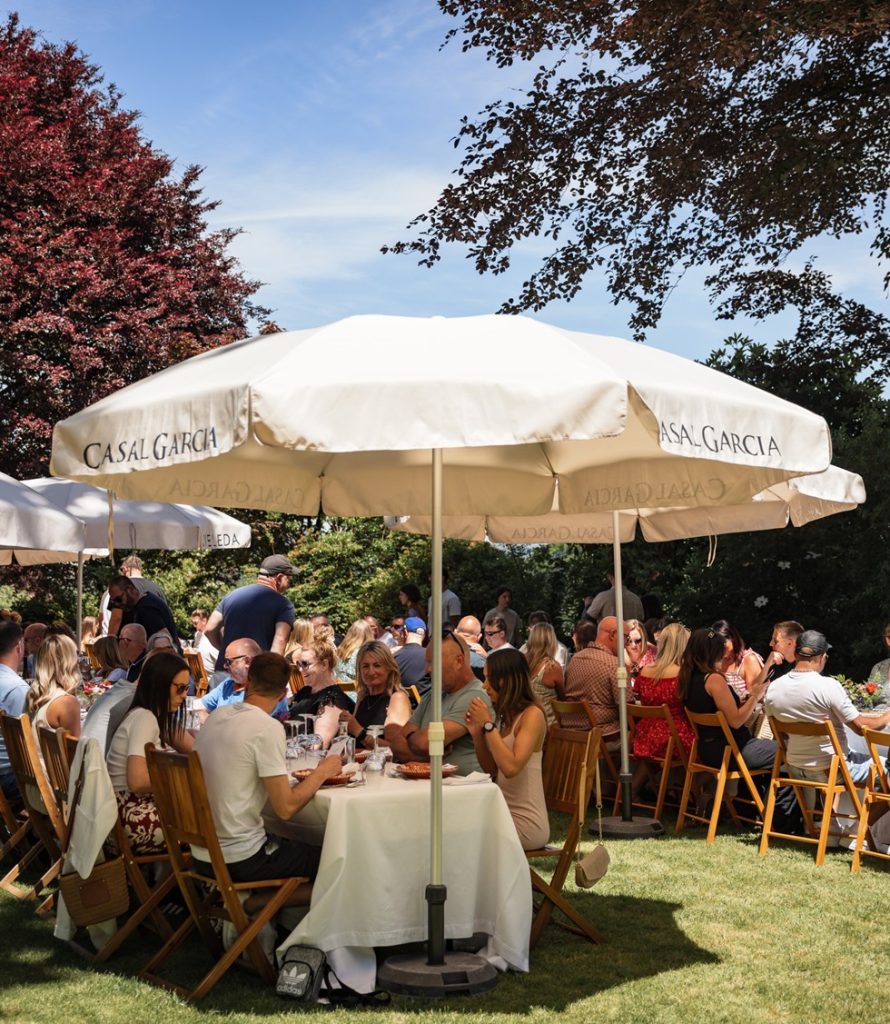
Both groups shared the same welcome, including a Rabelo boat tour along the Douro and a visit to the client’s manufacturing facility, before their paths diverged.
The result was one shared objective delivered through two distinct experiences, both shaped by the same incentive event management team working to a single brief.
3. Incentive experiences with a clear purpose
The strongest employee appreciation activities are tied to something specific: a sales target hit, a project delivered, a year of consistent performance, or a milestone reached ahead of schedule.
When the purpose is clear, the experience itself becomes part of the story people tell about what they achieved, rather than a disconnected treat that could just as easily have been given to anyone else in the business.
How incentive event management brings the experience together
Getting from “we want to recognise the team” to a finished, well-run event involves two distinct stages: shaping the concept, and then delivering it without a hitch.
1. Turning recognition goals into an event concept
Every strong programme starts with a goal, not a destination. Before any venue or itinerary is chosen, it helps to be clear on what the appreciation is actually for, who is being celebrated and what feeling the business wants people to leave with.
From there, incentive event management turns those goals into a concept, complete with a destination and an itinerary designed to deliver on them, rather than a generic package that happens to be available.
2. Managing the detail so the focus stays on the people
Once a concept exists, the practical side takes over: travel, accommodation, timings, suppliers and on-the-ground support. Done well, none of this is visible to guests; they simply experience a programme that runs smoothly from arrival to departure.
That invisible layer of planning is what allows the actual appreciation, the part where people feel genuinely valued, to come through clearly, instead of getting lost in logistics.
Closing Thoughts
Appreciation works best when it feels considered, relevant and true to the people being recognised, rather than generic or box-ticking. The aim is to make people feel seen for what they’ve actually done.
If you’re planning a recognition experience for your business, SEVEN’s recognition and incentives team can help shape it from concept through to delivery. Our incentive event management team would love to talk it through. Email us at hello@sevenevents.co.uk to start the conversation.
FAQs
What employee appreciation activities work for a London-based team?
A team celebration, a recognition event or a short away day can all work. Choose the format around what the team has achieved and how much time people can give.
How can an event recognise employees without feeling generic?
Name the specific contribution being celebrated and make space for that recognition in the programme. SEVEN can shape the experience around the people involved and the company’s culture.
Can a corporate away day be used to reward employees?
Yes. An away day can mark a milestone while giving colleagues time to connect outside their usual work setting.
How do you choose appreciation activities for different preferences?
Ask about the group’s interests and needs before settling on an itinerary. A shared programme can offer both energetic and more relaxed options.
What should an employee appreciation event include?
Start with a clear reason for the recognition, then plan activities and pacing that suit the guests. If travel is involved, include the arrangements and on-site support in the brief.