Why Do Some Conferences Leave A Lasting Impact While Others Are Quickly Forgotten?
What makes one conference memorable while another is quickly forgotten? Explore how audience insight, engaging content, thoughtful planning and seamless conference management create events with lasting impact.
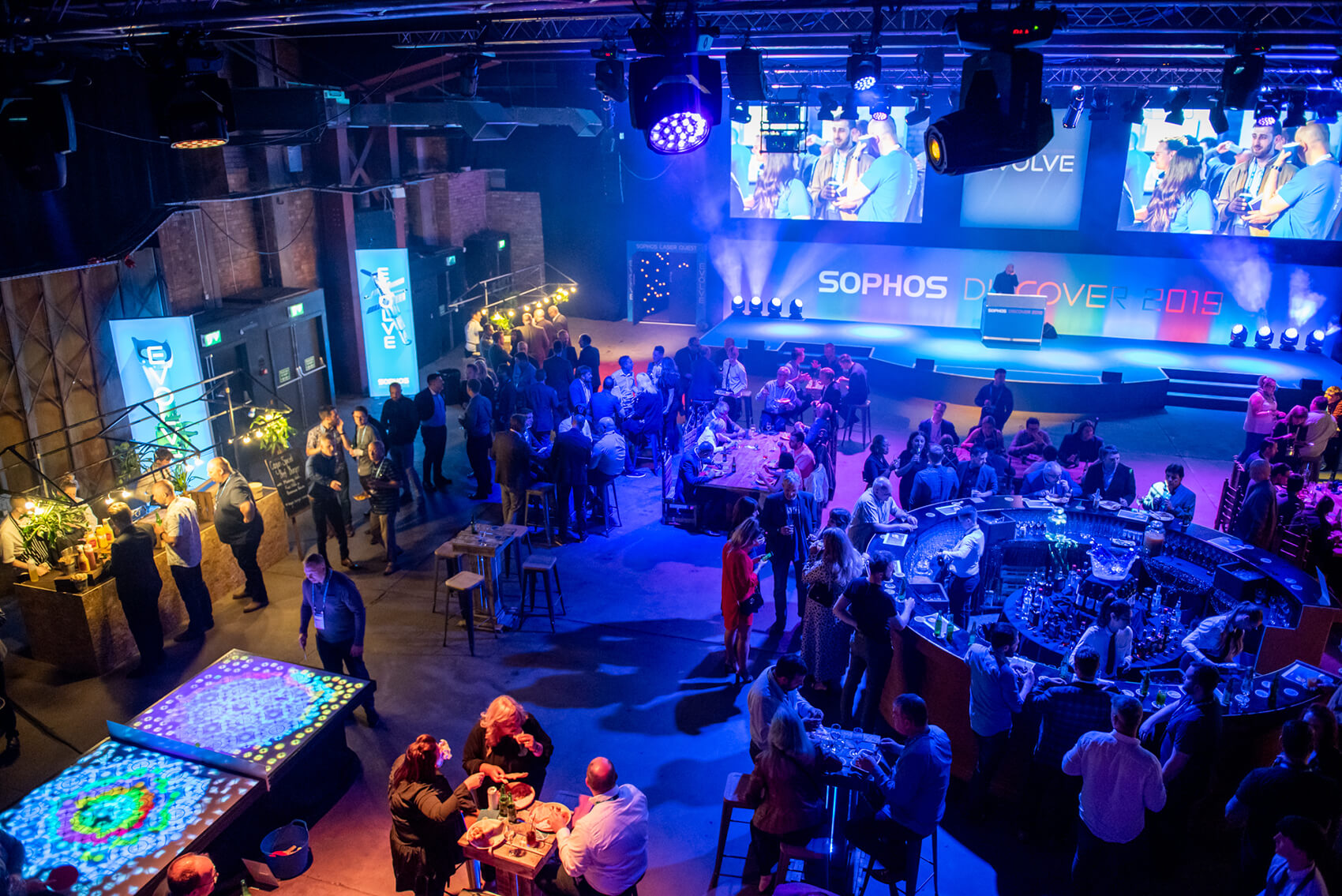
What makes one conference memorable while another is quickly forgotten? Explore how audience insight, engaging content, thoughtful planning and seamless conference management create events with lasting impact.
Some conferences stay with people long after the closing session ends. Others fade before the delegates have even left the car park. The difference comes down to how the day was built, and by whom.
The events people talk about months later are the ones where every part of the day was planned around the audience, what they needed to hear, how they wanted to take part, and how they wanted to feel by the time they left the room.
That takes a conference organiser who understands how to turn a brief into an experience people actually remember.
This is where SEVEN comes in. Having planned and delivered corporate events across the UK for years, the team has seen first-hand what separates a conference people are still discussing at their next team meeting from one that is quietly forgotten by lunchtime the next day.
What makes a conference memorable?
1. Understanding the audience and their expectations
Every audience arrives with a different set of expectations. A room full of senior leadership expects a different pace and tone than a room full of new starters at an all-company kickoff. Get this wrong, and even the most polished agenda falls flat. Get it right, and delegates feel like the day was built just for them, because it was.
2. Creating content people actually want to engage with
Content is where many events lose their audience. A packed schedule of back-to-back presentations, each running long, is a quick way to switch a room off.
The conferences people remember tend to mix things up: shorter sessions, interactive formats, panels that spark real discussion rather than a string of monologues, and enough variety to hold attention across a long day.
3. Designing opportunities for meaningful connections
Ask most delegates what they valued most about a conference and the answer is rarely a single slide from the main stage.
It is usually a conversation they had over coffee, a connection made during a breakout session, or a moment in the evening programme where people got to talk properly.
Building space for this into the day, rather than treating it as an afterthought, is part of what separates a good agenda from a great one.
4. Getting the overall experience right
From the moment guests arrive to the moment they leave, every part of the day shapes the impression they take home. The registration process, the room temperature, how easy it is to find the right session, whether the catering matches the pace of the day- these details rarely make the highlight reel. Still, guests notice immediately when they go wrong.
What Is The Role Of A Conference Organiser In Creating A Better Experience?
Behind the events that run without a hitch sits someone who has thought through every stage long before the doors open. Bringing all the elements together is where good conference event management earns its reputation.
1. Bringing strategy, planning and delivery together
The best approach starts with the outcome the client wants, not the format of the day.
Working backwards shapes everything from the choice of venue to the running order, rather than fitting the goals of the event into a template.
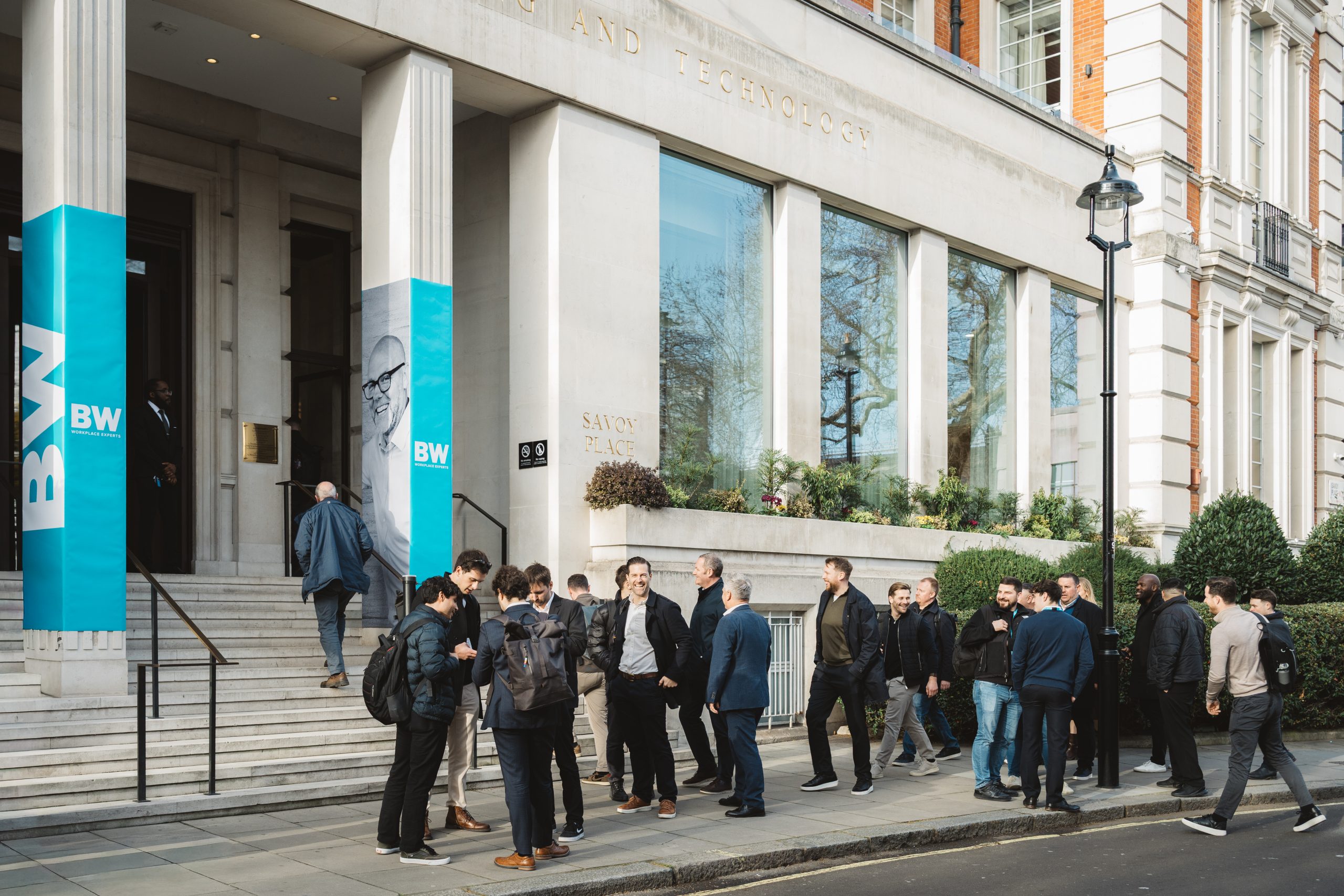
The 2026 BW annual conference is a good example of this approach.
Rather than defaulting to a traditional half-day conference, the brief was to create a high-impact, professional and people-first experience that could transition smoothly into the evening celebrations.

SEVEN responded by designing a tightly focused 90-minute programme at IET Savoy Place, followed by an afterparty overlooking the Thames.
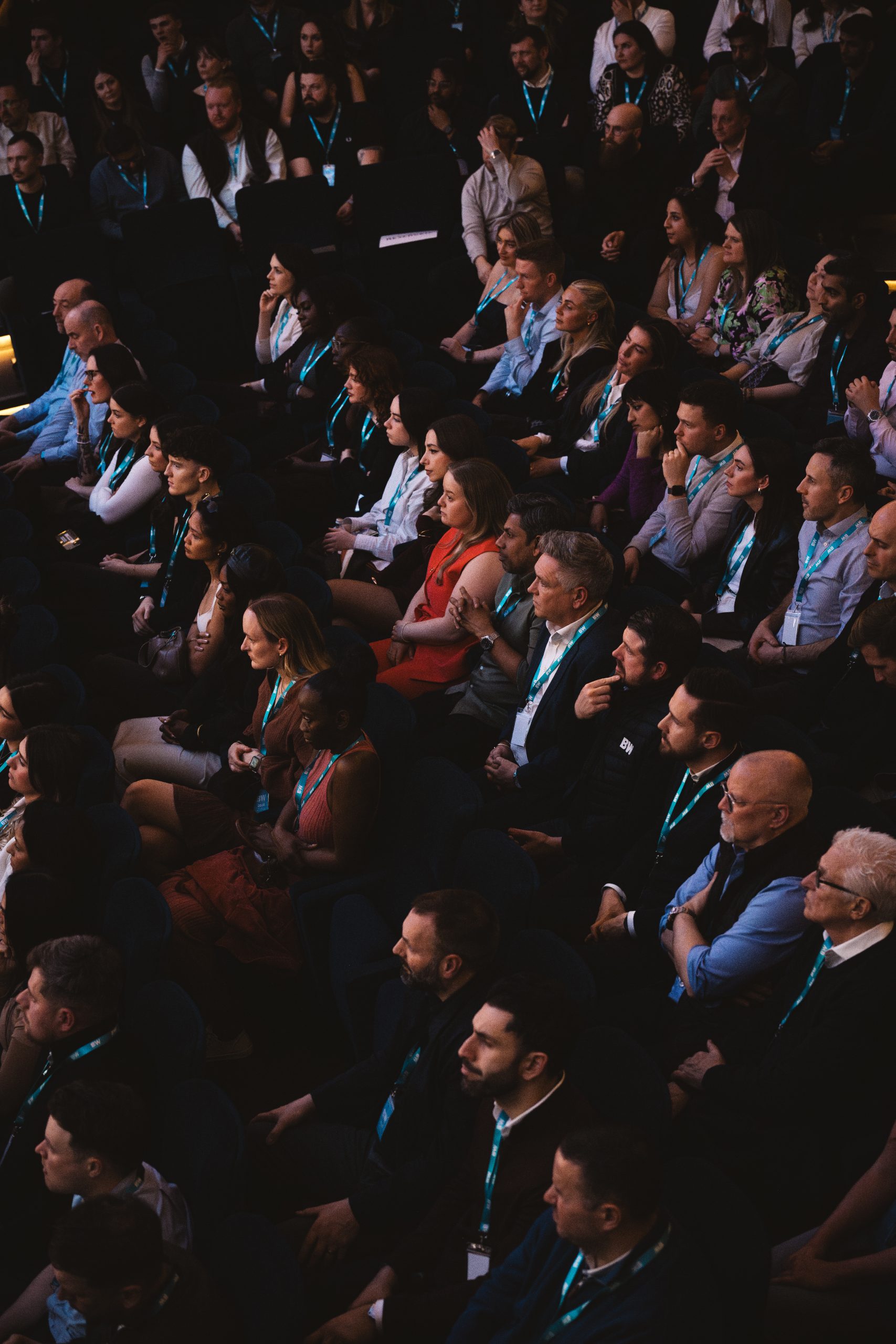
The result was a format shaped around the desired experience, with seven speakers, eighteen awards and three hundred attendees brought together through a carefully scripted show flow.
This demonstrates how strategy, planning and delivery need to work together to create an event that feels purposeful rather than simply busy.
2. Managing the details guests should never have to notice
Good conference event management is often invisible by design. AV that works the first time, a show flow that keeps to time without feeling rushed, staff who solve small problems before a guest even notices there was one: these are the marks of an experienced organiser at work. Guests should walk away remembering how the day felt, not the logistics that made it possible.
The BW conference demonstrates what this looks like in practice. Delivering seven speakers and eighteen awards within a 90-minute programme required precise timing and a tightly controlled show flow.

A large LED screen and bespoke animated artwork featuring BW’s own speakers created a fully branded environment, while quick transitions helped maintain energy without making the programme feel rushed.
The planning also extended beyond the conference itself. Once the formal programme ended, guests moved into the Riverside Room for an afterparty with premium drinks, curated food and a live roaming band.

The transition from conference to celebration was therefore part of the overall event experience, rather than an afterthought.
Most importantly, the client feedback supports the impact of this behind-the-scenes work.
BW described SEVEN as a team that “took all the pressure off and always stayed one step ahead”, adding that the result was a “seamless event” with fantastic feedback and that many attendees called it “the best conference yet”.
This is a strong example of what effective conference event management should achieve: the organiser handles the complexity, so the client and guests can focus on the experience.
How to measure whether a conference has made an impact
A successful conference doesn’t end when the lights come up. The real test is what happens after: whether people are still talking about a session weeks later, whether contacts made in the room turn into real conversations, and whether the business goals behind the event were actually met.
Feedback forms have their place, but the most useful signals often come from elsewhere.
- Are delegates sharing photos and moments from the day on their own channels?
- Are teams referencing something from the conference in meetings months down the line?
- Is there a noticeable uptake in whatever the conference was designed to support?
This is where strong conference event management earns its keep. Good measurement gets built into the plan from day one, rather than treated as a box to tick once the event is over. That means setting clear goals before the day starts, not just counting attendees afterwards.
Bottom Line
The conferences that stay with people are built around people, not just logistics and a running order.
Getting the strategy right, understanding what the audience actually needs, and handling every detail so guests never have to think about it.
That’s what separates an event people remember from one they forget by the following week. It’s the kind of experience SEVEN has spent years perfecting, and it starts long before the doors open.
FAQs
What London planners organise multi-day corporate conferences?
London has a range of experienced event agencies that plan multi-day corporate conferences, from small specialist teams to full-service agencies like SEVEN, who manage everything from venue sourcing to on-site delivery across several days.
How do I choose the best conference organiser for my business event?
Look for a partner with a proven record in your type of event, clear communication from the first briefing, and the ability to handle both the creative side of the day and the operational detail that keeps it running.
What are the best conference organisers for large-scale corporate events in the UK?
The strongest teams for large-scale UK events tend to have experience across major venues, strong supplier relationships, and enough people to manage every element of the day without passing risk back to the client.
How do the best conference organisers manage logistical challenges in multi-venue events?
Strong teams plan for multi-venue logistics from the outset, building in contingency time, dedicated on-site staff at each location, and clear communication systems so that any issue gets resolved before guests notice.