Employee Appreciation Activities That Strengthen Company Culture and Engagement
Employee appreciation activities are a powerful way to strengthen workplace culture, improve employee engagement, and recognise achievements in meaningful ways. This guide explores creative appreciation event ideas, incentive travel, team-building experiences, and structured recognition programmes that help organisations build stronger relationships, increase retention, and create a culture where employees feel genuinely valued.

Employee appreciation activities are a powerful way to strengthen workplace culture, improve employee engagement, and recognise achievements in meaningful ways. This guide explores creative appreciation event ideas, incentive travel, team-building experiences, and structured recognition programmes that help organisations build stronger relationships, increase retention, and create a culture where employees feel genuinely valued.
Recognition rarely appears on a balance sheet, yet it influences some of the metrics businesses value most: retention, engagement, and productivity. Employees who feel genuinely valued are more likely to stay, collaborate effectively, and contribute to a positive workplace culture.
Most employees who quit their jobs cite a lack of appreciation as a key reason for leaving, a figure that should sit at the top of every HR Director’s agenda. And yet, for many organisations, recognition remains an annual gesture rather than a sustained strategy.
The most successful companies treat employee appreciation activities as a genuine business investment, not an occasional reward. When designed and delivered well, they strengthen relationships, reinforce company values, and create a culture where people feel valued throughout the year, not just during performance reviews.
Why Employee Appreciation Activities Matter Beyond the Moment
Employee appreciation helps people feel recognised for the value they bring. Consistent recognition strengthens culture, reinforces positive behaviours, and keeps employees engaged..
Well-planned employee appreciation activities can:
- Strengthen workplace culture and team connections.
- Reinforce company values through meaningful recognition.
- Increase motivation by celebrating individual and team achievements.
- Create memorable experiences that leave a lasting impression.
This Monaco Grand Prix incentive programme rewarded high-performing employees with an experience built around one of the world’s most iconic sporting events. Rather than a traditional awards ceremony, the programme used shared experiences to celebrate success, strengthen relationships, and make employees feel genuinely valued.
The most effective employee appreciation activities are about creating moments that employees remember long after the event has ended.
Employee Appreciation Activity Ideas That Actually Work
The most memorable appreciation events are not necessarily the most expensive. They are the ones that reflect the organisation’s culture, encourage genuine interaction, and create shared experiences employees carry with them long after the event ends.
Before choosing an activity, the most effective organisations ask four questions: What behaviour or achievement are we recognising? Who are we recognising, and what matters to them? How do we make this inclusive for in-person, remote, and hybrid team members? And how will we know it worked?
With that foundation in place, the following employee appreciation activities consistently deliver lasting impact.
1. Recognition and Awards Ceremonies
Formal recognition remains one of the most effective appreciation formats when it is delivered thoughtfully. Awards ceremonies, milestone celebrations, and peer recognition events allow organisations to acknowledge individual and team achievements publicly, and that social dimension is what makes them land differently from a bonus payment or an email.
The key is specificity. Awards tied to named achievements, written nominations, and personal stories carry far more weight than generic trophies.
When the room hears why someone is being recognised, the project they saved, the client relationship they built, the team they carried through a difficult period, the moment resonates beyond the individual and reinforces the values the whole organisation aspires to.
2. Incentive Travel and Group Experiences
Incentive travel remains one of the most powerful employee appreciation activities because an extraordinary shared experience creates memories that last far beyond the event itself.
The destination matters less than the experience. The most successful incentive programmes are designed around the people being recognised, their achievements, and the moments that matter most to them.

A great example is the Unforgettable Monaco Grand Prix Incentive. High-performing employees were rewarded with an experience built around one of the world’s most iconic sporting events, complemented by curated hospitality, local experiences, and opportunities to connect outside the workplace.
Rather than simply celebrating success, the programme created a memorable experience that recognised achievement in a meaningful and lasting way.
3. Team Building and Shared Experiences
Team experiences build the kind of informal relationships that formal structures rarely create. Activities such as creative workshops, escape room challenges, cookery experiences, and innovation sessions give colleagues a different context in which to connect, helping break down departmental barriers and building trust outside of daily pressures.
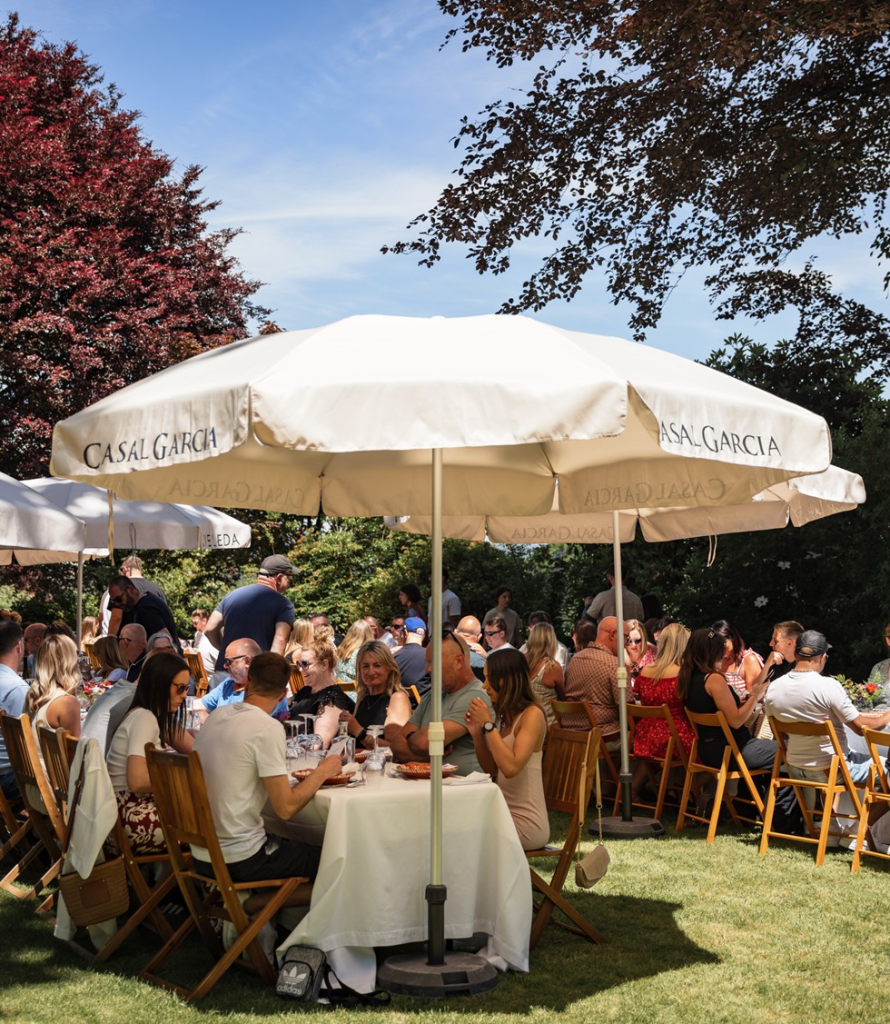
This approach can be seen in the Power up Porto! programme, where colleagues came together through a series of shared experiences designed to celebrate success and strengthen relationships.
By creating opportunities to connect outside the workplace, the programme encouraged collaboration in a way that extended well beyond the event itself.
The most effective employee engagement events encourage participation rather than observation, helping employees build stronger connections regardless of seniority, location, or role.
4. Structured Appreciation Programmes
Individual events are valuable. Structured programmes are transformative.
A year-round appreciation strategy, combining regular peer recognition, quarterly events, milestone celebrations, and an annual culminating experience, creates a genuine culture of recognition rather than a series of isolated gestures.
Employees who receive frequent recognition are 5x more likely to feel valued and motivated. Frequency and consistency compound the impact of individual moments into something that genuinely shifts how people experience their working lives.
5. Wellbeing and Learning Experiences
Supporting employee wellbeing and development is one of the strongest demonstrations of appreciation an organisation can offer, because it invests in people as individuals, not just as contributors to business performance.
Wellbeing experiences, outdoor retreats, mindfulness sessions, fitness activities, and resilience workshops provide valuable time away from daily pressures while reinforcing a culture of care.
Learning experiences, leadership masterclasses, innovation sessions, and guest speakers combine recognition with development, leaving employees feeling inspired and invested. Both formats strengthen the organisational culture and employee experience that sustain long-term engagement.
What Makes Incentive Event Management Deliver Real Results?
The gap between an employee appreciation activity that people remember and one they forget within a fortnight almost always comes down to how it was designed and managed.
Incentive event management is the professional discipline of creating structured recognition and reward experiences aligned to business objectives, not simply organised occasions. Done properly, it means:
- Defining what behaviour or achievement is being recognised and why
- Designing an experience proportionate to and personal to that recognition
- Managing every logistical detail so the experience itself is seamless
- Measuring participation, engagement, and impact afterwards
The most successful appreciation programmes are built around the people they are designed to recognise. That means starting with culture, objectives, and employees before designing an experience, which is precisely where professional incentive event management adds its greatest value.
At SEVEN Events, our recognition and incentives service is built around this approach. Our team works as an extension of yours, combining creative thinking with meticulous delivery to create experiences that make people feel genuinely valued. Speak to our team about your next employee appreciation programme.
Closing Thoughts
Creating a culture of appreciation is not about organising more events. It is about creating the right experiences, ones that feel personal, timely, and proportionate to the people being recognised.
When employee appreciation activities are delivered well, they do more than mark an occasion. They strengthen workplace relationships, reinforce the values that define an organisation’s culture, and build a sense of belonging that keeps talented people engaged and committed.
Supported by thoughtful incentive event management, they become some of the highest-return investments a business can make, in its people and in the culture it is working to build.
FAQs
Why are employee appreciation activities important?
Employees who feel genuinely appreciated are more likely to stay engaged, contribute their best work, and build stronger relationships with their teams. Consistent appreciation fosters trust, boosts morale, and creates a workplace culture where people feel valued, not just for what they achieve, but for the impact they make every day
What are the best employee appreciation event ideas?
The most impactful activities are tied to specific achievements and designed around the people being recognised: recognition and awards ceremonies, incentive travel programmes, team building experiences, structured year-round appreciation programmes, and wellbeing and learning events tailored to the organisation’s culture.
What is incentive event management?
Incentive event management is the professional design and delivery of structured recognition and reward experiences, aligned to business objectives, managed end-to-end, and evaluated for impact. It transforms a one-off gesture into a sustained programme that consistently drives engagement, performance, and retention.
How often should companies organise appreciation events?
Employee appreciation is most effective when it’s part of an ongoing recognition strategy, not a one-off event. Regular recognition throughout the year, from milestone celebrations to team experiences, helps reinforce company values and create a culture where employees feel consistently valued.