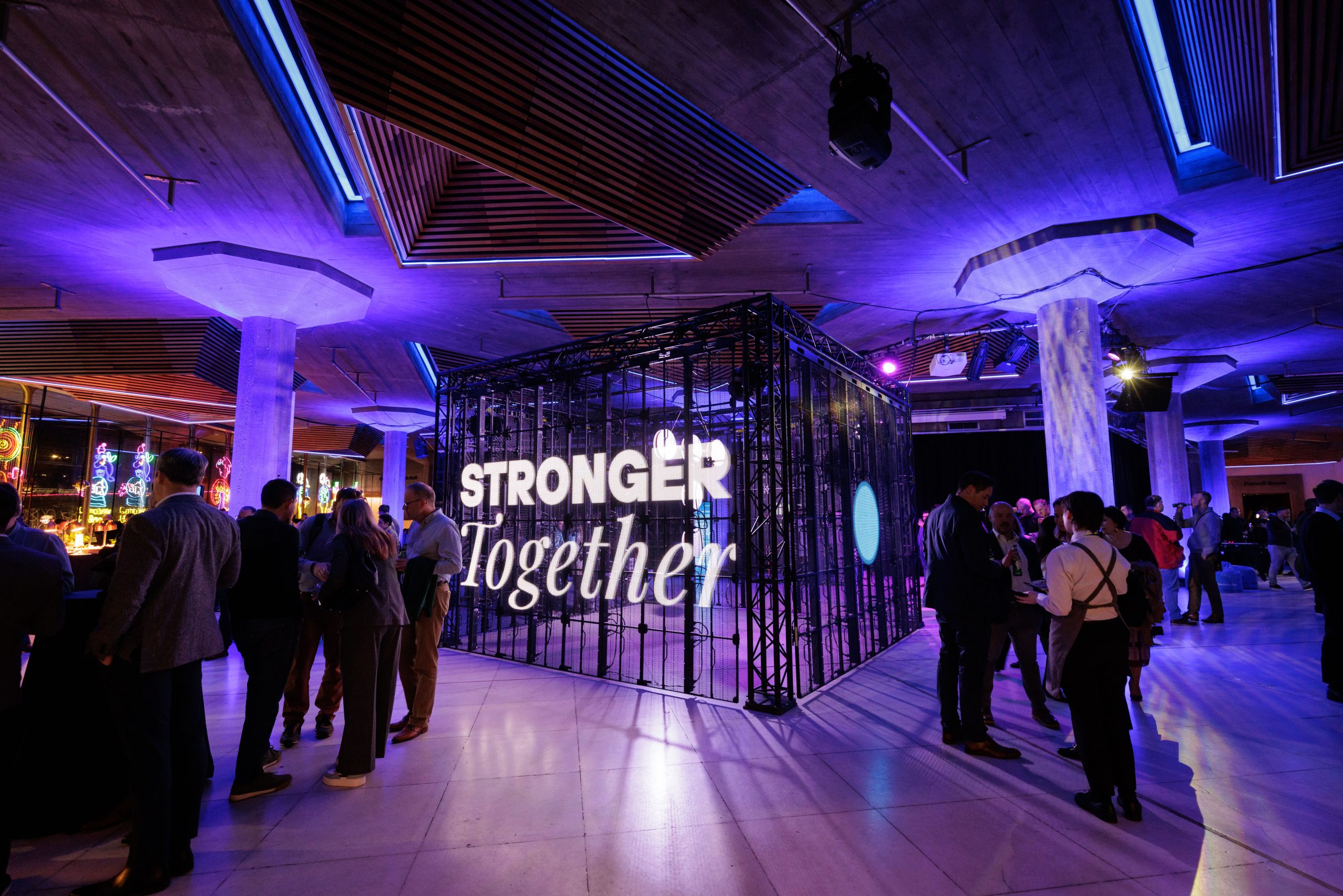
Branding and Storytelling: How Content Creation Builds Stronger Brand Experiences
Branding and storytelling help businesses create meaningful connections that extend far beyond individual campaigns. This guide explores how strategic brand storytelling, brand content creation, and event content creation work together to build trust, strengthen brand recognition, and create memorable experiences that continue delivering value long after an event ends.
Branding and storytelling help businesses create meaningful connections that extend far beyond individual campaigns. This guide explores how strategic brand storytelling, brand content creation, and event content creation work together to build trust, strengthen brand recognition, and create memorable experiences that continue delivering value long after an event ends.
People do not remember what a brand said. They remember how it made them feel, the story that stayed with them, the experience that changed their perception, the content that made them see the brand differently.
Trust isn’t built through advertising claims alone. It grows through consistent storytelling that connects a brand’s values with the experiences people have at every touchpoint. That’s why branding and storytelling are a strategic business tool, not simply a creative exercise
Let’s understand what brand storytelling genuinely involves, how brand content creation brings stories to life, and how event content creation extends that impact far beyond a single day.
Why Branding and Storytelling Go Hand in Hand?
People do not build relationships with logos or taglines. They connect with ideas, emotions, and experiences that reflect their own values and aspirations. Branding and storytelling give a brand personality, helping audiences understand not only what a business does but why it matters.
A strong brand story creates consistency across every interaction. Whether someone discovers an organisation through social media, attends a conference, watches a product launch, or reads a customer success story, each touchpoint should reinforce the same narrative. This consistency builds familiarity, and familiarity builds trust.
Storytelling helps organisations stand out in competitive markets. While products and services can often be replicated, a compelling brand story is much harder to copy. It gives audiences a reason to choose one organisation over another.
What are The Foundations of Effective Brand Storytelling?
Great brand storytelling starts with a clear strategy. Every piece of content, campaign, and experience should reinforce the same brand identity. The strongest approaches are built on five key foundations:
- Brand purpose: Define what you stand for and let that purpose guide every communication.
- Audience understanding: Build stories around your audience’s needs, motivations, and challenges, not your organisation.
- Consistent messaging: Keep your messaging, tone of voice, and brand values aligned across every channel and touchpoint.
- Authentic voice: Honest, genuine communication builds stronger connections than carefully crafted personas.
- Long-term consistency: Strong brands evolve over time while staying true to a clear and recognisable story.
How to Turn Your Brand Stories Into Real Experiences?
A brand story has the greatest impact when people experience it rather than simply read about it. While digital content introduces audiences to a brand, live experiences allow them to see its values, personality, and purpose in action.
Conferences, product launches, exhibitions, employee engagement events, and incentive travel programmes all provide opportunities to strengthen the relationship between a brand and its audience. Experiential marketing works because it places the audience inside the story rather than presenting the story to them from a distance.
Every element of a live event, from the creative concept to the delegate journey, communicates something about the brand. When these touchpoints work together, they reinforce a consistent story that audiences can experience, not just hear
A good example is SEVEN’s work with Sophos, where the event was designed as a natural extension of the brand rather than a standalone experience.
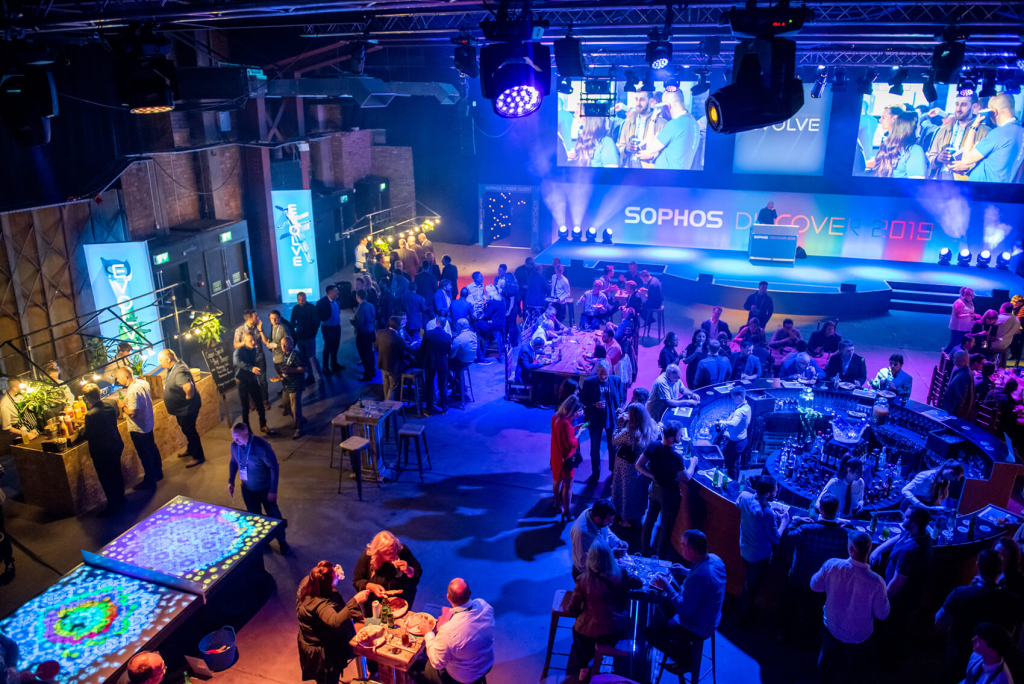
Every touchpoint, from the creative concept and delegate journey to the production and supporting content, reflected the same values and messaging. By ensuring every interaction reinforced a consistent narrative, the event strengthened brand recognition and gave attendees a clear understanding of what Sophos stands for.
This is SEVEN’s core belief: events are not separate from the brand story. They are its most powerful chapters.
Brand Content Creation That Extends the Experience
An event should never be treated as a single-day activity. Some of the most valuable brand engagement happens before and after through carefully planned event content creation.
1. Event Content Creation
Before the event, content builds anticipation and sets expectations such as speaker announcements, behind-the-scenes previews, teaser videos, and thought leadership articles that prime the audience and reinforce campaign messaging.
During the event, real-time content captures the energy of the experience and extends its reach beyond those in the room:
- Live social media updates and story content
- Professional event photography
- Short-form video highlights and speaker clips
- Audience testimonials and reaction interviews
- Live streaming for remote participants
After the event, content continues to deliver value long after the venue has closed. Highlight films, keynote recordings, recap blogs, customer success stories, and downloadable resources maintain momentum and reach audiences who could not attend.
The key is planning content capture before the event, not scrambling for it after. Brands that build content production into the event extract weeks of brand storytelling from a single day.
2. Video and Visual Storytelling
Video is one of the most effective ways to bring a brand story to life. It captures genuine moments, authentic interactions, and the atmosphere of an event in a way that static content often cannot. Rather than simply describing an experience, it allows audiences to see it for themselves.
From short-form highlights and speaker interviews to behind-the-scenes footage and event photography, visual content extends the life of an event well beyond the day itself.
It provides brands with valuable assets that can be repurposed across websites, social media, marketing campaigns, and future events, helping every experience continue to engage audiences long after it has ended.
3. Thought Leadership, Customer Stories, and Social Proof
The most trusted form of brand content creation puts the audience’s voice at the centre. Customer success stories, delegate testimonials captured at events, peer recommendations, and thought leadership that addresses real buyer problems- these are the formats that build credibility without requiring the brand to claim it directly.
Marketers prioritise building trust and credibility over engagement or lead generation as their primary content objective, because they understand that trust is what converts interest into commitment.
How to Make Brand Storytelling Work Consistently?
Compelling stories told inconsistently still produce fragmented brands. Three things determine whether branding and content creation deliver sustained commercial impact:
- A defined narrative that every piece of content traces back to
- A content repurposing strategy that extracts maximum value from every event and campaign
- Measurement beyond reach tracking brand recall, message consistency, and commercial outcomes, not just impressions
Useful metrics to track include brand awareness and recognition, audience engagement across digital and live channels, video completion rates, event attendance and post-event sentiment, website traffic from content, lead generation, and customer perception over time.
Common storytelling mistakes to avoid:
- Talking about the organisation rather than the audience
- Inconsistent tone of voice across channels and teams
- Treating events as separate from the wider marketing strategy
- Creating content only after an event, rather than planning it beforehand
- Publishing content without a narrative strategy connecting it to the brand story
At SEVEN Events, storytelling sits at the centre of every experience we create. We plan content capture as part of every event we deliver, ensuring that photography, video, and campaign content are produced to brand standards from the first moment.
Our storytelling and content creation service covers everything from concept development and creative production to event content creation and post-event campaigns. For clients including Telefónica Tech, Just Eat, and Sophos, we have turned single events into sustained content assets that continued building brand recognition and audience engagement for months.
Speak to our team about making your next event a storytelling opportunity.
Bottom Line from SEVEN
Strong brands aren’t built through isolated campaigns or one-off moments. They’re built through consistent stories that people experience across every interaction, whether they’re reading a blog, watching a video, attending a conference or engaging with your team.
Successful branding and storytelling bring together strategy, creativity and experience to create a narrative that audiences recognise, trust and remember. When supported by thoughtful brand content creation and planned event content creation, every touchpoint reinforces the same message, extends the life of your campaigns and strengthens long-term brand value.
The brands that stand out aren’t simply the ones that communicate more. They’re the ones who communicate consistently. Stories create emotional connections. Experiences make those stories real. Content ensures they continue to influence audiences long after the moment has passed.
FAQ
What is brand storytelling?
Brand storytelling is the strategic use of authentic stories to communicate a brand’s purpose, values and personality, helping build trust and lasting customer connections.
Why is storytelling important in branding?
Storytelling creates emotional connections, strengthens brand recognition and builds the trust that influences customer decisions and long-term loyalty.
What is brand content creation?
Brand content creation involves producing blogs, videos, social media, event content and customer stories that consistently communicate a brand’s message.
How can storytelling improve customer engagement?
Storytelling makes content more relatable and memorable, encouraging deeper engagement, stronger brand recall and lasting audience relationships.