How to Measure the ROI of Your Conference?
A full room does not always mean a successful conference. You can have strong attendance, good speakers, and smooth delivery, yet still struggle to understand what the event actually achieved. This is where measuring conference ROI becomes important. If you are investing time and budget into an event, you need a clear way to evaluate its impact not just on the day, but beyond it. This guide explains how to approach conference ROI in a practical, measurable way that aligns with your business goals.

A full room does not always mean a successful conference. You can have strong attendance, good speakers, and smooth delivery, yet still struggle to understand what the event actually achieved. This is where measuring conference ROI becomes important. If you are investing time and budget into an event, you need a clear way to evaluate its impact not just on the day, but beyond it. This guide explains how to approach conference ROI in a practical, measurable way that aligns with your business goals.
What is Conference ROI?
Conference ROI is the total value generated from your event compared to the cost of delivering it. But this value is not limited to direct revenue.
A meaningful ROI view includes:
- Revenue influenced or generated
- Pipeline created through leads and conversations
- Audience engagement and participation quality
- Brand visibility and positioning impact
- Relationship building with key stakeholders
In practice, the most effective conferences are those where ROI is defined before the event begins, not calculated after it ends. This ensures planning decisions are aligned with measurable outcomes from the start.
Working with experienced conference organisers helps embed ROI thinking into the event structure itself, rather than treating it as a reporting exercise later.
What are the Key Ways to Measure Conference ROI?
A robust measurement approach combines behavioural, commercial, and perception-based indicators.
1. Attendance and Engagement Depth
Attendance shows reach, but engagement shows relevance.
Beyond registrations, measure:
- Session attendance vs drop-off rates
- Time spent in sessions
- Q&A participation and interaction levels
- Networking activity during the event
This helps understand whether the content actually held attention.
2. Lead Generation and Quality
Conference leads vary in value, so quality matters more than volume.
Measure:
- Number of leads captured
- Relevance of job roles and decision-making authority
- Engagement level during conversations or sessions
- Post-event follow-up response rates
This gives a clearer indication of commercial potential.
3. Revenue Influence and Pipeline Creation
Not all revenue is immediate. Conferences often influence deals that close later.
A strong ROI model tracks:
- Pipeline value created during or after the event
- Opportunities influenced by event interactions
- Conversion rates over time
This is especially important in B2B environments where decision cycles are longer.
4. Brand Awareness and Market Reach
Conferences also shape how your brand is perceived.
Measure:
- Social media mentions and engagement
- Event-related impressions and reach
- Media coverage or industry visibility
- Sentiment before and after the event
This helps understand positioning impact beyond direct business outcomes.
A professional event production services provider can help track and optimise these metrics effectively.
What are the Tools to Track Conference Performance?
Accurate measurement depends on the right systems working together.
- CRM systems for lead tracking and pipeline visibility
- Event platforms for registration and engagement data
- Feedback tools for structured audience insights
- Social analytics tools for reach and sentiment tracking
When integrated properly, these tools form a complete event measurement framework that connects engagement to outcomes.
A reliable event planner UK can integrate these tools into your event planning process.
How Incentives and Experiences Impact ROI?
Incentives and experiential elements influence ROI by changing how people engage with an event, not just how they attend it. When participants are emotionally invested, they are more likely to participate actively, retain key messages, and follow through after the event.
This is where Return on Experience (ROE) becomes equally important. While ROI measures tangible business outcomes, ROE focuses on the quality of the participant experience — how attendees feel, connect, and respond during and after the event. A strong ROE often drives stronger ROI because meaningful experiences create deeper engagement, stronger brand affinity, and more lasting behavioural change.
For example, well-designed employee appreciation activities don’t just improve satisfaction in the moment; they strengthen motivation, create a sense of belonging, and increase the likelihood of sustained performance and engagement afterwards. By measuring both ROI and ROE, organisations can better understand not only the financial impact of an event, but also the emotional and behavioural outcomes that contribute to long-term success.
How Conference Design Impacts ROI?
ROI is influenced long before the event begins. Every design decision affects how people experience and engage with the conference.
Venue choice, agenda structure, speaker flow, and audience journey all contribute to outcomes. A poorly structured agenda can reduce engagement even if the content is strong, while a well-designed flow can significantly improve retention and interaction.
For a deeper planning approach, see how to organise a corporate conference in London.
What are the Common Mistakes When Measuring ROI?
Many organisations still under-measure conferences by focusing only on surface-level data.
Common issues include:
- Over-reliance on attendance numbers
- Ignoring long-term pipeline impact
- Lack of clearly defined KPIs before the event
- Fragmented data across multiple tools
Without structure, it becomes difficult to understand what actually worked and why.
Why Work with an Events Management Agency?
A strong events management agency does more than deliver an event. It aligns strategy, content, logistics, and measurement so everything works towards the same outcome. This becomes especially important when the goal is not just execution, but measurable impact.
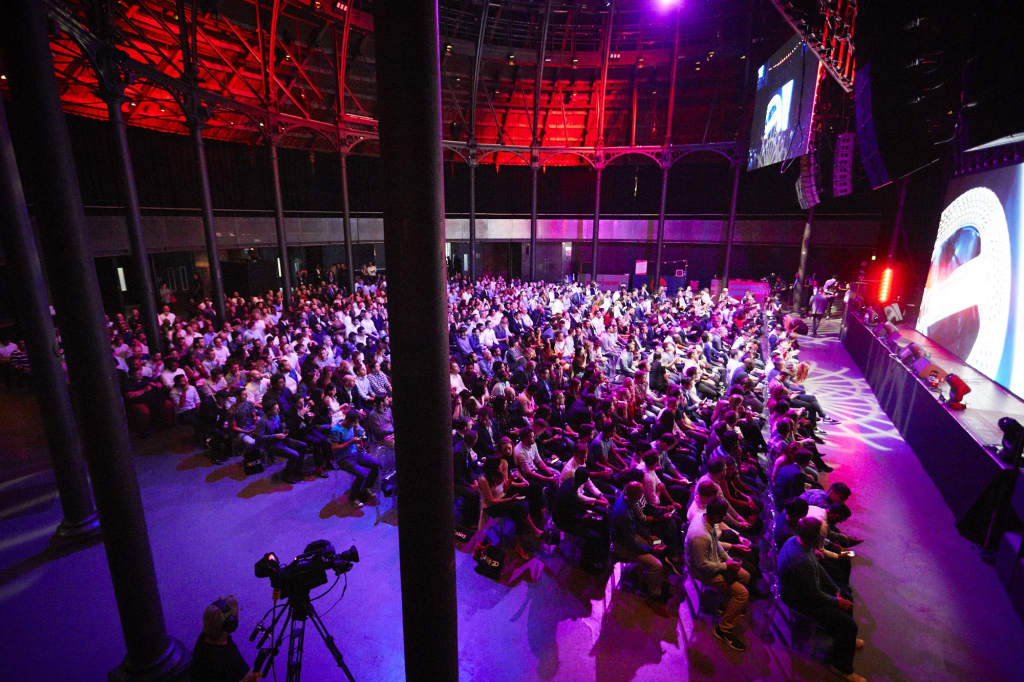
The event combined a structured conference with a high-impact evening transformation. A custom stage design and large-scale LED production supported clear communication during the day, while the space was later reimagined into a live celebration with performances and immersive production.
The strength of the event came from how seamlessly content, experience, and delivery worked together. It ensured both strategic alignment and strong engagement in one cohesive experience.
This is where the right agency adds value by ensuring every element contributes to the same goal, rather than working in isolation.
Bottom Line
Conference ROI is not a single metric; it is a combination of engagement, influence, and commercial impact. The real value comes from understanding how these elements connect over time.
A structured event measurement framework ensures conferences are not just delivered, but continuously improved. When planning, experience, and measurement are aligned, conferences become powerful tools for both communication and business growth.
Looking to improve your next event? Connect with expert conference and event organiser services today.
FAQs
1. What is conference ROI in simple terms?
Conference ROI is the overall value gained from a conference compared to its cost. It includes financial returns, engagement, and long-term business influence rather than just immediate sales.
2. Why is a measurement framework important for events?
Because conference outcomes are spread across multiple touchpoints and timelines, a structured framework ensures all impact – short-term and long-term – is captured and understood clearly.
3. What is the best way to measure conference success?
The most reliable approach combines engagement data, lead quality, pipeline influence, brand visibility, and attendee feedback rather than relying on a single metric like attendance.