10 Event Planning Tips for Both Large and Small Corporate Events
Corporate events play a central role in how organisations communicate and grow. Strong corporate event planning shapes brand perception and business relationships across the UK. This checklist shares 10 proven corporate event planning tips designed for both small and large corporate gatherings. Use it as a planning guide or share it with your internal team or chosen event planning company.

Corporate events play a central role in how organisations communicate and grow. Strong corporate event planning shapes brand perception and business relationships across the UK. This checklist shares 10 proven corporate event planning tips designed for both small and large corporate gatherings. Use it as a planning guide or share it with your internal team or chosen event planning company.
1. Define Clear Objectives Before You Begin Corporate Event Planning
Every effective event planning process starts with clarity. What should the event achieve? Revenue growth, staff engagement, client retention or brand positioning?
Without defined objectives, decisions become reactive. Budget allocation, venue selection and content direction all depend on purpose.
Strong corporate event management tips always begin with a written brief covering:
- Event goals
- Target audience
- Budget parameters
- Key messages
- Success measures
2. Build a Realistic Budget for Successful Corporate Event Planning
Budget planning determines what is possible. It also prevents unwelcome surprises. Break your budget into categories:
- Venue hire
- Catering
- Audiovisual production
- Entertainment
- Staffing
- Branding
- Contingency
These structured financial decisions form part of practical corporate event tips for businesses of every size.
For large conferences, production and staging often require significant investment. For smaller networking events, catering and venue hire usually represent the highest spend.
A contingency allowance of around ten per cent protects your budget against unexpected costs such as transport disruption or last-minute technical requirements. A trusted event planning company will advise on realistic projections based on experience across the market.
3. Choose the Right Venue as Part of Strategic Corporate Event Planning
Venue selection influences atmosphere, guest comfort and brand perception. It must align with the purpose of your event.
Leadership meetings benefit from private dining rooms or boutique hotels. Industry conferences require venues with strong technical infrastructure and flexible layouts.
When reviewing options, weigh:
- Capacity and layout flexibility
- Accessibility via rail or underground
- In-house technical capabilities
- Catering quality
- Sustainability policies
Accessibility and sustainability now shape many corporate event management tips. Businesses increasingly request environmentally responsible venues and inclusive design.
Visiting the venue before confirming your booking gives clarity and prevents layout surprises on the day.
4. Create an Engaging Agenda Using Corporate Event Management Tips
A well-designed programme keeps attention high and reinforces key messages.
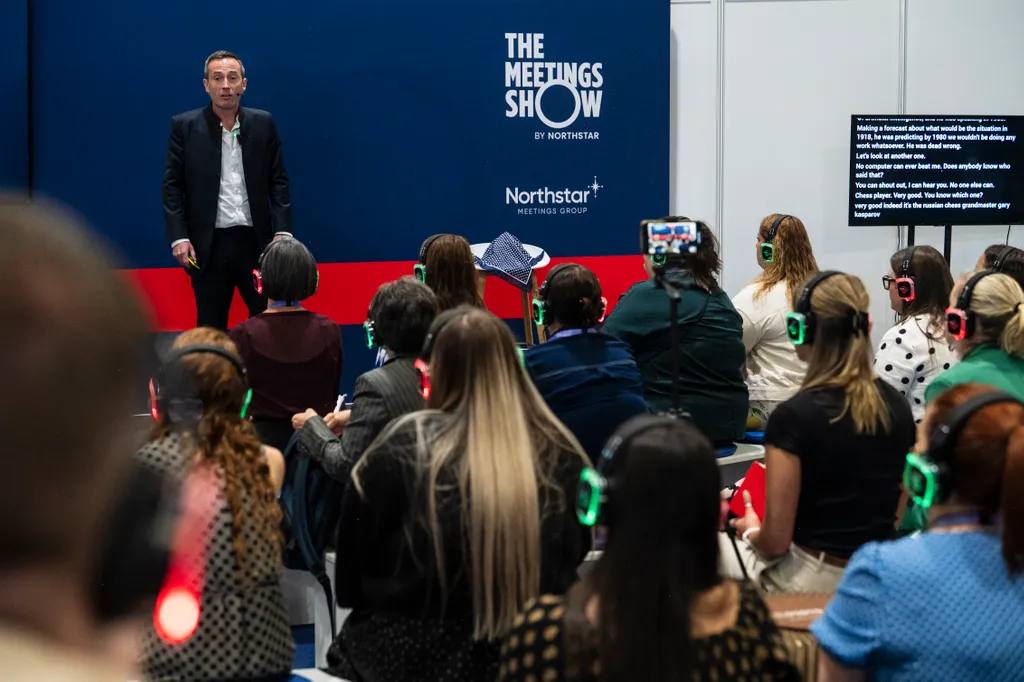
Shorter speaker sessions often hold attention better than extended presentations. Moderated discussions and live audience participation create energy. When planning your agenda, consider:
- Professional hosts
- Panel discussions
- Audience polling
- Branded visuals
- Structured networking sessions
5. Develop a Detailed Timeline for Smooth Corporate Event Planning
Strong corporate event planning tips always include timeline management. Without structured planning, tasks drift, and pressure builds close to the event date.
Create a master schedule that includes:
- Supplier booking deadlines.
- Design approvals.
- Guest communication milestones.
- Rehearsal timings.
- Set up and breakdown schedules.
For large-scale event planning, production rehearsals are necessary. Speakers, lighting cues and audiovisual transitions must be tested in advance.
An experienced event planning company will coordinate these moving parts so internal teams can focus on strategy and guests.
6. Communicate Clearly with Your Event Planning Company and Suppliers
Events succeed through collaboration. Clear communication prevents confusion and delays.
Provide written briefs to caterers, production teams, entertainers and venue managers. Confirm arrival times, dietary requirements and technical specifications well before the event date.
Communication sits at the centre of effective corporate event management tips. When every supplier understands the objective, delivery improves.
Appointing a single decision maker within your organisation reduces crossed messages and accelerates approvals. This approach strengthens your overall event planning process.
7. Prioritise Guest Experience Across Every Stage of Corporate Event Planning
Guest experience shapes reputation. From the first invitation to the final farewell, each interaction matters. Consider:
- Registration efficiency
- Clear signage
- Welcoming reception teams
- Comfortable seating
- Quality catering
For smaller events, personal touches such as handwritten place cards can create warmth. For large conferences, structured networking areas and branded installations create memorable moments.
These details represent practical corporate event tips that leave a lasting impression.
8. Manage Risk and Compliance Within Corporate Event Planning
Risk management is part of responsible event planning. UK health and safety regulations require structured preparation. Confirm:
- Public liability insurance
- Risk assessments
- Security arrangements
- Accessibility compliance
- Emergency procedures
Larger corporate gatherings often require additional crowd management planning. Smaller executive events still require basic compliance checks.
Professional planners treat safety as standard practice. Clients benefit from confidence and peace of mind.
9. Measure Success After the Event Using Corporate Event Management Tips
Evaluation allows improvement. Gathering feedback from attendees, sponsors and internal teams provides direction for future planning.
Collect data on:
- Attendance numbers
- Engagement levels
- Budget performance
- Lead generation
- Post-event feedback
These measurable insights strengthen future event planning tips and refine your long-term strategy.
Surveys, post-event debrief meetings, and supplier reviews offer valuable learning opportunities. Over time, structured evaluation raises event standards across your organisation.
10. Work with an Experienced Event Planning Company
Internal teams often manage smaller corporate gatherings successfully. As the event scale increases, coordination becomes more complex. Partnering with a professional event planning company offers:
- Supplier networks
- Budget management expertise
- Production oversight
- Creative direction
- On-site coordination
Larger conferences and awards ceremonies require experienced leadership. Even intimate board meetings benefit from structured planning support.
When reviewing potential partners, assess previous case studies, testimonials and sector knowledge. A skilled team will guide your corporate event planning from concept to delivery with confidence.
Final Thoughts
Strong event planning combines strategic thinking, careful budgeting and detailed execution. From defining objectives to evaluating outcomes, each step contributes to measurable business value.
These corporate event management tips apply whether you are hosting a local networking breakfast or a national conference. Clear communication, structured timelines and guest-focused design consistently produce strong results.
As corporate event trends continue to evolve across the UK, businesses that plan carefully and seek expert guidance position themselves ahead of competitors.
If your organisation is preparing its next conference, awards ceremony or executive event, using this checklist will support confident decision-making and smooth delivery.
FAQ
1. How far in advance should corporate event planning begin?
For small corporate events, planning should begin at least three to four months in advance. Larger conferences, awards ceremonies or multi-day events often require six to twelve months of preparation. Venue availability across major UK cities can be limited during peak seasons such as autumn and early summer, so early booking secures better options and pricing.
2. What are the most common mistakes in corporate event management?
Common mistakes include unclear objectives, underestimating production costs, failing to confirm supplier details in writing and neglecting contingency planning. Strong corporate event management tips always include structured timelines and defined responsibilities. Lack of communication remains one of the biggest risk factors in event delivery.
3. How can corporate event planning support brand positioning?
Well-executed event planning reinforces brand values through venue choice, visual identity, speaker selection and guest experience. Every element, from registration design to catering style, communicates brand personality. Consistency between event messaging and wider marketing campaigns strengthens recognition and credibility.
4. What role does technology play in modern corporate event trends?
Technology supports registration systems, guest tracking, event apps, live polling and hybrid streaming. Current corporate event trends across the UK show continued interest in hybrid formats and data collection tools that measure engagement. Used correctly, technology improves organisation and provides measurable insights without overwhelming attendees.
5. Should smaller businesses hire an event planning company?
Smaller businesses can manage internal events independently. Yet hiring an experienced event planning company often saves time, reduces stress and improves supplier negotiation. Professional planners also identify risks that internal teams may overlook. For high-profile events involving clients or media, expert oversight protects brand reputation.