Event Marketing Made Simple: A Step-by-Step Guide
Remember that feeling when an event doesn’t just fill seats, but truly connects, inspires, and sparks action? That’s the power of effective event marketing. At SEVEN, we believe that marketing your event should feel clear, purposeful, and exciting - not overwhelming. With the right structure, story, and strategy, your event can capture attention long before doors open.

Remember that feeling when an event doesn’t just fill seats, but truly connects, inspires, and sparks action? That’s the power of effective event marketing. At SEVEN, we believe that marketing your event should feel clear, purposeful, and exciting - not overwhelming. With the right structure, story, and strategy, your event can capture attention long before doors open.
In this step-by-step event marketing guide, we break down how to plan, promote, and maximise your event’s impact.
Step 1: Start with your “Why”
The most successful marketing campaigns don’t start with a social media post; they start with a purpose. Before you dive into the logistics, you must define what success looks like for your brand. Are you looking to launch a revolutionary product, reward your top 10% of performers, or perhaps reposition your company culture in a competitive market?
At SEVEN, we encourage our clients to set “Human-Centric” goals. While data is vital, the emotional objective of the journey is what stays with people. When we act as your corporate conference planner, we ensure that every marketing touchpoint aligns with this core message, creating a seamless narrative from the very first invite.
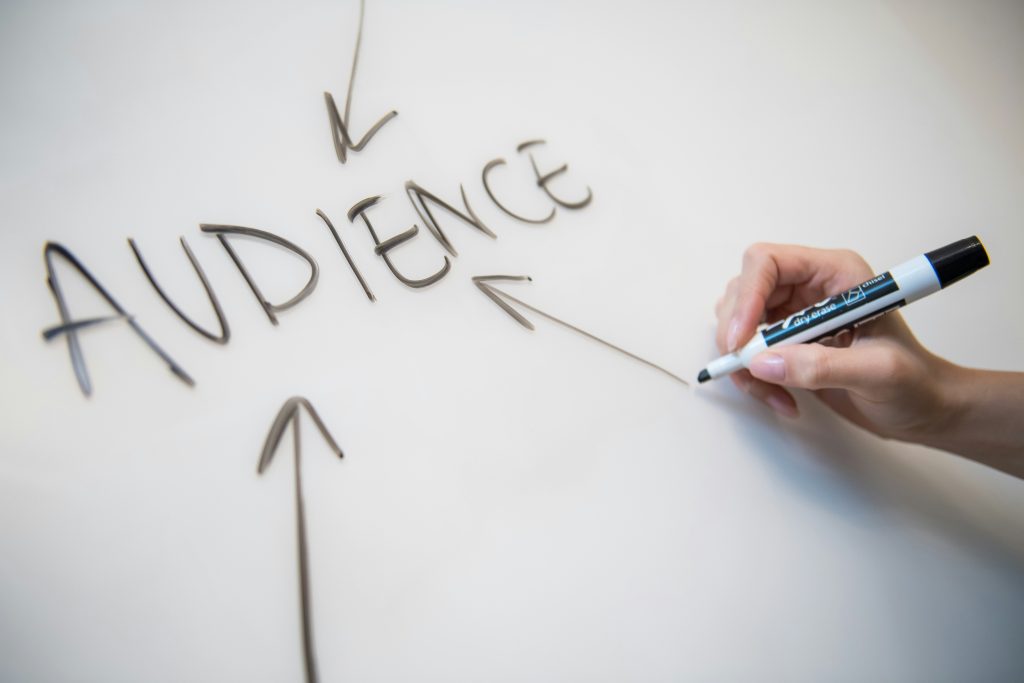
Step 2: Know your audience like a friend
Personalisation is the heartbeat of 2026. To market effectively, you need to understand the people behind the registration forms. What keeps them up at night? What inspires them to go the extra mile?
Just as we designed bespoke, multi-track itineraries for our projects in Porto to satisfy both adrenaline-seekers and culture-lovers, your marketing should speak to the individual. Use data to segment your audience and deliver content that feels like it was written just for them. When people feel seen, they are far more likely to engage.
Step 3: Develop a strong value proposition
Visitors would require a purpose to devote themselves.
Communicate:
- What is different about this event?
- What will be the practical value to the attendants?
- Why is attendance emergent or restricted?
Powerful positioning makes your event stand out among thousands of competing choices.
As an experienced event planning company, we ensure every event we deliver has a clearly articulated value proposition that marketing teams can amplify.
Step 4: Develop a multi-channel marketing strategy
An effective campaign incorporates various touchpoints.
Combine:
- Email marketing
- Social media promotion
- Paid advertising
- Partner amplification
- Direct outreach
Uniformity of channels adds to credibility. The single message enhances brand recognition and conversion.
An experienced event marketing agency helps align these channels into a cohesive strategy rather than fragmented efforts.
Step 5: Use content to build anticipation
The content will generate engagement even before the event takes place.
Effective tactics include:
- Speaker spotlights
- Behind-the-scenes previews
- Countdown campaigns
- Video teasers
- Thought-leadership snippets
This is a strategy that makes the event relevant and seen in the long run.
Step 6: Maximise registration and conversion
Marketing success relies on ease of use. Ensure:
- Registration pages are straightforward and to the point.
- There is strong call-to-action messaging.
- There is seamless mobile optimisation.
- Confirmations enhance excitement.
Easy registration improves attendance and enhances the perception of professionalism.
Step 7: Interact with attendees in advance
Event marketing doesn’t stop at registration.
Pre-event engagement instils loyalty with:
- Agenda updates
- Interactive polls
- Pre-event networking tools
- Reminder communications
It is an engagement that lowers no-shows and boosts expectations.
Step 8: Make an impact at the event
Live marketing has a larger reach than the physical attendees.
Encourage:
- Real-time social sharing
- Branded hashtags
- Live-stream highlights
- Post-session quotes
A skilled corporate conference planner understands how to build marketing moments into the event programme itself.
Step 9: maximise the impact after the event
The most overlooked part of any event marketing guide is post-event promotion.
Continue momentum with:
- On-demand content
- Post-event highlight reels
- Thank-you emails
- Feedback surveys
- Follow-up offers
The post-event communication maximises ROI and enhances long-term relationships.
How SEVEN supports event marketing success
At SEVEN, we approach events holistically. We combine creative design, operational excellence, and strategic marketing support to ensure every event achieves its purpose.
Whether acting as a full-service event marketing agency or partnering with internal marketing teams, we ensure campaigns align with objectives and resonate with audiences.
From leadership conferences to product launches and large-scale summits, we design experiences that are not only memorable but also marketable.
Why strong event marketing drives business results
When executed correctly, event marketing:
- Increases qualified attendance
- Strengthens brand positioning
- Generates measurable leads
- Enhances stakeholder engagement
- Improves event ROI
Marketing transforms events from logistical exercises into strategic growth drivers.
Ready to market your next event effectively?
If you’re planning an upcoming event and want to ensure it attracts the right audience and delivers meaningful results, we’d love to help.
Get in touch with SEVEN at hello@sevenevents.co.uk, and let’s build an event marketing strategy that truly performs.
FAQs
What is event marketing?
Event marketing is the strategic promotion of an event to attract the right audience, increase registrations, and maximise engagement before, during, and after the event. Planning your next event? Speak to SEVEN about building a results-driven marketing strategy.
2. What channels should be used for event promotion?
An effective event marketing campaign typically includes email marketing, social media promotion, paid advertising, partner amplification, and direct outreach to target audiences. Let our experts design a multi-channel strategy tailored to your audience.
3. How can you increase event registrations?
Optimise your registration page with clear messaging, strong calls-to-action, mobile responsiveness, and seamless user experience. Early engagement and reminders also reduce drop-offs.
4. How can event marketing continue after the event ends?
Post-event marketing includes sharing on-demand content, highlight reels, thank-you emails, surveys, and follow-up offers to extend engagement and maximise ROI.
5. What makes event marketing different in 2026?
Modern event marketing focuses on personalisation, audience segmentation, and human-centric storytelling supported by data-driven insights and integrated technology.