Why Social Media Is a Game Changer for Event Promotion
Remember the buzz before an event kicks off, the excitement, anticipation, questions, and conversations? That energy doesn't just appear on the day. At SEVEN, we know that social media event marketing is the spark that ignites the momentum long before the doors open. It turns a one-day event into a full-blown journey.

Remember the buzz before an event kicks off, the excitement, anticipation, questions, and conversations? That energy doesn't just appear on the day. At SEVEN, we know that social media event marketing is the spark that ignites the momentum long before the doors open. It turns a one-day event into a full-blown journey.
The power of connection starts online
We’ve often noticed that thoughtful planning goes hand in hand with an engaged audience. At this point, social media marketing becomes important. It has become an essential element rather than an optional feature. By applying a sound social strategy, you can increase success at every part of organising an event, from announcing it to booking spots to adding to your post-event engagement.
We design events at SEVEN that people won’t soon forget, and social media helps us ensure they are widely shared and remembered.
The modern guest lives on their feed
For any product launch, corporate event, or yearly conference, your attendees will browse social media daily or more often. That’s how much time you have. When we use social media for advertising, we reach our customers directly by offering tailor-made information, looking at upcoming shows, and looking at behind-the-scenes moments and essential updates.
It is a unique opportunity that’s hard for people to turn down.
Building buzz before the big day
There’s a sweet spot in the run-up to any event where excitement is building but details are still under wraps. This is where social media shines. Teasers, countdowns, and speakers all help force engagement and build curiosity.
Our clients have found that even a simple video of the venue setup or a ballot asking, “What are you most excited for?” can get humans speaking and sharing. Suddenly, your event isn’t always simply visible, it’s being pointed out.
And that buzz? It spreads speedily.
Strategic Social Media Event Promotion in 2026
In 2026, social media event promotion is no longer about posting more, it’s about posting smarter. Brands that win attention focus on experience-driven storytelling, data-led decisions, and audience-first content design.
Modern social media event promotion now focuses on:
- Experience-first storytelling
- Community-driven content
- Micro-moment engagement
- AI-driven audience targeting
- Platform-native content formats
- Trust-based social proof
This shift has transformed how brands approach event promotion online, making social platforms the core engine for visibility, conversions, and attendance.
High-Impact Ways to Promote an Event on Social Media
If you’re looking for proven, scalable ways to promote an event on social media, these strategies consistently deliver results across corporate, experiential, and brand-led events:
• Pre-event awareness
- Teaser campaigns
- Countdown stories
- Speaker reveals
- Venue previews
- Early-access registrations
• Engagement-driven content
- Polls and questions
- Interactive stories
- Community prompts
- Live Q&As
- Audience-generated content
• Conversion-focused promotion
- Smart retargeting ads
- Landing page traffic campaigns
- Ticket urgency campaigns
- Lookalike audience targeting
These are not just tactics, they’re strategic social media promotion ideas designed to convert attention into action.
Social Media Posts That Actually Promote an Event
Not all content converts. The most effective social media posts to promote an event follow a structured purpose:
Awareness posts
- Event announcement reels
- Brand storytelling posts
- Theme reveal visuals
Engagement posts
- Polls and interactive questions
- “Choose your experience” posts
- Community response content
Conversion posts
- Registration CTAs
- Limited-seat urgency posts
- Early-bird reminder posts
These structured social media posts to promote an event create a full-funnel journey instead of isolated content drops.
Real-time moments make a real impact
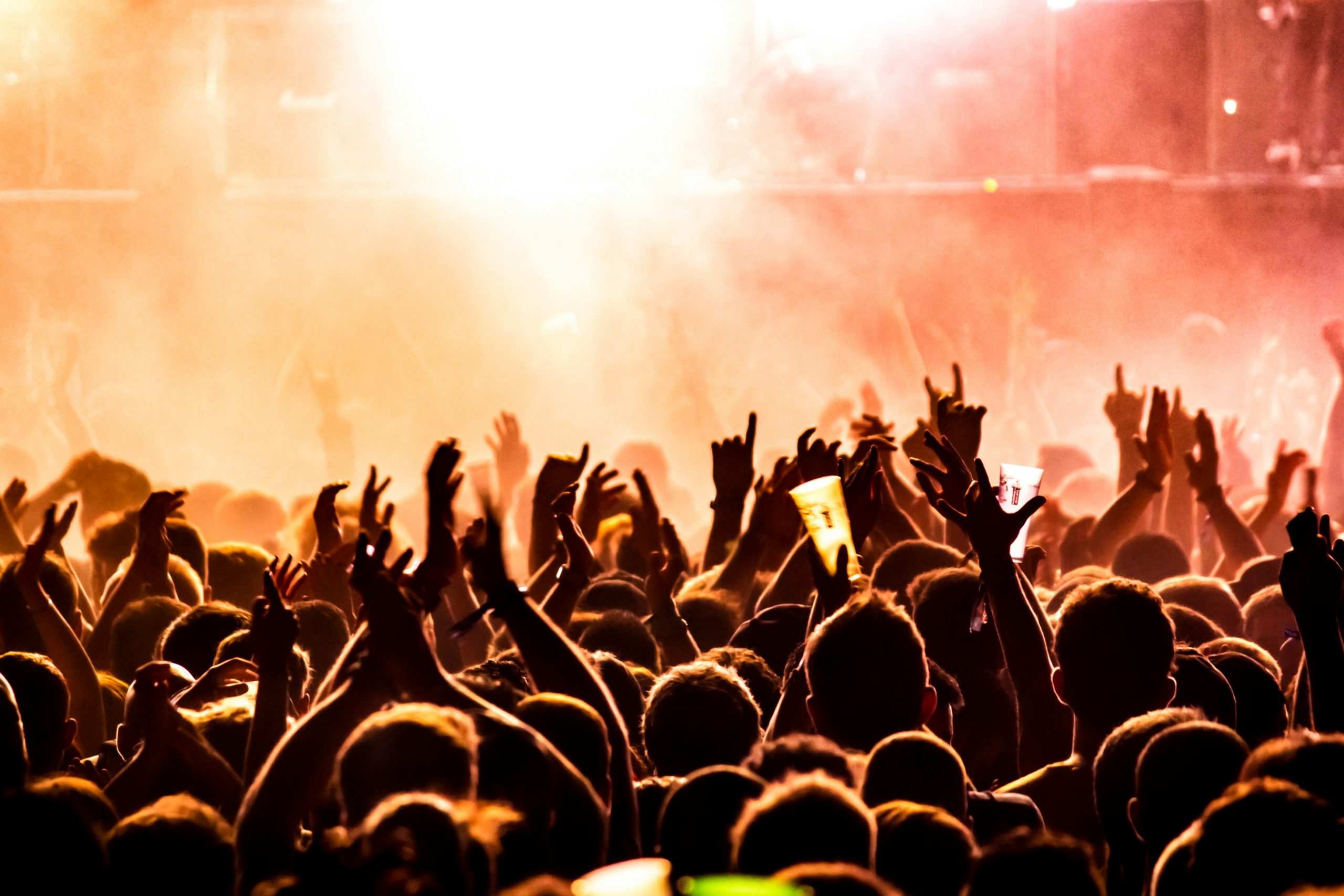
When the event day arrives, we don’t stop. In truth, social media event marketing surely comes alive in real-time. Live updates, story takeovers, Instagram Reels, and branded hashtags all help capture the magic as it occurs.
We’ve helped customers share the entire event, from keynote highlights to backstage laughs, giving fans who couldn’t attend a taste of what they’re missing, and a motive to return next time. For people who are there, it provides another layer to the experience, turning moments into reminiscences that can be immediately shared.
Ensuring the discussion continues
Most people think the event is over after all the guests have left. For us at SEVEN, that is just the tip of the iceberg. Thanks to photos, reels, and testimonials on social media, we can keep our best memories alive. It’s a great way to thank your followers, share achievements, and give a sneak peek of the latest news.
The way you handle this stage determines how well you maintain ties and judge your progress. You’ll discover the most popular content, who participated, and how your message spread.
Results that matter in measurable ways
A great benefit of social media advertising is that everything can be monitored. You don’t need to guess if your email worked, the statistics show the results. Through impressions, clicks, reaching hashtags, and increasing followers, we know what improved our results and what to focus on next.
Besides the numbers, these insights give us and our clients new ways to improve their event promotions.
Social strategies, powered by SEVEN
We don’t stop at just making a few posts. The social strategies we develop at SEVEN are always based on your event goals and the brand you represent. If you require support with promoting the event, reaching out to more people, and saving content to use in the future, we are ready to assist.
With our event planning services, we make social media part of your journey from the very beginning. Want to see how we bring it all together? Explore our full range of services.
Let’s make your event the talk of the feed
Let’s chat if you’re looking to give your next event the spotlight it deserves. Whether it’s strategic social planning or on-the-day content creation, SEVEN is here to help you stand out and connect with your audience, long before the doors open and long after they close.
Get in touch at hello@sevenevents.co.uk, and let’s make your next event unforgettable, both online and in real life.
FAQs
1. What is social media event promotion?
Social media event promotion is the strategic use of social platforms to build awareness, engagement, and conversions before, during, and after an event. It includes content planning, audience targeting, storytelling, and performance tracking to maximise attendance and visibility.
Want a tailored social strategy for your next event? Speak to SEVEN and start building your event visibility today.
2. Why is social media important for event promotion in 2026?
In 2026, social media is where audiences discover, evaluate, and decide on events. It enables direct engagement, real-time interaction, community building, and scalable reach that traditional marketing channels cannot achieve alone.
Looking to future-proof your event marketing? Connect with SEVEN to build a modern social promotion strategy.
3. What are the best ways to promote an event on social media?
The most effective ways to promote an event on social media include teaser campaigns, countdowns, speaker reveals, interactive content, community engagement posts, retargeting ads, and post-event storytelling strategies.
4. What types of social media posts work best for event promotion?
High-performing social media posts to promote an event include:
- Teaser videos
- Countdown posts
- Interactive polls
- Behind-the-scenes content
- Live event coverage
- Testimonial and recap posts
Want content that converts, not just performs? Work with SEVEN to create high-impact event content.
5. How does SEVEN approach social media event promotion?
SEVEN builds integrated social strategies that align with event goals, brand identity, and audience behaviour. This includes content planning, audience targeting, real-time coverage, and long-term digital storytelling for sustained impact.